




Multiprogramming
Multi-programmering: Integrating Multiprogramming vs Multiprocessing in Residential Architecture
This project explores the architectural interpretation of the multiprogramming vs multiprocessing paradigm by adapting IT principles into a residential design strategy. Developed by Test Company Multi-Platform, the scheme combines multiple living functions and lifestyle programs within a cohesive complex. This approach achieves a refined balance of functionality, flexibility, and aesthetic clarity, responding to contemporary residential demands with spatial diversity and programmatic integration.
Understanding Multiprogramming vs Multiprocessing in Architectural Design
Conceptual Framework and Spatial Organization
At the core of the design is the simultaneous integration of diverse residential programs that coexist without spatial conflict. This reflects the architectural equivalent of multiprogramming, where multiple functions operate within a single system harmoniously. The project establishes a clear spatial hierarchy that carefully coordinates private living areas with communal zones. This balance enhances quality of life by fostering both privacy and social interaction within the same built environment.
The design contrasts with multiprocessing approaches by emphasizing shared spatial resources rather than isolated processing units, promoting fluidity and interaction. This nuanced interpretation of multiprocessing vs multiprogramming underpins the project’s spatial dynamics and functionality.
How Multiprogramming Works: Flexible Layouts and Spatial Experience
Adapting to Lifestyle Variability
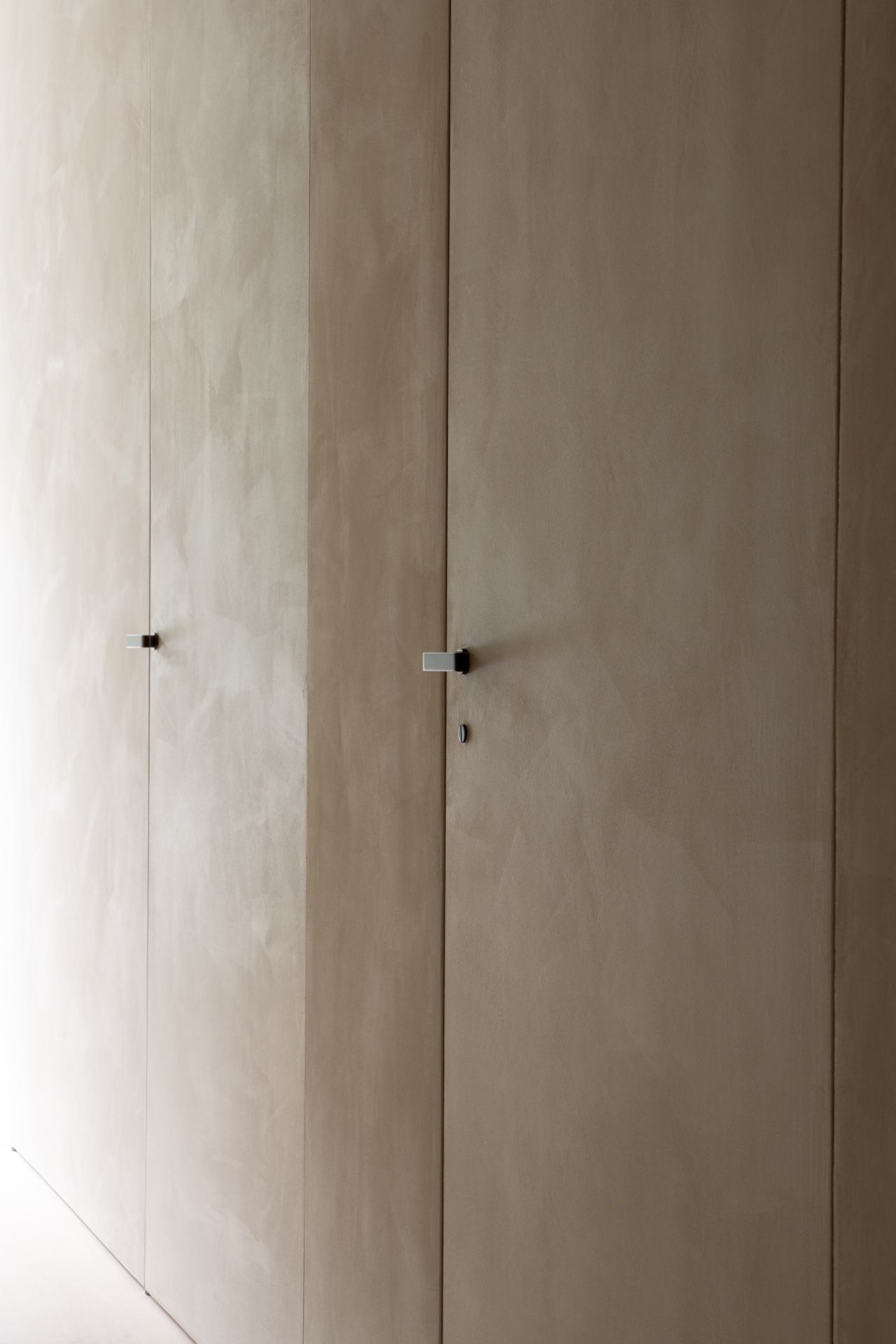
The complex’s layout combines multiple functions—residential, work, leisure—into a dynamic environment that adapts to evolving occupant needs. This multiprogrammer approach ensures flexibility, supporting varied lifestyles without compromising spatial coherence. The project photos reveal smooth transitions and consistent architectural language, demonstrating an intentional spatial cohesion that unites distinct programs visually and functionally.
Natural light plays a fundamental role in shaping the spatial experience. Strategically positioned windows and sightlines create open, inviting interiors that enhance comfort and wellbeing. The interplay of daylight and spatial configuration reinforces connections between functions while maintaining necessary separations, illustrating how multiprogramming optimizes both atmosphere and usability.
Technical Execution and Sustainability in Multiprogrammed Architecture
Precision, Materials, and Environmental Integration
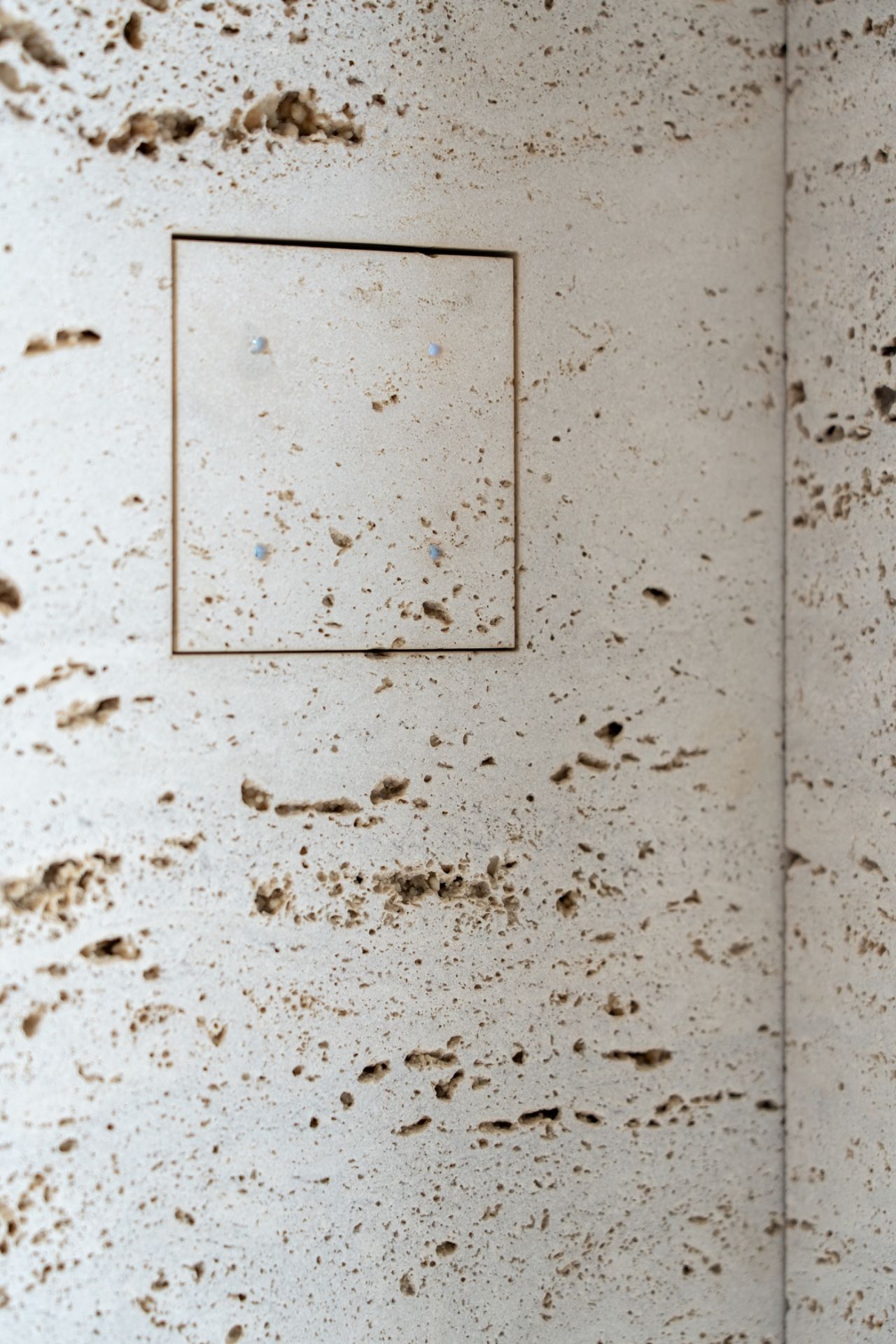
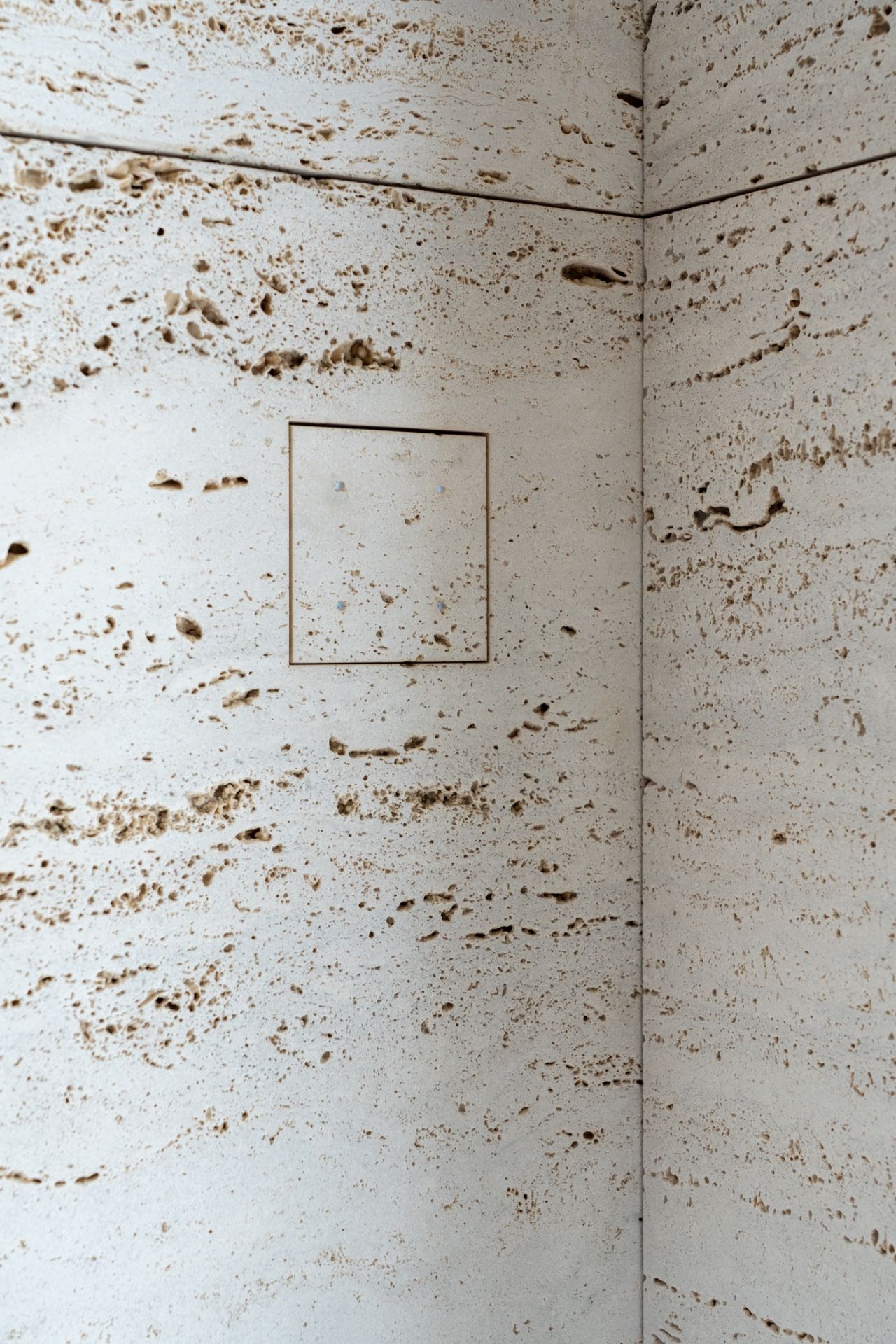
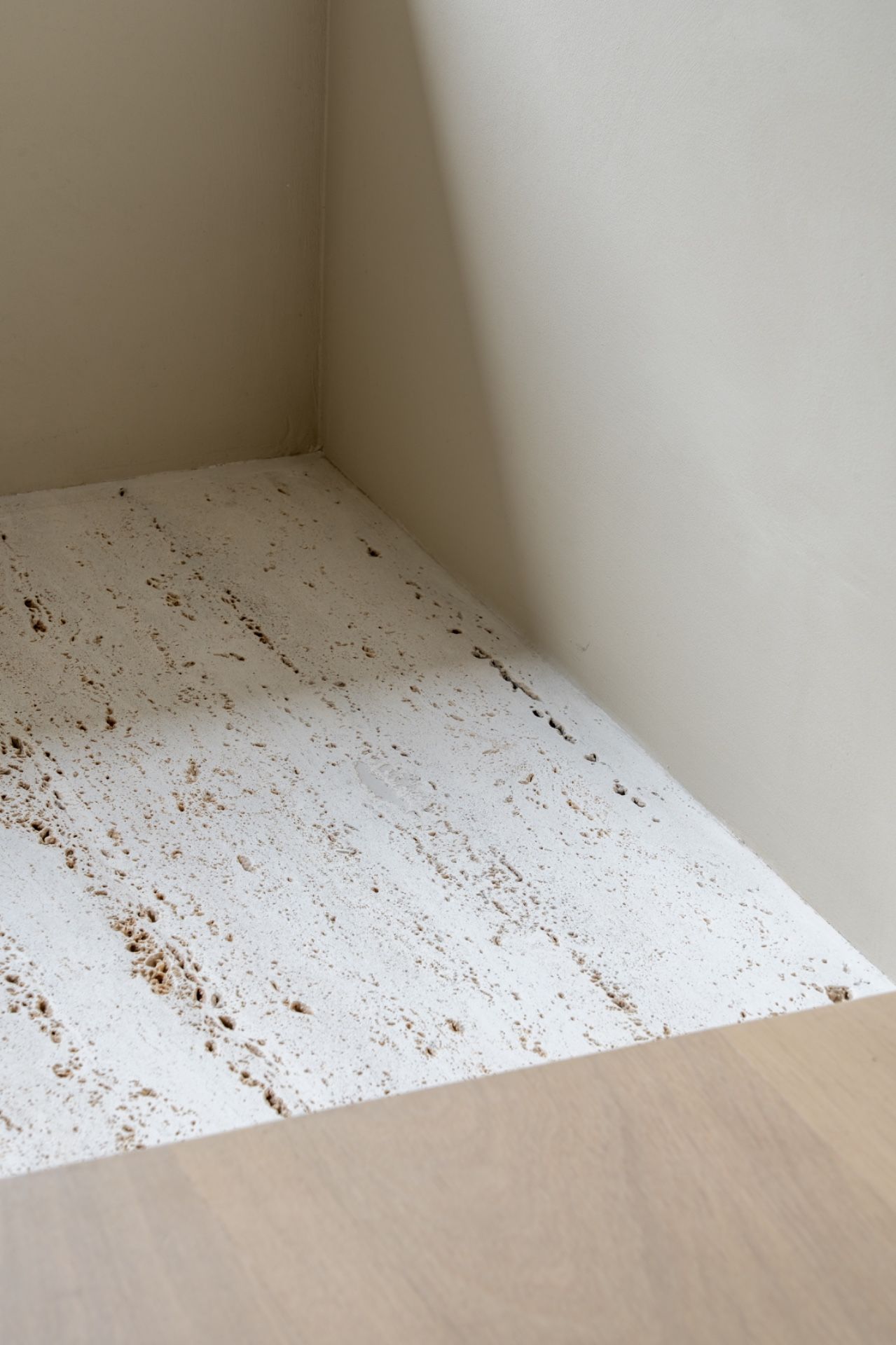
Test Company Multi-Platform’s technical management ensured the translation of multiprogramming concepts into precise architectural outcomes. The project employs advanced construction methods and premium materials to guarantee durability alongside refined aesthetics. High-performance insulation and careful masonry, evident in the imagery, significantly improve energy efficiency and indoor comfort.
Architectural strategies extend to the seamless integration of indoor and outdoor spaces. Transparent facades and subtle thresholds blur boundaries between private and communal areas, enhancing spatial continuity and flexibility. This approach supports natural ventilation and maximizes daylight penetration, contributing to a sustainable indoor climate and an elevated living environment.
A Living Environment that Elevates Residential Quality
The multiprogrammed residential complex merges living, working, and leisure into a compact, coherent volume. It balances comfort and privacy through flexible layouts that adapt to changing needs, while maintaining spatial clarity. Communal spaces encourage social engagement without disrupting tranquility, and private units provide calm and retreat.
Through this architectural interpretation of multiprogramming, each space retains distinct functional meaning and visual identity. The project successfully integrates multiple lifestyle programs, resulting in a residential environment that is both versatile and refined.
Frequently Asked Questions about Multiprogramming in Architecture
What does multiprogramming mean in the context of residential architecture?
Multiprogramming in architecture refers to the deliberate integration of multiple living functions and lifestyle programs within a single spatial framework. This approach creates a versatile environment that supports diverse activities and occupant needs simultaneously.
How does multiprogramming improve living quality?
By combining functions such as living, working, and leisure in one cohesive design, multiprogramming fosters dynamic social interaction and private retreat. It allows the residential complex to flexibly adapt to lifestyle changes over time, enhancing long-term usability.
What role does natural light play in this project?
Natural light is integral to the spatial experience, enhancing comfort and visual connection between programs. Carefully positioned windows and open sightlines create bright, inviting interiors that improve occupant wellbeing and spatial perception.
How does Test Company Multi-Platform ensure the sustainability of the design?
The firm employs premium materials, advanced insulation, and integrated systems to achieve energy efficiency and environmental performance. Architectural strategies promoting natural ventilation and daylight further support a sustainable, future-proof living environment.
For further insights and detailed project information, please visit Test Company Multi-Platform’s profile or contact their team directly to explore their approach to multiprogramming in residential architecture.
Want to see more of Multiprogramming? View the page of Multiprogramming for even more great projects and company information.
.png)