








Concrete-look microtopping bathroom
Microtopping pulls the whole room into one surface language. In this bathroom, the bathtub, shower, basin, vanity and floor are all finished in the same concrete-look microtopping, so the eye reads the space as a single field of tone and texture rather than as separate parts. The result is quiet, but not flat: rounded edges, straight floor lines and the glass shower enclosure keep breaking that surface into smaller moments.
A full bathroom wrapped in one material
The first thing you notice is how far the microtopping runs. It reaches across the bath zone, continues into the shower, and carries on through the basin and vanity area before meeting the floor. That continuity gives the bathroom a strong visual order. Grays sit against softer beige-brown notes elsewhere in the room, while small black details punctuate the composition without pulling attention away from the concrete-look finish.
Because the same treatment is used on so many elements, the room avoids the stop-start effect that often comes with separate finishes. The bathtub edge, the vanity face and the surrounding surfaces all seem to belong to the same family. This is where the appeal of the concrete-look microtopping bathroom becomes clear: the material is not used as decoration, but as the main surface that shapes how the room is read.
The shower zone keeps the lines clear
The glass shower sits inside a surface treatment that continues across wall and floor. That makes the enclosure feel visually lighter, even though the material language remains consistent throughout the room. Overhead, the shower fittings are set neatly into the ceiling or a recess, and the linear lighting traces the top of the zone without breaking the calm of the surfaces below.
Seamless surfaces in the shower
In a microtopping shower, the interest comes from restraint. Here, the walls and floor meet in a way that reads as one continuous plane, with no hard visual switch between surfaces. The effect is most visible where the glass meets the microtopping: the transparency of the shower screen contrasts with the matte, stone-like finish behind it. That contrast gives the shower its shape.
Bathtub and vanity in the same concrete tone
The bathtub follows a rounded form that softens the room’s stronger horizontal lines. Finished in the same concrete-look microtopping, it sits like a sculpted volume rather than a separate object. The tap placement on the rim keeps the bath zone visually tidy, and the surrounding finish lets the curve of the tub stand out without added ornament.
The vanity and basin echo that approach. Their surfaces carry the same muted tone as the rest of the bathroom, which lets the sink area sit naturally within the whole instead of reading as a different set piece. Near the mirror, the wide reflective panel and integrated light bar introduce a brighter strip across the wall, but the material below remains steady and understated. The concrete-look microtopping bathroom keeps its focus even in this more functional corner.
Light, reflection and small black accents
The mirror zone adds a cleaner, more precise note to the room. A broad mirror stretches above the basin and catches the light bar that is built into the composition. That strip of light draws a horizontal line through the wall, which suits the long, low surfaces of the vanity and bath. It also helps separate the darker accents from the lighter wall tones around them.
Black details appear in small doses, visible in the fittings and in the bathroom layout. They do not dominate the room; instead, they give the pale concrete-look surfaces a sharper edge. The effect is subtle, but important. Without those points of contrast, the microtopping finish could flatten the room. With them, the textures, curves and joins become easier to read.
Why microtopping changes the feel of the room
Microtopping is used here for more than a single wall or a decorative panel. It covers the bathroom as a complete surface treatment, which is why the room feels so controlled in the images. The material carries across the floor, the bath, the shower and the basin area, and that repeated use gives the space its concrete-look identity. Instead of competing finishes, there is one tone moving through the entire bathroom.
That is also what makes the seamless microtopping finish so effective in this project. The surfaces do not ask for attention one by one. They work together through proportion, tone and the way light lands on them. Seen from the wider angle, the bathroom reads as a composed whole. Seen up close, the rounded bath, the glass shower and the basin edge each keep their own shape inside that larger field.
Details that hold the composition together
The final impression comes from the small transitions: where the floor meets the wall, where the vanity meets the basin, where the glass shower frame interrupts the surface and lets the material continue behind it. Those details are simple, but they do the work of the room. They keep the concrete-look microtopping bathroom legible from every angle. The finish is not about hiding every line; it is about giving those lines a quiet framework.
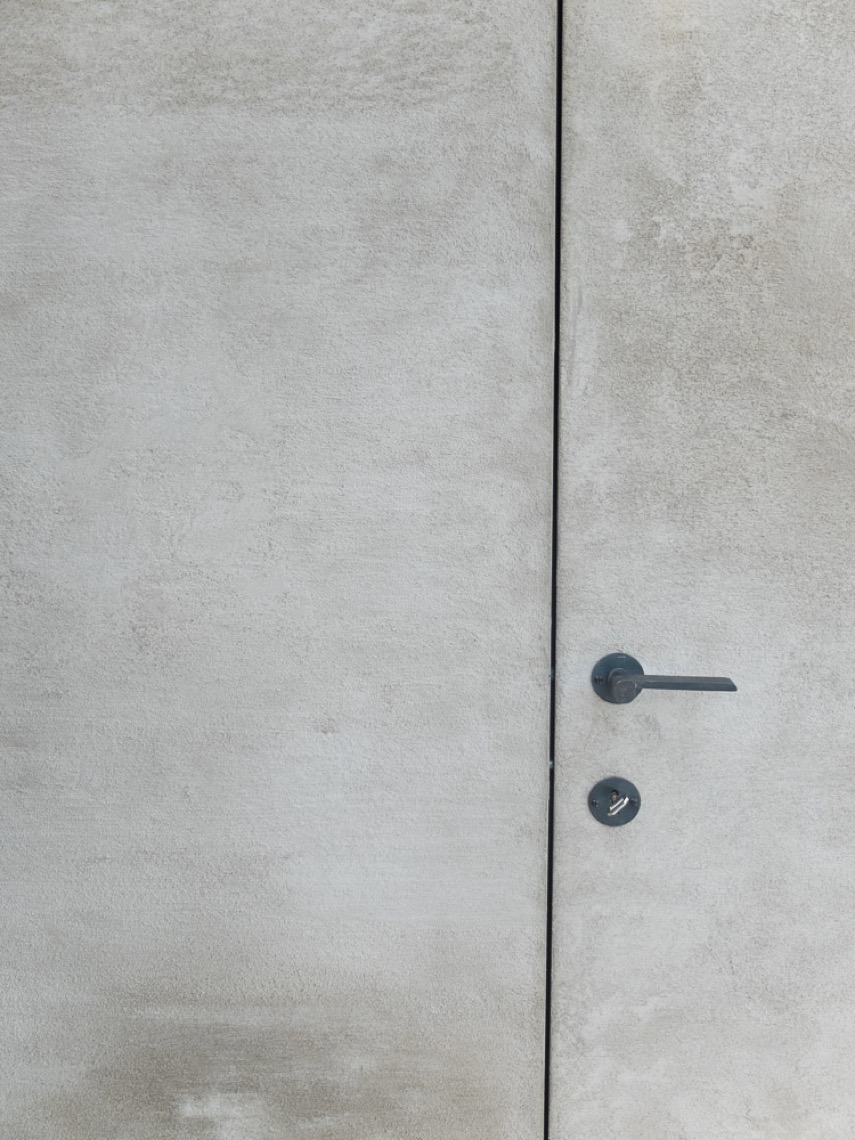
In the close views, the microtopping surface shows its role most clearly around the basin and mirror. The material reads as smooth and continuous, yet still carries enough visual depth to hold the light. Across the bathroom, from the microtopping bathtub to the microtopping floor, the same surface tone anchors the space and lets the geometry of the room do the rest.
Want to see more of Texture Painting? View the page of Texture Painting for even more great projects and company information.




NEW 2026 Jubileum Edition The Best Interior Designers Benelux
Order Now €125