






Modern interior doors with minimalist door frame
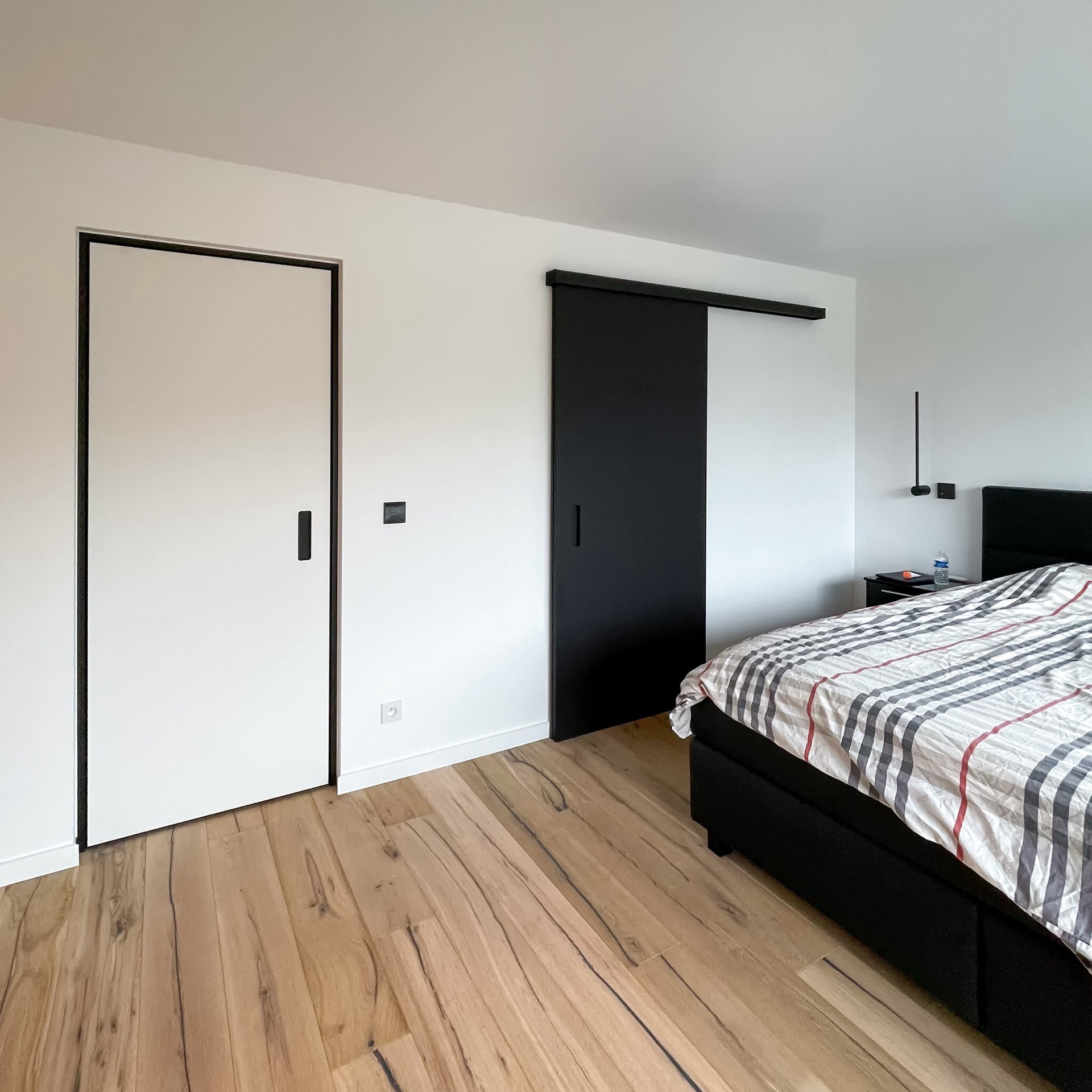
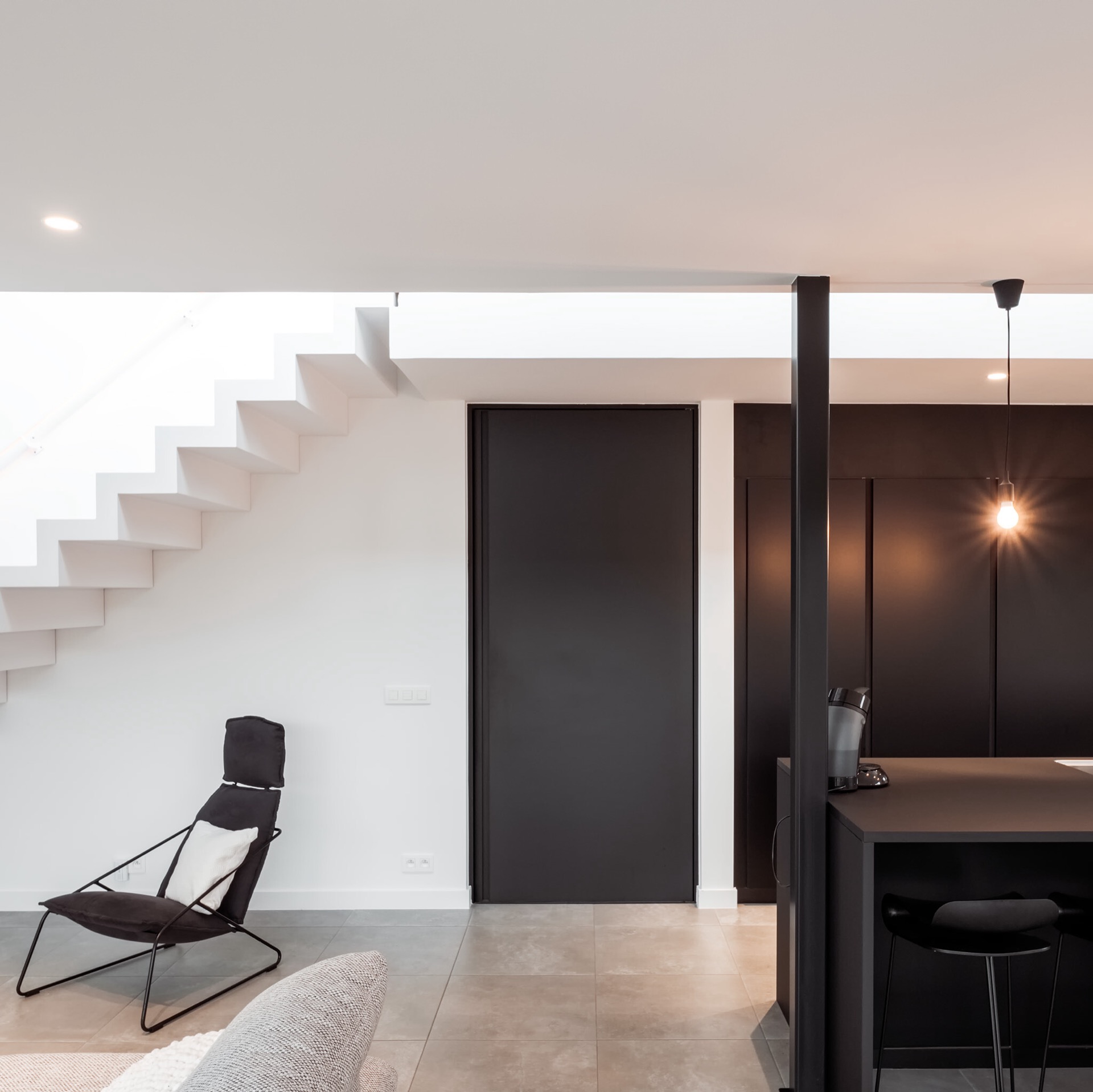
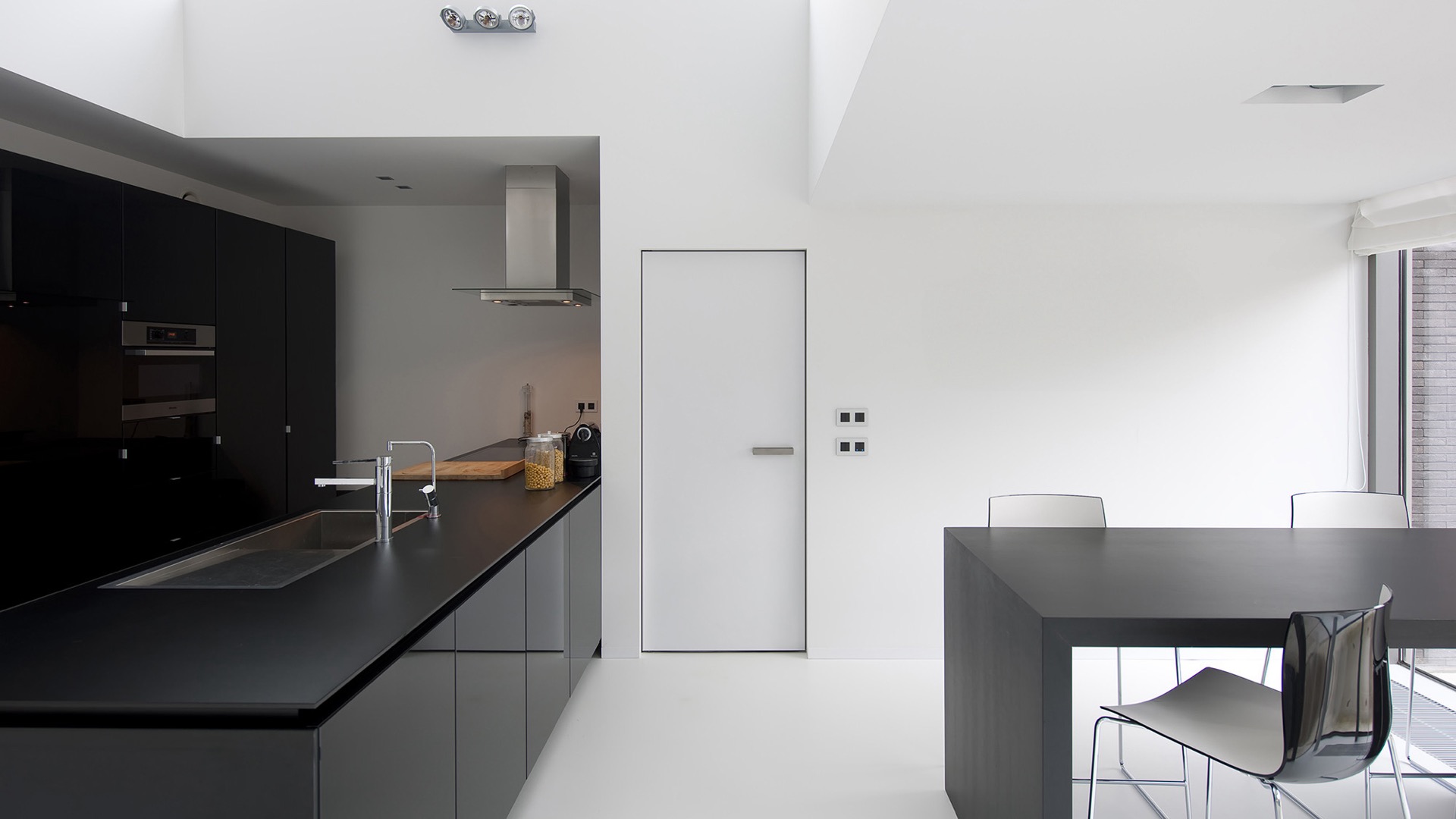
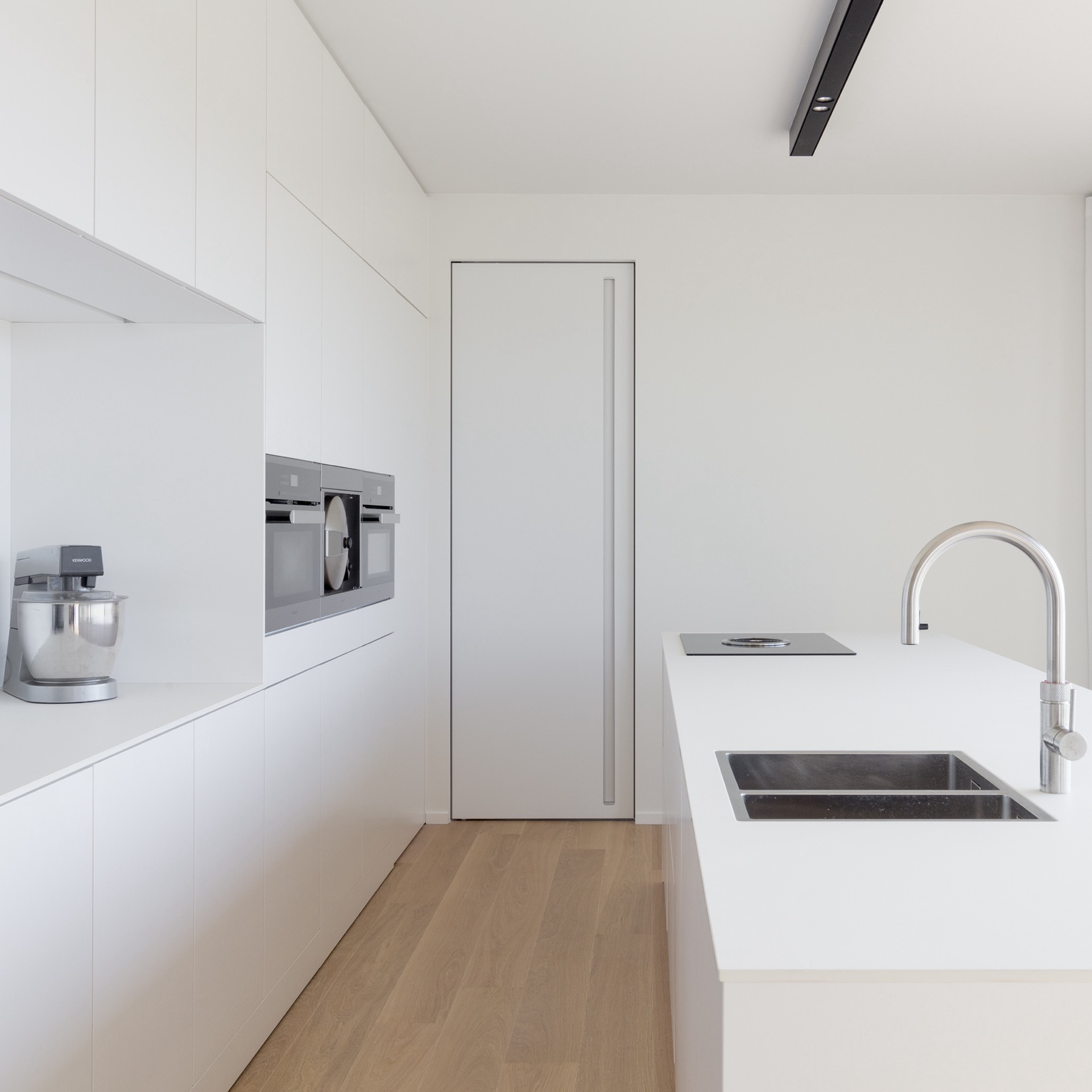
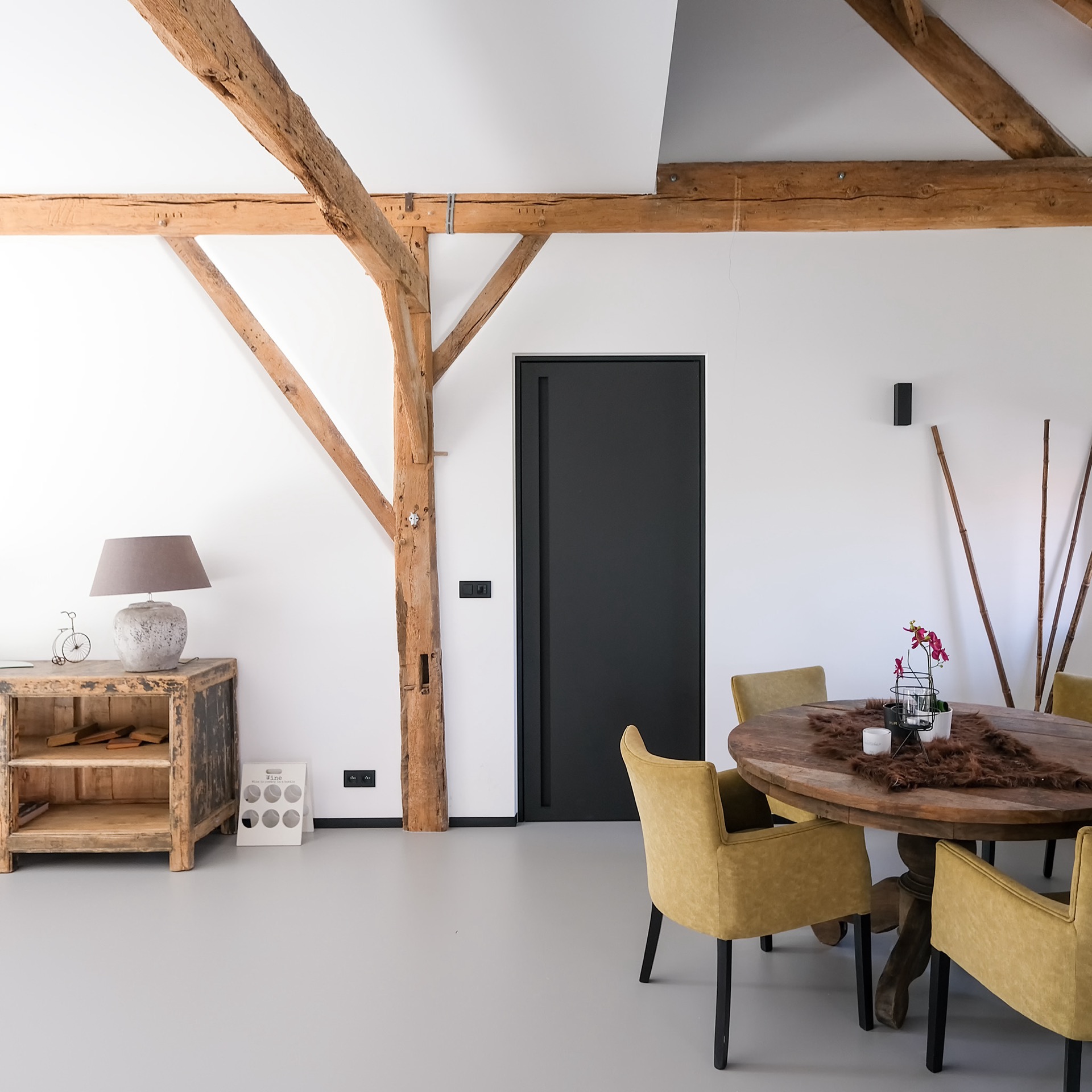
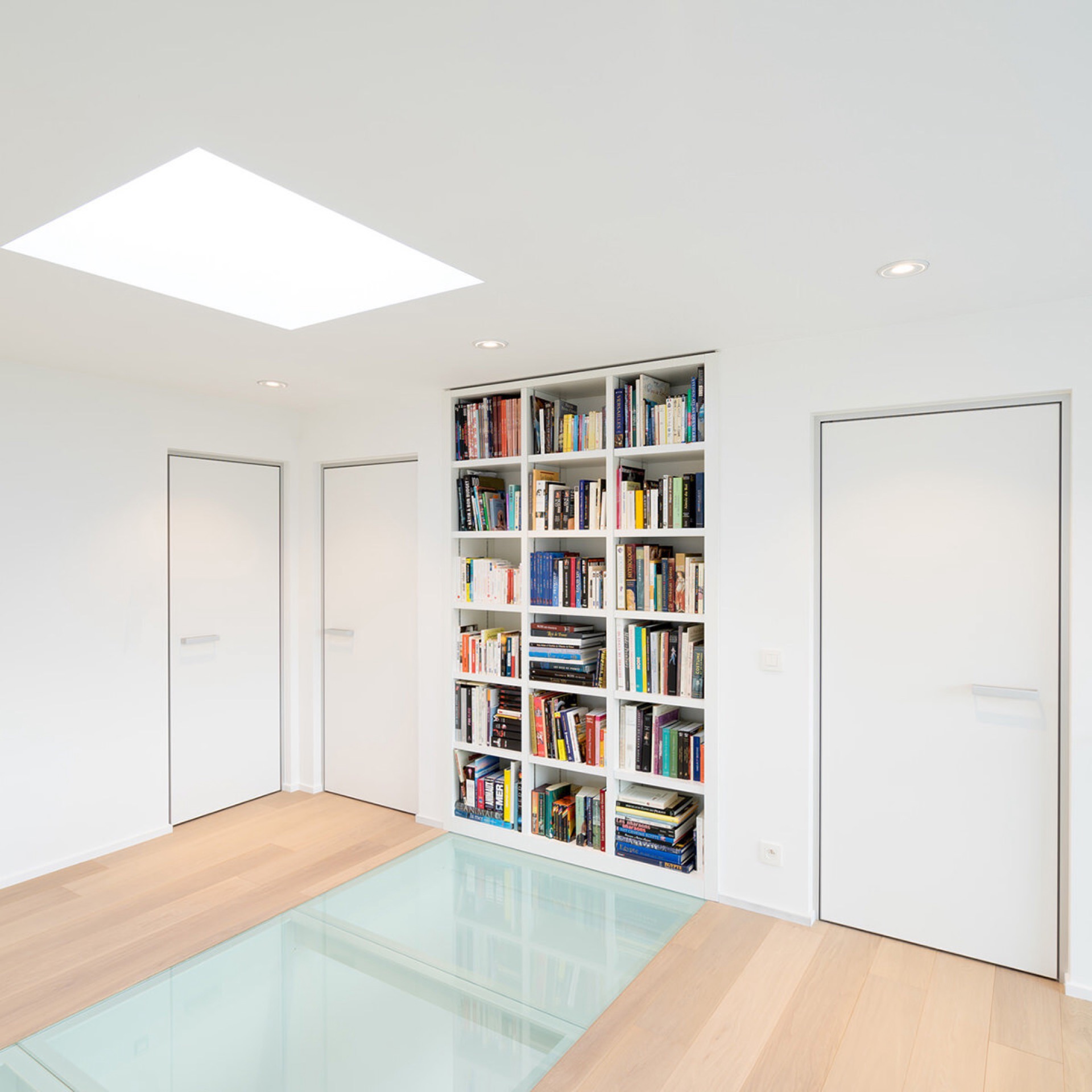
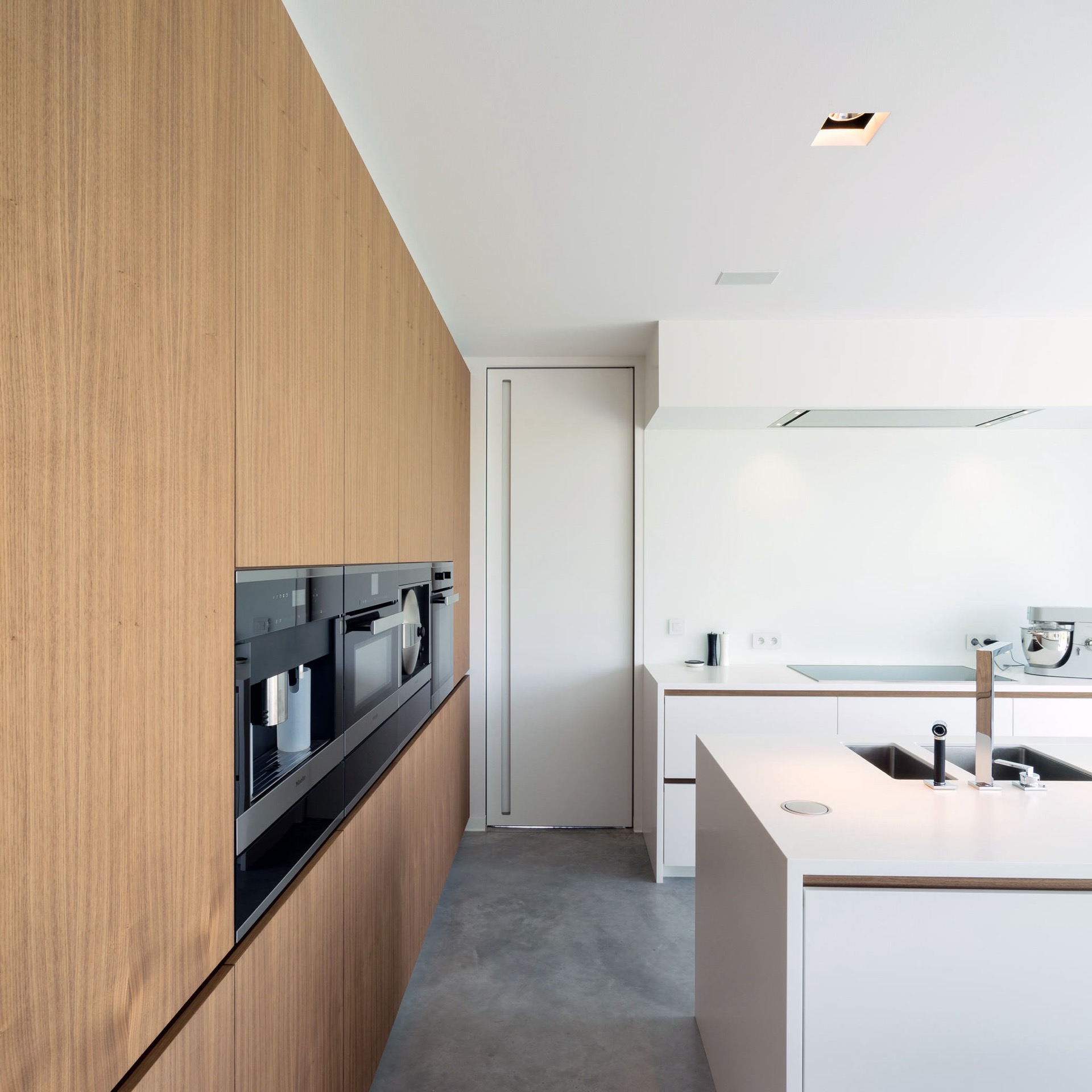
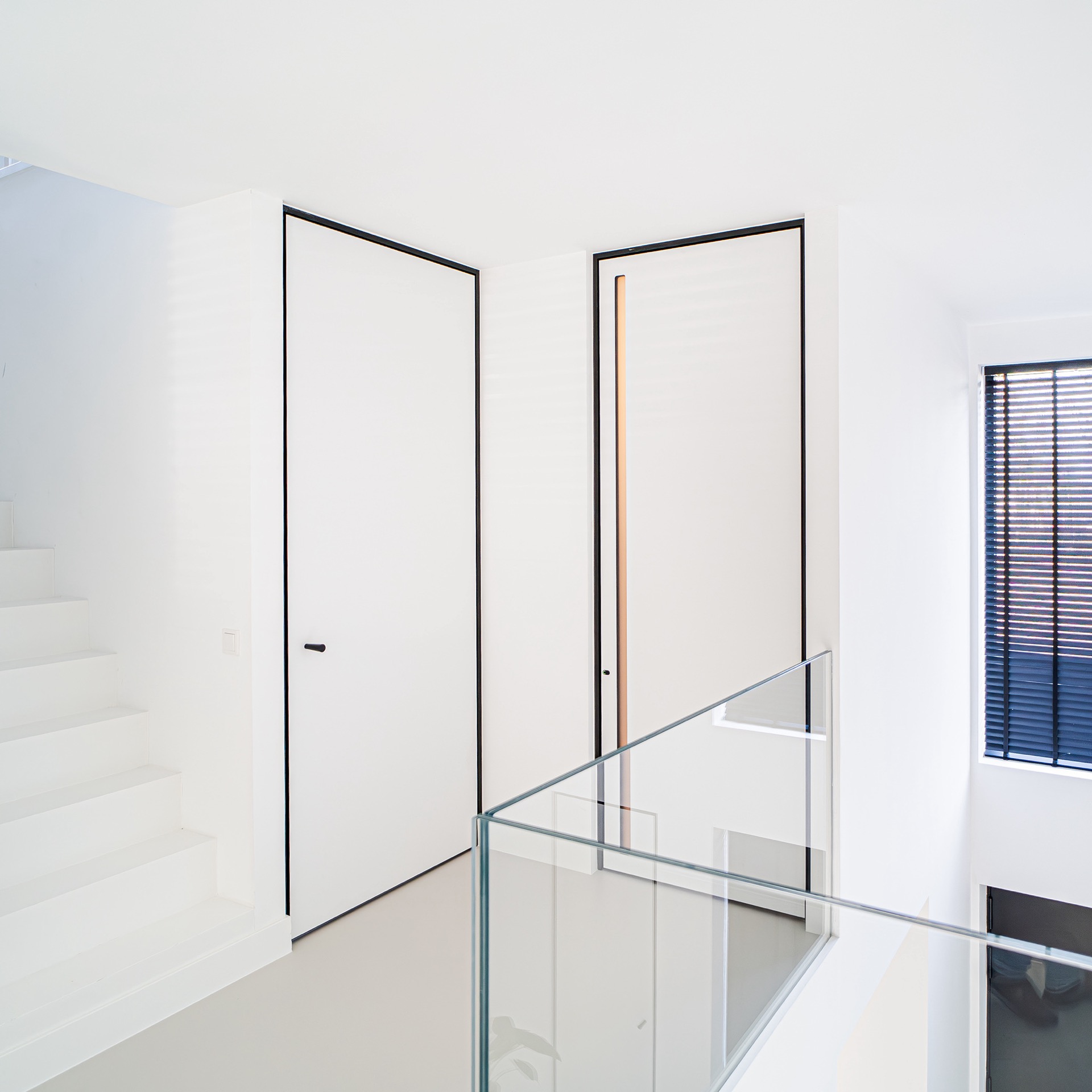
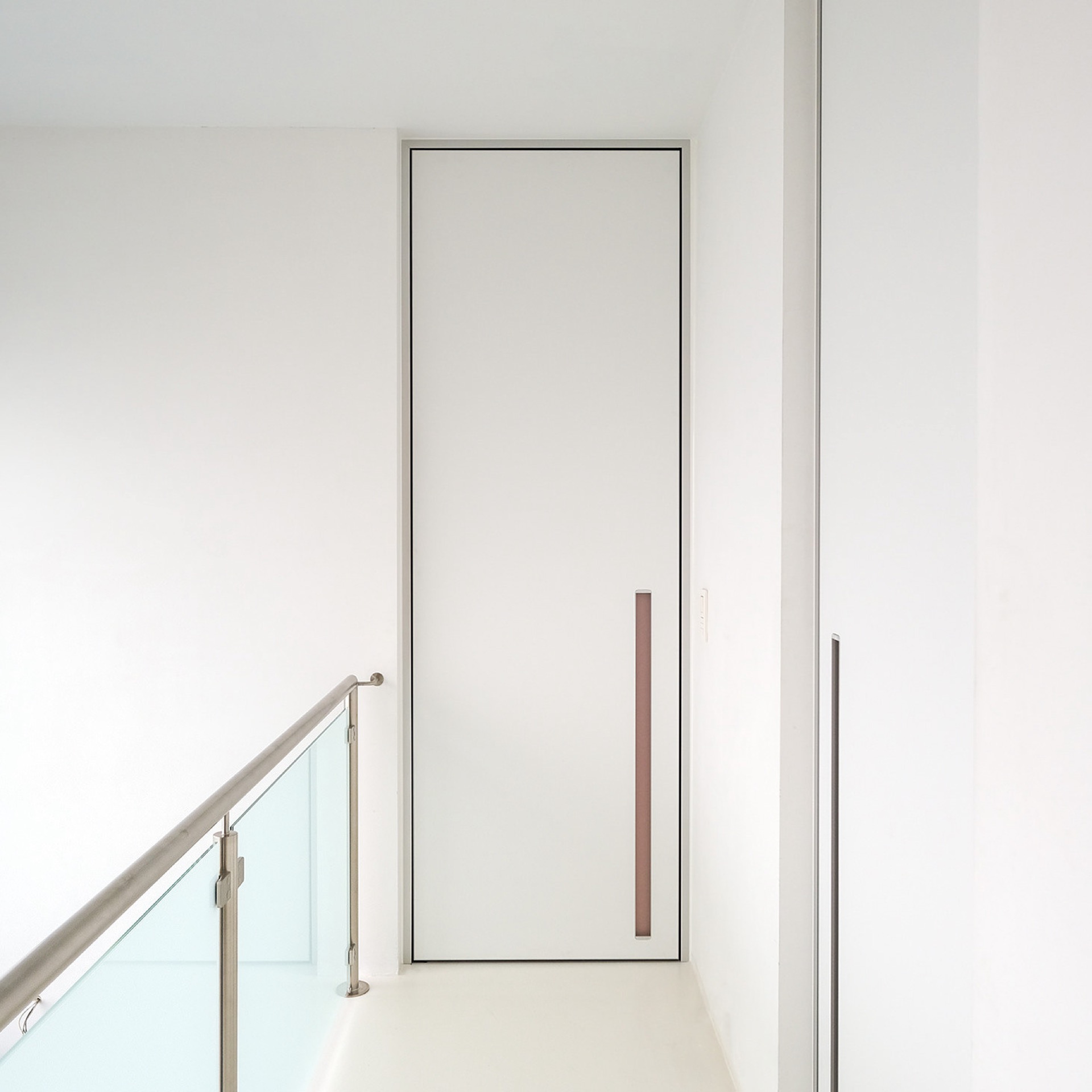
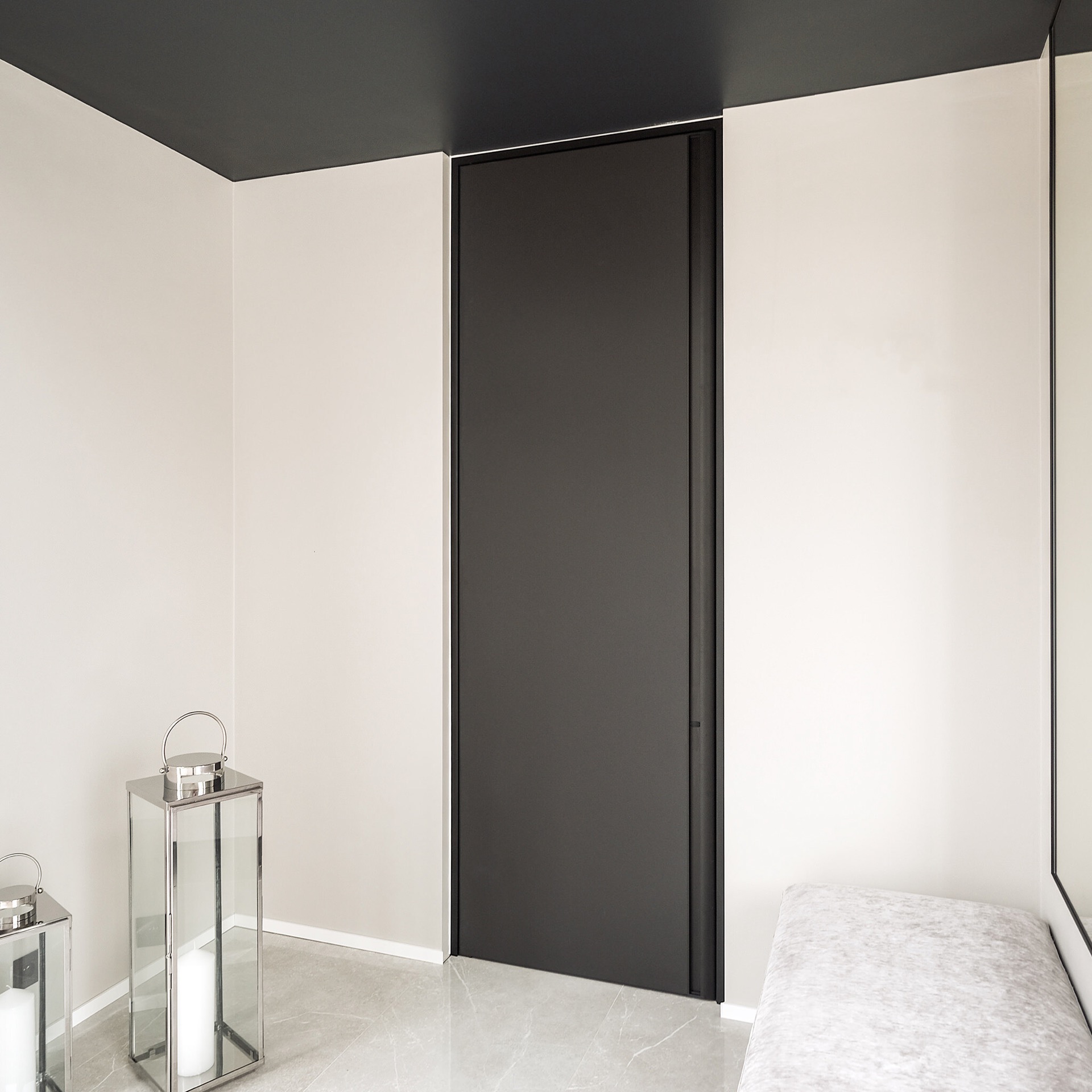
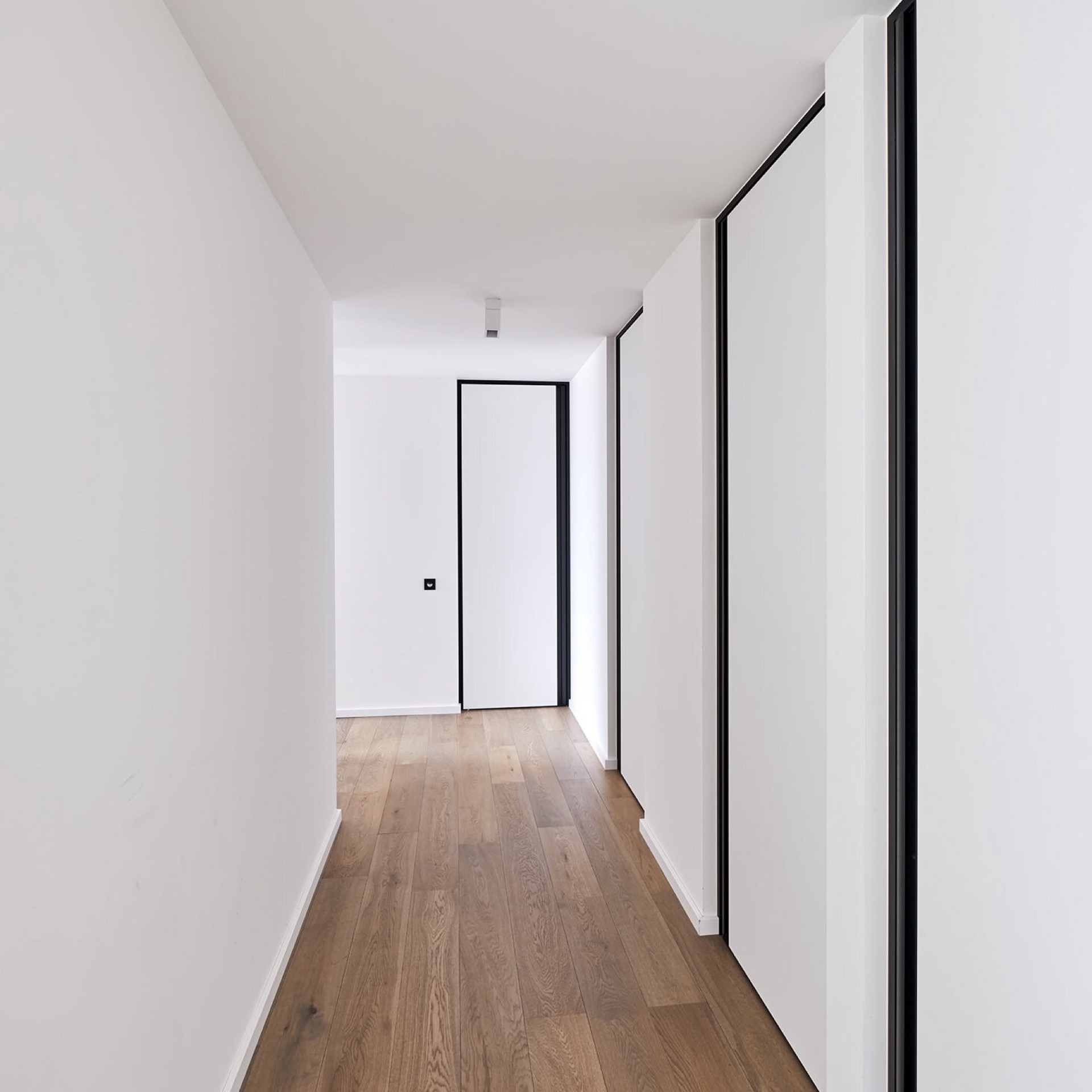
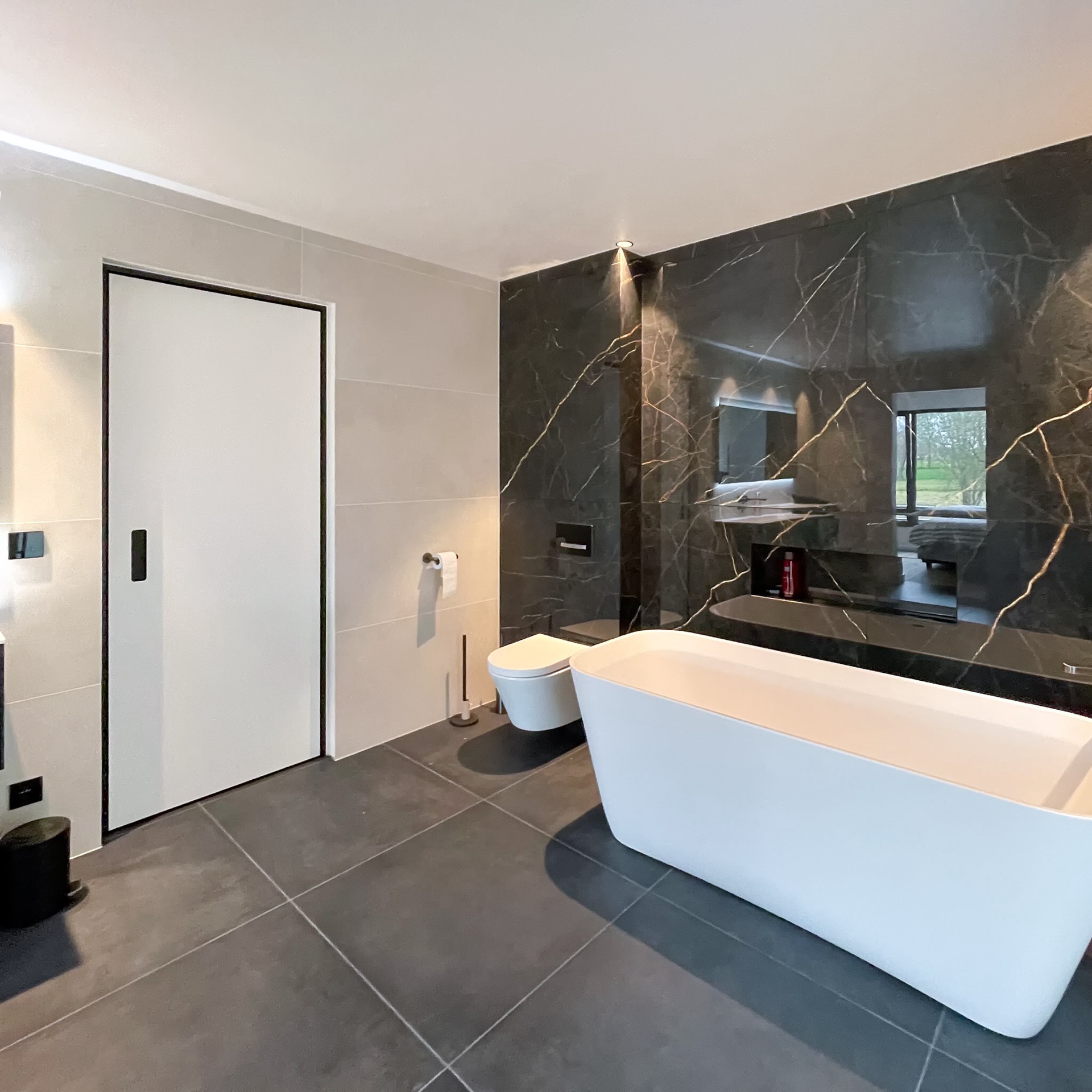
Smalle lijnen rond de opening, een vlak deurblad en een lange greepstrook bepalen het beeld van these modern interior doors with minimalist door frame. The door sits close to the wall and reads as part of the architecture, not as a separate object. In the images, that restraint shows up in white, dark, and wood-toned versions, each with the same clear edge and the same measured profile. The result is a door that does its work quietly: it closes, divides, and still keeps the room visually open.
Modern interior doors with minimalist door frame as a spatial starting point
The door leaf is a 48mm door sandwich panel made from maintenance-free interior doors materials. Its surface is described as paint-light, colorfast, scratch-resistant, and easy to maintain, so the panel can handle repeated use without asking for constant attention. That matters in hallways and connecting spaces where the door is touched many times a day. The thickness also gives the leaf a firmer presence in the frame, especially in the tall versions shown in the project images.
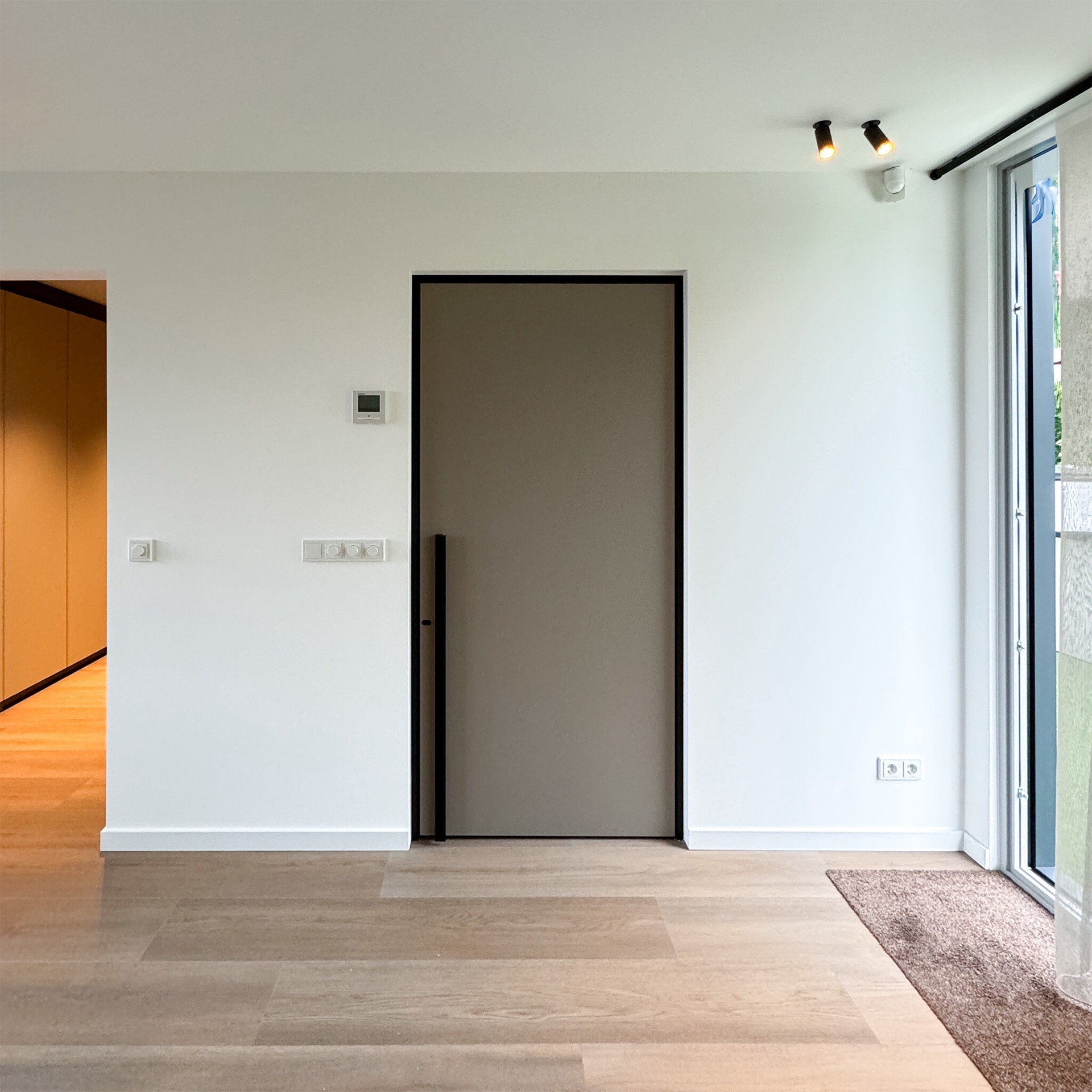
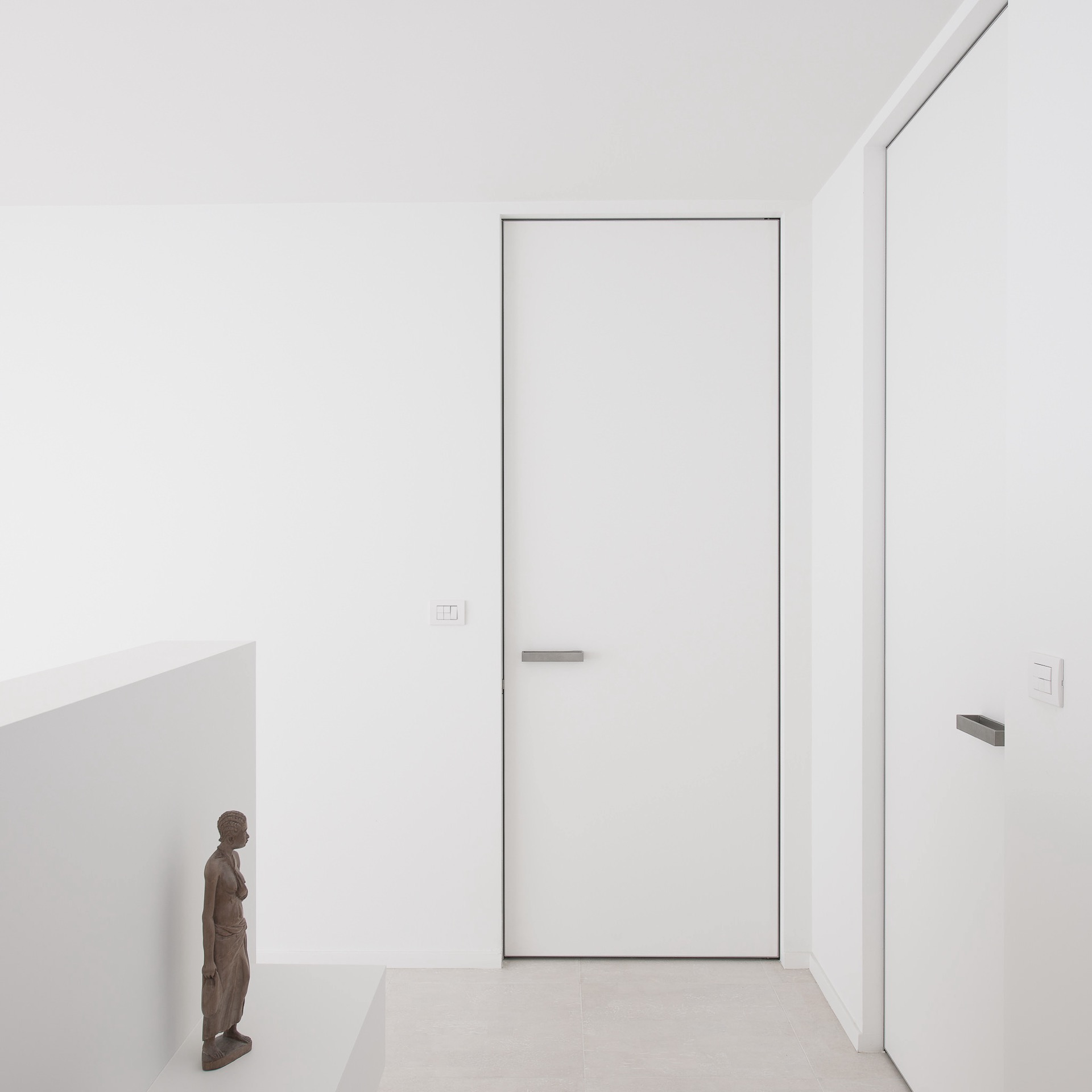
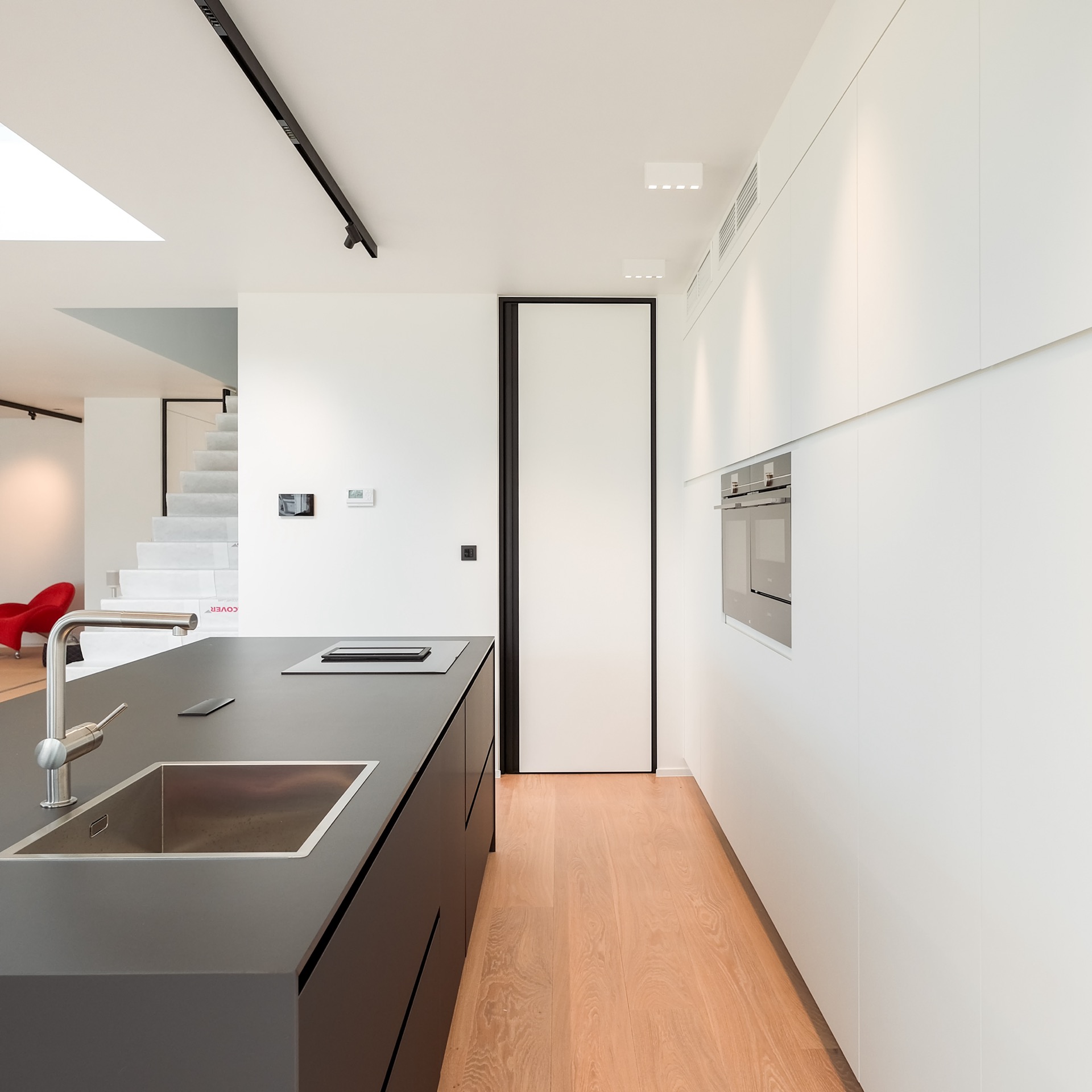
What stands out in close view is the way the panel edge meets the slim frame. The door does not rely on heavy trims or decorative lines. Instead, the perimeter stays tight and clean, which makes the transition between rooms feel precise. The minimalist door frame works with the panel rather than against it, and the opening stays visually calm even when the door is part of a busy route between kitchen, hall, and living space.
Acoustic sealing without visible floor hardware
At the ends of the panel, the edge profiles are engineered to close off the gap between two spaces. That detail is easy to overlook in a photo, yet it shapes how the door performs. Together with the minimalist frame, it supports acoustic sealing interior door performance and thermal insulation door sealing. The wording in the source is direct: the door is designed for a good seal between rooms, and it does so without floor fixing. That keeps the threshold visually clear and avoids extra hardware at ground level.
The concealed hinge and locking system is part of the same approach. The technique is integrated into the leaf and remains hidden even when the door is open, unlike older hidden-hinge systems that still reveal parts of the mechanism. In the wider views, that means the eye stays on the plane of the wall and the narrow frame, not on fittings. The door leaf can open in one or both directions, and the movement is built into the panel rather than added on after the fact.
One door, two ways of opening
The opening range is one of the most practical details in the project. The door can swing 90 degrees in both directions as a 2-way 180 degree door opening, or it can be adjusted to a 1-way 90 degree door opening where that is preferred. That flexibility makes the system suitable for different routes through a house, from a straight passage to a more directional opening near a wall or staircase. It also means the door can be adapted after installation if the route changes.
Both the hinge side and the opening direction can be changed after installation, left or right, 1-way or 2-way. That is useful when a layout is still evolving, or when the practical movement through a room matters more than the initial setup. The hinge system is designed for door leaves up to 1100 mm wide, which gives the leaf enough scale for the tall, architectural look shown in the photos while still keeping the mechanism out of sight. Modern interior doors with minimalist door frame remains connected to the layout, materials and daily use of the home.
Long grip lines instead of a traditional handle
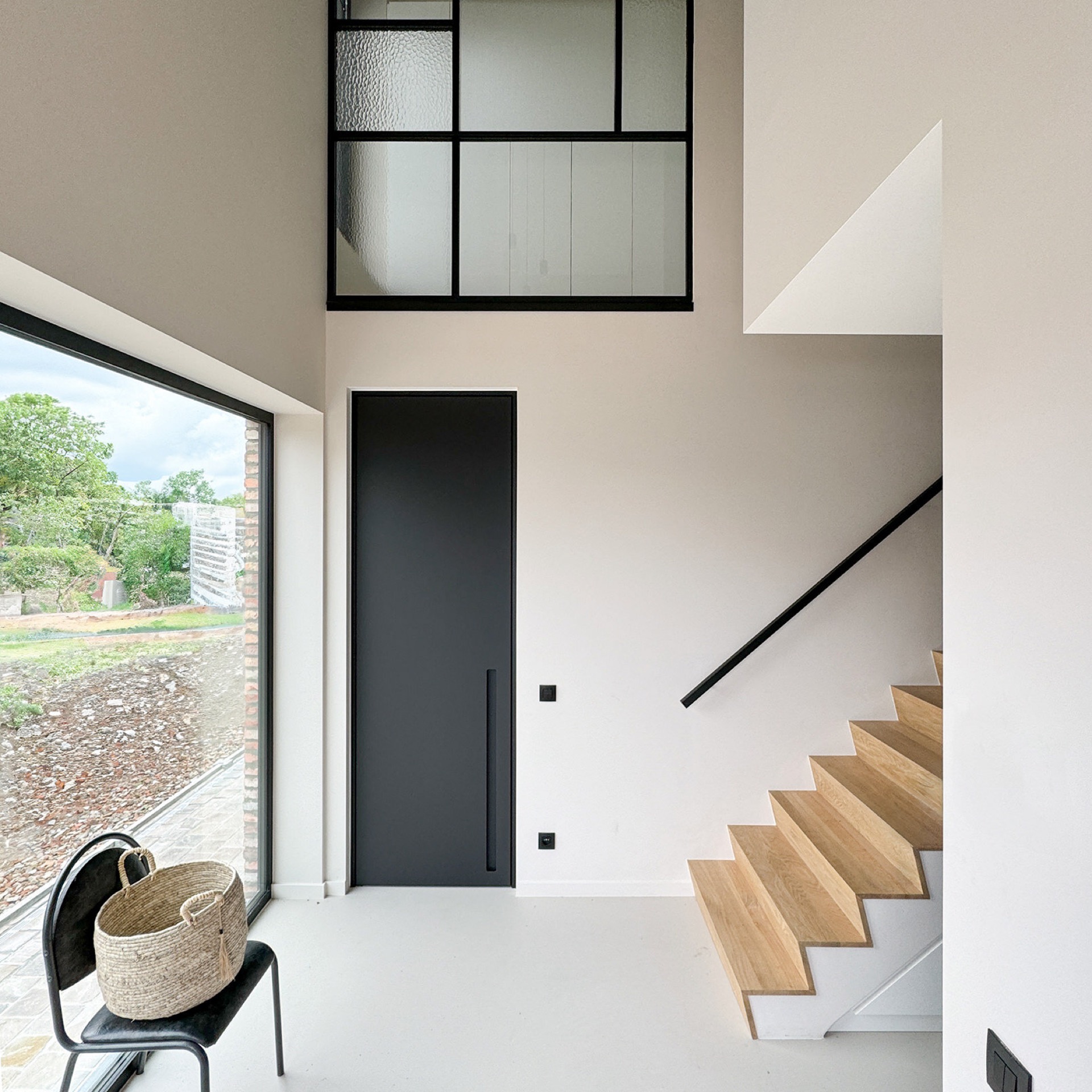
Several of the photos show a long vertical grip handle on door surfaces rather than a conventional knob. That choice changes the way the leaf is read. The hand reaches for a line, not a protruding handle, and the front of the door stays flatter. In a narrow hall or beside a stair landing, that matters because there is less to catch the eye or interrupt the wall surface. It also supports hand-free opening and closing, which the project description lists as one of the benefits.
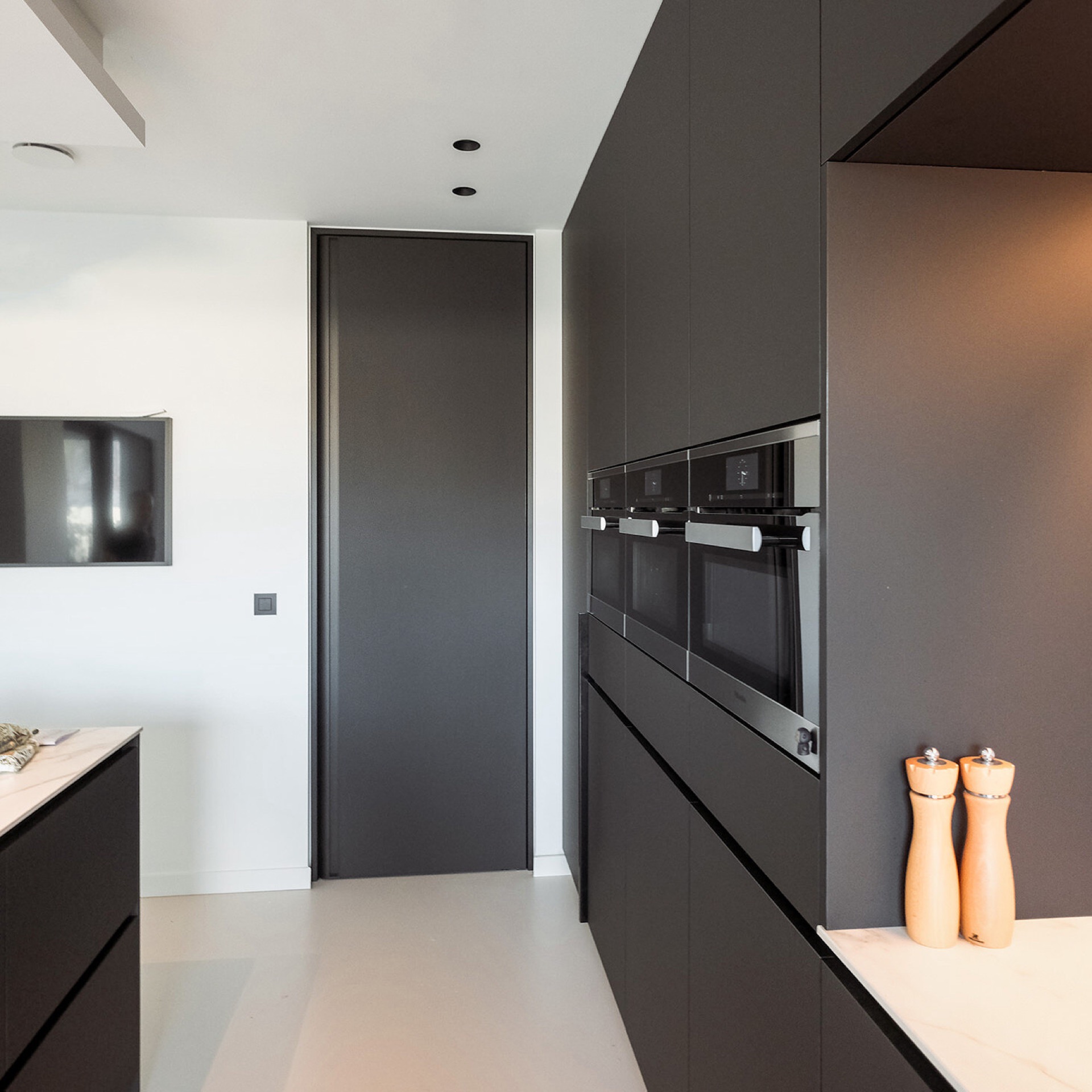
The available options make the door feel adjustable without becoming complicated. Greps, colors, and add-ons such as locks can be selected to suit the opening. In the images, the same construction appears in different tones: white against white wall surfaces, dark leaves that sharpen a light interior, and wood finishes that pick up the grain of surrounding floors or joinery. The construction stays the same, but the visual reading changes with the finish.
White, dark, and wood-toned versions in the room
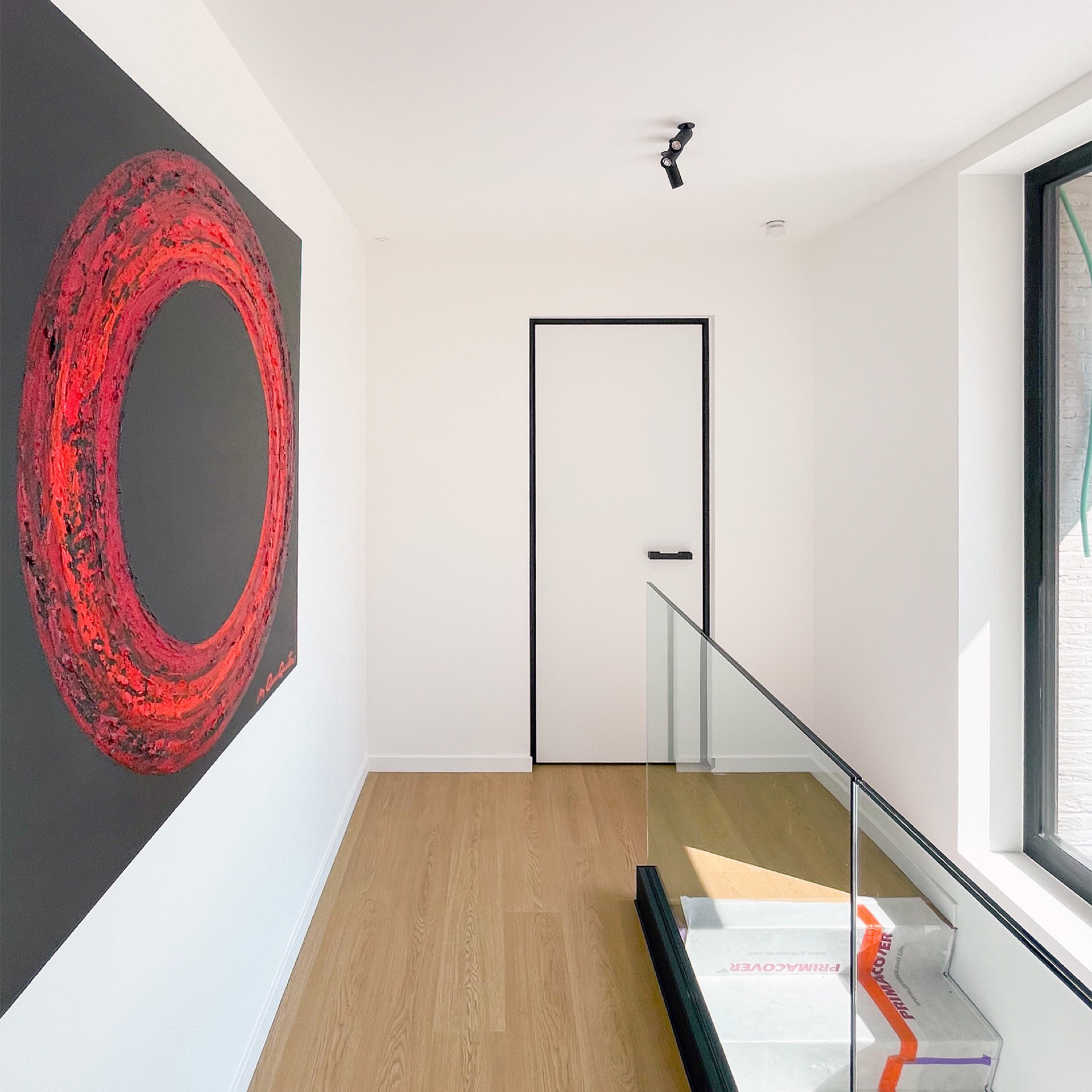
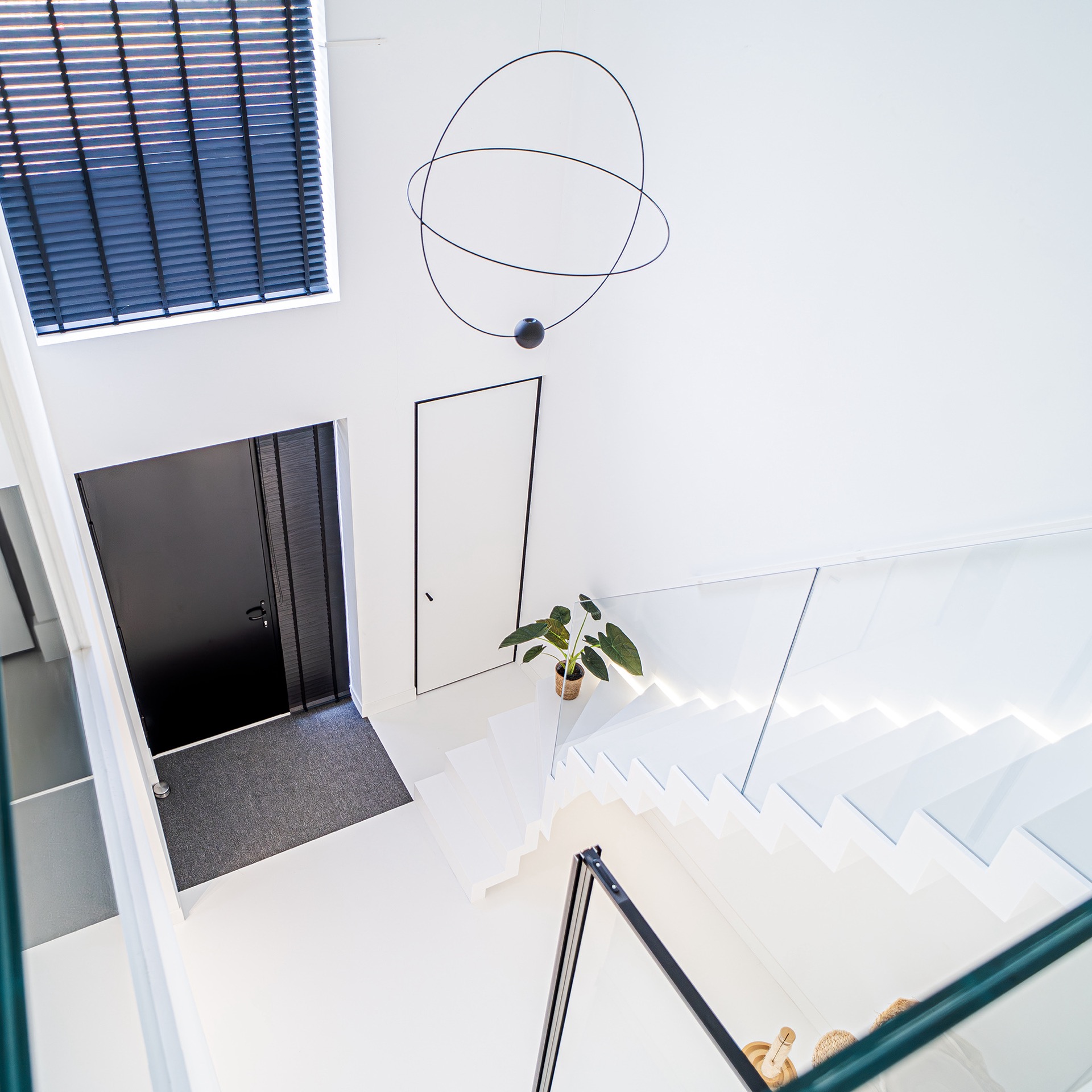
The image set moves through several room types, and the door responds to each one with the same slim geometry. In the hall, a dark door stands near a stair run with white treads. In another view, a white leaf sits inside a bright opening with a narrow surrounding frame. Elsewhere, a wood-toned door sits near glass and lighter wall surfaces. Those variations show how the same modern interior doors with minimalist door frame can shift between contrast and restraint without changing the underlying system.
Detail shots make the edge condition visible. The frame line is thin, the leaf reads flat, and the opening does not depend on decorative casings. In a kitchen view, dark cabinets sit behind a light doorway; in another, the door edge is framed by a black border that tightens the opening. These are small moves, but they define how the door sits in the room. The panel becomes a measured surface between two spaces rather than a visual interruption.
Custom details that change the feel of the opening
Personalization is built into the system. The leaf can be specified with different grips, colors, and options, including locks. That means the same door type can read differently in a corridor, a living area, or a bathroom access point, even when the structural logic remains identical. Because the hinge side is adjustable left or right, the door can also adapt to furniture placement, wall returns, or the direction of circulation through the plan.
What keeps the project coherent is not ornament, but the repetition of the same thin profile. Across the images, the door keeps its clean perimeter, its concealed movement, and its flat, controlled surface. The frame does not compete with the room. It frames the opening, closes it off when needed, and leaves the rest of the architecture undisturbed. For a project centered on modern interior doors with minimalist door frame, that restraint is exactly the point.
Door specialists can guide the available choices, from finish and grip to opening direction and hinge side. The system is broad enough to fit a range of interior layouts, yet precise enough to keep the details consistent from one room to the next. That balance is visible in the project images: a narrow frame, a concealed hinge line, a door leaf that sits flush, and a finish that can be tuned without changing the architecture around it. Modern interior doors with minimalist door frame remains connected to the layout, materials and daily use of the home.
Want to see more of ANYWAY DOORS? View the page of ANYWAY DOORS for even more great projects and company information.


.png)
NEW 2026 Jubileum Edition The Best Interior Designers Benelux
Order Now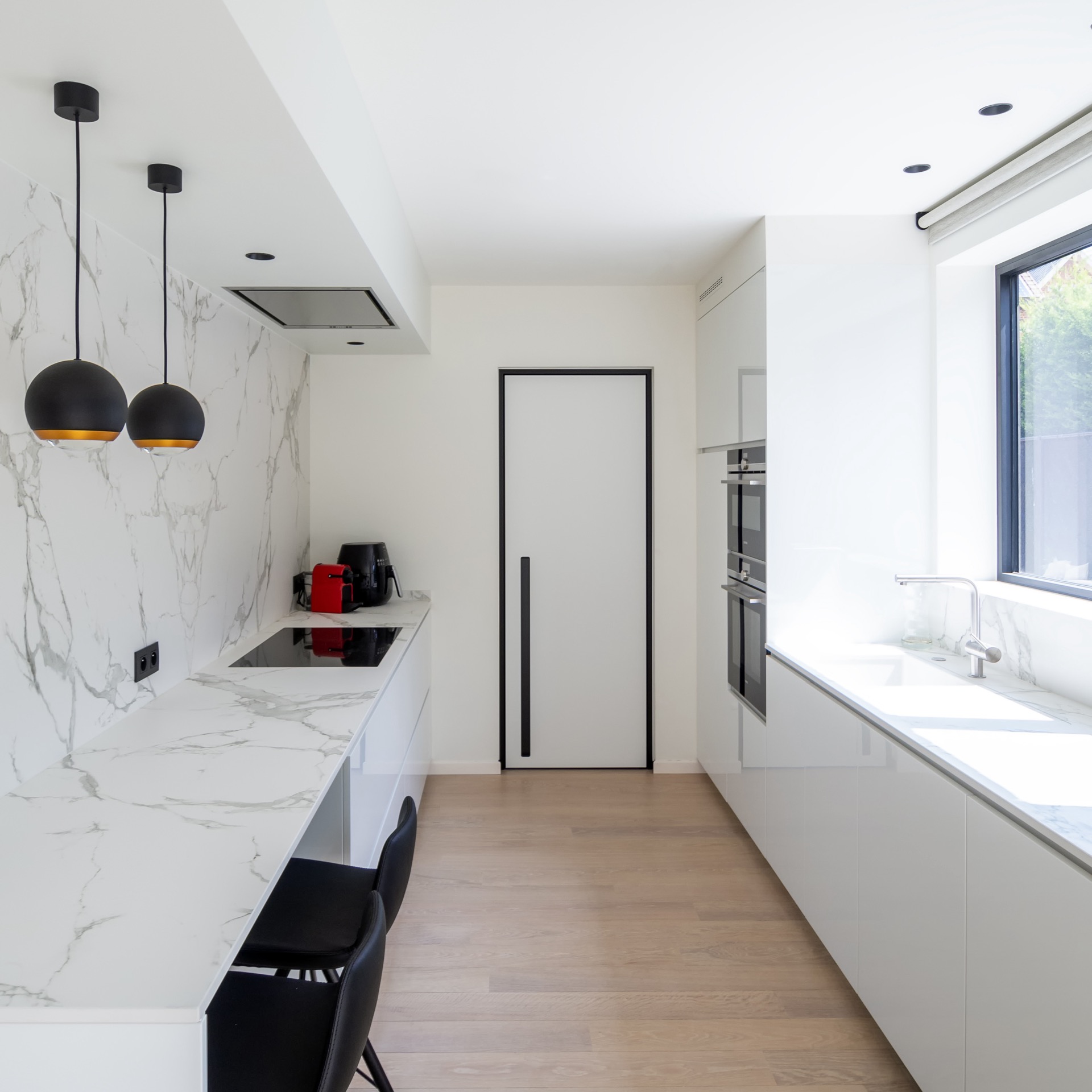
NEW 2026 Jubileum Edition The Best Interior Designers Benelux
Order Now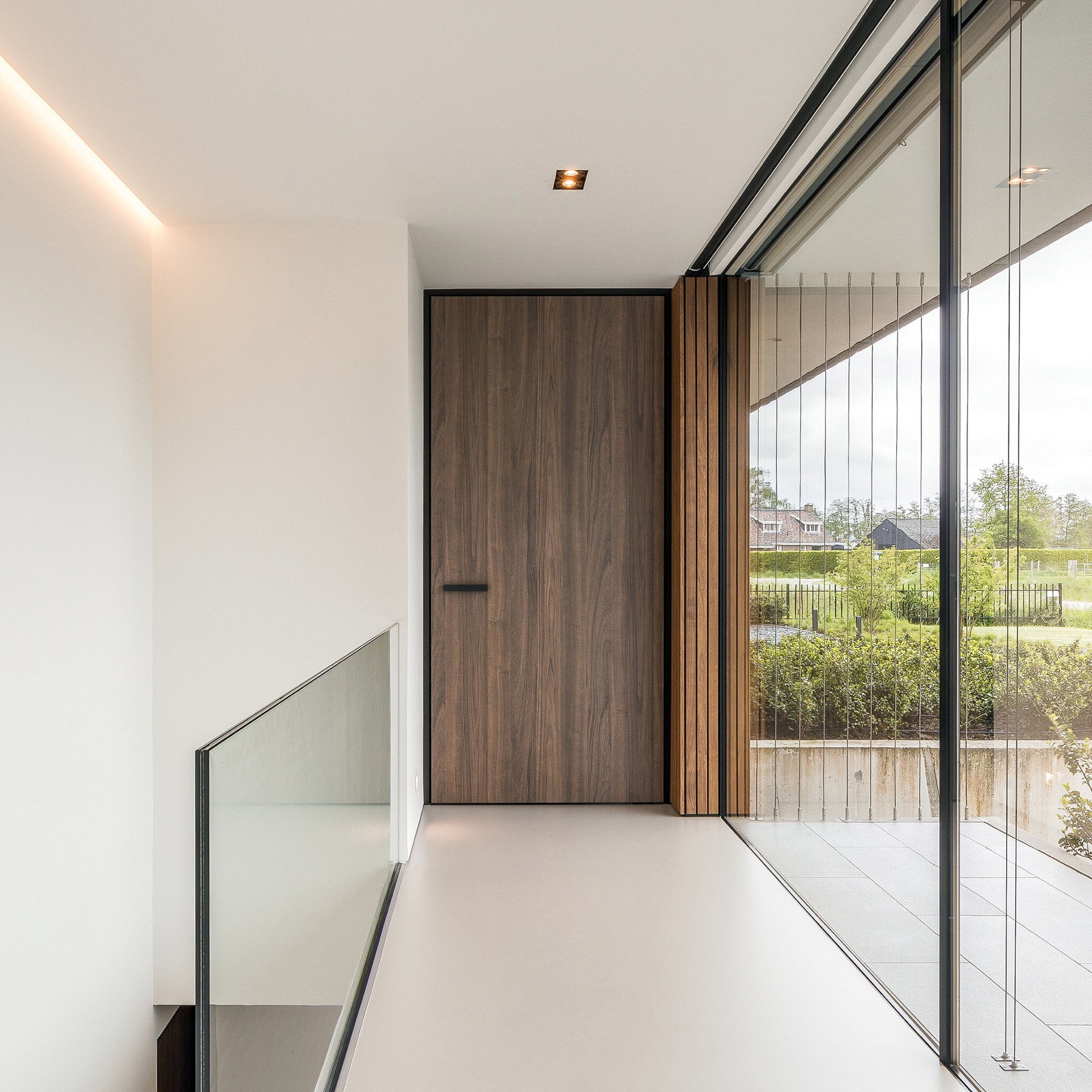
NEW 2026 Jubileum Edition The Best Interior Designers Benelux
Order Now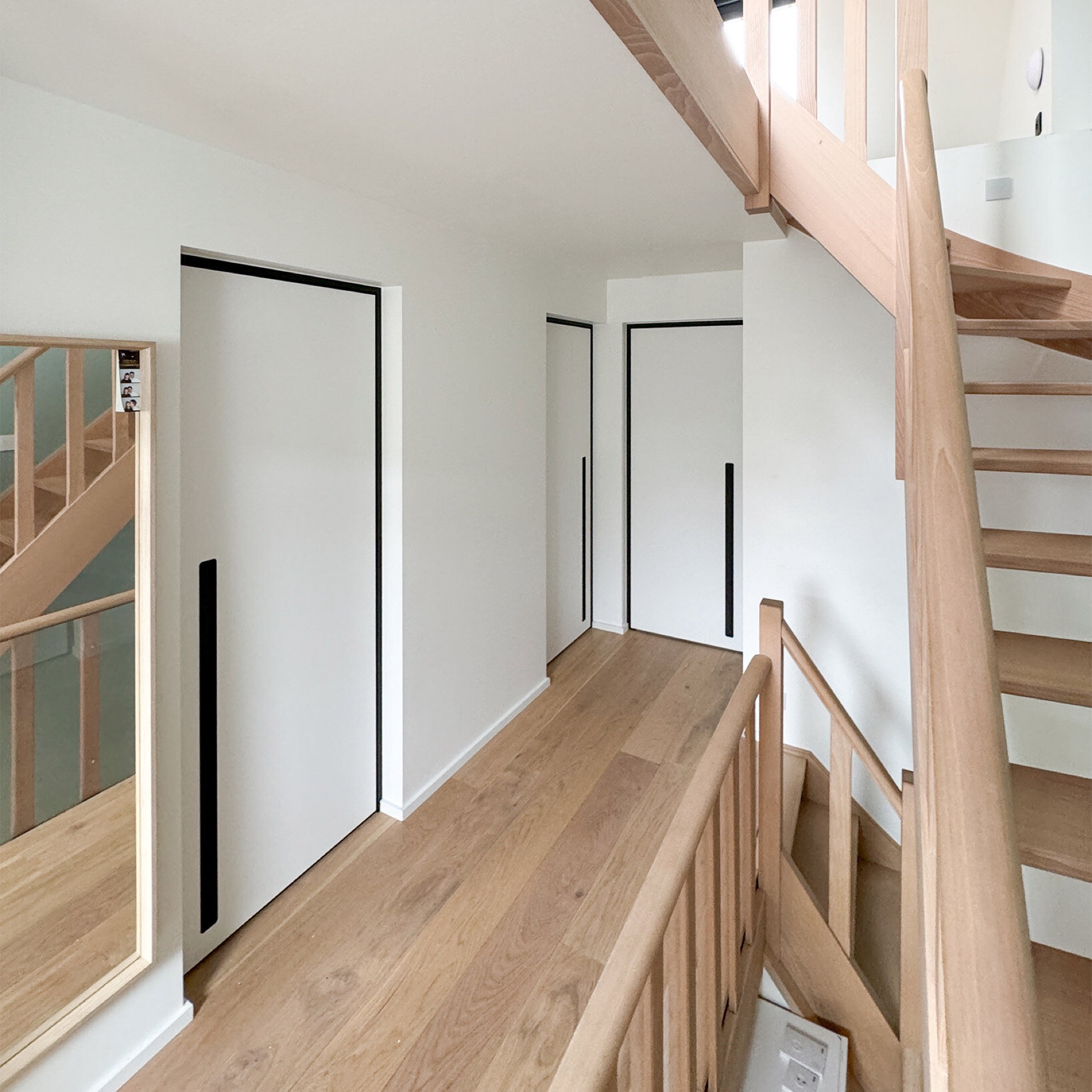
NEW 2026 Jubileum Edition The Best Interior Designers Benelux
Order Now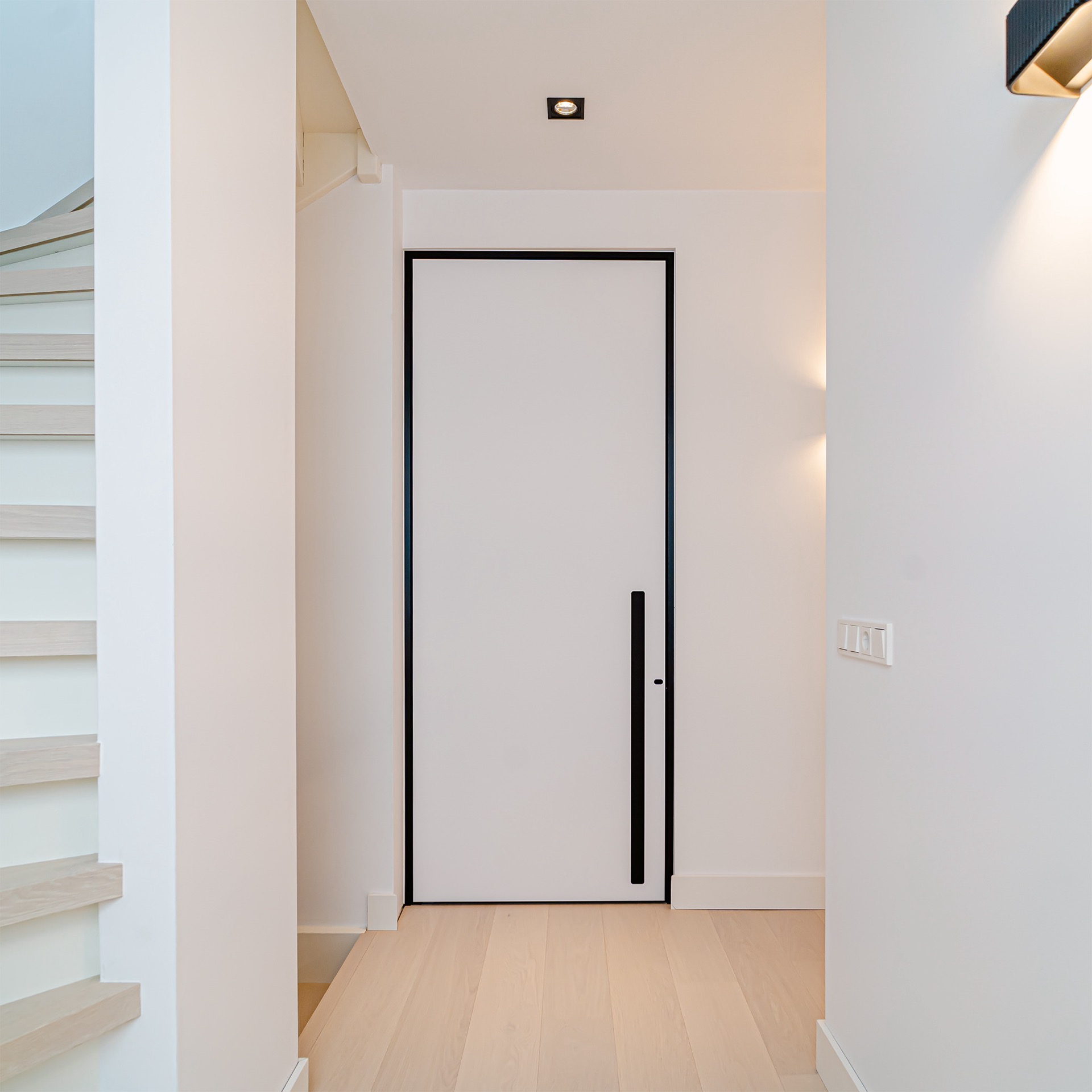
NEW 2026 Jubileum Edition The Best Interior Designers Benelux
Order Now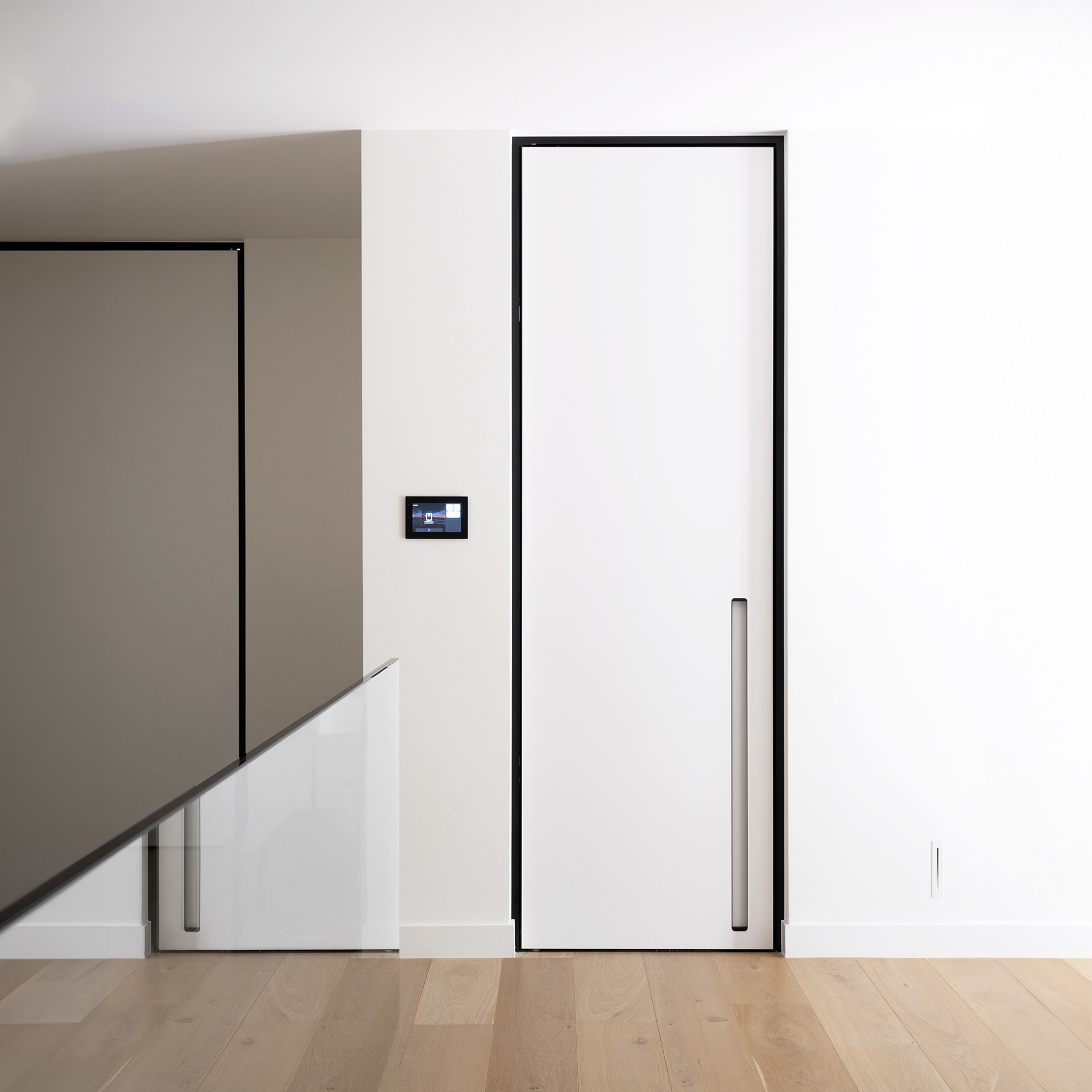
NEW 2026 Jubileum Edition The Best Interior Designers Benelux
Order Now