






Open binnen- en buitenruimtes met grote glazen vlakken en natuurlijke lichthoeveelheid
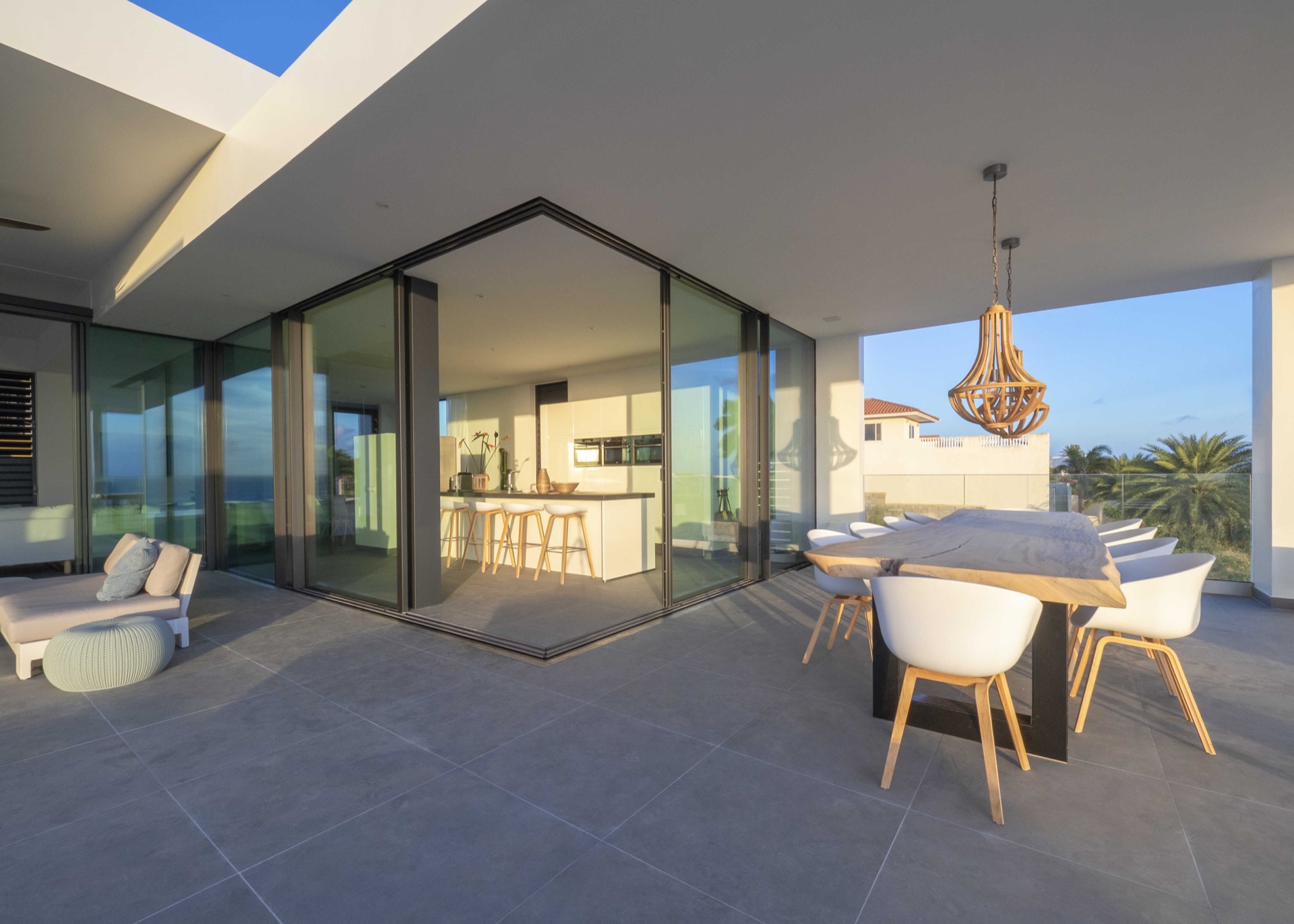
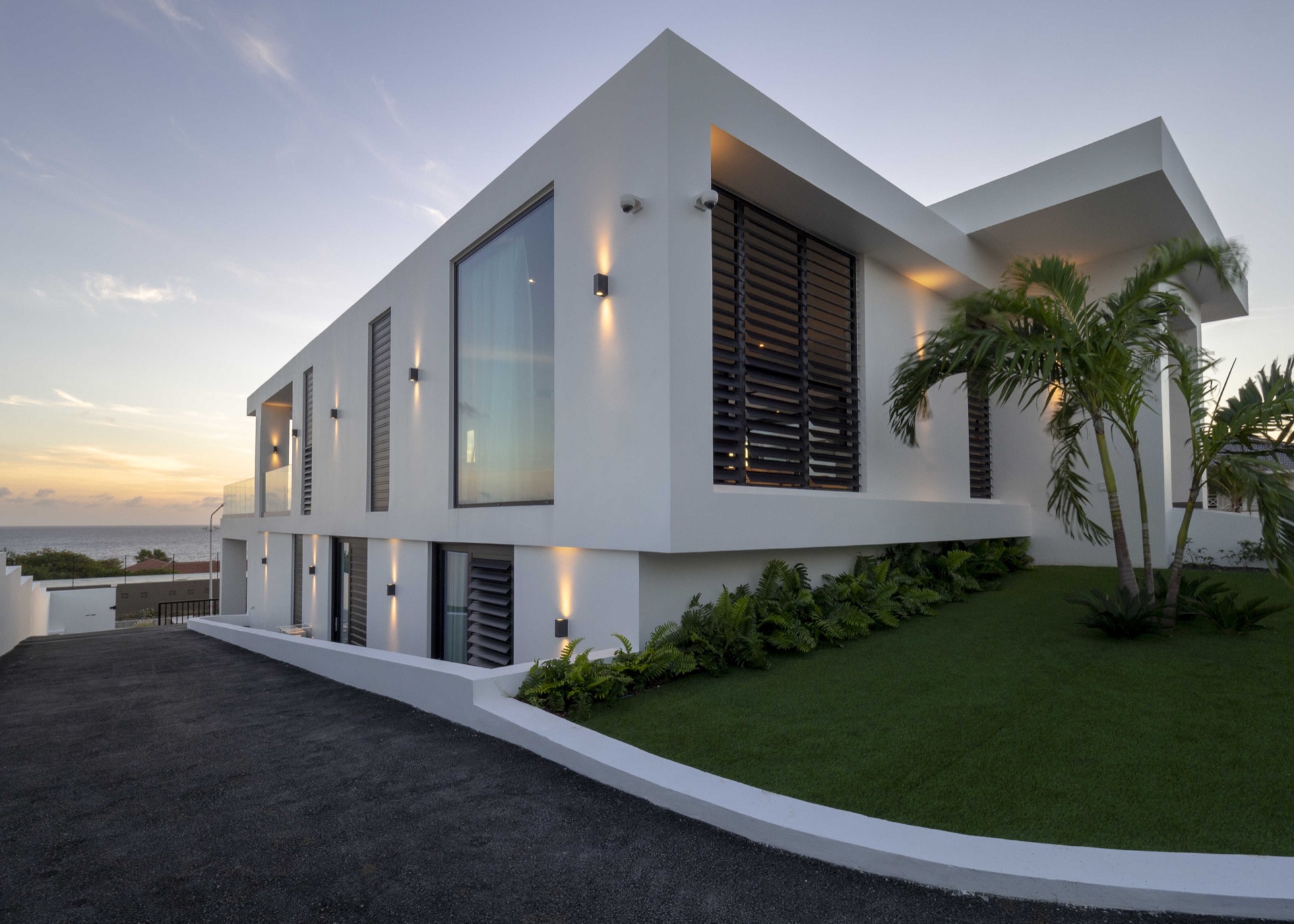
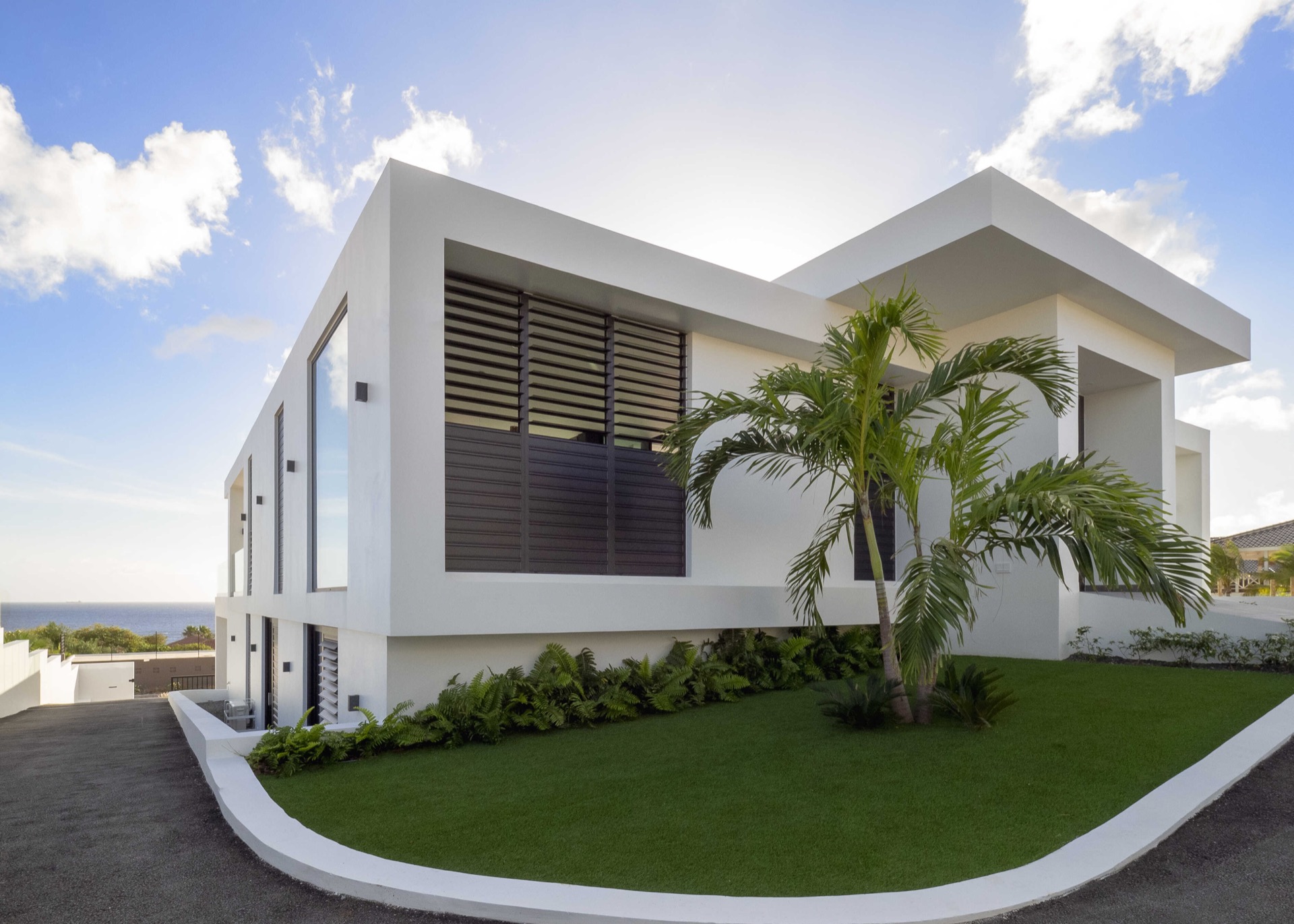
The modern architecture is immediately visible in the way the project is framed. Sunlight filters through expansive floor-to-ceiling glass panels that form the outer walls of this contemporary residence, blurring boundaries between inside and out. The main volumes of the building rest lightly, their edges seemingly lifted, creating a sense of floating mass above the ground surfaces. This interplay of solid form and transparency shapes views toward natural surroundings and water beyond.
modern architecture as the architectural starting point
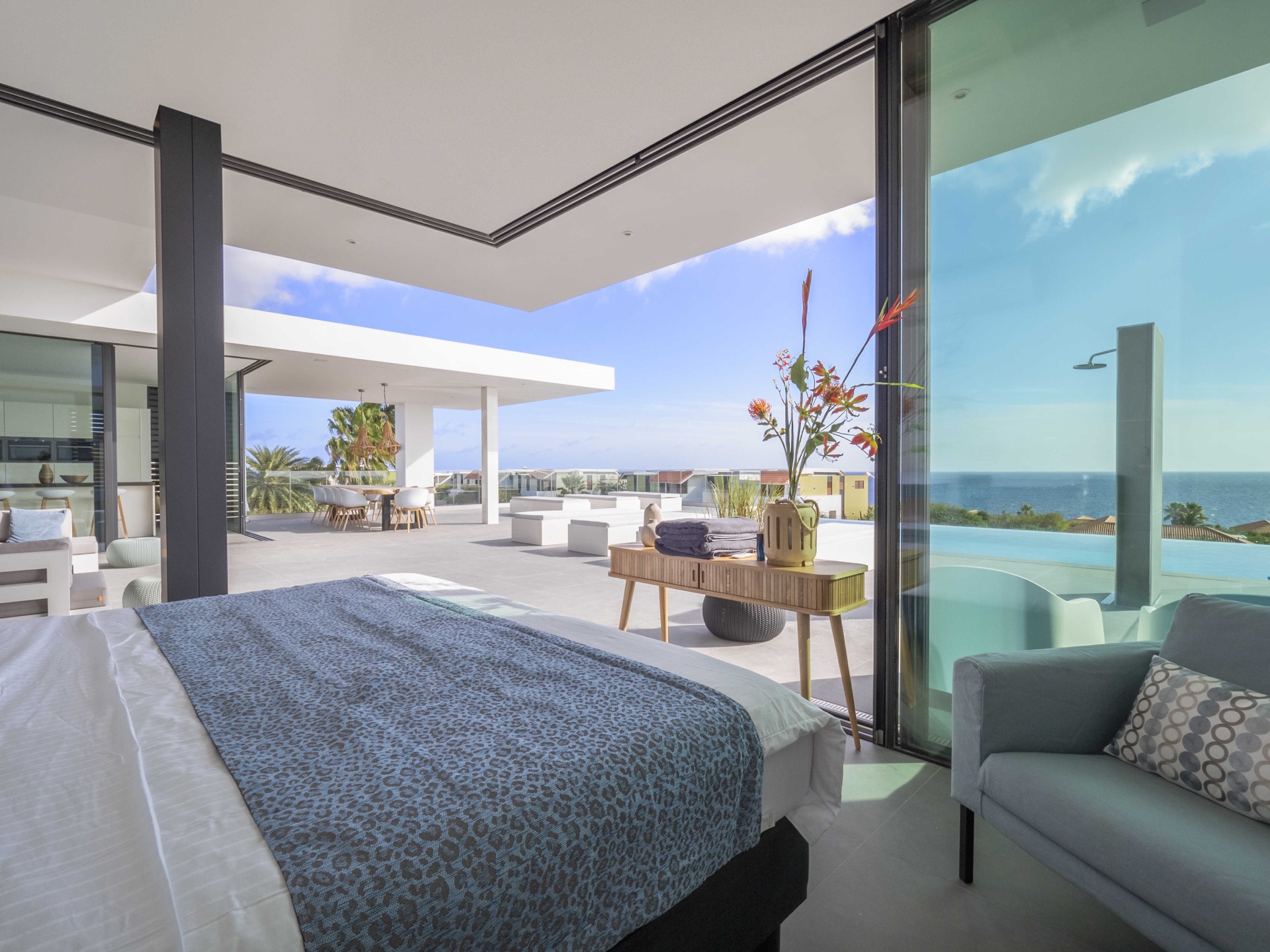
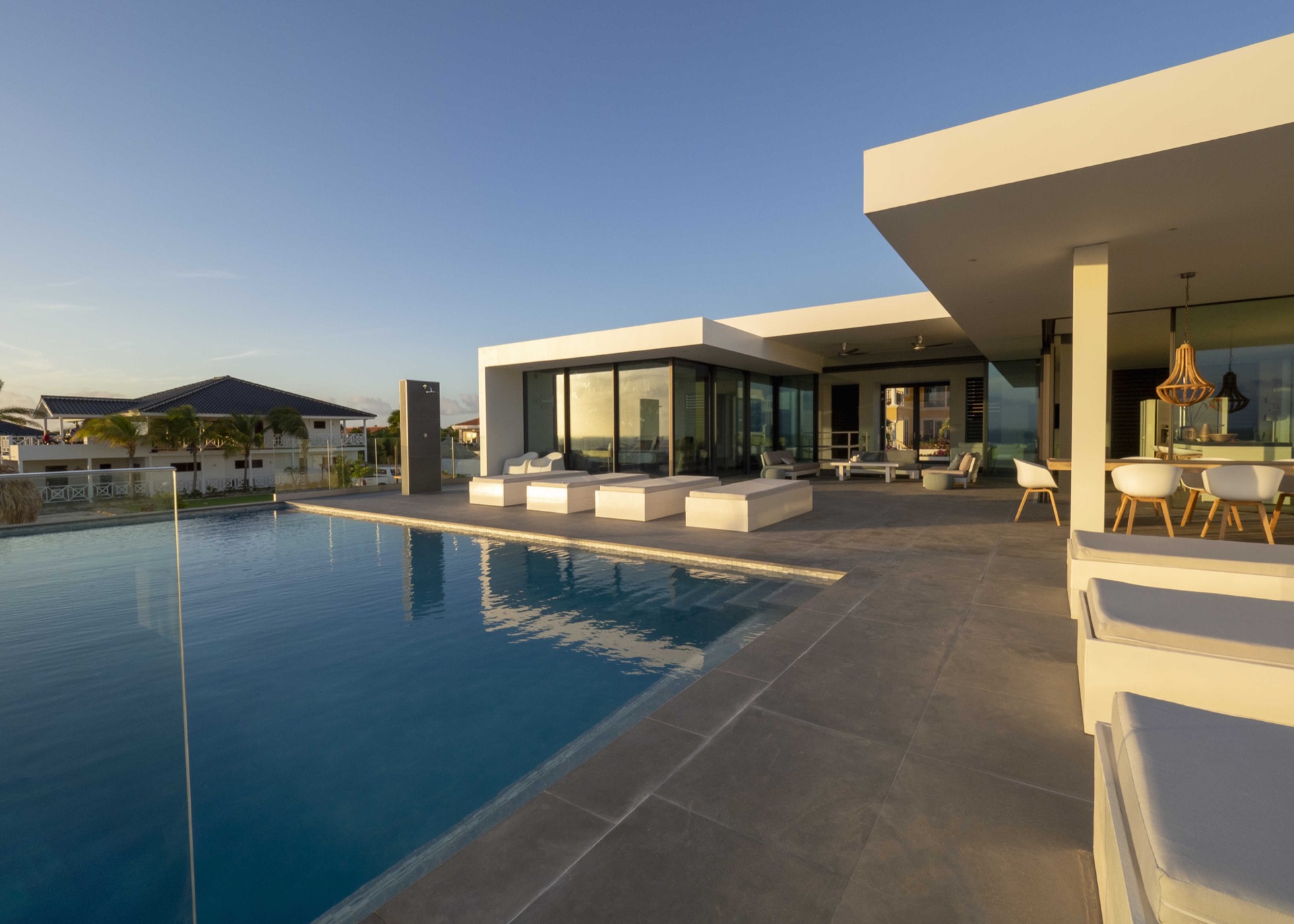
The design separates the living quarters and primary bedroom into three cubic volumes arranged to face outdoor terraces and the pool. Each module opens through sliding glass doors, enhancing air circulation and access to outside spaces. The bottom floor accommodates multiple bedrooms, each with independent bathrooms, enriched by natural light entering through the generous glazing.
Large Glass Surfaces Frame the Surrounding Landscape
Floor-to-ceiling glass panels define this home’s walls, acting like transparent shields that invite expansive ocean vistas inside. The glass is carefully integrated so that joints between window panes nearly vanish, preserving uninterrupted sightlines. The reflective surfaces alternate with concrete and wood materials that add texture and softness to the structure’s clean edges.
Unifying Indoor and Outdoor Experiences
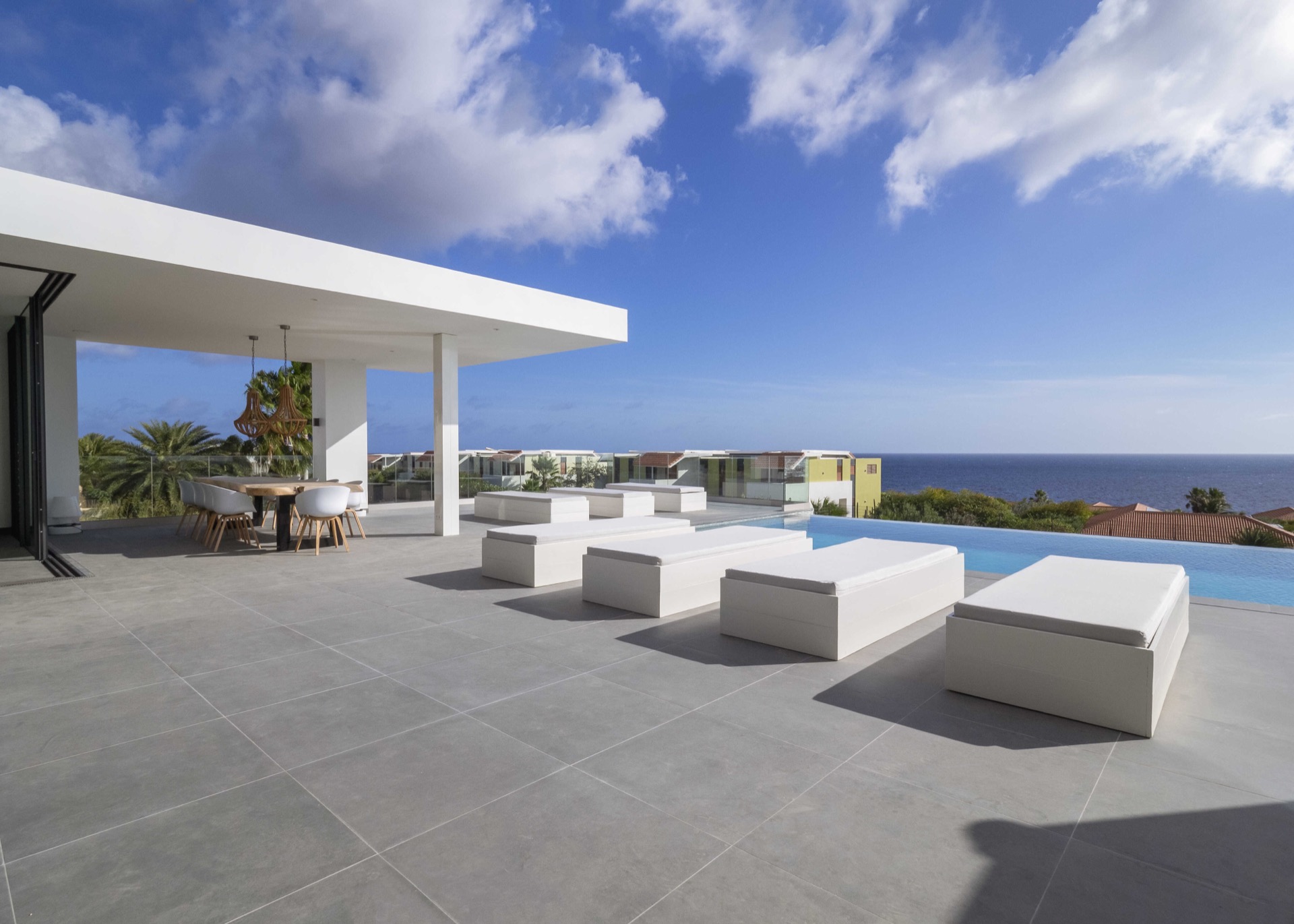
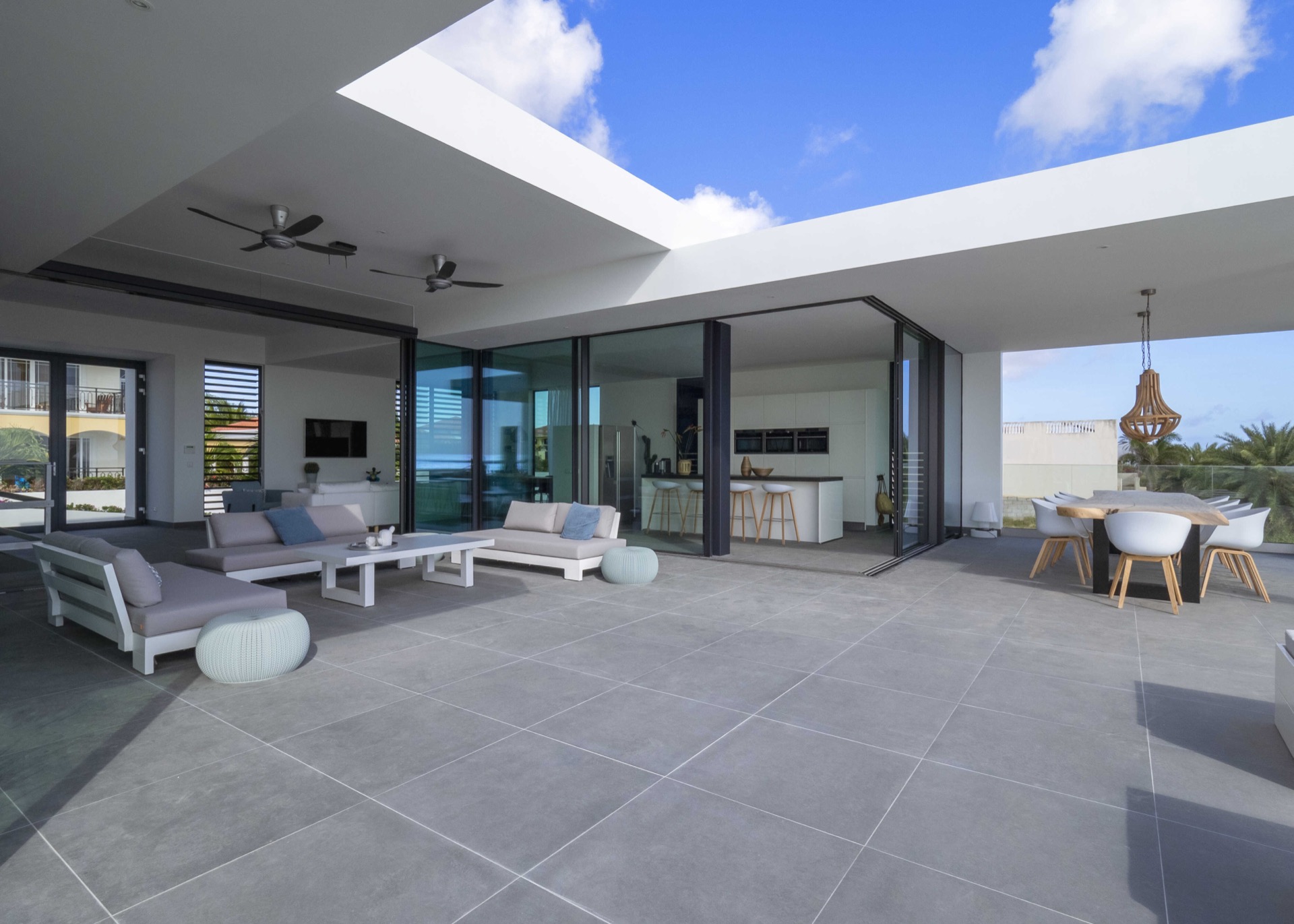
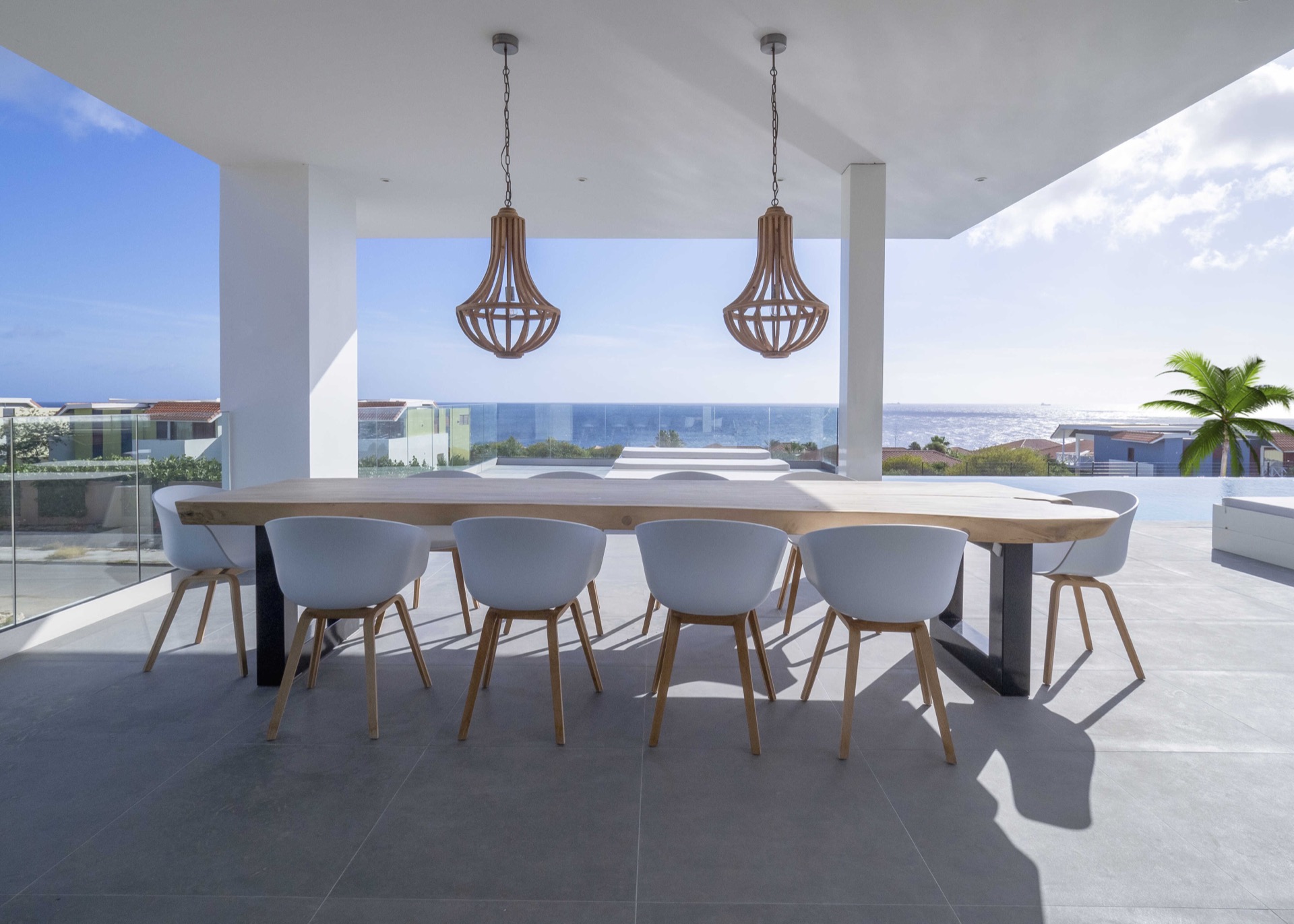
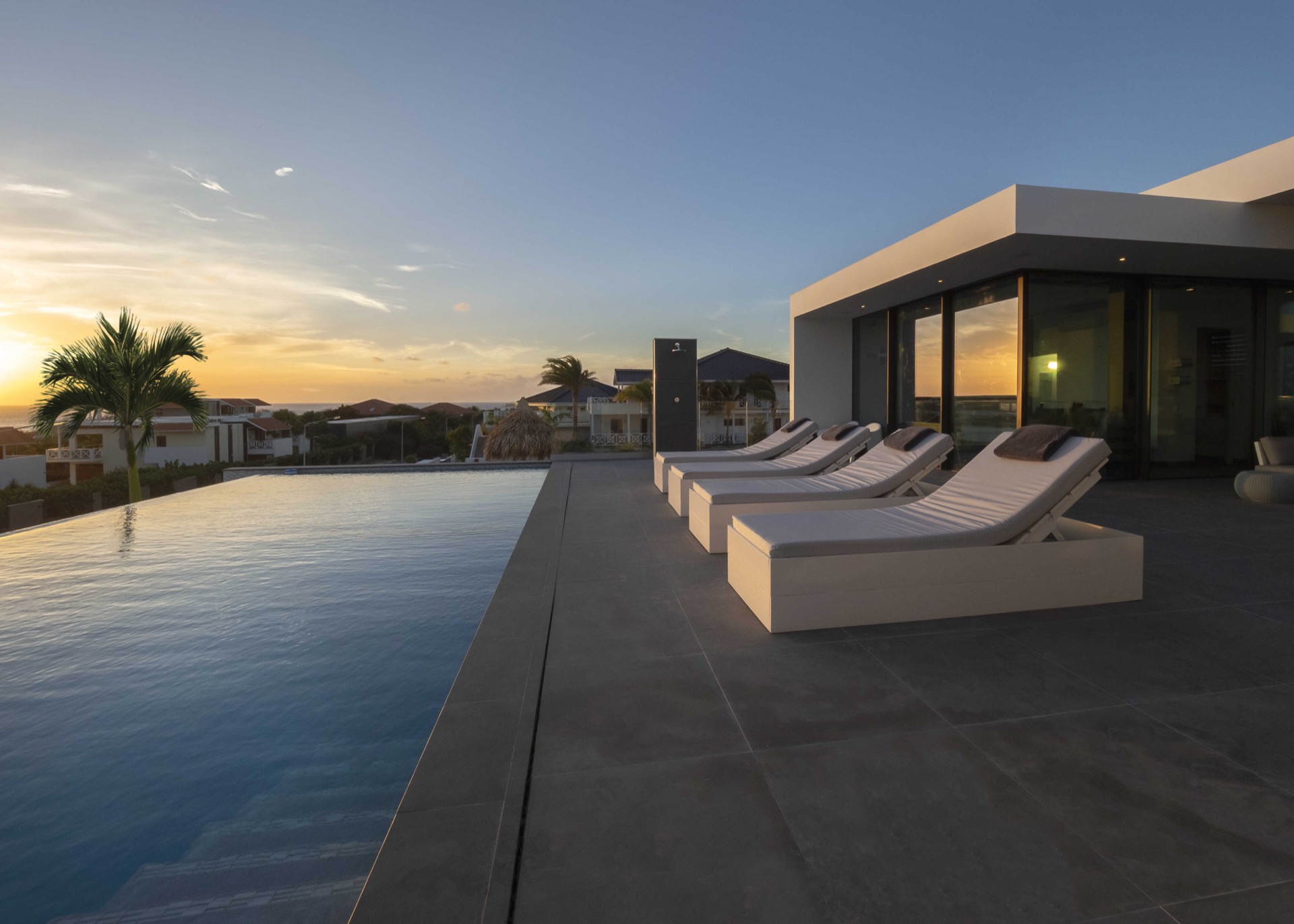
Ultimately, the house emphasizes spatial continuity between interior rooms and external recreational areas. Sliding glass doors open wide to outdoor lounges and dining zones, enabling fluid movement. The infinity pool lies close by, bordered by paved terraces that extend living spaces beyond enclosed walls. Wooden ceiling fixtures and minimalist furnishings offer subtle tactile contrasts within these sky-lit environments.
Infinity Pool and Outdoor Terrace
Positioned to catch light as it changes throughout the day, the pool’s edge appears to vanish into the distant water, creating a visual connection with the horizon. Surrounding deck areas use muted tones and smooth surfaces, providing settings for relaxation or social gatherings. Steps and low partitions guide guests along functional routes around these luxurious outdoor sections.
Material interplay enhances spatial perception
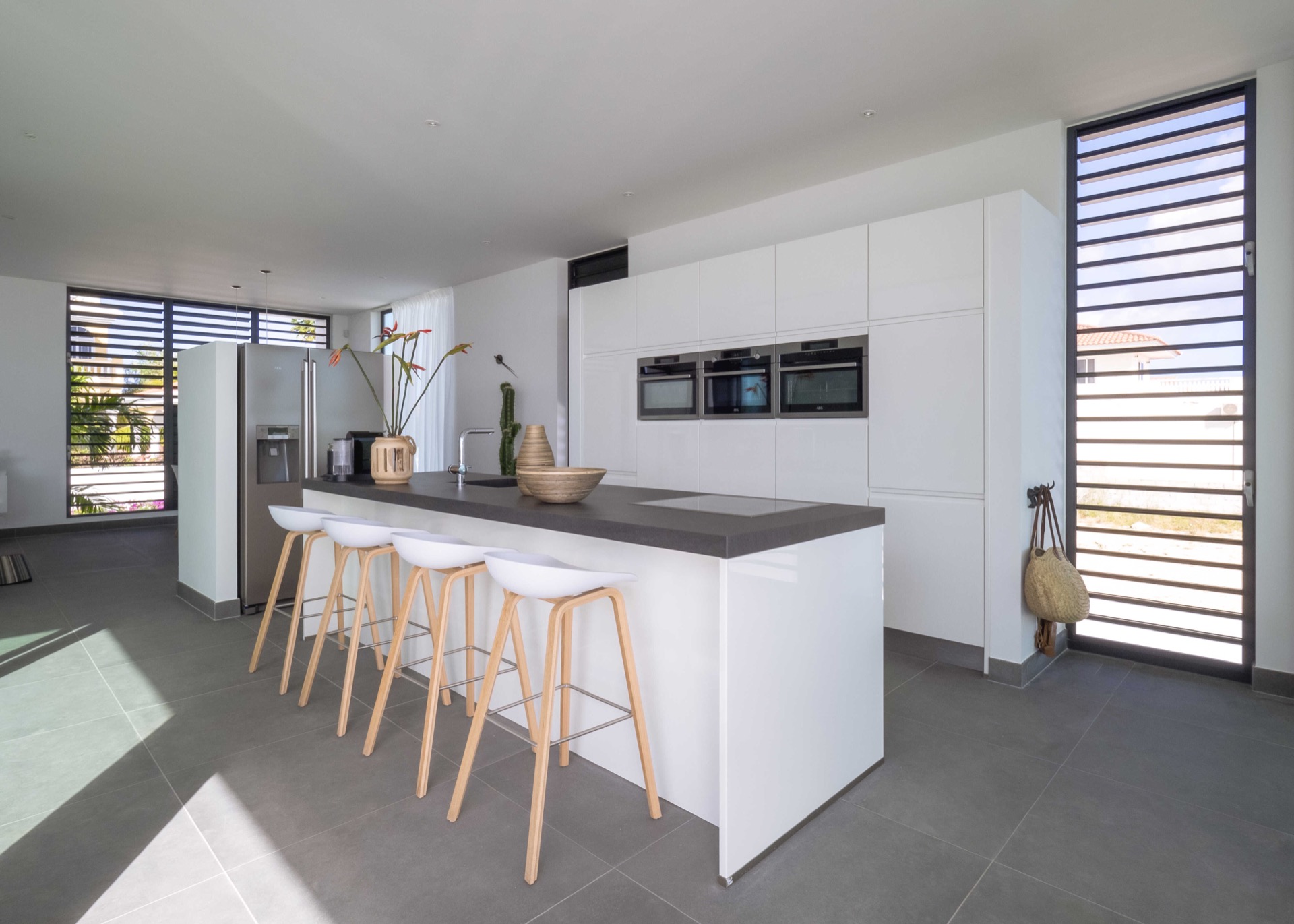
Exposed concrete grounding the architecture contrasts with the lightness of glass, while accents of timber introduce organic texture. Inside, pale walls and carefully placed furnishings accentuate daylight penetration, making interior spaces feel open yet protected. These material choices articulate zones without adding visual bulk.
Privacy through Thoughtful Spatial Arrangement
Despite wall transparency, views toward neighboring properties are shielded carefully. The volumes are positioned and oriented to foster privacy, while still preserving openness toward the landscape beyond. This balance respects proximity while emphasizing connection to nature.
Details Reflecting Modern Architecture Principles
The residence avoids ornamental excess in favor of clear geometric lines and precise joins. The intersection between floor slabs and glass creates tight edging that accentuates architectural rhythm. Large sliding doors act both as physical dividers and transparent thresholds, emphasizing the dialogue between enclosed and open-air settings. That makes the modern architecture part of the architectural character rather than a loose finish.
Outdoor Amenities Complementing the Living Experience
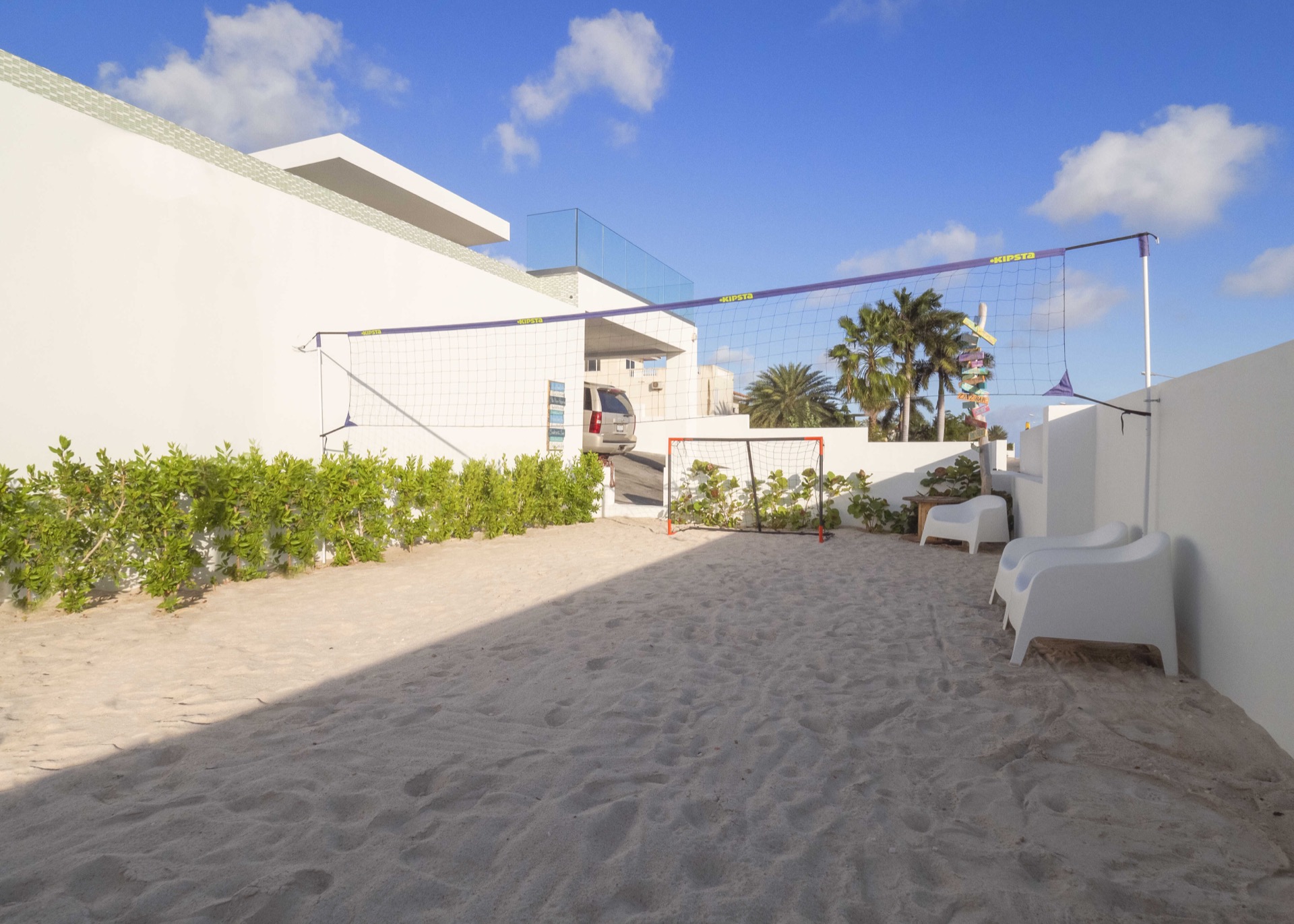
The property includes specially designed spaces dedicated to outdoor activities, such as a private volleyball court nestled near the pool deck. These extended zones empower active leisure while maintaining visual harmony with the surroundings.
Natural Light as a Unifying Element
Throughout the building, diffuse and direct light integrate volumes and surfaces into a cohesive spatial experience. Shadow patterns shift dynamically in response to sunlight angles. Light filtering through glass surfaces modulates the perception of texture and form.
Transitioning Spaces with Sliding Glass Doors
Large frameless glass doors slide aside to merge living rooms with patios and open-air lounges. This fluidity encourages use of indoor and outdoor environments as complementing parts of everyday life, fostering flexible spatial arrangements.
Visual Continuity Elevated by Material Choices
Concrete platforms extend outdoors, blurring the threshold between hardscape and indoor flooring. Wood paneling softens these transitions, while glass elements reflect sky and vegetation, multiplying layers of visual interest.
Experience of Volume and Void in Design
The architecture plays with full and empty spaces; transparent walls appear as voids permeating solid forms. Balconies and terraces punctuate exterior geometry, inviting changes in scale and spatial perception.
Outdoor Spaces Designed for Relaxation and Socializing
Comfortable seating areas with views of the surrounding water create intimate settings. Fabric canopies and minimalist outdoor furniture define zones without obscuring sightlines, providing adaptable spaces throughout the day.
Careful Spatial Planning for Day-to-Day Living
The arrangement accords priority to easy circulation paths, natural ventilation, and varied visual experiences. Rooms orient toward natural light and exterior views without compromising functionality or privacy.
Integration of Nature and Architecture
Proximity to vegetation and water is emphasized through design gestures such as open facades and wide terraces, allowing residents to feel connected with their environment while remaining sheltered and secure. That makes the modern architecture part of the architectural character rather than a loose finish.
Want to see more of STATE of Architecture? View the page of STATE of Architecture for even more great projects and company information.


.png)