




Modern and serene interior design for contemporary living spaces
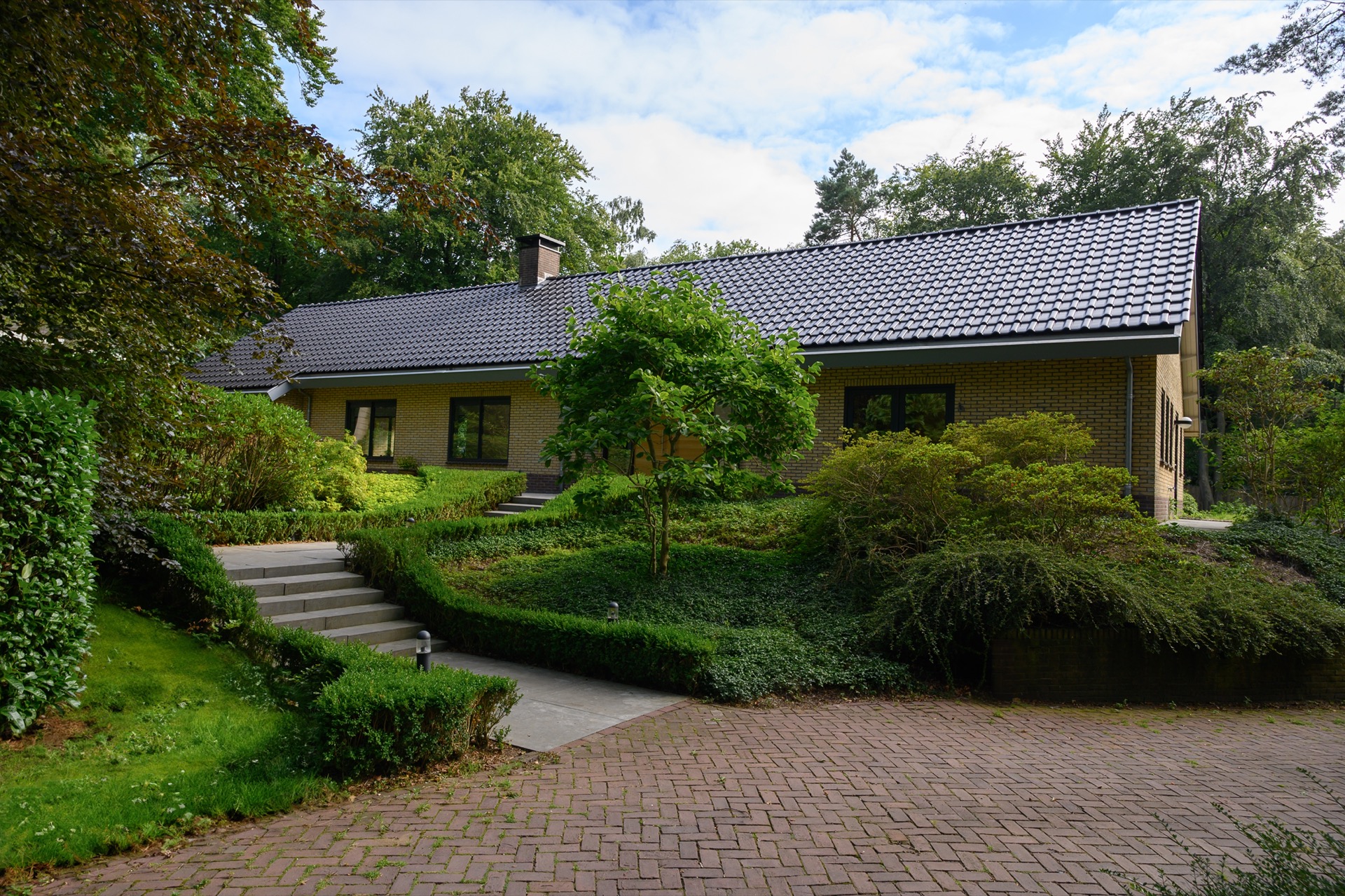
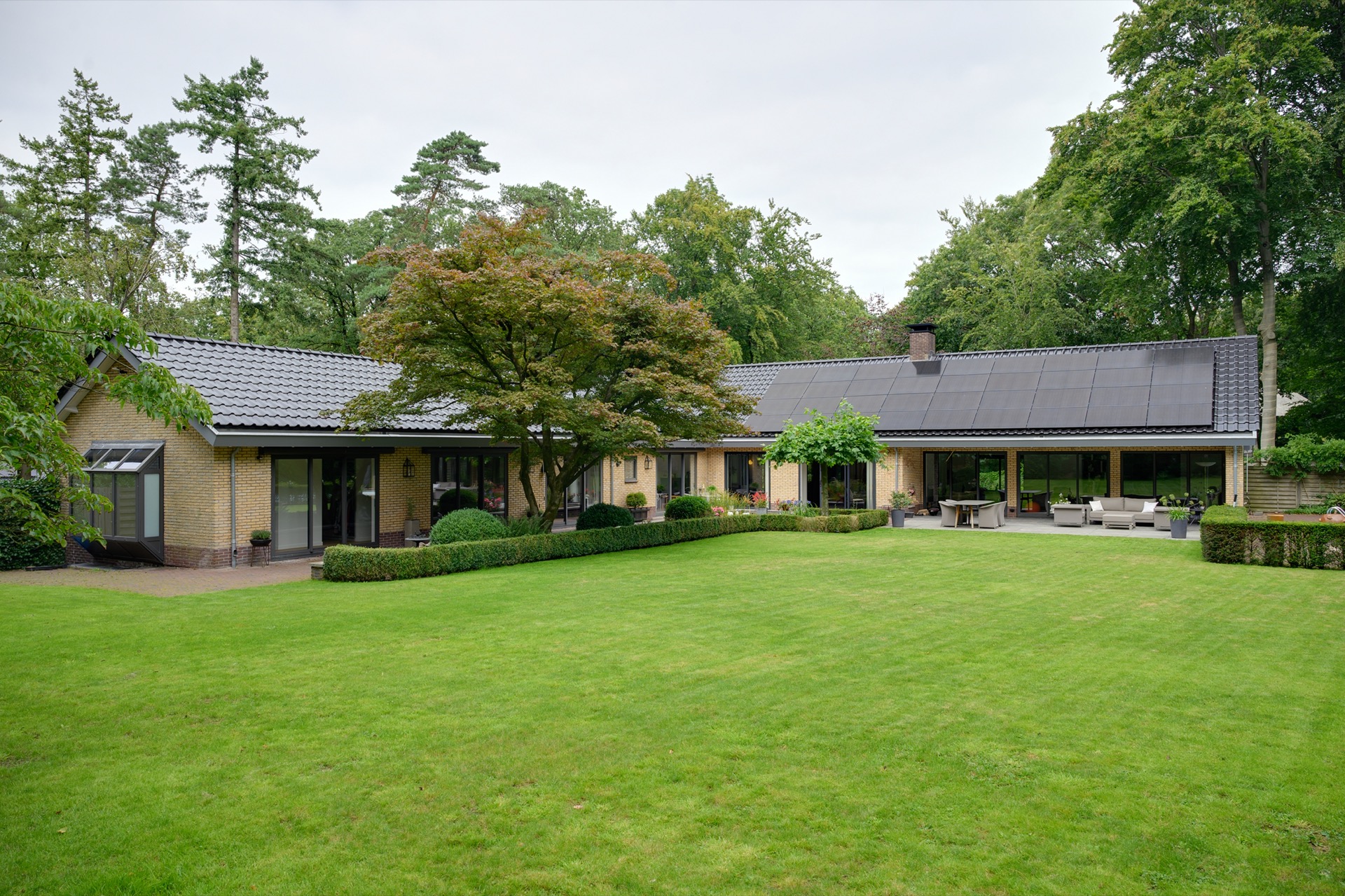
The modern interior design is immediately visible in the way the project is framed. Sunlight filters through large windows, casting soft shadows on wood and marble surfaces. This play of light highlights an open interior where natural materials define each space with subtle textures and tones. The transition from one room to the next is fluid, enhancing the connection between living areas within this modern home.
modern interior design as the architectural starting point
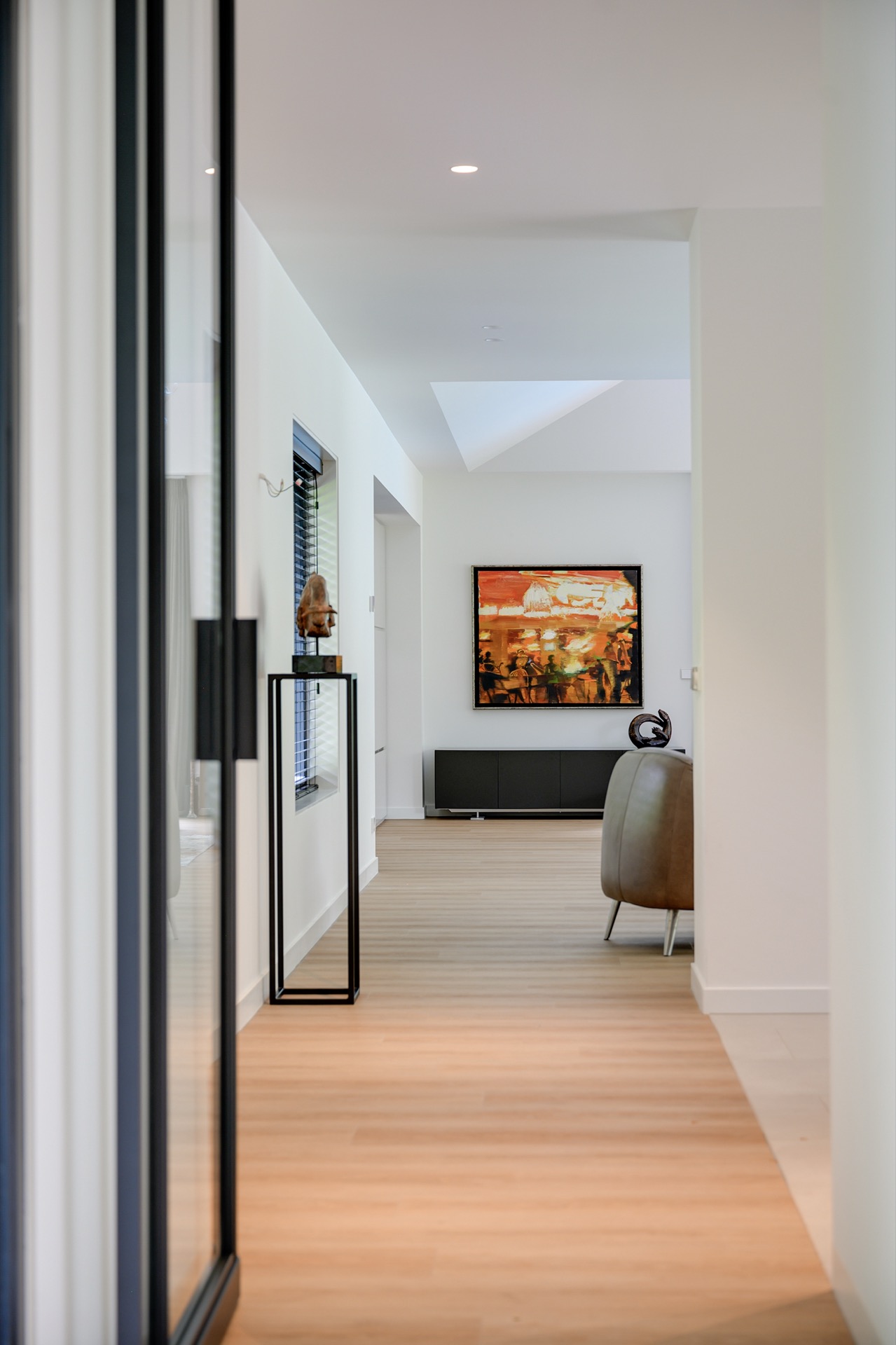
Removing nearly all interior partitions created broad, uninterrupted views that stretch from the kitchen across the living room to the garden-facing windows. This spatial arrangement encourages a seamless flow and allows light to distribute evenly throughout the rooms. Such sightlines connect functional areas without barriers, emphasizing openness and spatial clarity.
Clarifying spatial relationships
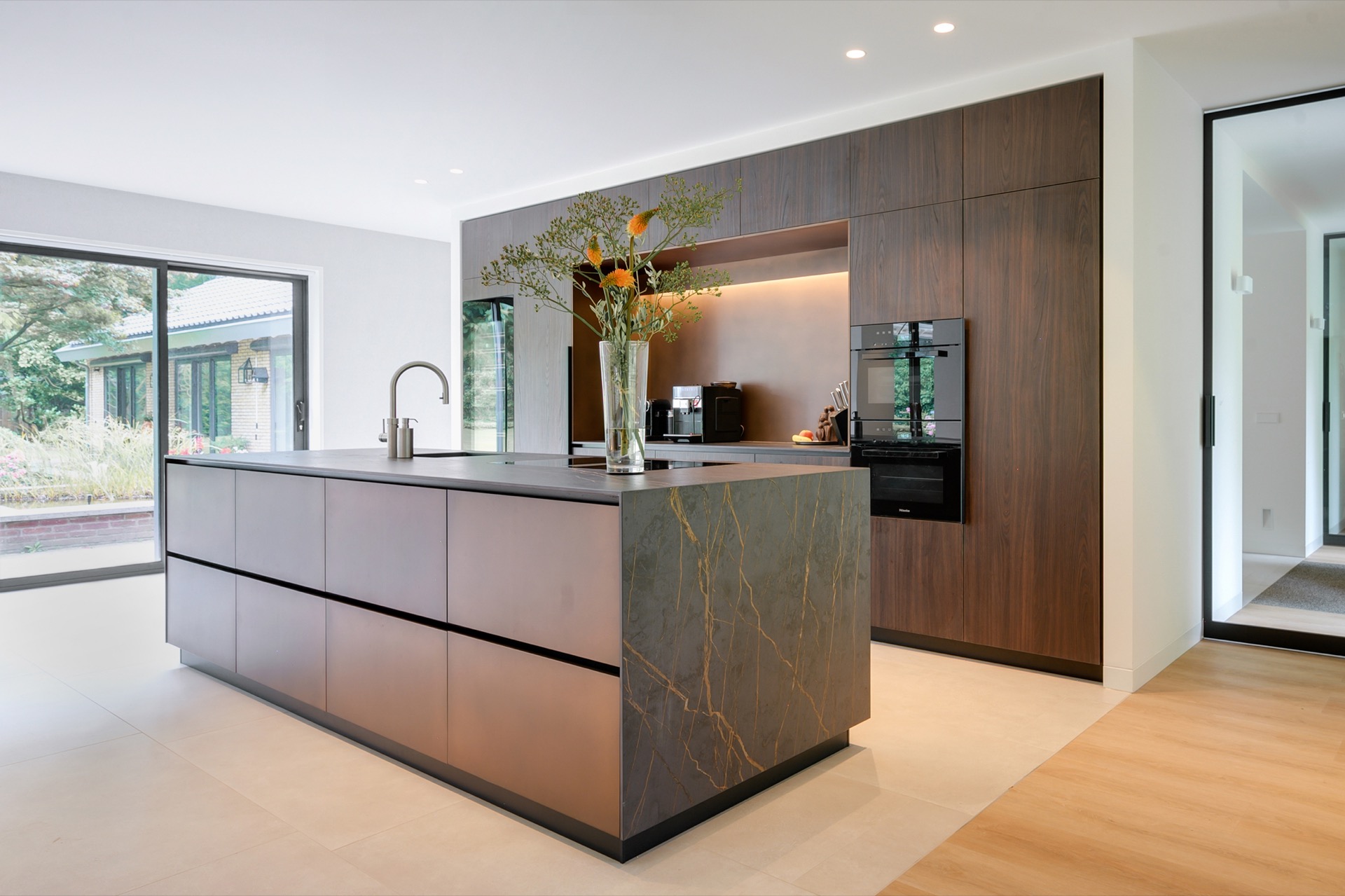
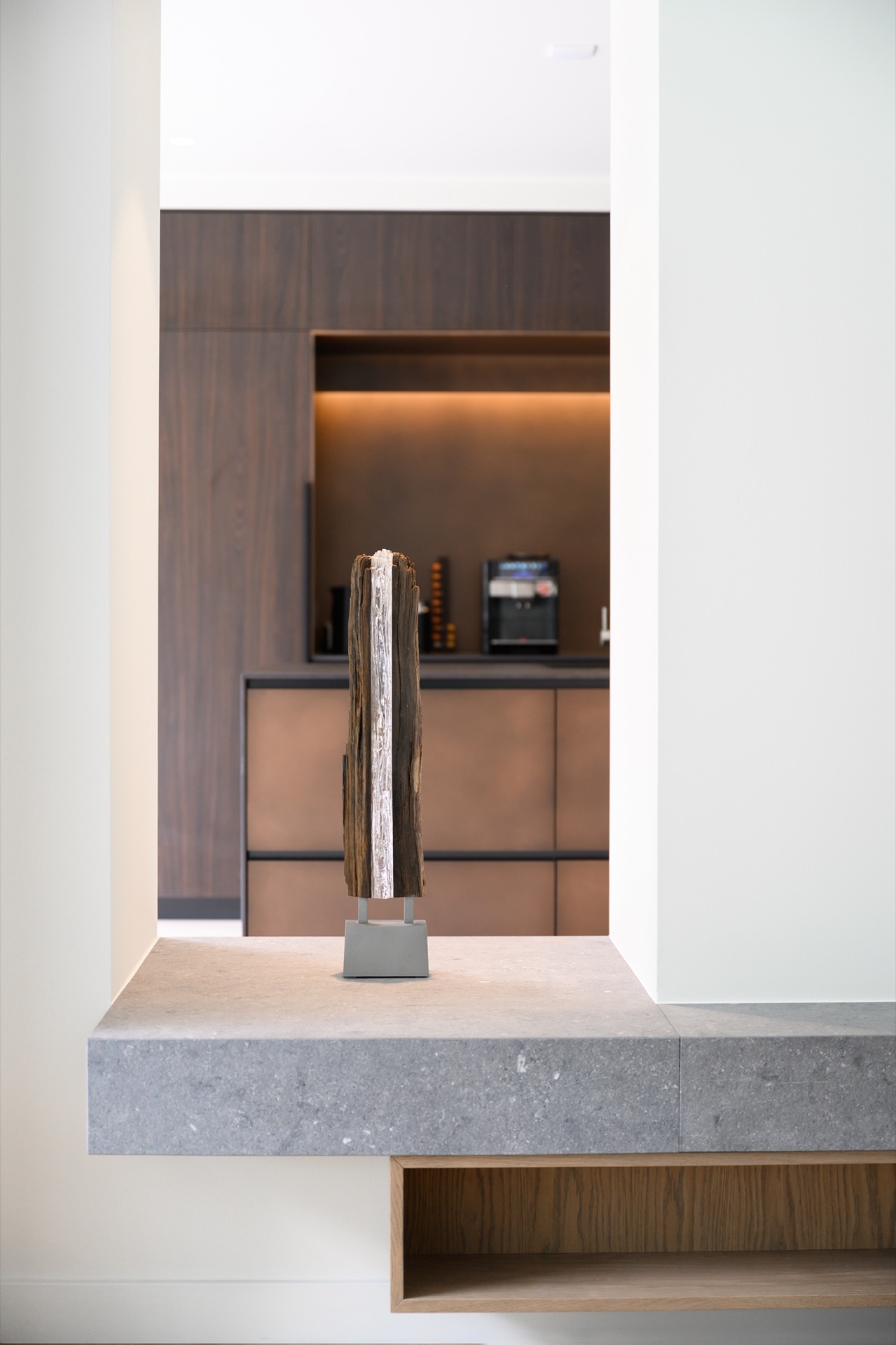
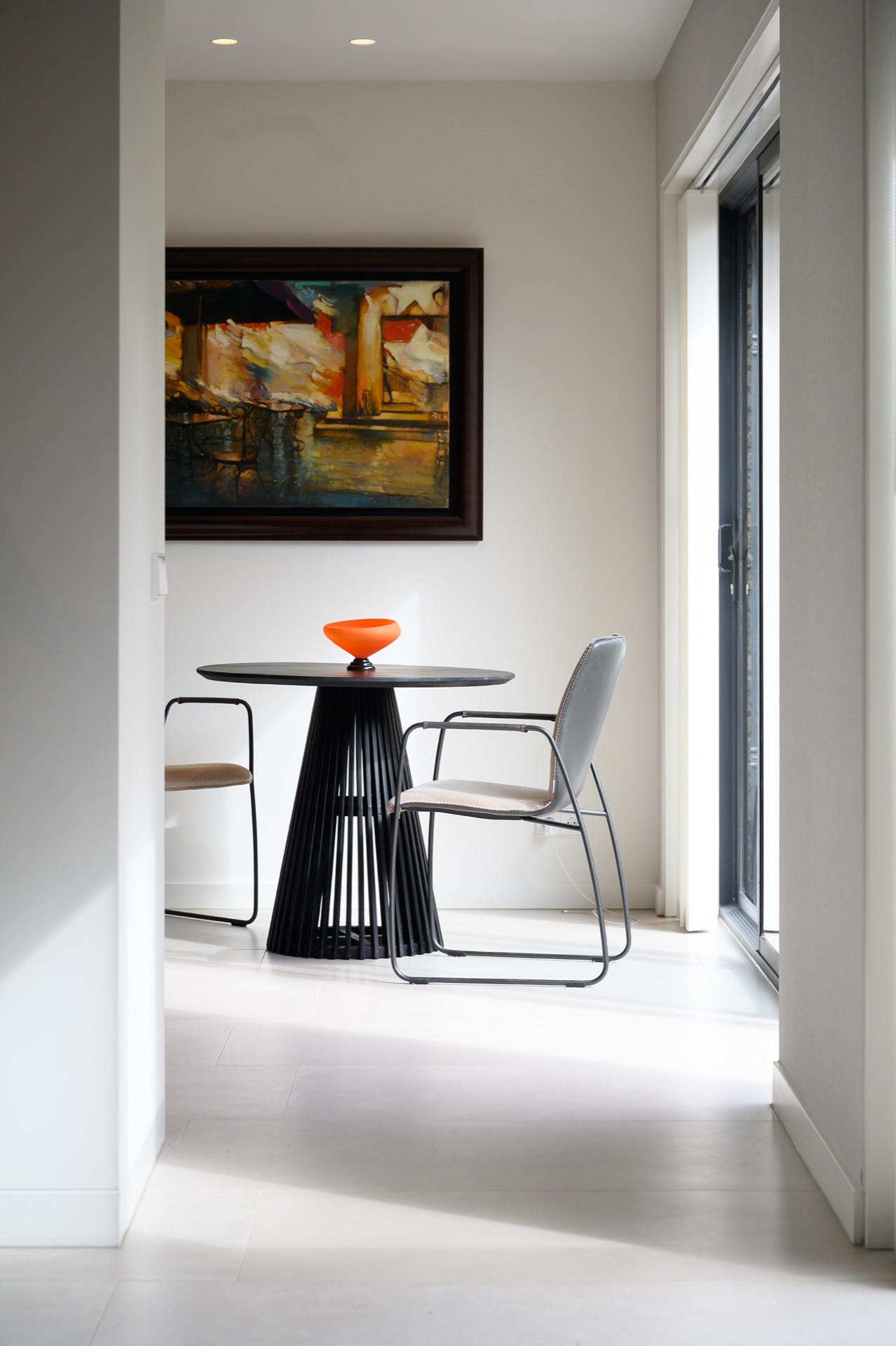
Strategically designed open doorways offer framed glimpses between zones, fostering visual dialogue within the home. These connections reinforce how the kitchen, dining, and living areas coexist while maintaining distinct atmospheres. Materials shift subtly from the warmer wood of cabinetry to cooler stone countertops, marking boundaries without enclosing the view.
Central kitchen as the home’s focal point
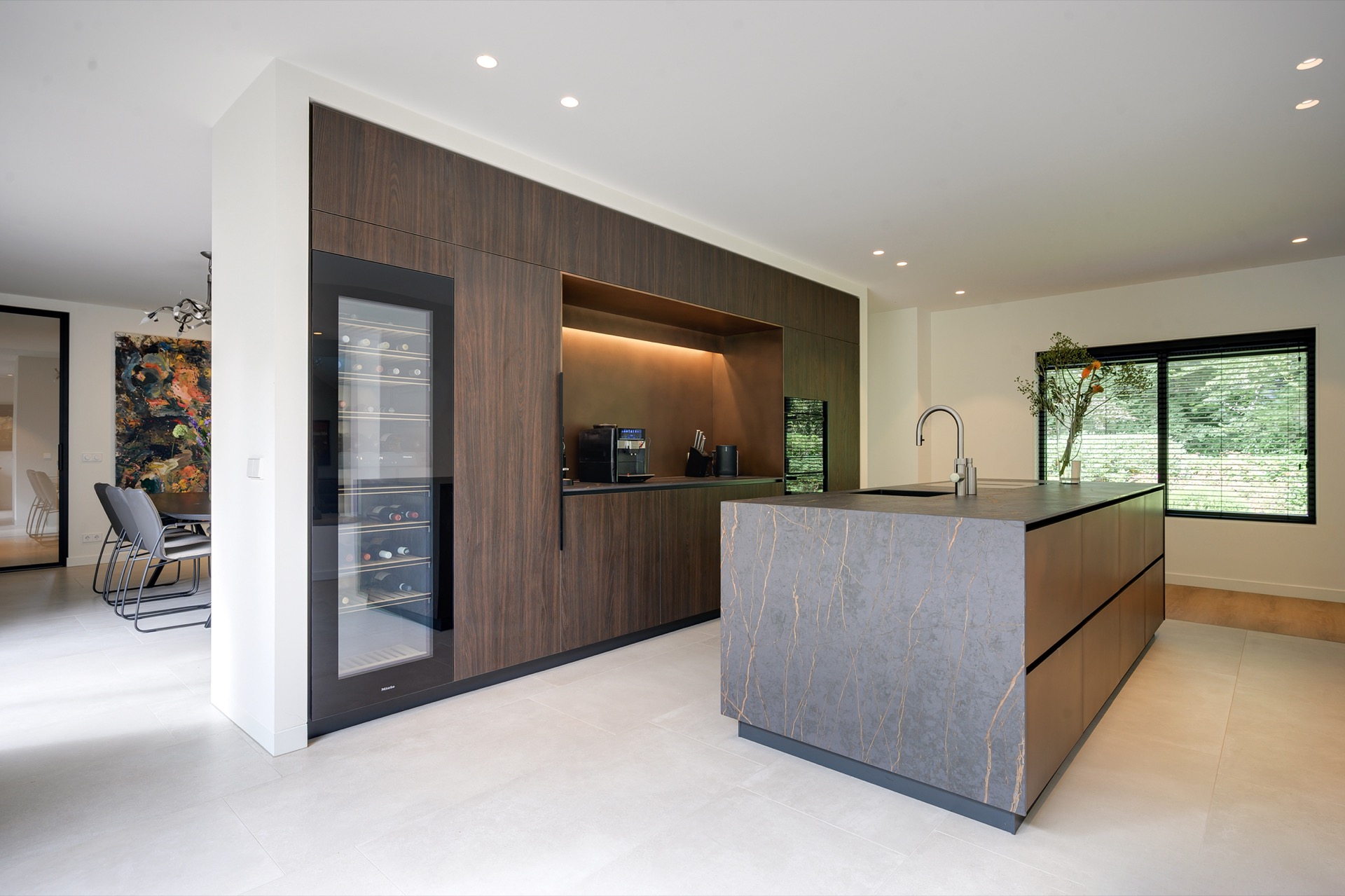
Anchored in the middle of the living space, the kitchen island made of polished marble invites gathering and interaction. Its smooth surface contrasts gently with wooden cabinetry beneath, while built-in appliances maintain an uncluttered aesthetic. From here, large glass doors open directly toward the garden, linking interior culinary activities with views of greenery outside.
Seamless flow to the dining area
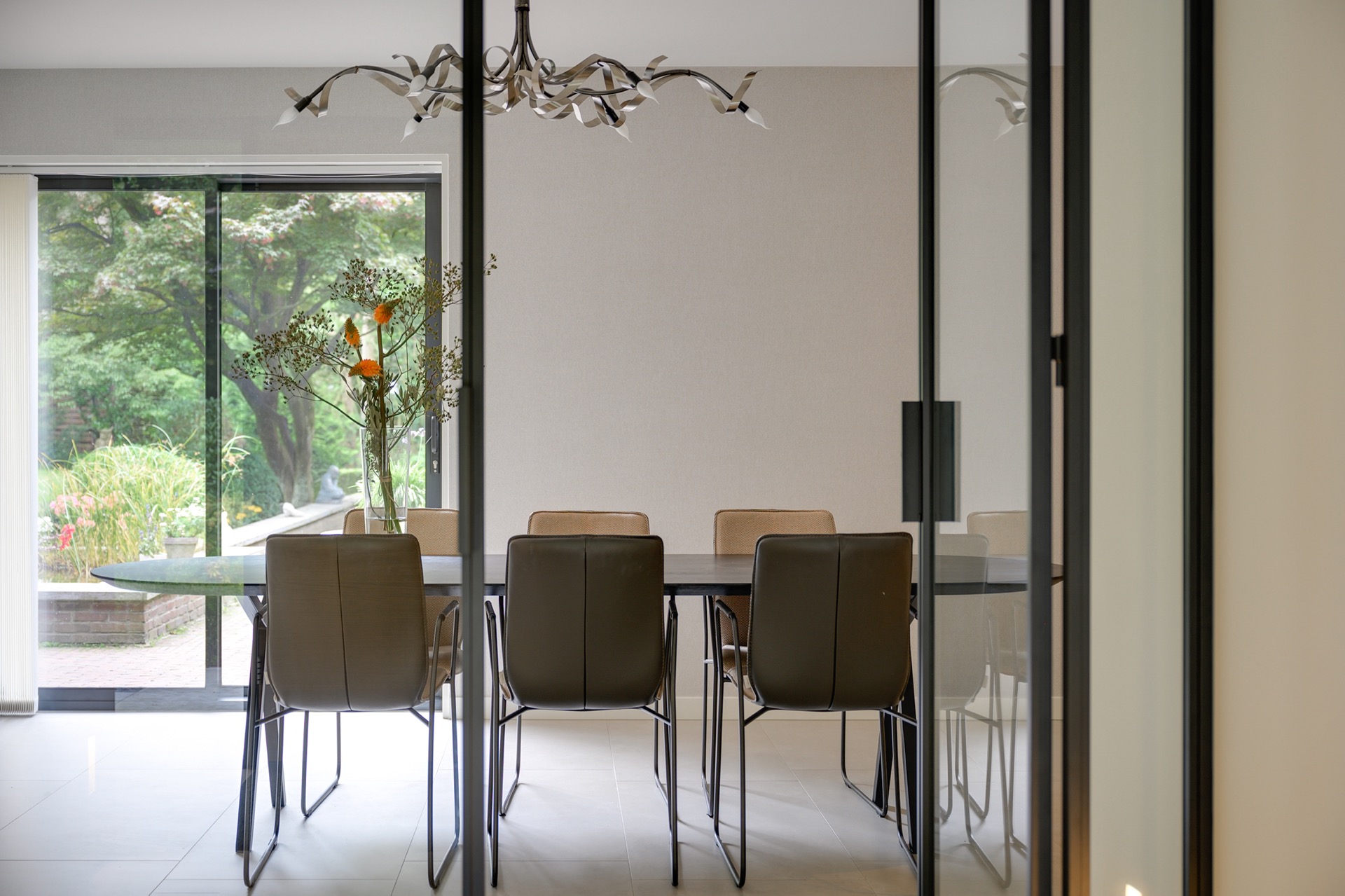
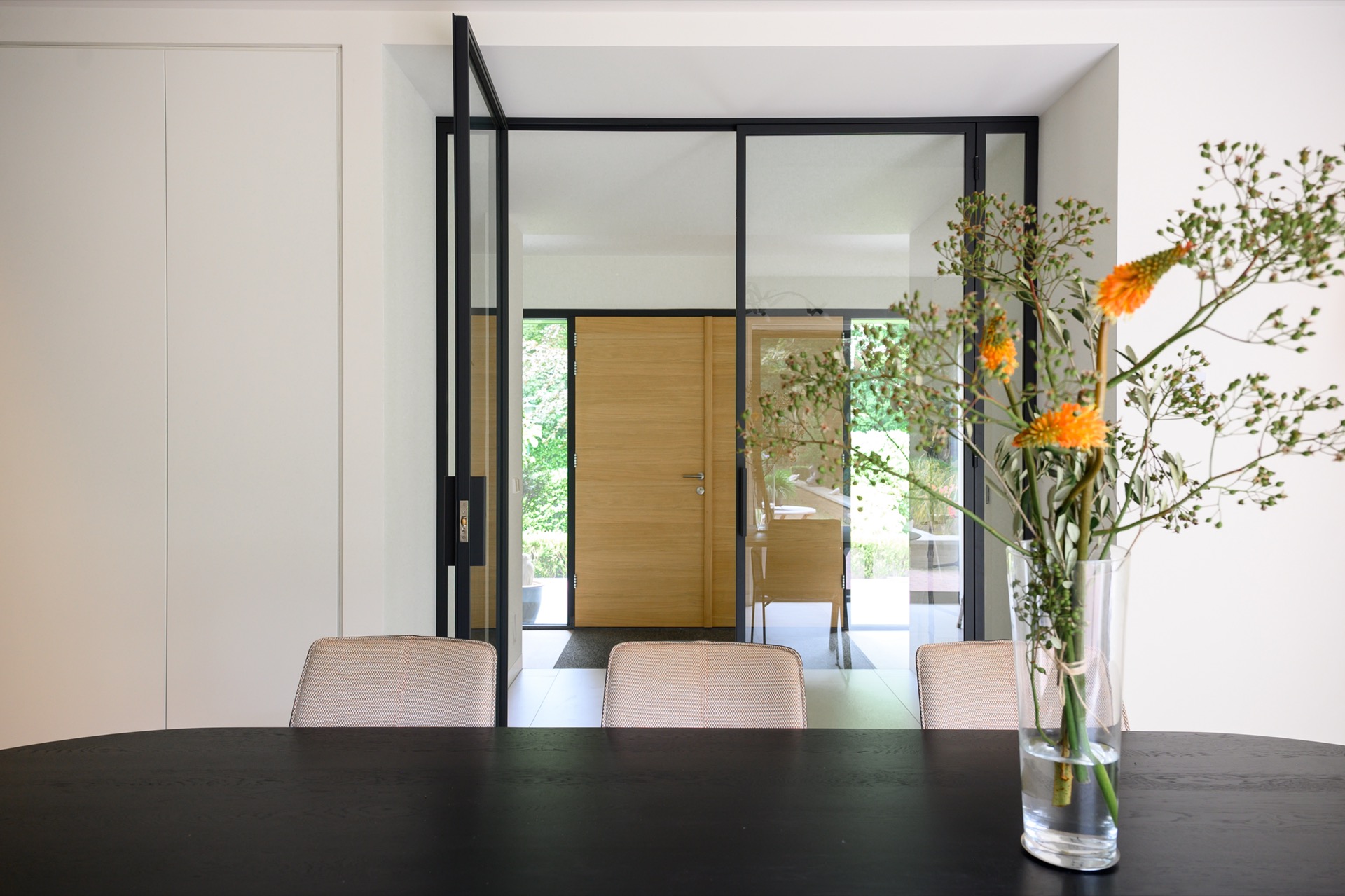
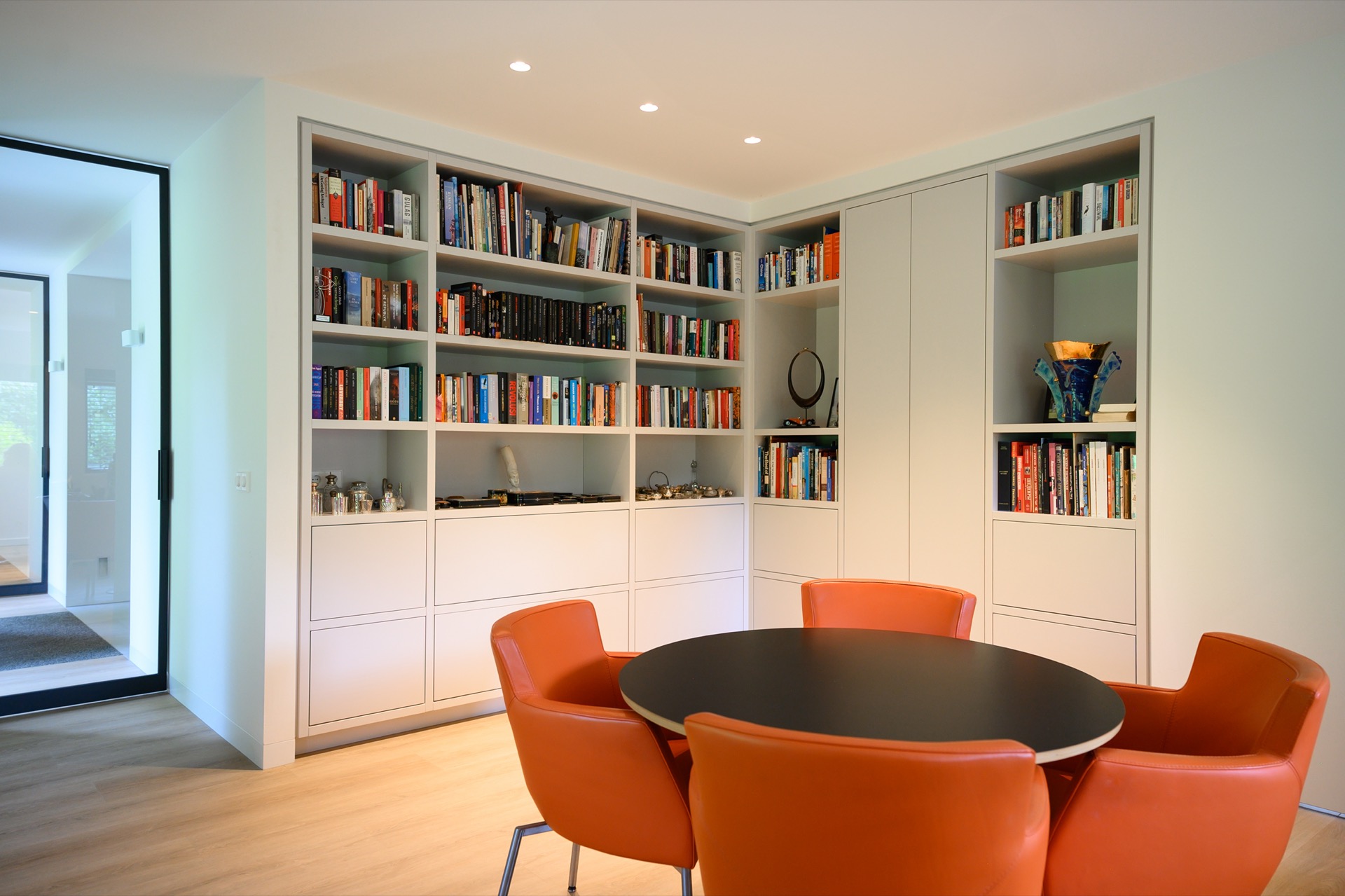
Adjacent to the kitchen, the dining room retains its original footprint but feels expanded through tall glass doors connecting it to the entrance hall. This openness gives the space an airy quality, balancing privacy with access. Wooden frames around the doors replace previous glass panels, subtly increasing seclusion without sacrificing natural illumination.
Natural materials cultivating tranquility
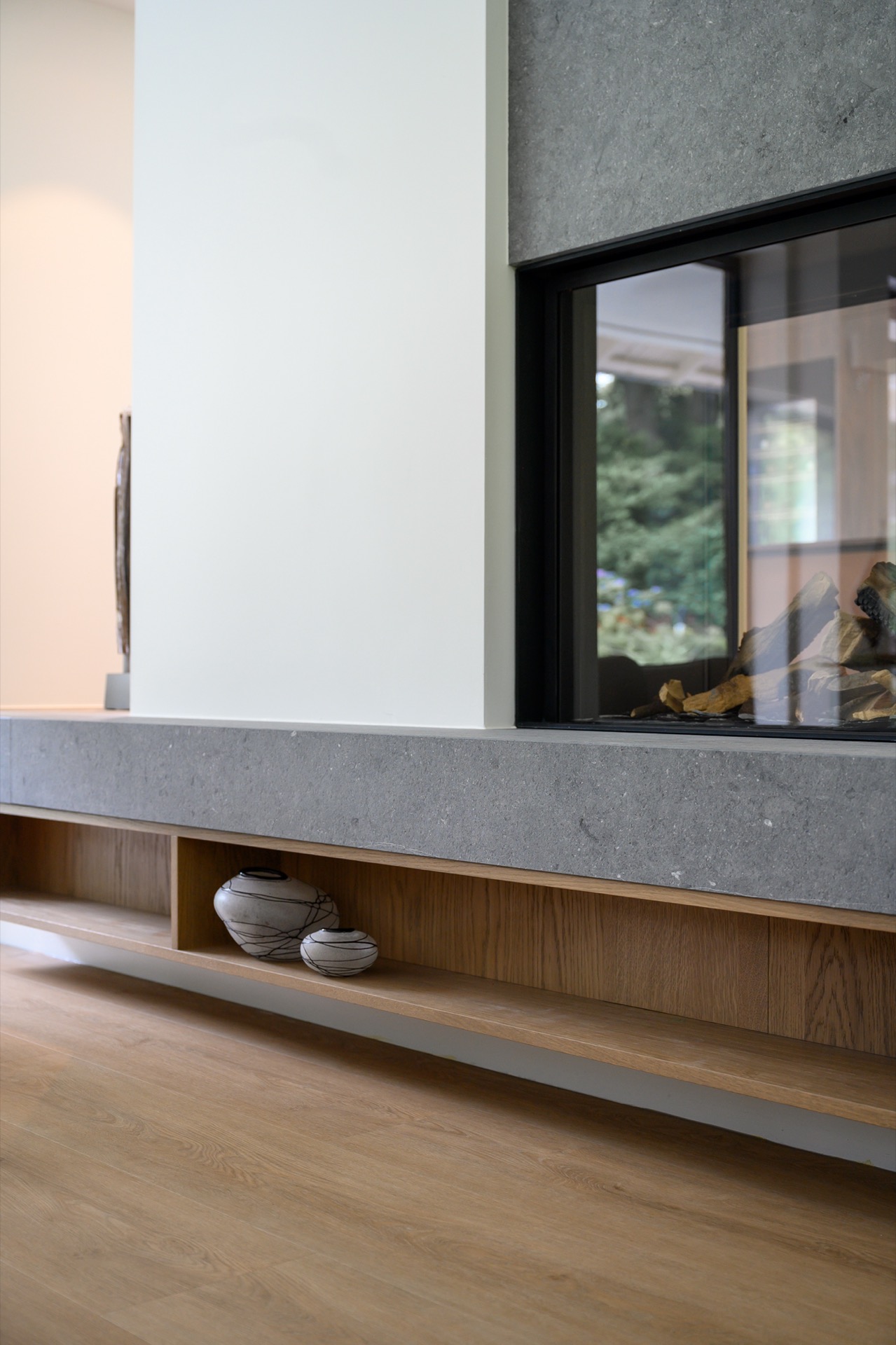
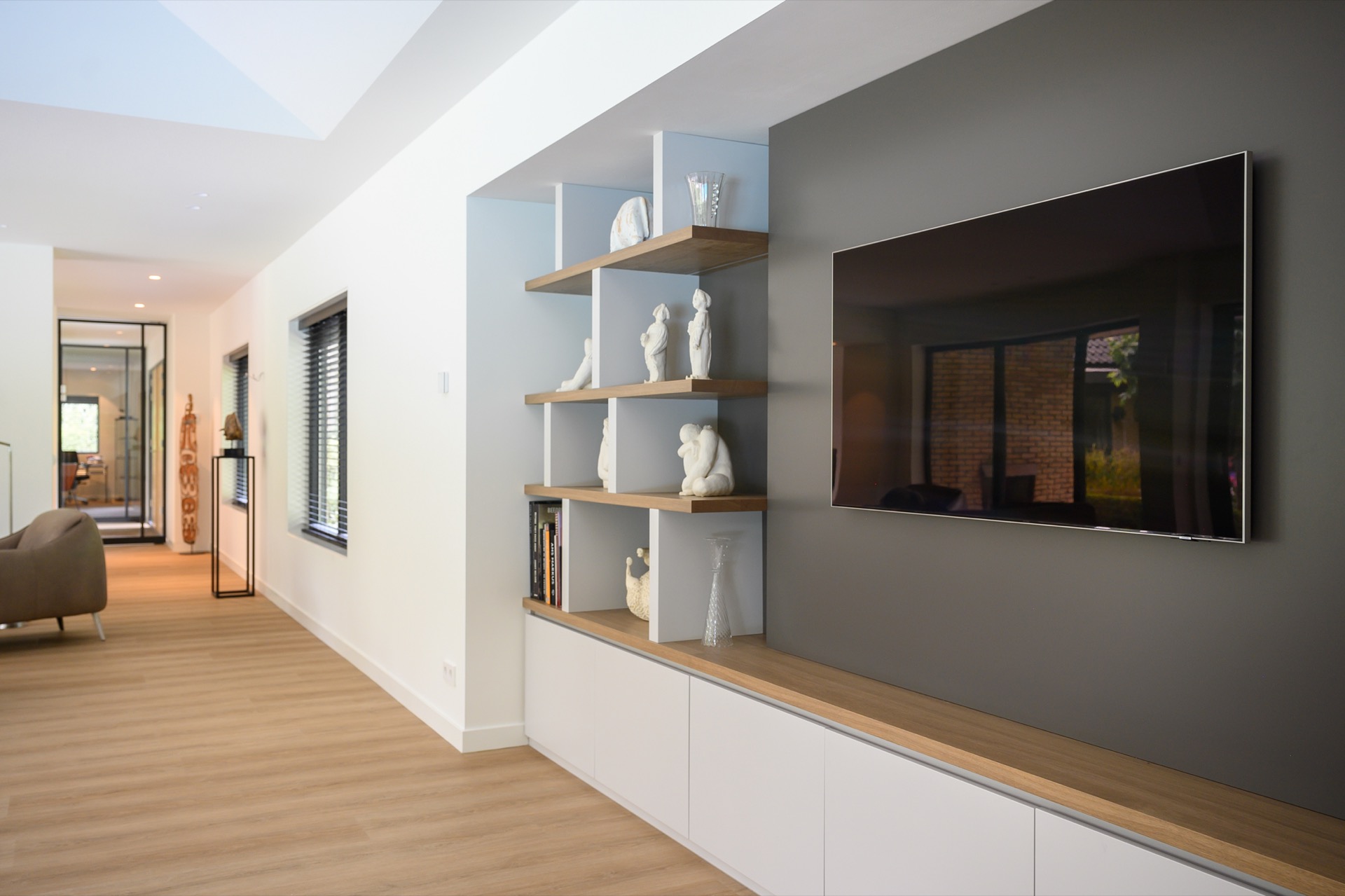
The interior palette centers on wood, marble, and exposed concrete, which together evoke a calming atmosphere. Textured hardwood floors run continuously, grounding spaces while complementing cabinetry and furniture. Marble surfaces introduce cool elegance, their veins forming abstract patterns that catch light differently throughout the day.
modern interior design as the architectural starting point
Large windows frame a lush outdoor view, bringing the garden into the home’s daily experience. A compact seating area with clean-lined furniture invites relaxation while maintaining composition with surrounding art pieces. Sculptural decorations add subtle depth without overwhelming the serene setting.
Bathroom featuring wooden accents and glass enclosures
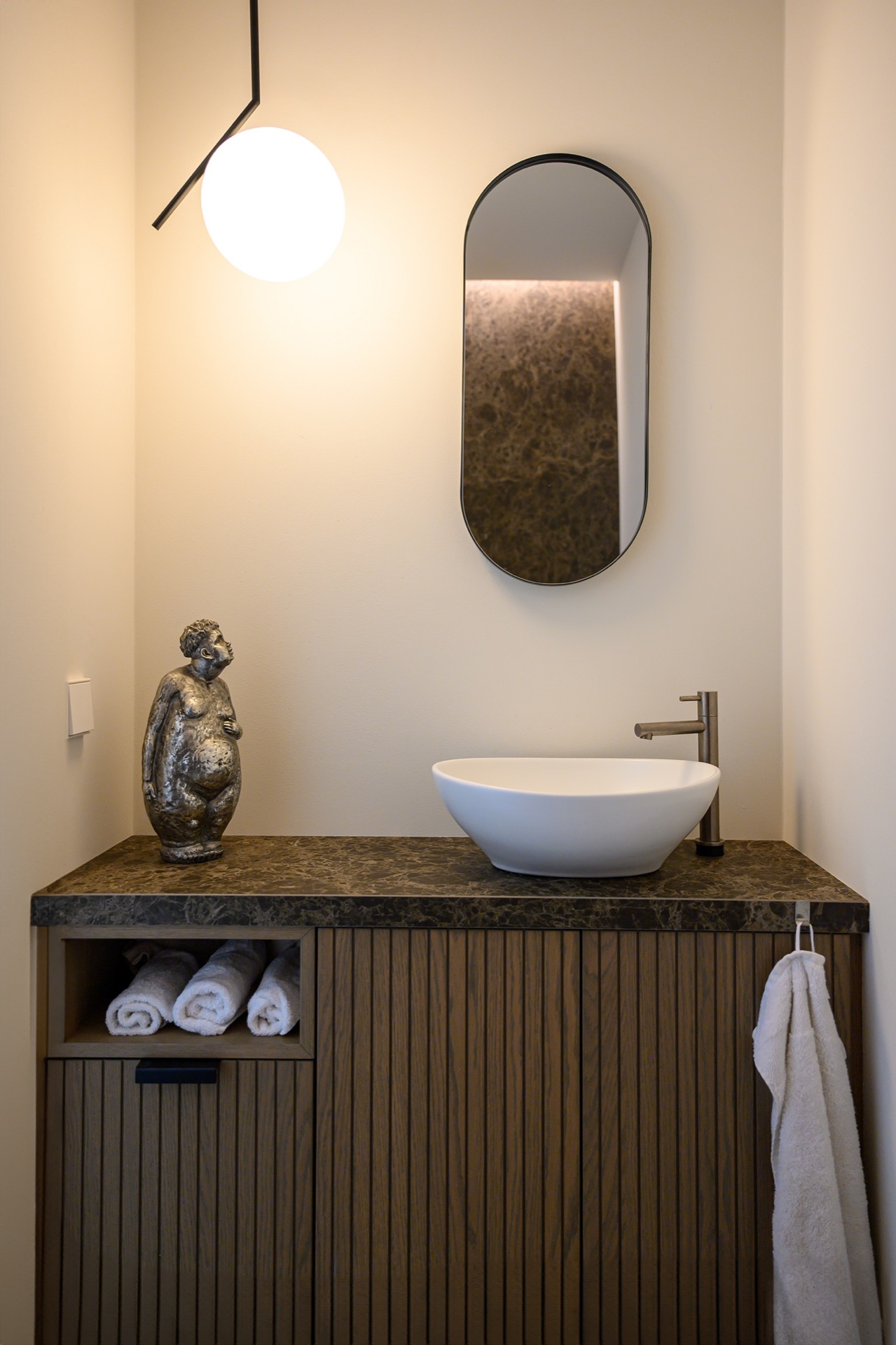
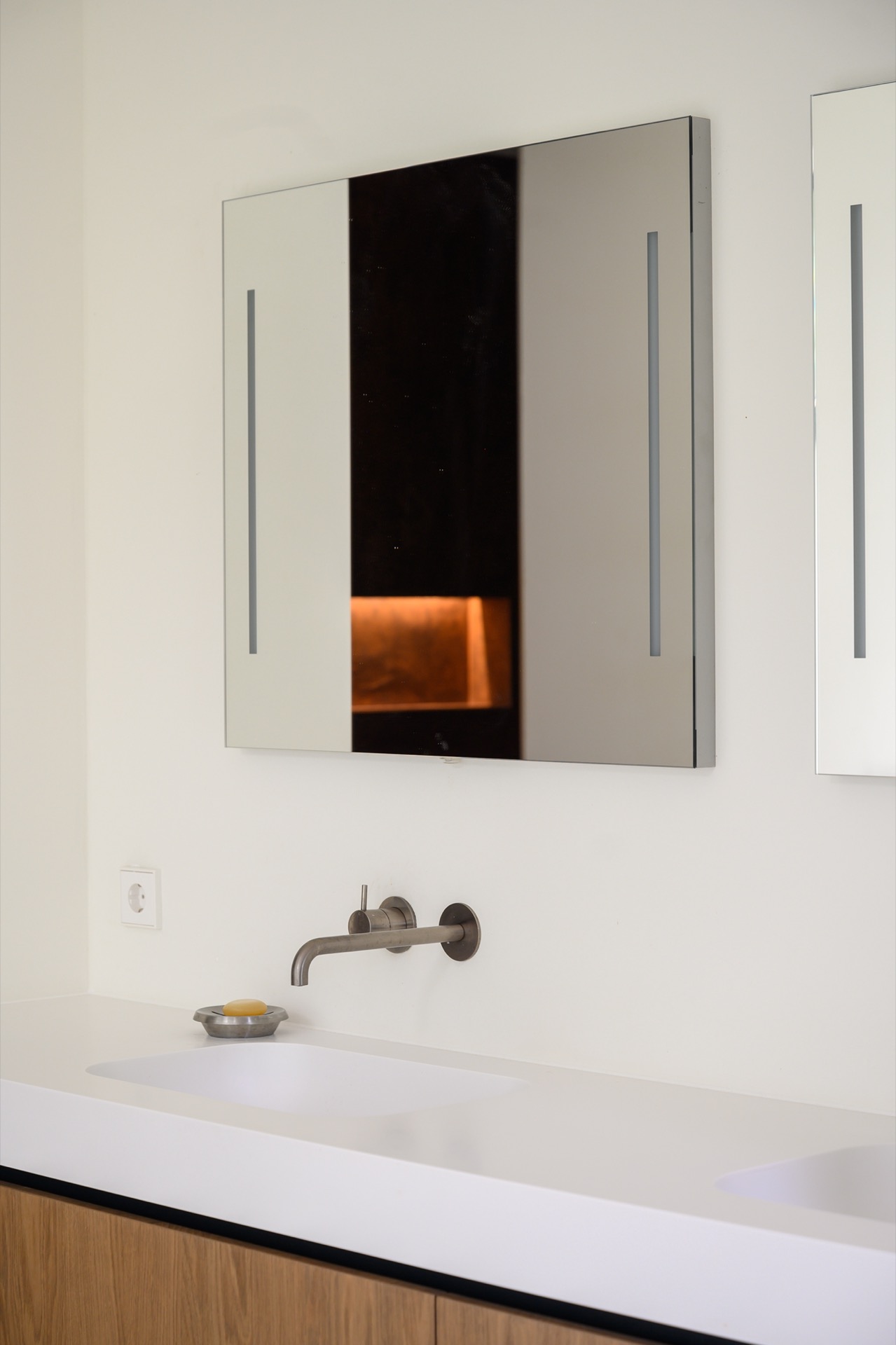
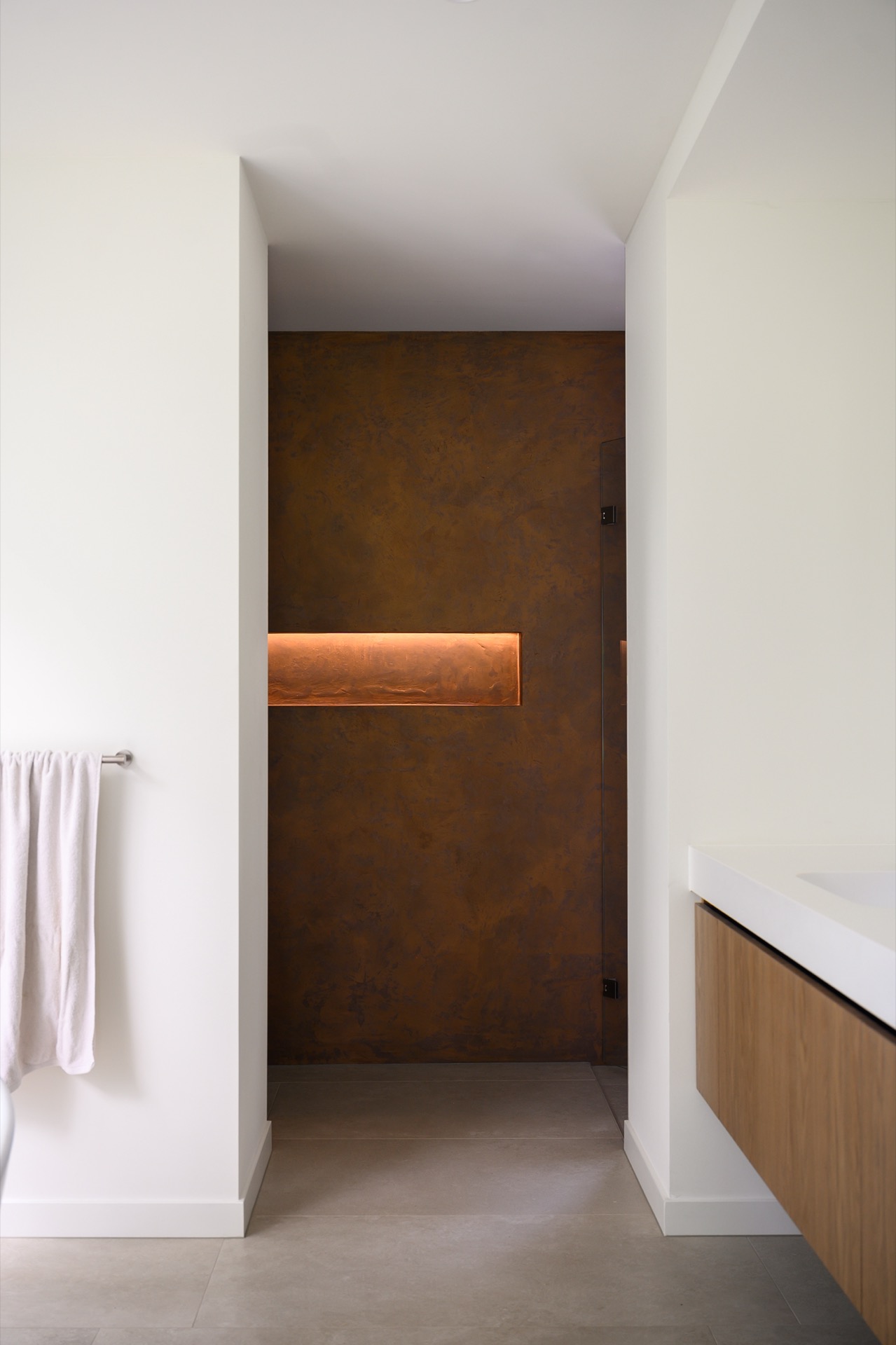
In the bathroom, a walk-in shower with clear glass creates an open feeling, while a wooden vanity offers practical storage and softens the space. Decorative elements remain minimal, focusing attention on the contrast between smooth stone tiles and natural wood grain. That makes the modern interior design part of the architectural character rather than a loose finish.
Upper level with natural light and openness
The loft area continues the theme of openness with expansive windows allowing daylight to fill the space. Clean surfaces and restrained furnishings keep the atmosphere light and uncluttered, supporting quiet moments and introspection.
Integrating personal art in a neutral setting
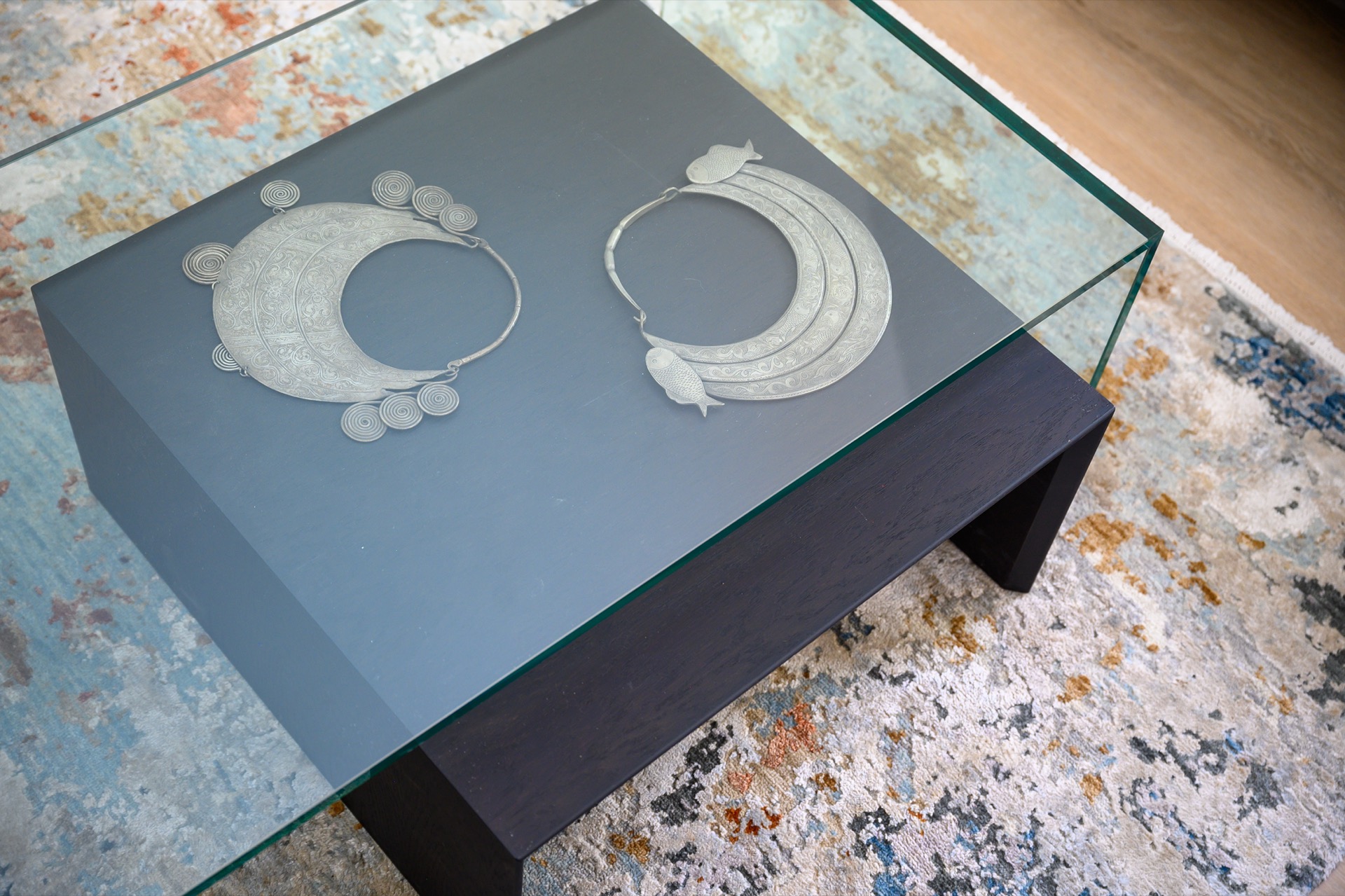
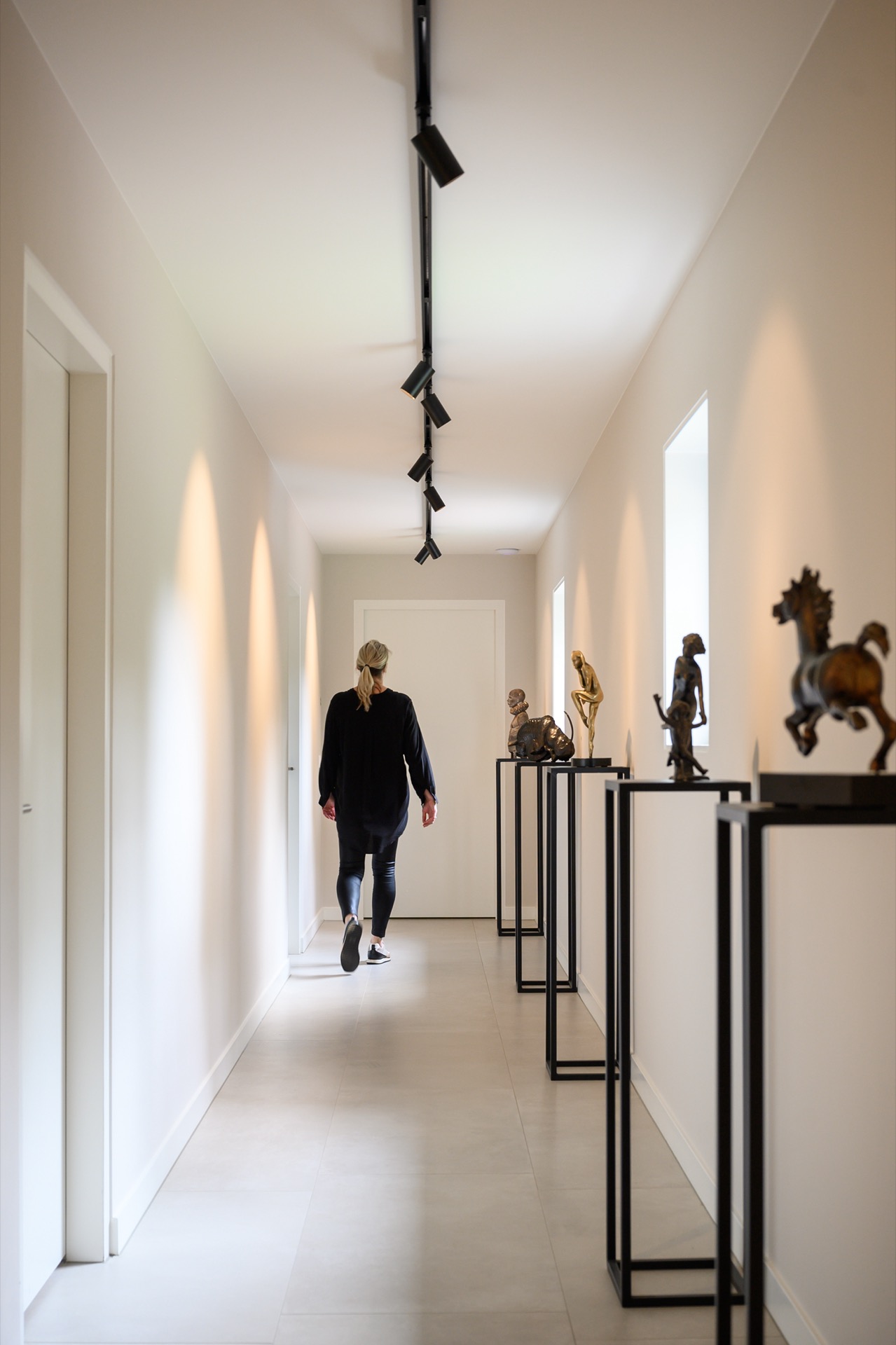
The design provides a calm backdrop for a collection of artworks. Sculptural and hand-crafted pieces occupy niches and walls thoughtfully, their presence enhanced by the restrained use of color and material. This dialogue between art and architecture enriches the home’s personality.
Collaboration enhancing spatial quality
The refined interior results from coordinated efforts by interior designers and craftsmen specializing in bespoke woodwork, tiling, and finishes. Precision in joinery and careful selection of materials emphasize quality and detail throughout the residence.
Connecting indoor and outdoor living
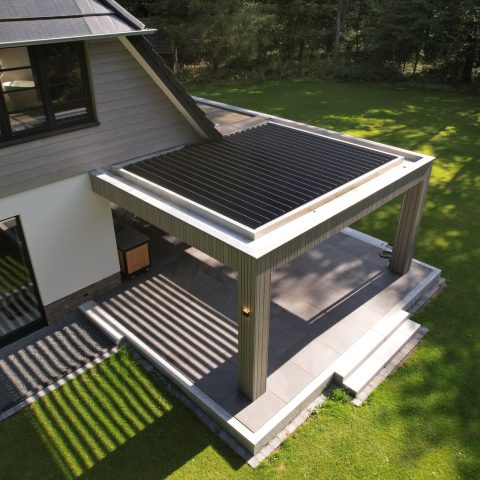
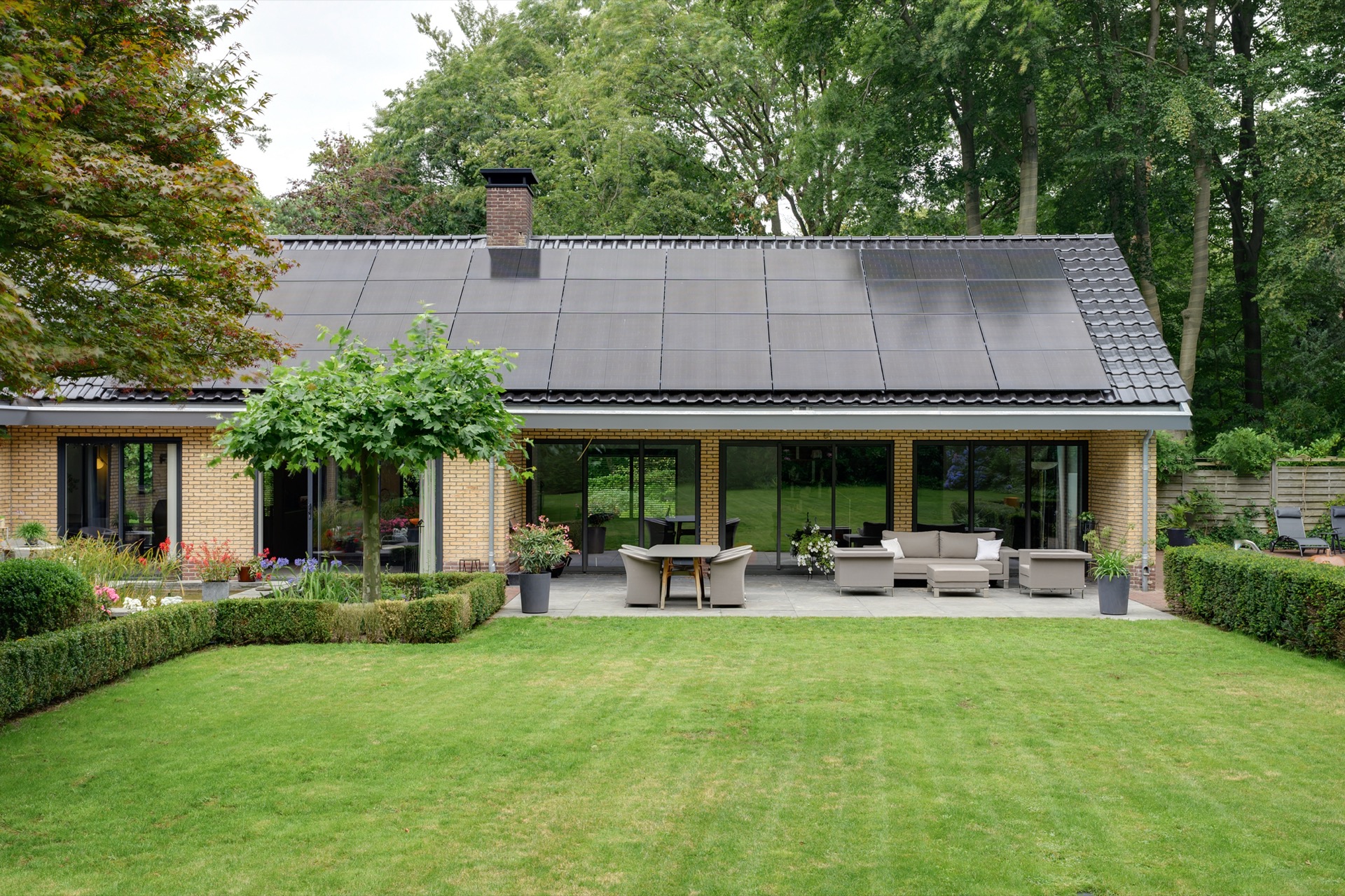
Glass doors and generous windows frame views toward the garden, making the landscape a key component of the interior experience. This relationship expands the perceived space and invites natural elements into daily life.
Balancing openness with privacy
Adjustments such as replacing glass with wooden doors at entry points control the flow of light and visibility, creating moments of retreat without compromising the overall spatial flow.
Designing with proportion and light
Throughout the project, attention to dimensions, sightlines, and natural illumination guides the arrangement of furnishings and fixtures. This careful orchestration supports an environment where materials and light complement each other seamlessly.
Natural materials house encapsulating modern interior design
Wood grain, marble veins, and concrete textures coalesce to form a contemporary home rooted in material authenticity. This restrained yet expressive use of natural elements fosters an experience grounded in tactility and visual calm. That makes the modern interior design part of the architectural character rather than a loose finish.
Want to see more of Kraal architecten? View the page of Kraal architecten for even more great projects and company information.


.png)
NEW 2026 Jubileum Edition The Best Interior Designers Benelux
Order Now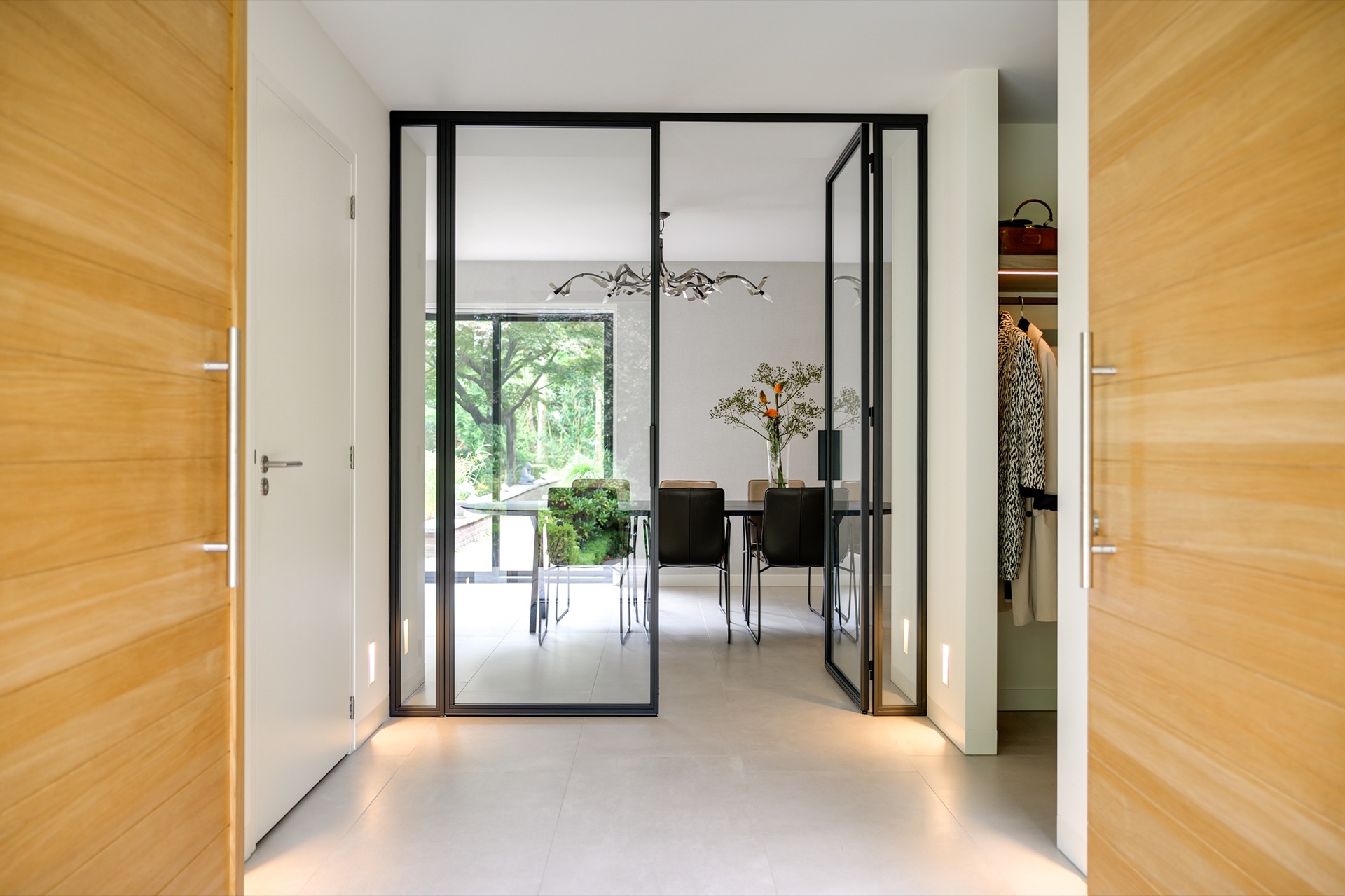
NEW 2026 Jubileum Edition The Best Interior Designers Benelux
Order Now
NEW 2026 Jubileum Edition The Best Interior Designers Benelux
Order Now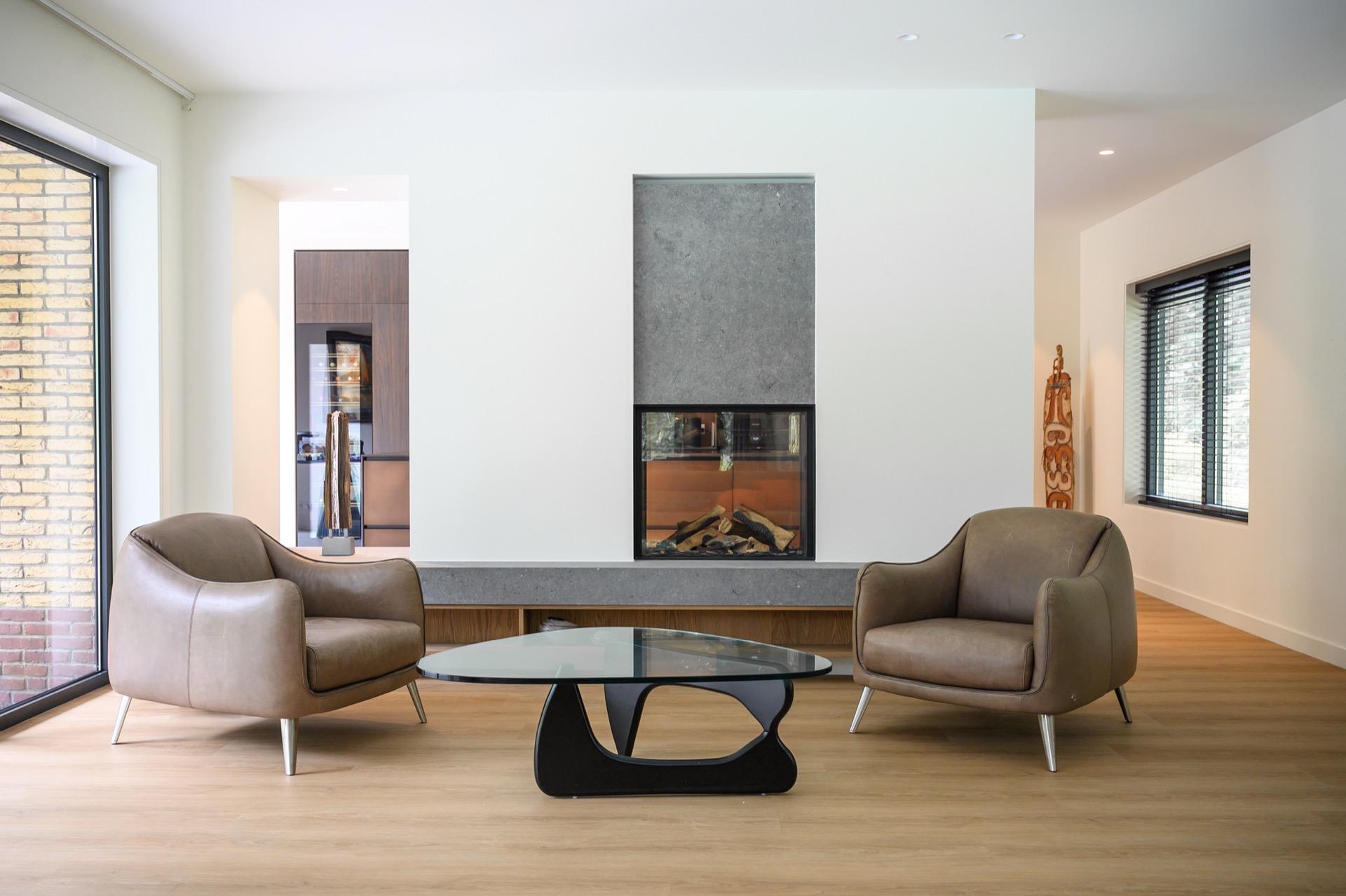
NEW 2026 Jubileum Edition The Best Interior Designers Benelux
Order Now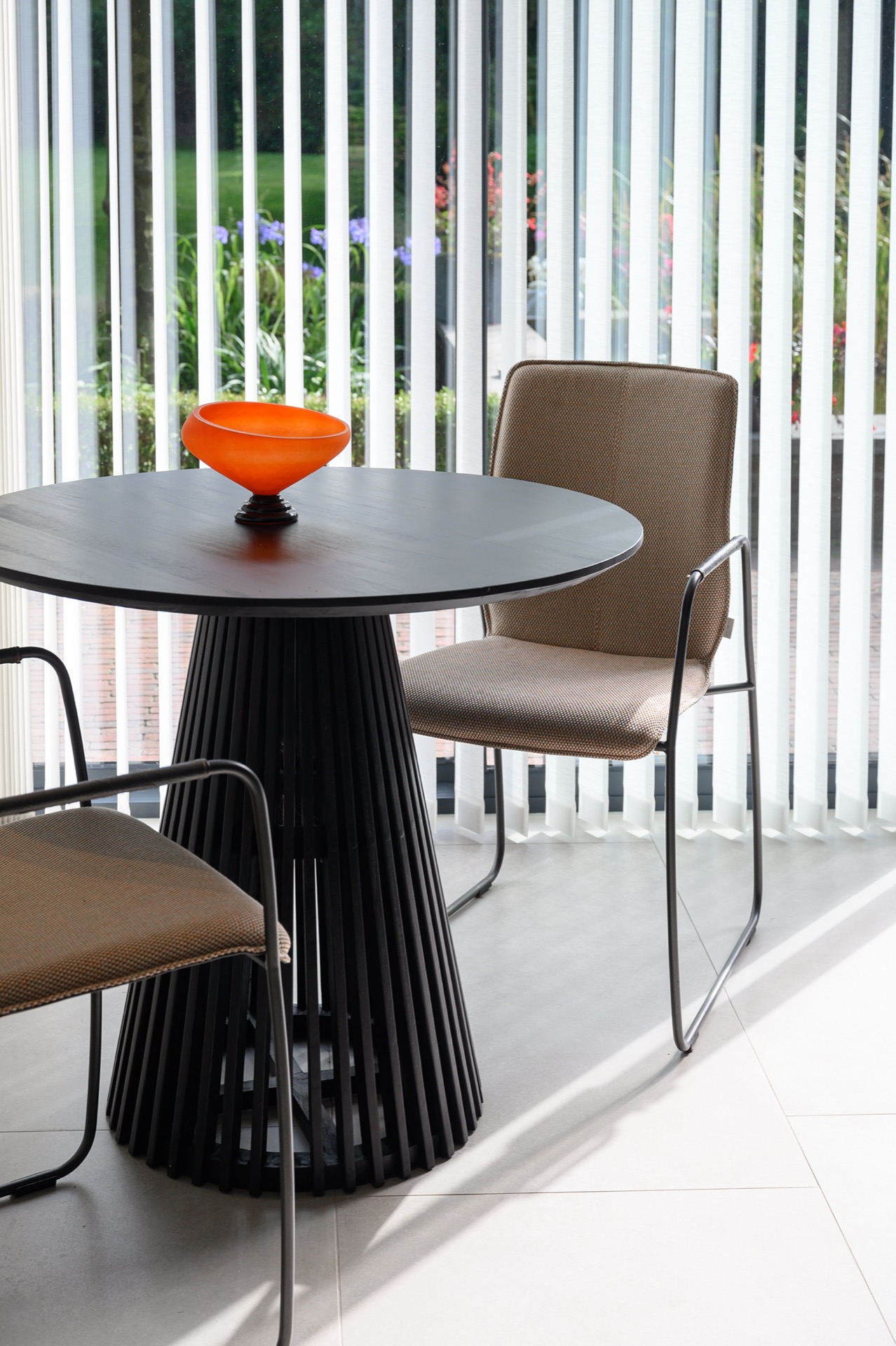
NEW 2026 Jubileum Edition The Best Interior Designers Benelux
Order Now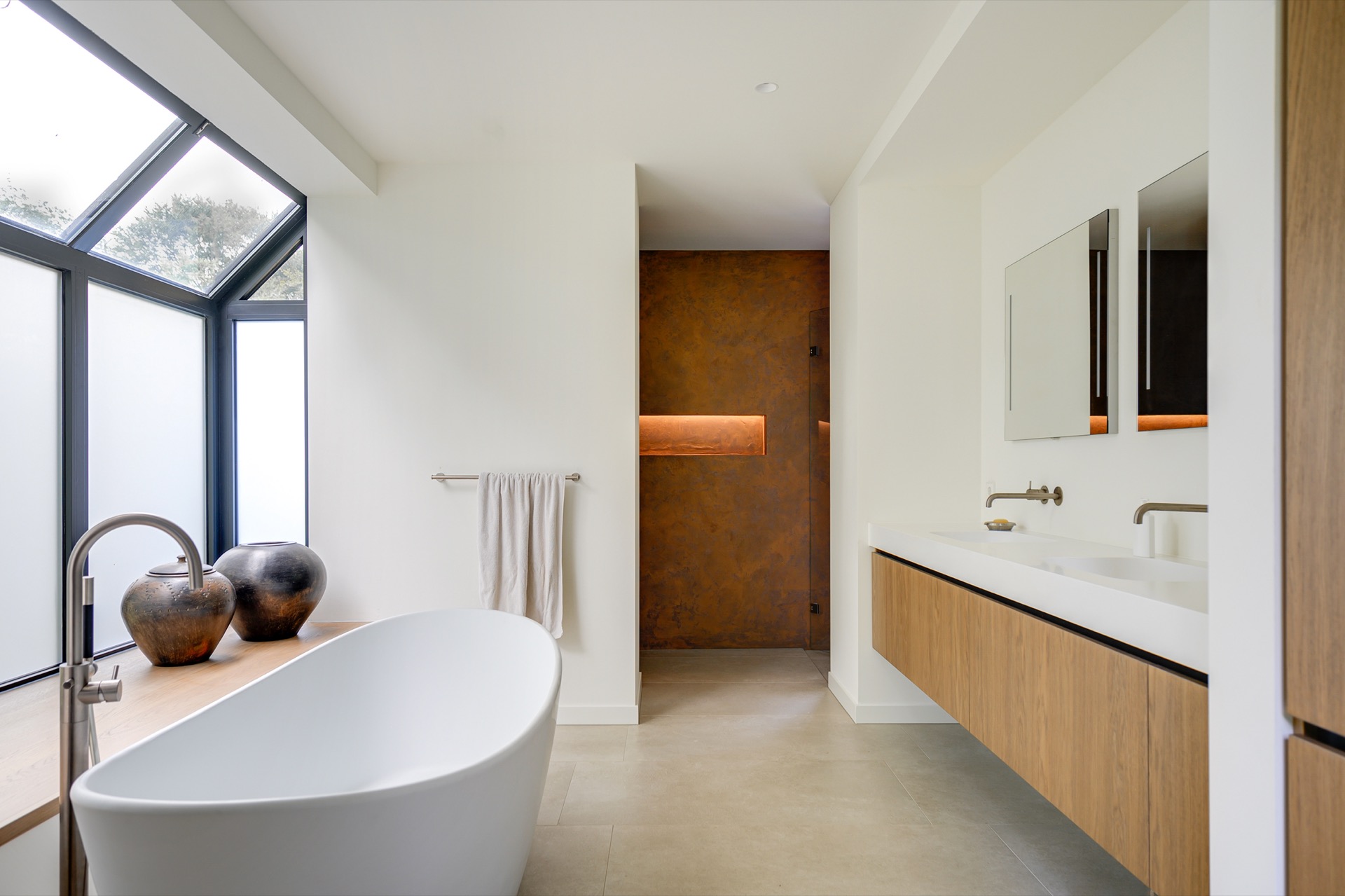
NEW 2026 Jubileum Edition The Best Interior Designers Benelux
Order Now