



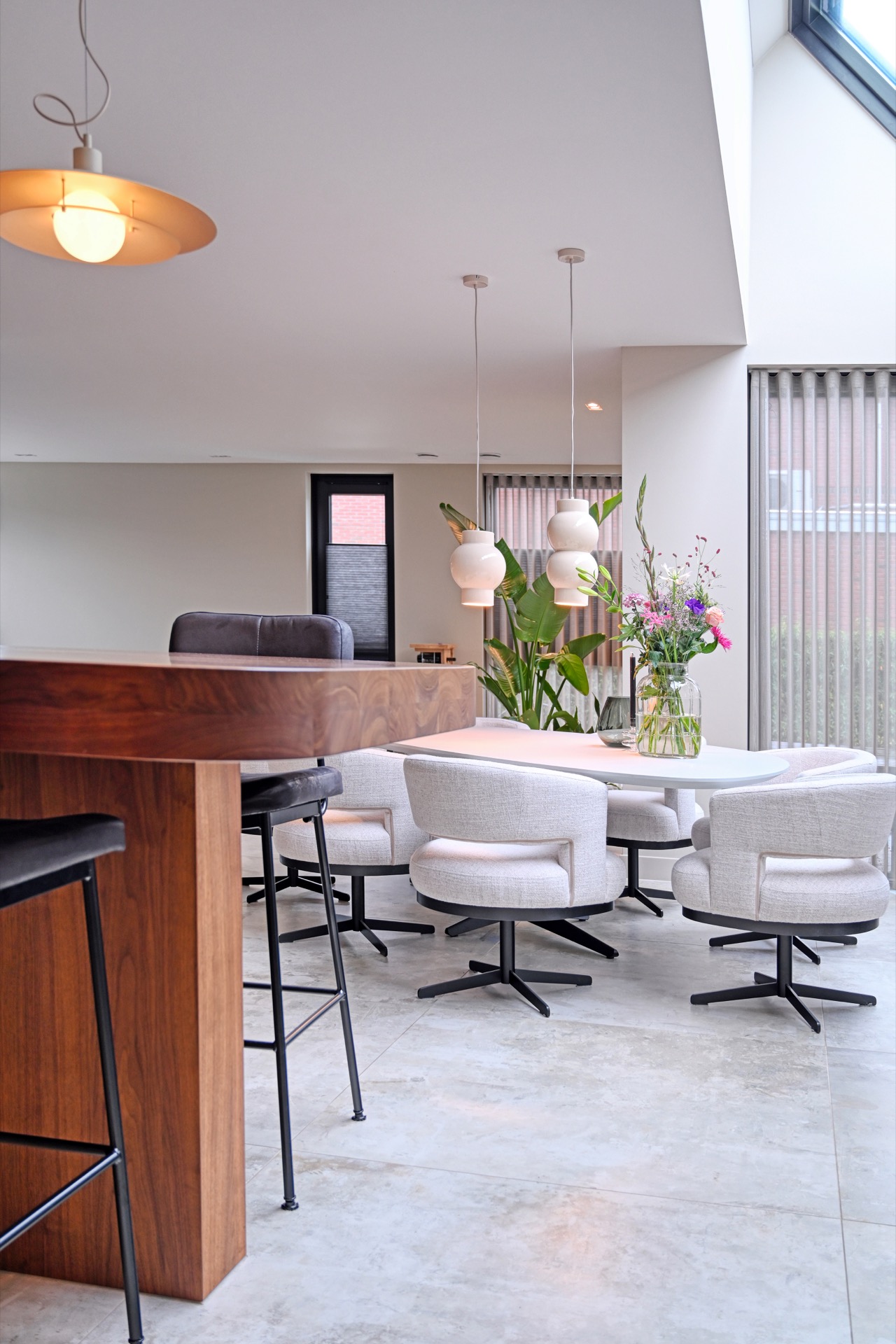
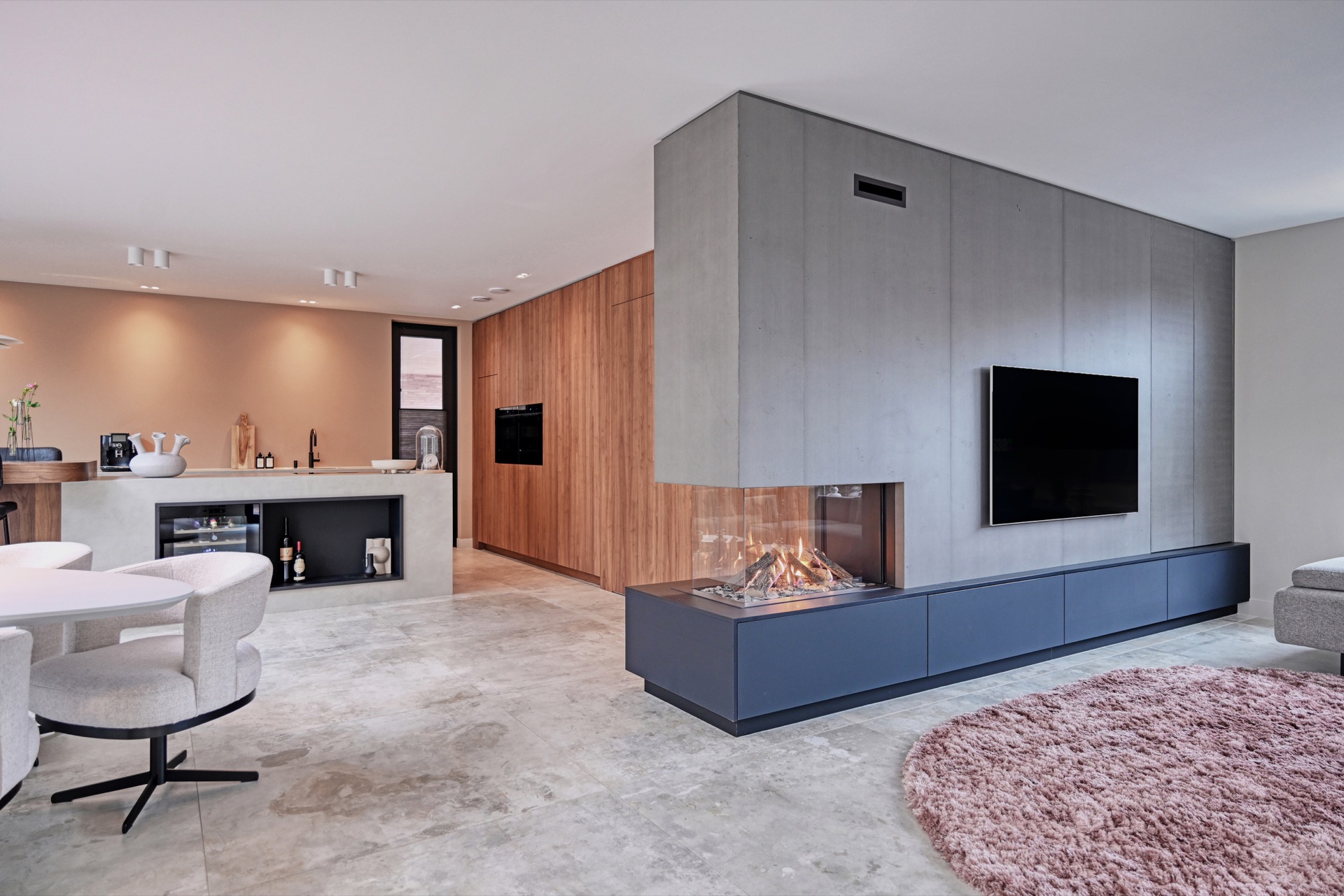
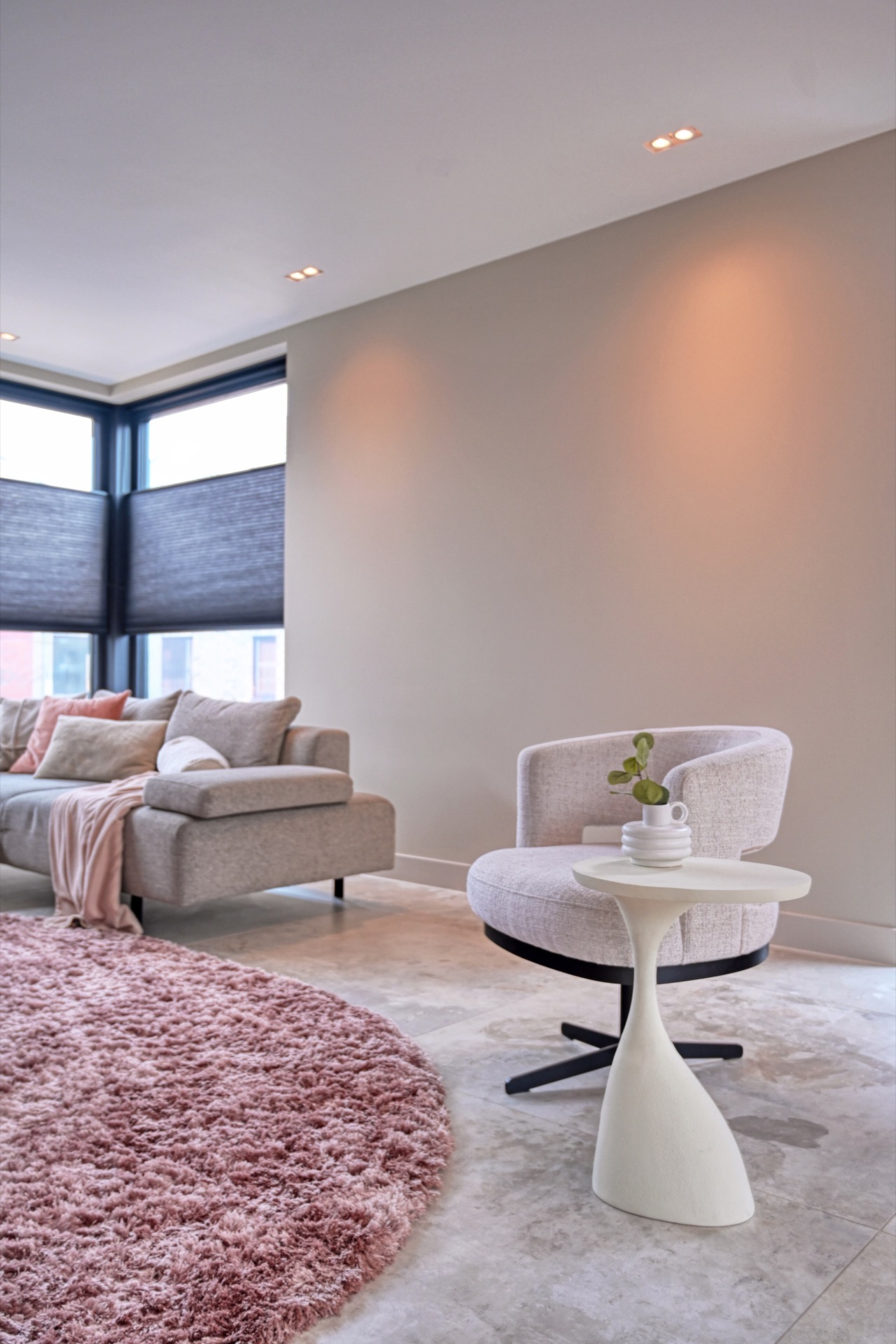
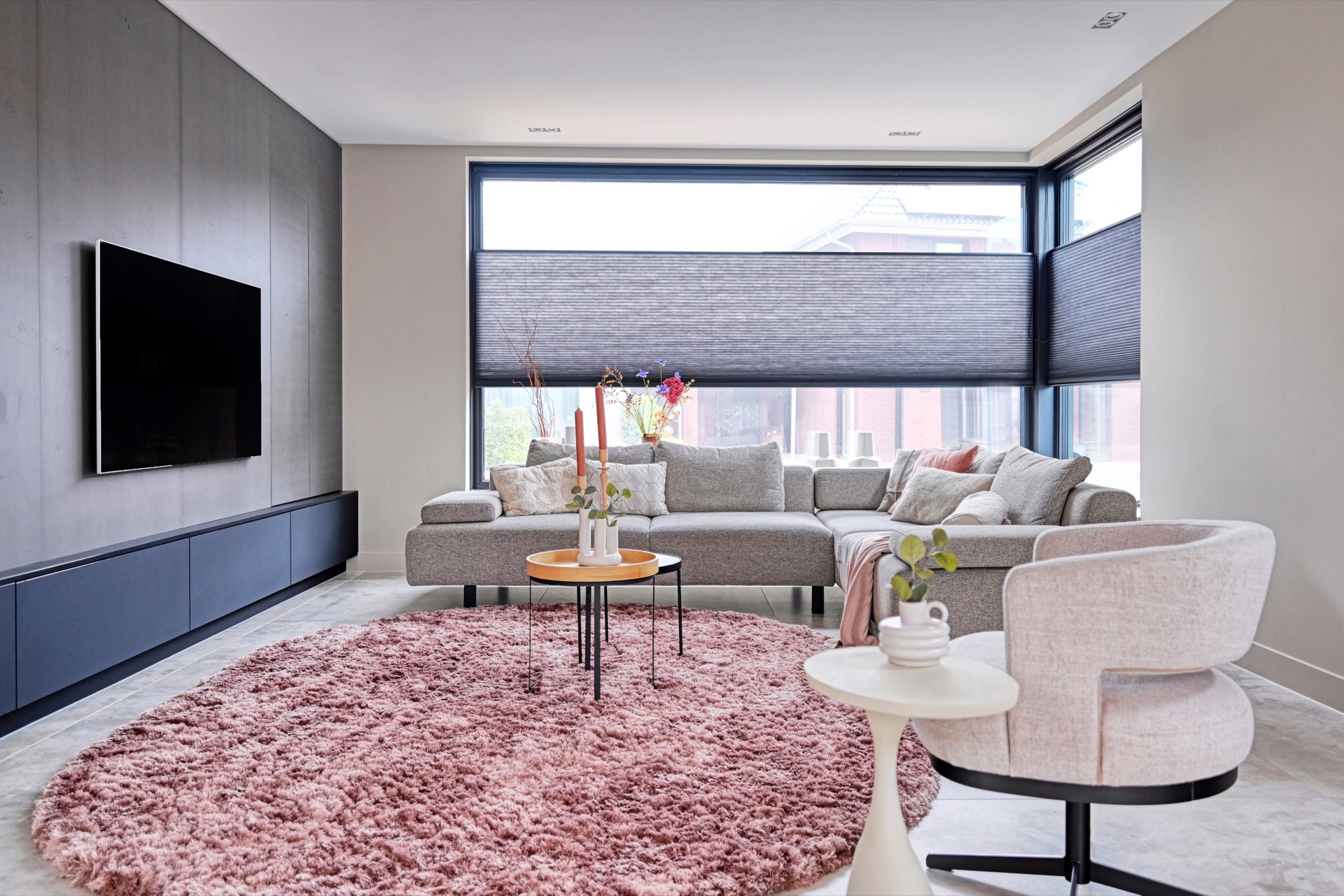
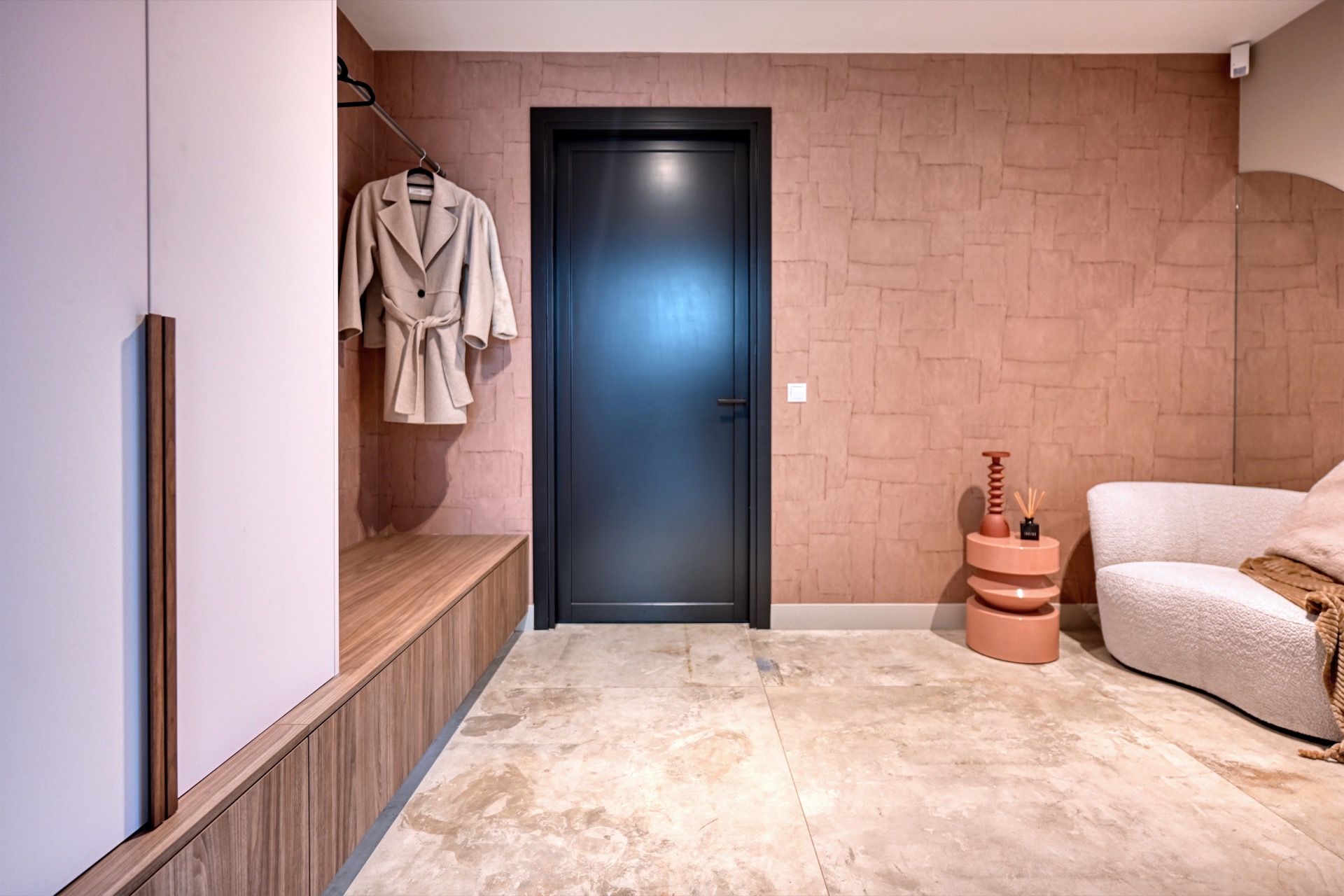
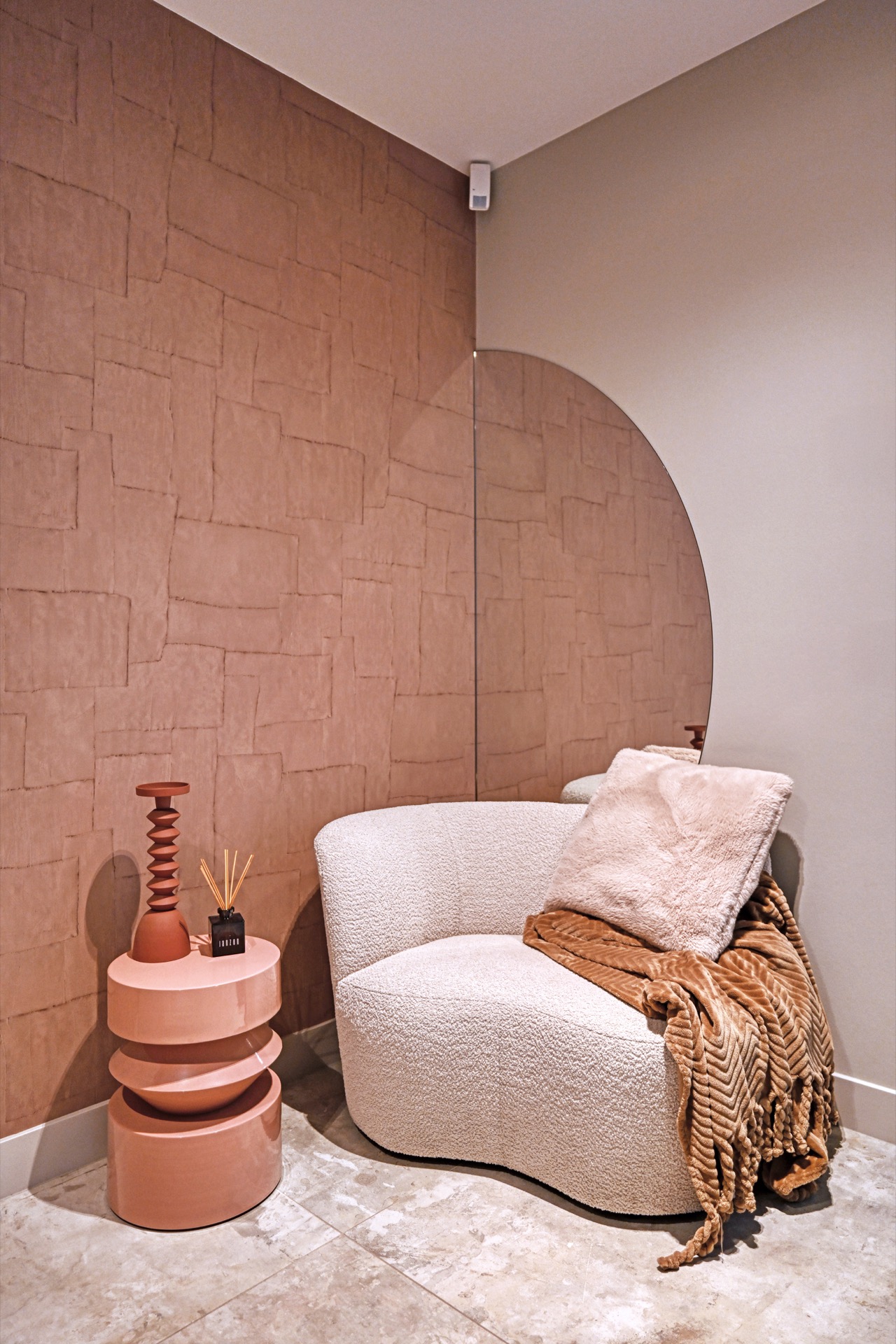
Stylish home interior shapes the way the rooms are organized and described. Large ceramic tiles measuring 120 by 120 centimeters cover the floors, their surfaces detailed with tonal shifts and textures that echo aged cement. The subtle irregularities and nuanced hues create a near-painterly base that enriches the interiors with a crafted feel.
Stylish home interior as a spatial starting point
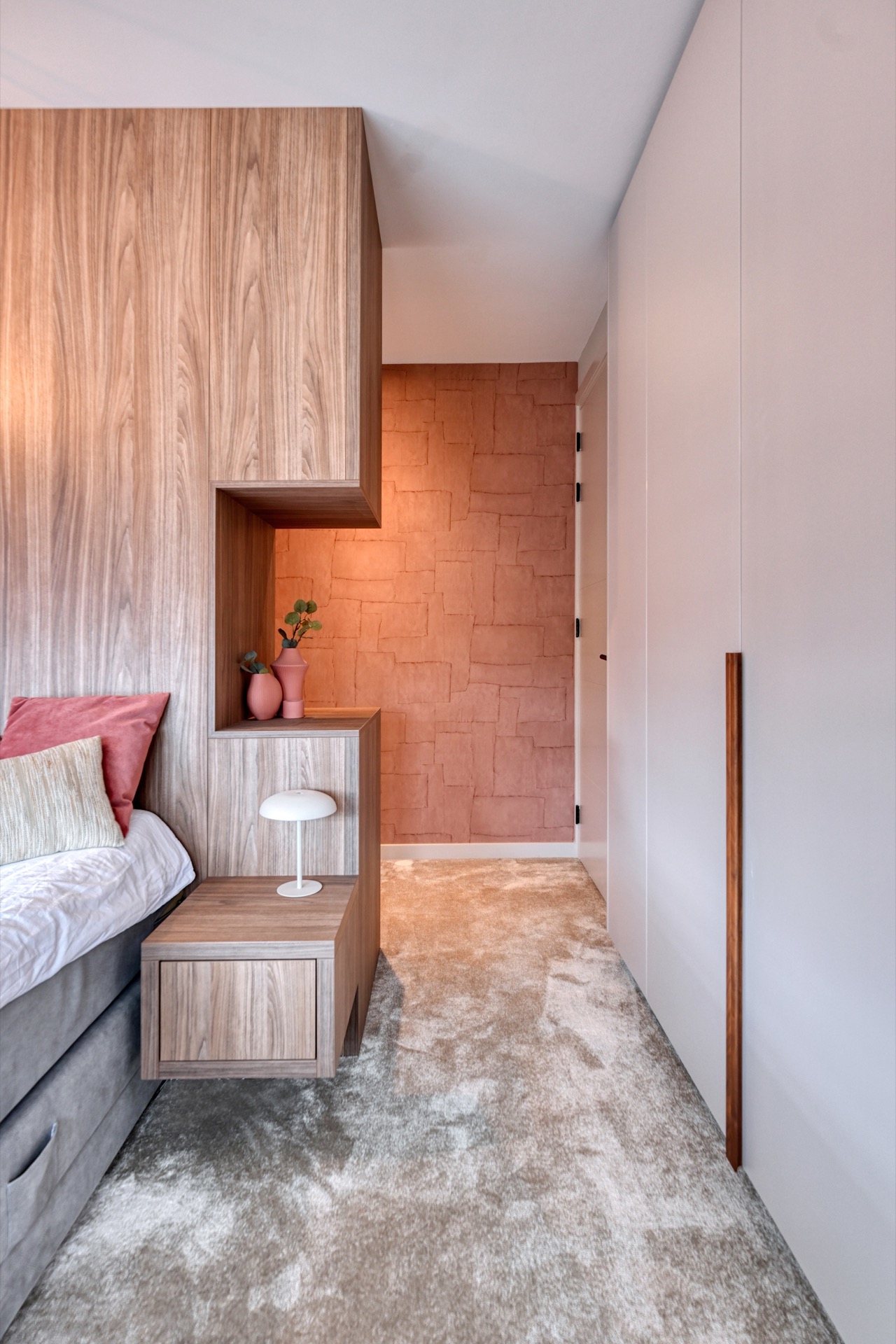
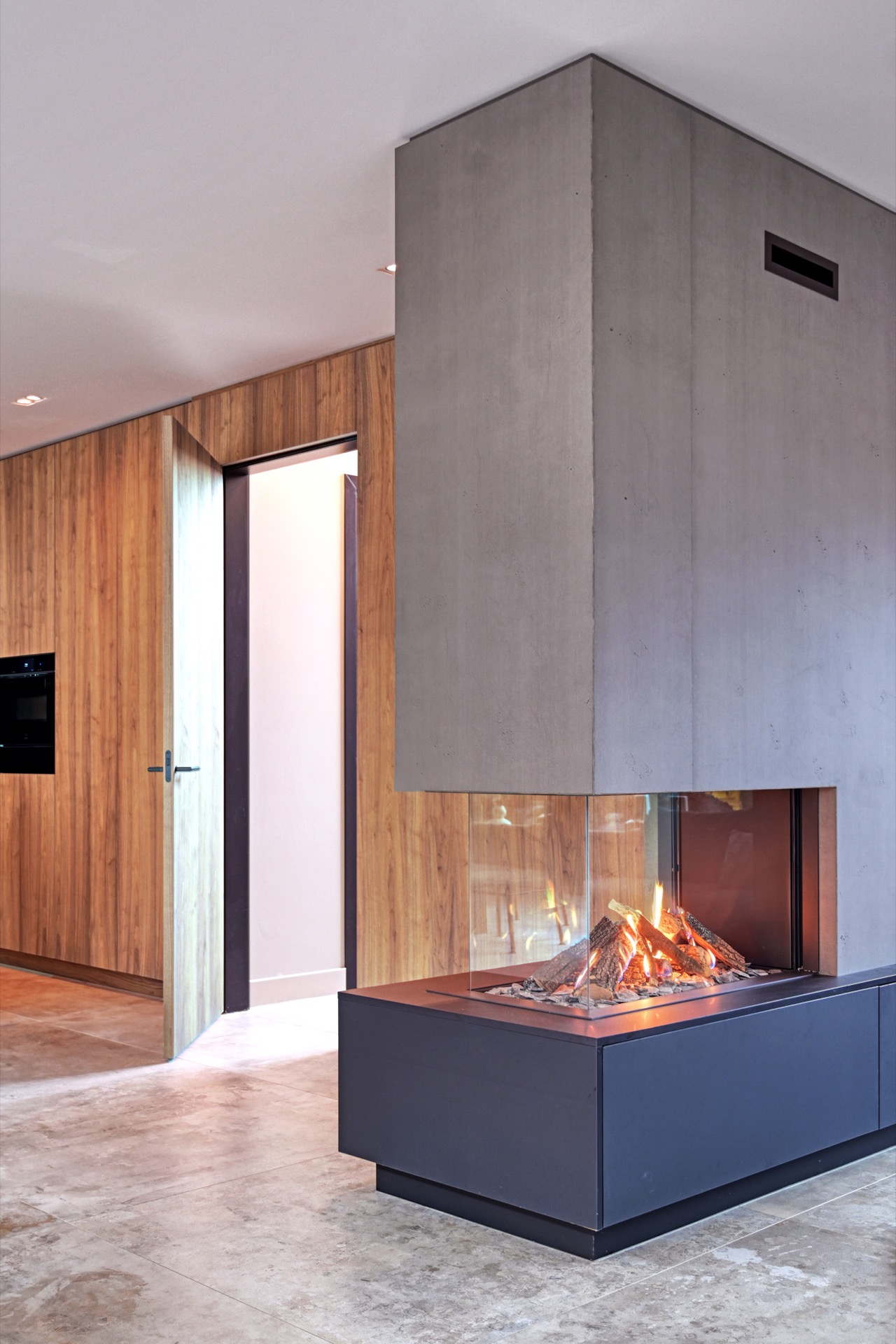
Upon entering, the pale pastel walls set a soft backdrop against rows of wooden panels in varying warm tones. These vertical slats introduce a tactile rhythm along the walls, guiding movement through the space and contrasting with smooth plaster finishes. This layering of textures blurs the boundaries between surfaces without harsh transitions.
The Kitchen Anchored by a Concrete-Effect Island
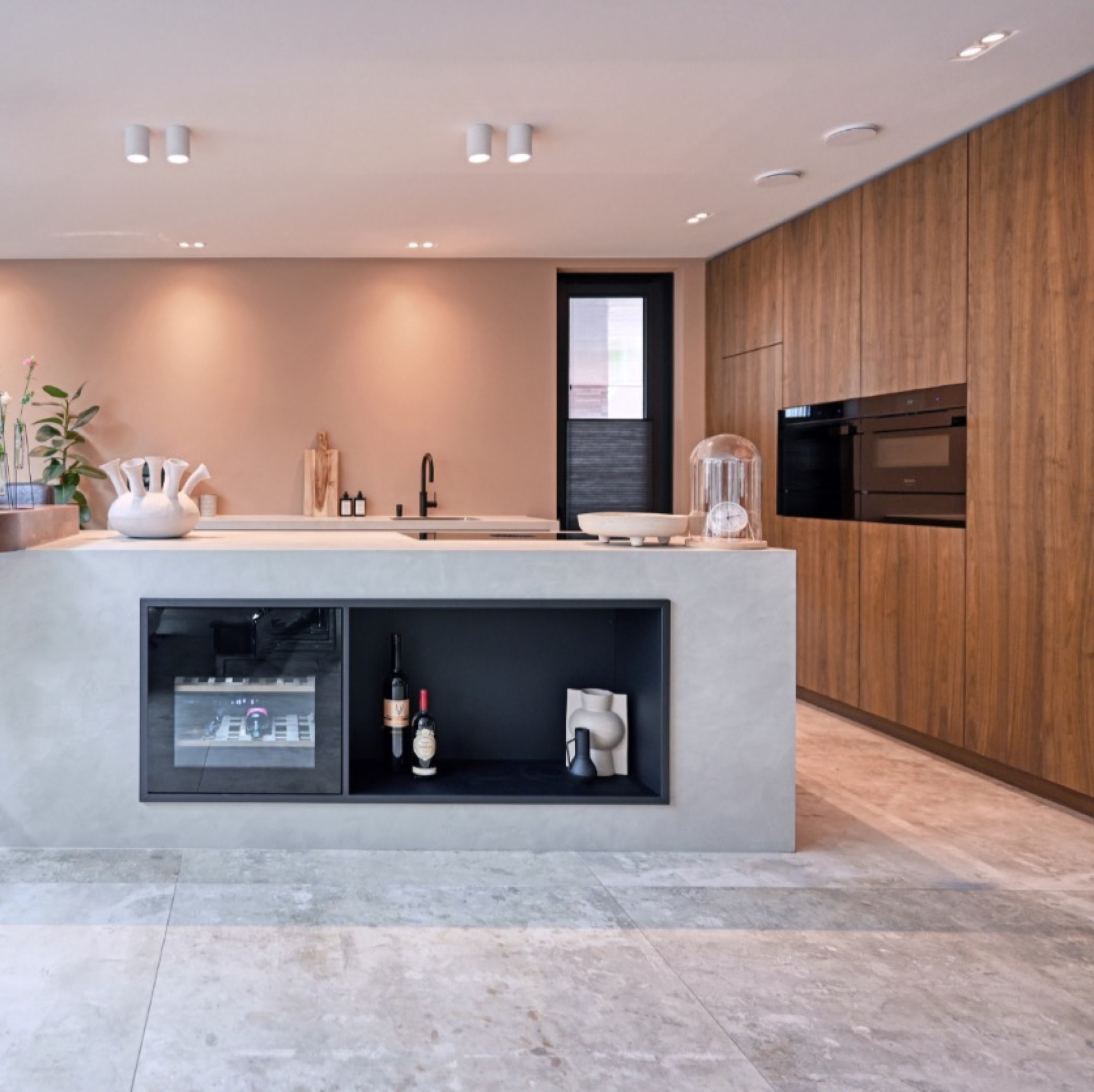
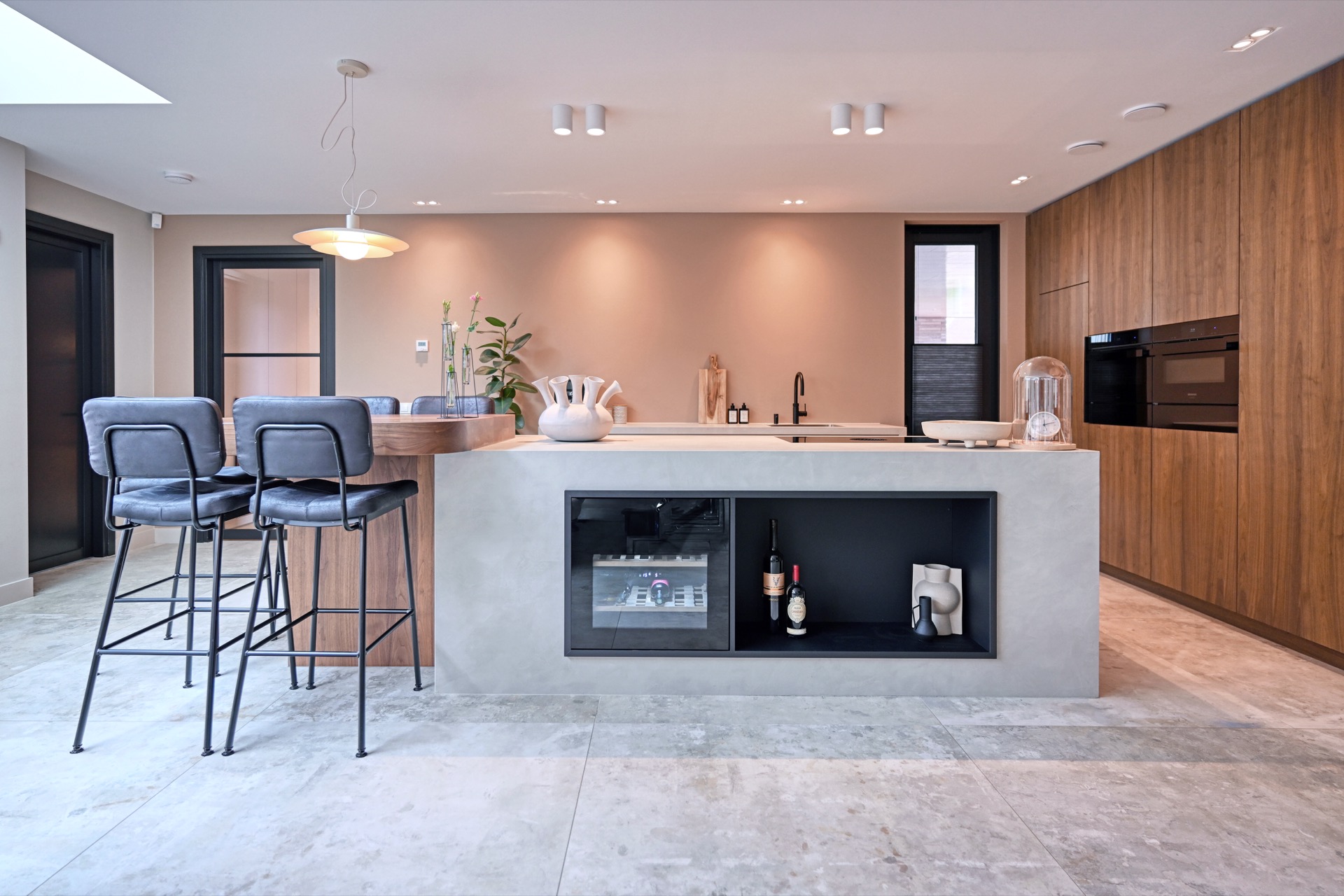
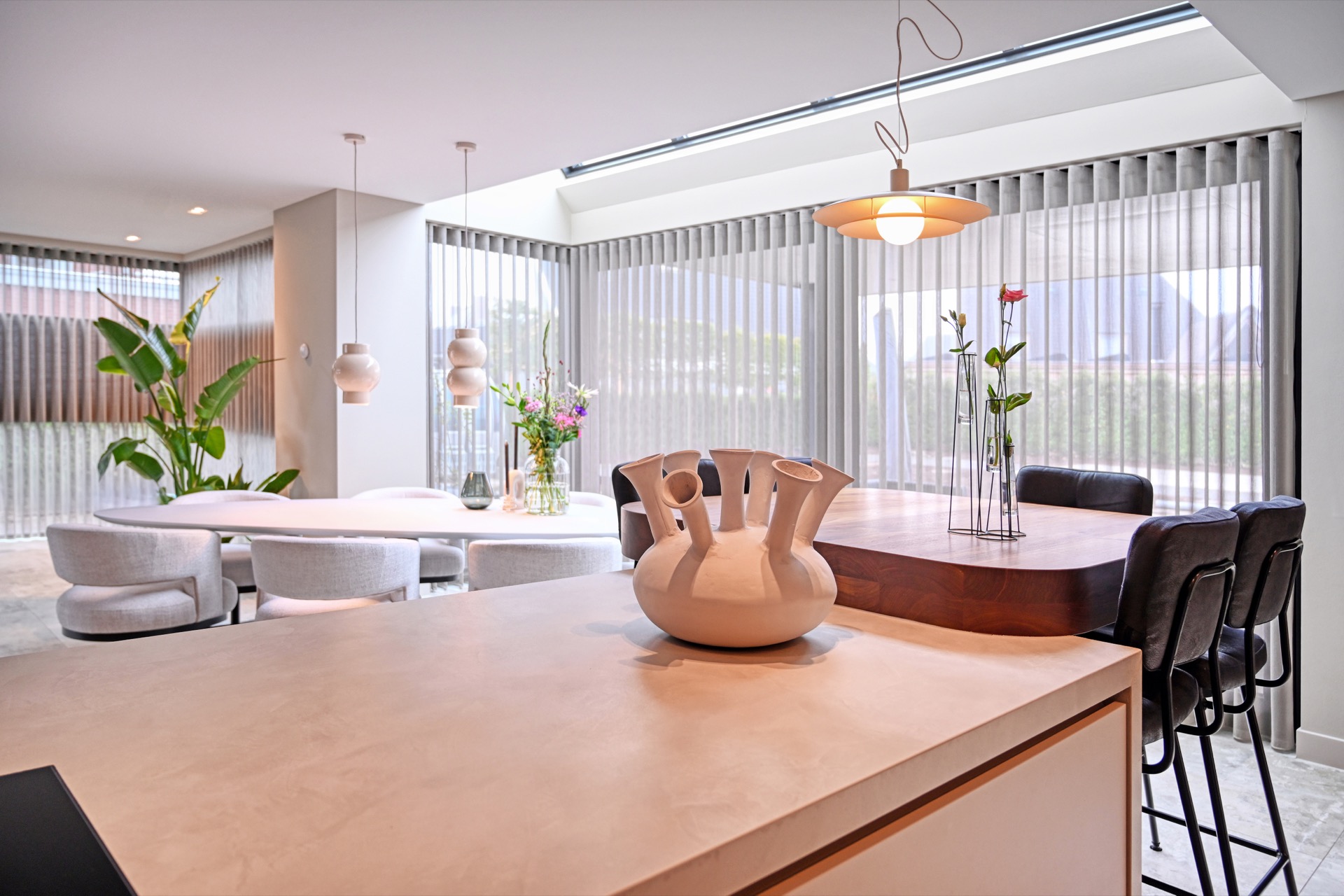
The kitchen composition revolves around a central island faced with composite surfaces that resemble concrete. Its cool matte planes contrast with the cabinetry crafted from light wood, revealing warm grain patterns that add tactility. Surrounding bar stools with minimalist metal frames maintain visual airiness, ensuring materials remain the focus.
Light Shapes and Animates Interiors
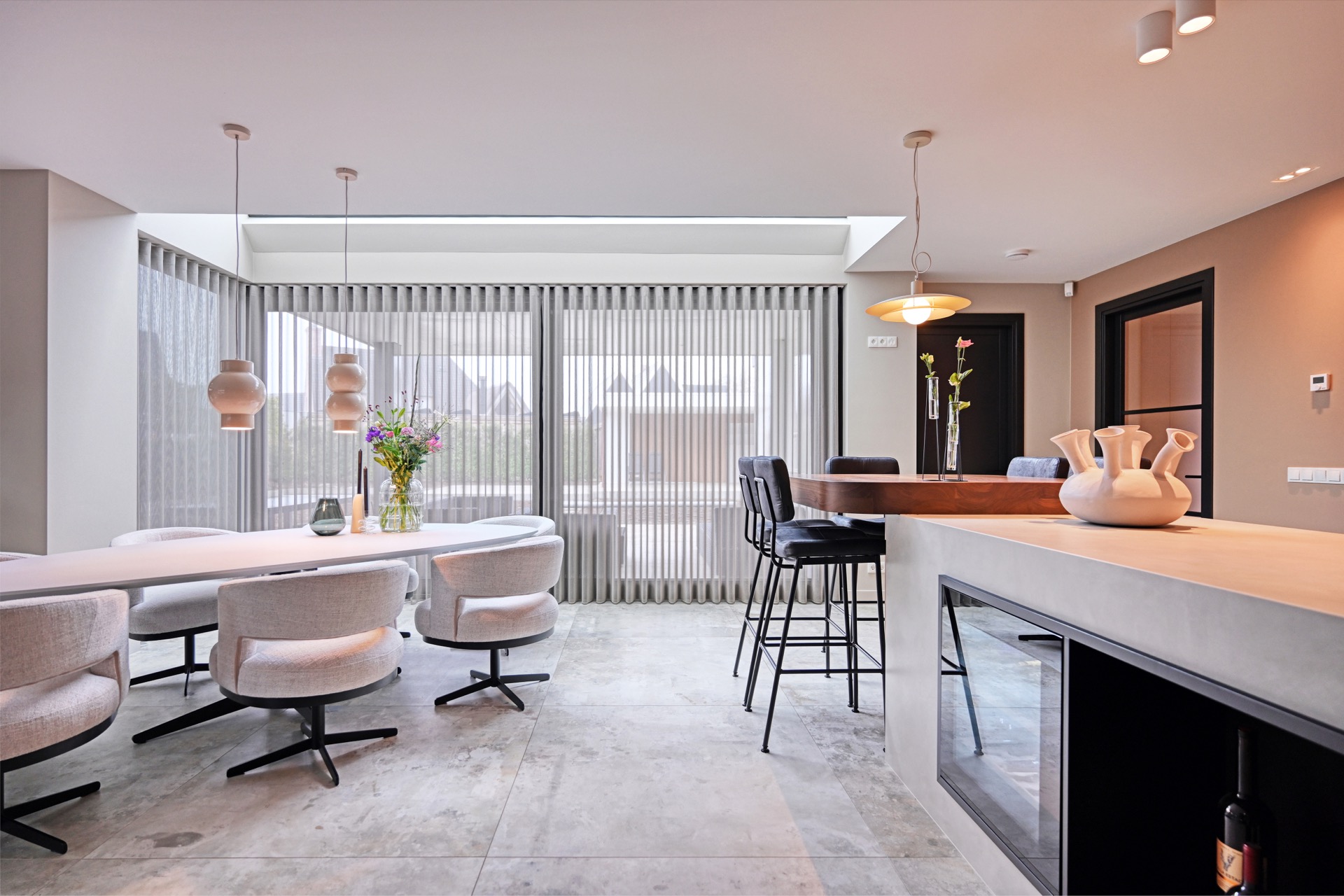
Vertical blinds stretch along floor-to-ceiling windows, allowing daylight to filter in with control. The resulting striped light casts delicate shadows across the textured ceramic floor, emphasizing the tiles’ varied color and surface depth. As evening falls, pendant and concealed lighting shift the atmosphere, softening hard edges while preserving detail.
Bathrooms with Travertin-Patterned Ceramic Tiles
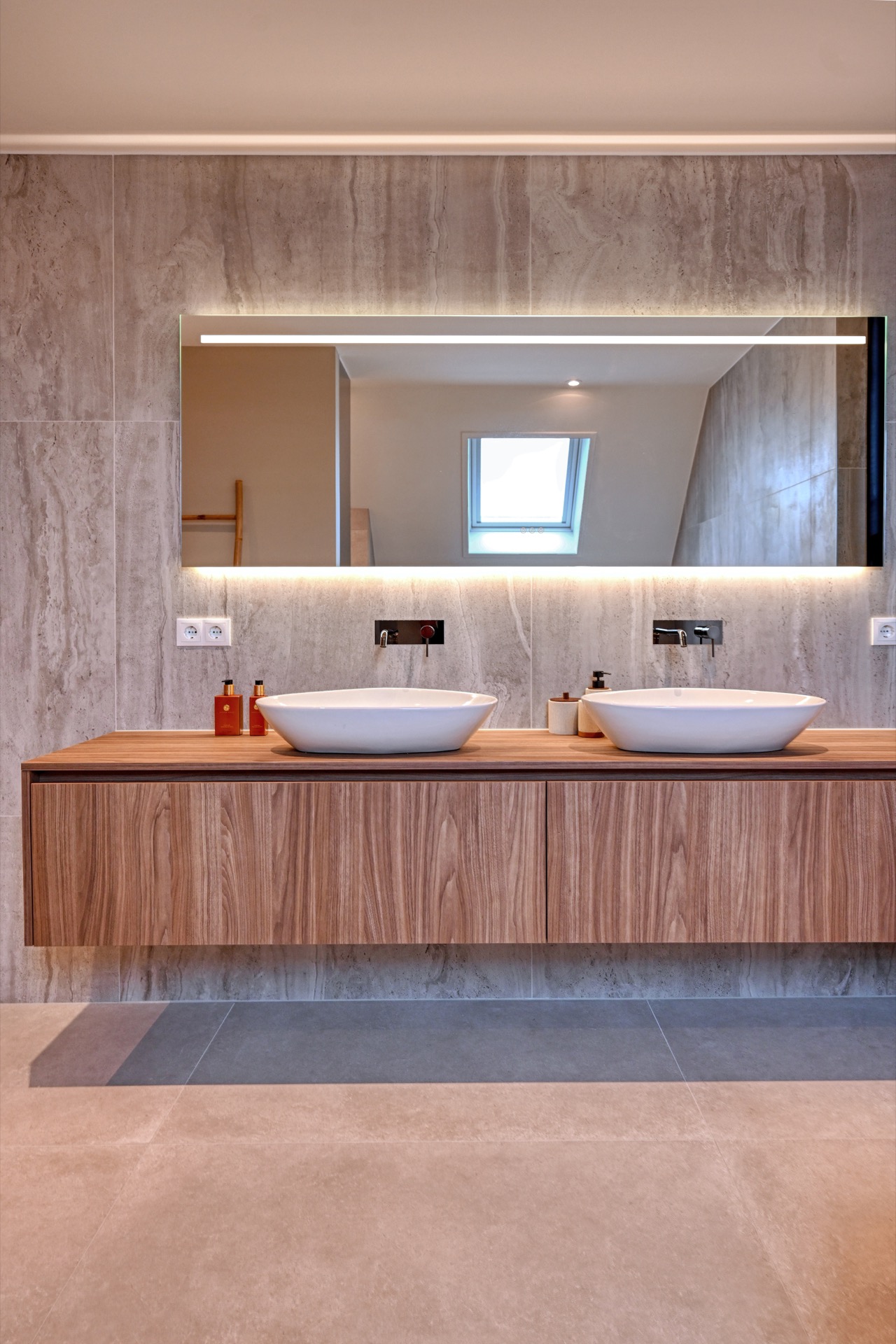
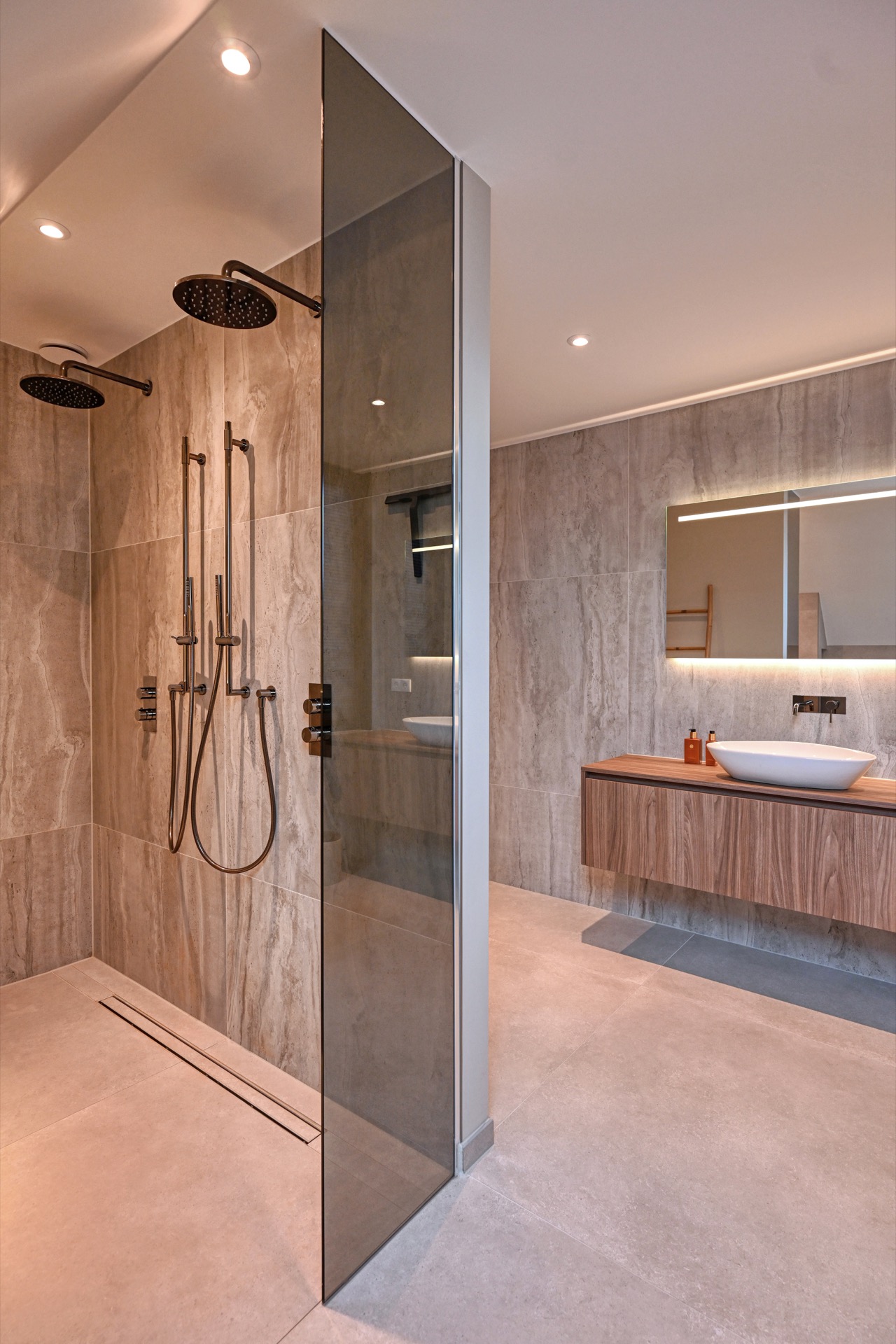
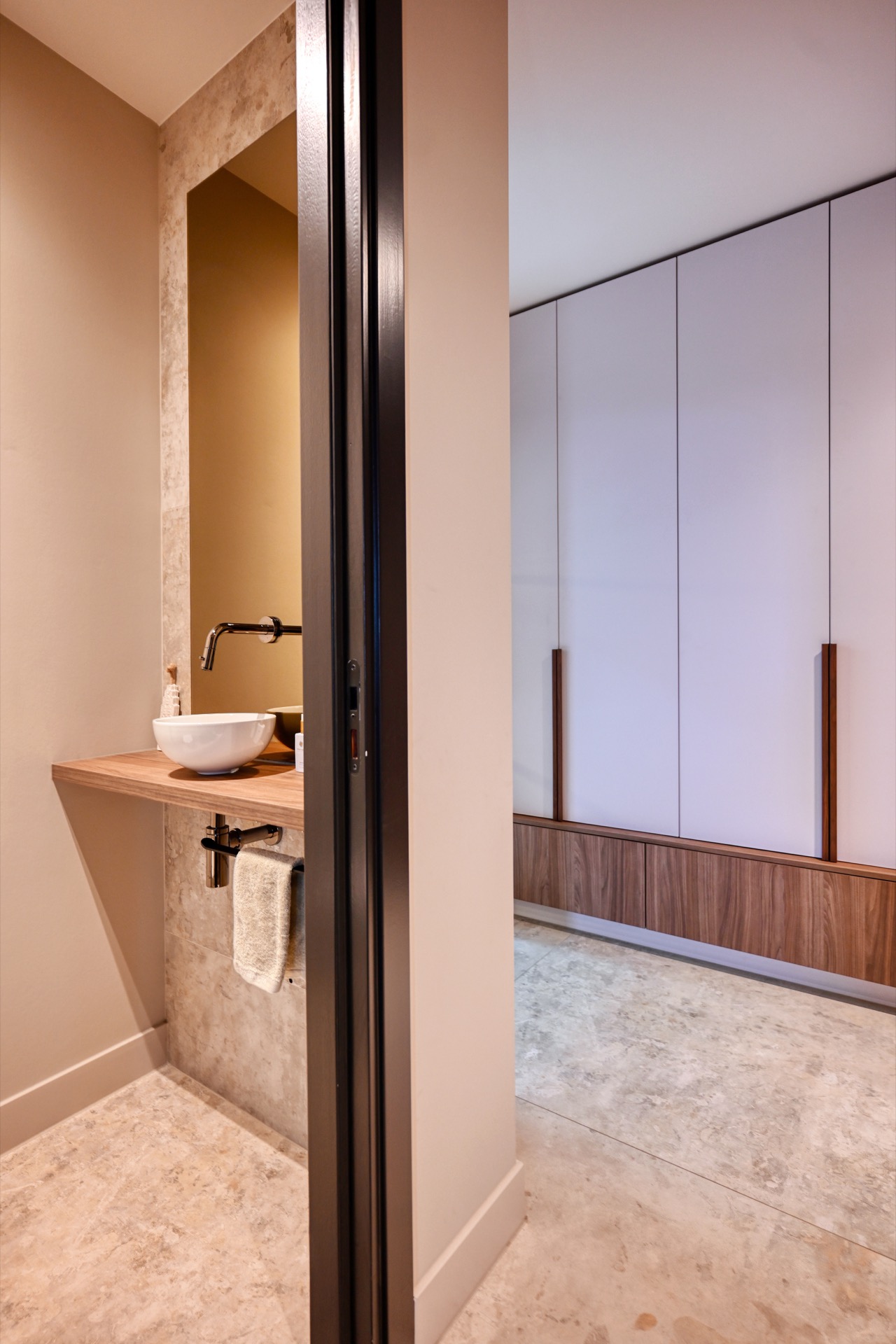
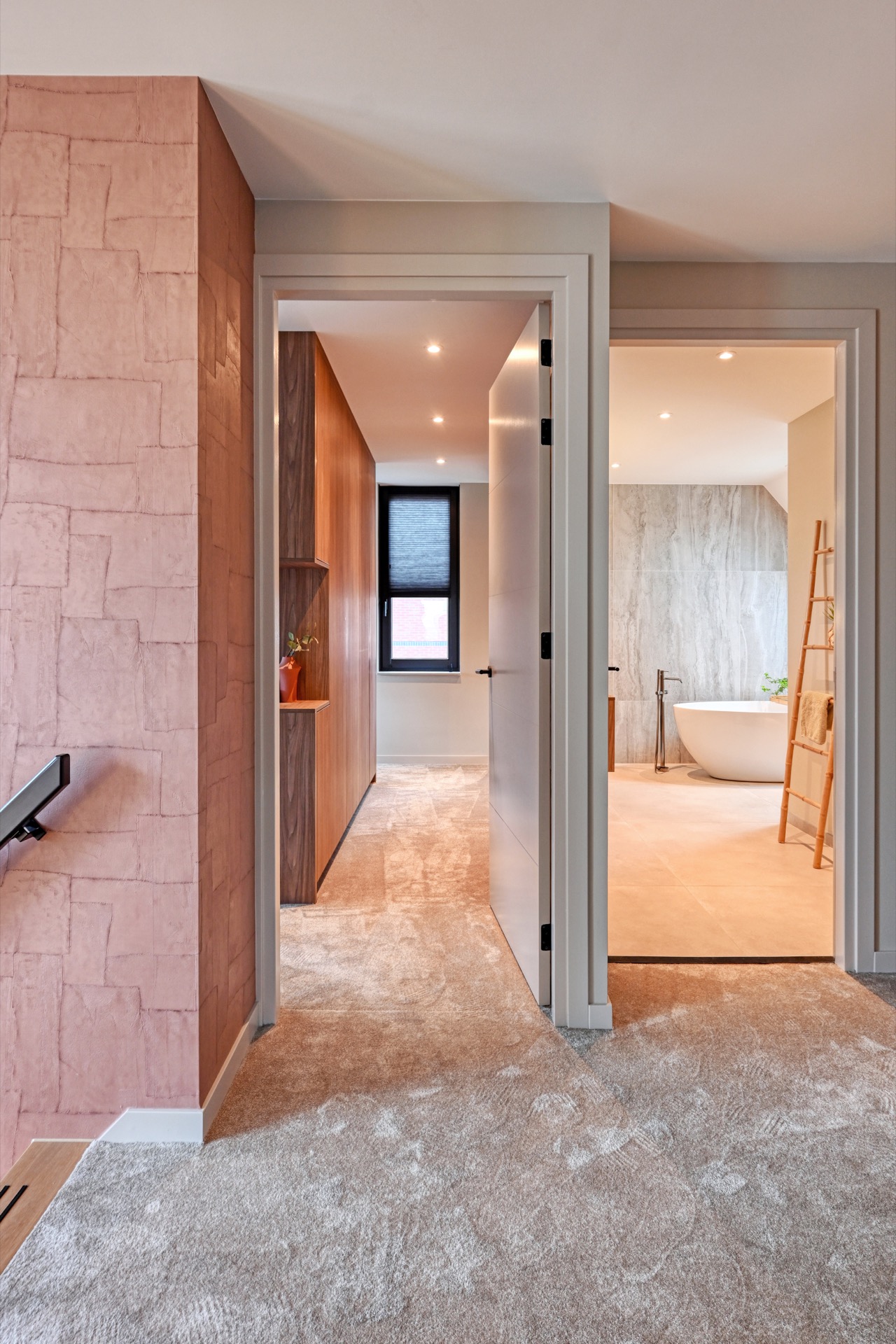
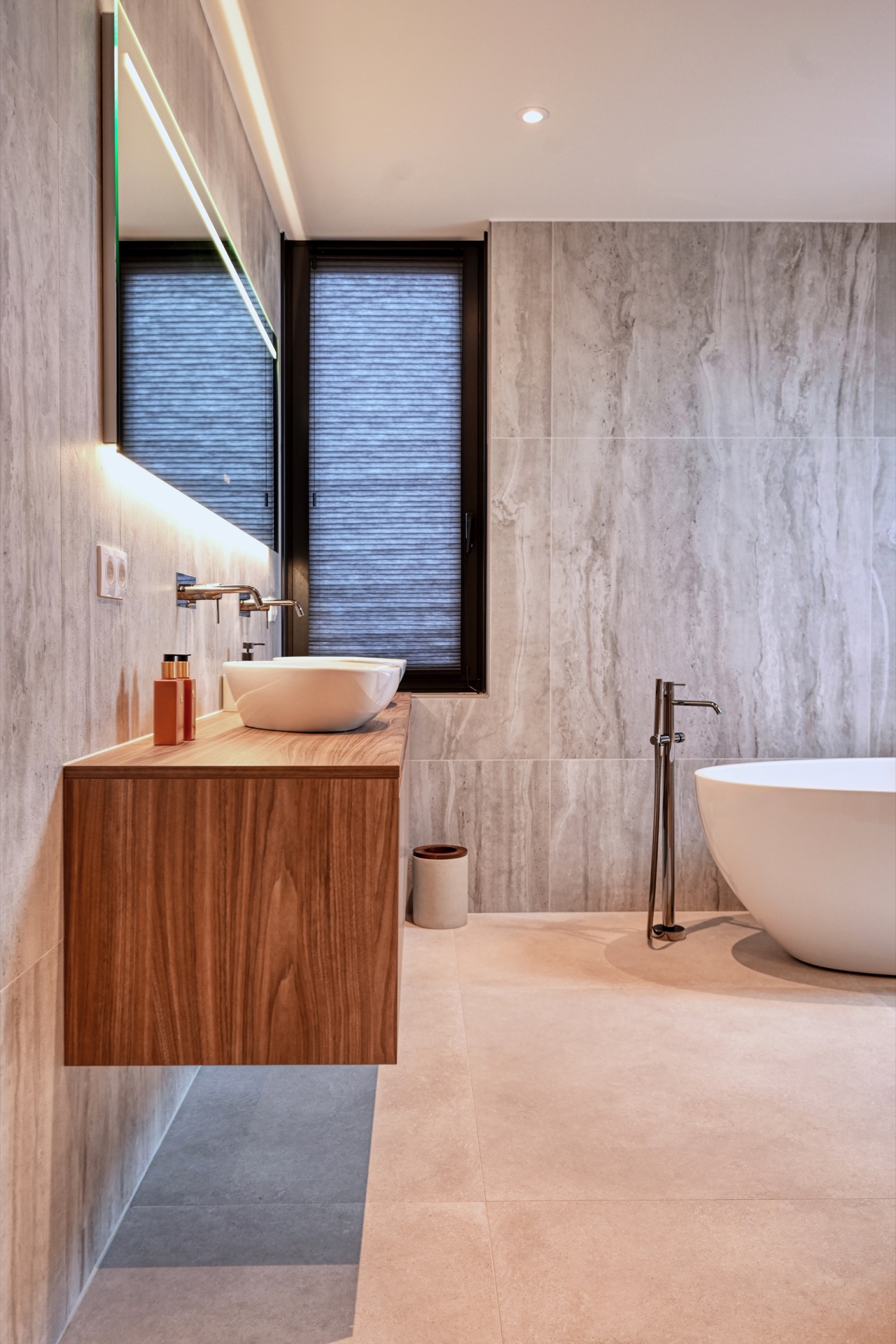
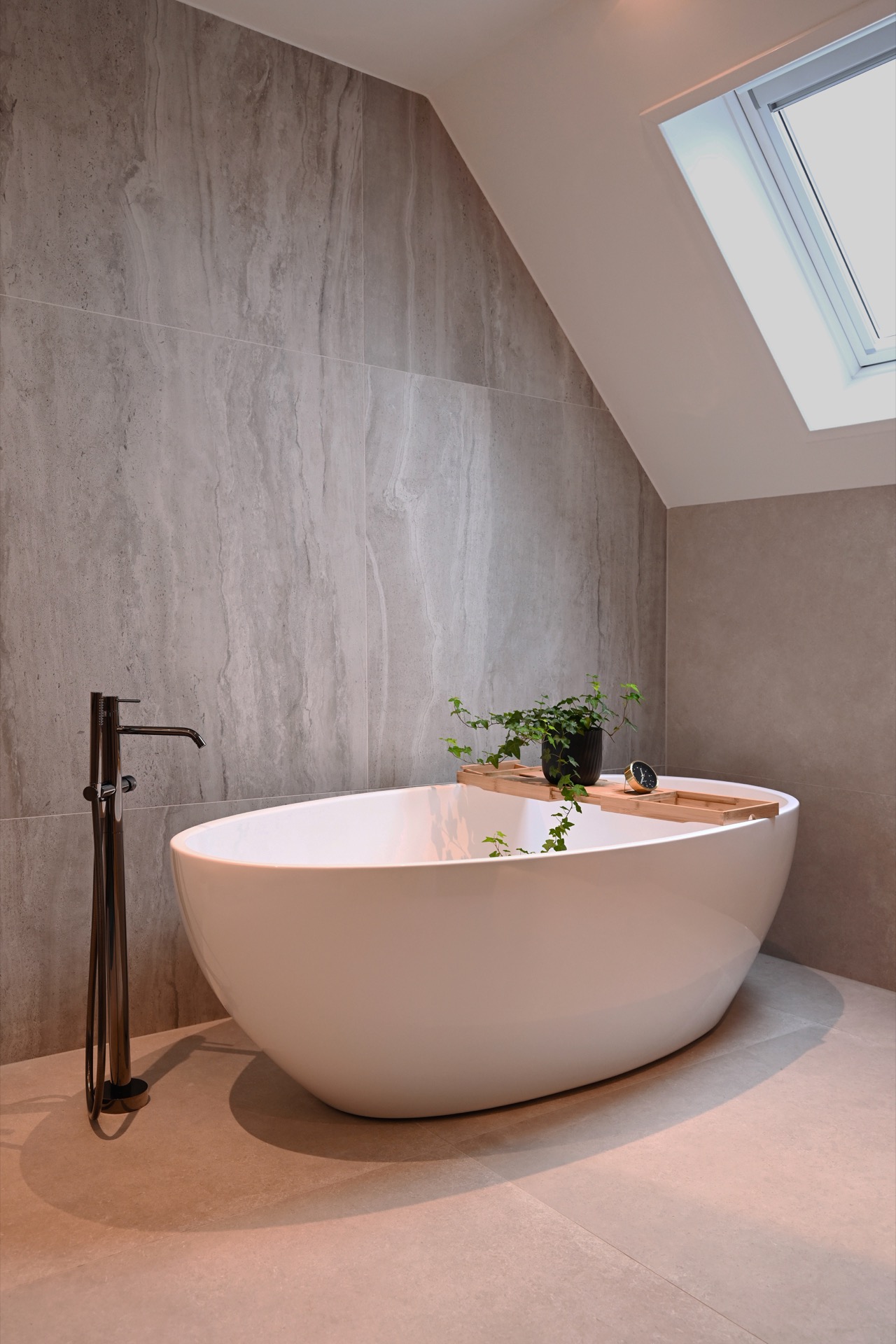
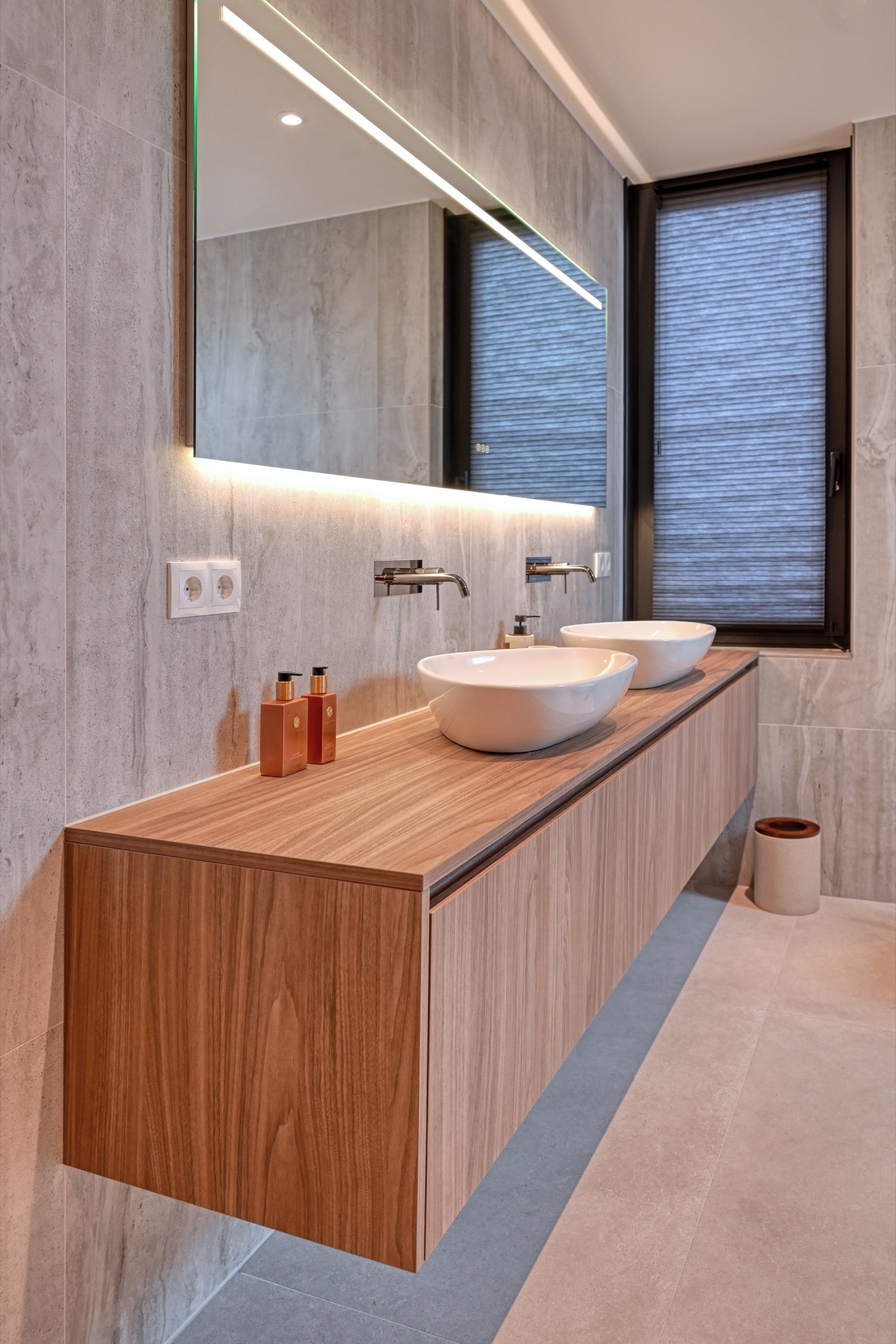
In the baths, ceramic tiles mimic travertin stone through warm sedimentary patterns etched into floors and walls. This surface repetition establishes a serene ambiance enhanced by wooden vanities, whose natural grain provides contrast and tactile interest. Skylights above infuse spaces with natural light, reflected and multiplied by expansive mirrors.
A Freestanding Tub Beneath Open Sky
Positioned under a well-placed skylight, the freestanding bathtub benefits from natural illumination that maintains privacy. Ceramic tiles envelop floor and wall surfaces continuously, dissolving visual boundaries. Walk-in showers echo the same tile application, using smooth stone-like ceramics that foster material coherence.
Spatial Flow Marked by Material Transitions
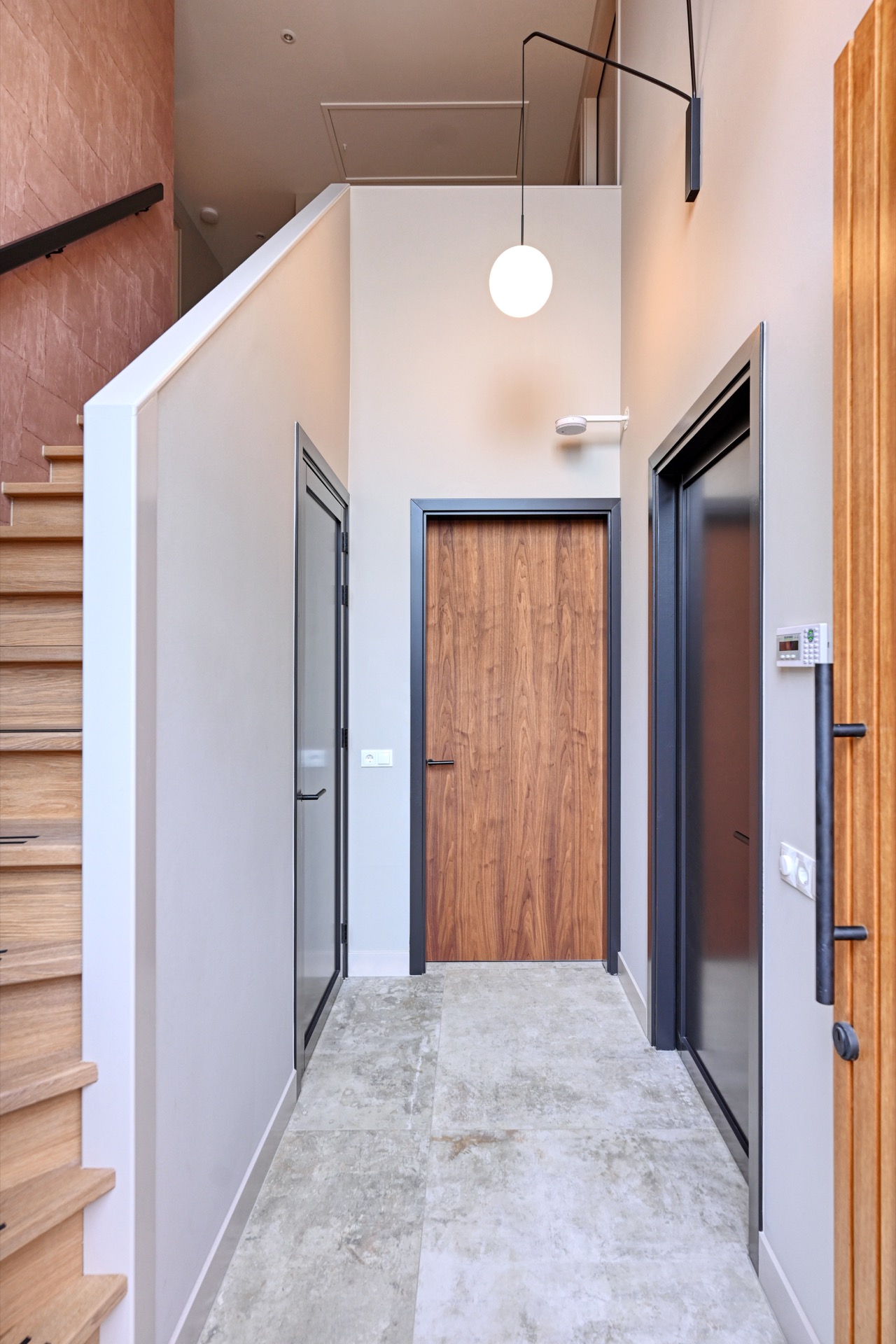
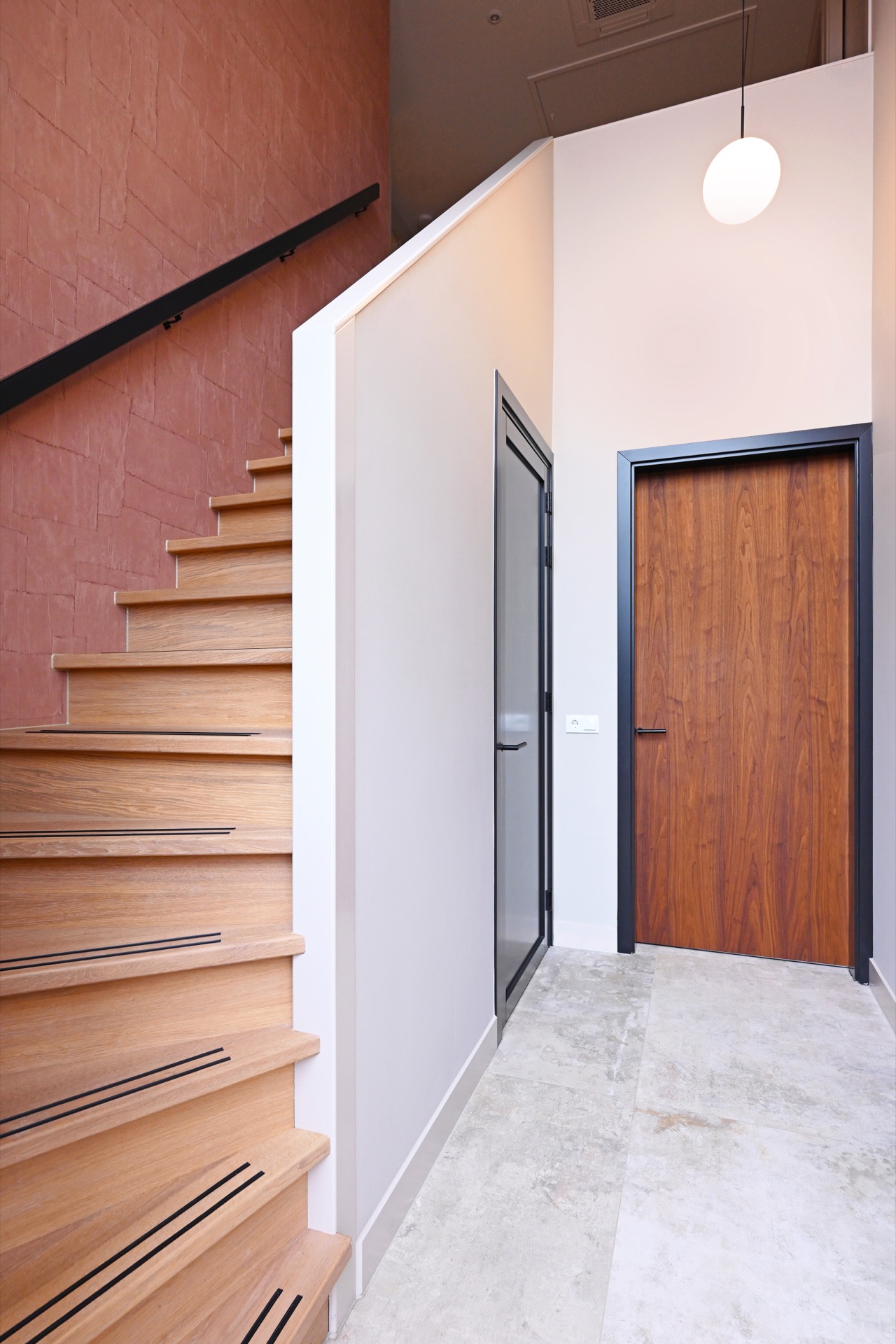
Circulation zones incorporate exposed brick sections near staircases, contrasting the surrounding plaster and adding tactile variation. The staircase features wooden steps perched on matte black steel supports; this pairing of natural and industrial materials directs the eye upward while layering texture and form. Stylish home interior remains connected to the layout, materials and daily use of the home.
Subtle Accents Reflect Material Language
Decorative elements are kept purposeful and minimal: ceramic vessels in wall niches reflect the floor’s hues and textures, while streamlined pendant lamps hover over seating and dining areas with sculptural light. Upholstery in soft pastel fabrics links with wall tones, softening shapes and adding textile warmth to the material palette.
Open Plan Defined by Material and Volume
The kitchen, dining, and living areas occupy a single volume. Zoning arises from nuanced shifts in floor tile patterns, ceiling height changes, and carefully arranged furniture rather than physical partitions. This approach preserves sightlines and encourages free movement while emphasizing material continuity.
Dialog Between Ceramic and Wood Surfaces
The combination of broad ceramic floors and adjoining wooden wall panels highlights differences in temperature and texture. The cool, textured ceramics contrast with the fine grain and warmth of wood, inviting attention to material ageing and craftsmanship rather than color contrasts or ornamentation.
Layered Lighting Emphasizes Texture and Depth
Concealed LED strips and sculptural pendant lights create a layered illumination scheme. This lighting arrangement brings out irregularities in tile surfaces and accentuates wood grain, balancing brightness to reveal detail without overwhelming the spatial experience.
Furniture Forms Supporting the Material Narrative
Furniture choices focus on clean silhouettes and natural fabrics. Occasional wooden tables and ceramic accents mirror the textures featured throughout, maintaining visual calm while fulfilling practical needs in social and quiet zones alike.
Seamless Indoor-Outdoor Connection
Expansive windows and glass doors frame views onto terraces and greenery beyond, visually extending the interiors. Vertical blinds provide adaptable light control and privacy. Interior finishes echo outdoor tones through natural hues and tactile materials, softly merging inside and outside realms.
Craftsmanship in Materiality and Details
Details in glazes and finishes range from matte to softly sheened surfaces, highlighting meticulous material selection. Iron accents provide contrast without dominance. Carefully placed lighting reveals these nuances, creating an environment where material presence subtly shapes how space is perceived throughout the day. Stylish home interior remains connected to the layout, materials and daily use of the home.
Want to see more of ? View the page of for even more great projects and company information.
.png)
NEW 2026 Jubileum Edition The Best Interior Designers Benelux
Order Now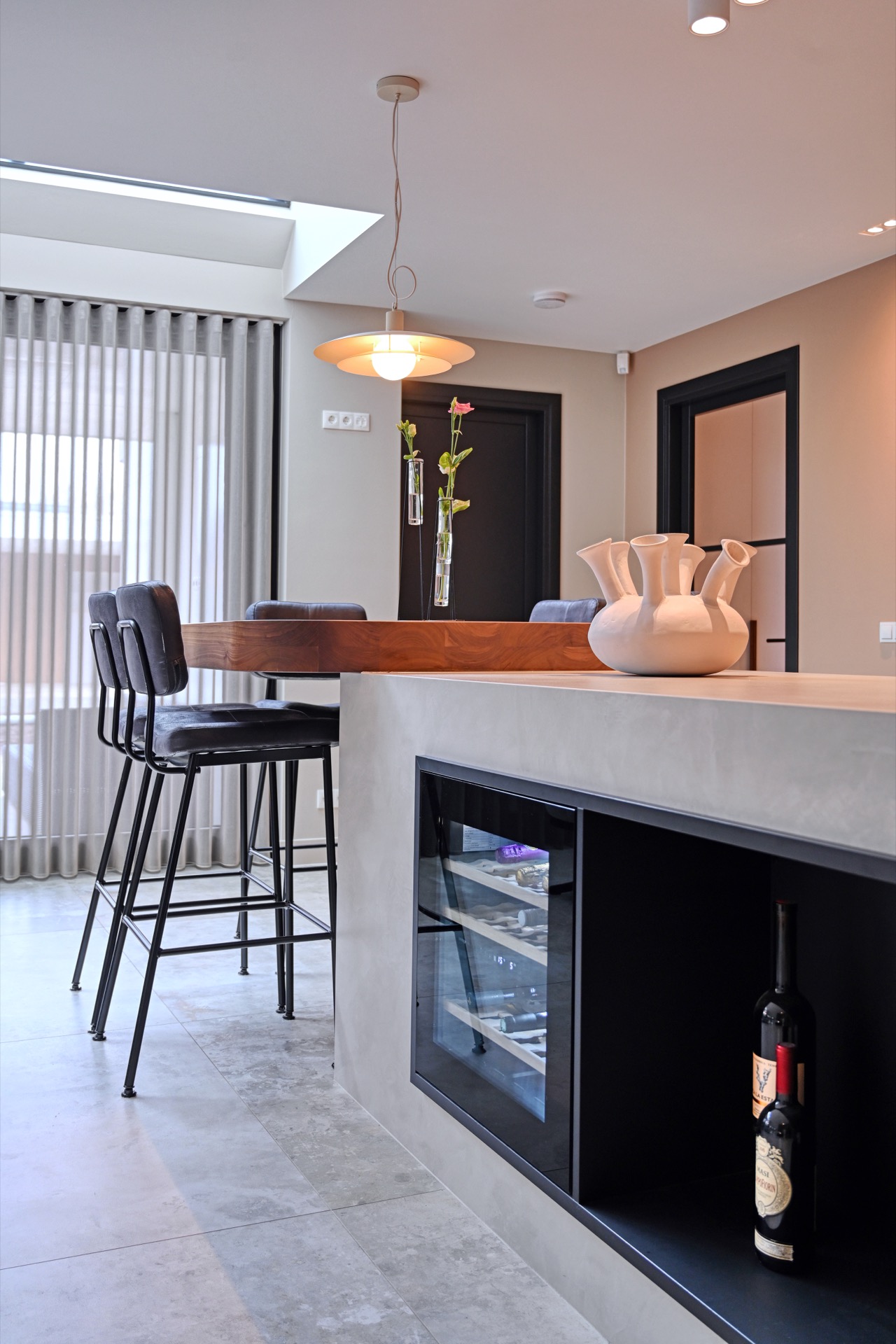
NEW 2026 Jubileum Edition The Best Interior Designers Benelux
Order Now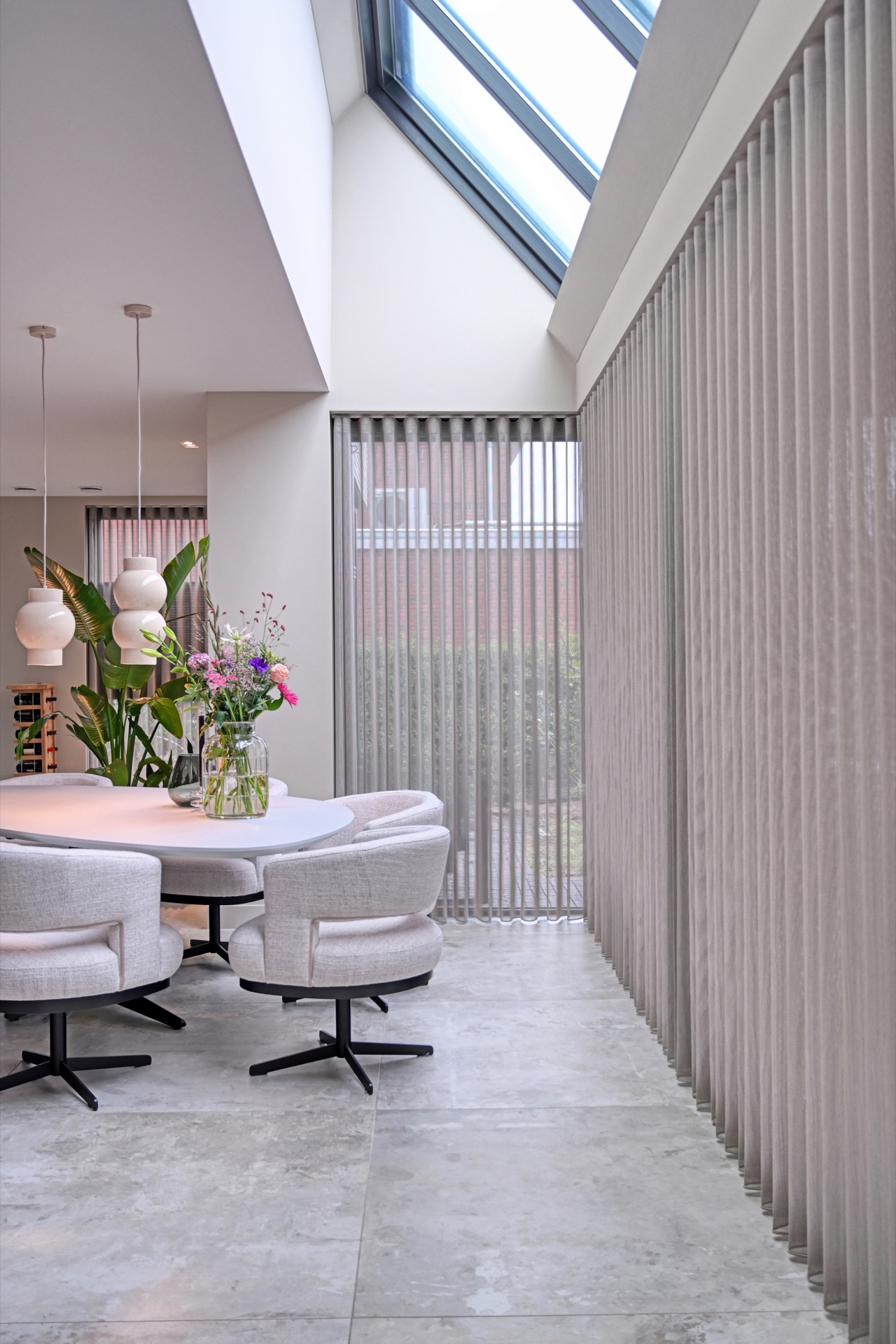
NEW 2026 Jubileum Edition The Best Interior Designers Benelux
Order Now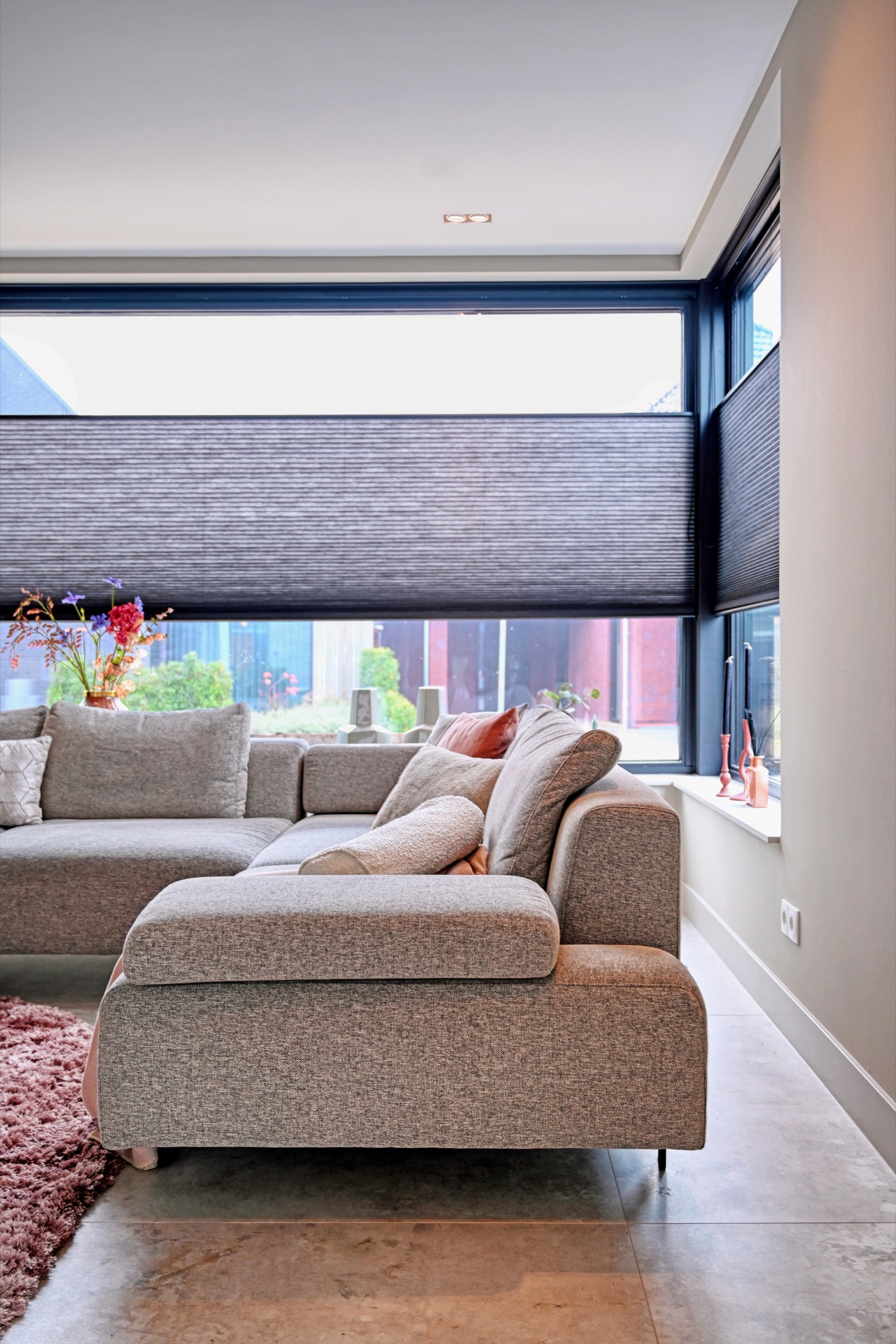
NEW 2026 Jubileum Edition The Best Interior Designers Benelux
Order Now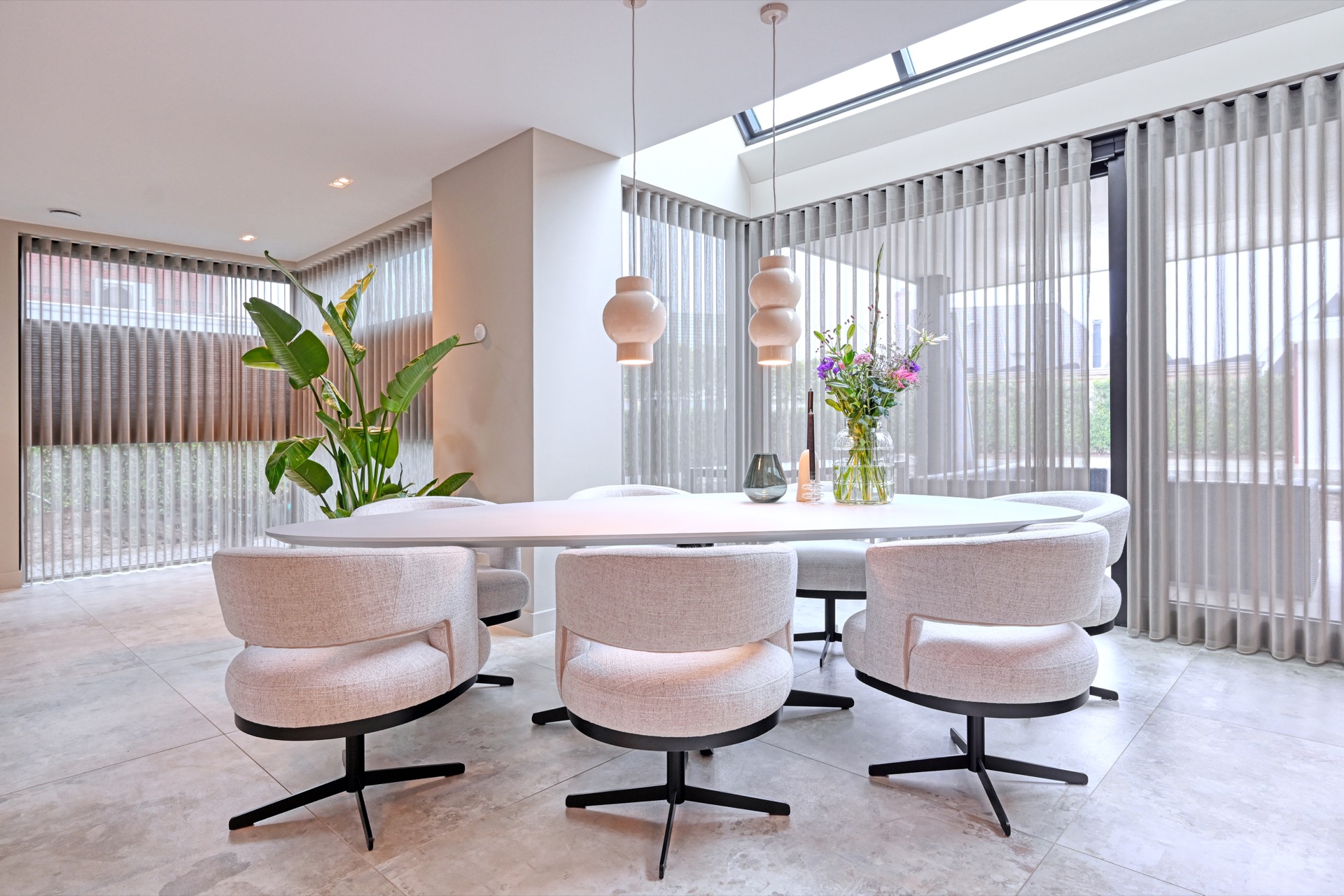
NEW 2026 Jubileum Edition The Best Interior Designers Benelux
Order Now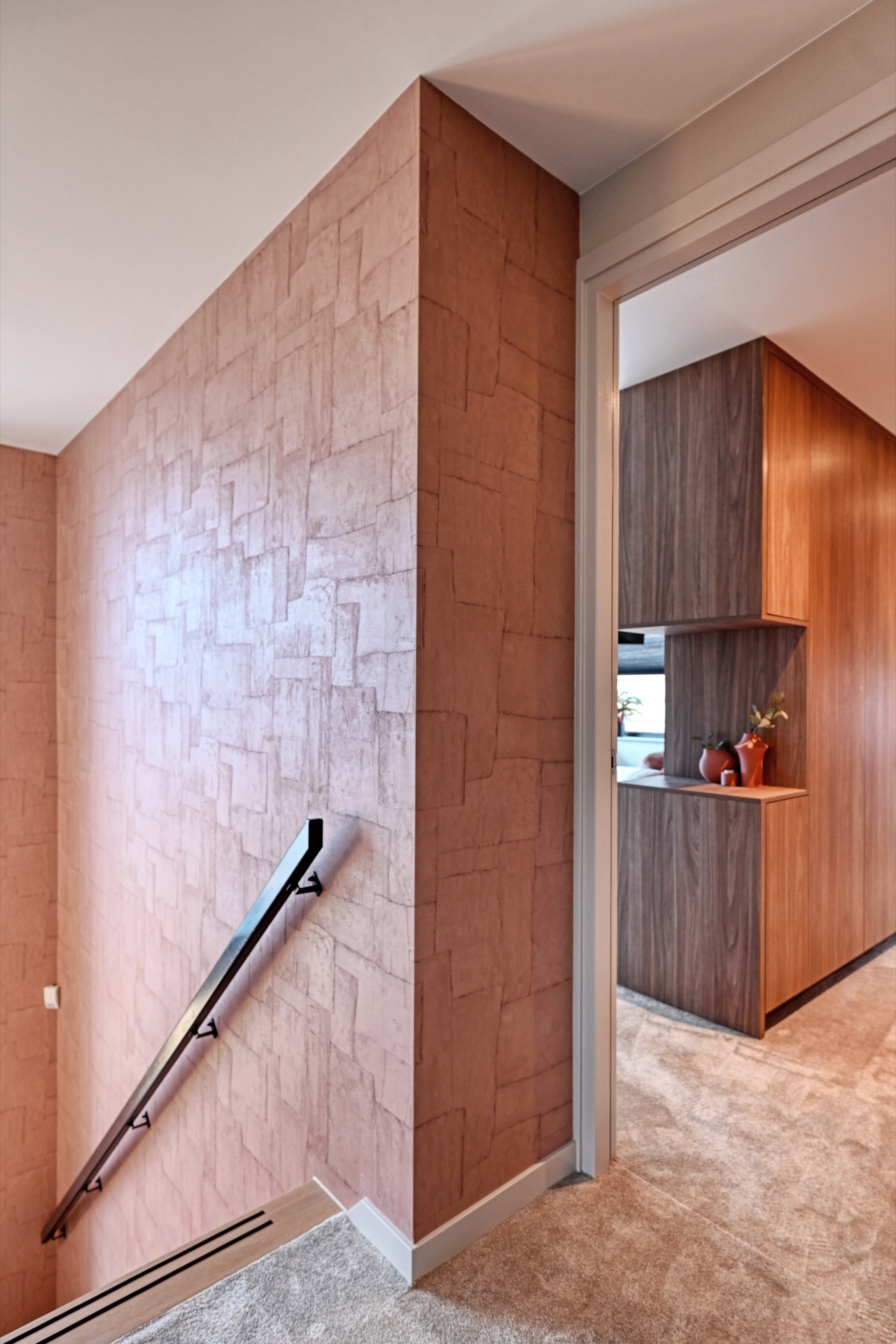
NEW 2026 Jubileum Edition The Best Interior Designers Benelux
Order Now