




1930s style interior with natural materials
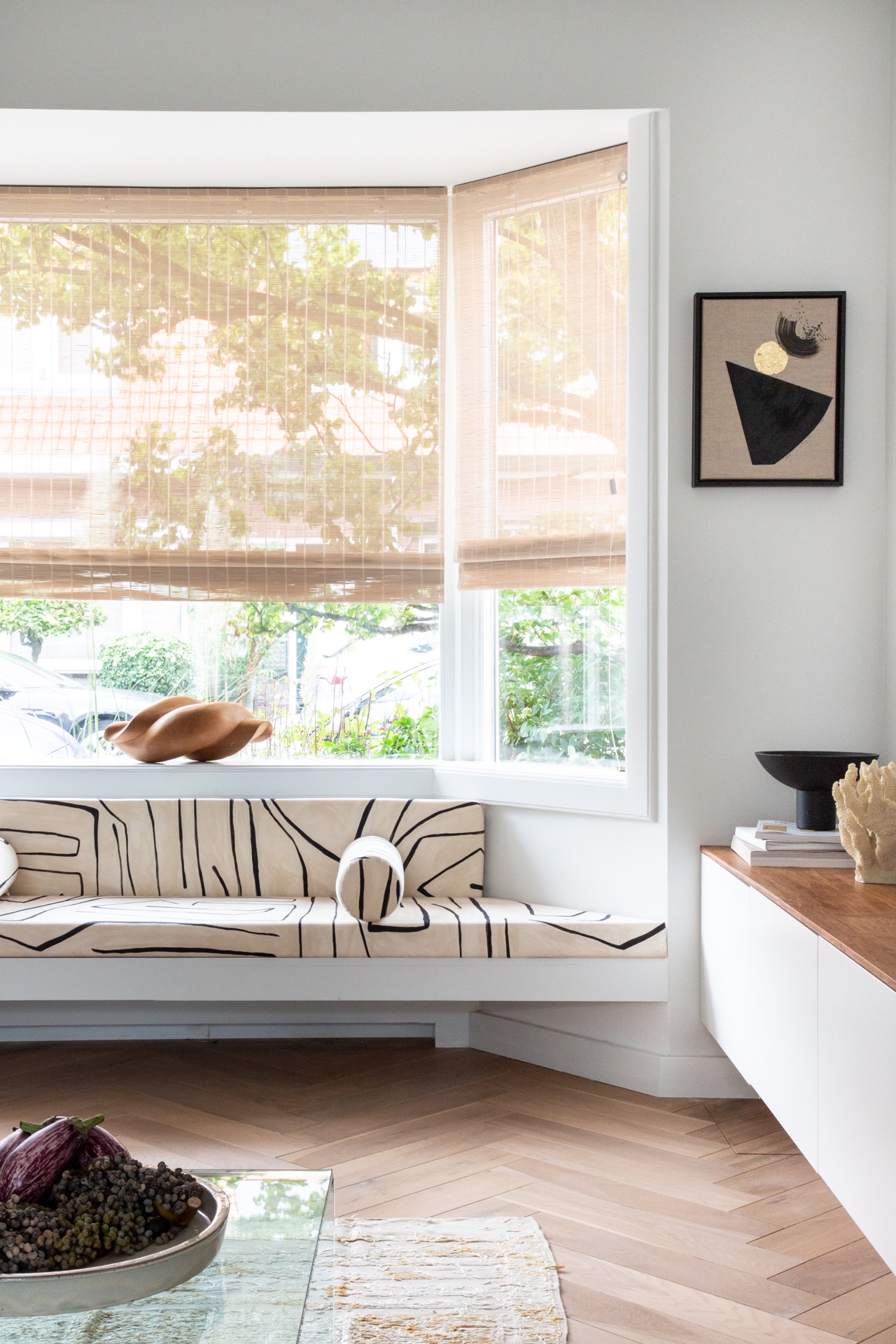
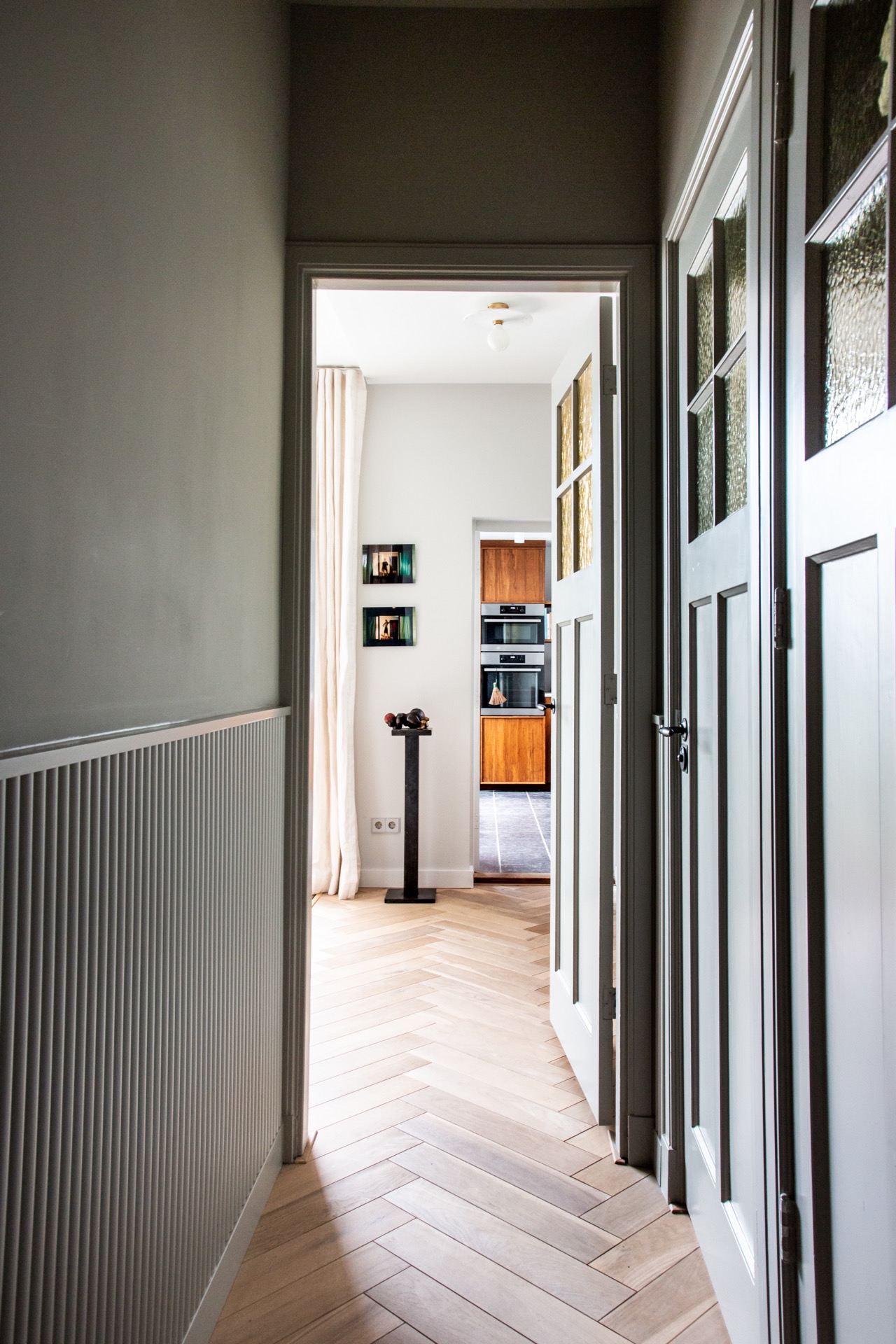
The 1930s interior is immediately visible in the way the project is framed. Daylight filters through large windows, casting soft shadows on a wooden floor that reflects decades of life. The stained glass panes, intact from the original structure, scatter fragments of color, introducing a quiet vibrancy in an understated setting. This residence embraces its 1930s roots while weaving in natural materials such as bamboo and terrazzo, connecting past and present through tactile detail.
1930s interior as the architectural starting point
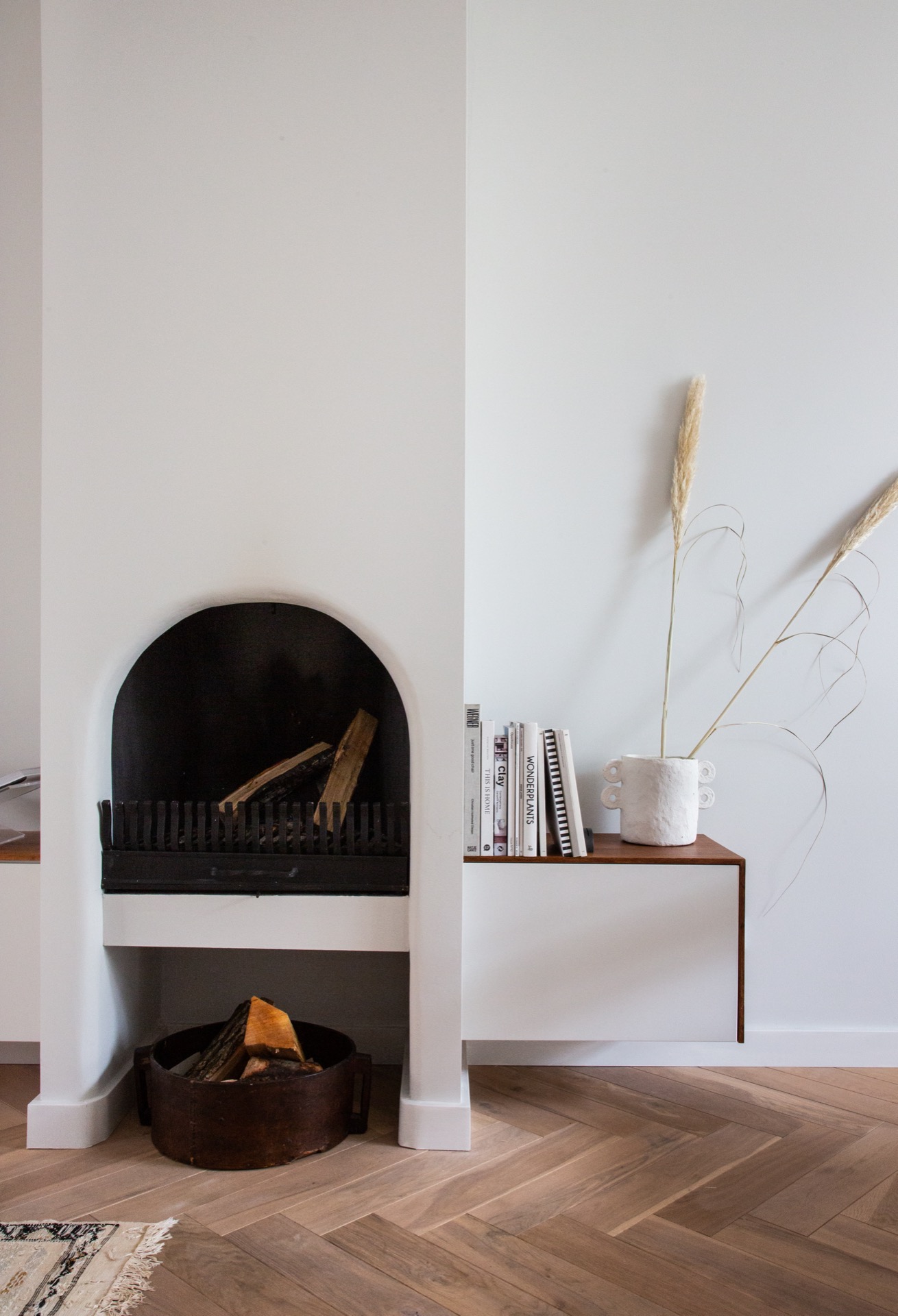
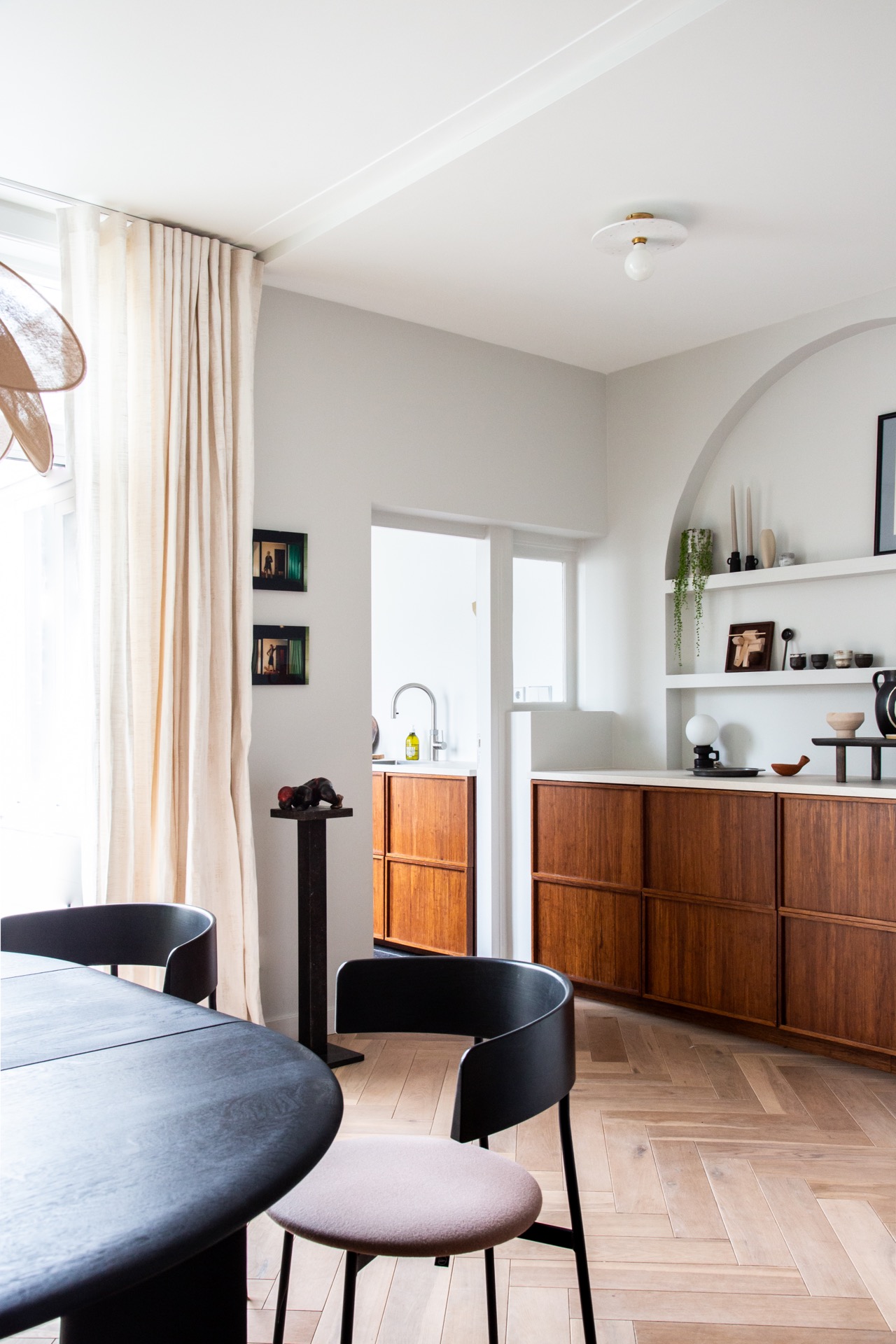
Reimagining the floor plan revealed opportunities to emphasize the home’s character. Recurring arches frame passageways and doorways, giving the interior a rhythmic continuity. These curves introduce subtle transitions between spaces, tempering the geometry and establishing a calm cadence that guides movement throughout the rooms.
Kitchen and dining blend through wood craftsmanship
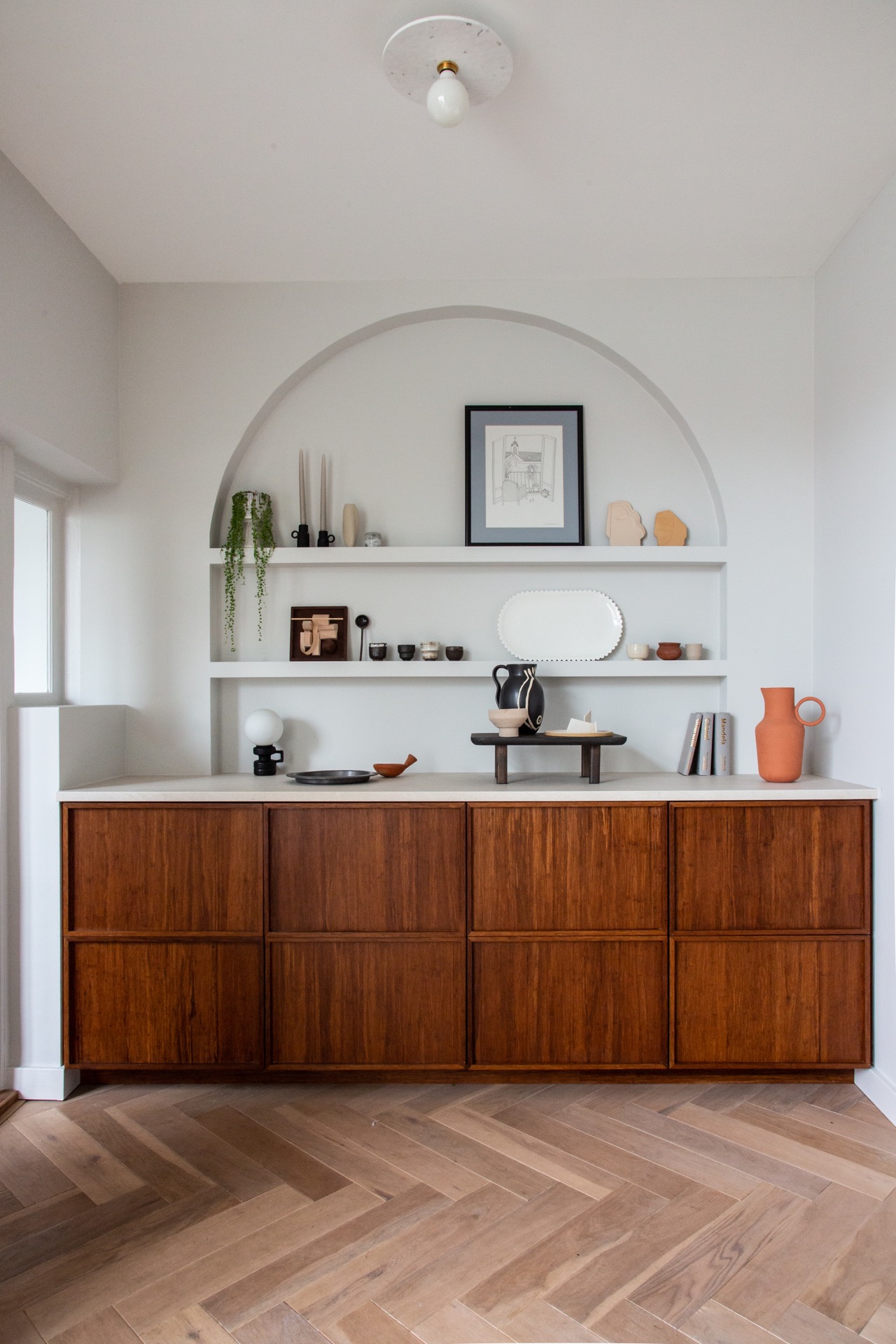
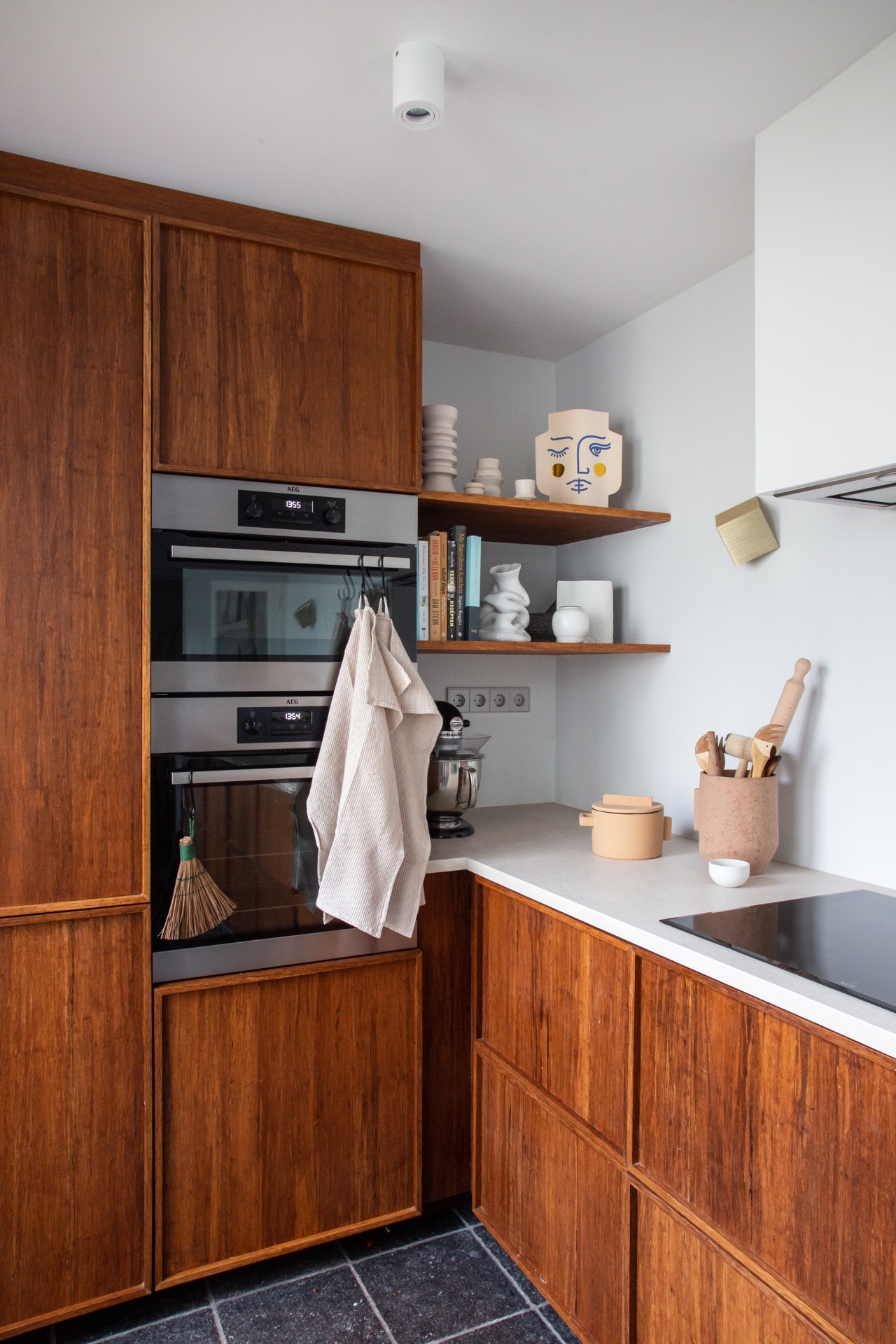
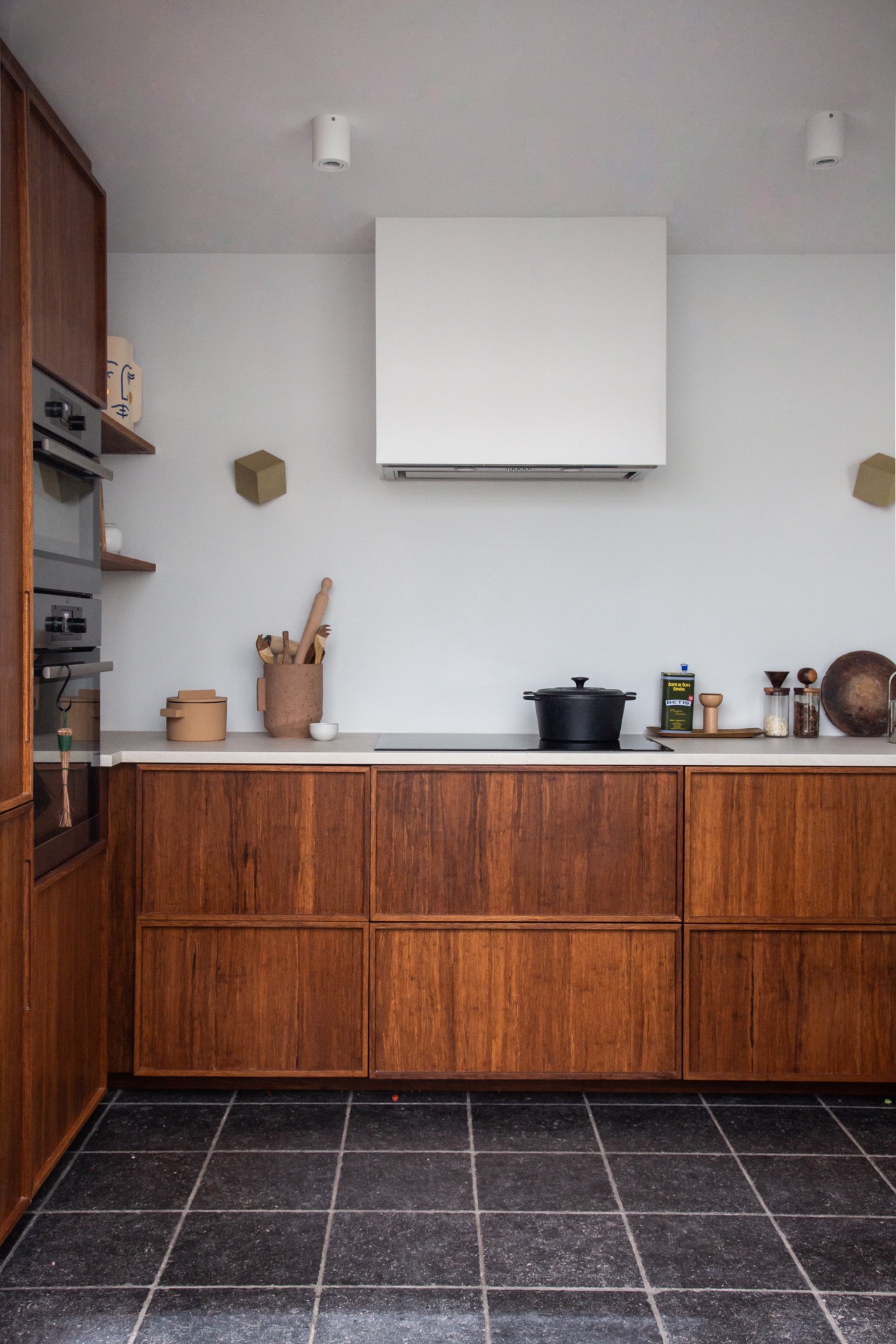
The kitchen features bespoke cabinetry clad in bamboo fronts. Their warm grain complements the wooden flooring, and extends seamlessly toward the dining area. This extension allows for integrated storage solutions, including discreet compartments designed for children’s toys, ensuring the space supports daily life without visual clutter.
Materiality connects kitchen and living areas
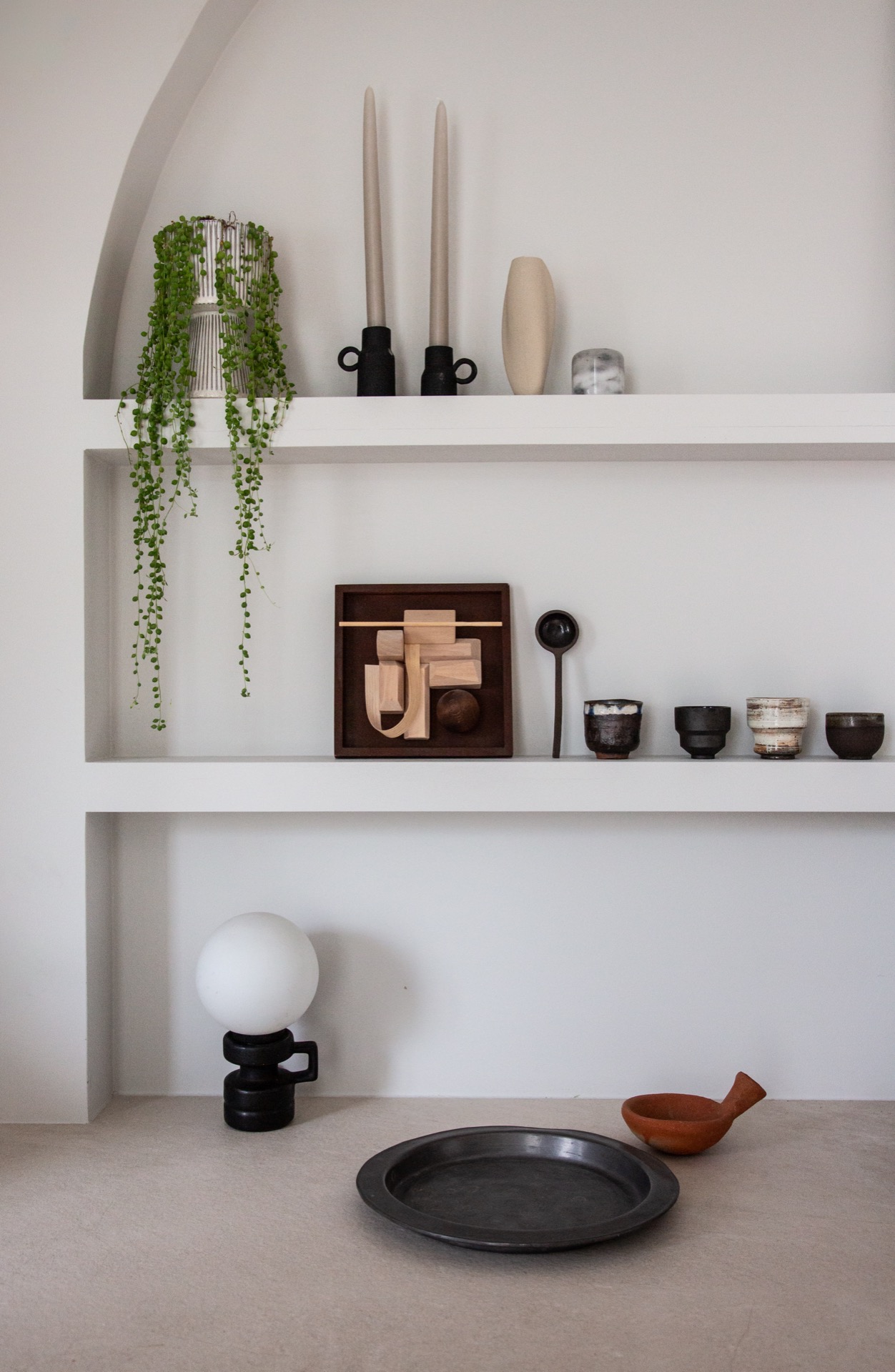
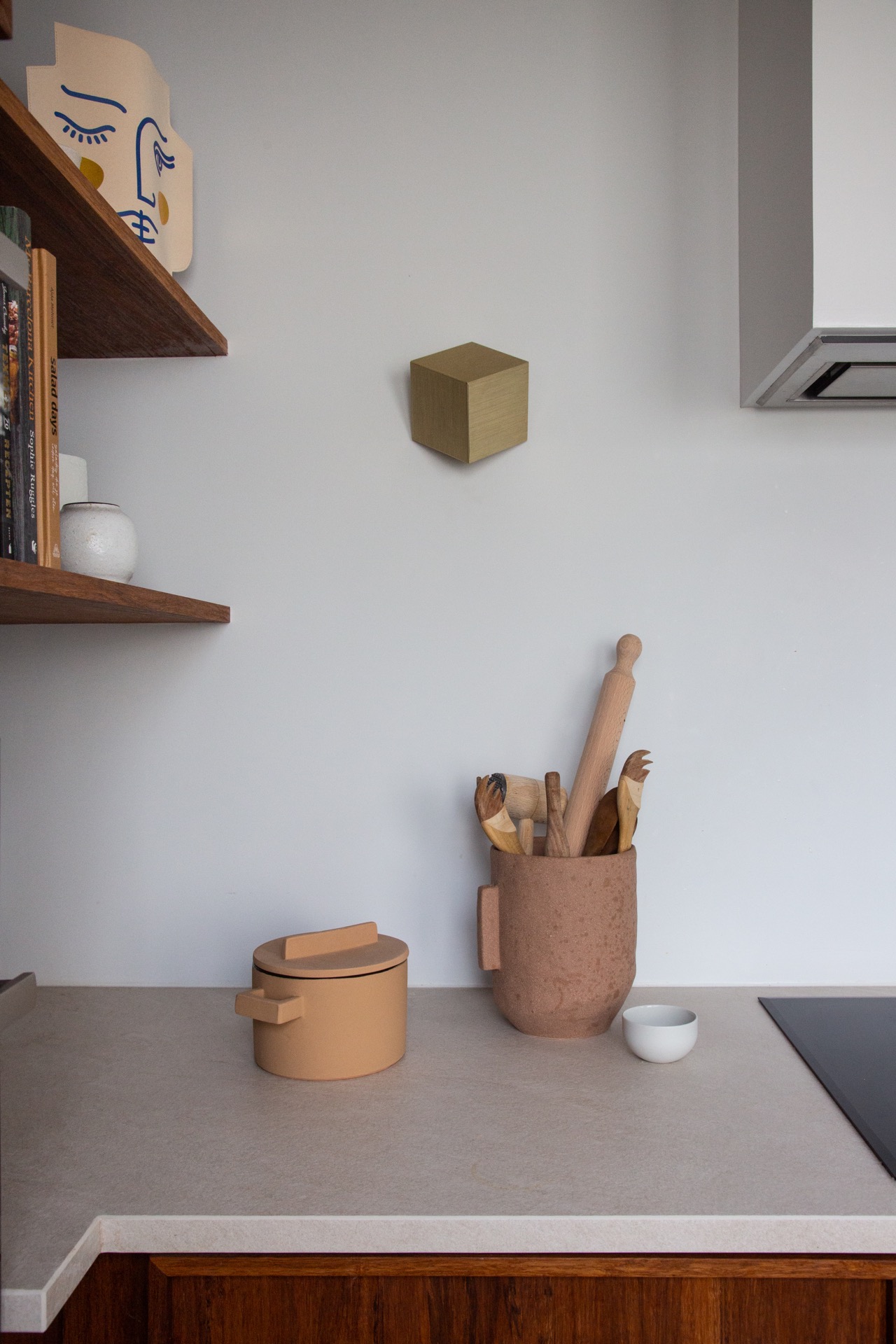
Bamboo’s natural texture contrasts with smooth ceramic tiling details and muted wall colors, balancing tactile variety. Open wooden shelves exhibit ceramic pieces and books, anchoring the kitchen in an approachable yet curated atmosphere that invites both function and leisure.
Storage and subtle design upstairs
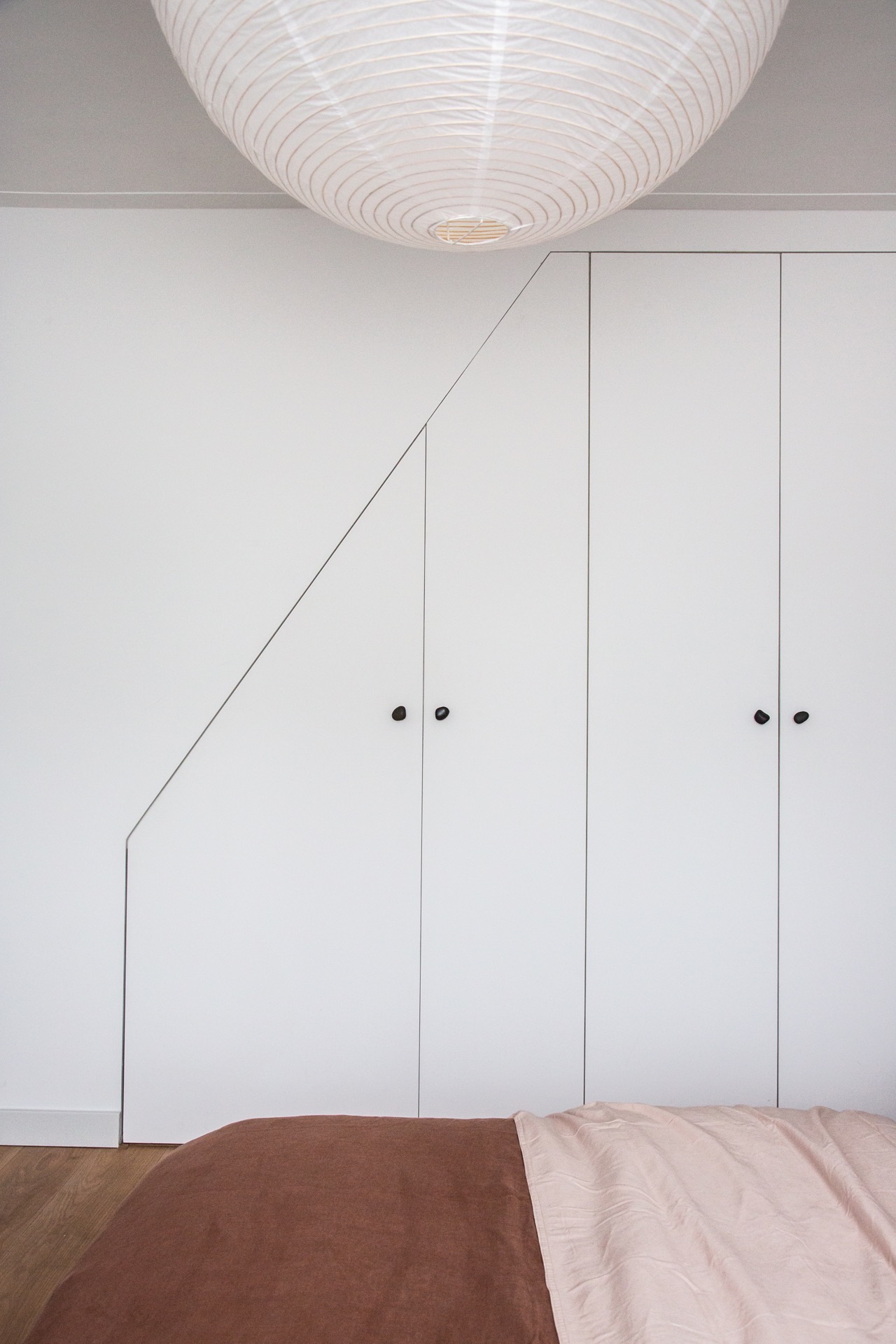
Upstairs, a compact closet fits efficiently beneath the staircase to the attic, maximizing unused space without disrupting room proportions. This integrated solution preserves openness while enhancing functionality. The overall palette subtly references the natural theme with neutral tones and softly textured surfaces, blending with original elements.
Bathroom atmosphere shaped by color and surface
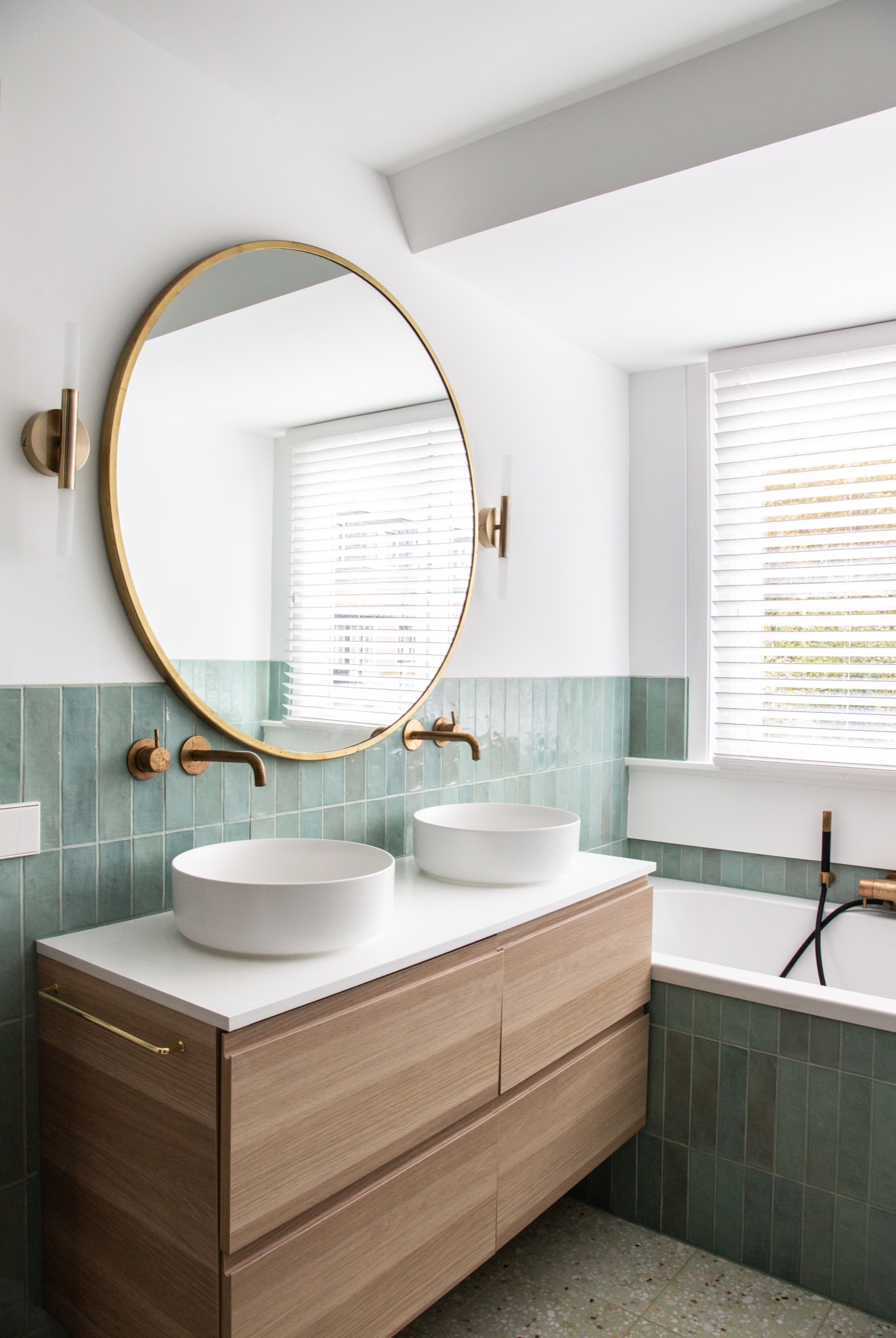
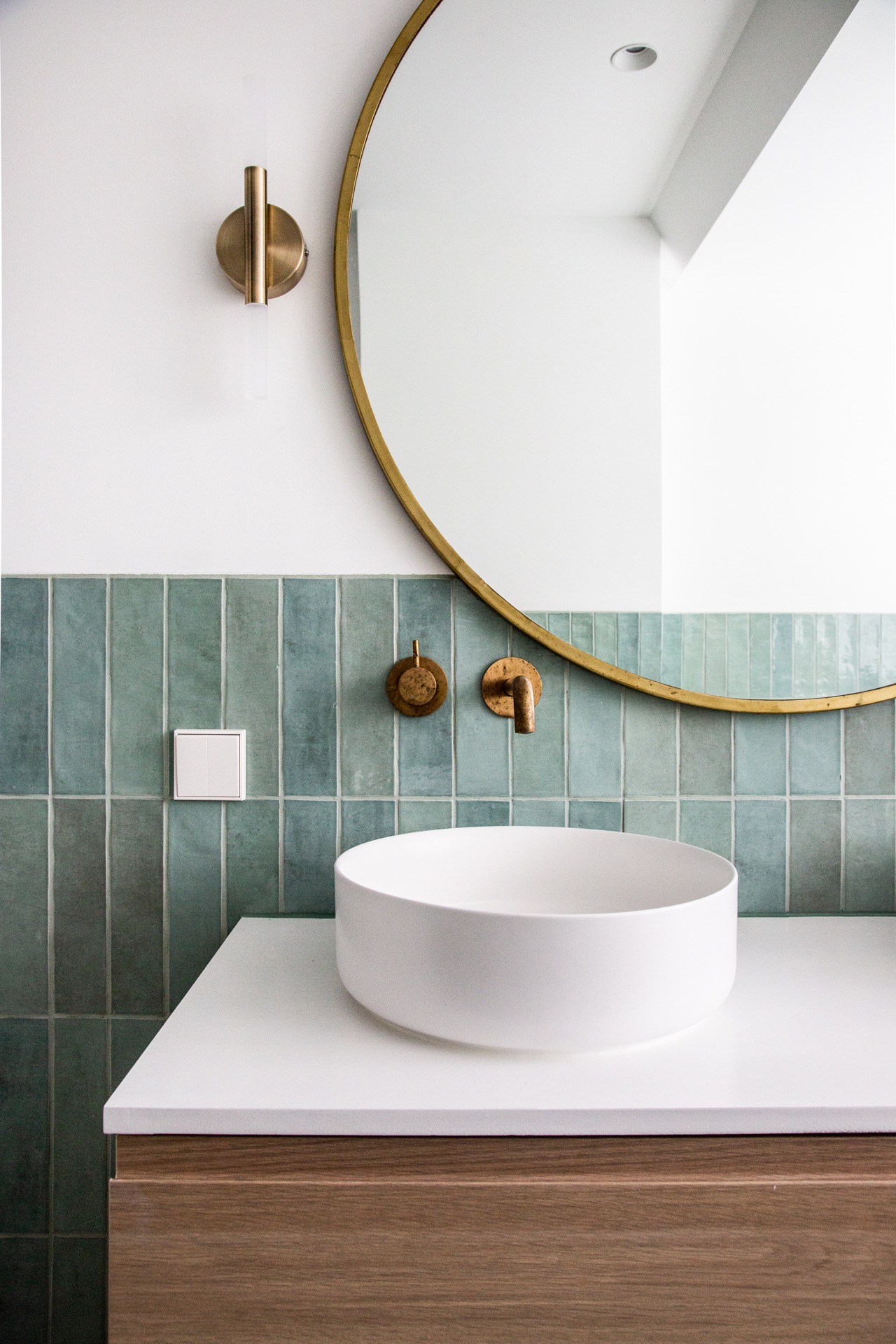
The bathroom reveals sage green ceramic tiles lining the walls, paired with terrazzo flooring that carries flecks of muted earth tones. These materials establish a grounded, yet refreshing atmosphere. The combination evokes an authentic 1930s vibe elevated by material contrasts of smooth tile and granular flooring.
Unexpected details enrich everyday spaces
A visitor’s surprise awaits in the toilet, where a green-hued wallpaper featuring a crane bird motif decorates the walls. Paired with a vintage-style brass lamp, these details evoke a jewel box effect—intimate and carefully composed. The embrace of both pattern and material here punctuates the house’s attention to subtle, memorable features. That makes the 1930s interior part of the architectural character rather than a loose finish.
Light and art intersect in the living room
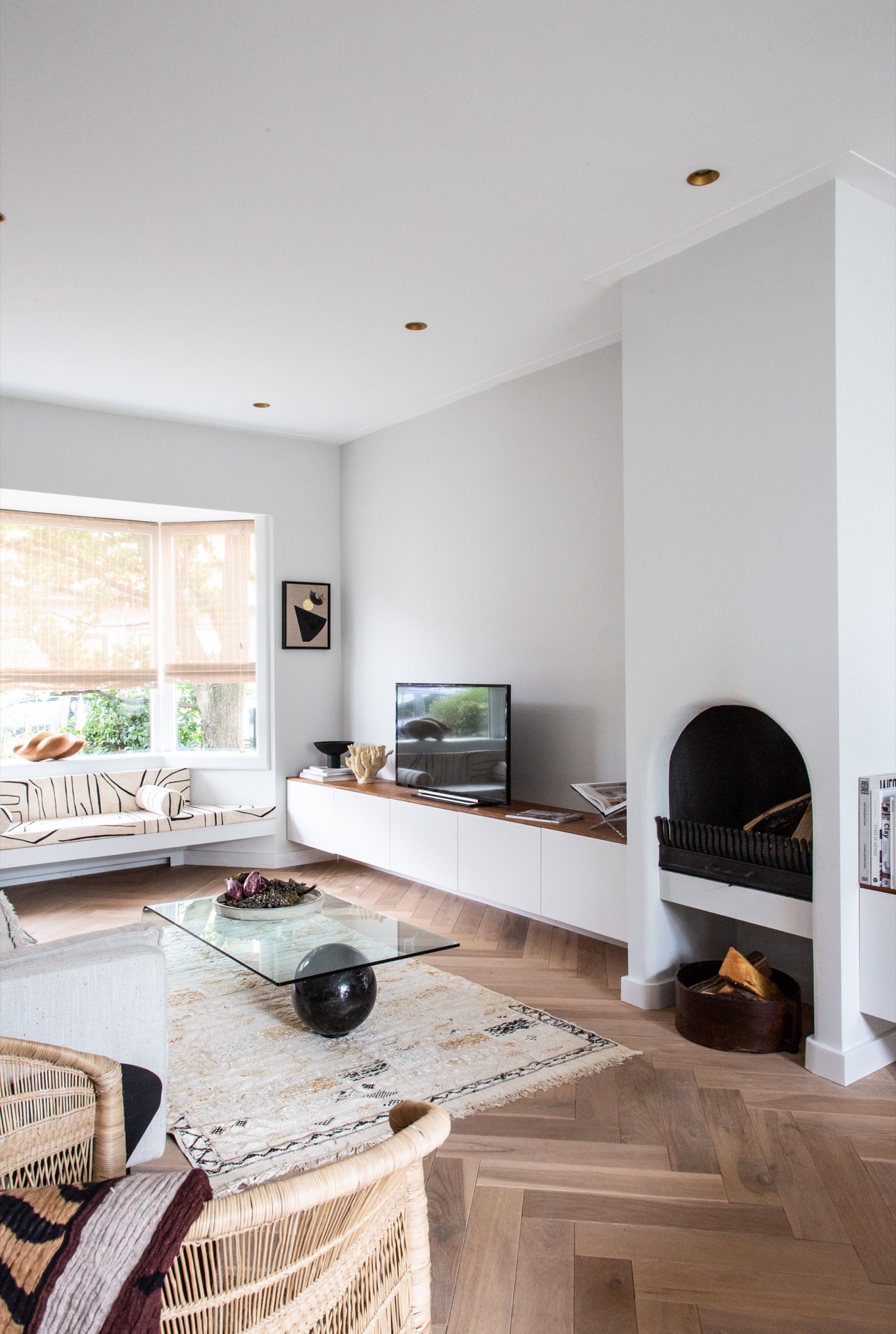
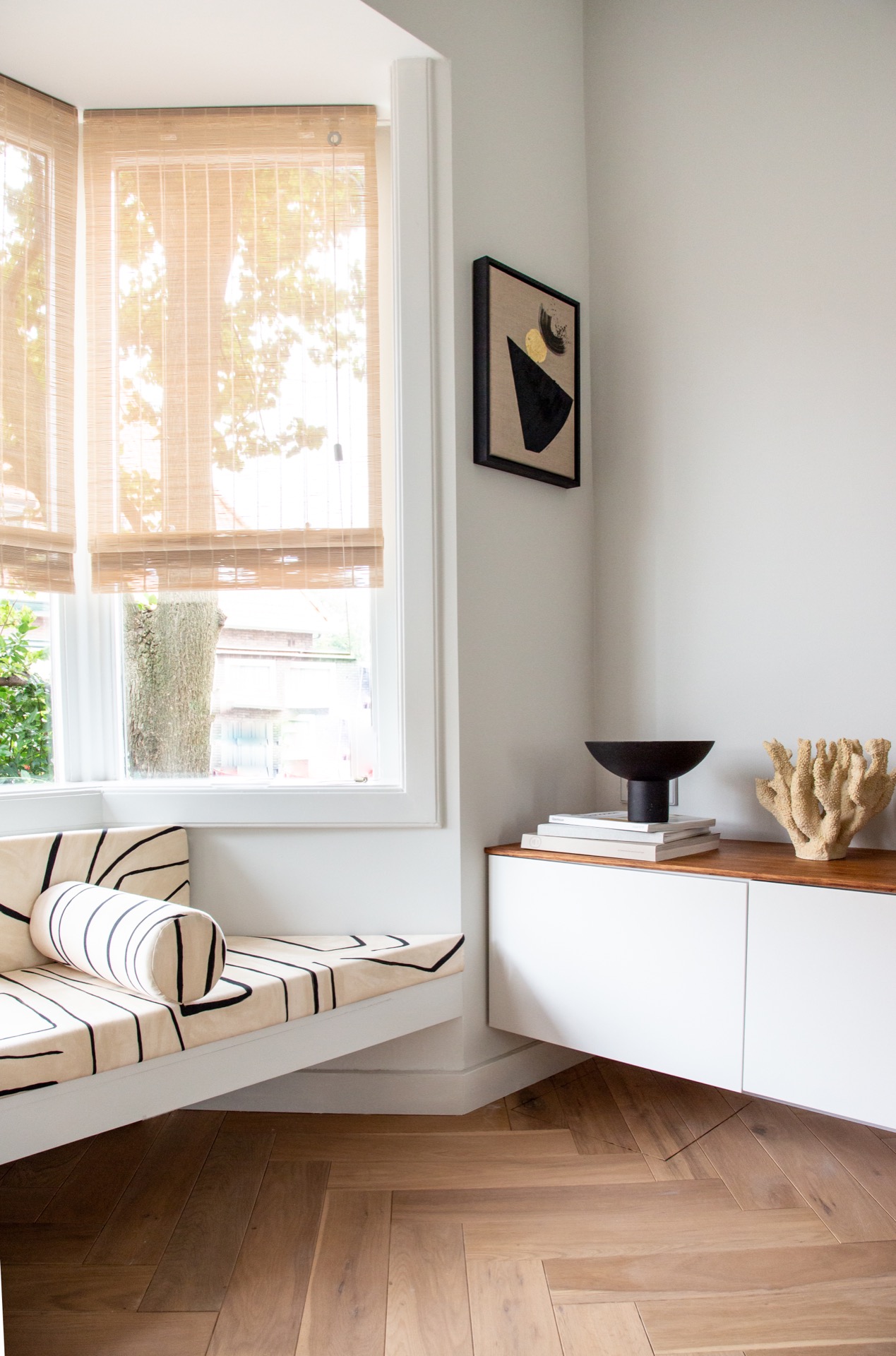
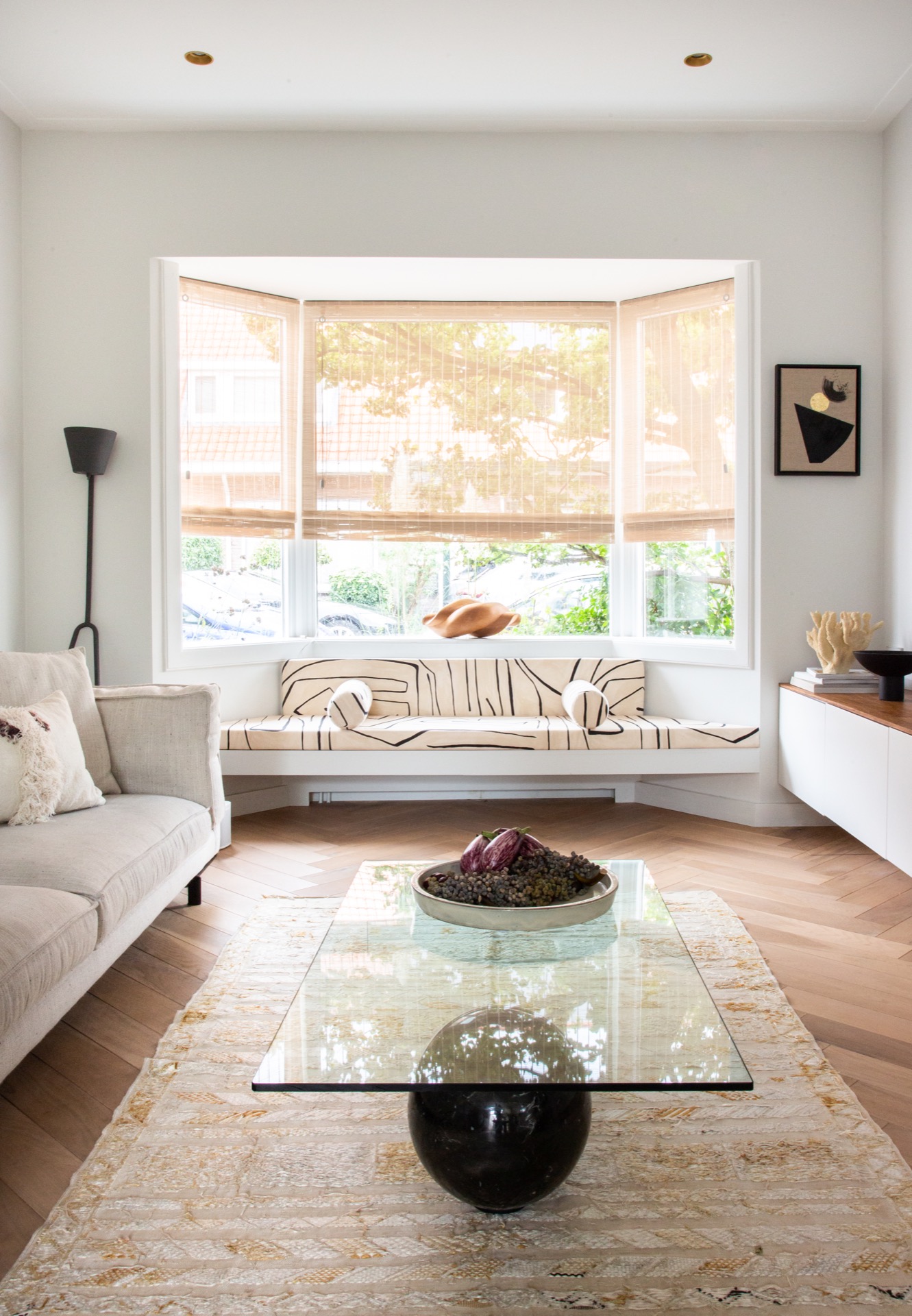
Here, large windows bring natural light flooding into spaces adorned with artistic wall decorations. Wooden flooring lines the room, worn smooth yet resilient underfoot. Furniture selections choose minimalism to foreground the textures of wood, fabric, and glass, allowing light and material narratives to interact clearly.
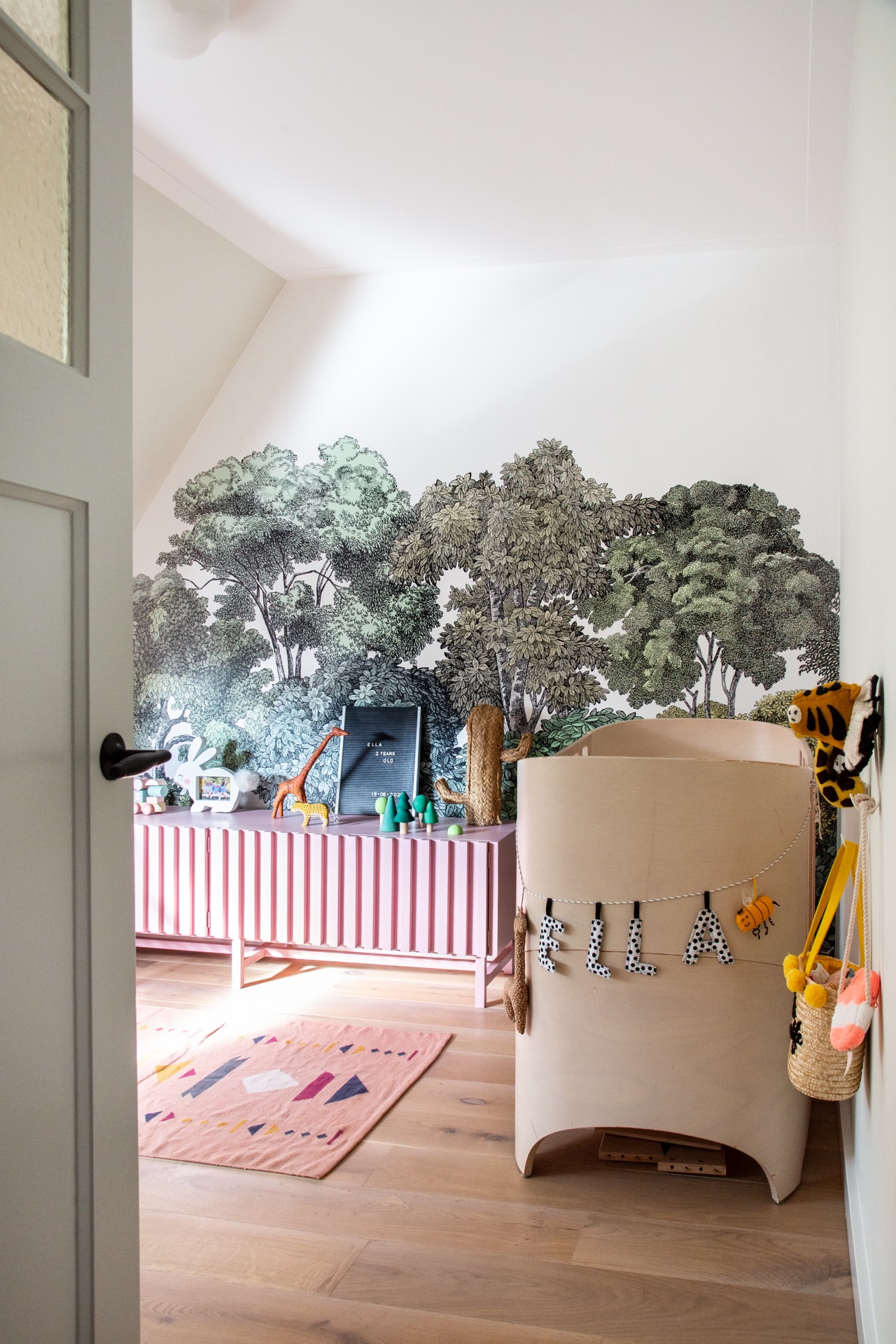
Bedrooms echo with wood and pastel hues
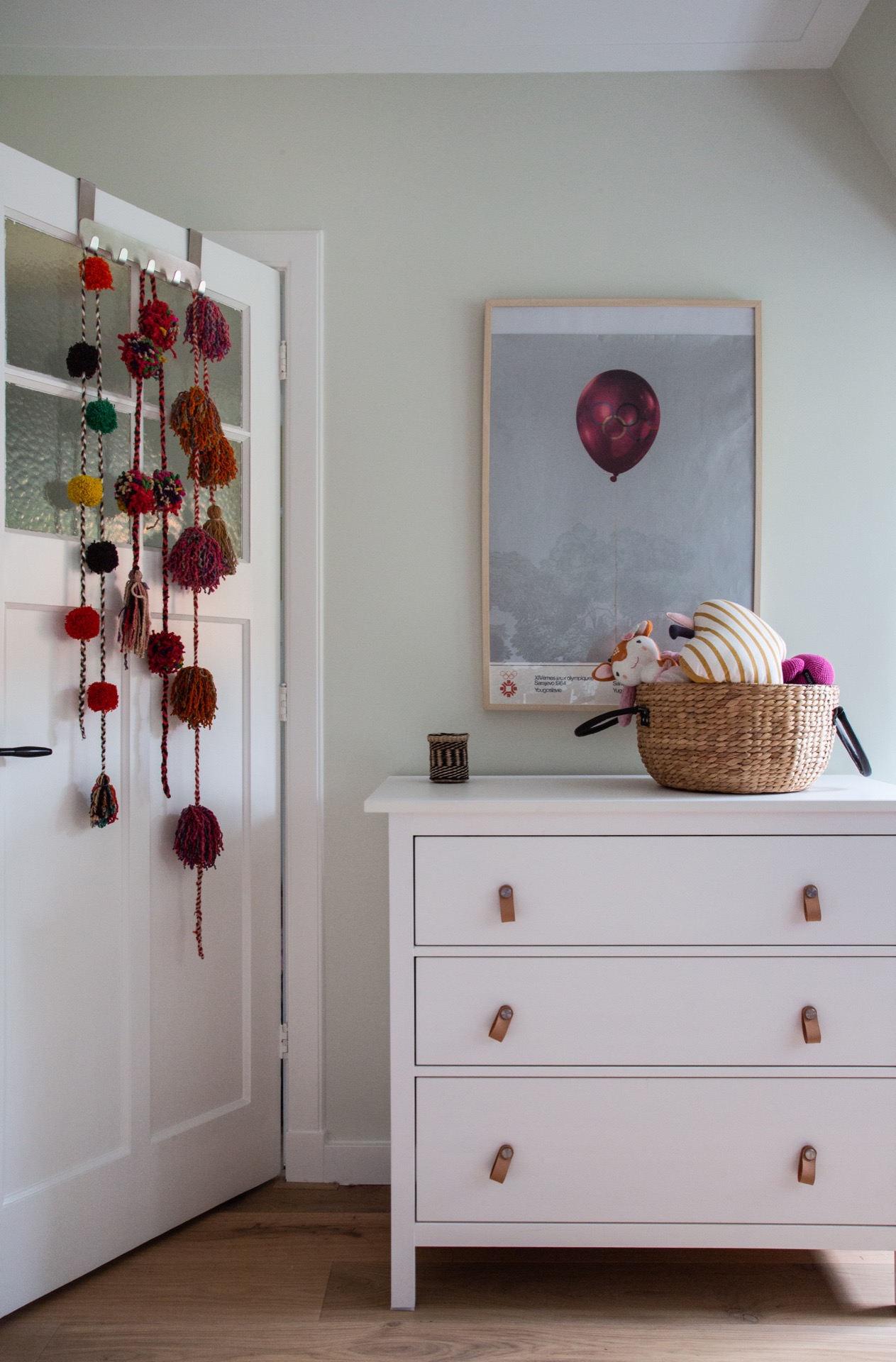
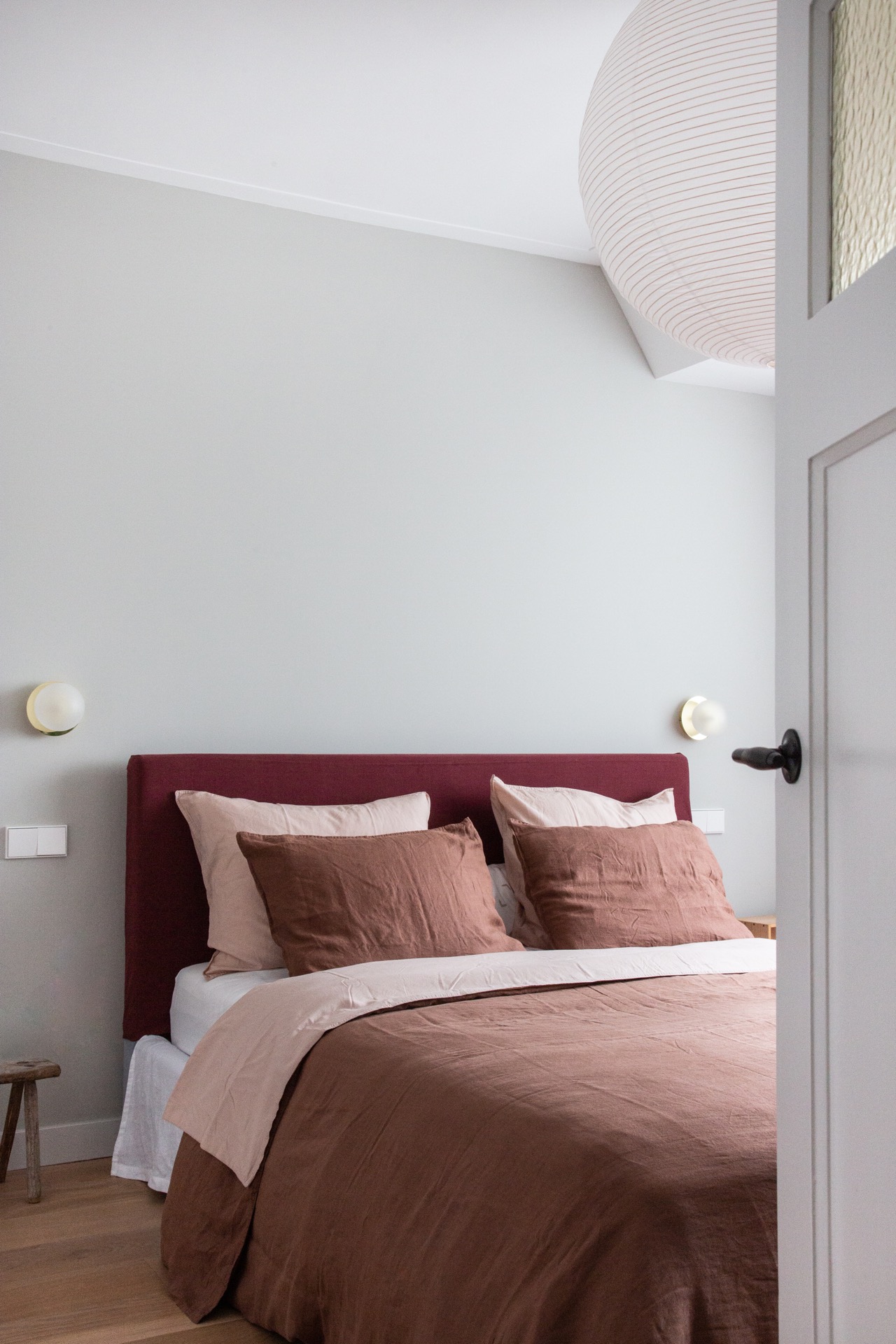
The sleeping quarters employ pastel colors paired thoughtfully with wooden furnishings. Decorative elements reference playful childhood themes without overwhelming the tranquil atmosphere. The arrangement supports restful spaces that maintain consistency with the overall natural home style.
Elements of the 1930s sustained and reinterpreted
Throughout, the integrity of the original stained glass, ceramic tiles, and wooden accents is maintained. These features serve as touchstones to the period, grounding contemporary interventions with a clear lineage to the home’s origins. The result is a dialogue between eras expressed through tangible materials and curated spatial rhythms.
Material cohesion shapes the experience
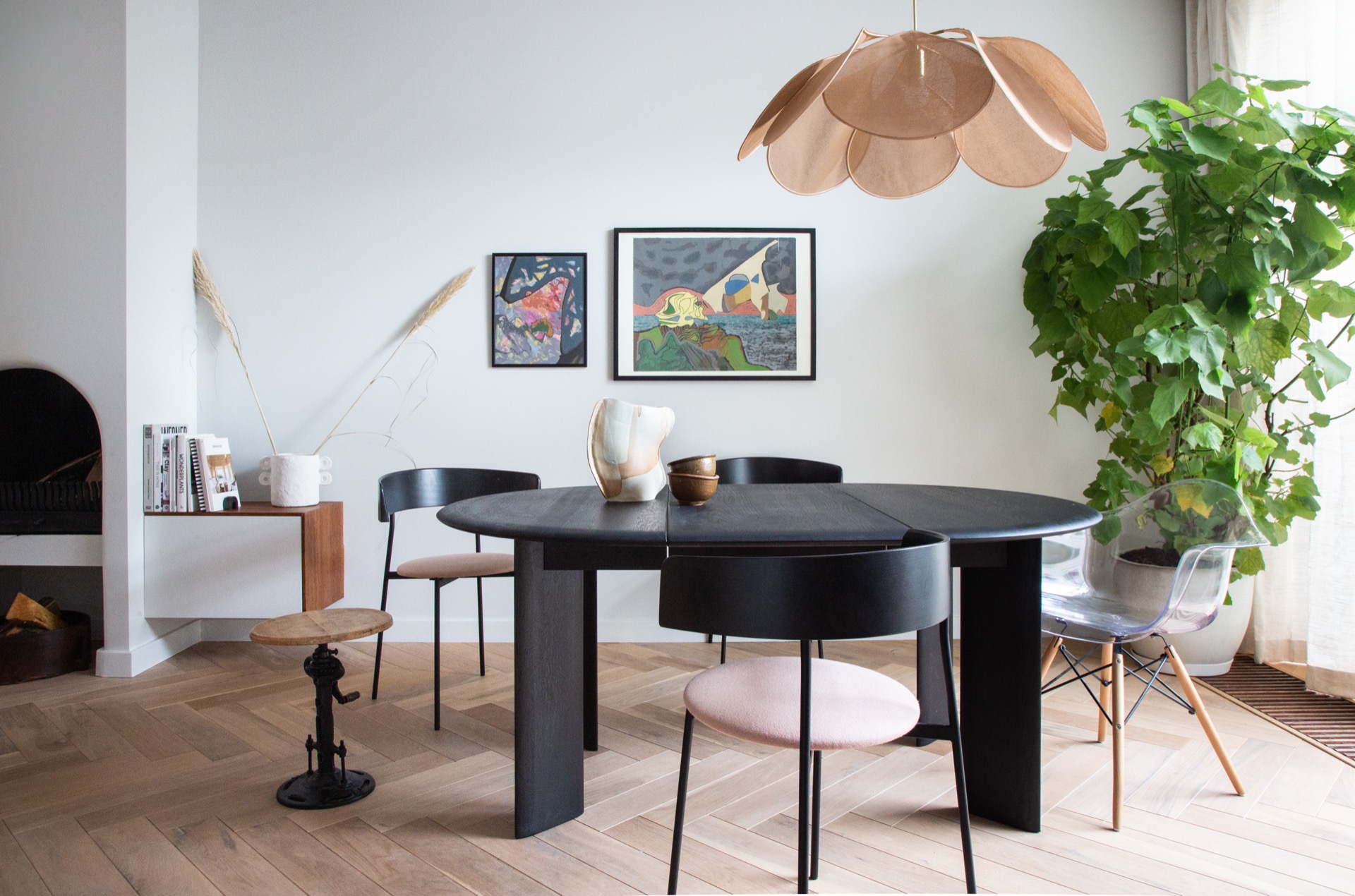
The intersection of wood, glass, ceramic, and metal fixtures forms a tactile language that complements the home’s architectural gestures. Flooring, cabinetry, and decorative details coalesce to support an environment that is both respectful to its 1930s style and attentive to natural materials as a design philosophy.
Natural light reveals textures and layers
Across rooms, natural illumination emphasizes the tactile qualities of surfaces. Textiles soften edges, while carefully chosen paint tones provide a backdrop to wood grains and ceramic sheens. This interplay crafts an interior dense with sensory cues and devoid of unnecessary visual noise.
Storage solutions blend into architecture
Custom storage elements appear integral to walls or underutilized spaces, reducing visible clutter. These interventions allow the original spatial volumes to breathe, preserving circulation flow and the visual rhythm established by archways and window placements. That makes the 1930s interior part of the architectural character rather than a loose finish.
Want to see more of Obradov Studio? View the page of Obradov Studio for even more great projects and company information.


.png)
NEW 2026 Jubileum Edition The Best Interior Designers Benelux
Order Now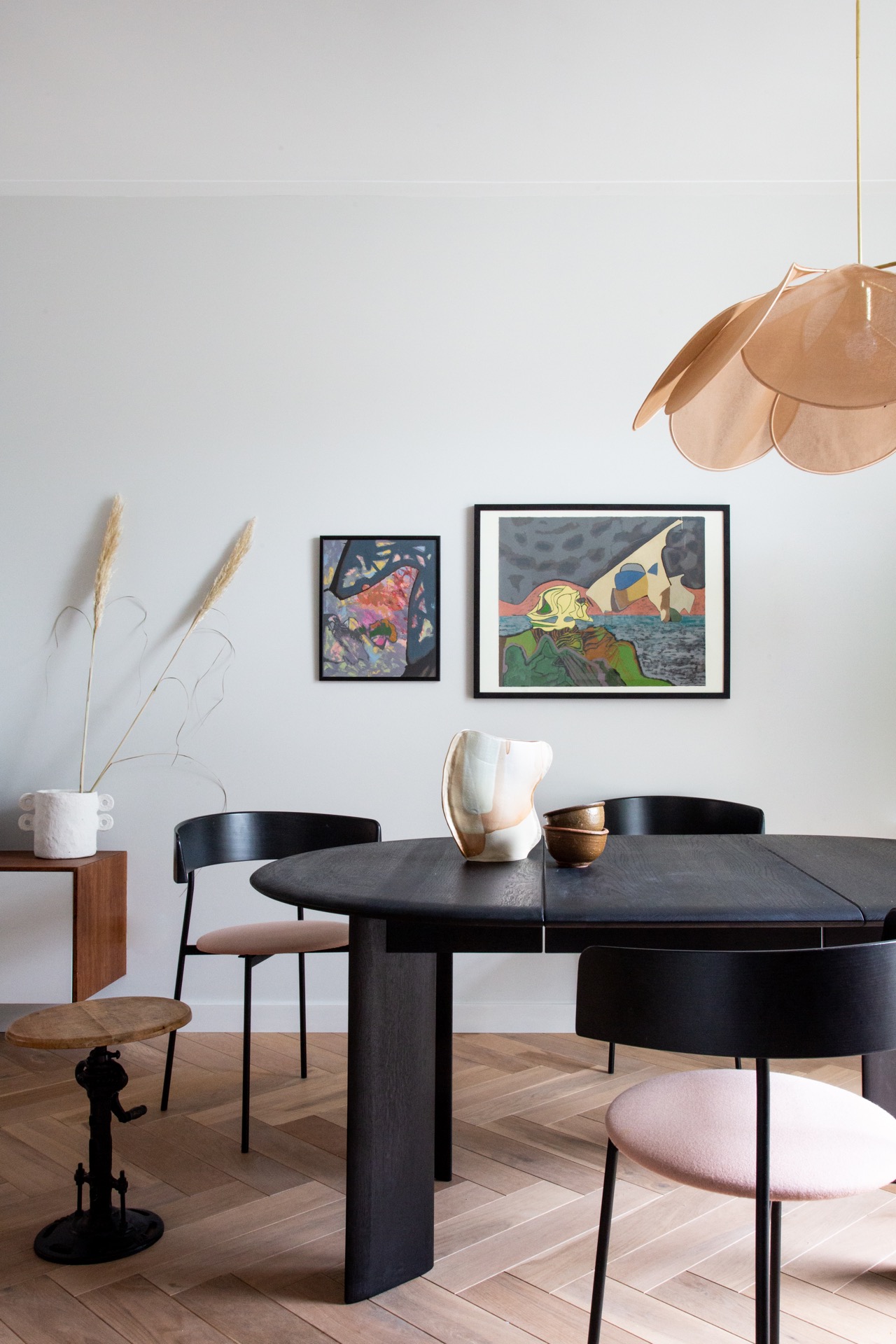
NEW 2026 Jubileum Edition The Best Interior Designers Benelux
Order Now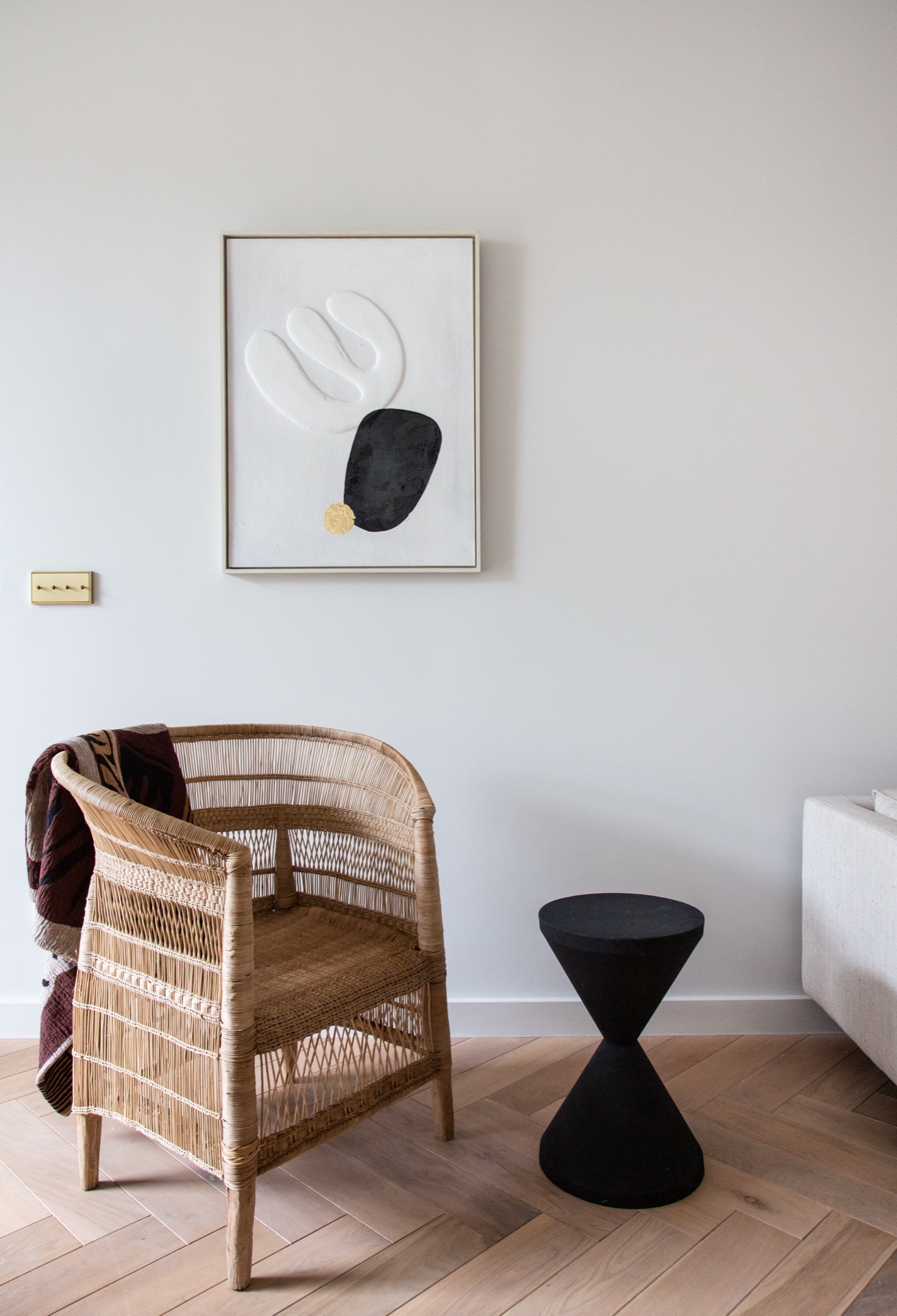
NEW 2026 Jubileum Edition The Best Interior Designers Benelux
Order Now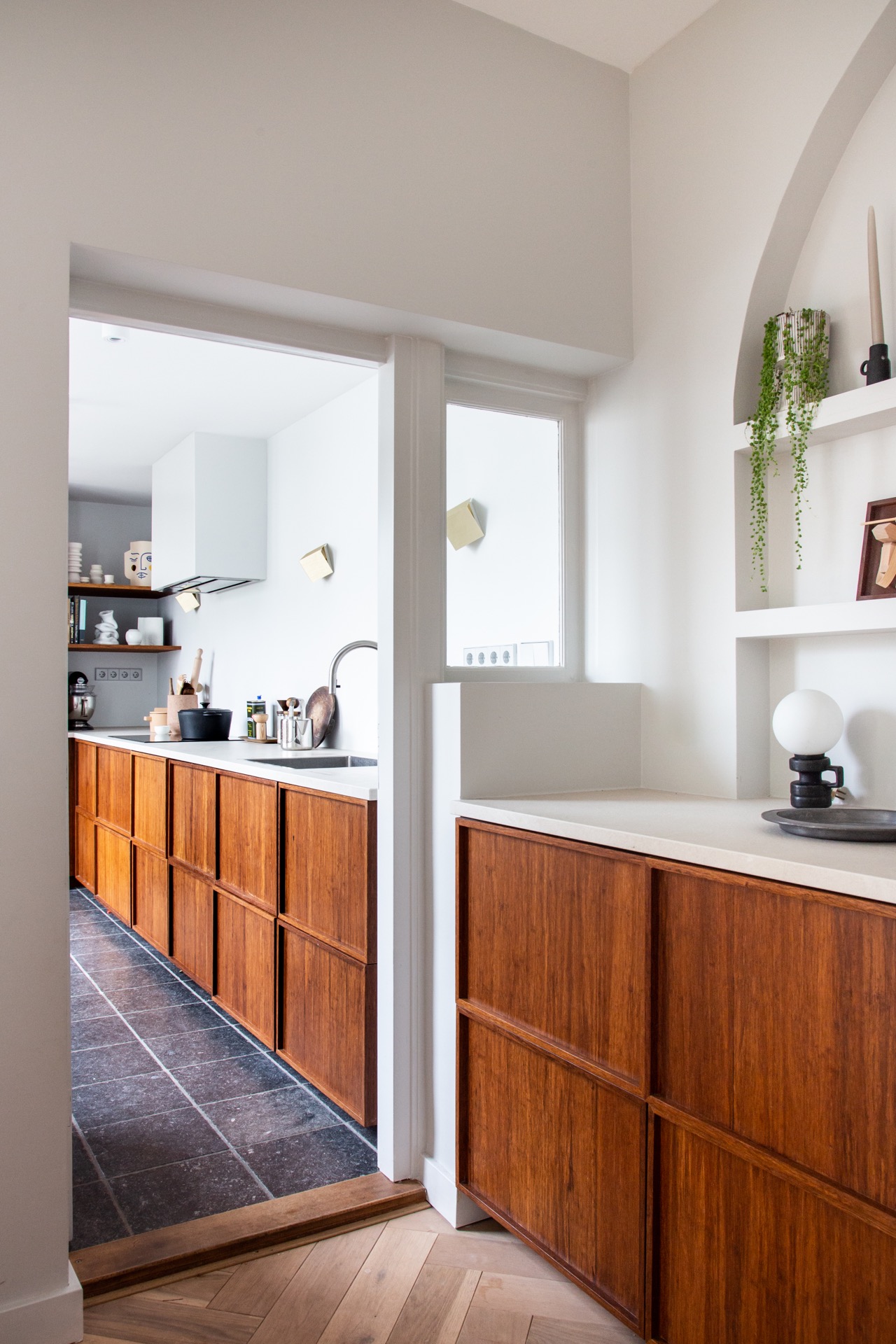
NEW 2026 Jubileum Edition The Best Interior Designers Benelux
Order Now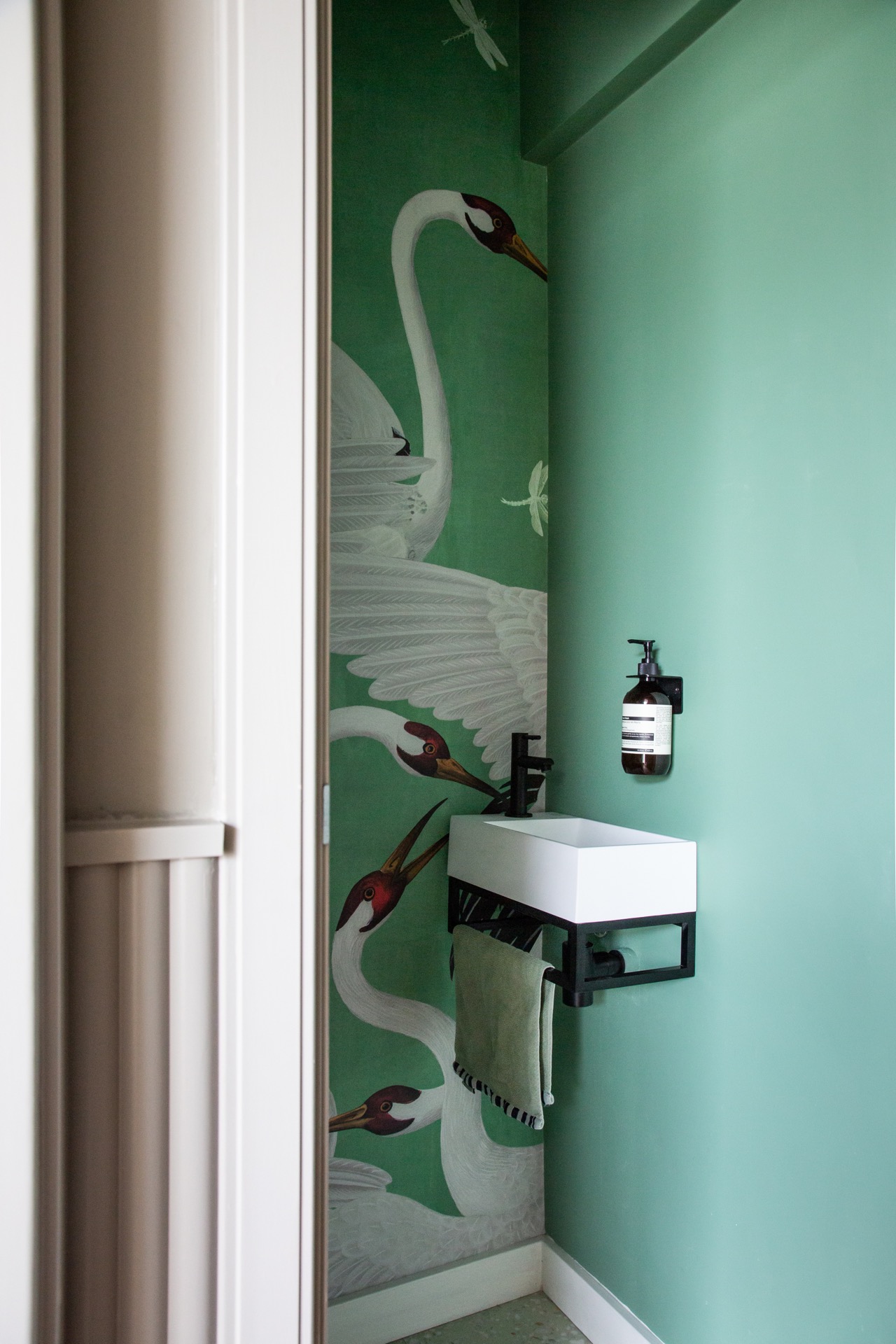
NEW 2026 Jubileum Edition The Best Interior Designers Benelux
Order Now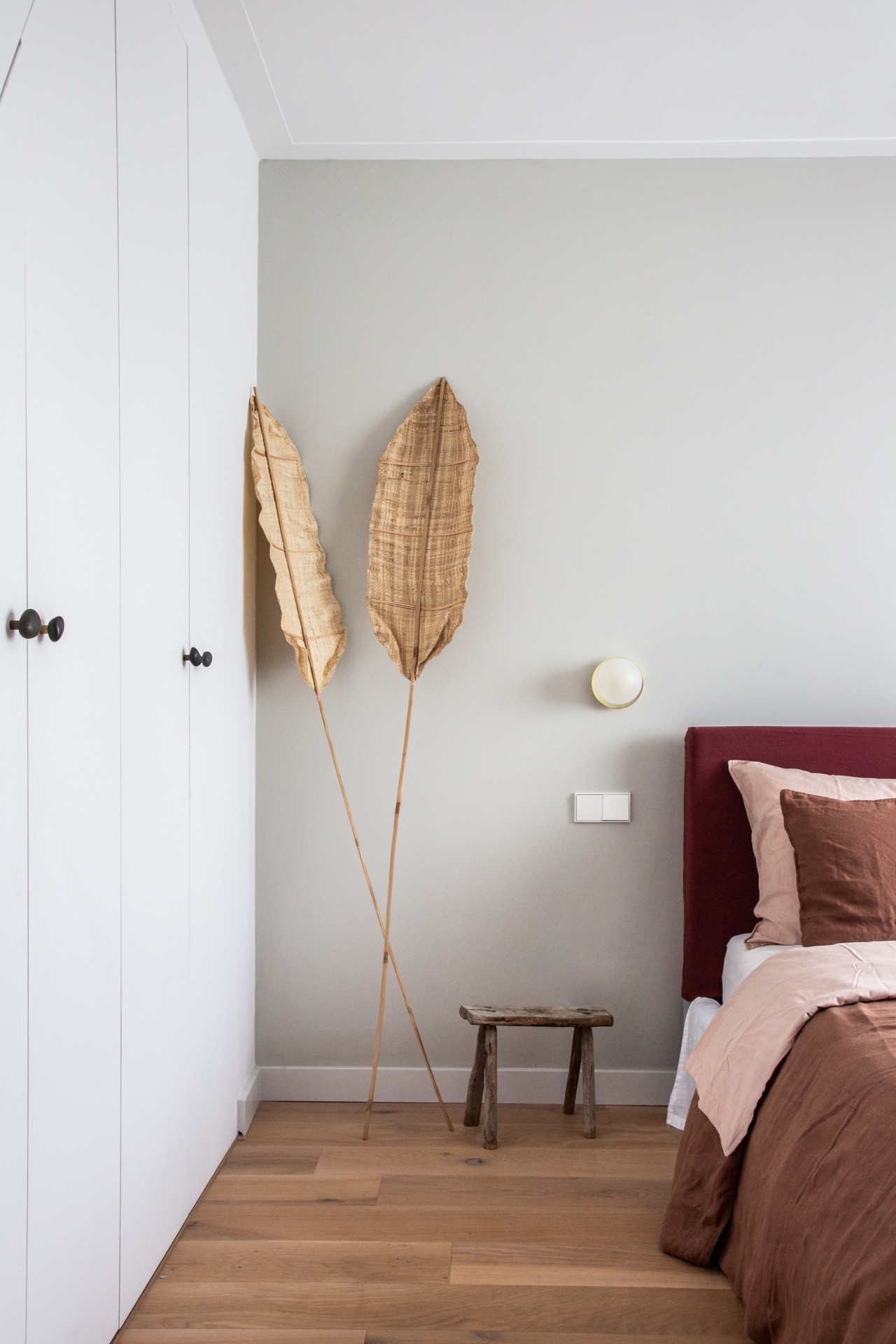
NEW 2026 Jubileum Edition The Best Interior Designers Benelux
Order Now