







Bronze Steel in Balance
In the realm of contemporary residential architecture, the nuanced dialogue between bronze and steel emerges as a sophisticated exploration of materiality and spatial expression. This interplay transcends mere juxtaposition, forging a refined synthesis between the industrial precision and structural strength of steel and the warm, evolving patina of bronze. Together, they shape homes that are not just functional sanctuaries but sculptural compositions—spaces that resonate profoundly with their inhabitants through a thoughtful balance of permanence, tactility, and visual richness.
Materiality as Architectural Language
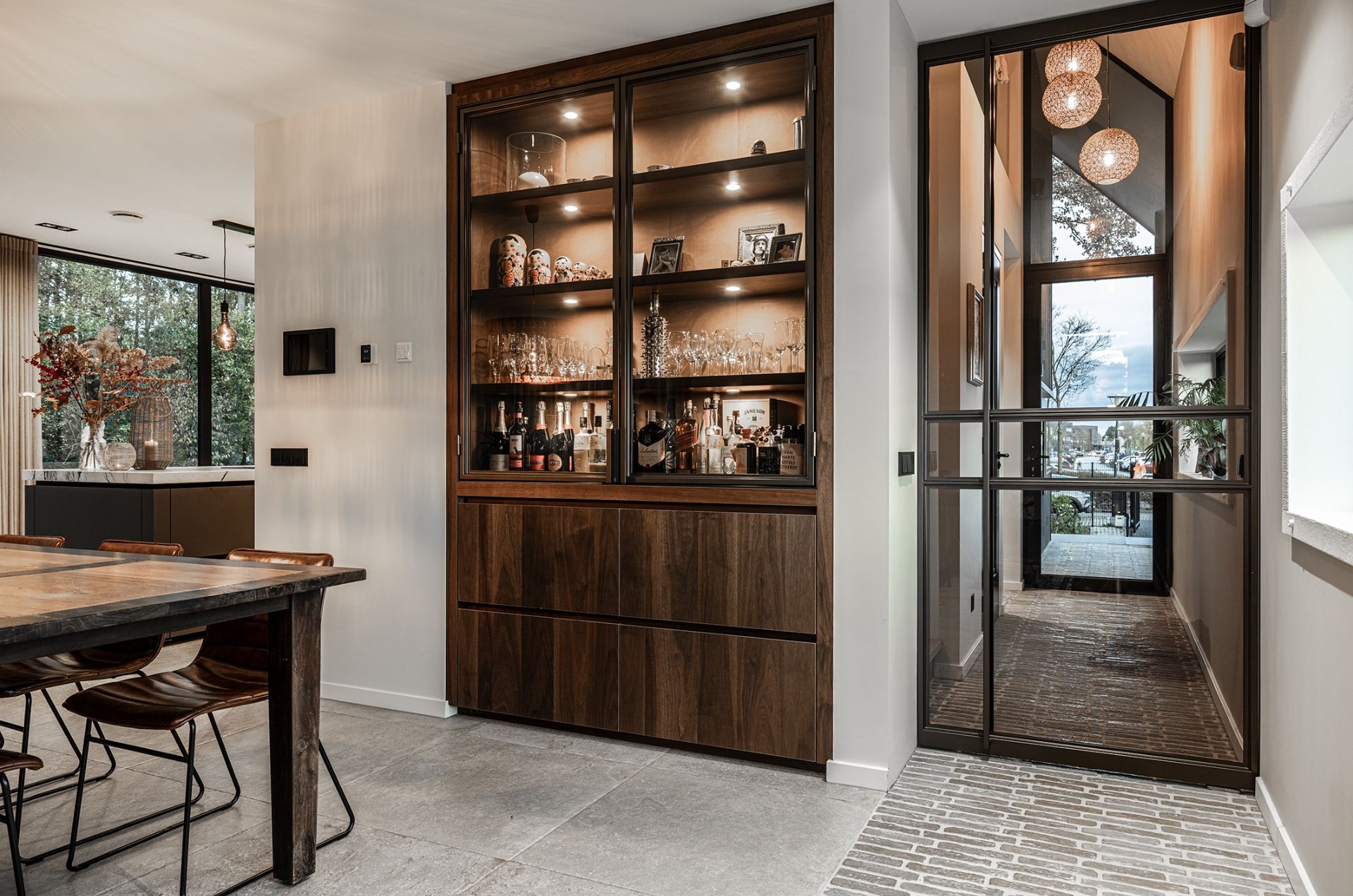
At the core of this design approach lies a deliberate engagement with materiality, where bronze and steel act as principal agents defining both form and atmosphere. Steel, renowned for its inherent strength and minimalist elegance, often underpins the structural framework of modern residences. Its sleek, linear profiles and reflective surfaces convey clarity and order, enabling architects to conceive spatial compositions marked by openness and transparency. This structural canvas supports expansive glazing and slender frameworks, inviting generous natural light and fostering seamless visual connections between interior spaces and their natural surroundings.
In thoughtful counterbalance, bronze introduces a tactile warmth and visual depth. Celebrated for its capacity to develop a rich, evolving patina over time, bronze imparts an organic quality that tempers steel’s crisp precision. This dynamic surface invites tactile interaction, cultivating a nuanced tension between the cool, industrial character of steel and the inviting, textured richness of bronze. The conversation between these metals animates both exterior facades and interior environments, creating layered spatial experiences that shift subtly with changing light and seasons.
Beyond aesthetic resonance, the choice of bronze and steel aligns closely with principles of sustainability and durability. Both metals offer exceptional longevity and recyclability, supporting environmentally conscious architectural strategies. Integrated thoughtfully with passive design measures—such as strategic orientation, thermal mass optimization, and natural ventilation—these materials contribute to high-performance homes that harmonize ecological responsibility with refined, timeless design. This synergy elevates residential architecture into a domain where resilience and innovation coexist seamlessly.
Spatial Narratives: Light, Texture, and Form
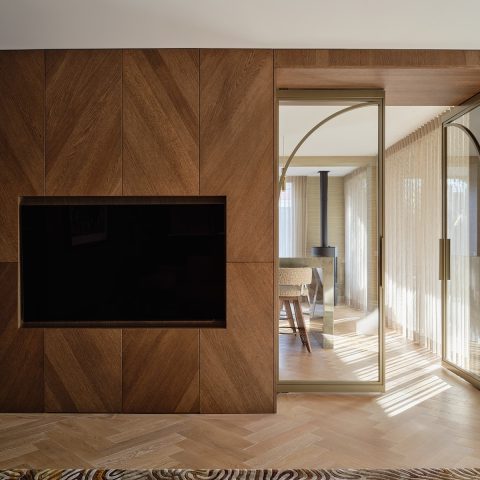
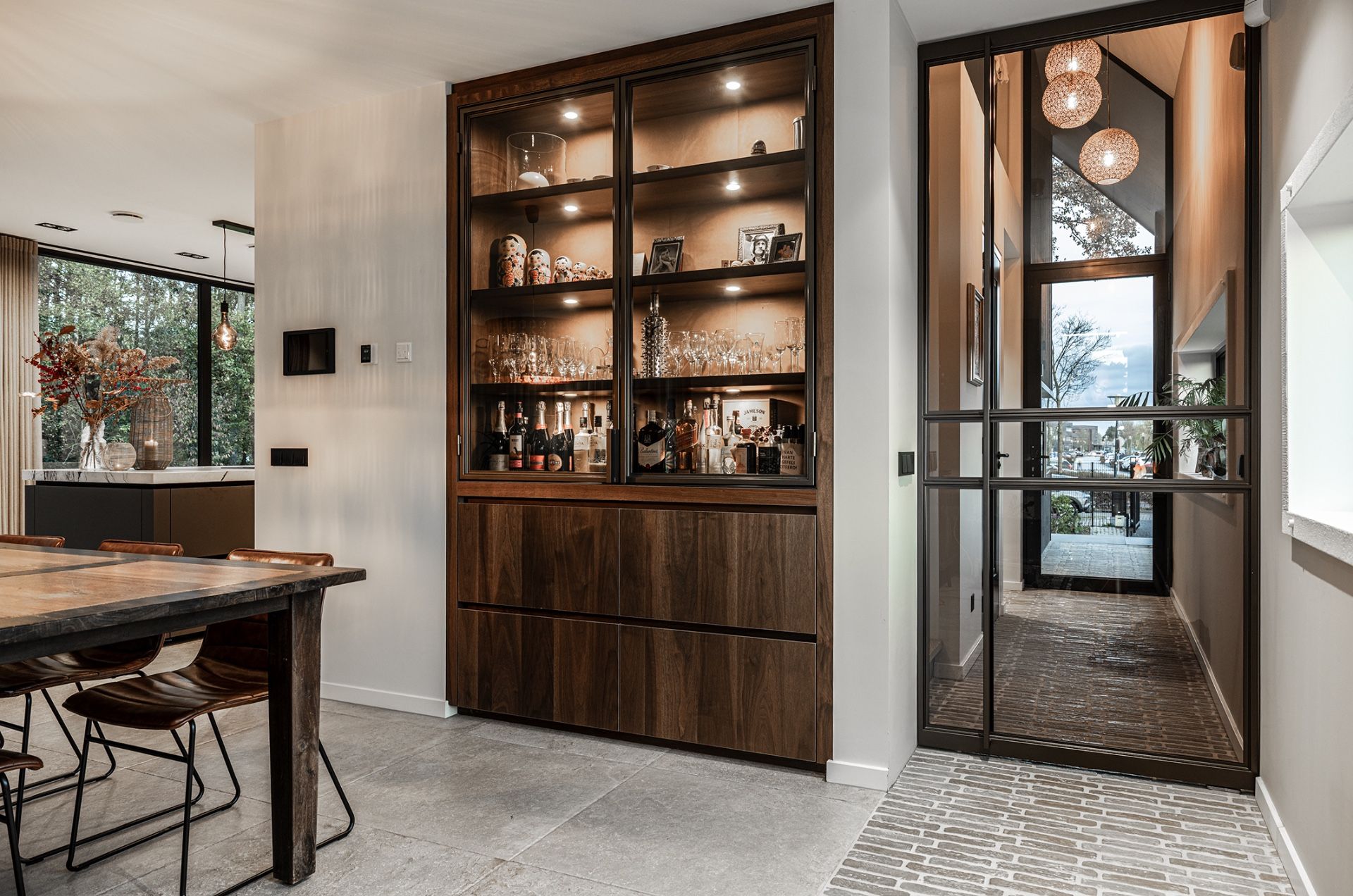
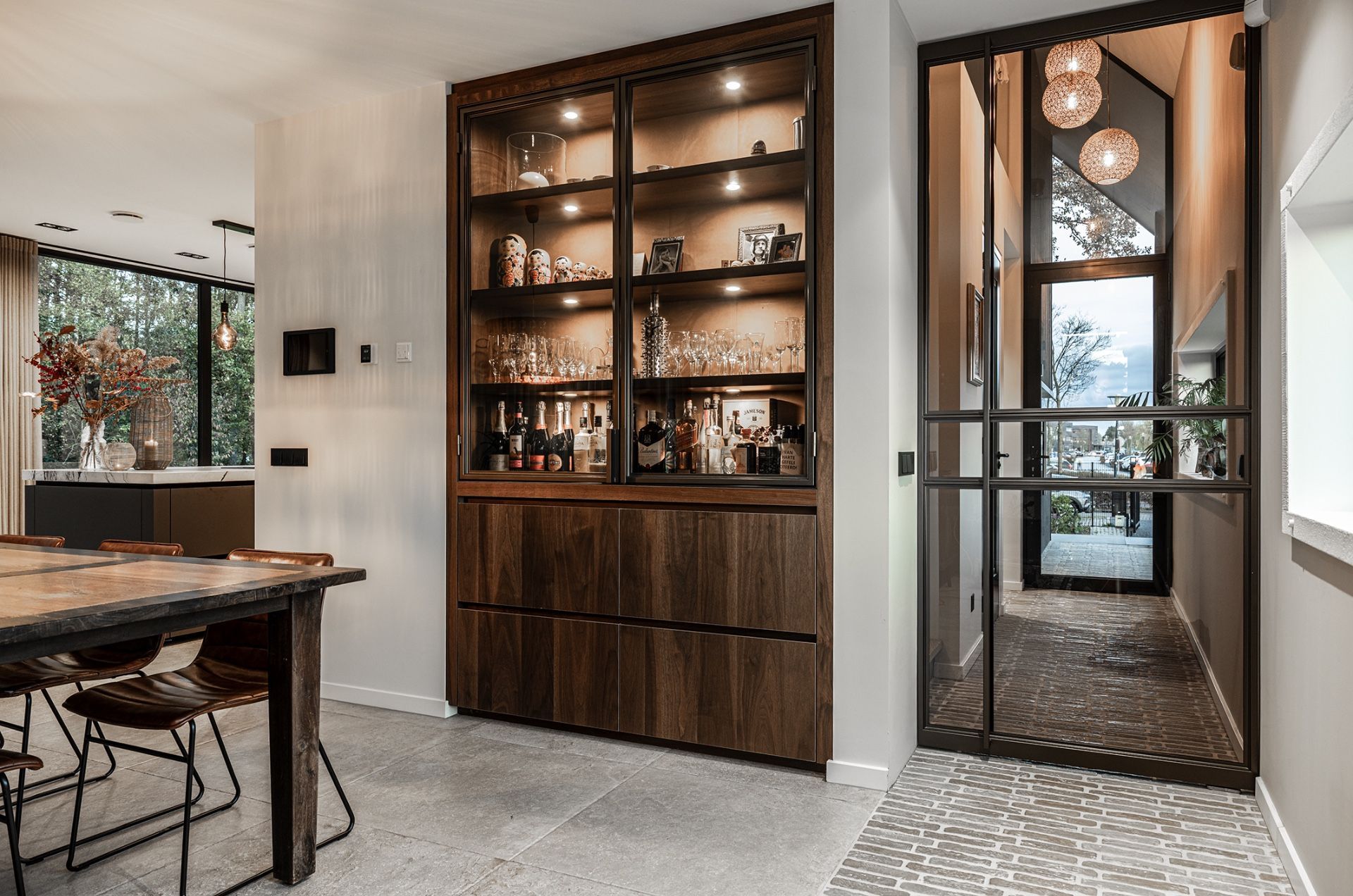
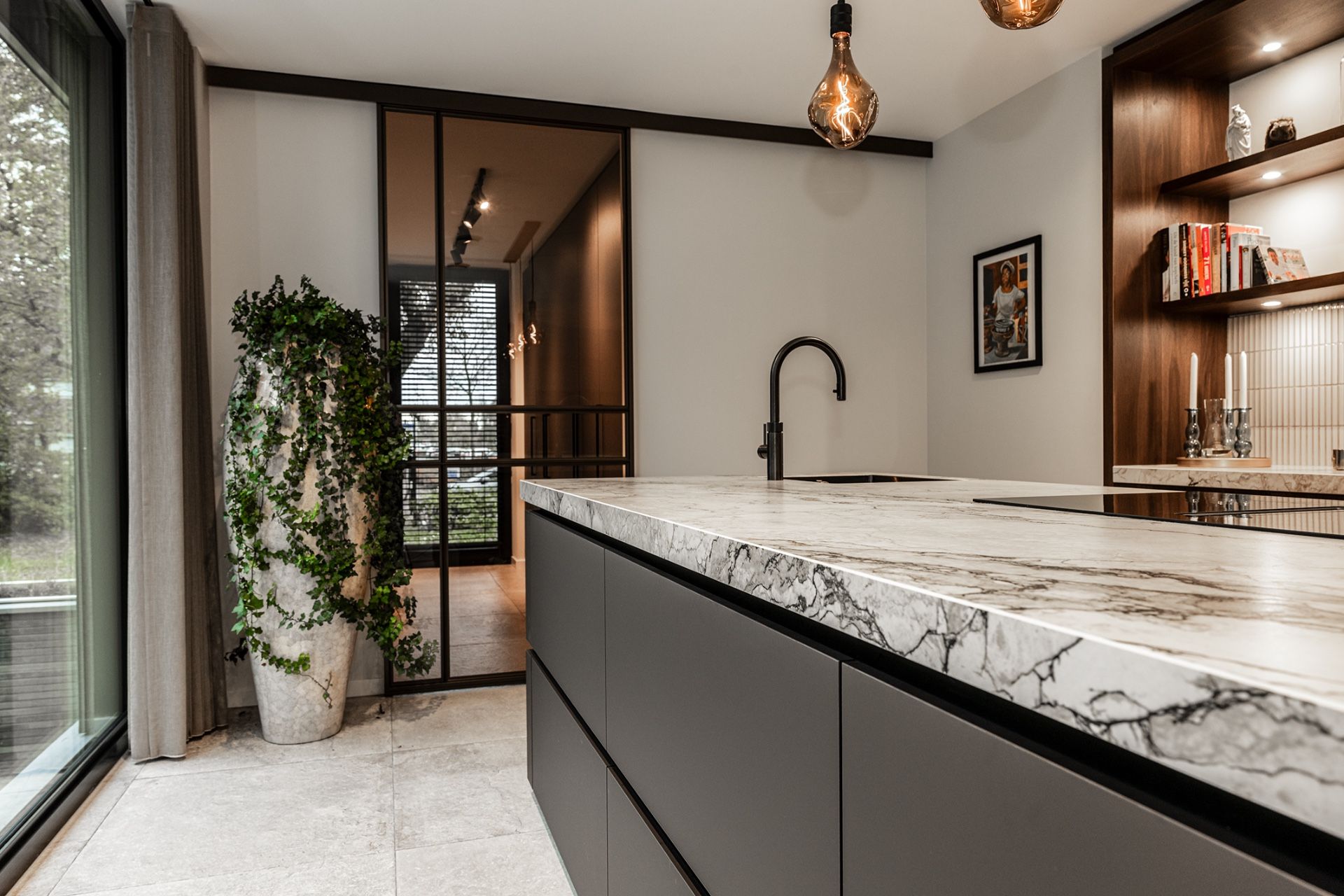
The architectural narrative unfolds through spatial compositions that harness the distinctive qualities of bronze and steel to shape atmosphere and inhabitant experience. Open-plan layouts dissolve traditional boundaries, promoting fluid movement and adaptability within the home. Steel-framed expanses of glazing draw the surrounding landscape inward, blurring the distinctions between inside and out. Meanwhile, bronze accents catch and refract shifting daylight, casting subtle shadows and highlights that animate surfaces throughout the day.
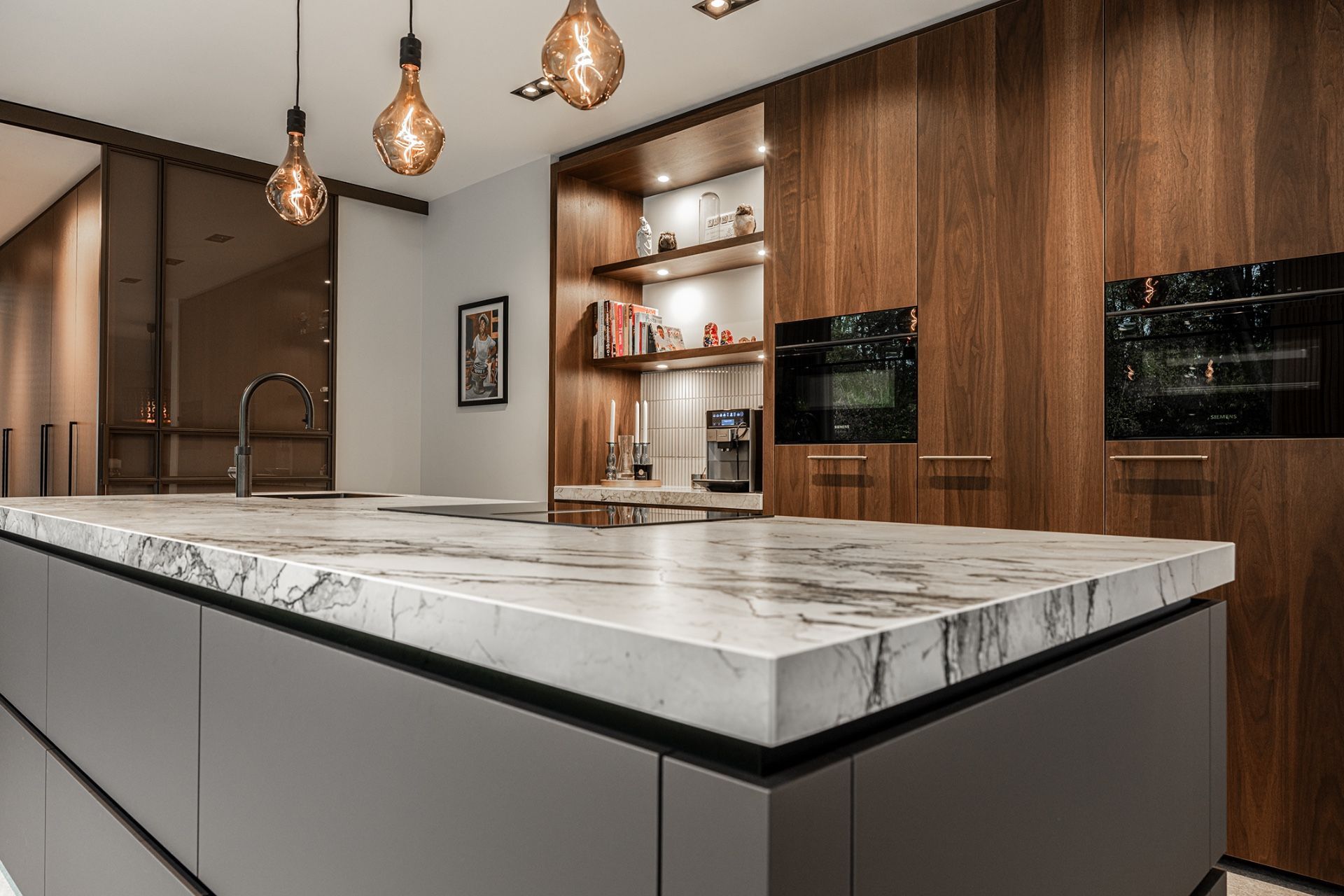
This dynamic interplay between materials and light crafts interiors that feel simultaneously vibrant and serene. The tactile contrasts—smooth steel, textured bronze, natural timber, and stone—engage the senses and enrich the inhabitant’s connection to the environment. Such intentional layering cultivates spaces that balance architectural rigor with sensory warmth, inviting moments of quiet reflection as well as social engagement.
Interiors: A Curated Material Palette
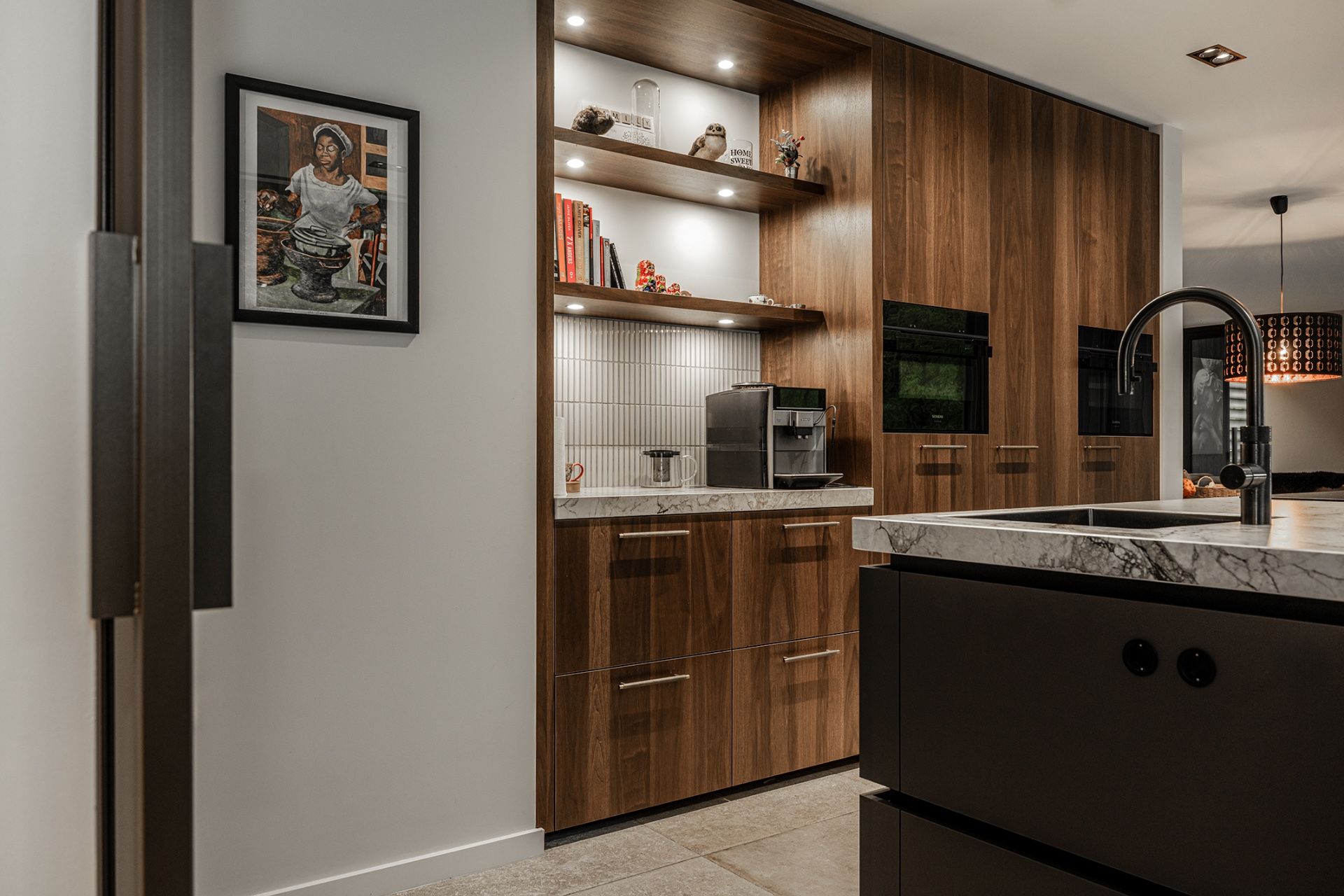
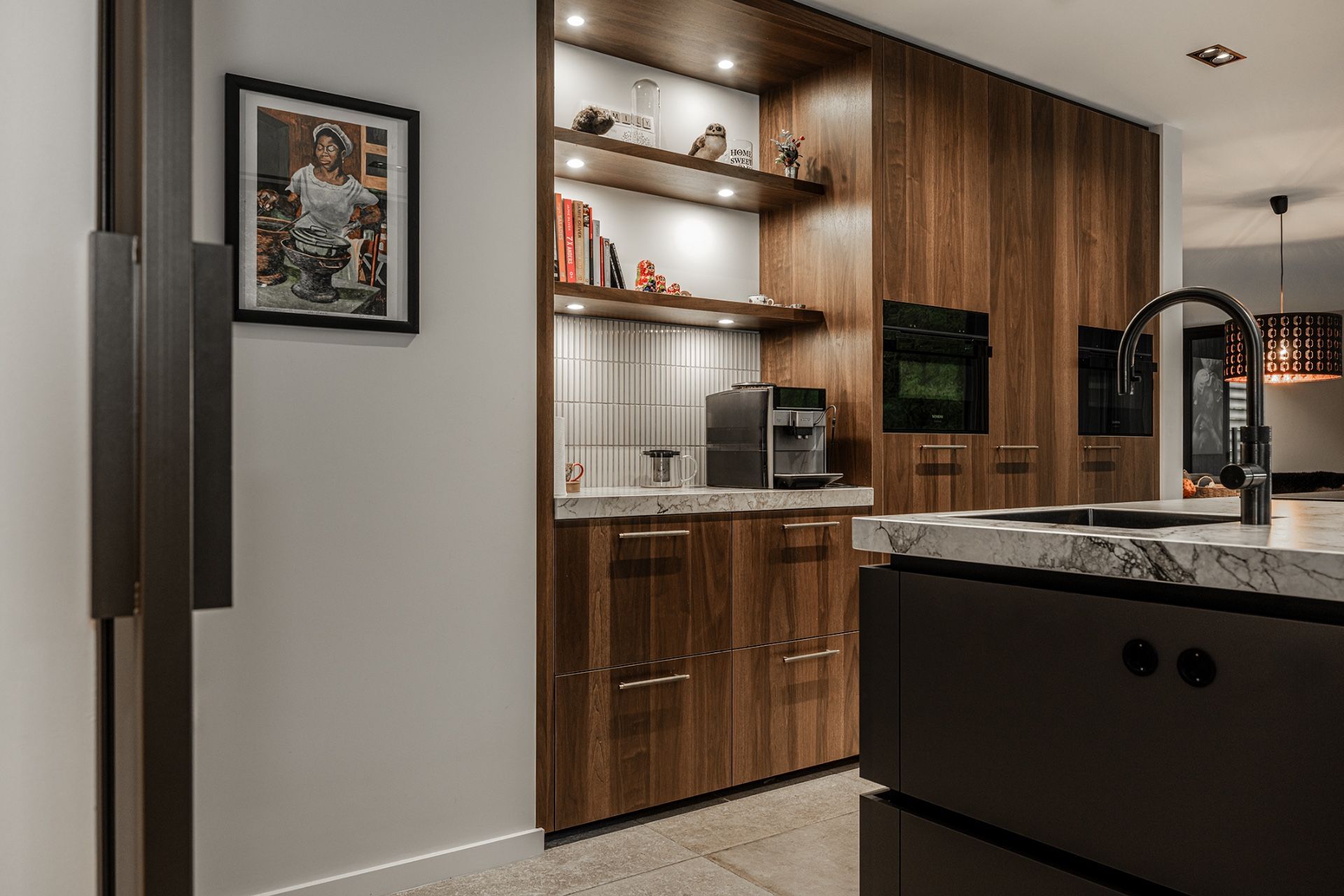
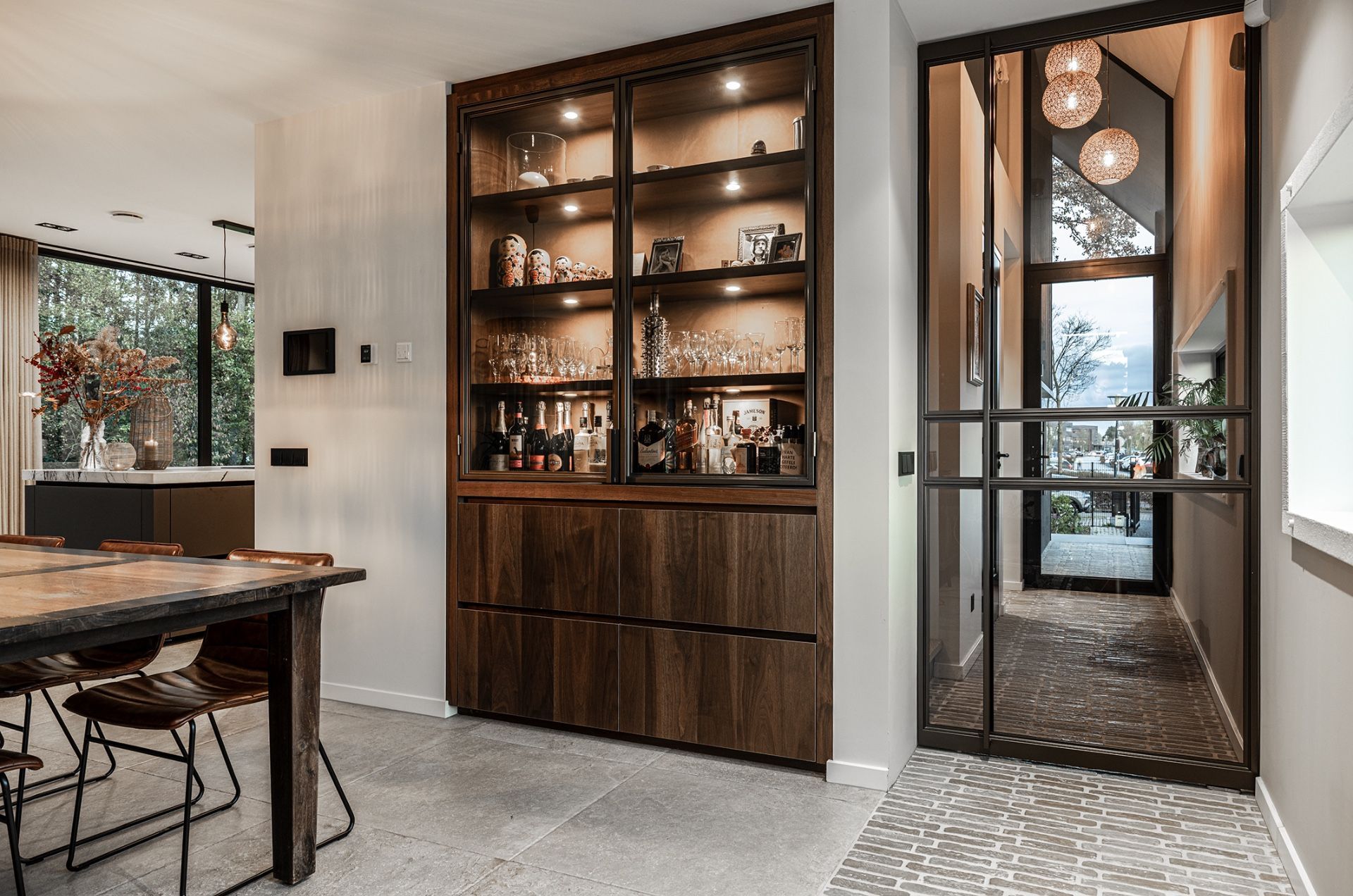
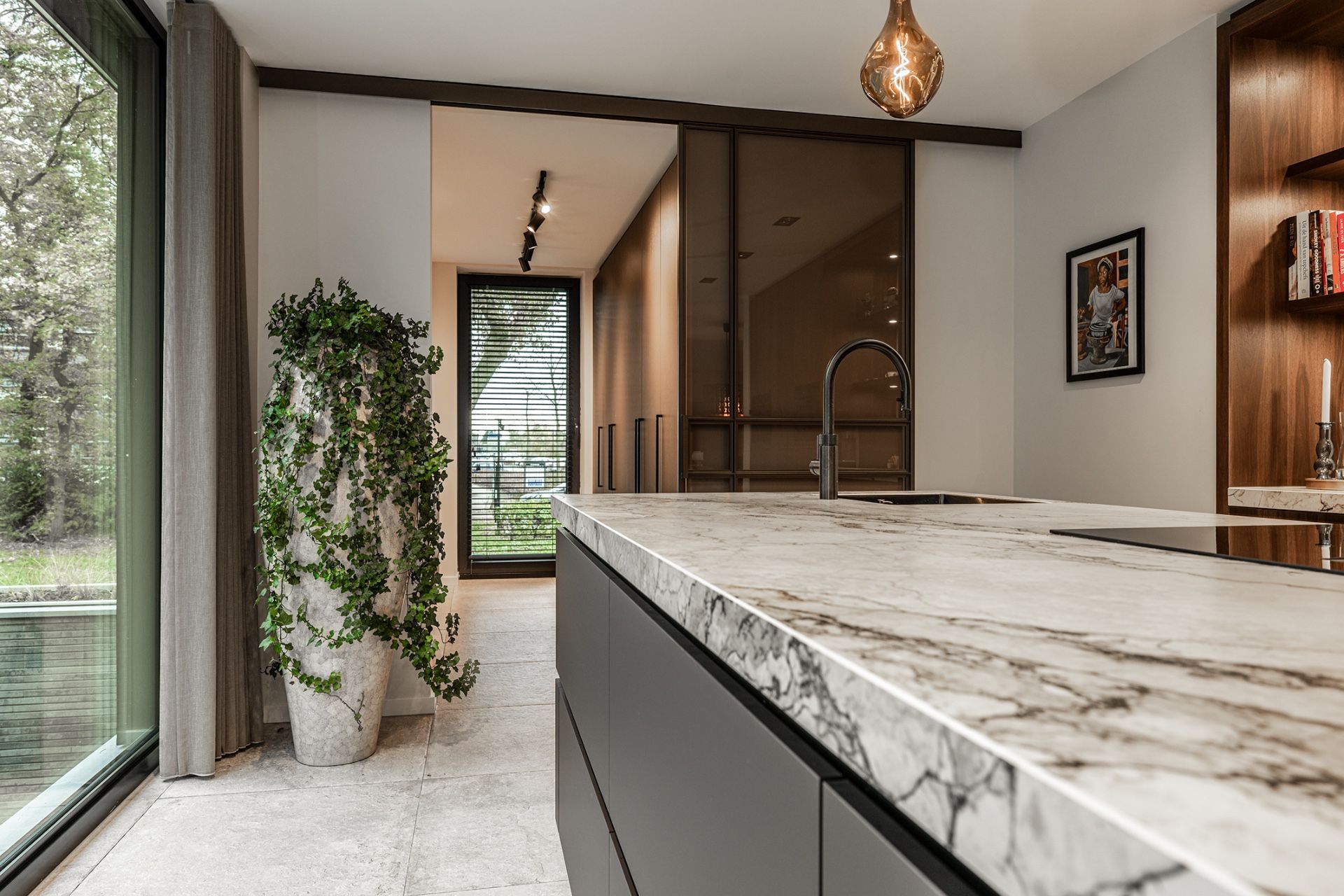
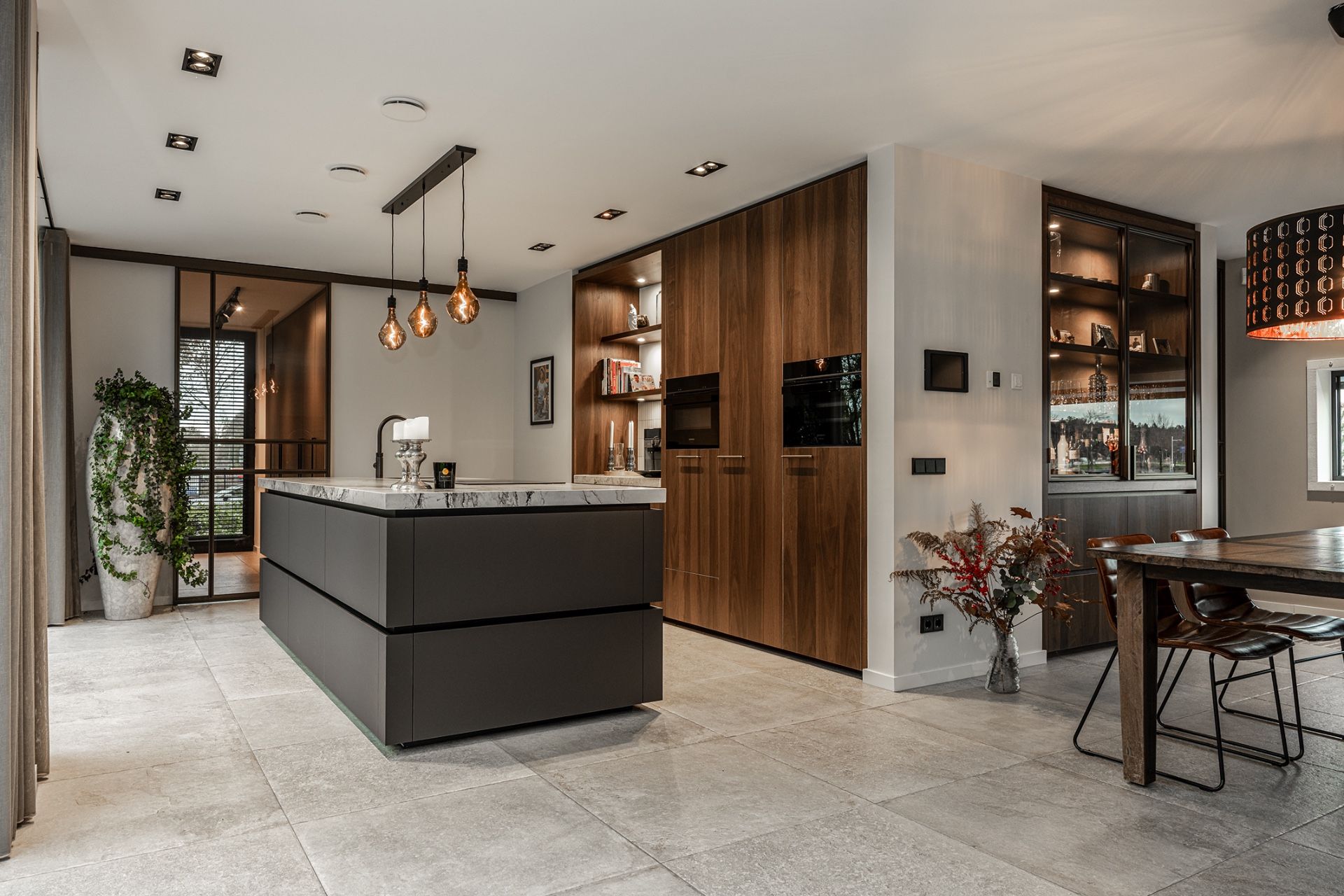
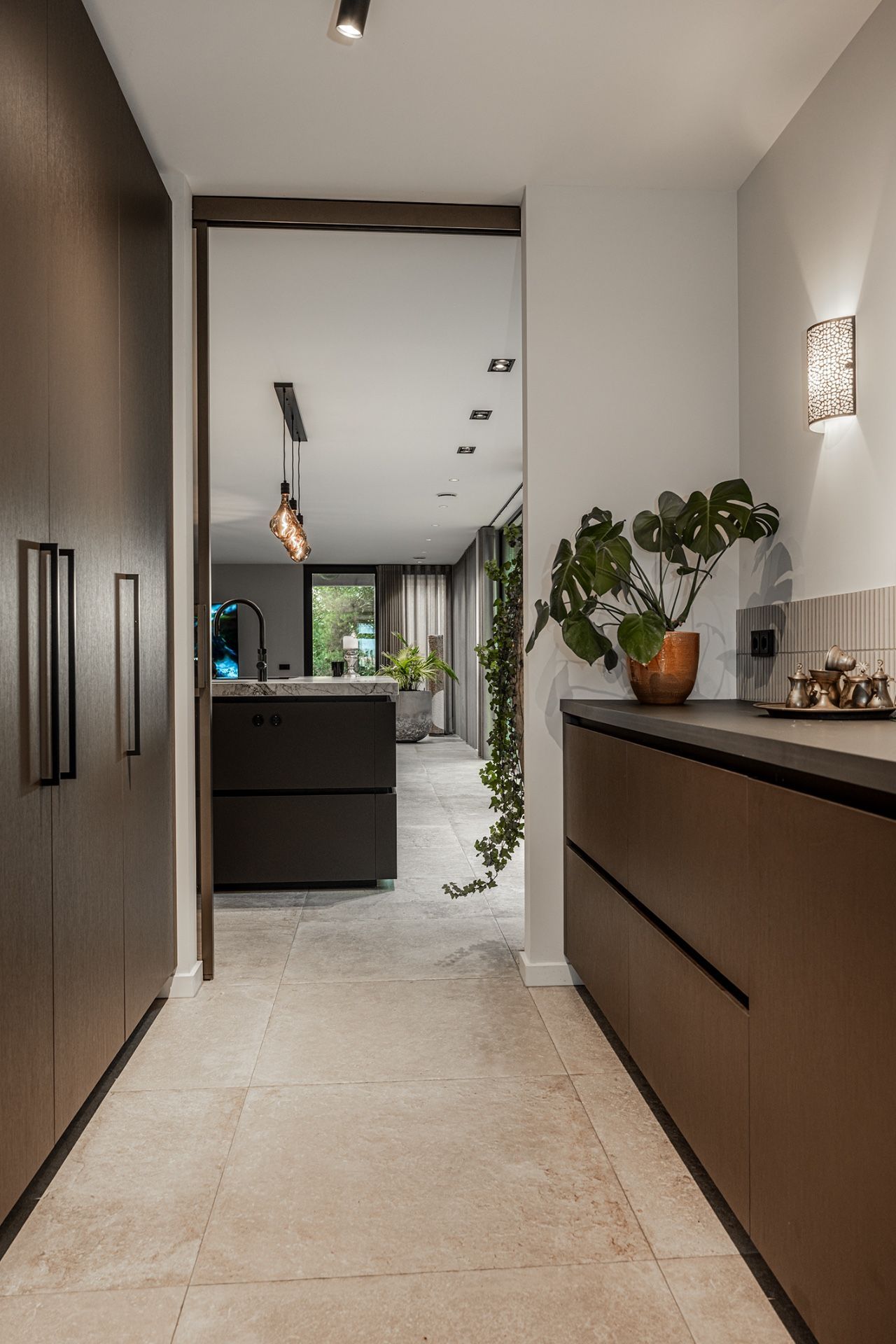
Within the home, the dialogue between bronze and steel extends into a carefully curated material palette that heightens the sensory richness of the interiors. Bronze finds expression in bespoke fixtures, hardware, and delicate detailing, serving as tactile focal points that contrast elegantly with steel’s crisp structural elements—exposed beams, staircases, and balustrades. This metal interplay is further softened by the inclusion of natural materials such as richly grained timber, textured stone, and handwoven textiles, which infuse warmth and tactility into the architectural framework.
Furniture selections echo this artisanal sensibility. Custom-designed pieces crafted from natural materials reinforce the overall palette, emphasizing texture and tactility to create an environment of understated sophistication. The color scheme favors muted, earthy tones—soft ochres, gentle greys, and subdued greens—that cultivate a calm, cohesive atmosphere. Lighting design plays a crucial role, employing layered illumination strategies that balance abundant natural light with carefully positioned artificial sources. This nuanced approach highlights the interplay of surfaces and textures, rendering interiors that evolve gracefully with the rhythms of daily life.
Seamless Integration of Indoor and Outdoor Realms
The architectural ethos underpinning the balance of bronze and steel transcends the interior, dissolving boundaries between building and landscape. Outdoor living areas emerge as natural extensions of the home, where bronze and steel reappear with subtle precision in pergolas, structural frameworks, and custom outdoor furnishings. These elements harmonize with natural stone paving and lush planting schemes, creating exterior environments that invite repose, social interaction, and contemplation.
This holistic integration nurtures wellbeing by responding thoughtfully to humanity’s intrinsic connection to nature. The outdoor spaces support physical vitality and psychological renewal, accommodating moments of conviviality alongside quiet reflection. Whether situated within vibrant urban contexts or tranquil rural settings, these residences achieve a refined equilibrium, transforming everyday living into an immersive experience attuned to the cyclical rhythms of life and environment.
A Lifestyle Rooted in Architectural Intention
Residences that embody the delicate balance of bronze and steel transcend mere architectural projects; they articulate a lifestyle defined by refinement, resilience, and conscious design. Every aspect—from foundational structural systems and material selections to meticulous interior detailing and landscape integration—is executed with precision and thoughtful care. These homes become enduring expressions of sophisticated living, offering spaces that inspire creativity, provide sanctuary, and foster meaningful connections.
The commitment to authenticity and craftsmanship ensures these homes resist fleeting trends, embracing timelessness and material integrity. Through the elegant equilibrium of bronze and steel, modern residential architecture elevates not only the practical demands of everyday life but also the qualitative experience of inhabiting space. These dwellings stand as enduring works of art—refined, resilient, and intimately attuned to the human spirit.
Frequently Asked Questions
How does the balance of bronze and steel adapt to different spatial scales?
The design philosophy integrating bronze and steel exhibits remarkable versatility across diverse spatial contexts. From compact urban apartments to expansive rural estates, this approach maintains coherence through meticulous attention to proportion, material authenticity, and functional clarity. Regardless of scale, each residence embodies intentionality and harmony, crafting architectural narratives that resonate equally within metropolitan and pastoral environments.
What informs the initial design priorities in this style?
Design within this paradigm begins with a nuanced understanding of spatial intent—how occupants will inhabit, move through, and engage with the home. This foundational insight directs the careful selection of finishes, lighting, and detailing to ensure coherence, longevity, and comfort. The outcome is a compositional balance where elegance meets pragmatism, reflecting a sophisticated grasp of both form and function.
Frequently asked questions
How does this style fit different spaces?
This concept scales from compact to spacious layouts by keeping modern luxury home design ideas for spacious living principles focused on function, proportion, and material consistency.
What should be prioritized first?
Start with layout intent, then align finishes, lighting, and details so the final result stays coherent and practical over time.
Related insights
Want to see more of Maco Design B.V. | Exclusive custom steel craftsmanship? View the page of Maco Design B.V. | Exclusive custom steel craftsmanship for even more great projects and company information.

Contributors
NEW 2026 Jubileum Edition The Best Interior Designers Benelux
Order Now €125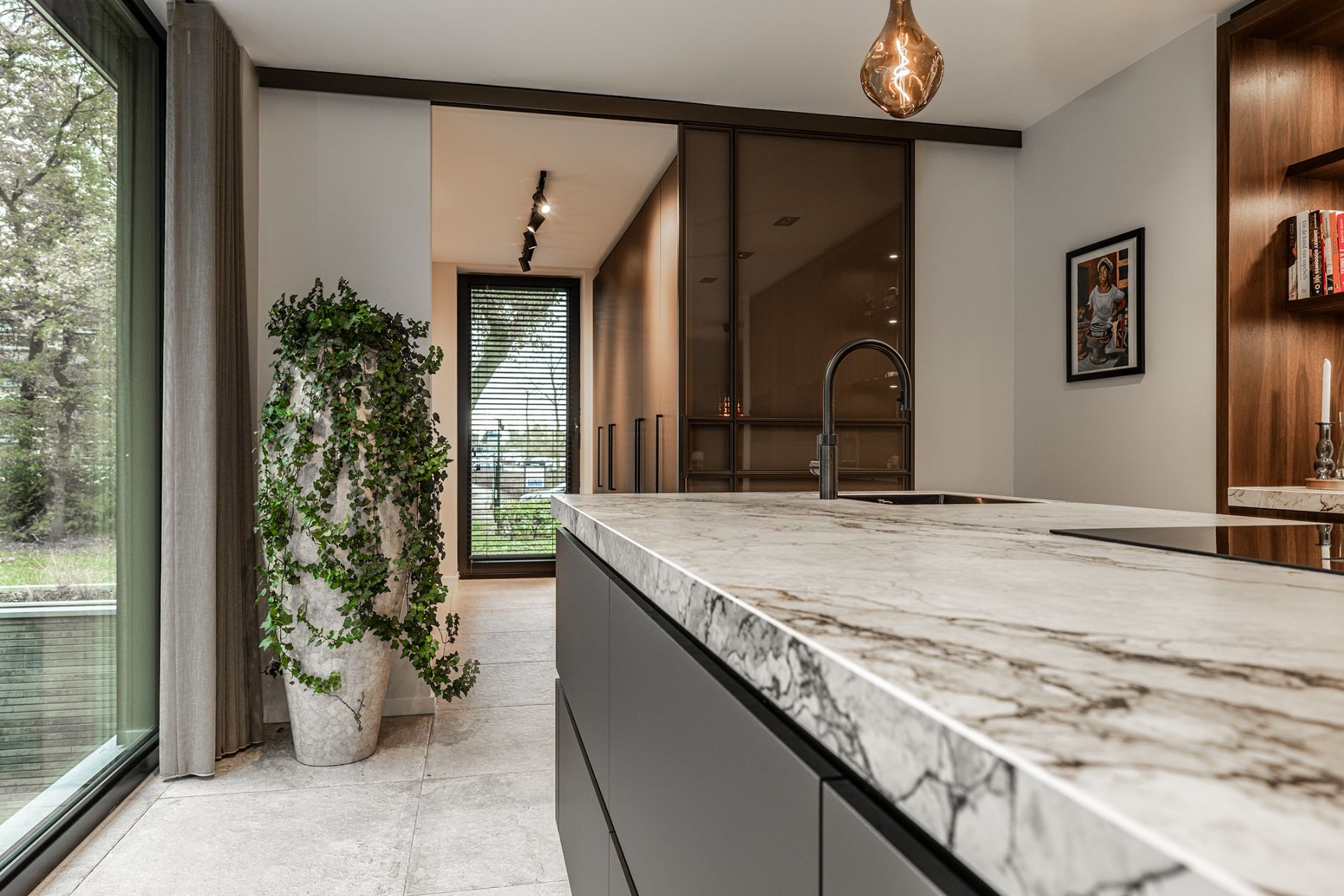
NEW 2026 Jubileum Edition The Best Interior Designers Benelux
Order Now €125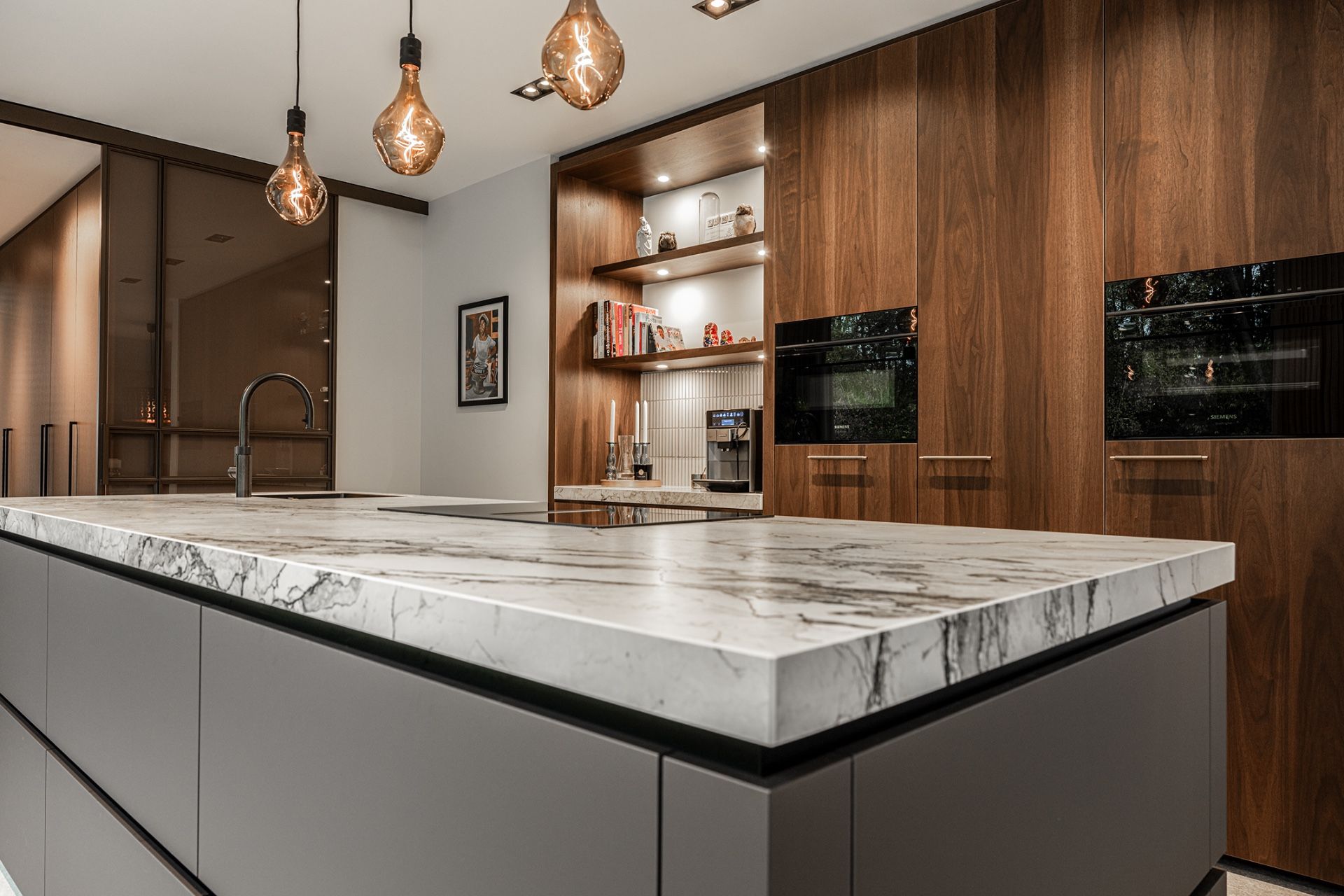
NEW 2026 Jubileum Edition The Best Interior Designers Benelux
Order Now €125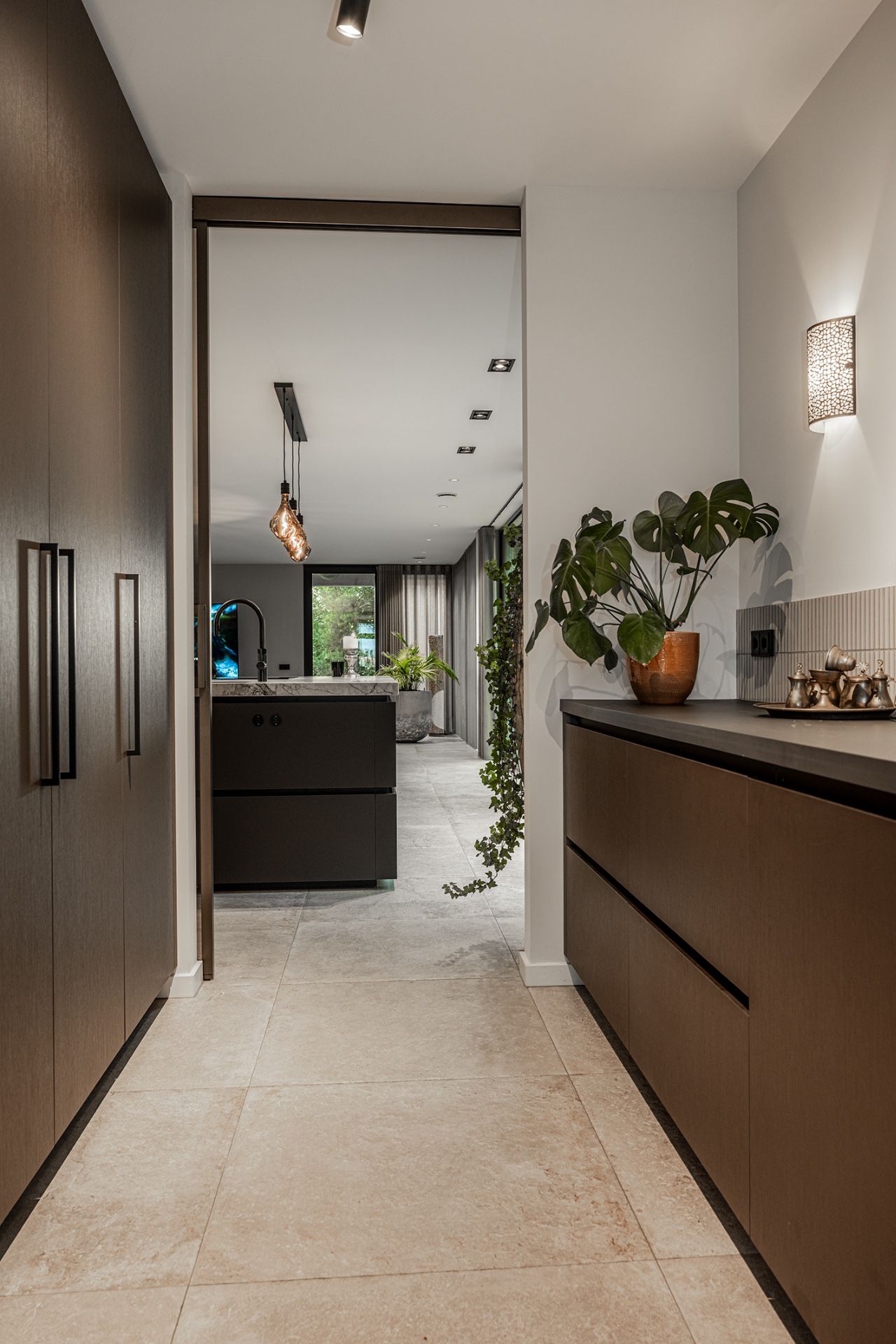
NEW 2026 Jubileum Edition The Best Interior Designers Benelux
Order Now €125