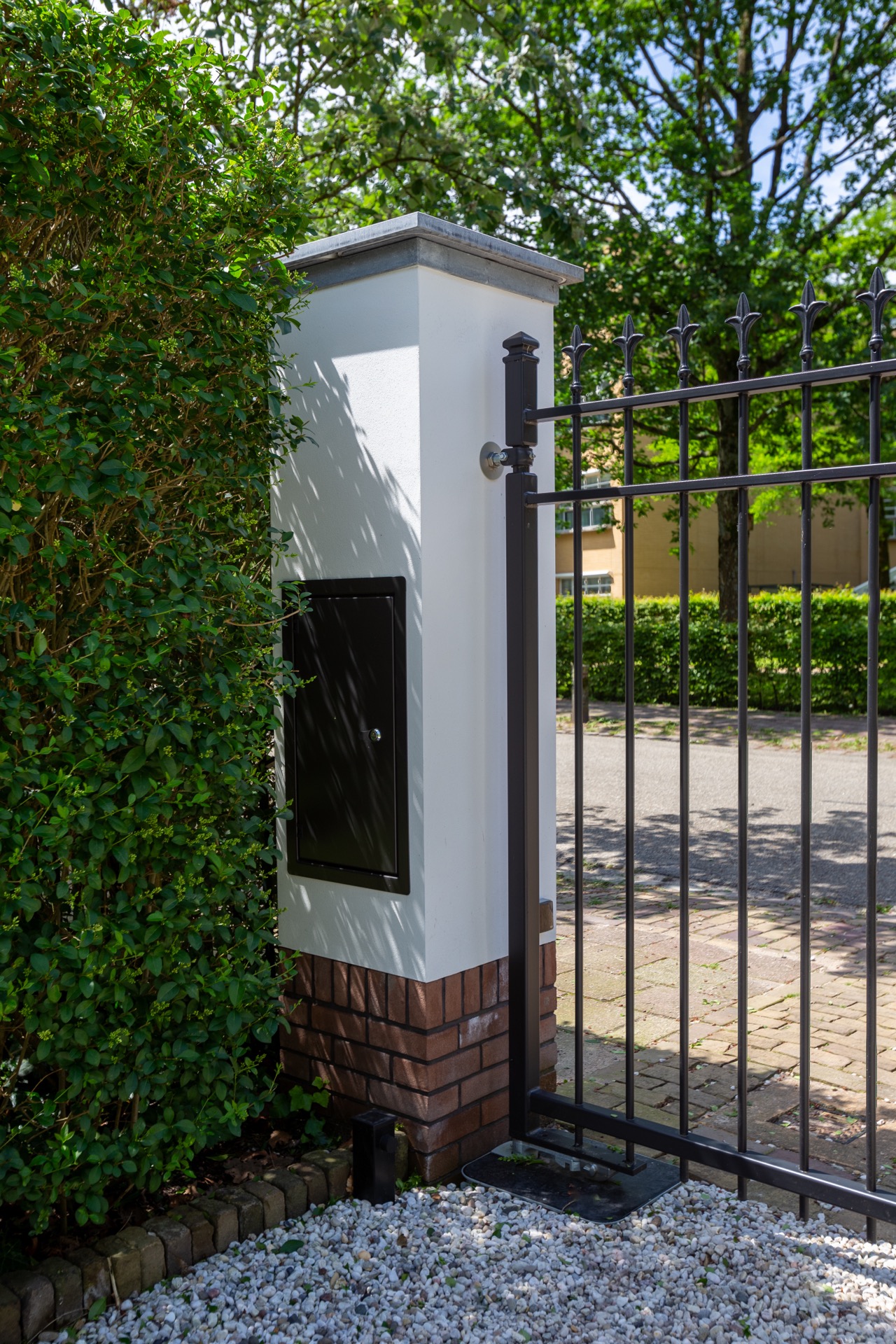









Classic driveway gate
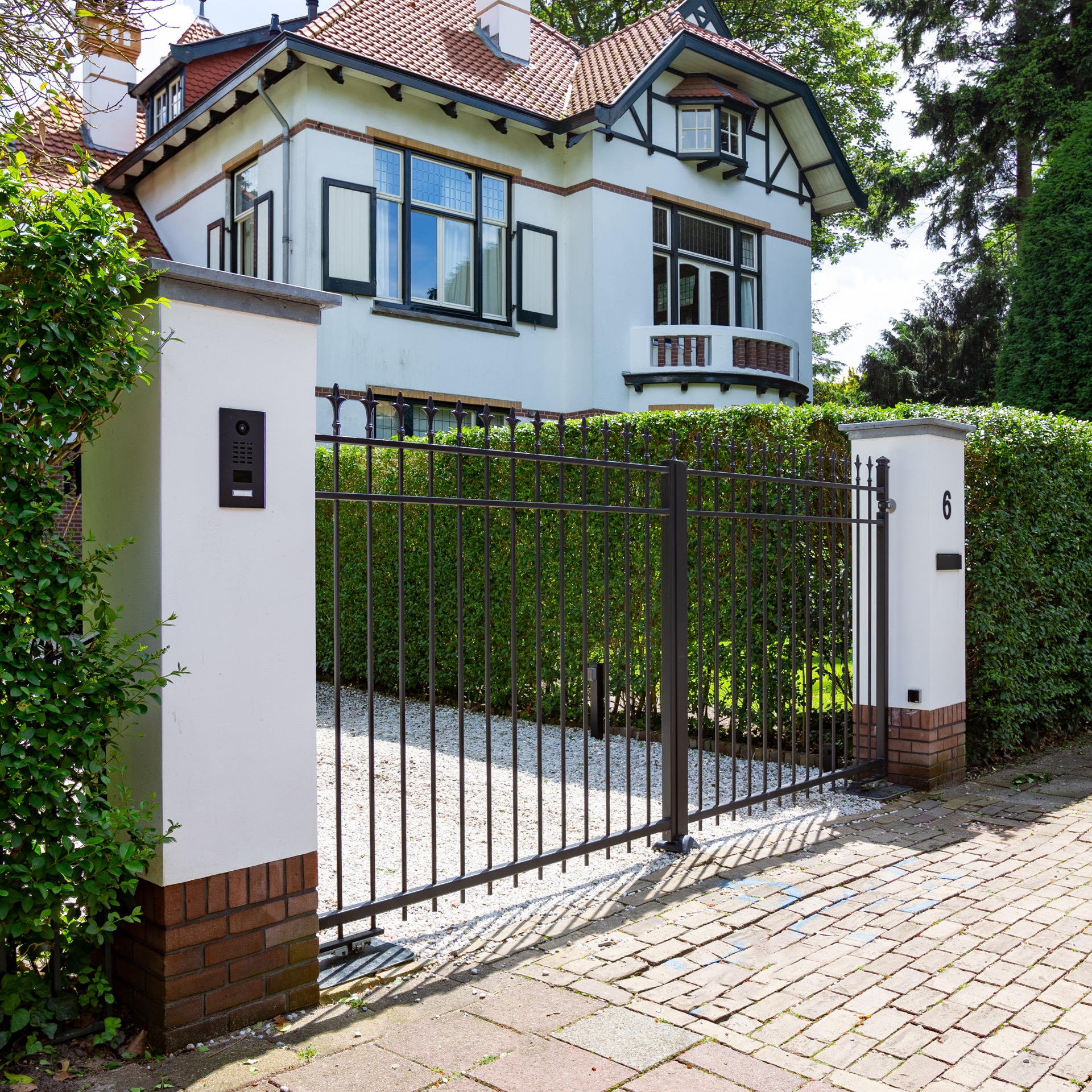
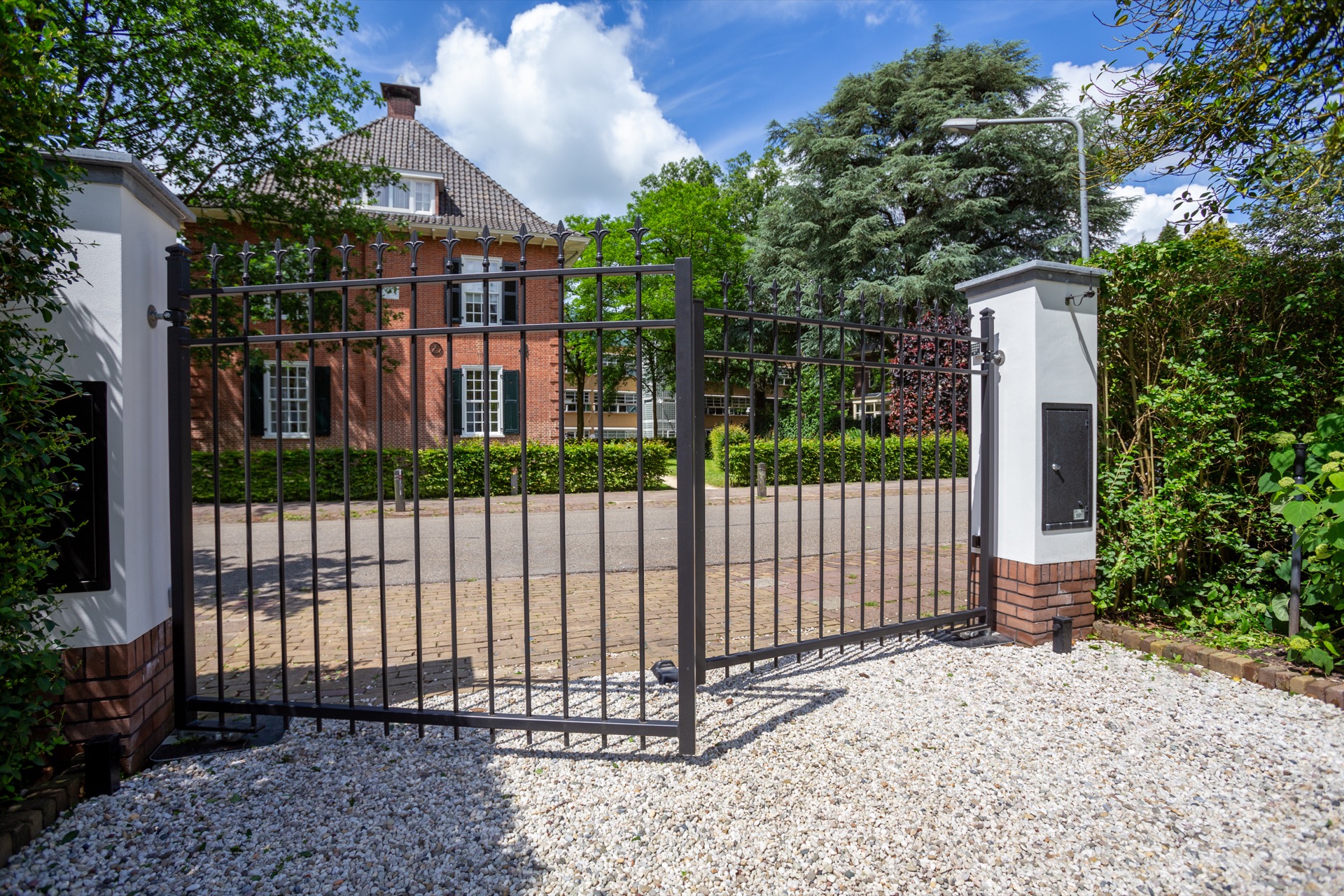
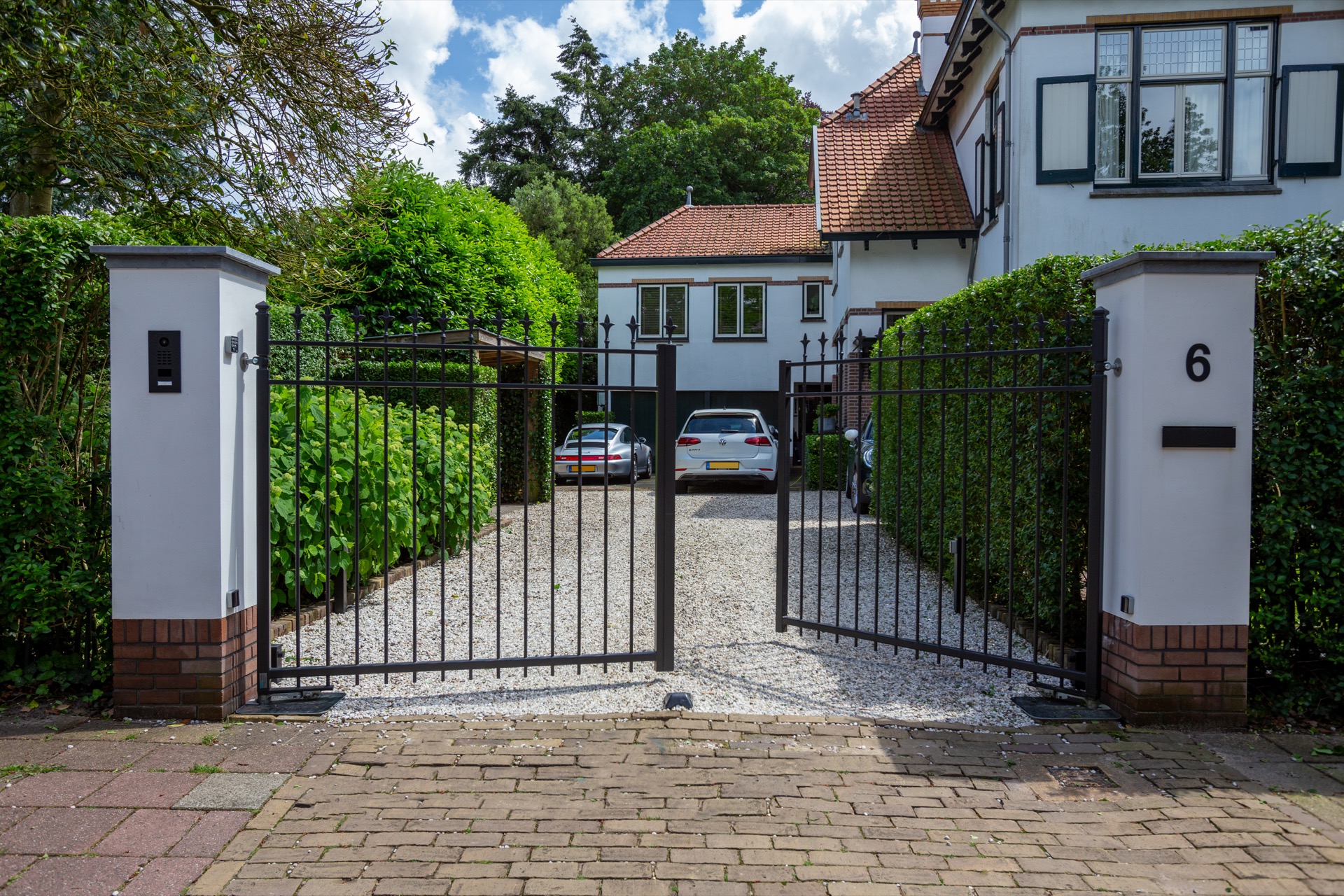
A pair of black metal leaves sets the tone before the house comes into view. The vertical bars rise from a low base and meet a line of ornamental finials, so the entrance reads as one composed gesture rather than a separate add-on. Set between brick gate pillars and base panels, the classic driveway gate marks the passage from the street side to the drive with clear, measured lines.
The first thing you notice is the rhythm in the bars. They are evenly spaced, but not plain: the tops carry pointed details that give the gate a sharper profile against the lighter masonry. That contrast between dark wrought iron and pale pillar panels makes the opening legible from a distance. In the context of a gravel driveway entrance, the gate feels anchored, with the surface underfoot widening the approach and slowing the eye before it reaches the property.
Ornamental work in a restrained frame
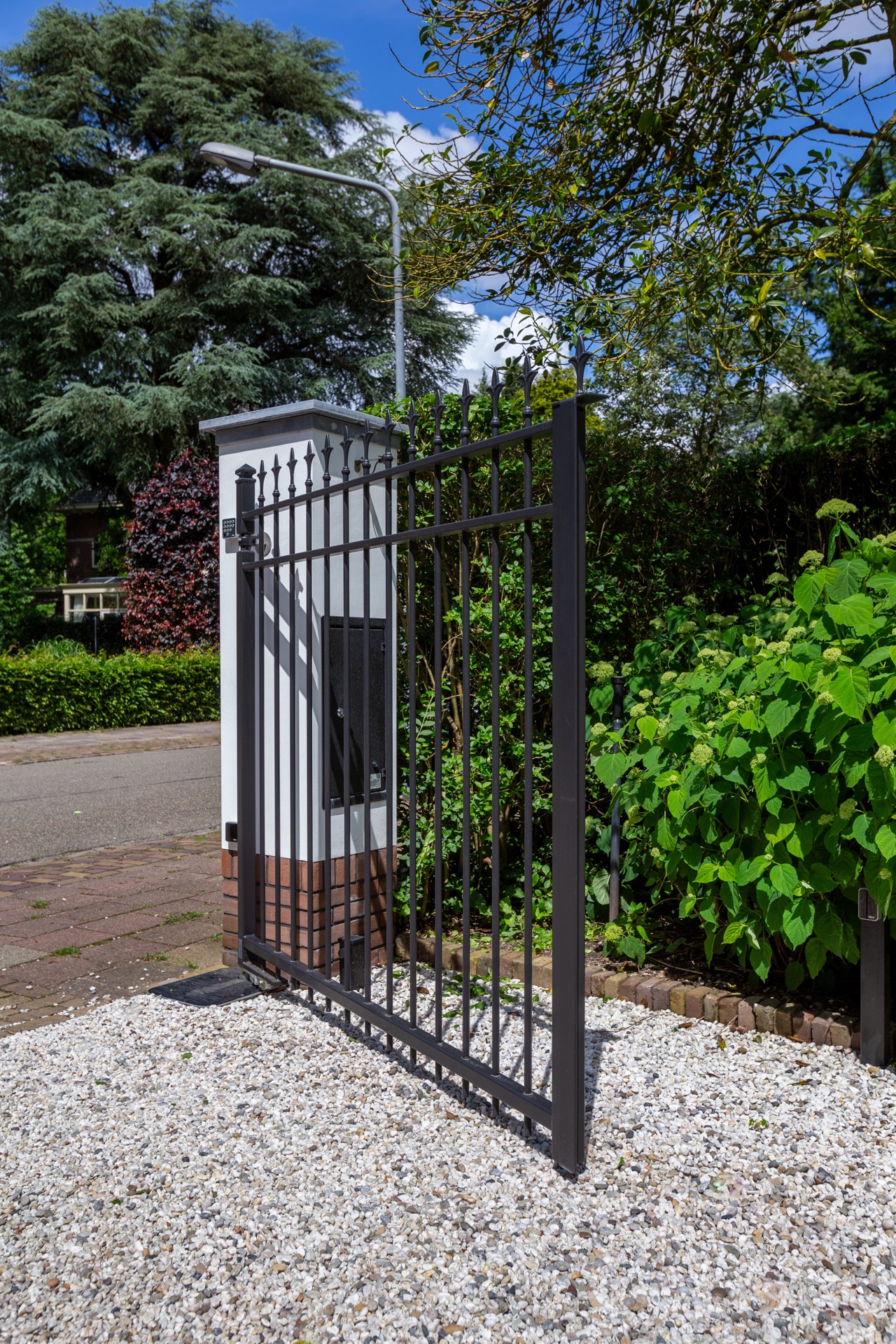
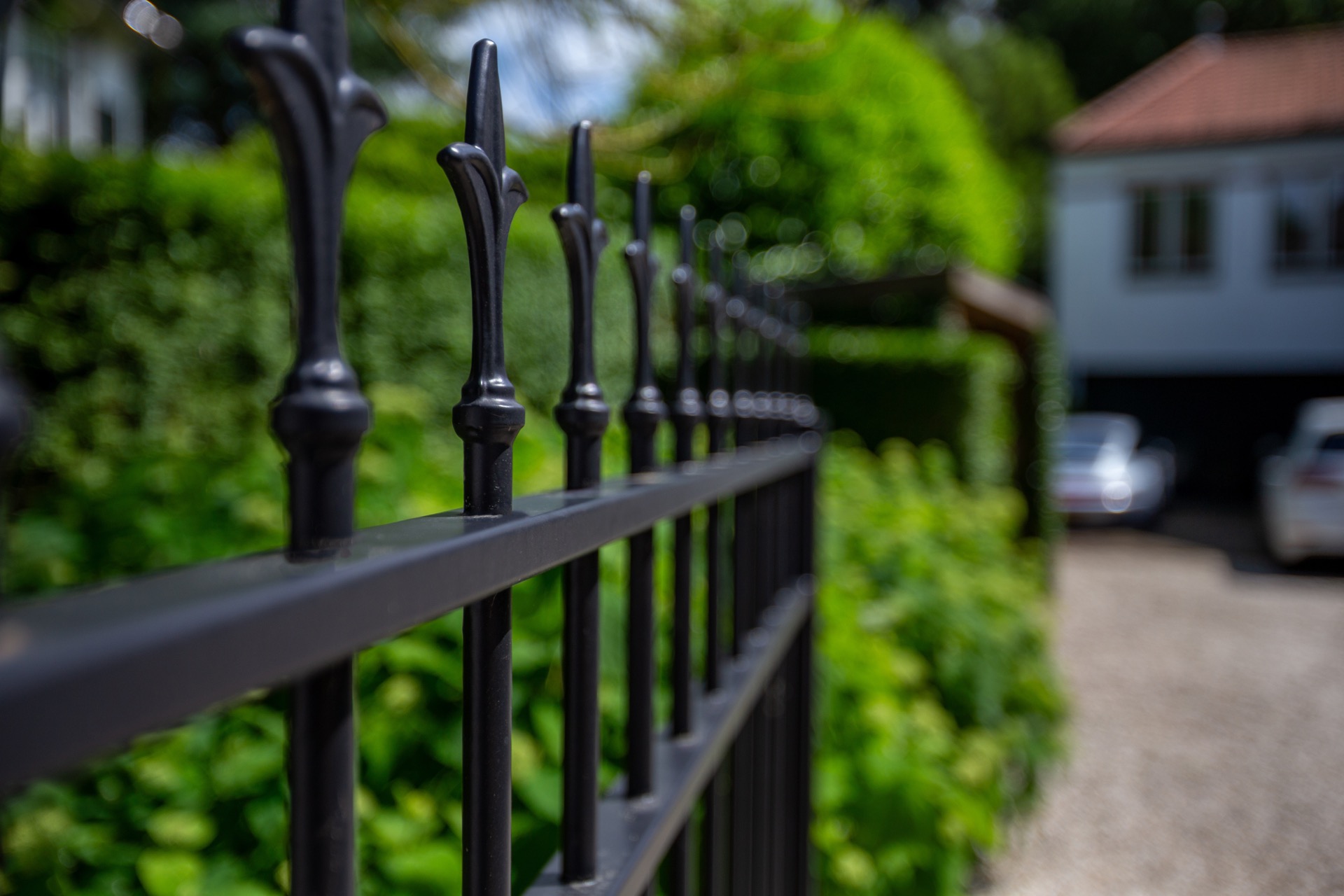
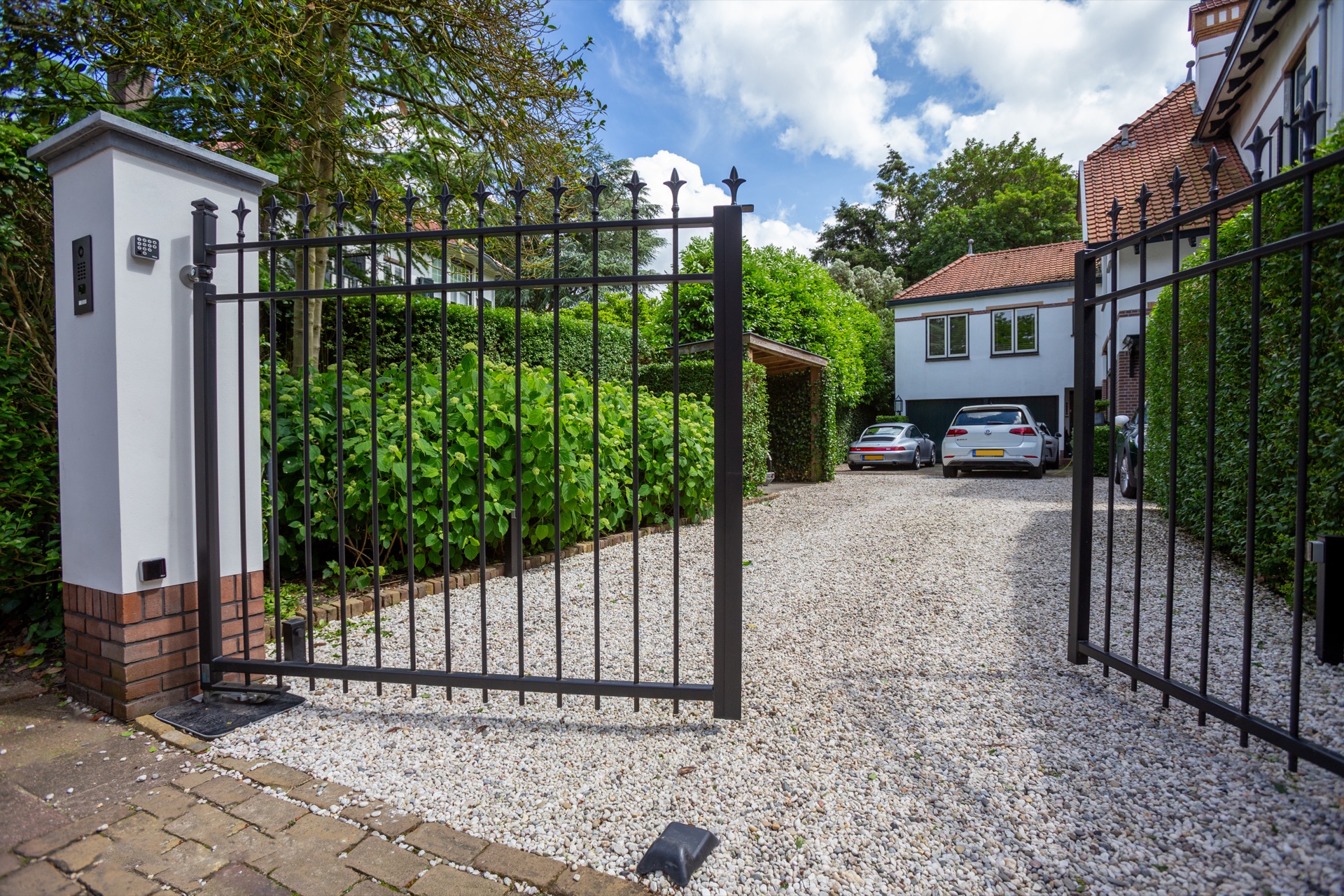
The ornamental gate finials do most of the visual work here. They sit above the vertical bars like small markers, repeating across the width of the opening and giving the classic wrought iron gate its profile. Seen close up, the details are more than decoration: they break the flat line of the top rail and create a clear edge against the greenery behind it. The result is not heavy or overdrawn; the pattern stays readable and direct.
There are also curved touches in the metalwork, with the gate hardware detail tucked into the wider composition. Those smaller parts matter because they show how the gate is built and handled, not just how it looks from the road. The black finish keeps attention on shape and proportion. Against the white or light-toned pillar panels, even the smallest joint and bracket stands out, which is exactly what gives the entrance its composed, precise character.
Brick pillars and the base that hold the composition
Brick gate pillars and base panels frame the opening and give the gate its weight at ground level. The red masonry sits below the lighter sections, so the structure reads in layers: brick at the bottom, pale panels in the middle, and the dark ironwork above. That stacked arrangement keeps the entrance from floating visually. It is a practical solution, but it also gives the driveway gate a strong footing in the landscape.
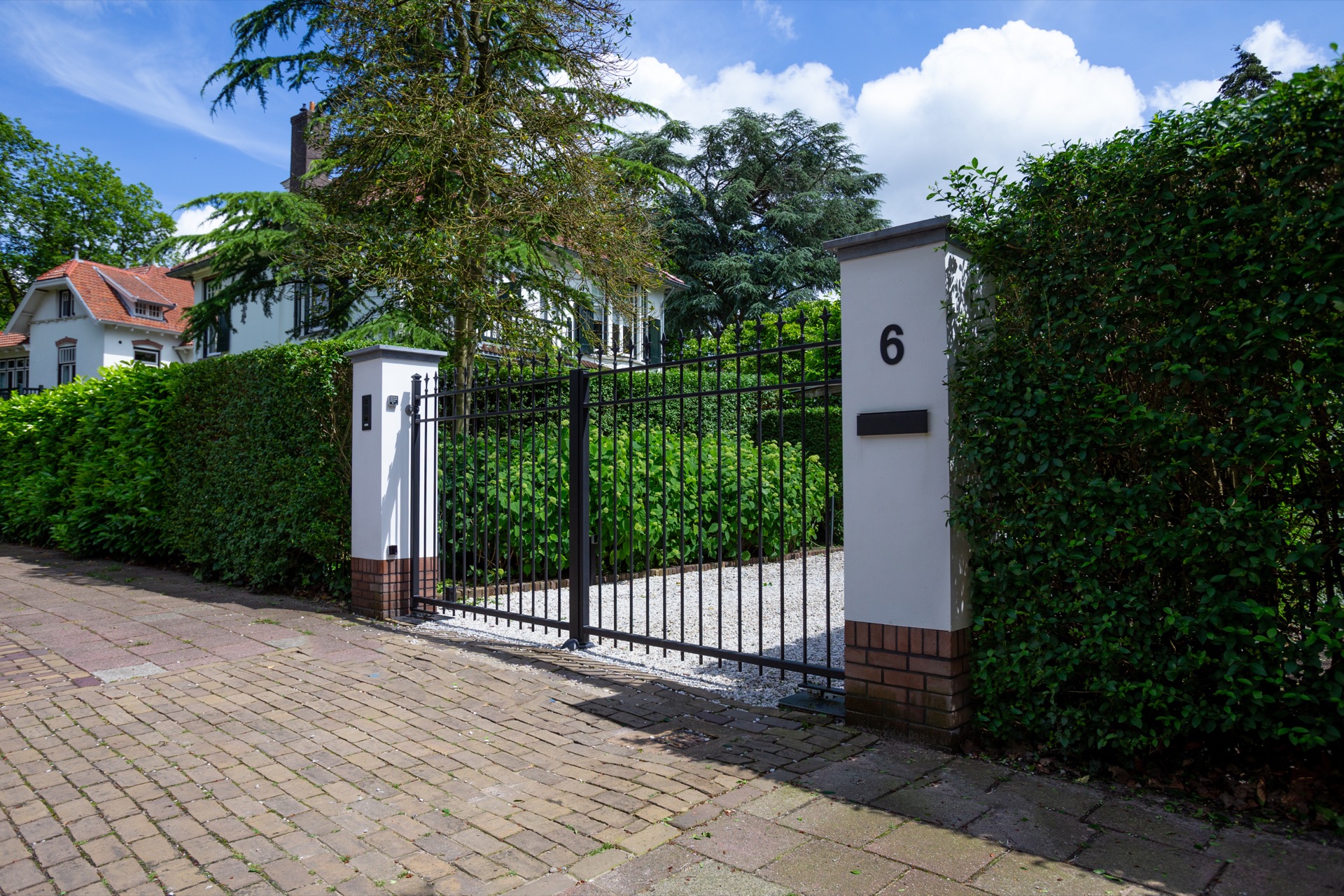
From the wider view, the pillars do more than support the leaves. They set up the symmetry of the entrance and guide the movement into the drive. The brickwork is visible enough to register as a material choice, while the lighter panels calm the composition and prevent the opening from becoming too dense. This mix is important in a classic wrought iron gate, where the surrounding structure shapes how the metal is read.
A clear threshold from road to drive
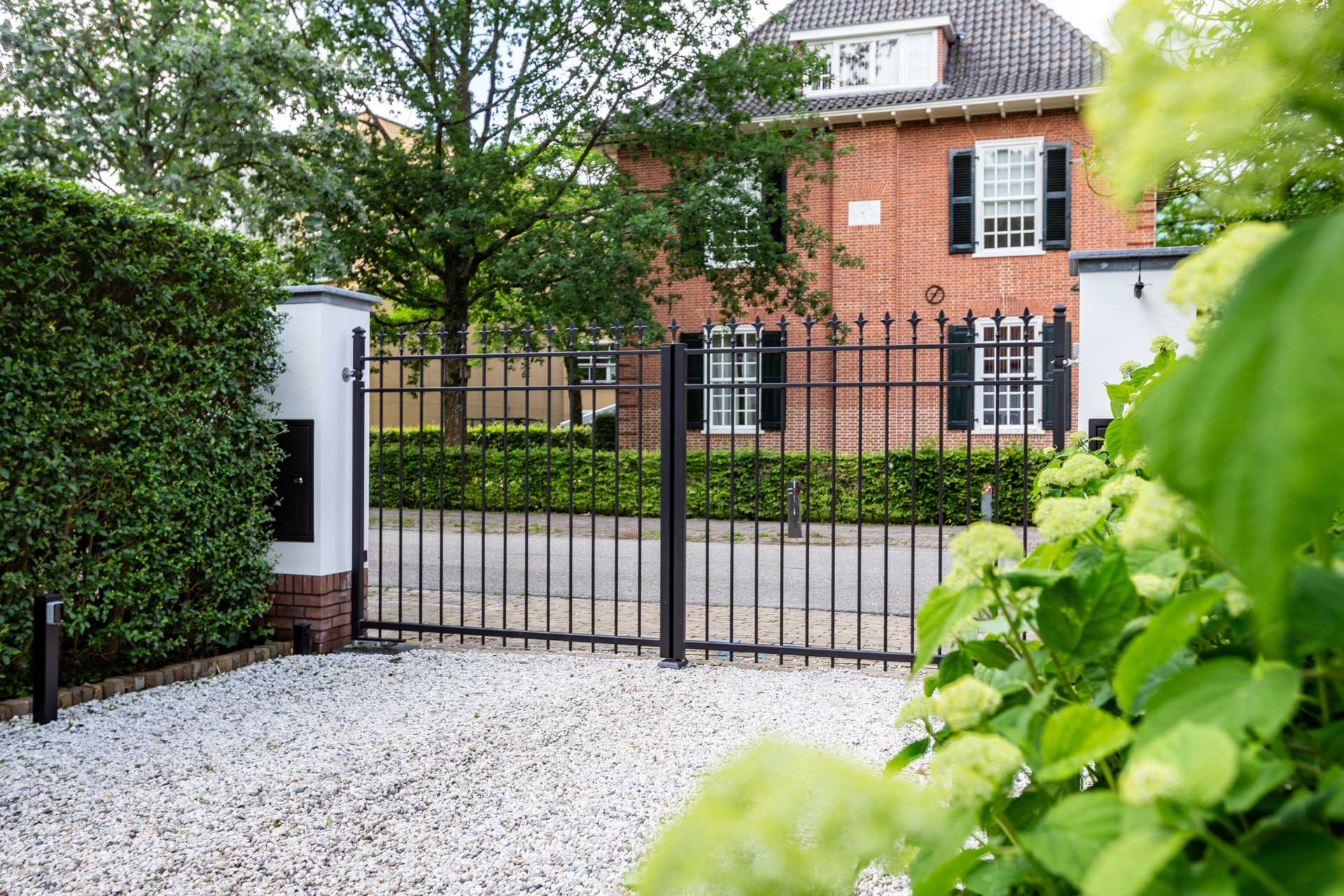
The approach is straight and calm. Gravel spreads across the foreground, then gives way to paving and a deeper route toward the house. That change in surface slows the transition and makes the driveway gate feel like a threshold rather than a barrier. The gate does not try to dominate the setting; it defines the entry line and lets the drive unfold behind it. Because the leaves are closed in several views, the composition also shows how the opening holds its shape when shut.
In the more distant shots, the entrance is seen with planting on both sides, which softens the hard edges of iron, brick, and render. The greenery works as a frame, not as decoration. It catches the eye at the margins and leaves the gate itself free to remain the main figure in the scene. This is where the project’s restraint becomes clear: the materials are distinct, the geometry is direct, and the route into the property is easy to read.
Details that register in close-up
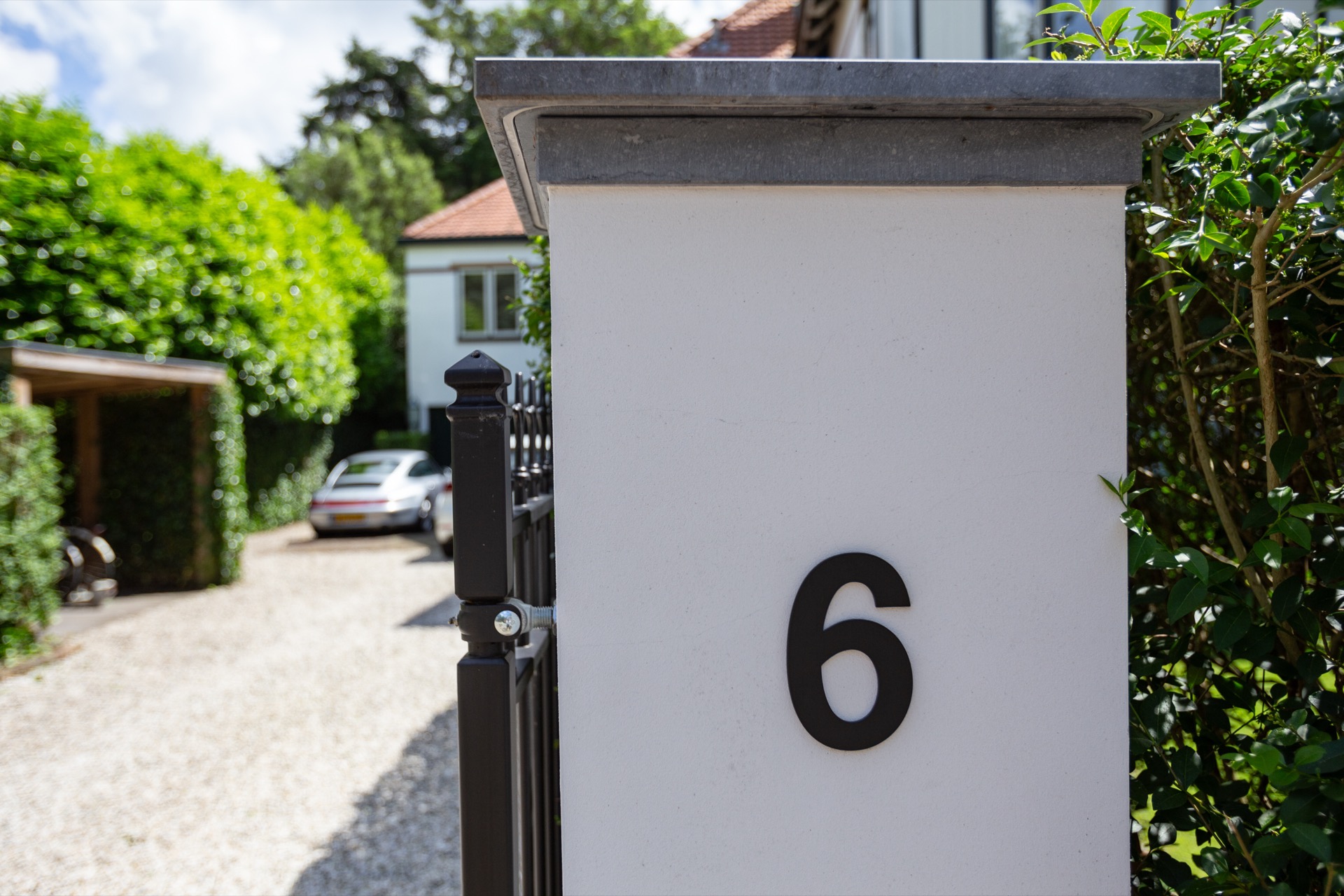
Seen at close range, the gate hardware detail and the junctions around the posts become part of the story. A metal plate, hinge point, or mounted element can look minor in a general view, yet here it anchors the larger composition. The close-up images also show how the black finish sits against the light background, turning even a narrow bracket or edge into a crisp line. That clarity is important in project photography because it reveals how the gate is put together, not only how it performs in the entrance.
One of the tighter frames focuses on the top of a pillar, where a large number plate is set into the pale surface. That small interruption changes the rhythm of the masonry and gives the entrance a practical note. Nearby, the black iron rises again in vertical bars, and the contrast of materials becomes even more apparent. The eye moves from smooth render to rougher brick, then back to the slim metal profile of the gate.
How the classic driveway gate shapes the setting
The gate also changes how the house is approached from the front. Red roof tiles and windows appear behind the entrance in some views, but they remain secondary to the gate structure. That is the effect of a well-framed entry: it directs attention first to the threshold, then to the property beyond. The classical language is carried by the pointed tops, the vertical repetition, and the masonry base, not by excess ornament or added gesture.
What remains after looking through the set of images is a clear sense of order in the entrance composition. The classic wrought iron gate, the brick gate pillars and base, and the gravel driveway entrance all work within a simple axis. Nothing is overcomplicated. The lines are strong, the surface changes are visible, and the passage from open drive to enclosed property is handled with quiet confidence.
For readers browsing gate projects, this one is useful because it shows how a driveway gate can shape an entrance without needing elaborate form. The black metal, the brick support, and the measured ornament are enough. Together they create an entrance that is easy to understand from a distance and still rewarding in detail when viewed up close.
Want to see more of DJS Hekwerken? View the page of DJS Hekwerken for even more great projects and company information.



NEW 2026 Jubileum Edition The Best Interior Designers Benelux
Order Now €125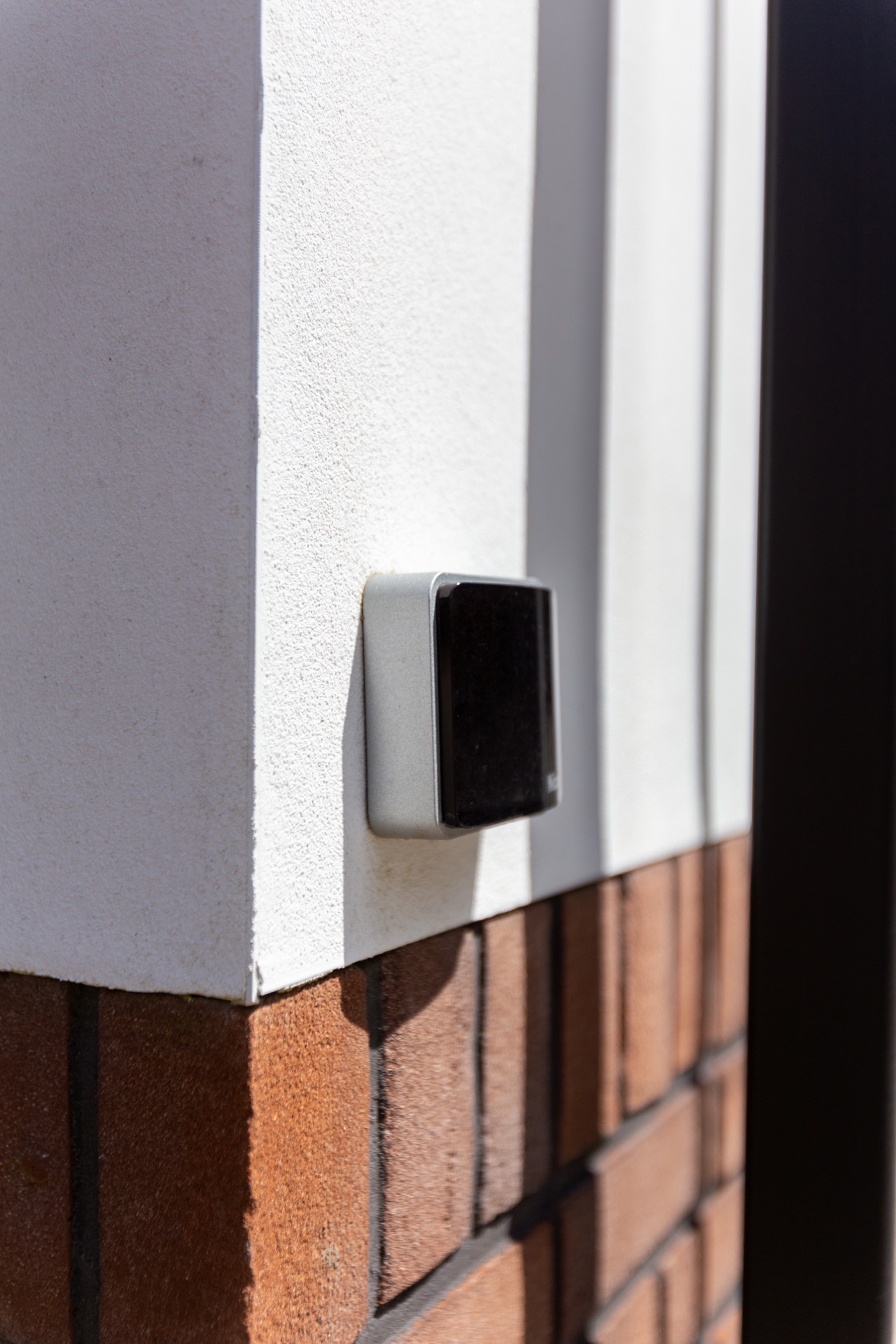
NEW 2026 Jubileum Edition The Best Interior Designers Benelux
Order Now €125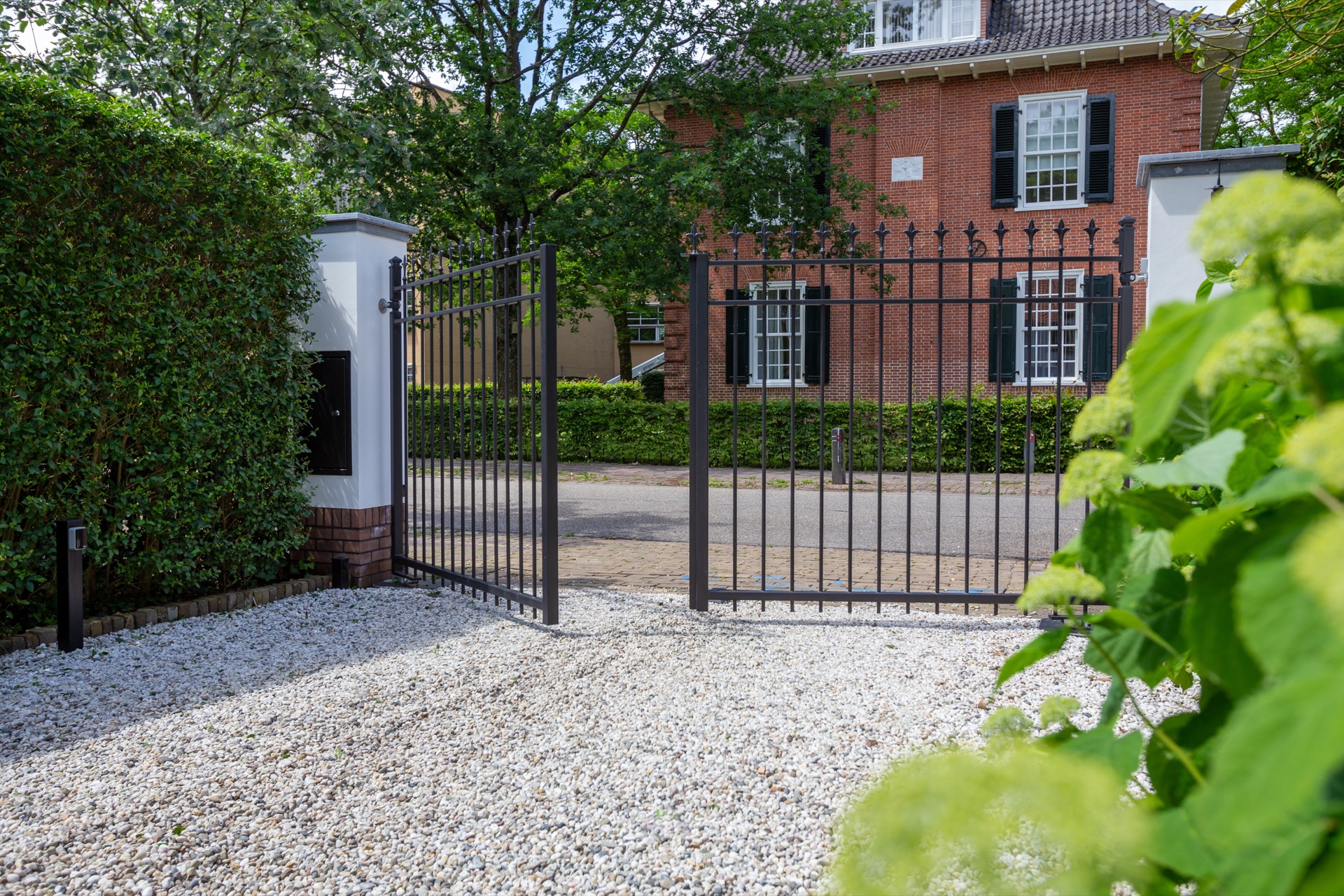
NEW 2026 Jubileum Edition The Best Interior Designers Benelux
Order Now €125