





Garden with levels and ambient lighting
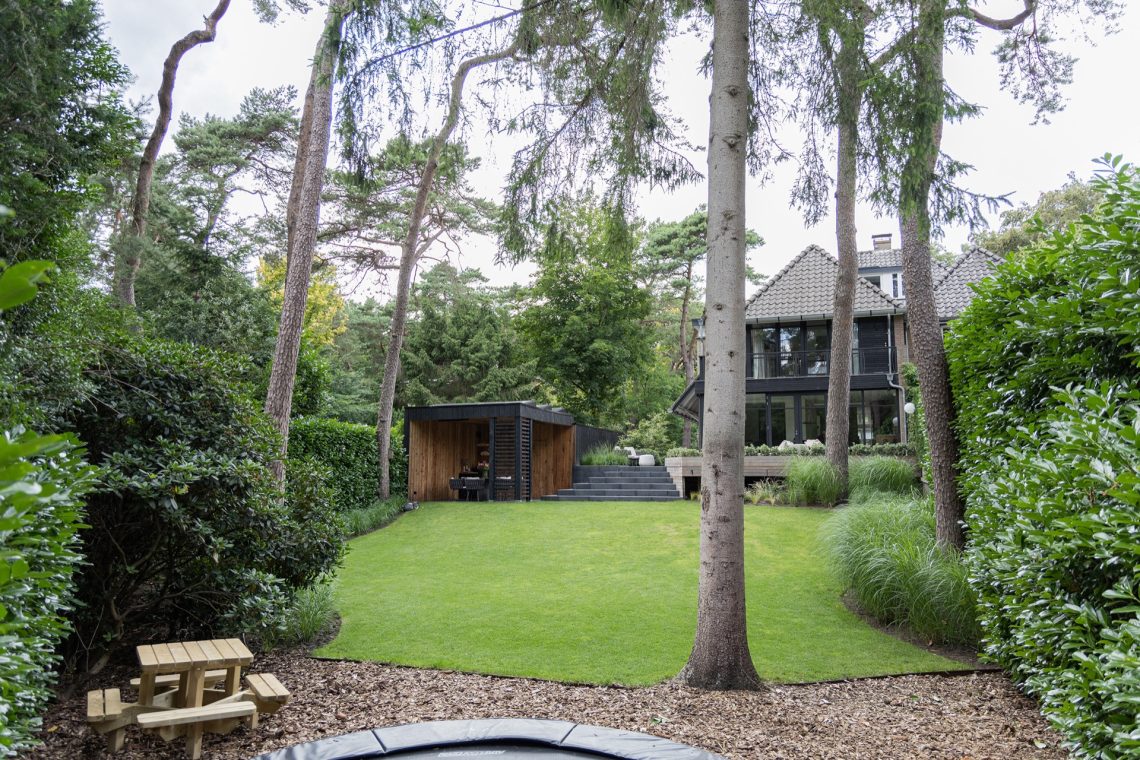
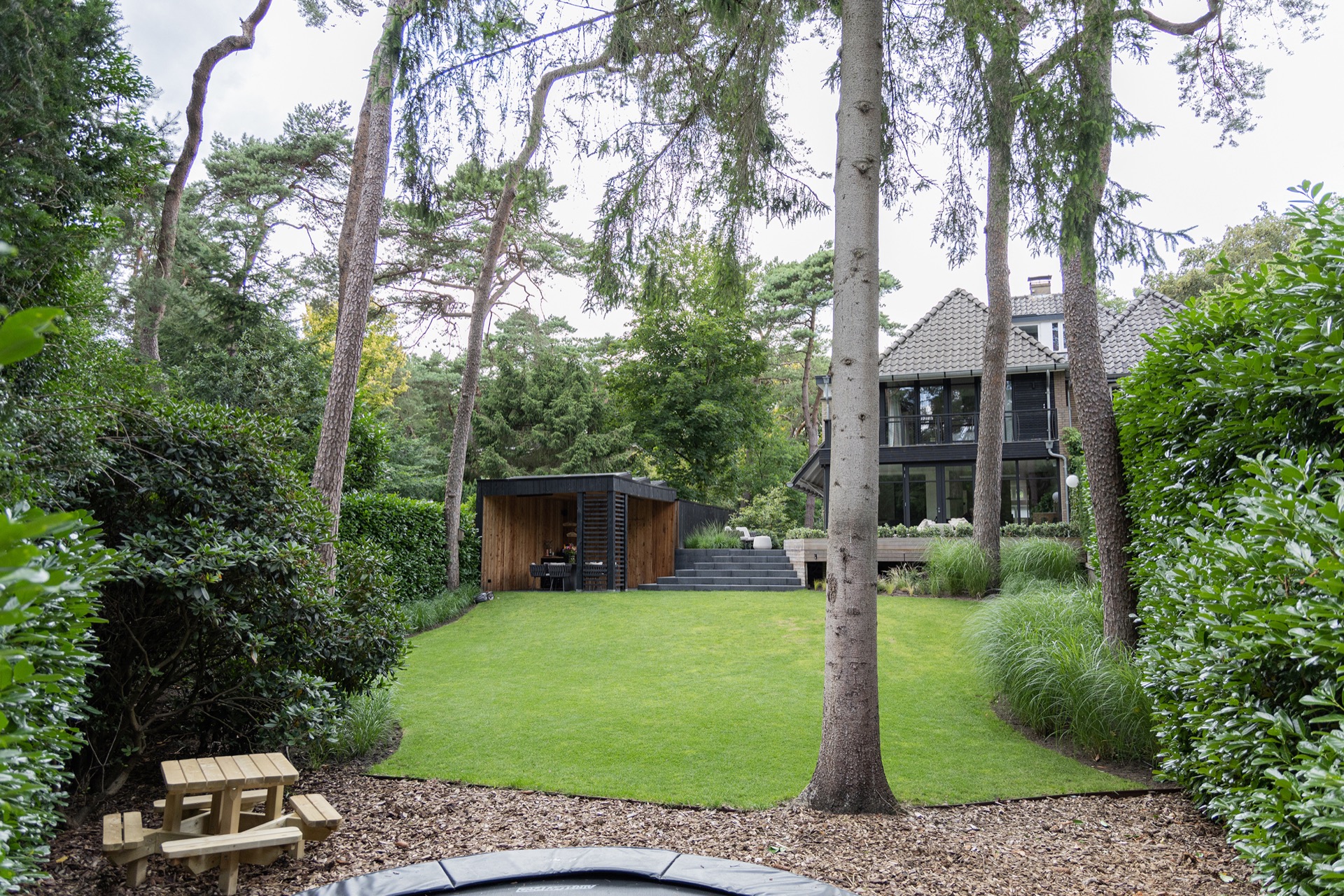
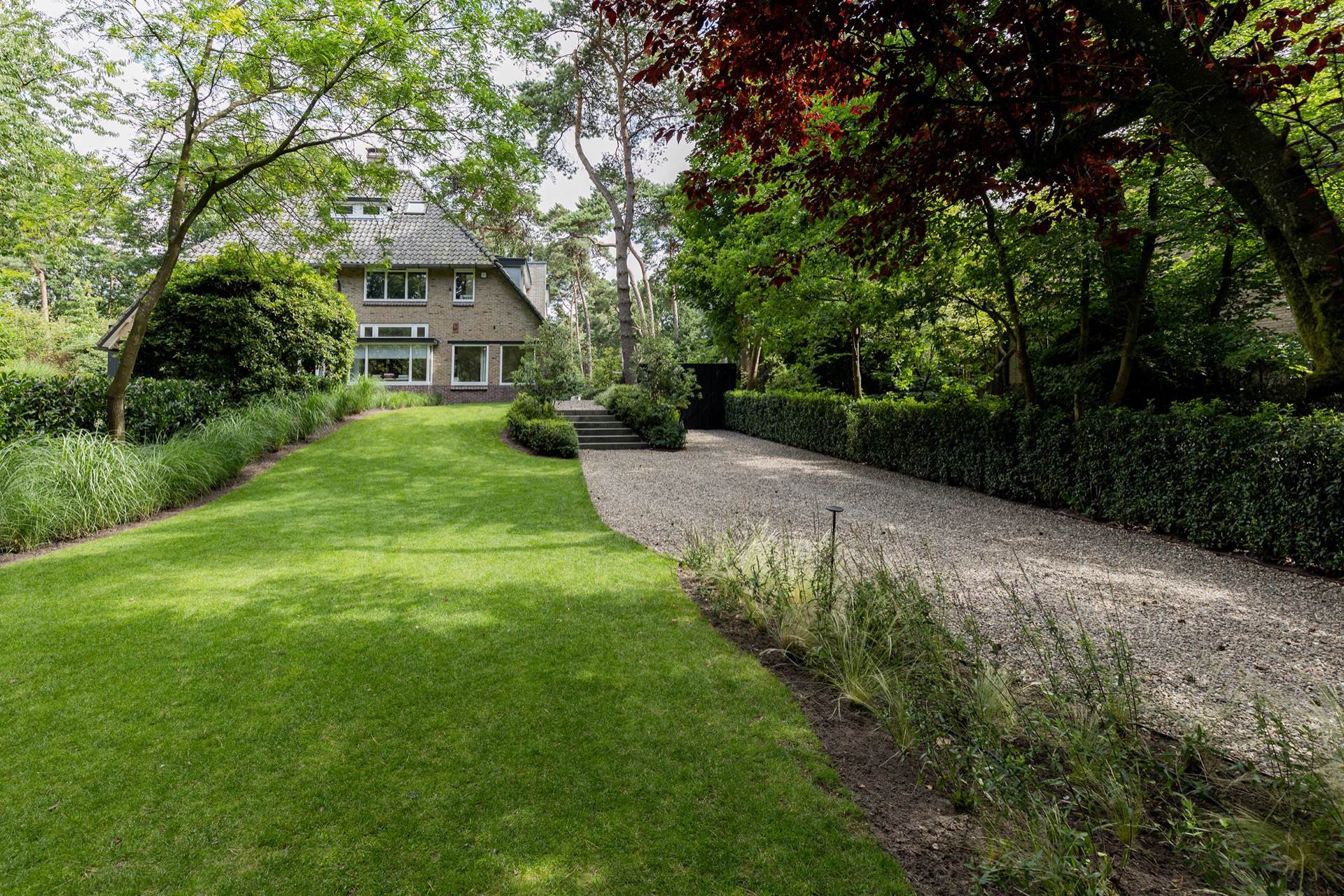
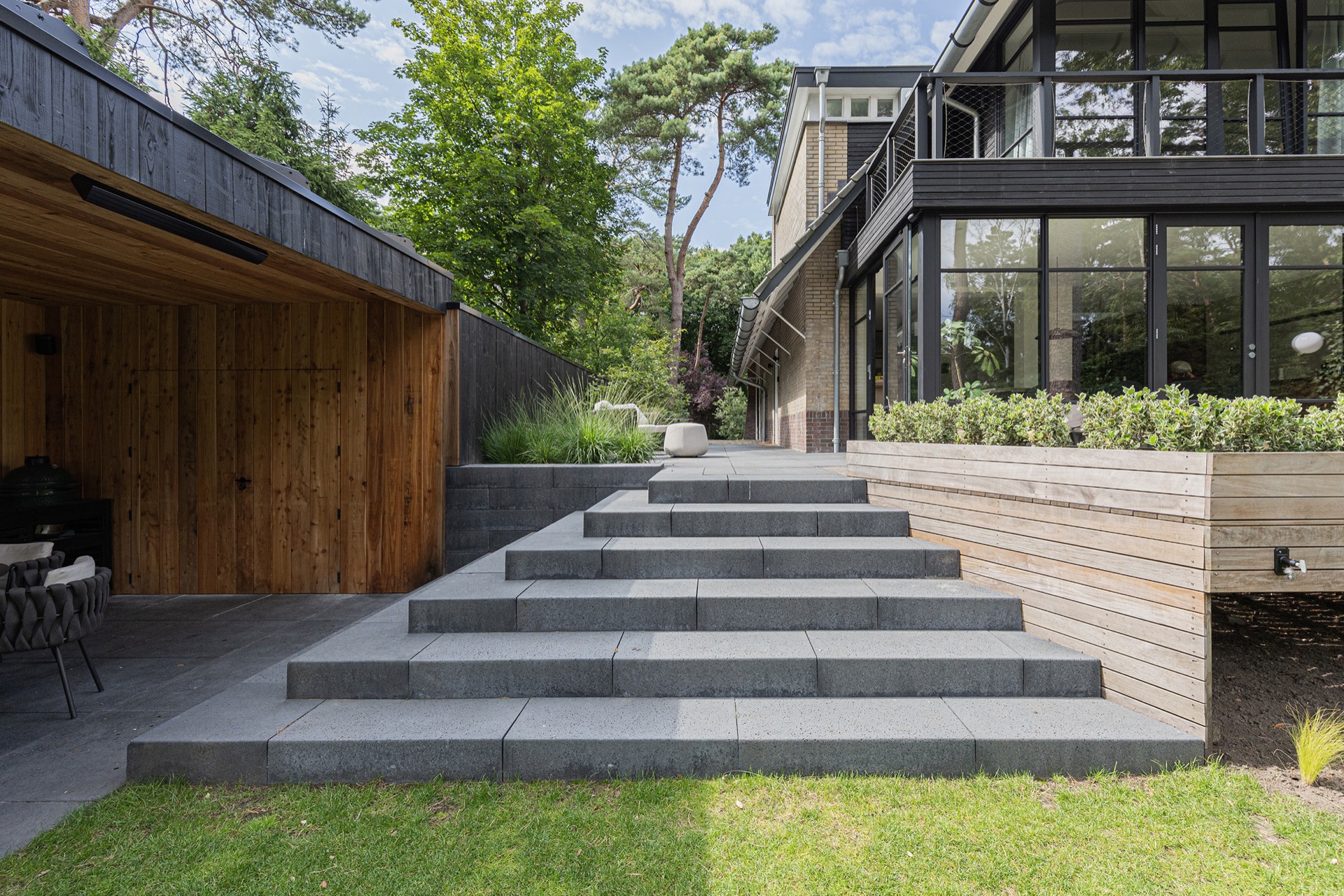
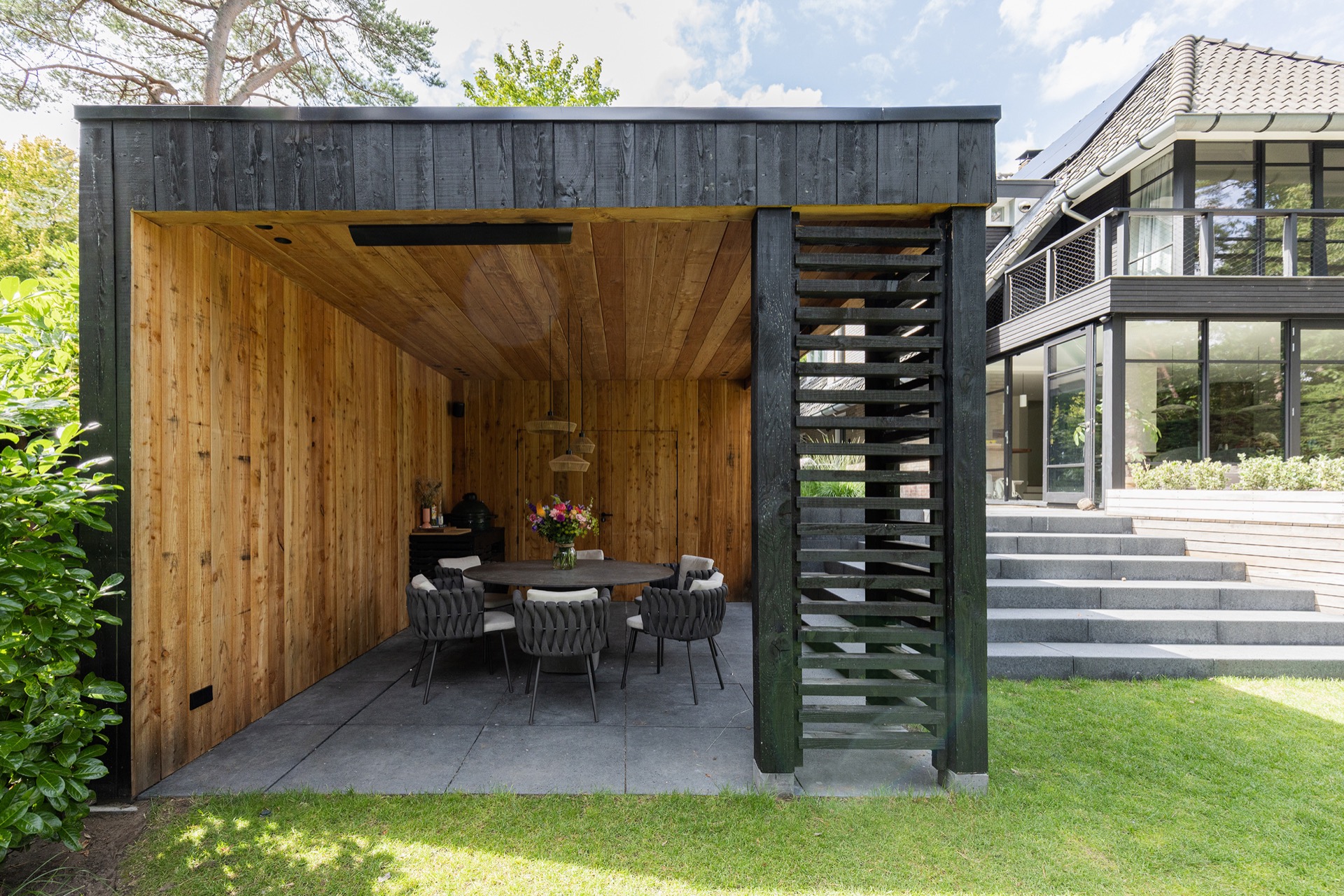
The garden with height differences is immediately visible in the way the project is framed. The garden’s layout responds directly to its sloping terrain, shaping a sequence of terraces linked by three staircases crafted from granite slabs. These steps punctuate the ascent and guide movement gently upward, while subtly dividing the outdoor area into functional zones. The granite’s natural grain catches evolving daylight, anchoring the garden in its material context.
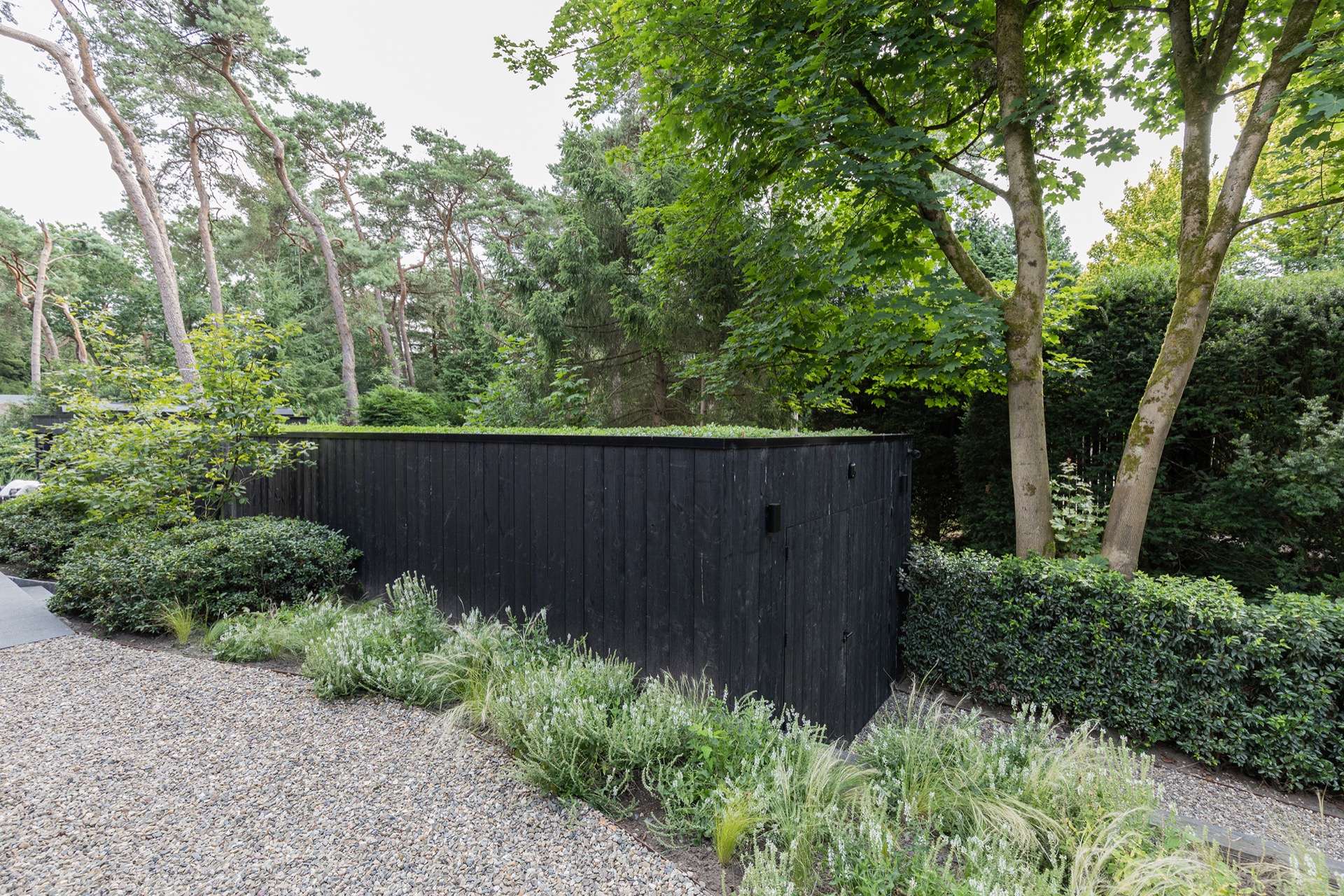
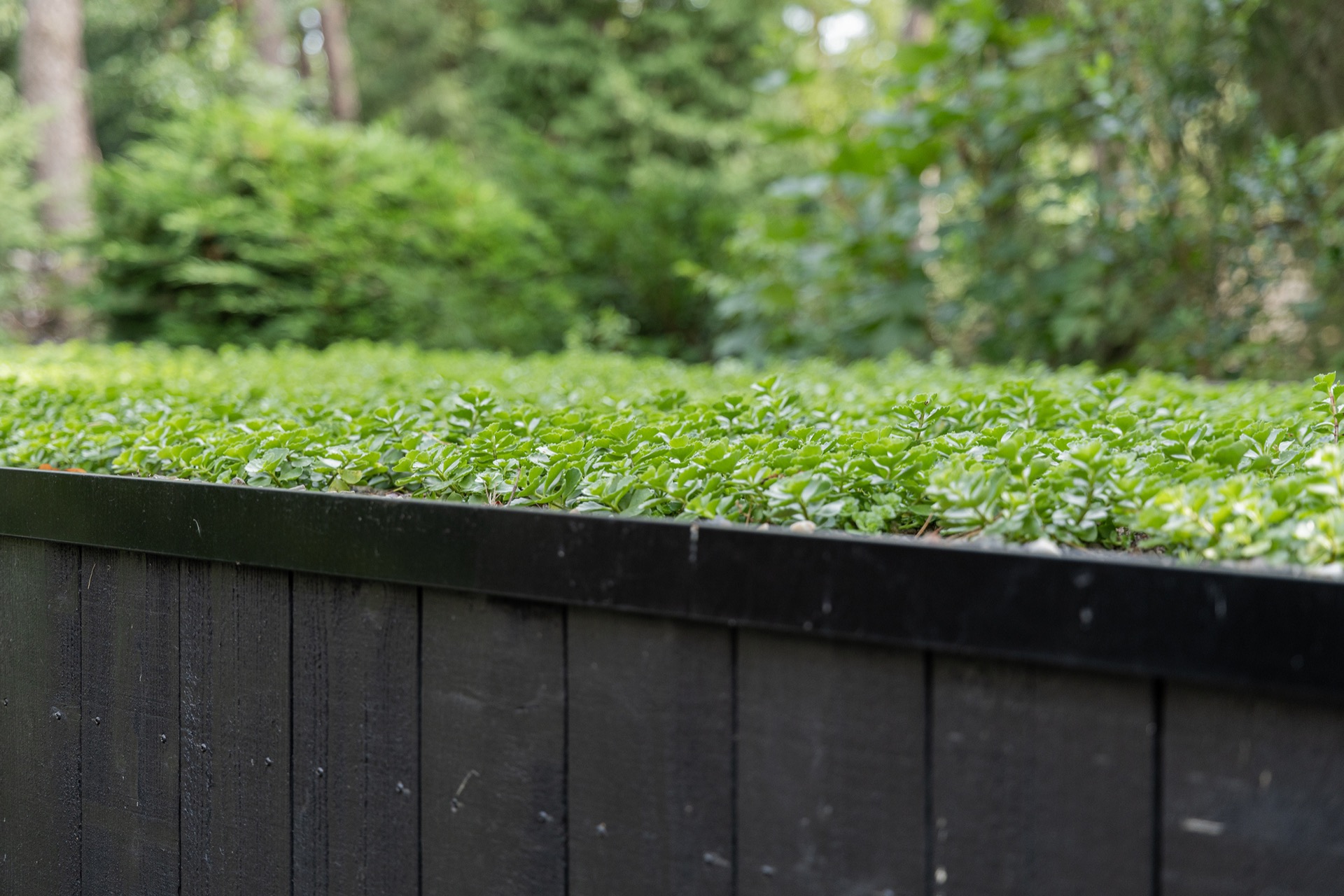
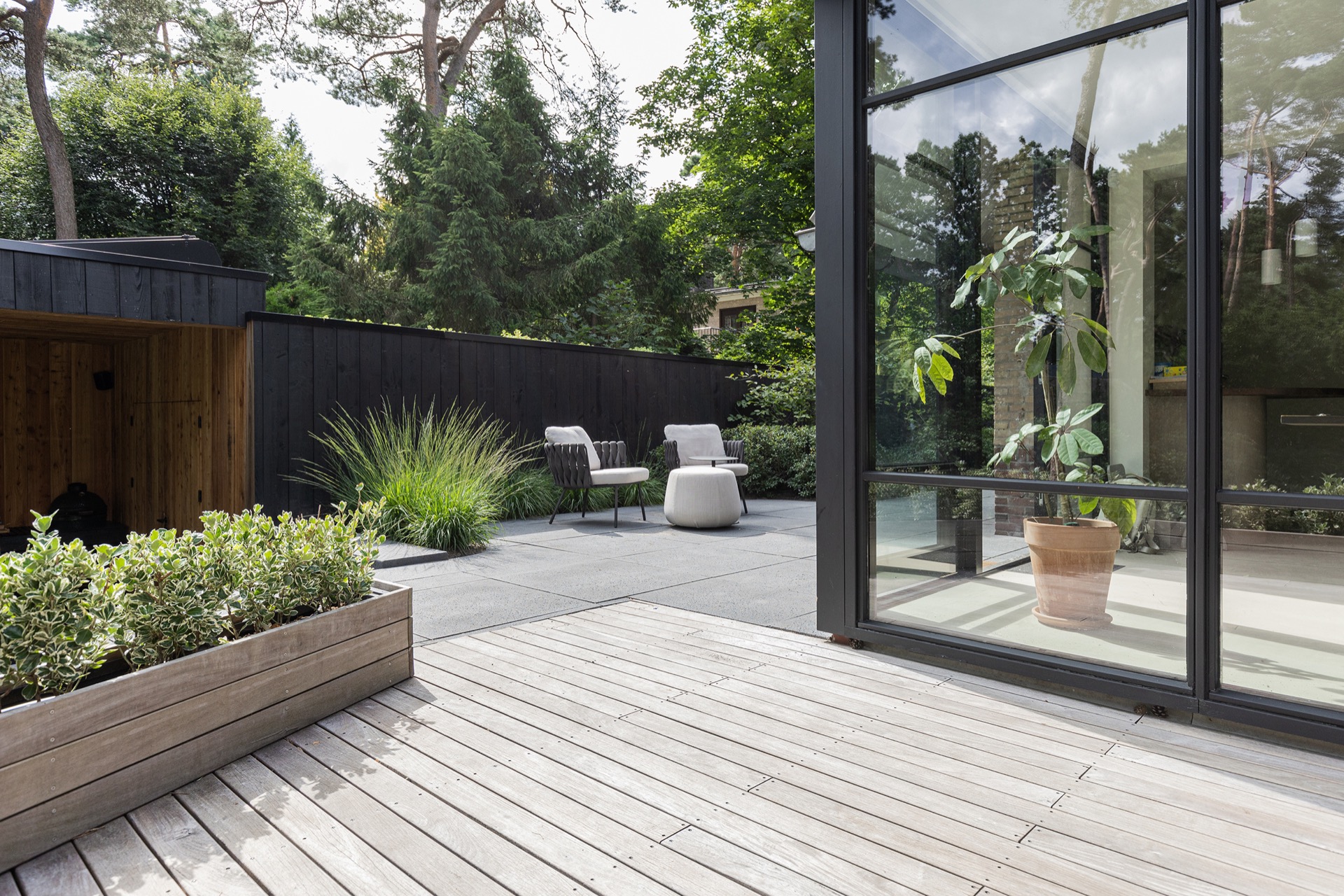
On the terraces, warm timber decking softens the presence of stone, offering comfortable surfaces that harmonize with the greenery. An intermediate terrace hosts a storage shed topped with a finely planted green roof, which nests quietly into the garden’s leafy backdrop and reduces harsh built edges. Next to this, a covered lounge space shelters seating, blending open air with protection from the elements, inviting usage throughout the changing seasons.
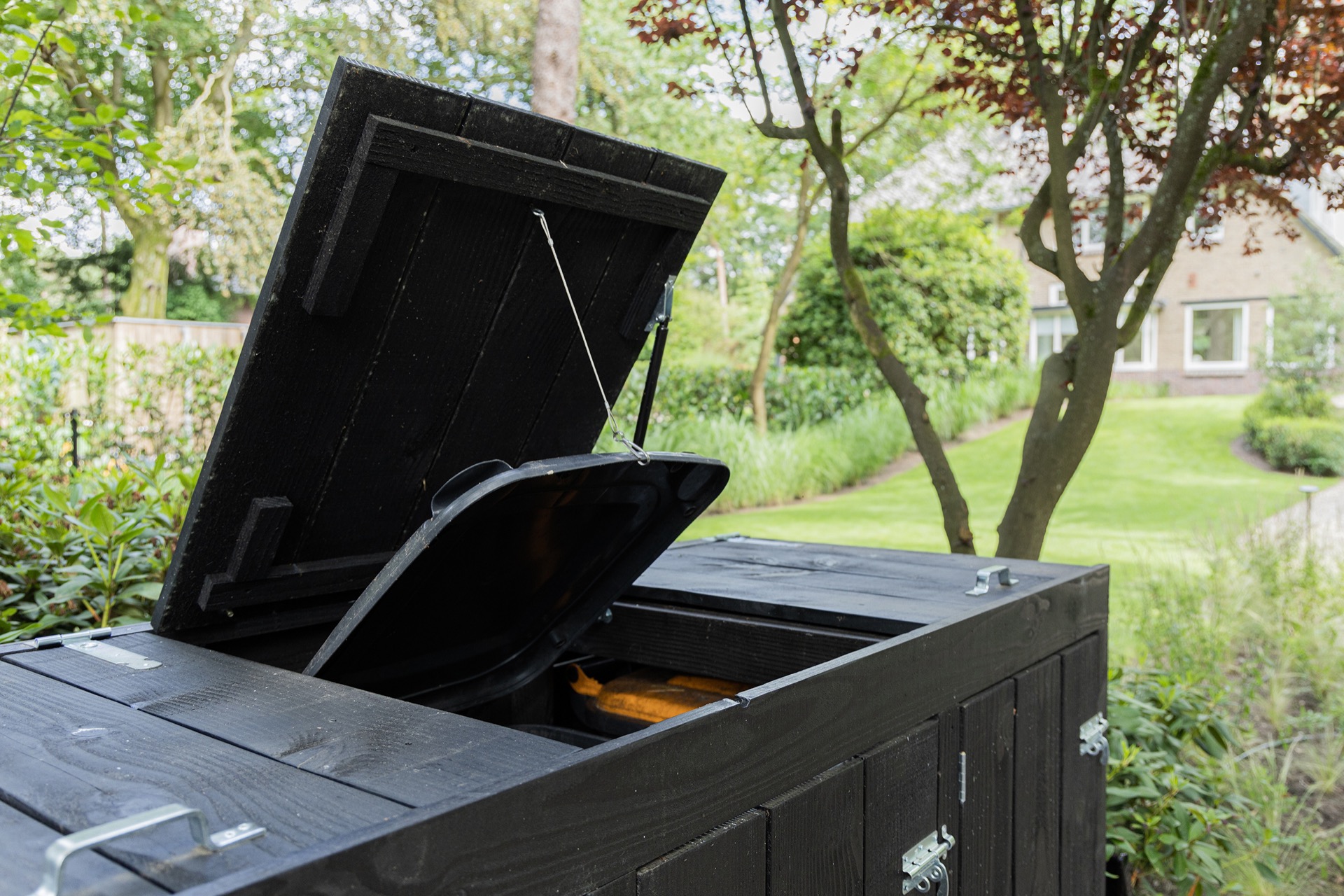
Encircling the garden is a slender metal fence composed of vertical dark panels, which mark boundaries without enclosing views tightly. This structure balances privacy and openness, allowing for glimpses of surrounding trees and sky. A discreet container enclosure nearby tucks garbage bins out of sight, maintaining clean spatial flow without interruption.
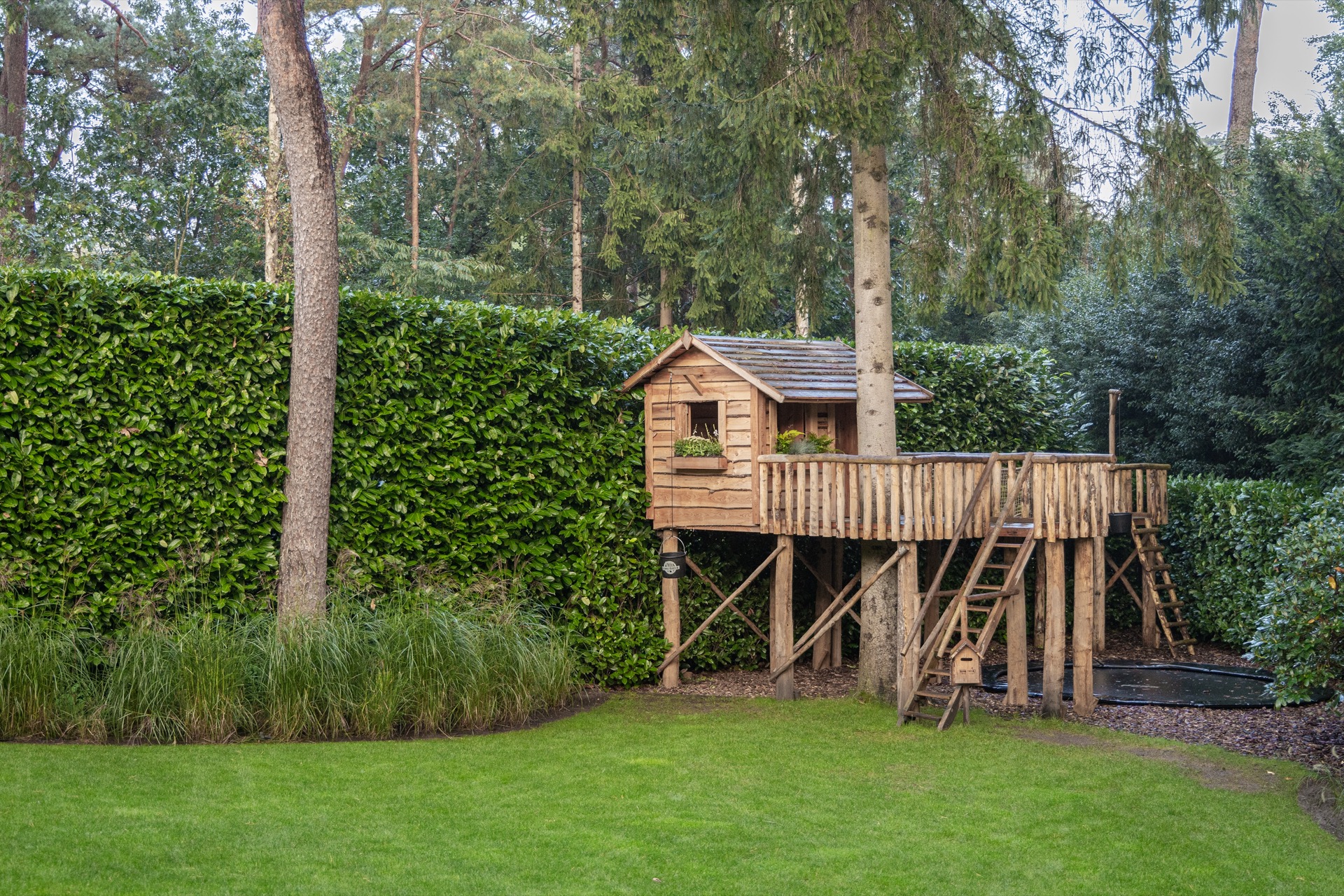
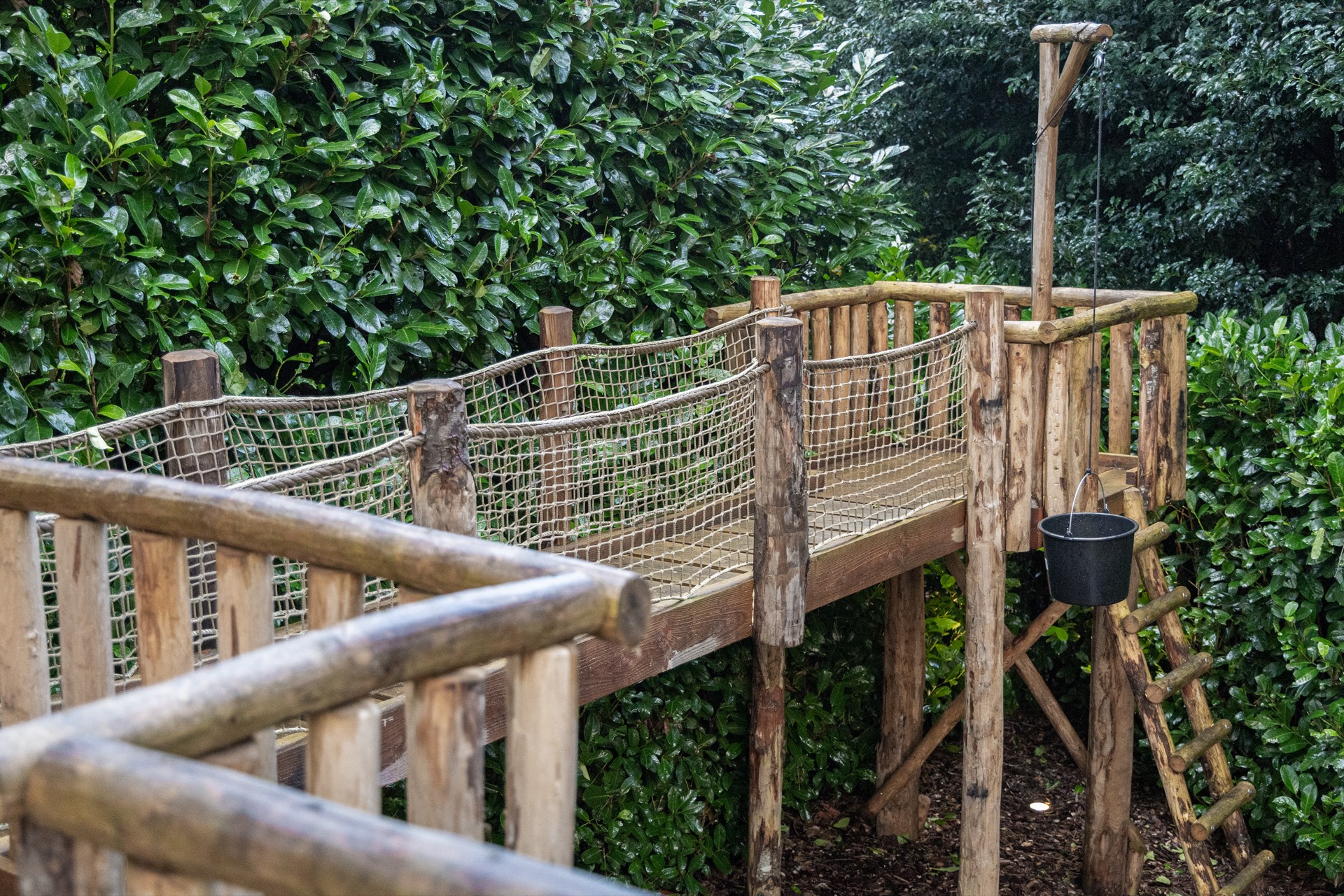
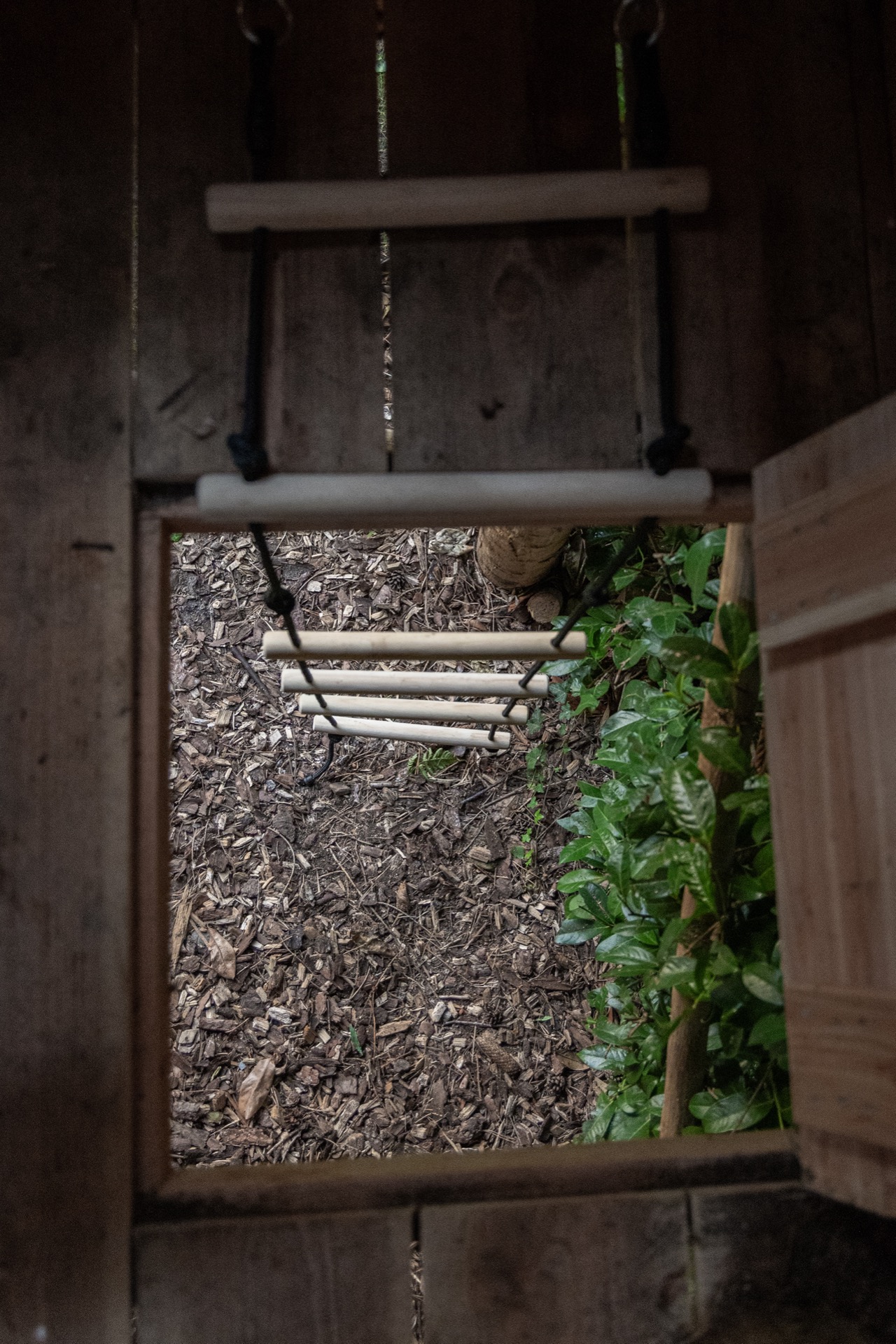
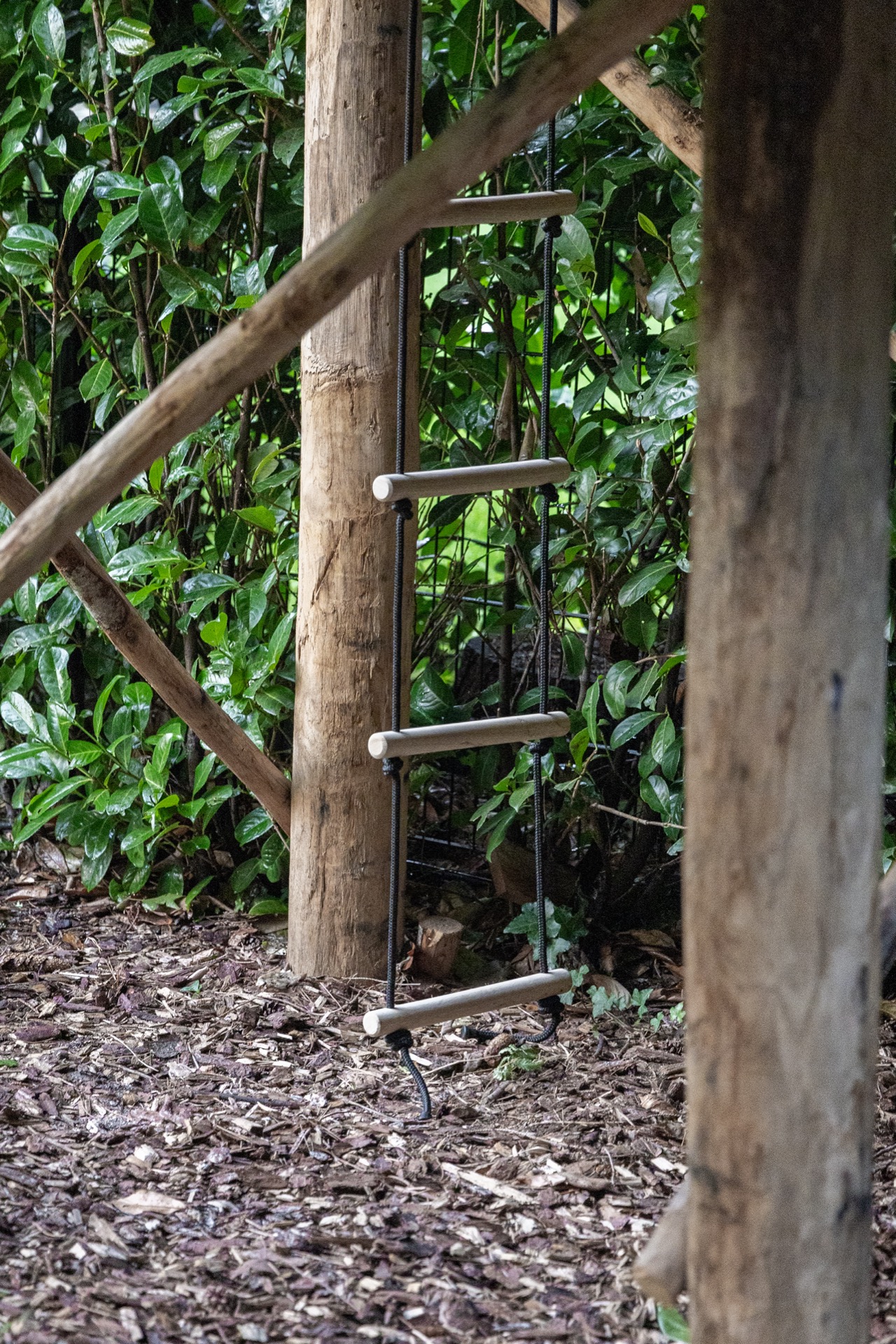
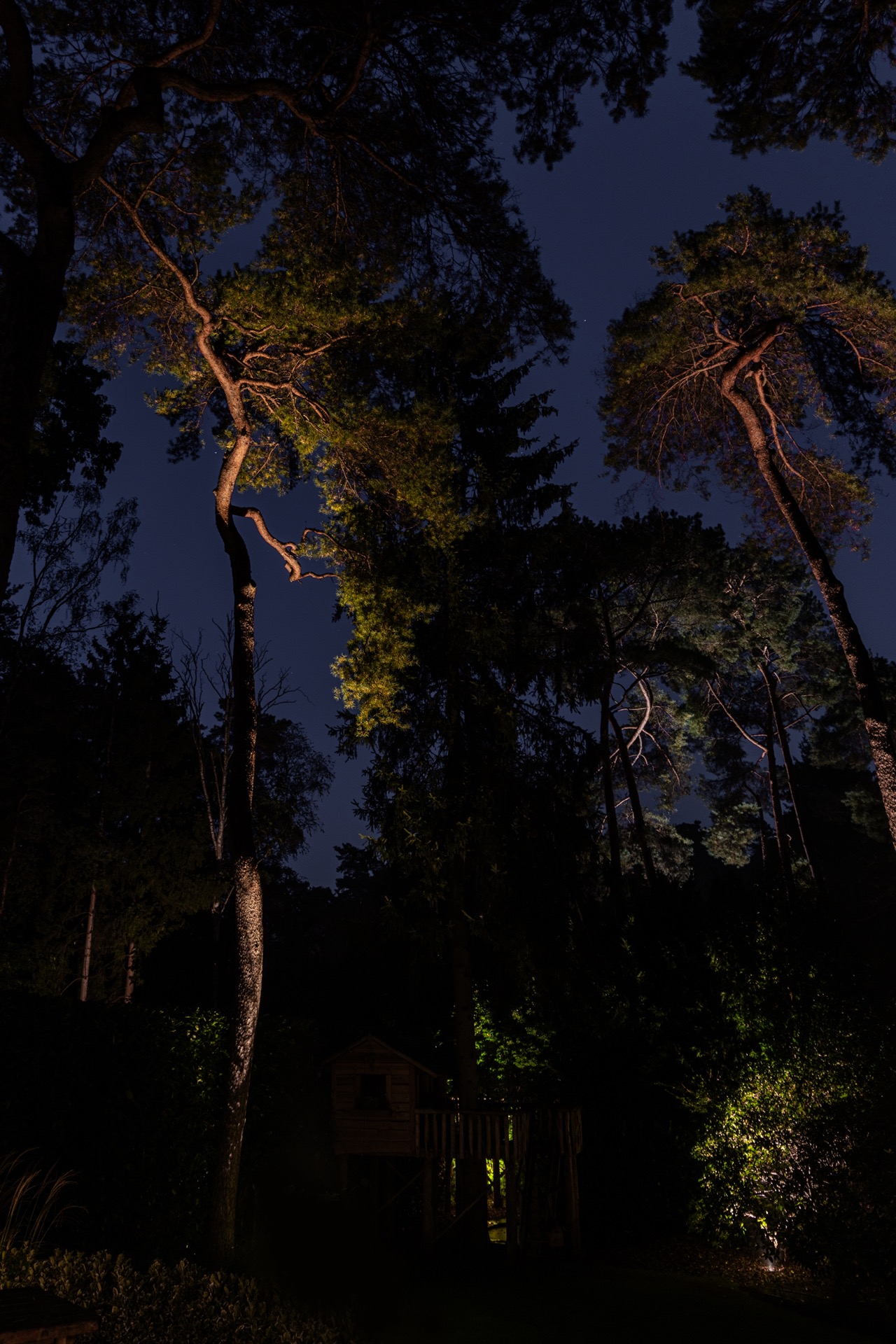
Nestled toward the rear is a play area designed to encourage outdoor activity among children of different ages. Here, wooden elements dominate — a climbing platform with ropes leads up to a treehouse built from timber, situated under mature branches. The natural wood surfaces and soft lines of this play zone echo the garden’s material choices, integrating play naturally within its surroundings.
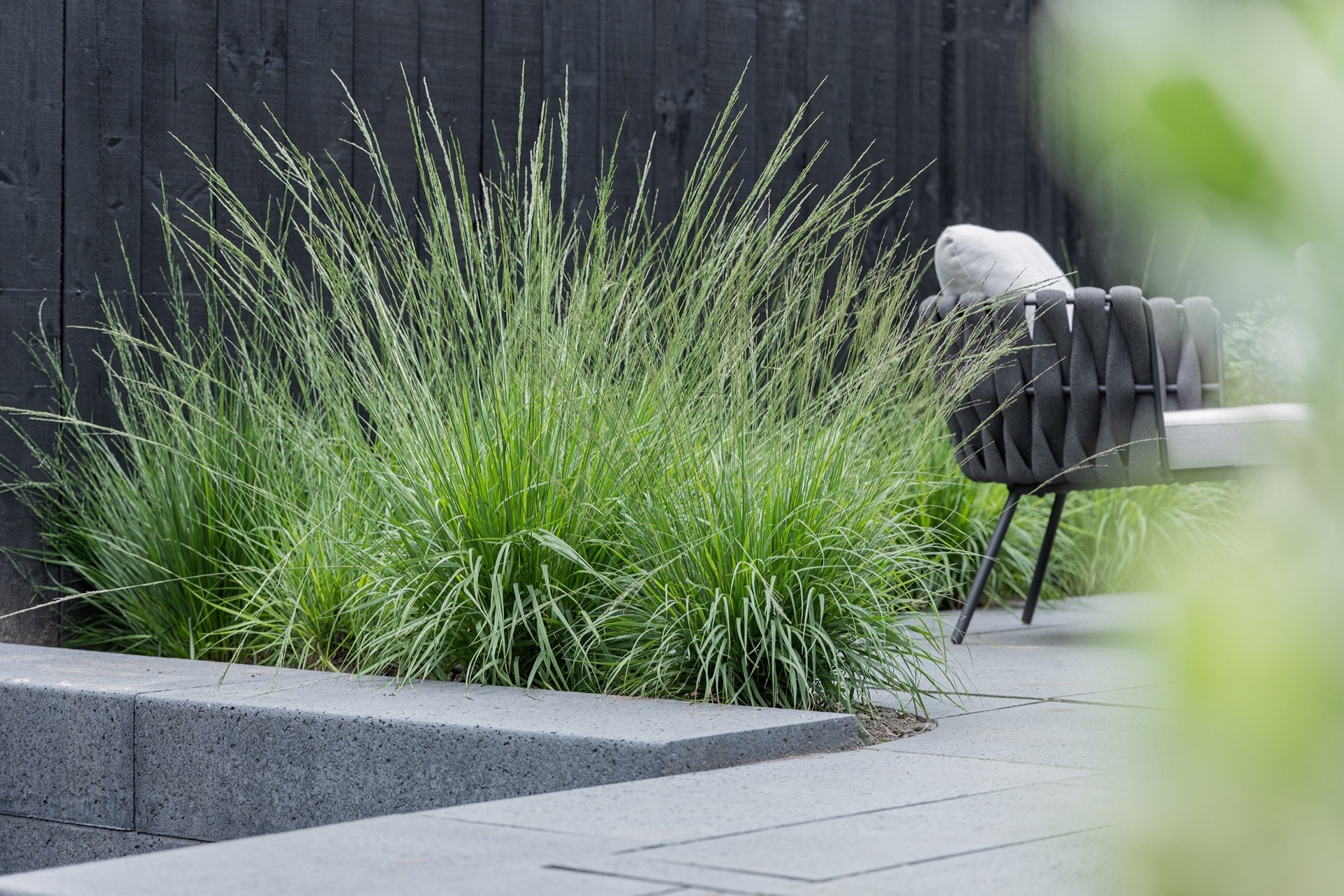
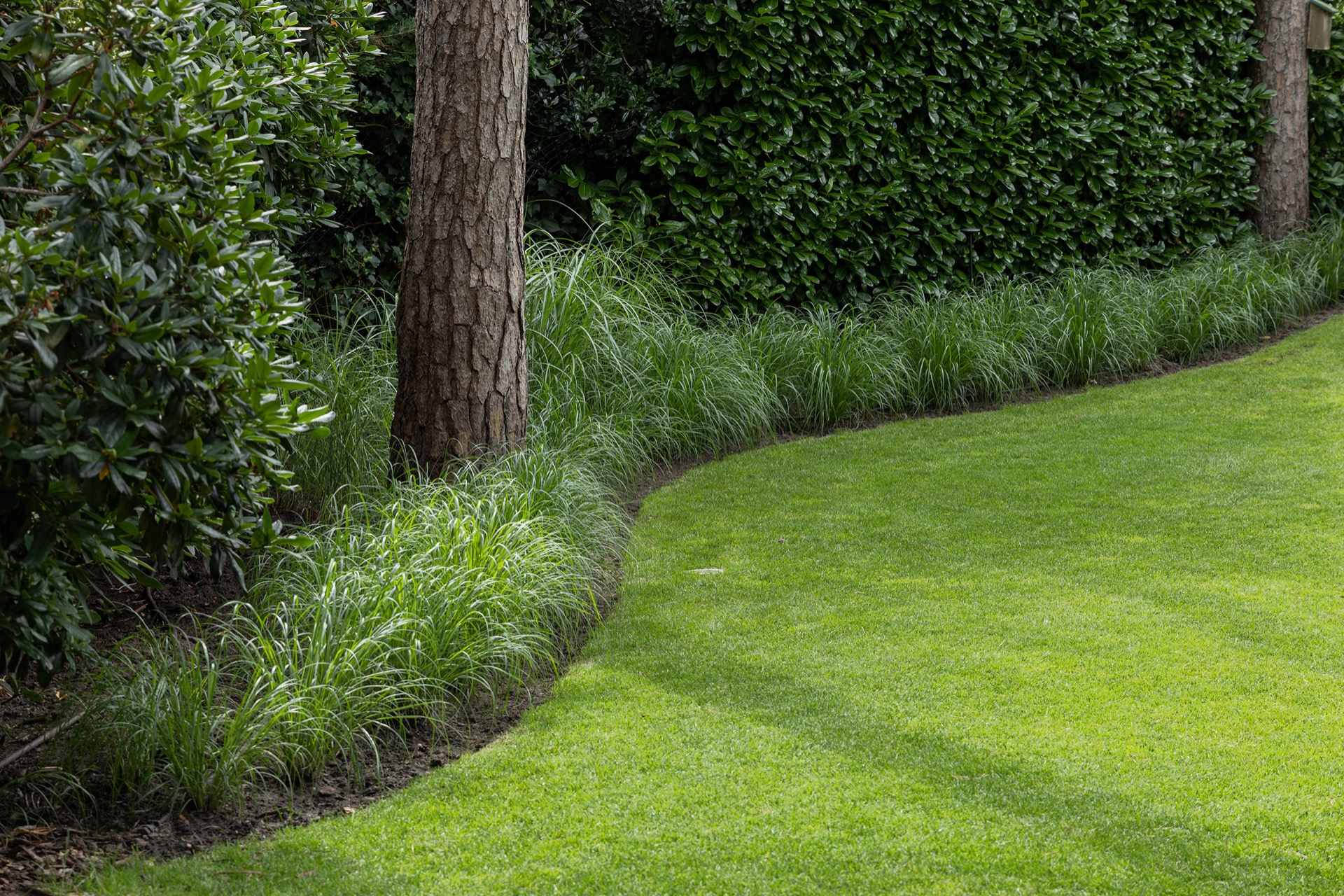
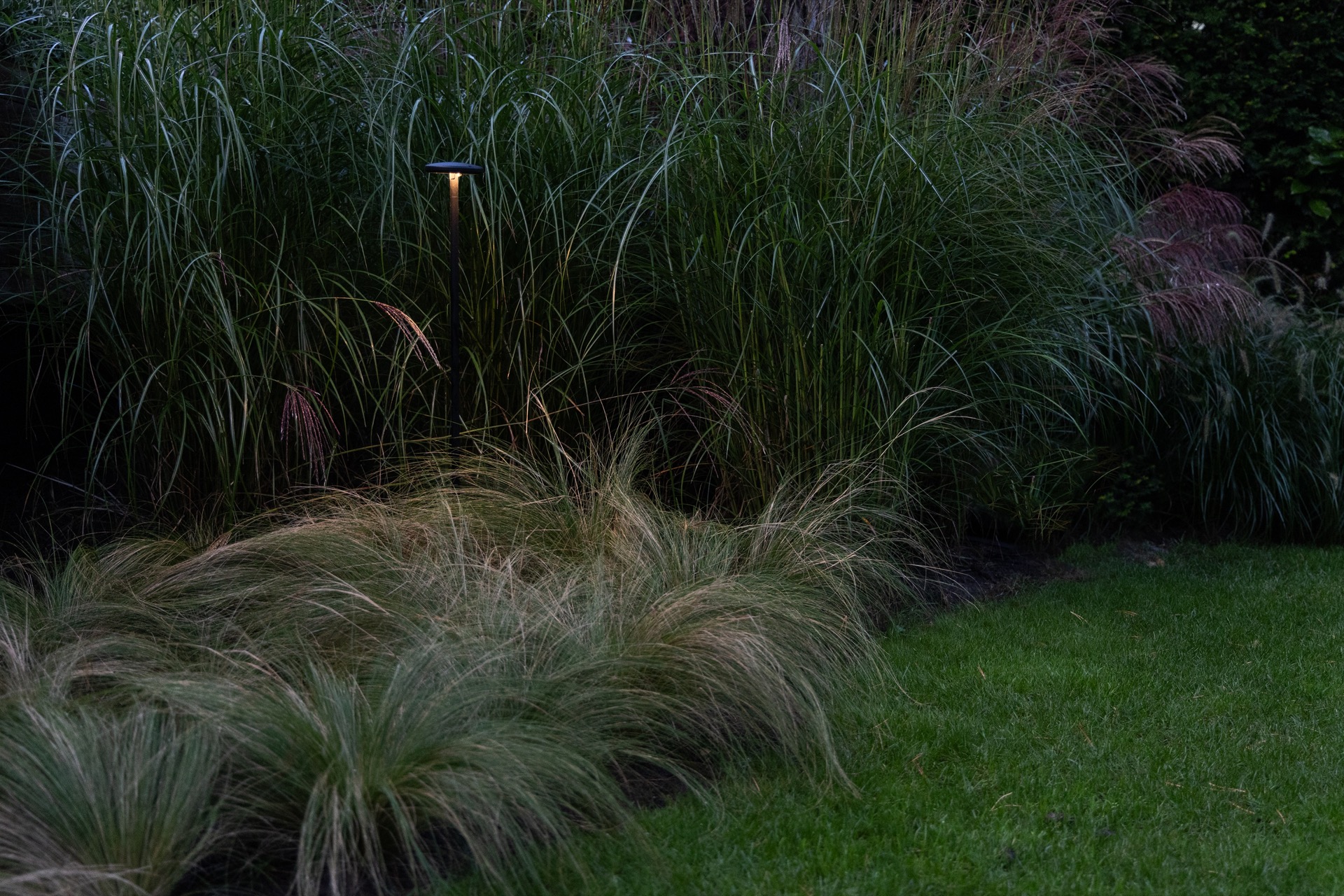
Planting layers interweave throughout the garden, respecting the varied elevations. Multi-stemmed trees and mixed shrubs create textured transitions between open terrace spaces and more intimate, enclosed spots. Grasses and flowering shrubs introduce movement and seasonal changes that animate views and shade patterns, adding to the garden’s tactile richness.
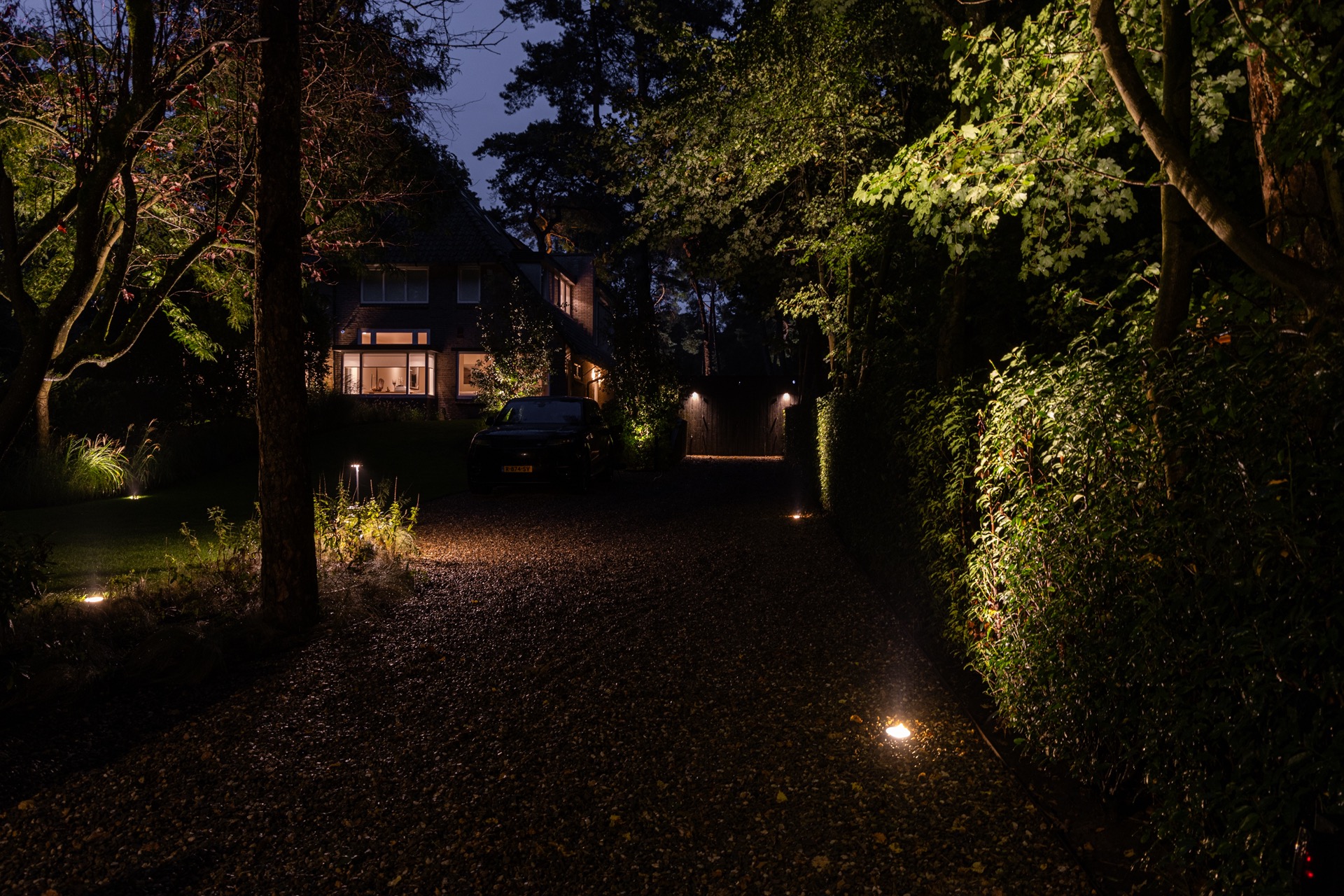
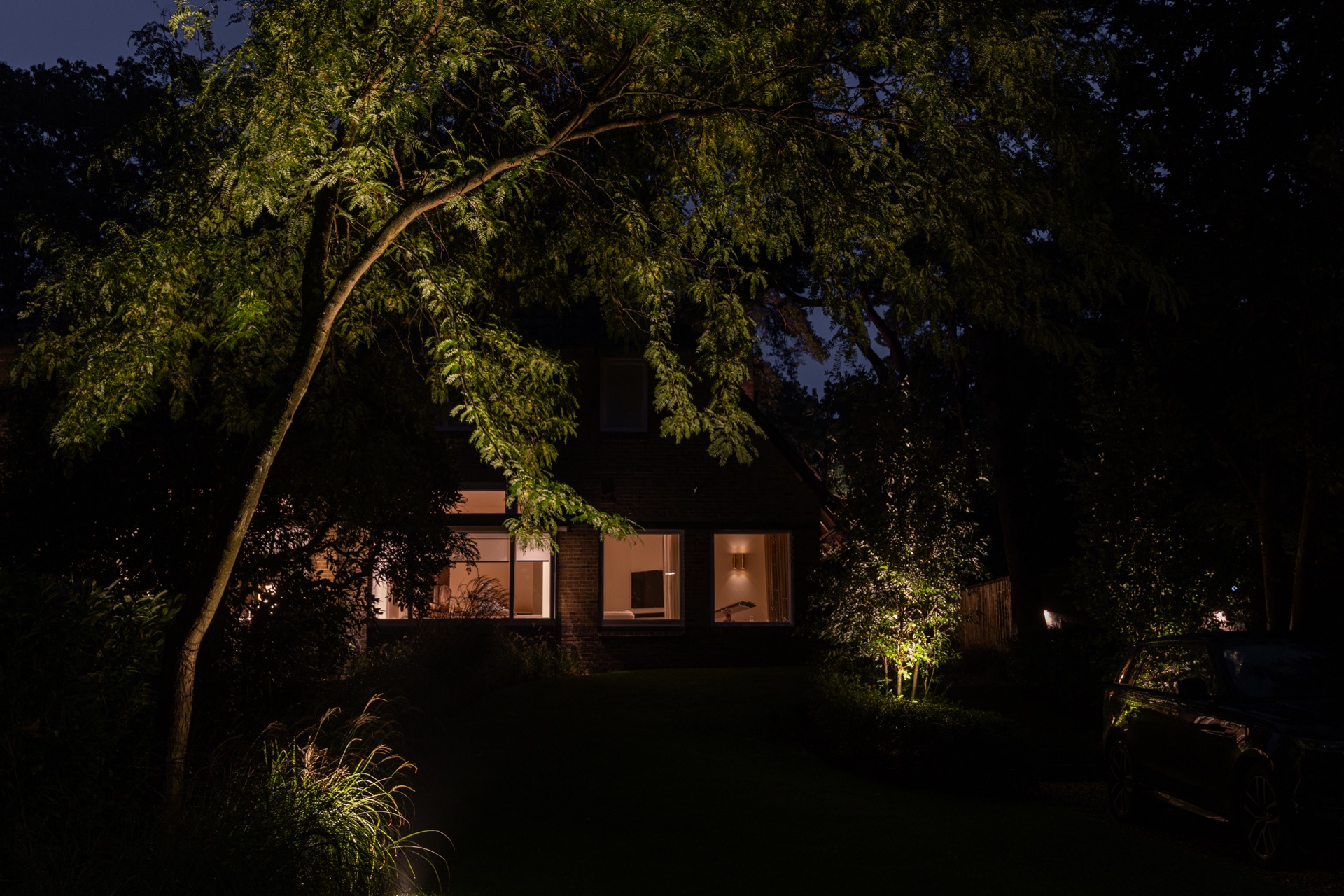
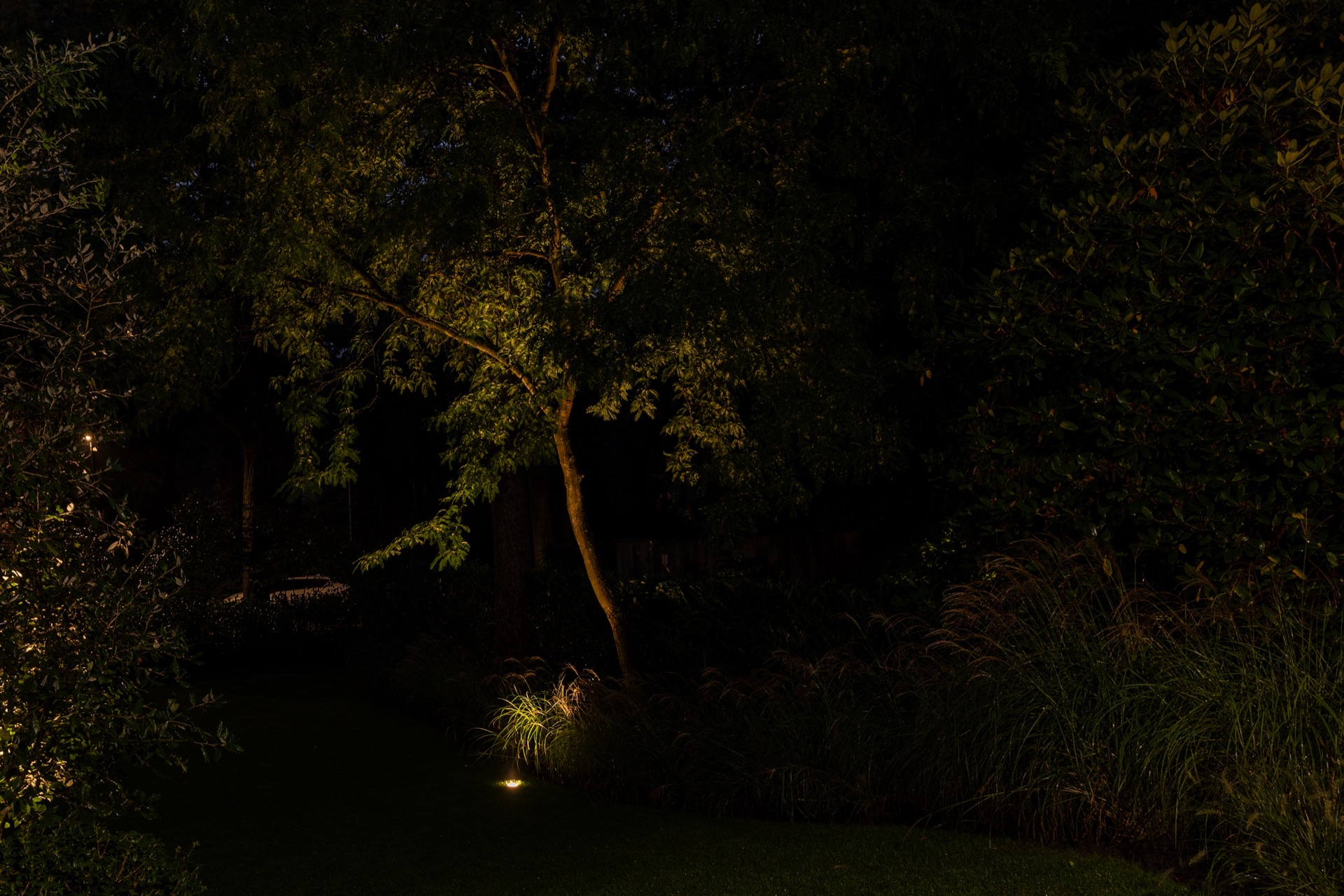
As daylight diminishes, a carefully configured network of lighting elements activates discreetly. Fixtures placed to illuminate stairs, pathways, and seating gently emphasize textures and shapes without glare or harshness. This lighting palette extends usability into evening hours and shapes a subtle mood that unfolds with the darkening sky.
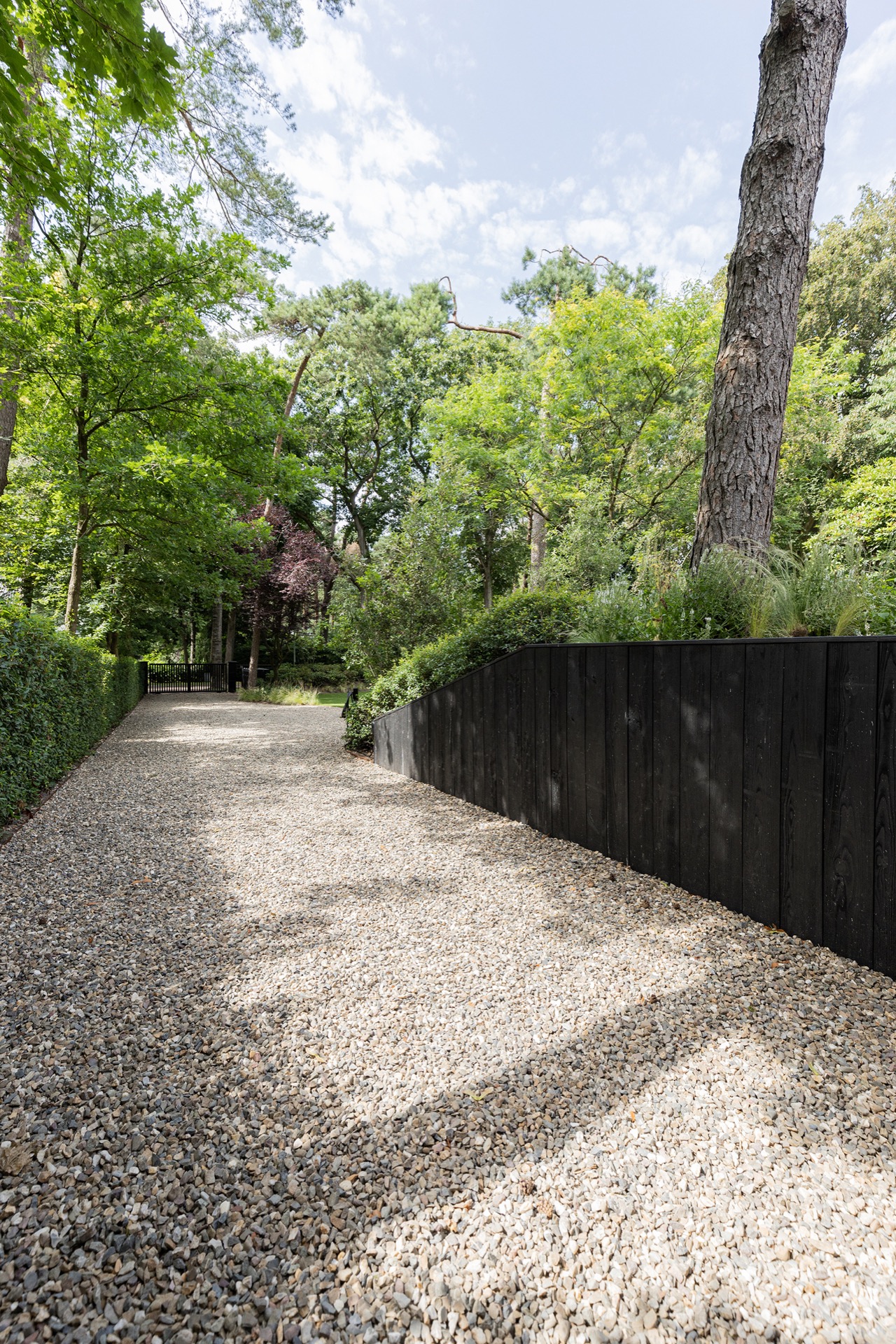
Materials are chosen deliberately to accentuate spatial transitions. Vertical wooden planters demarcate borders on some terraces, contrasting tactilely with the smooth granite steps. Curving gravel paths introduce a softer geometry compared to the straight architectural lines, while the green roof on the storage structure integrates built elements with living plantings. That makes the garden with height differences part of the architectural character rather than a loose finish.
Clarity in the garden’s structure results from this interplay between geometry and organic form. Straight runs of stairs establish clear circulation routes amid informal planting arrangements, defining distinct outdoor ‘rooms’ shaped by carefully selected vegetation and tailored furnishings.
Seating areas are layered across the garden levels, ranging from sunlit open decks to sheltered lounges. Materials chosen for furniture reflect the palette of wood and natural stone, ensuring that the landscape remains the eye’s focus. These arrangements support flexible use, from social gatherings to quiet moments immersed in the garden.
Paths curve gently to mirror the terrain’s flow, connecting terraces through gravel and stone surfaces that mark transitions without abruptness. In addition to the main staircases, accessible sloped routes trace the land’s contours, providing alternative ways to explore the garden’s varied elevations.
Vegetation plays a key role in regulating privacy and openness. Thoughtfully placed hedges and tree lines frame views outward while screening more private zones from sight. Openings between planting masses allow light and air to move freely, maintaining a sense of spaciousness despite enclosure.
The play structures’ extensive use of wood ensures their integration into the natural setting. Timber ladders, ropes, and platforms nestle amid foliage rather than standing apart, encouraging imaginative play that resonates with the garden’s overall character and scale.
At night, the garden transforms as soft illumination spotlights tree canopies, steps, and pathways. The lighting is focused and measured to heighten safety and create points of interest while minimizing light pollution, allowing the outdoor space to retain its calm and inviting presence after dark.
Changes in height create distinct spatial experiences and functional zones. Each staircase connects terraces set aside for specific uses — storage, seating, or play — while natural materials and cohesive planting blend these areas into an interconnected whole. The garden invites movement and discovery while respecting its topography. That makes the garden with height differences part of the architectural character rather than a loose finish.
Want to see more of TTB hoveniers? View the page of TTB hoveniers for even more great projects and company information.

Contributors
.png)
NEW 2026 Jubileum Edition The Best Interior Designers Benelux
Order Now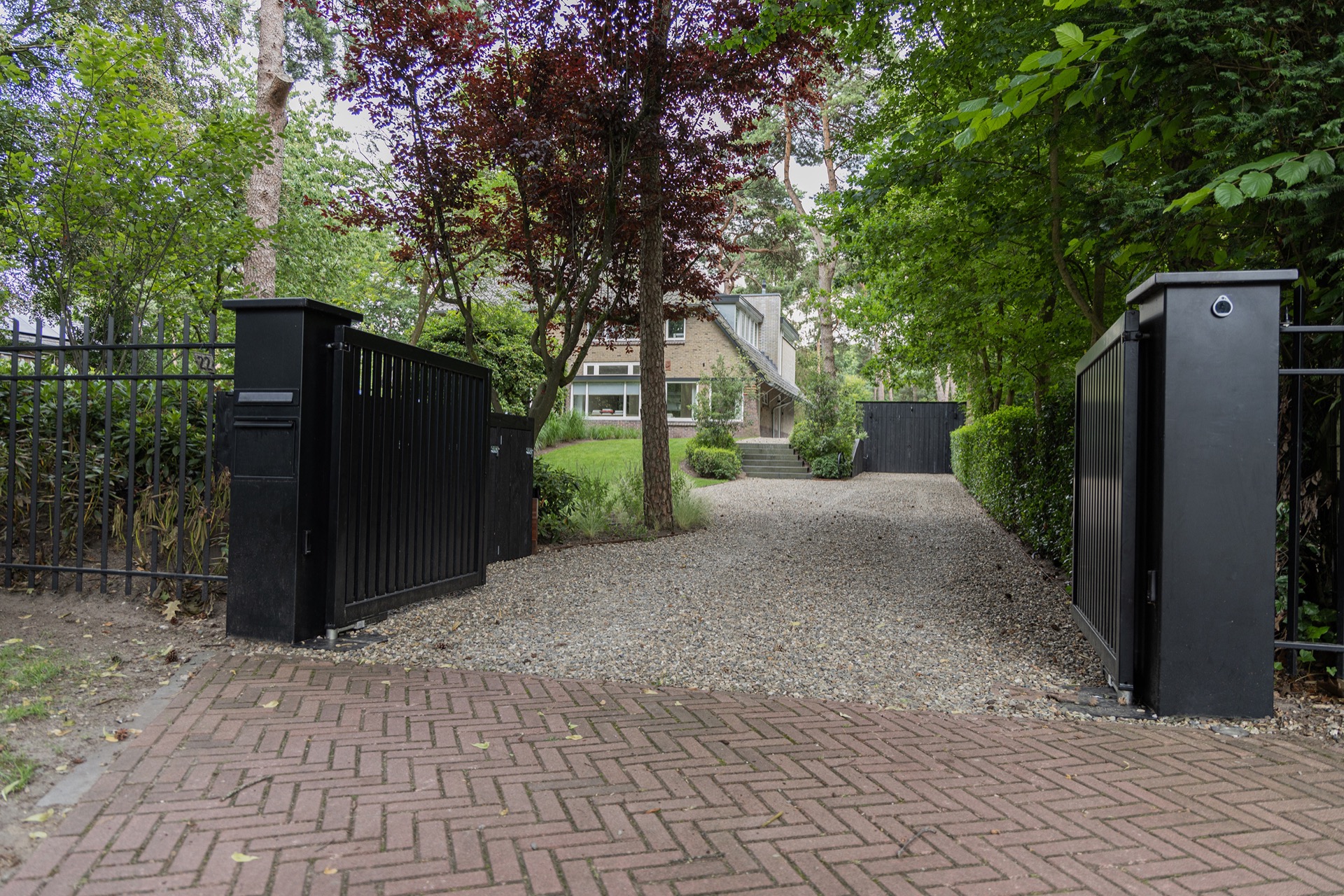
NEW 2026 Jubileum Edition The Best Interior Designers Benelux
Order Now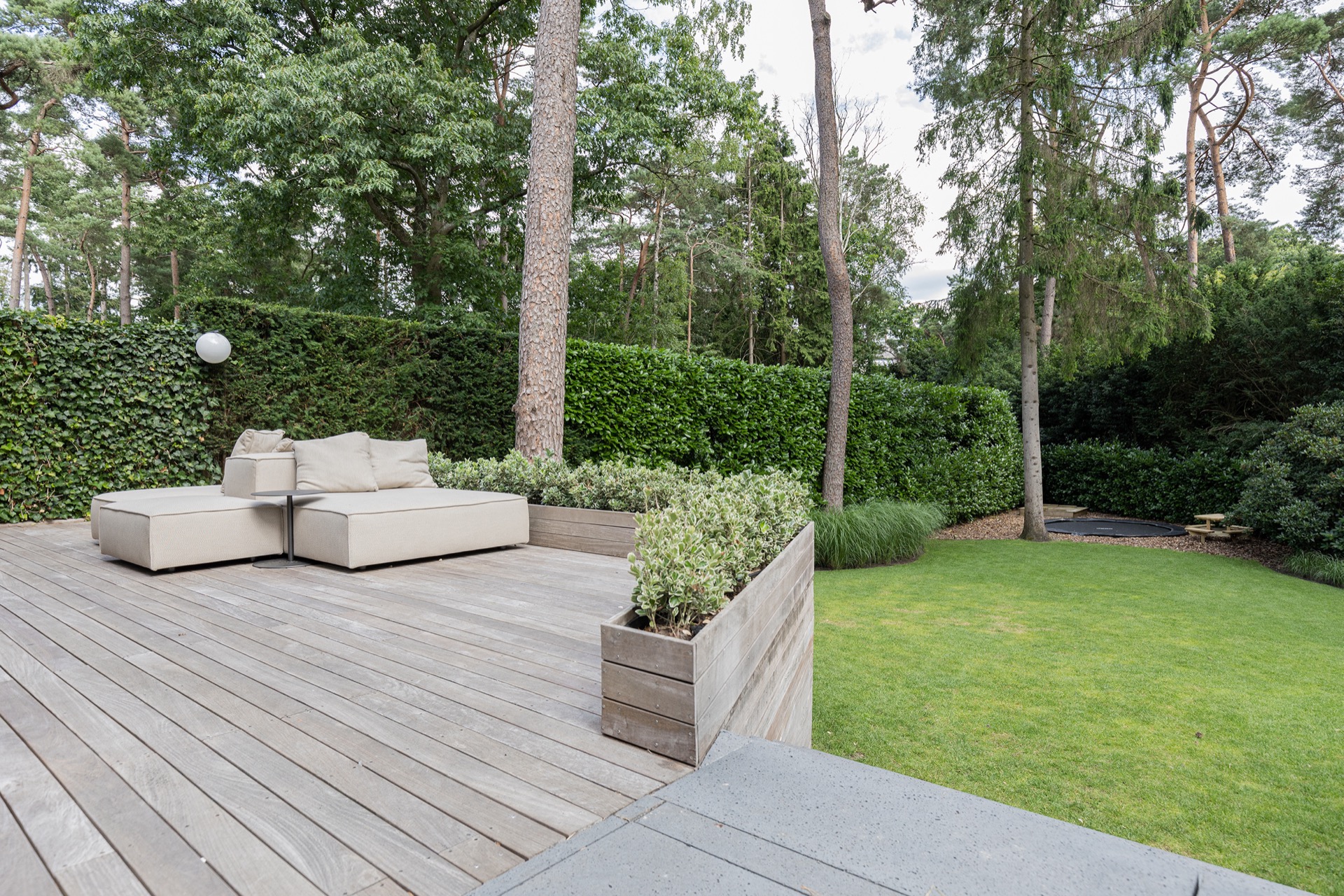
NEW 2026 Jubileum Edition The Best Interior Designers Benelux
Order Now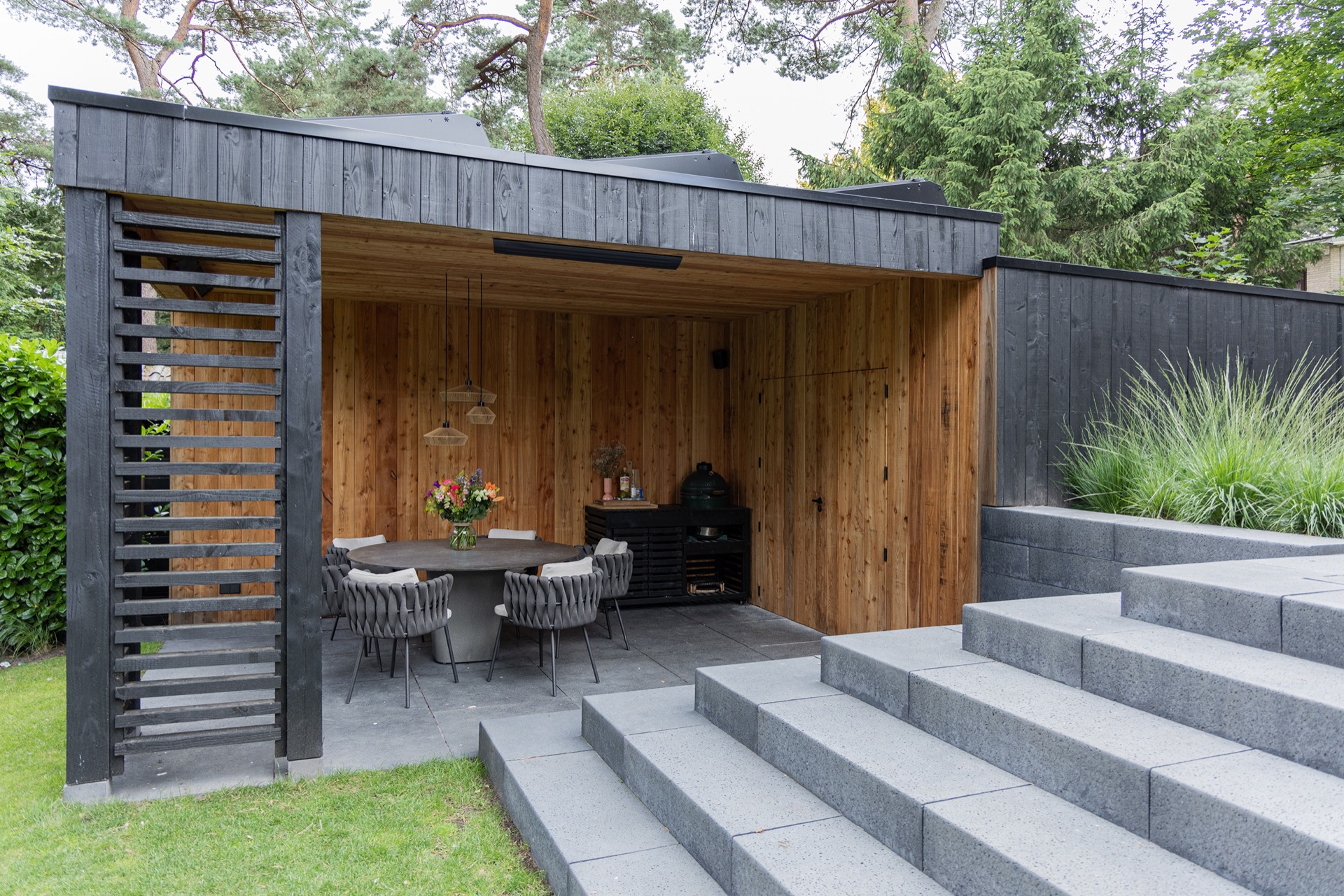
NEW 2026 Jubileum Edition The Best Interior Designers Benelux
Order Now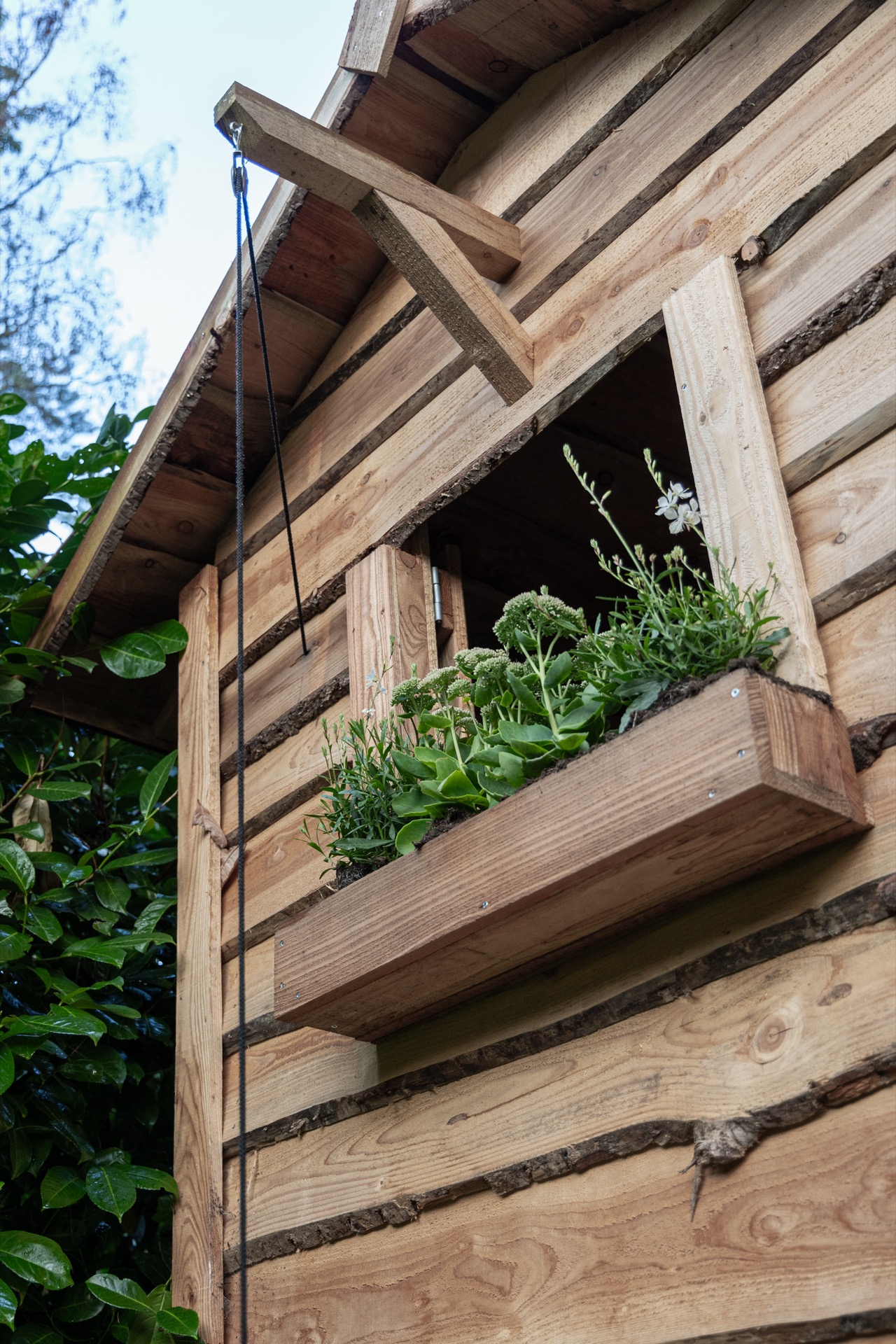
NEW 2026 Jubileum Edition The Best Interior Designers Benelux
Order Now
NEW 2026 Jubileum Edition The Best Interior Designers Benelux
Order Now