






Industrial loft design with natural materials and large windows
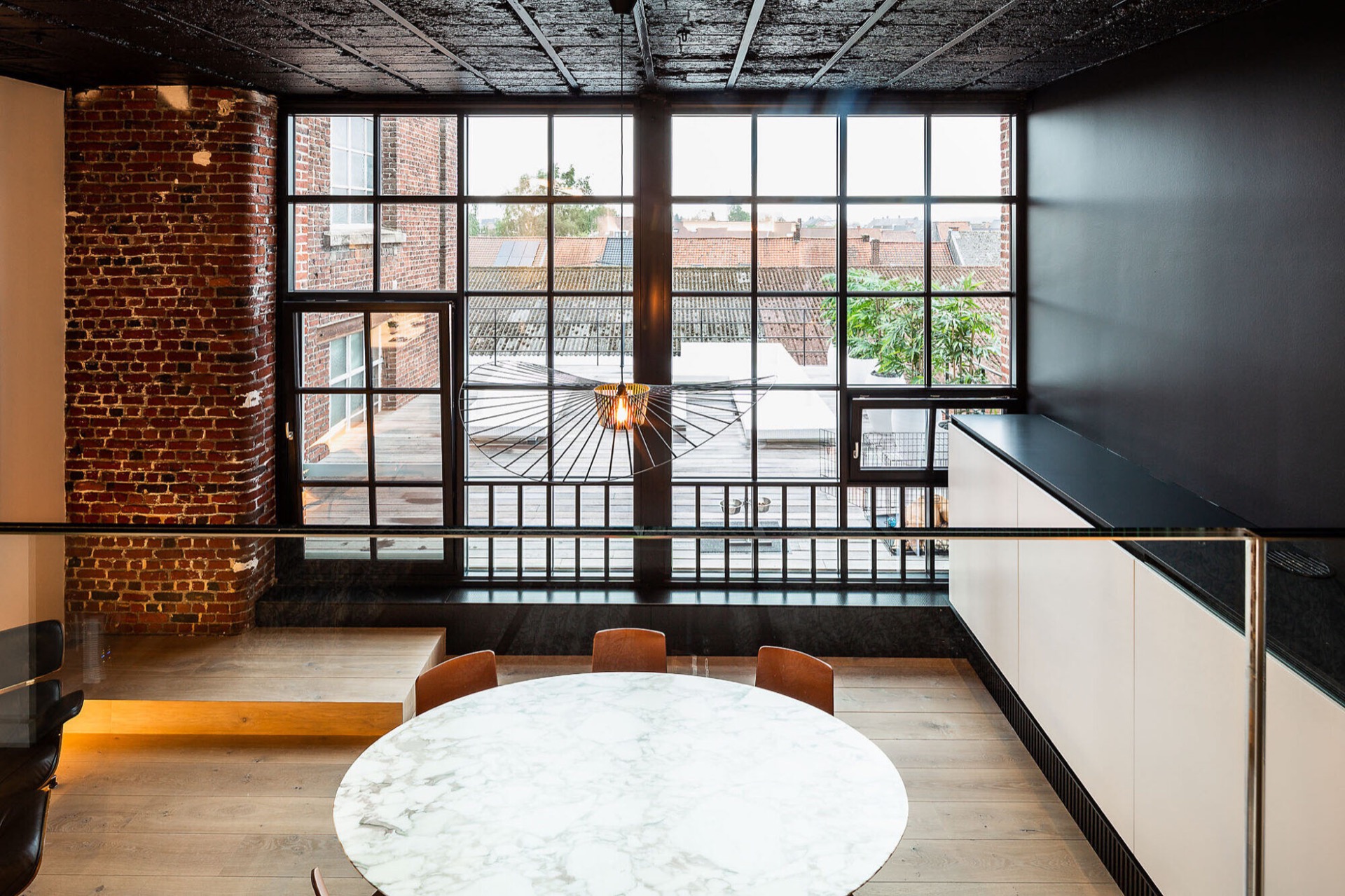
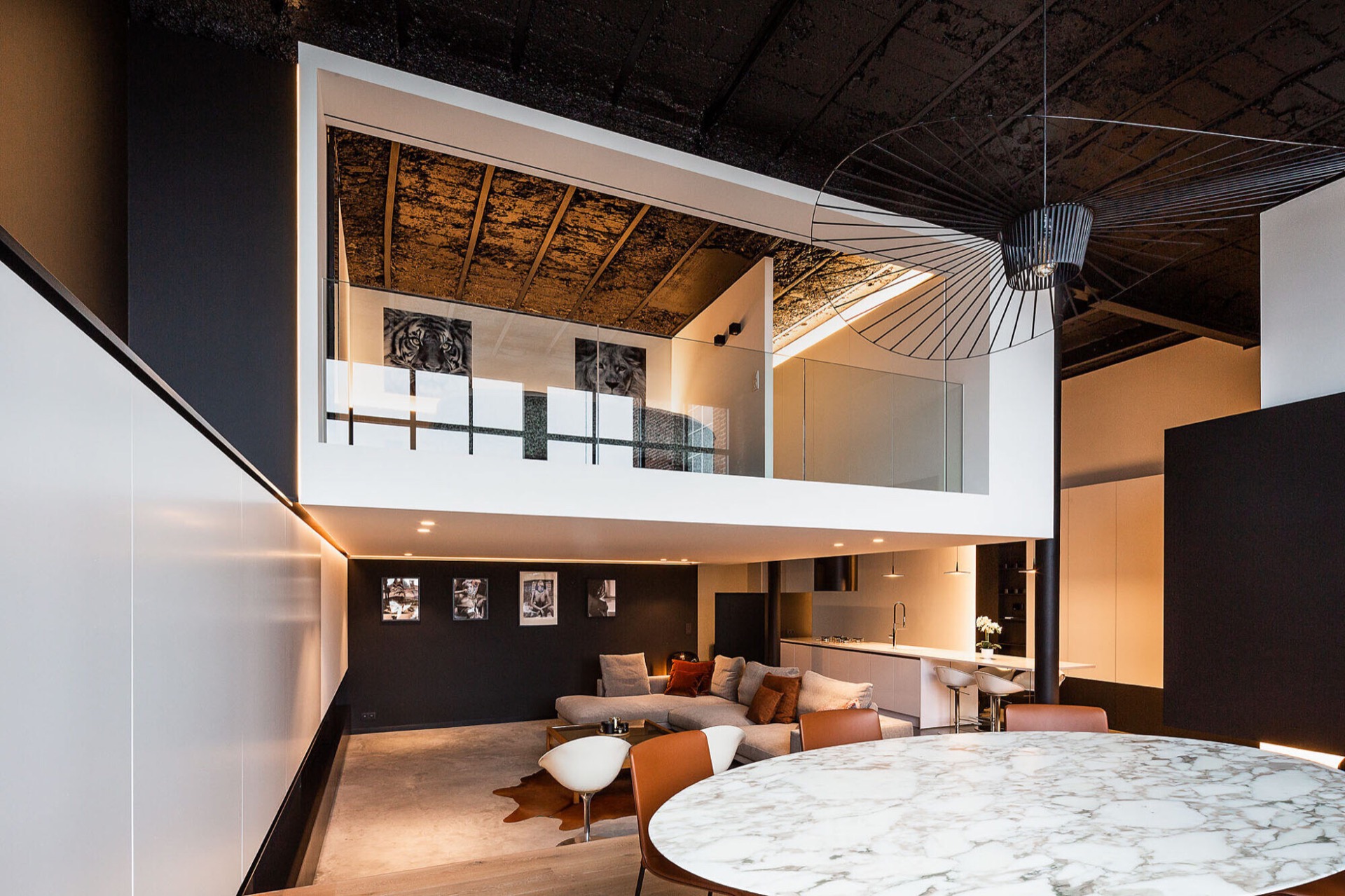
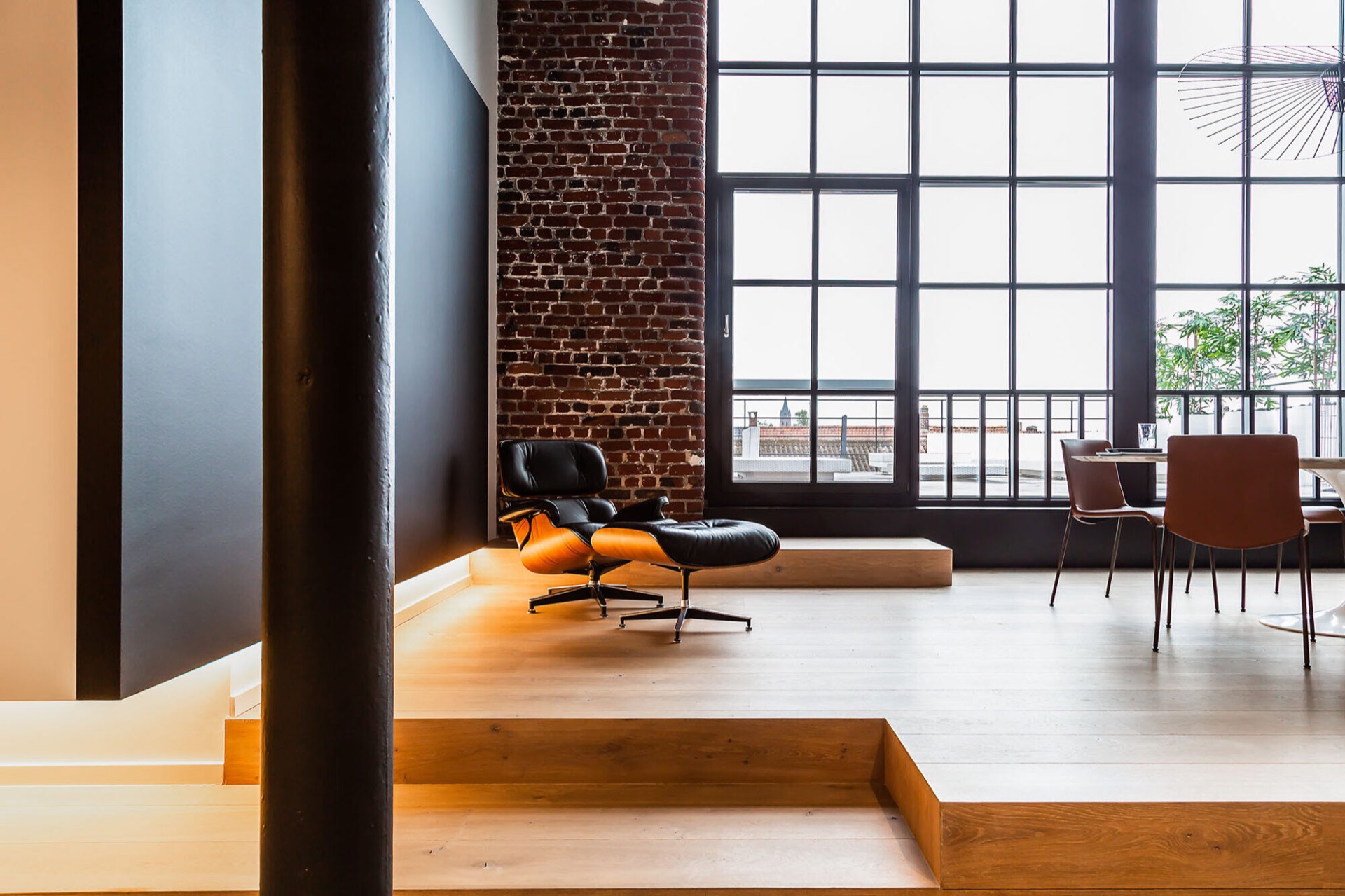
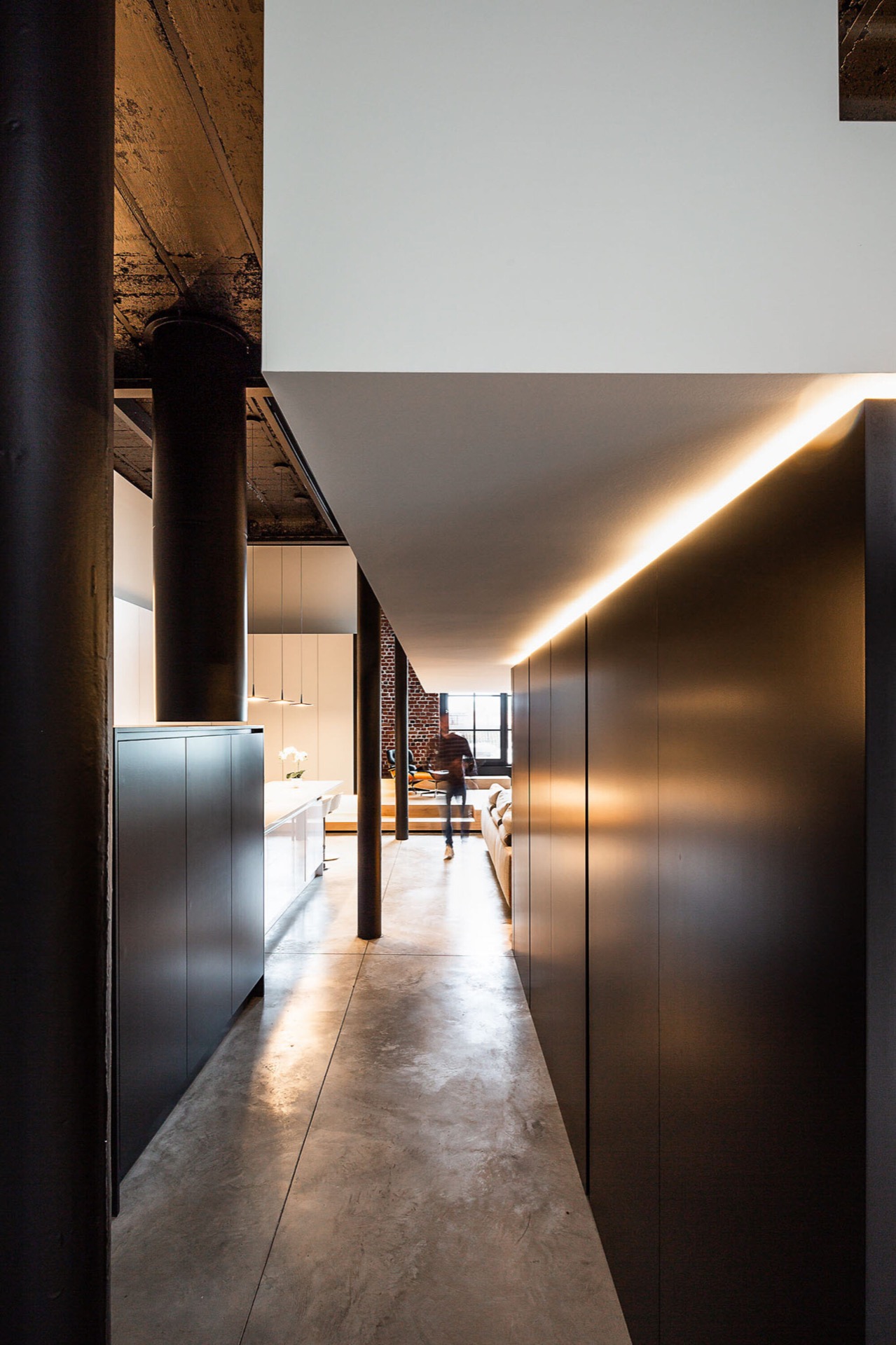
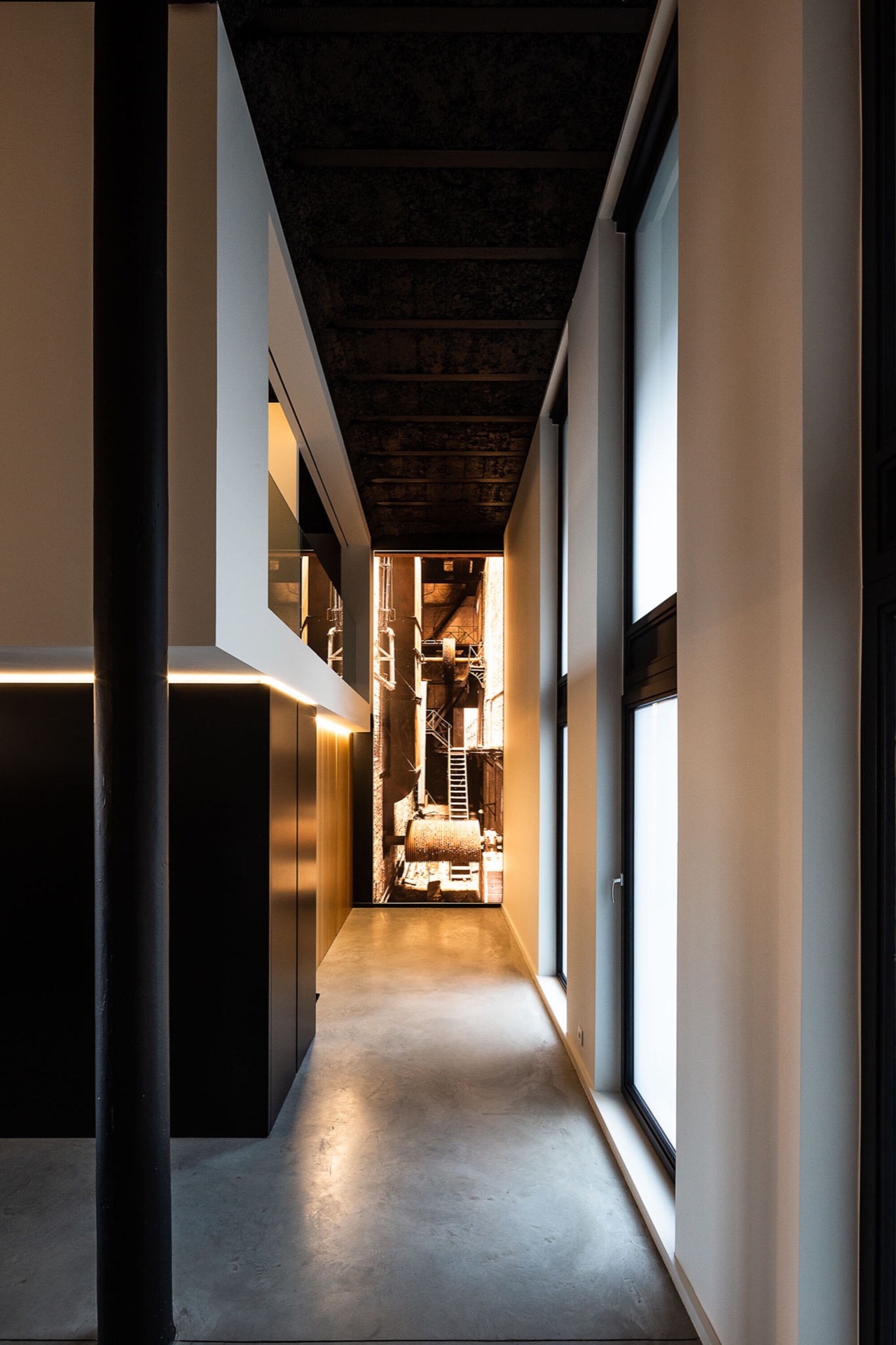
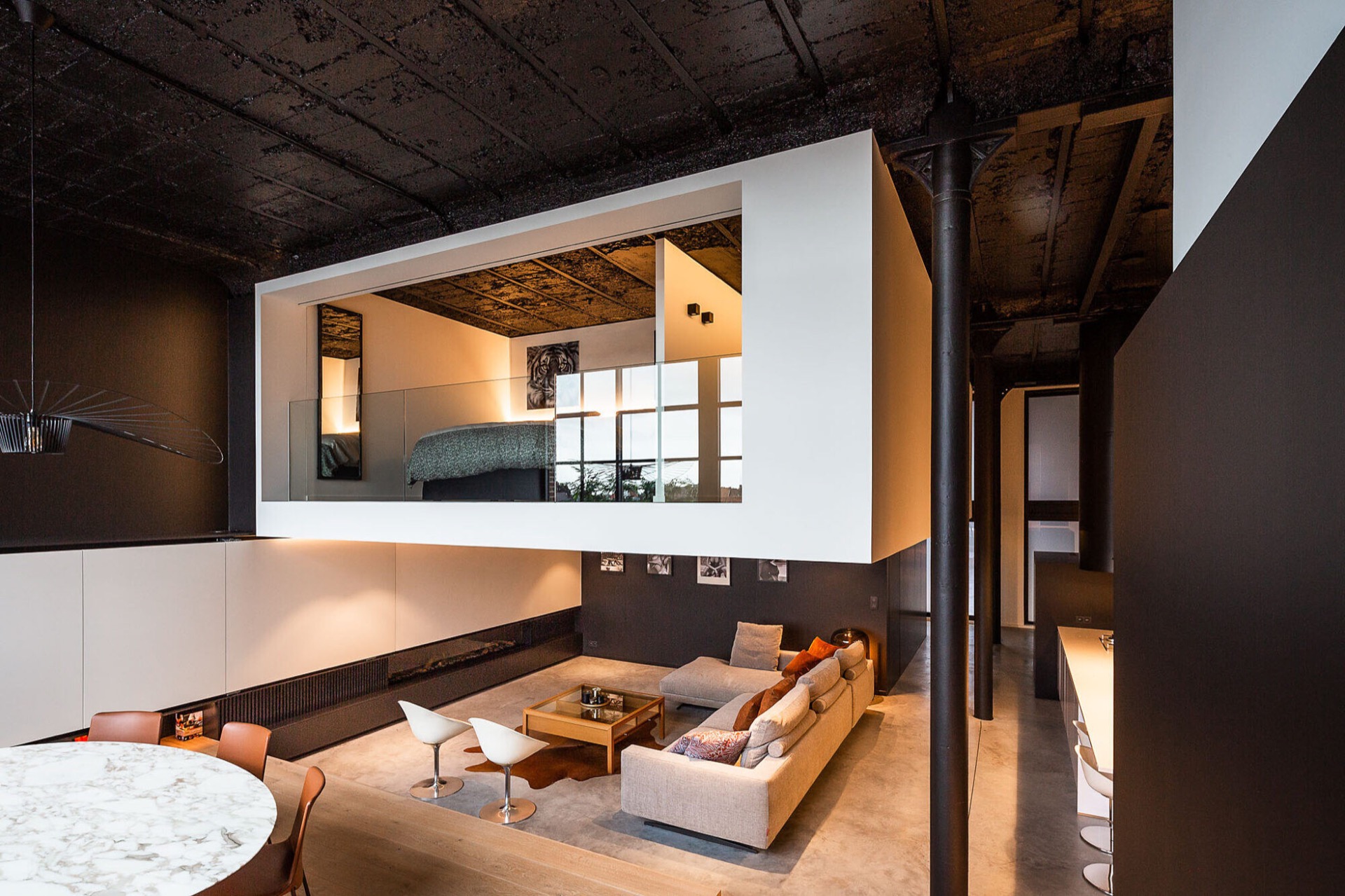
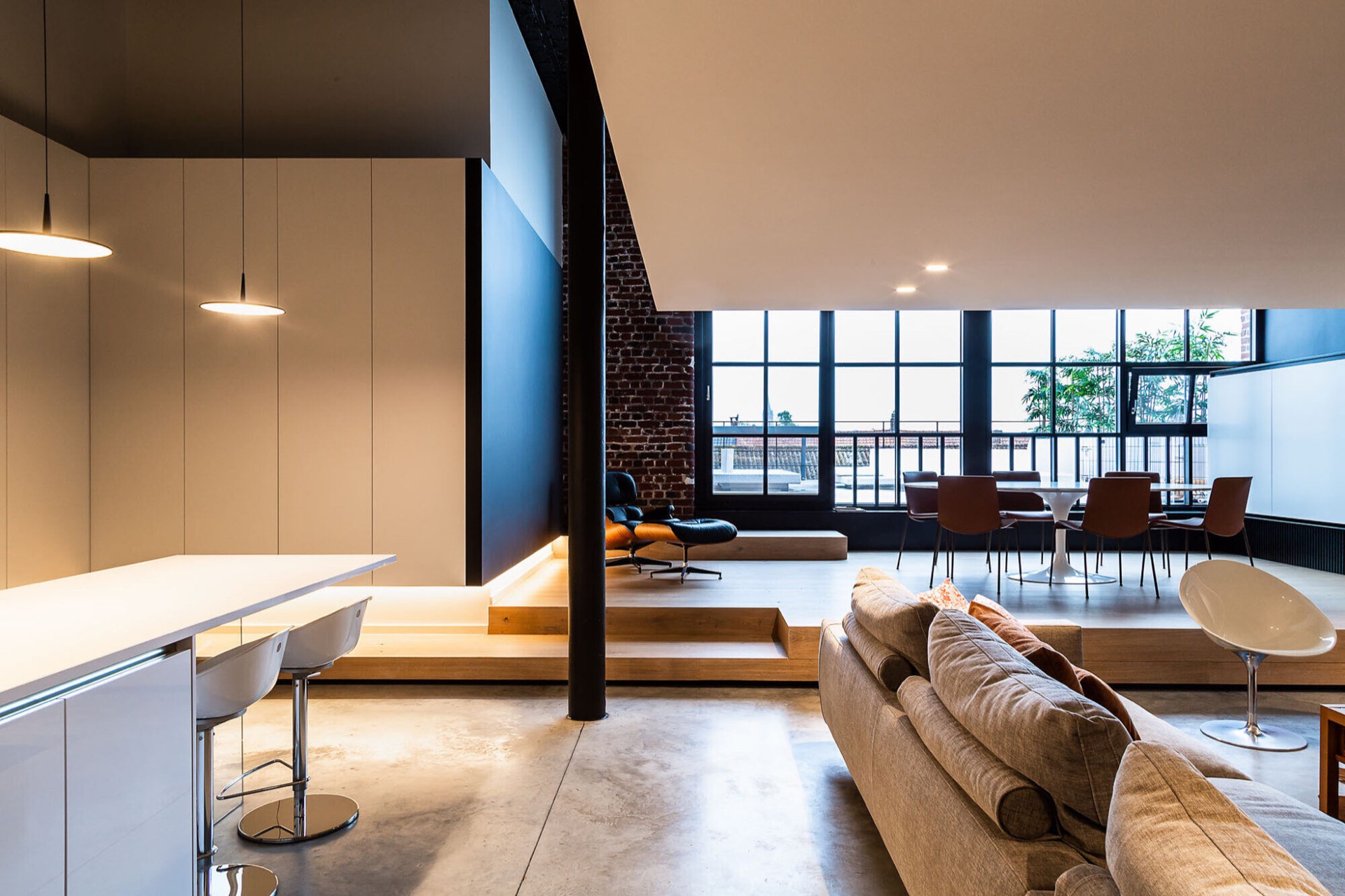
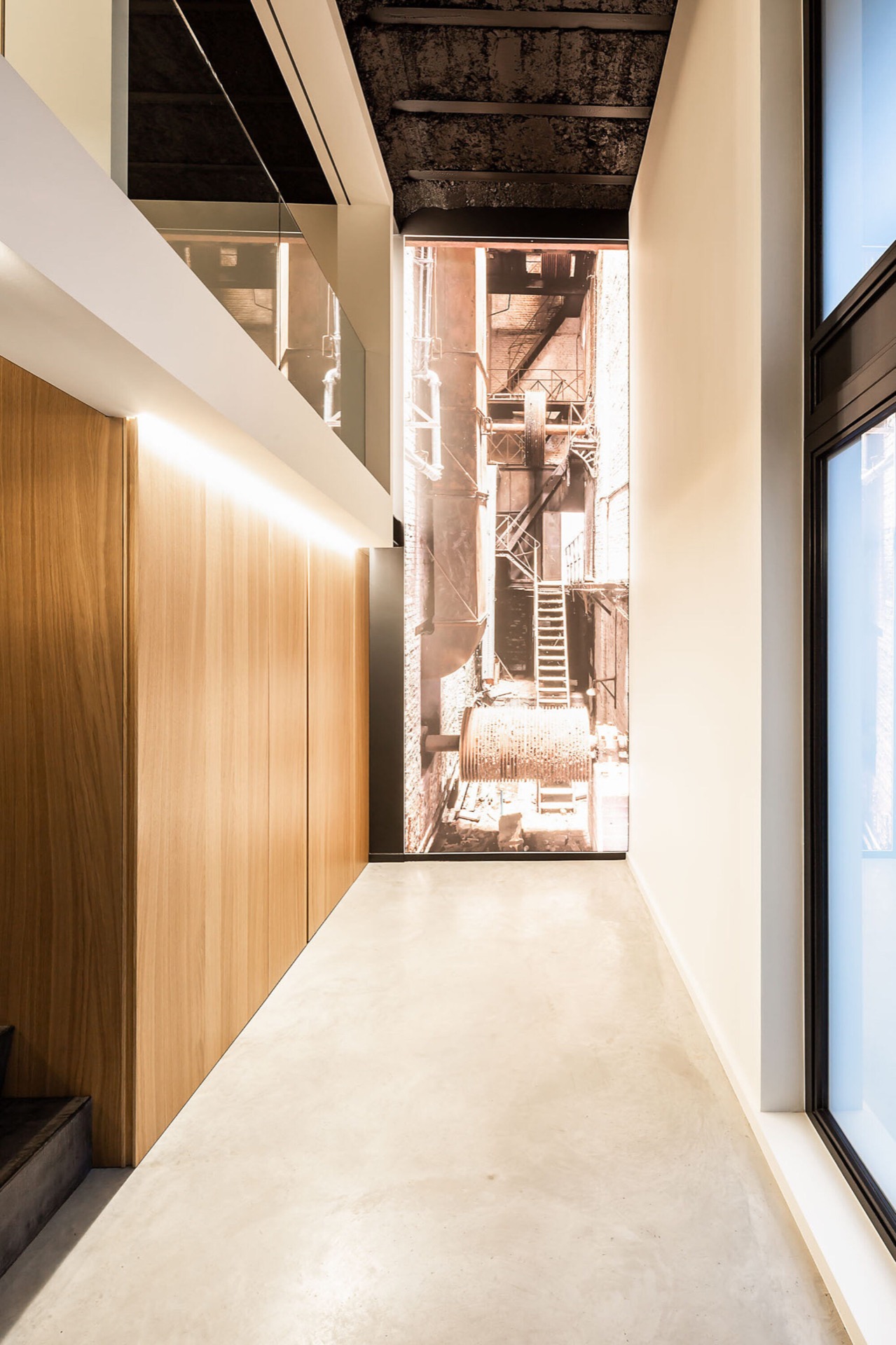
The industrial interior is immediately visible in the way the project is framed. Visible steel girders run along the ceiling, laying bare the structure that once supported heavy loads. This open ceiling unveils a network of ducts and conduits aligned alongside the original beams, drawing the eye upward and emphasizing the space’s industrial origins. Below, a series of tall black-framed windows stretches nearly from floor to ceiling, allowing daylight to pour across the polished concrete floor and wooden surfaces, shifting the play of light as the day moves on.
industrial interior as the architectural starting point
Instead of closing off areas, a custom steel framework organizes the loft spatially while preserving openness. This grid guides circulation and subtly separates living and dining zones, allowing functions to coexist without physical barriers. The steel’s matte finish resonates with the existing girders, reinforcing the industrial palette and allowing natural textures to stand out.
Concrete Flooring Paired with Textured Wood Elements
The polished concrete floor presents a continuous, cool surface marked by subtle mineral variations. Its reflection of natural light adds depth beneath the furniture and throughout passageways, linking spaces visually. Complementing this, crafted wooden features such as the staircase introduce grain and texture that contrast the floor’s smoothness, encouraging a tactile engagement within the loft.
Dynamic Light Patterns Across Surfaces
Sunlight filtering through the expansive windows interacts with the concrete floor’s reflective qualities, creating animated patches of light and shadow. These shifting highlights reveal details in texture and dimension, fostering a living environment that changes throughout the day.
Wooden Staircase Draws the Eye Upward
The staircase’s steps catch daylight, their finished wooden surfaces presented alongside black metal railings that echo the industrial ceiling grid. This contrast lends rhythm to the vertical circulation path, blending tactile warmth with engineered precision.
Black-Framed Windows Recall Factory Heritage
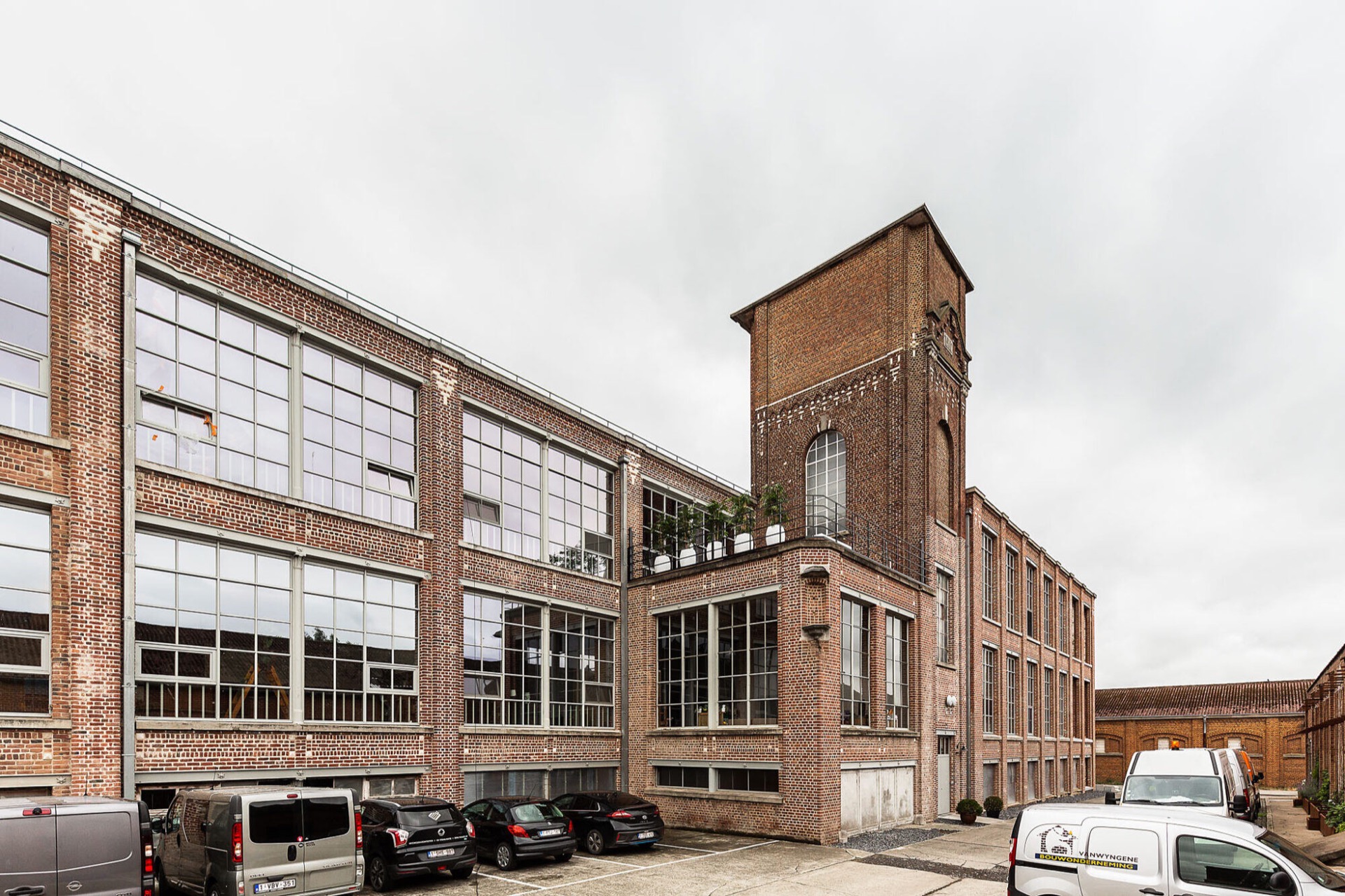
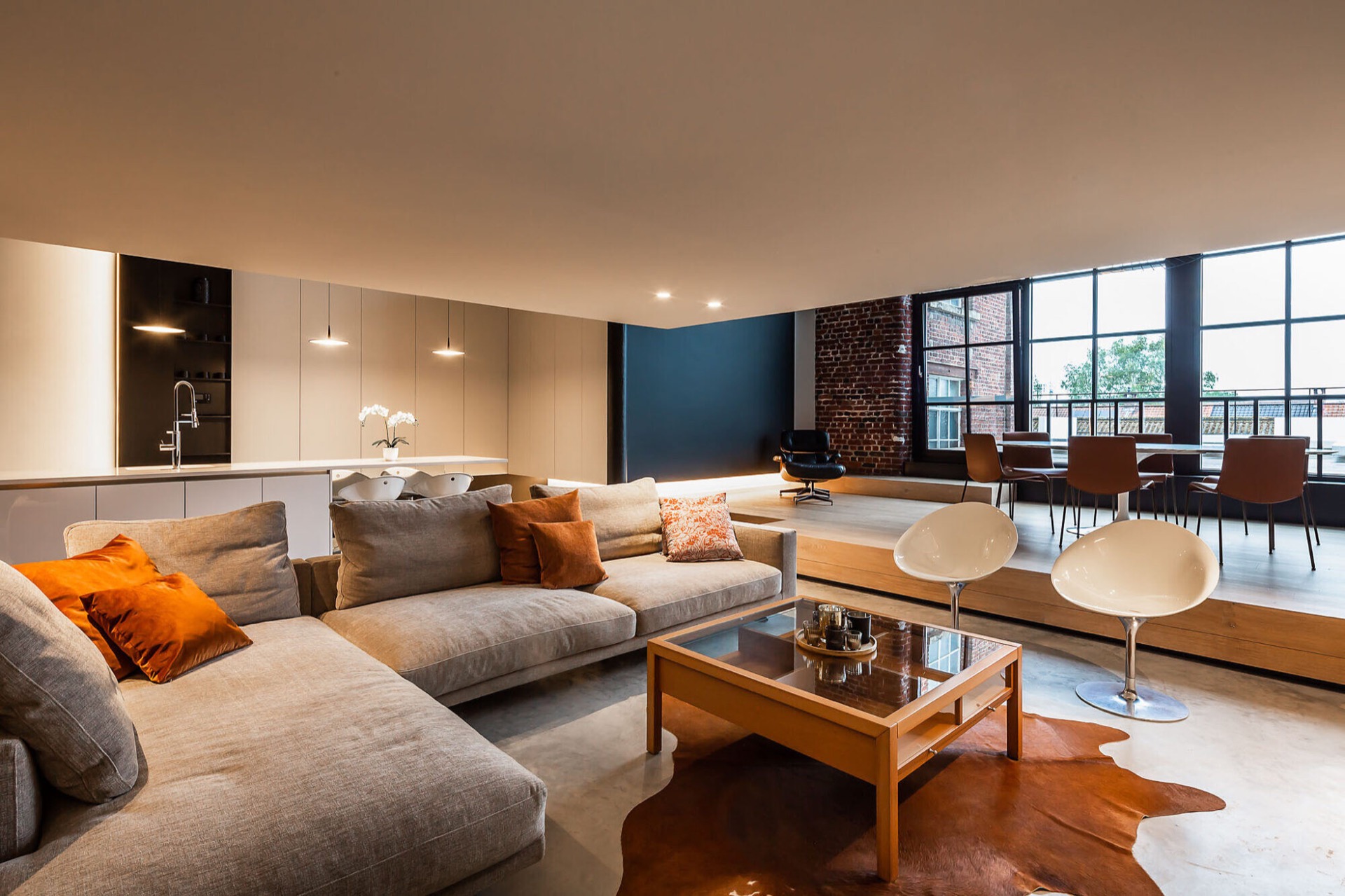
Divided into rectangular sections by slim black mullions, the windows mirror traditional industrial façades. Their pattern casts geometric shadows inside, linking the interior to its industrial roots while framing external views without interrupting the loft’s airy volume.
Exposed Mechanical Systems Complement Architectural Design
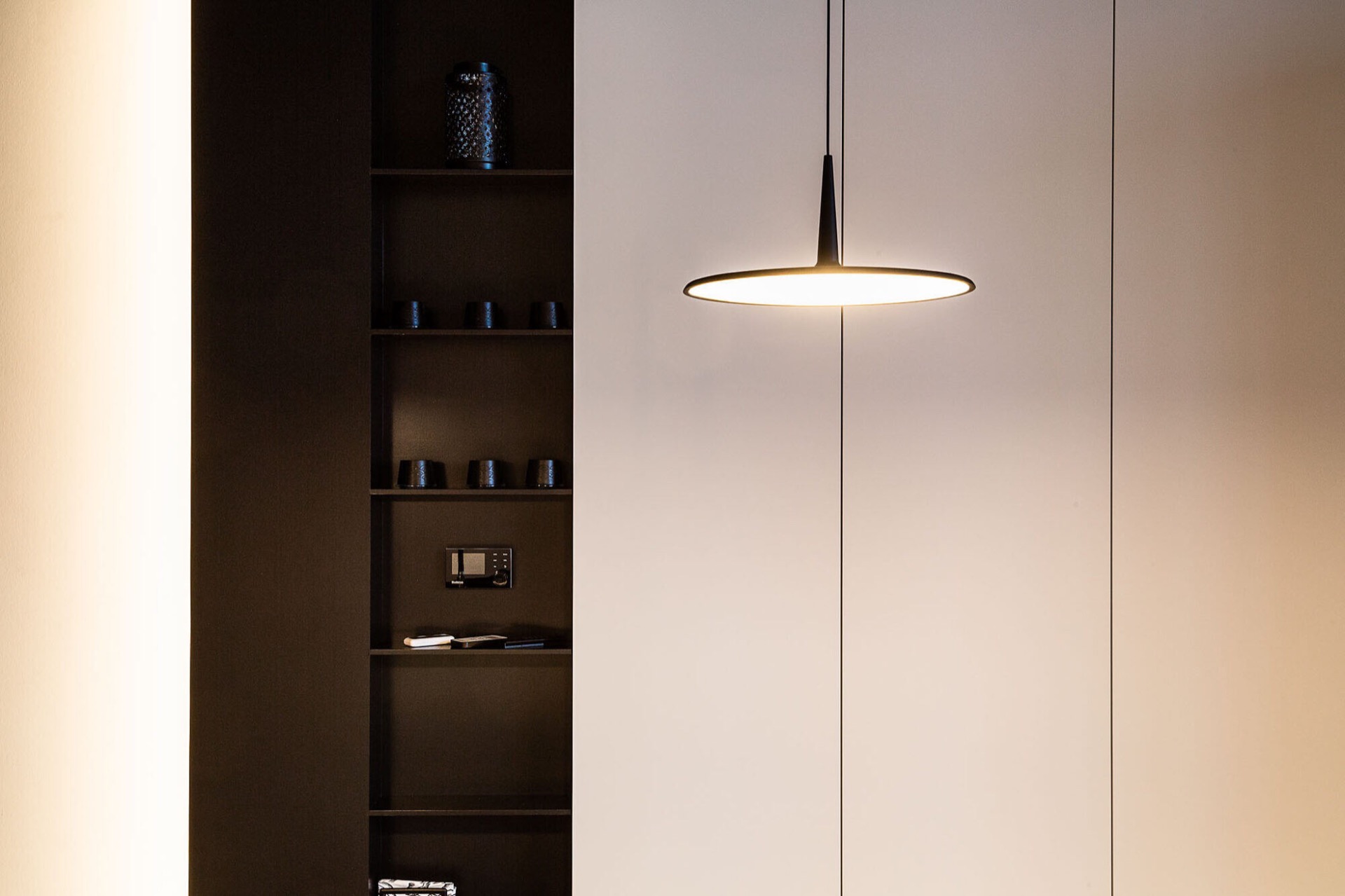
In the open ceiling, ducts, pipes, and conduits follow orderly paths within the steel grid. Integrated lighting—pendant and recessed spotlights—illuminates key areas without cluttering the structural rhythm, maintaining the ceiling as a layered composition of function and form.
Furnishings Define Zones Without Closing Space
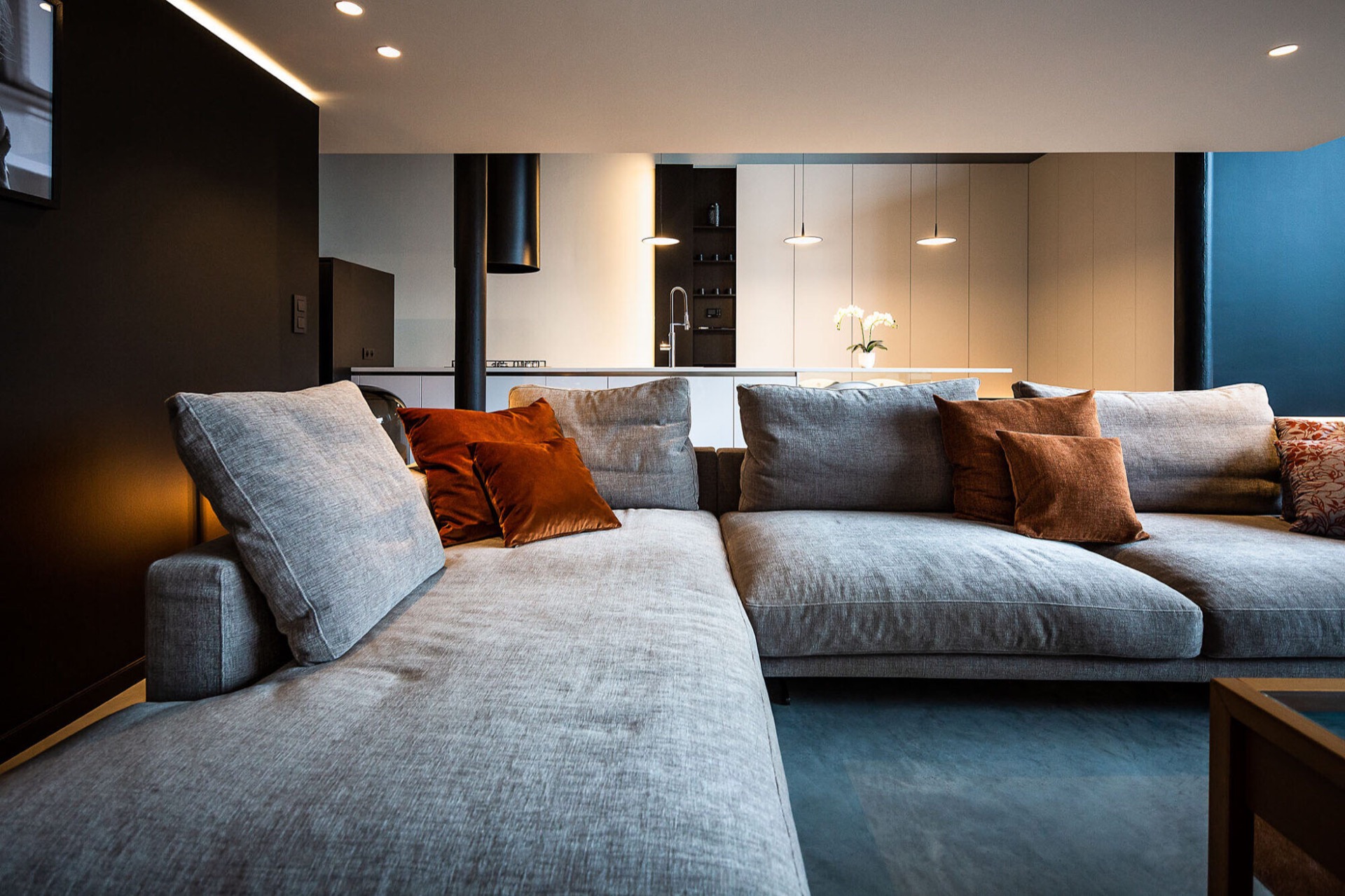
Seating and storage combine black metal frames with warm wooden surfaces, delineating the living and dining areas while enabling visual continuity. A marble tabletop introduces a cool, reflective counterpoint amidst the natural textures, signaling a communal focus without breaking the material language. That makes the industrial interior part of the architectural character rather than a loose finish.
Restrained Palette Emphasizes Material Transitions
The interior employs a careful selection of tones: natural wood hues, soft grays of concrete, and deep blacks of metal. This limited range shifts attention to how materials engage with each other and with light, highlighting the textural qualities and architectural details.
Systems Concealed Within the Structural Grid
Heating runs beneath the concrete floor, preserving uninterrupted surfaces, while electrical routes align with the steel framework to keep visual noise minimal. This integration supports a clean expression of the loft’s constructive logic.
Open Plan Enables Flexible Use and Circulation
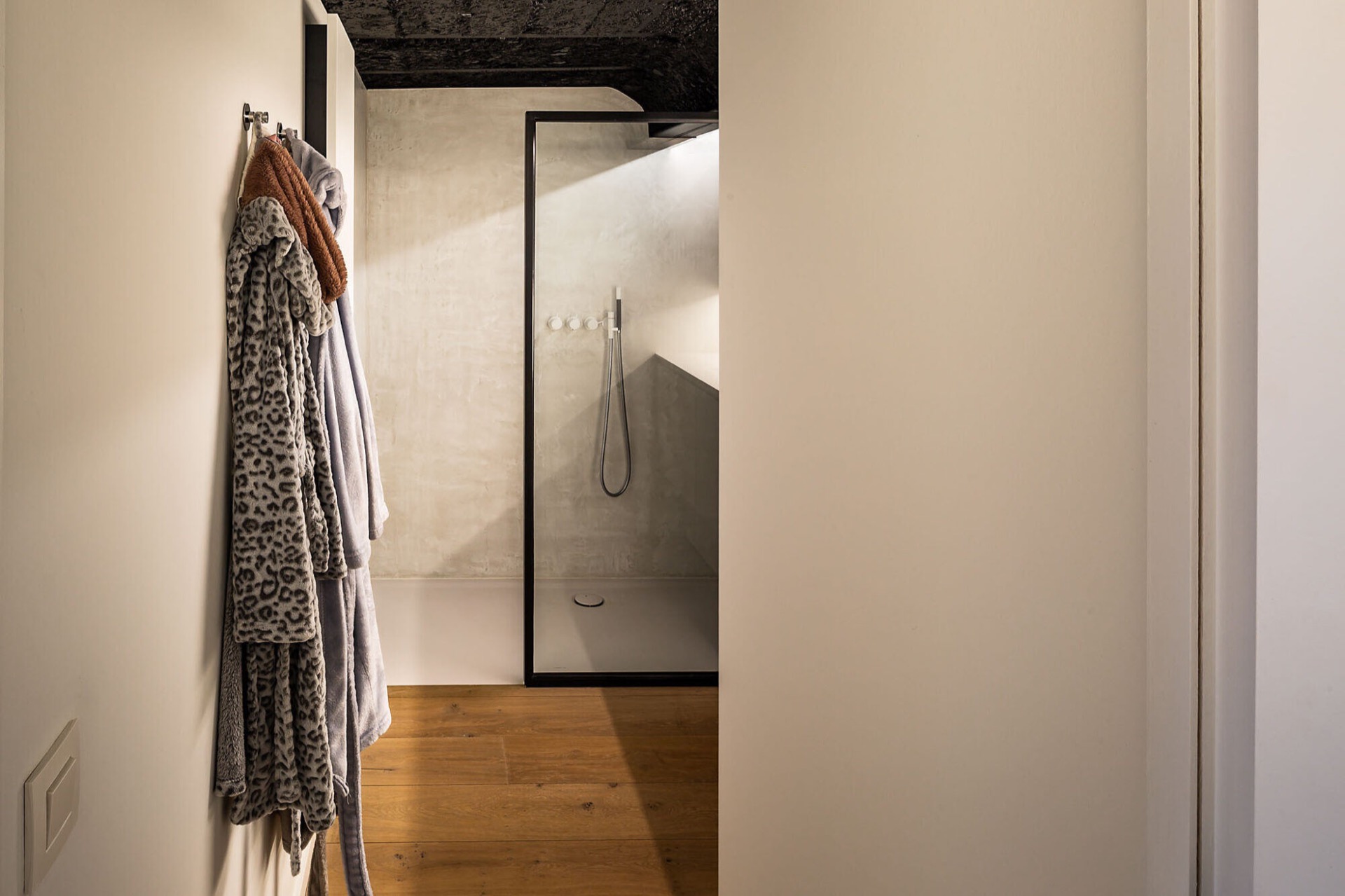
Living, culinary, and sanitary zones share an open floor plan that echoes the building’s industrial shell. Selective use of glass partitions encourages light flow and air circulation, making the space adaptable without sacrificing openness or brightness.
Natural Light Engages and Energizes Interior Elements
The tall windows orchestrate a daily interplay of light across varied materials. Highlights shift across concrete, wood, and metal surfaces, underscoring dimensionality and reinforcing the connection between inside and outside environments.
Material Contrasts Offer Sensory Complexity
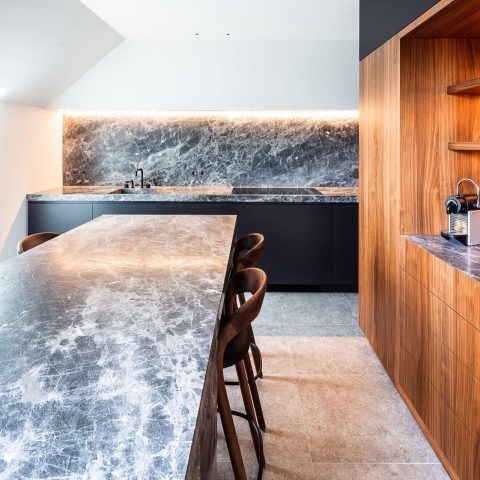
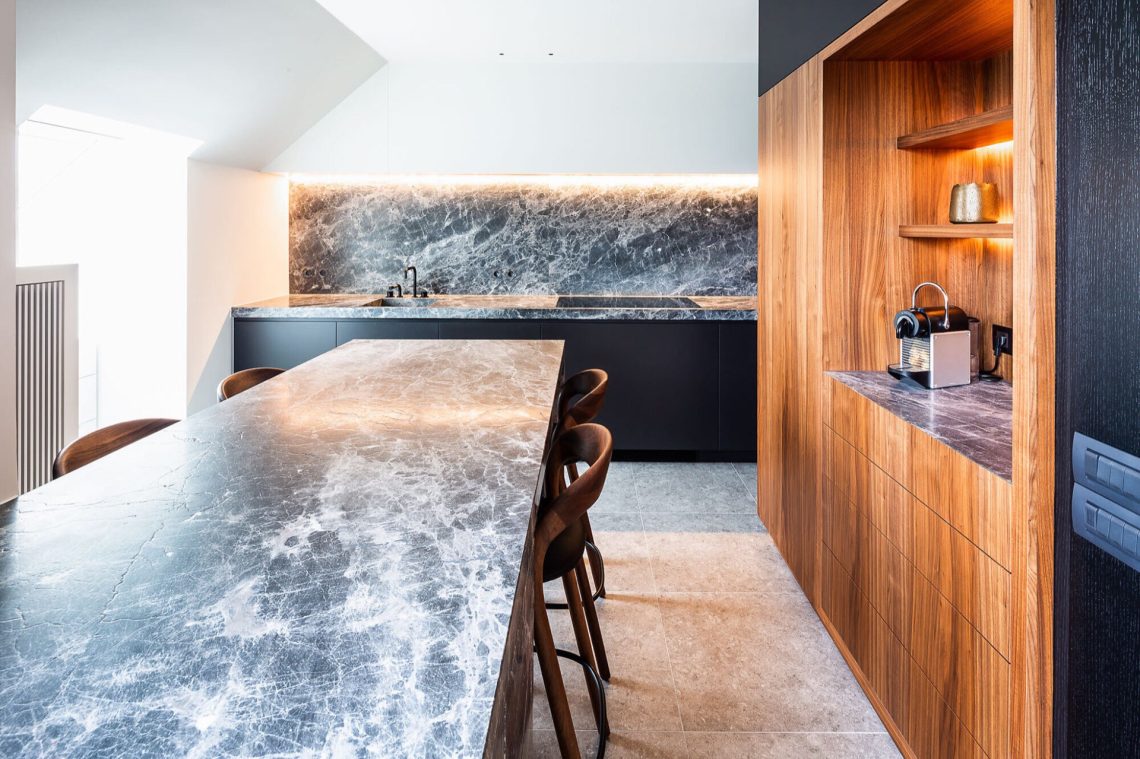
The cool, reflective concrete floor contrasts with handcrafted wooden staircases and furnishings that invite closer inspection. Marble accents contribute smooth, luminous surfaces, balancing solidity with moments of visual lightness and tactile interest.
Structural Framework Supports Adaptability
Exposed steel beams and the added framework provide a sturdy infrastructure capable of hosting future spatial adjustments without major changes. Furniture and transparent elements enhance this flexibility, enabling varied uses while preserving the core industrial character.
Attention to Detail Reveals Craftsmanship
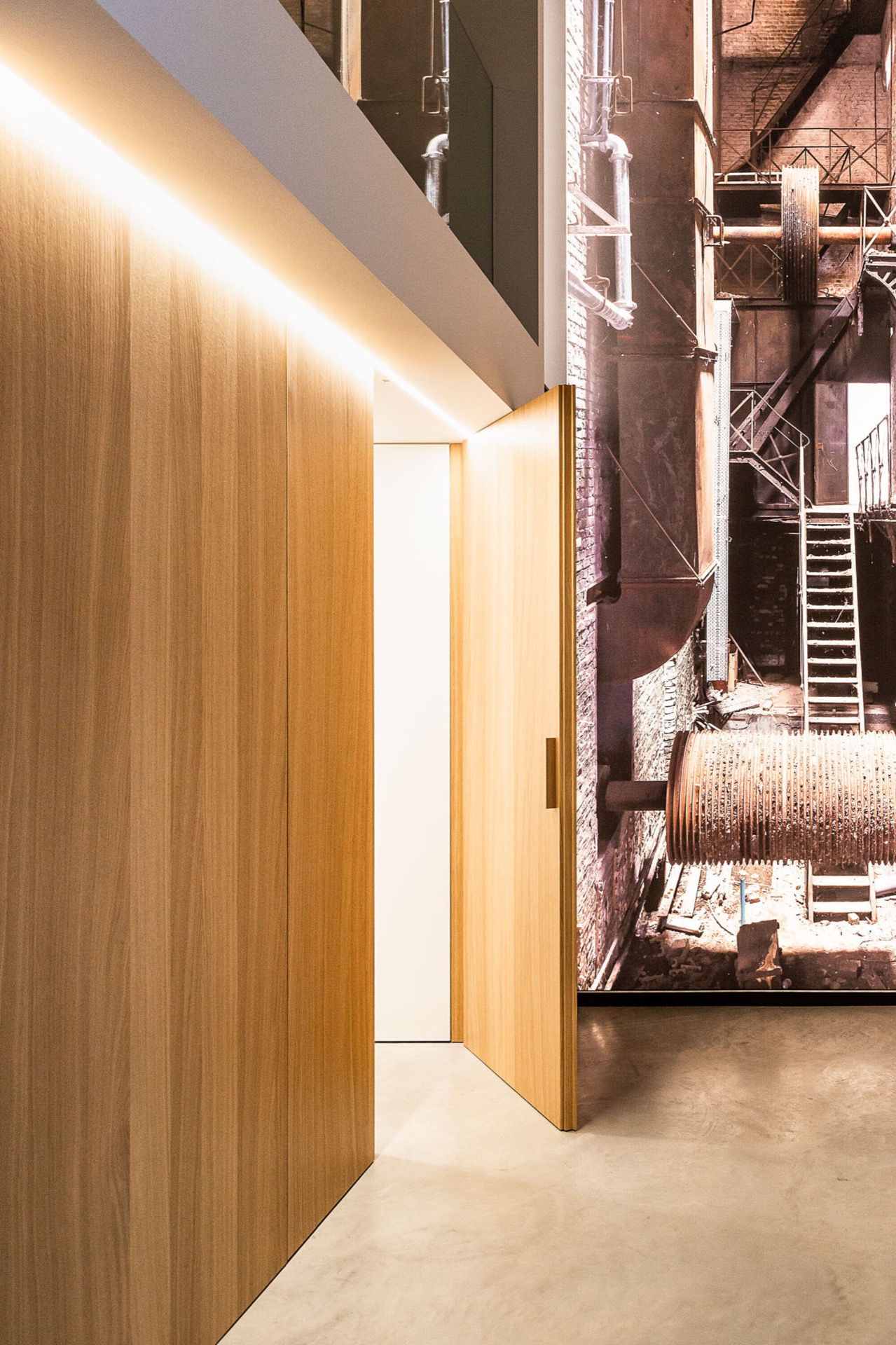
Transitions where wood meets metal and concrete are executed with precision, marking a considered balance between raw industrial materials and refined finish. Mortar lines and aligned fixtures contribute to an ordered yet rugged aesthetic that maintains authenticity without ornamental distractions. That makes the industrial interior part of the architectural character rather than a loose finish.
Want to see more of Fugazzi? View the page of Fugazzi for even more great projects and company information.
.png)
NEW 2026 Jubileum Edition The Best Interior Designers Benelux
Order Now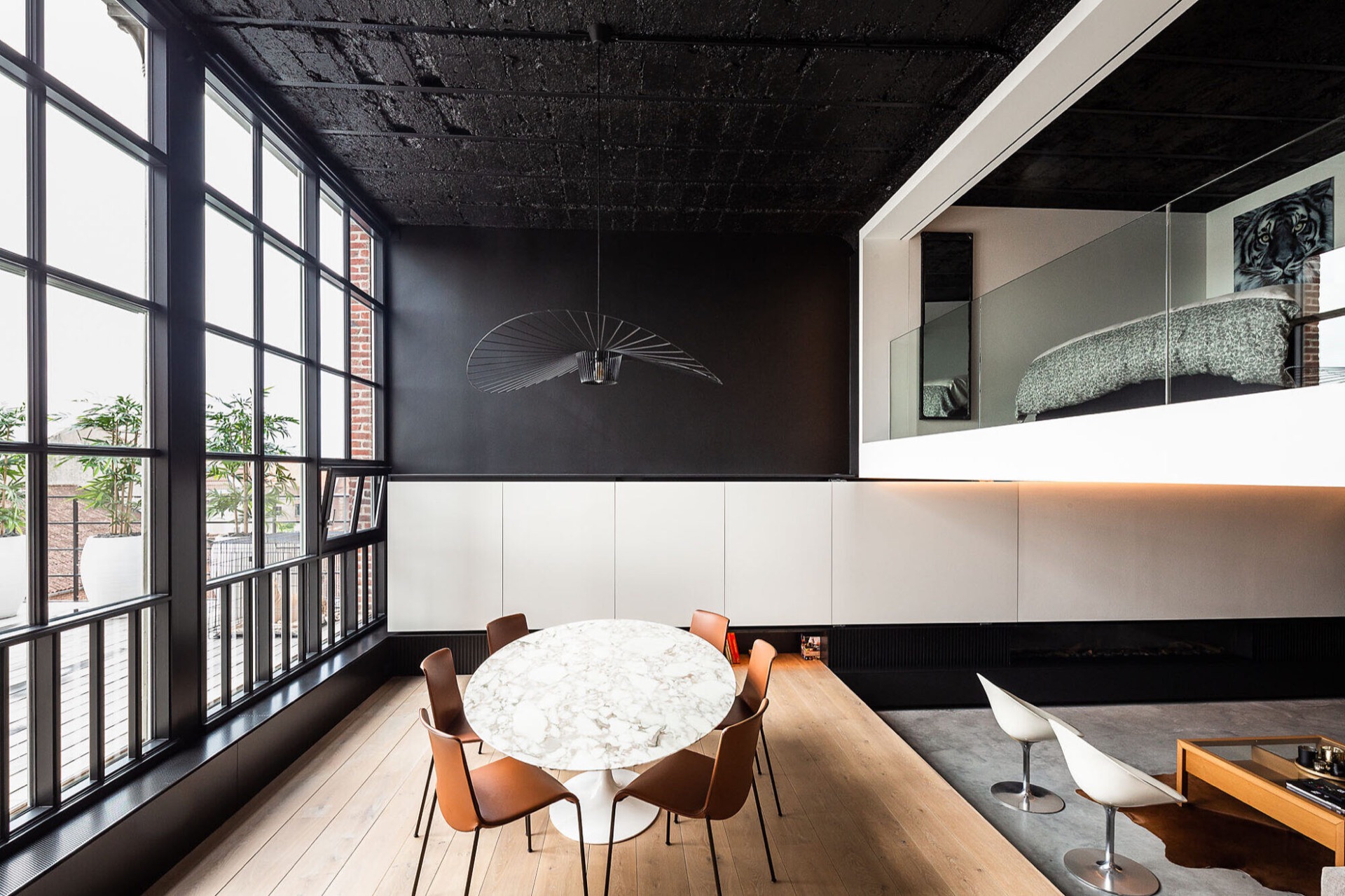
NEW 2026 Jubileum Edition The Best Interior Designers Benelux
Order Now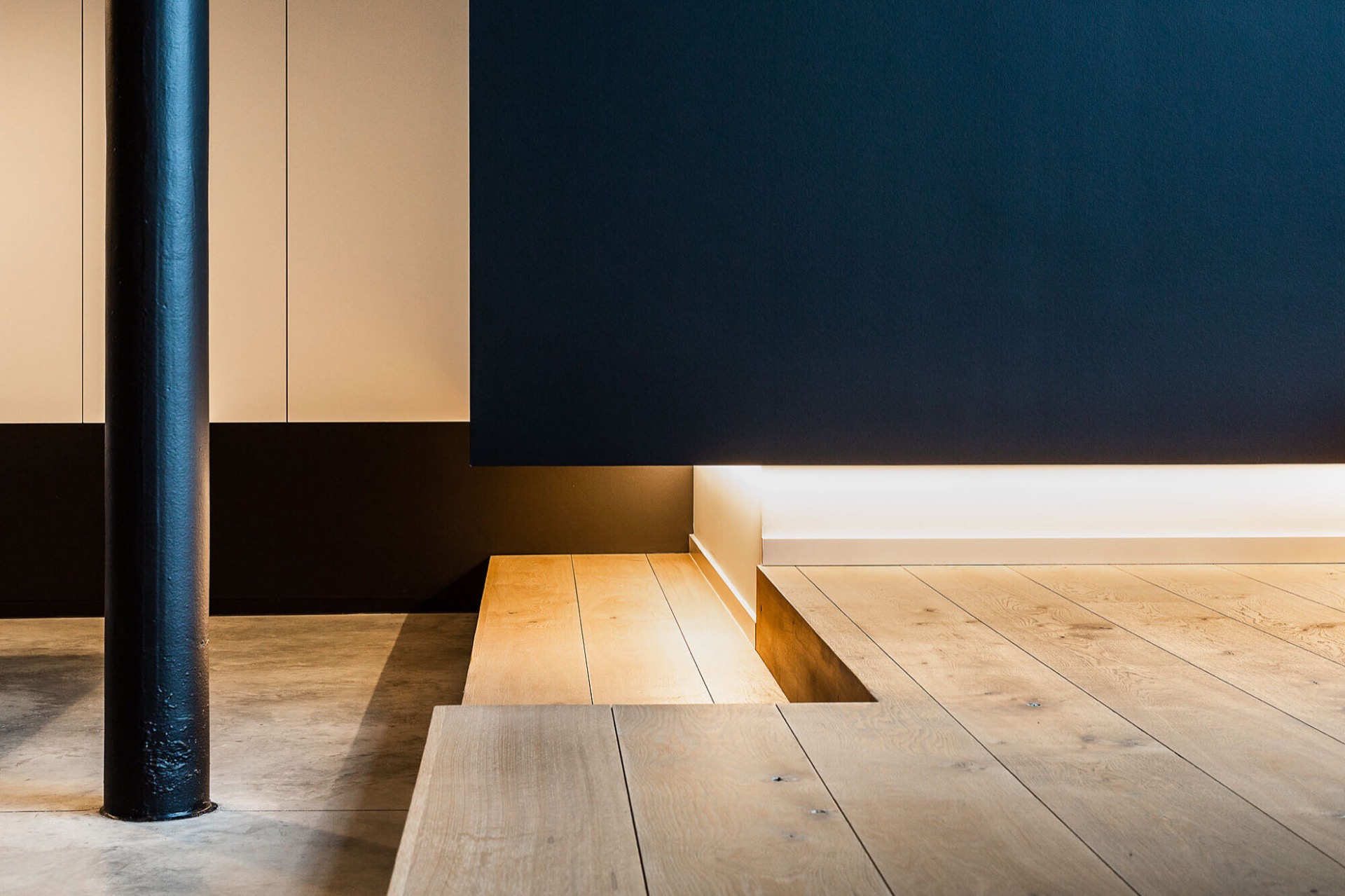
NEW 2026 Jubileum Edition The Best Interior Designers Benelux
Order Now
NEW 2026 Jubileum Edition The Best Interior Designers Benelux
Order Now