






Minimalistisch Modern House met Natuurlijke Materialen en Grote Glaspartijen
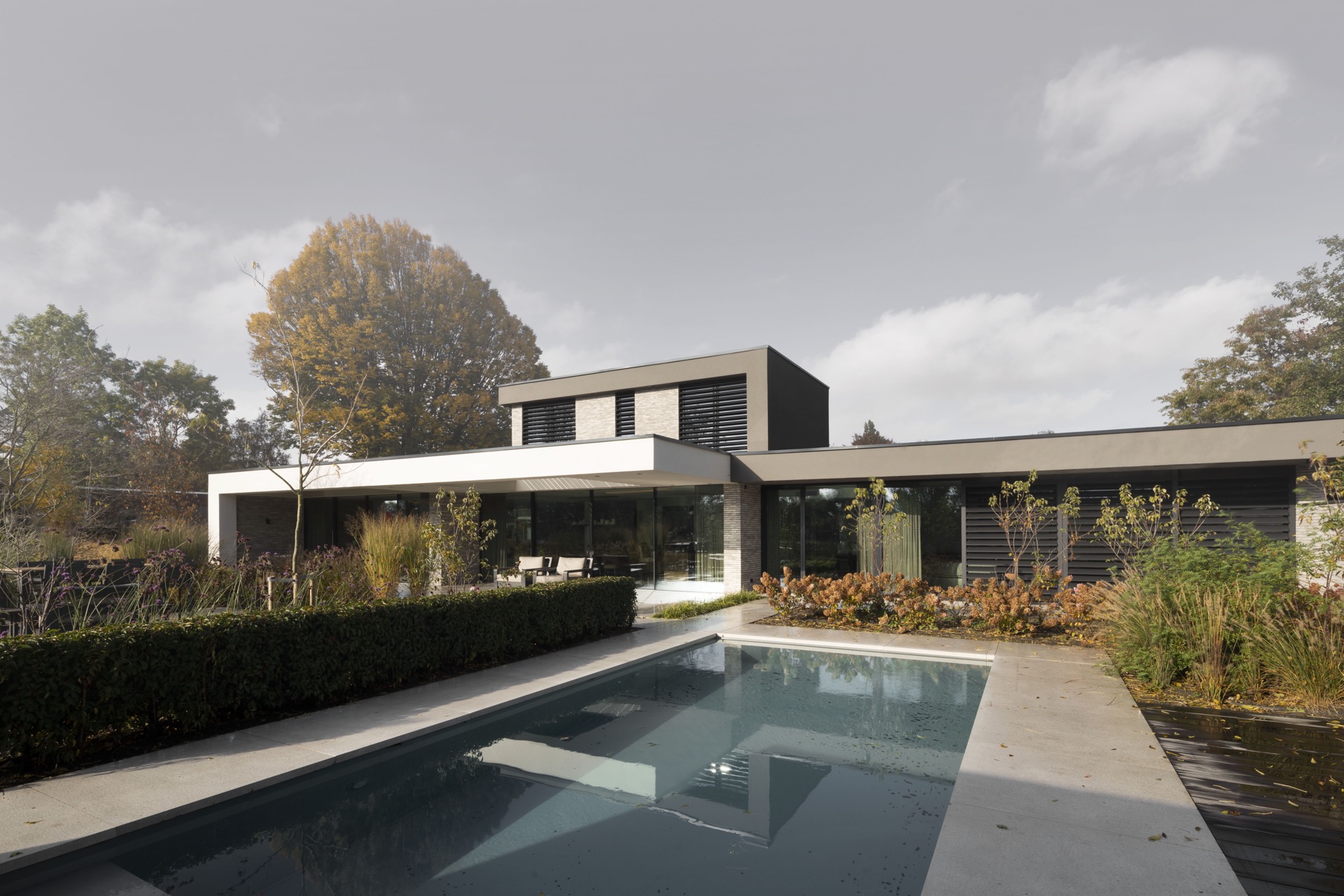
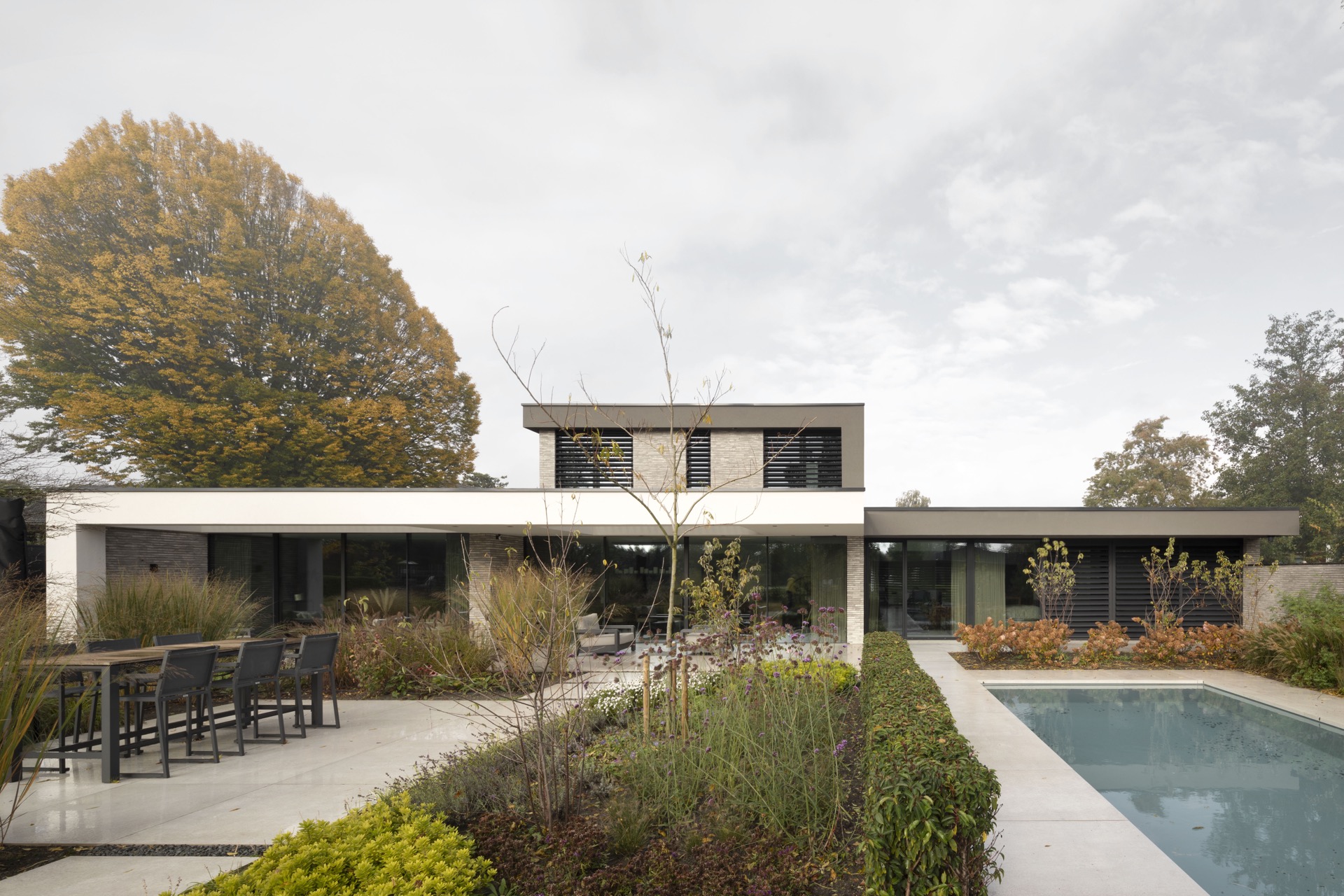
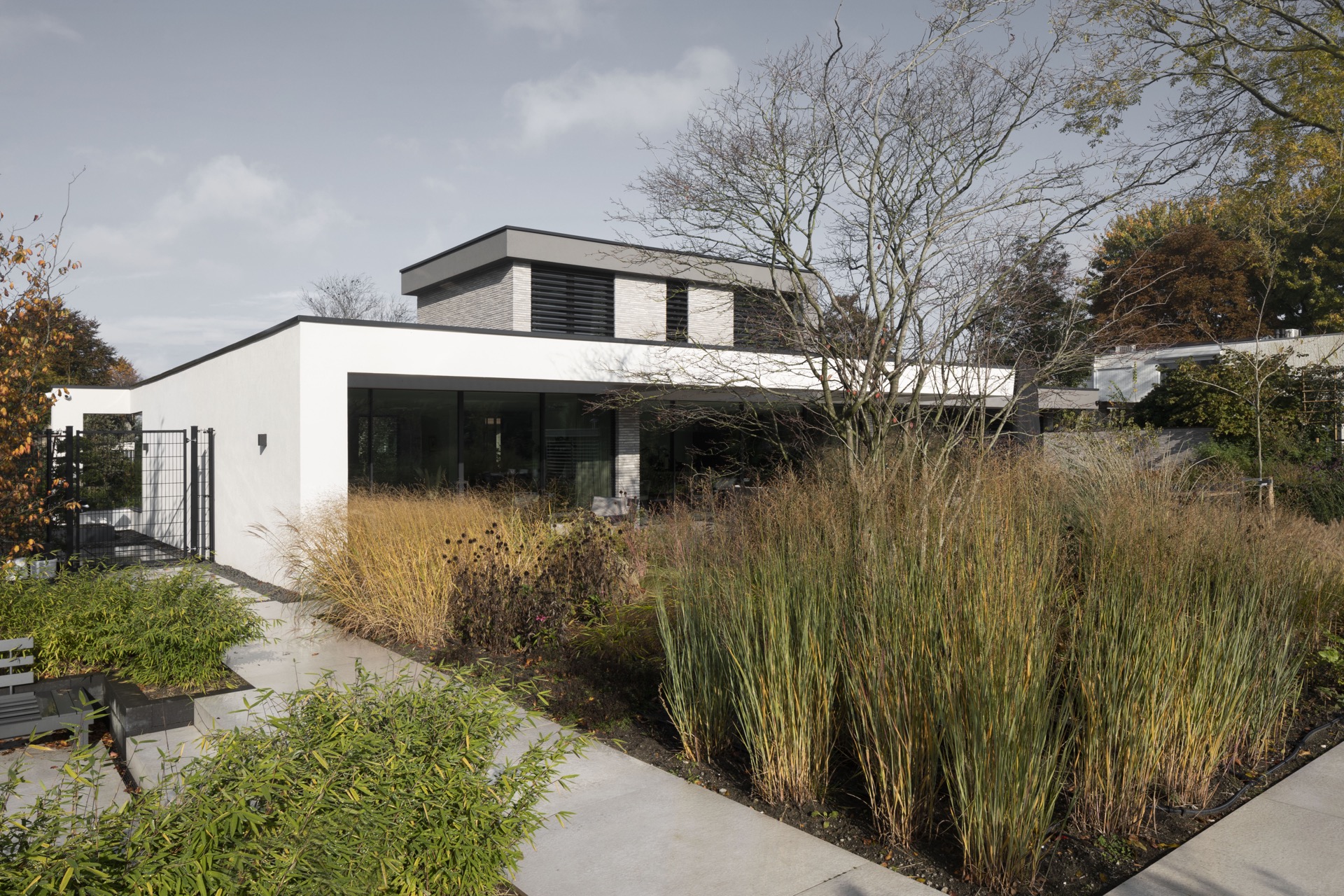
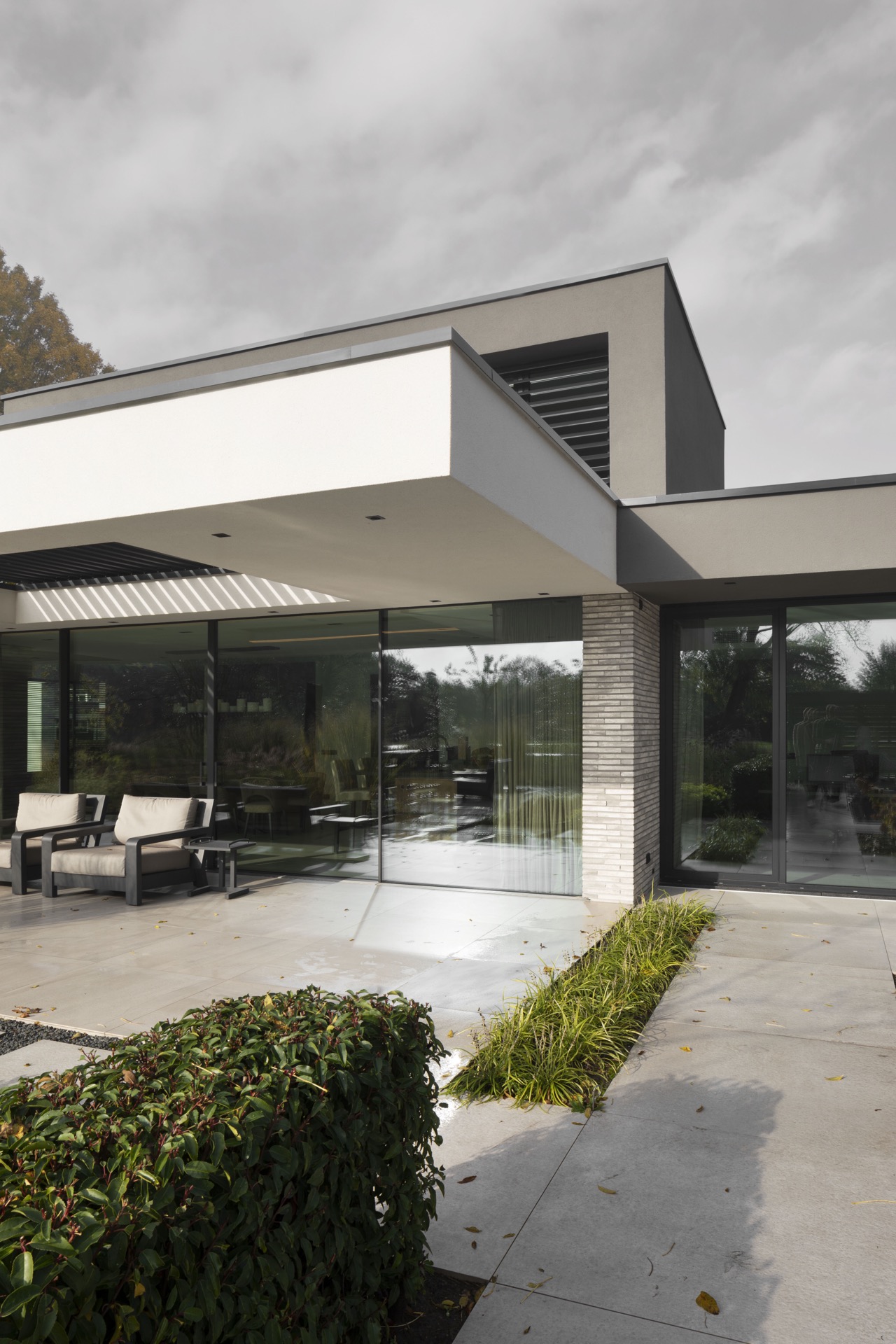
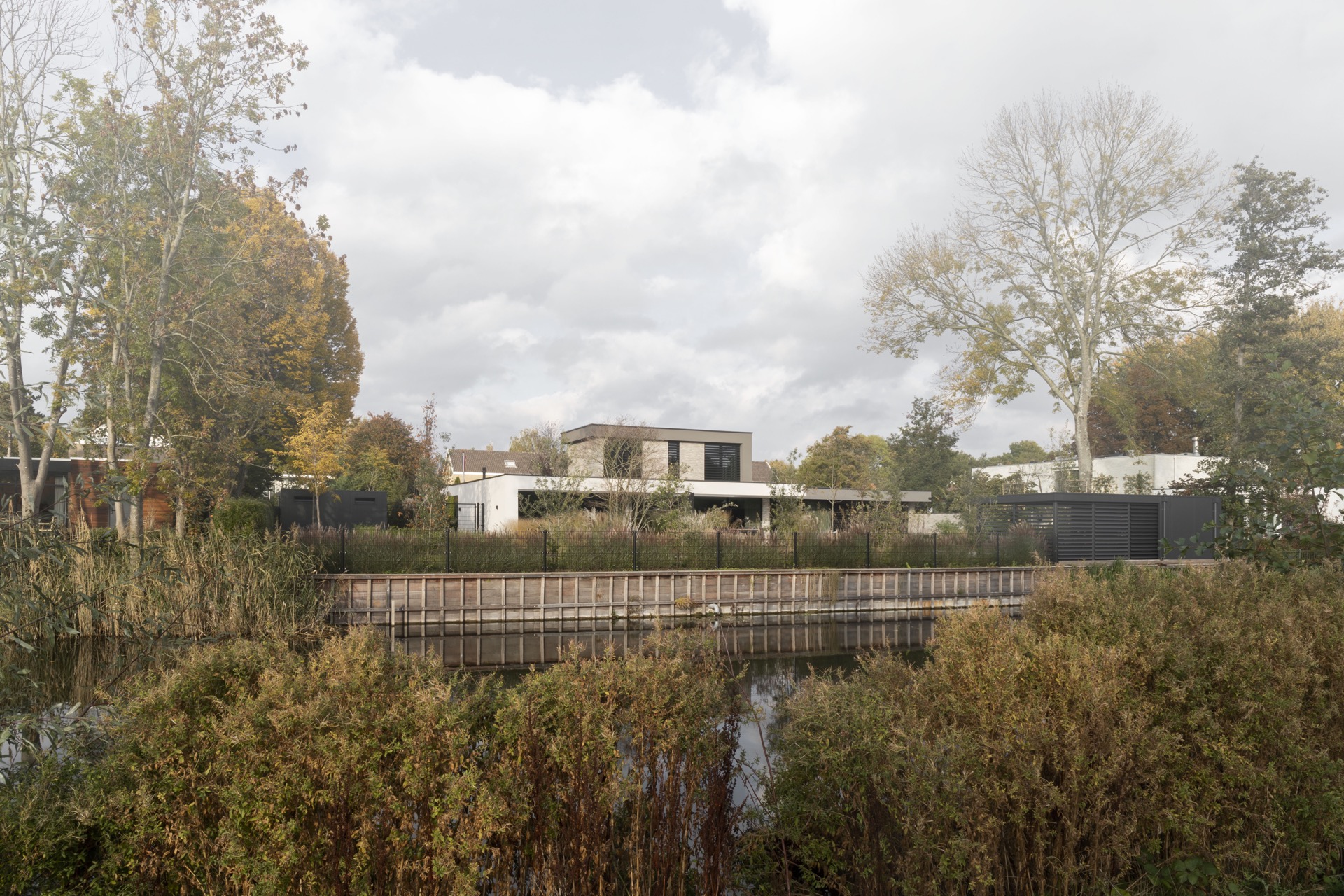
The modern house design is immediately visible in the way the project is framed. Large glass panels stretch from floor to ceiling, framing serene views of a quiet river and garden beyond. This vantage point, oriented deliberately towards the water, draws the outdoors deep into the home’s everyday experience. The interplay of inside and outside unfolds across the Minimalistic Z-House, where boundaries dissolve through transparent surfaces and extended overhangs.
modern house design as the architectural starting point
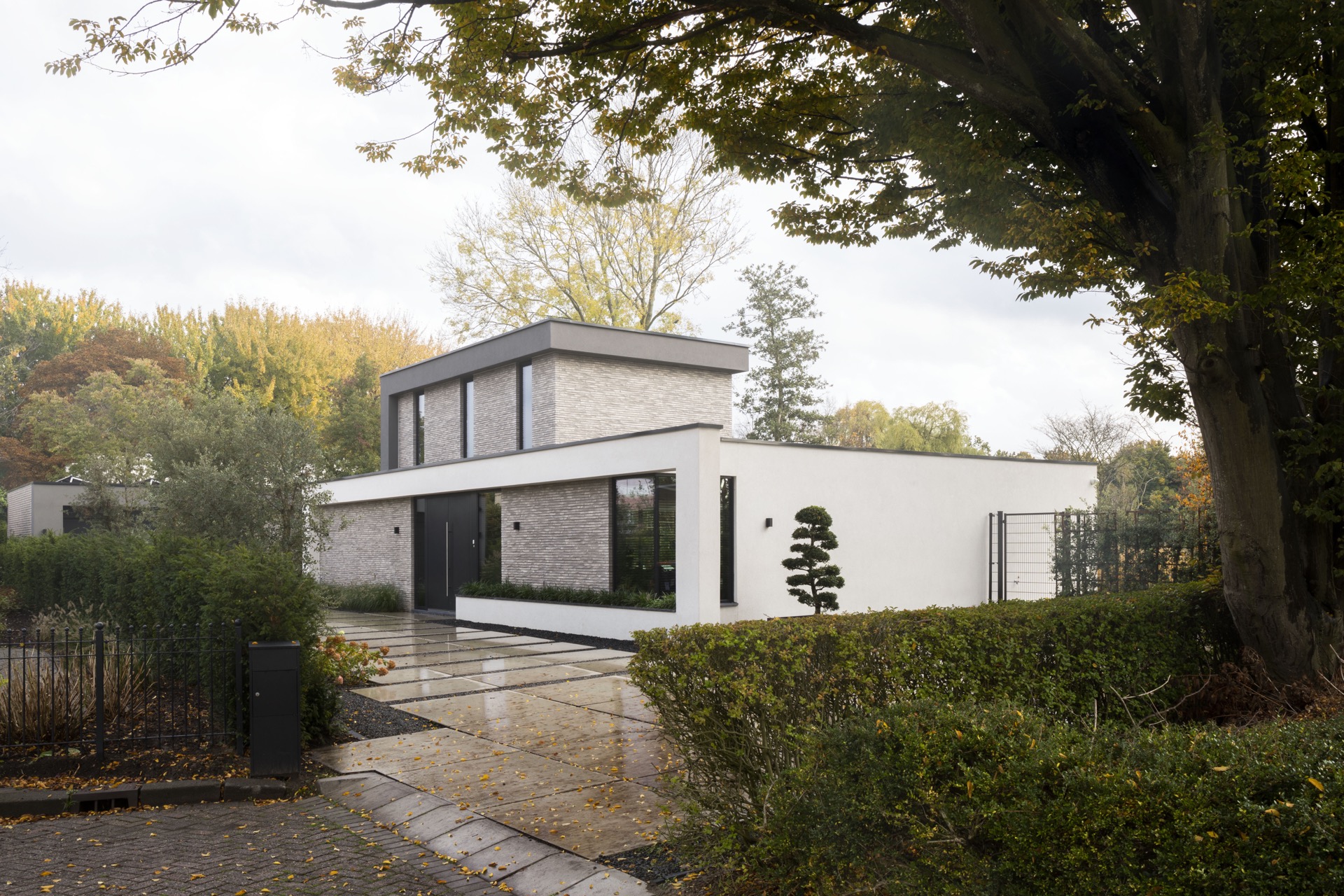
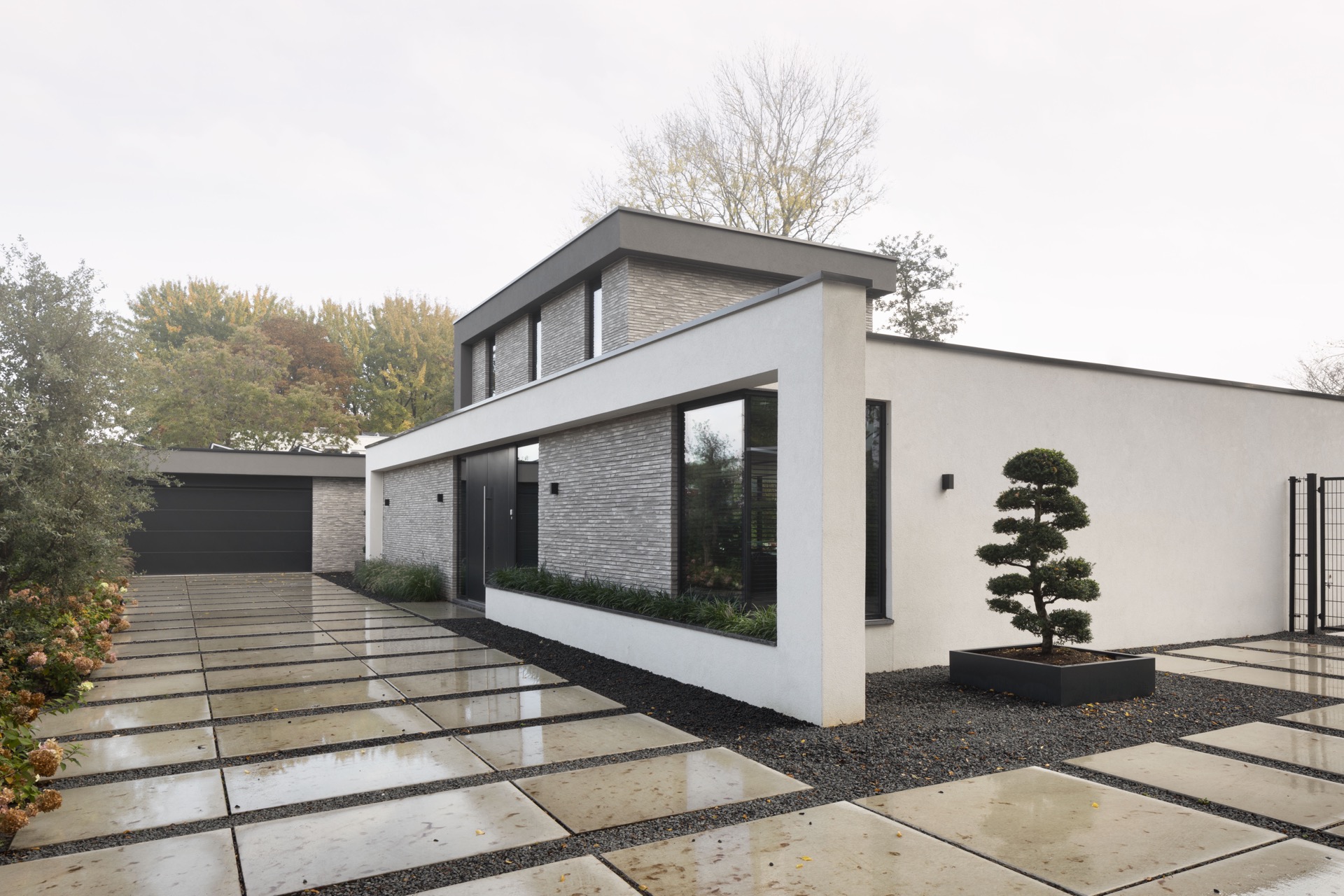
The house asserts itself with a dynamic geometry, composed of volumes subtly stacked and offset. A closed front façade secures privacy, contrasting the openness towards the garden at the rear. Regulatory constraints mandated pitched roofs for two-story sections, yet the design team pursued a flat-roofed double-story form more befitting the site’s character. Navigating these rules required a blend of inventive design and municipal cooperation, culminating in a two-level structure crowned by flat roofs. Here, the upper volume recedes with its smaller scale and distinct materials, sustaining visual balance.
Engineering a Gravity-Defying 14-Meter Overhang
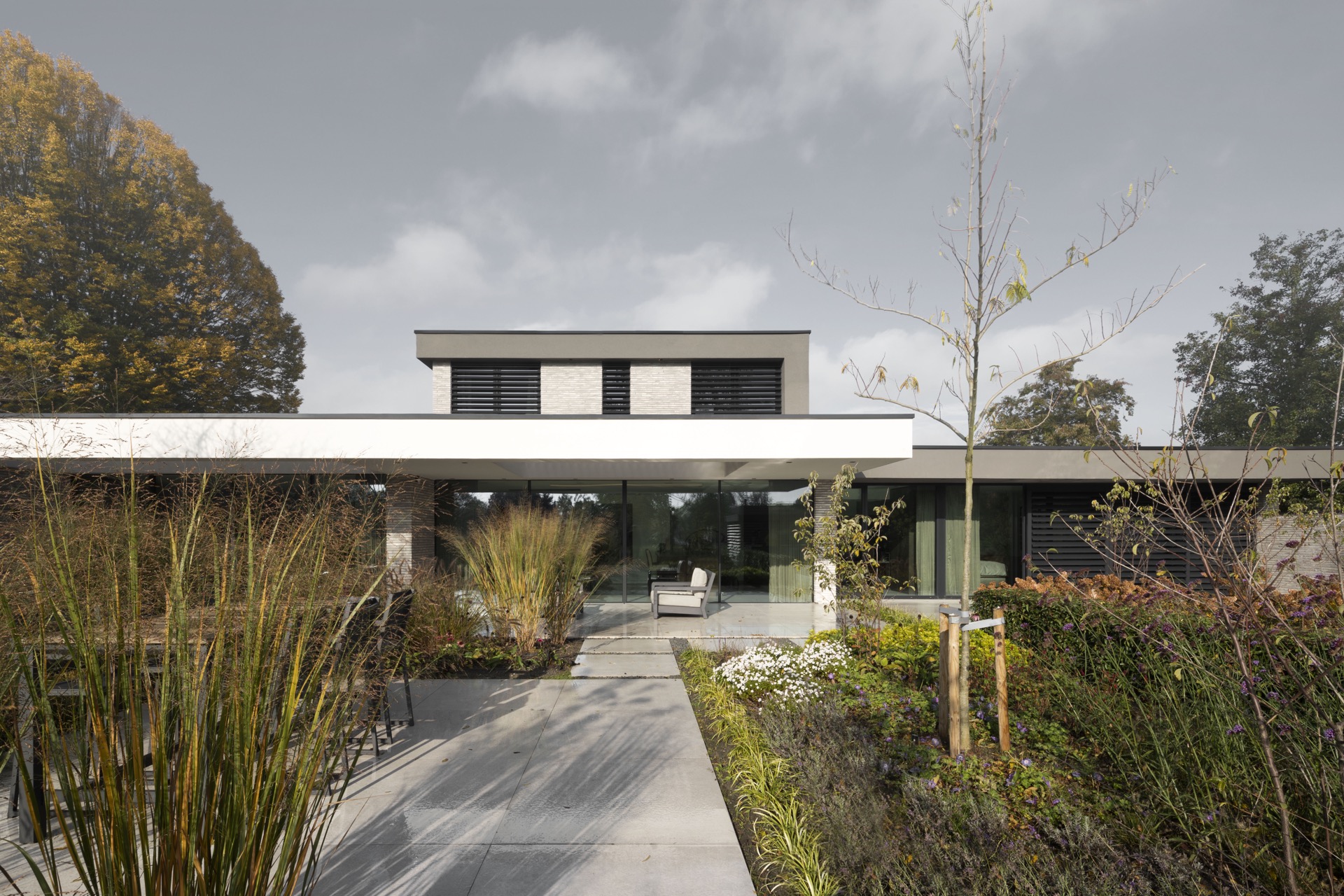
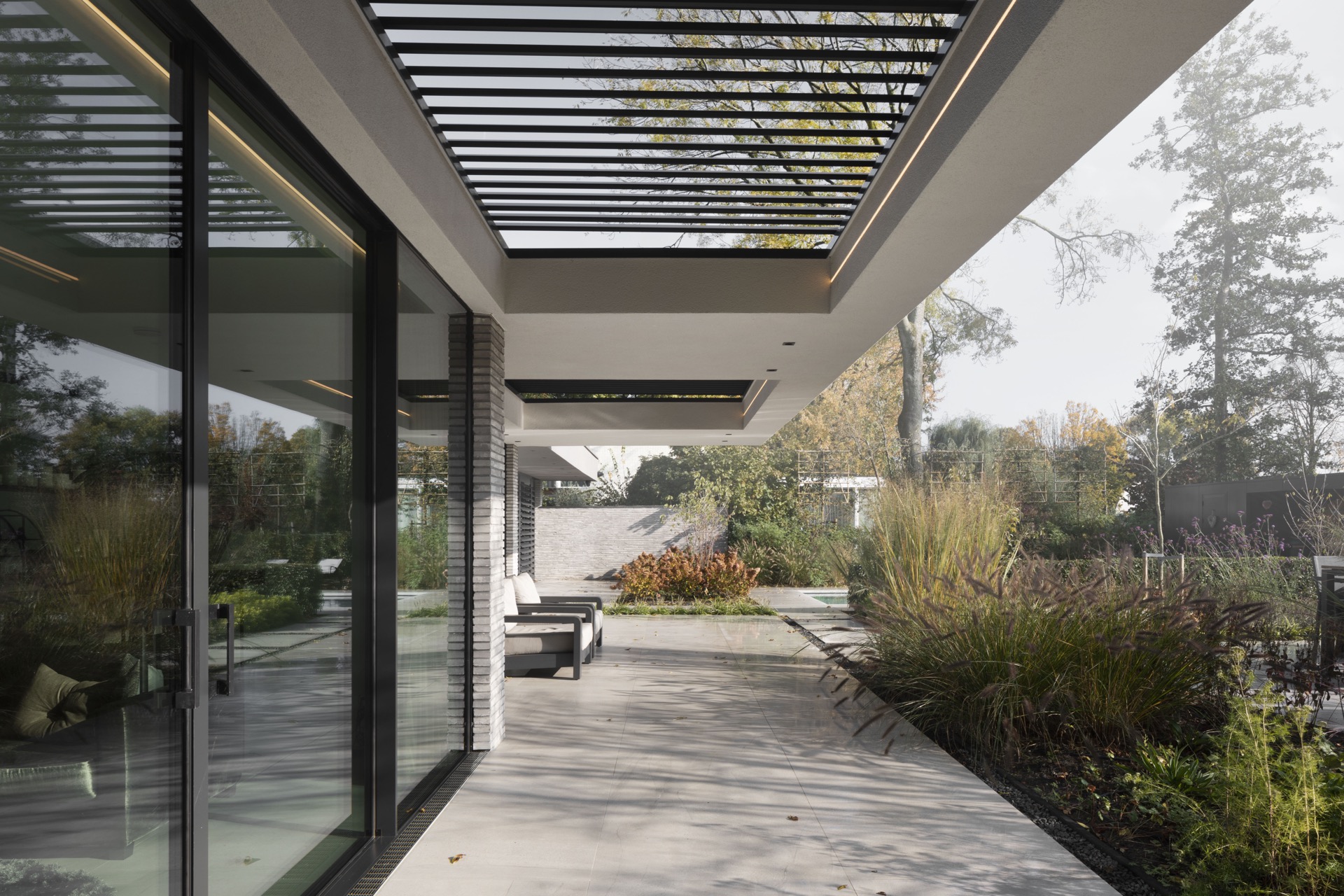
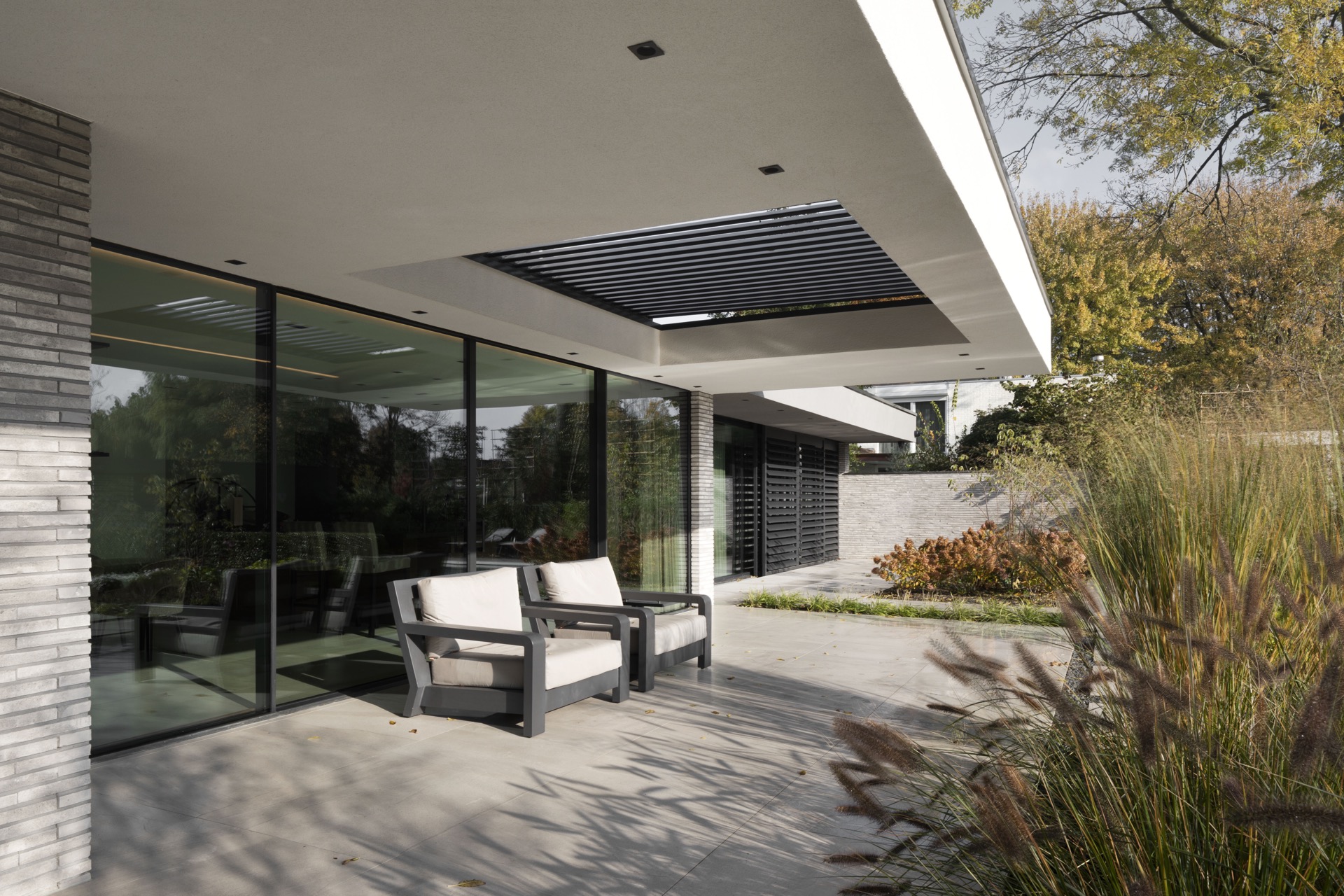
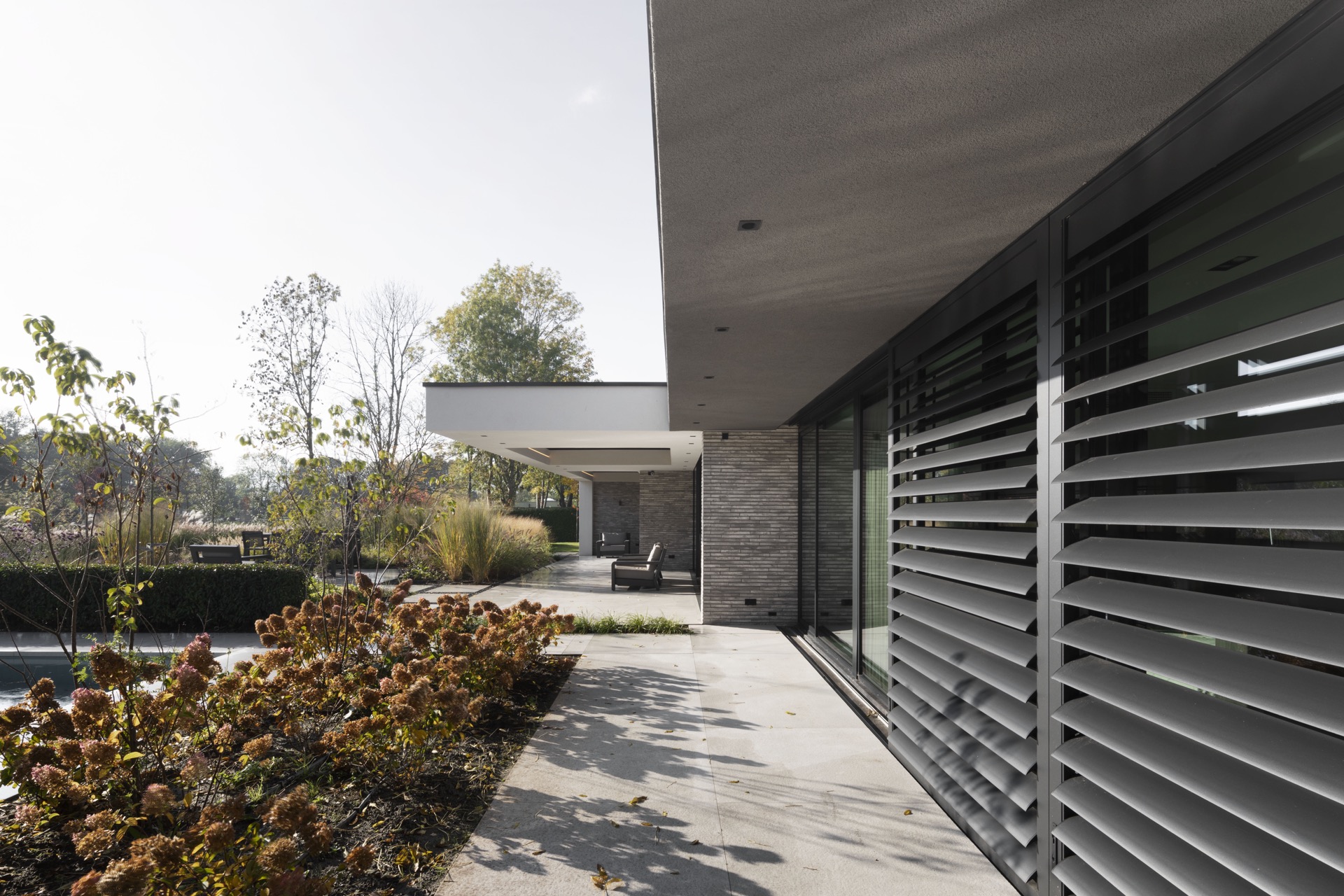
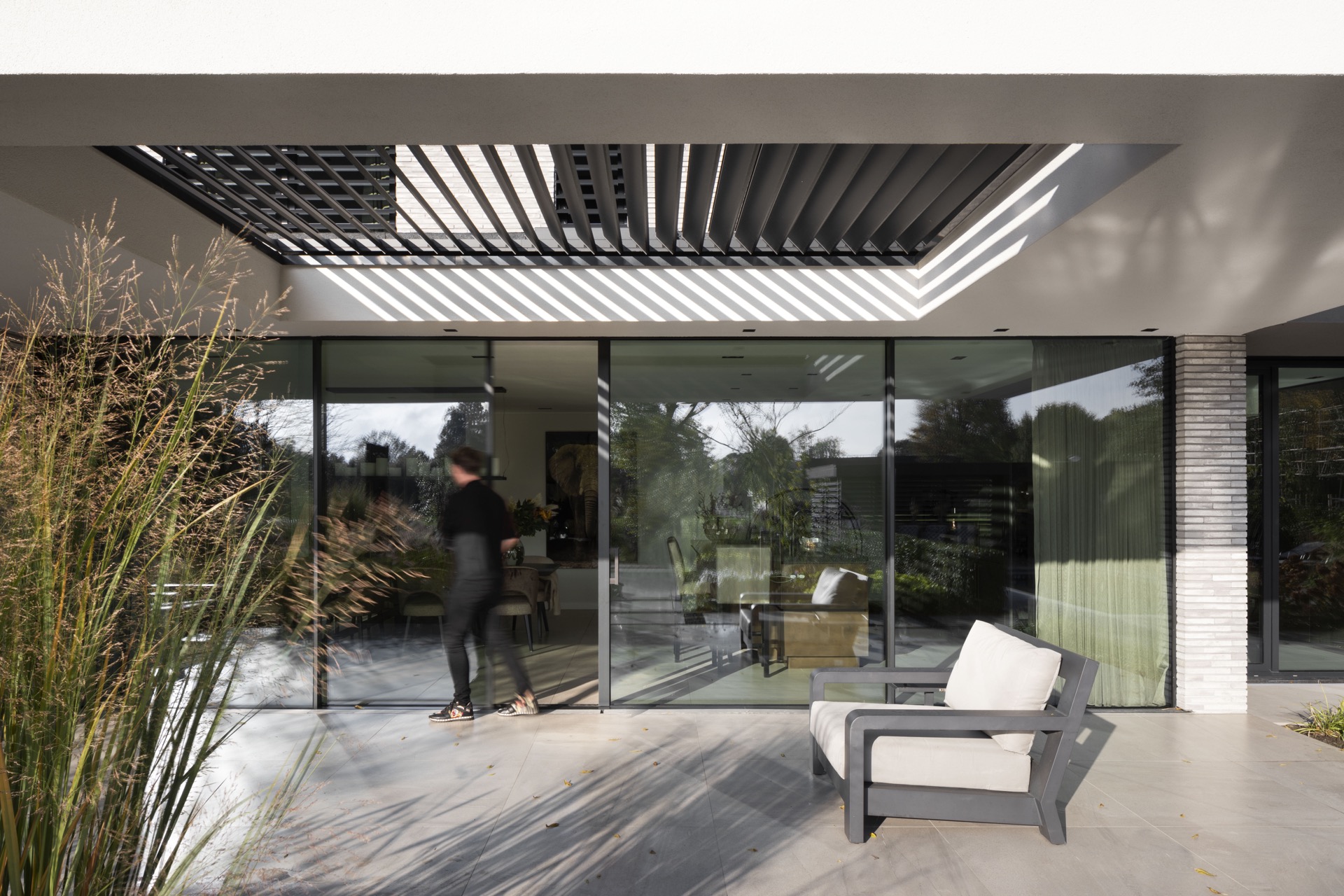
A standout feature is the extended veranda stretching 14 meters, uninterrupted by columns. Structural support is concealed within the exterior walls, giving the impression of a cantilever that seems to defy gravity. This column-free space foregrounds the rear garden, inviting uninterrupted views and seamless flow between interior and exterior areas.
Subtle Control of Sunlight Through Louvers
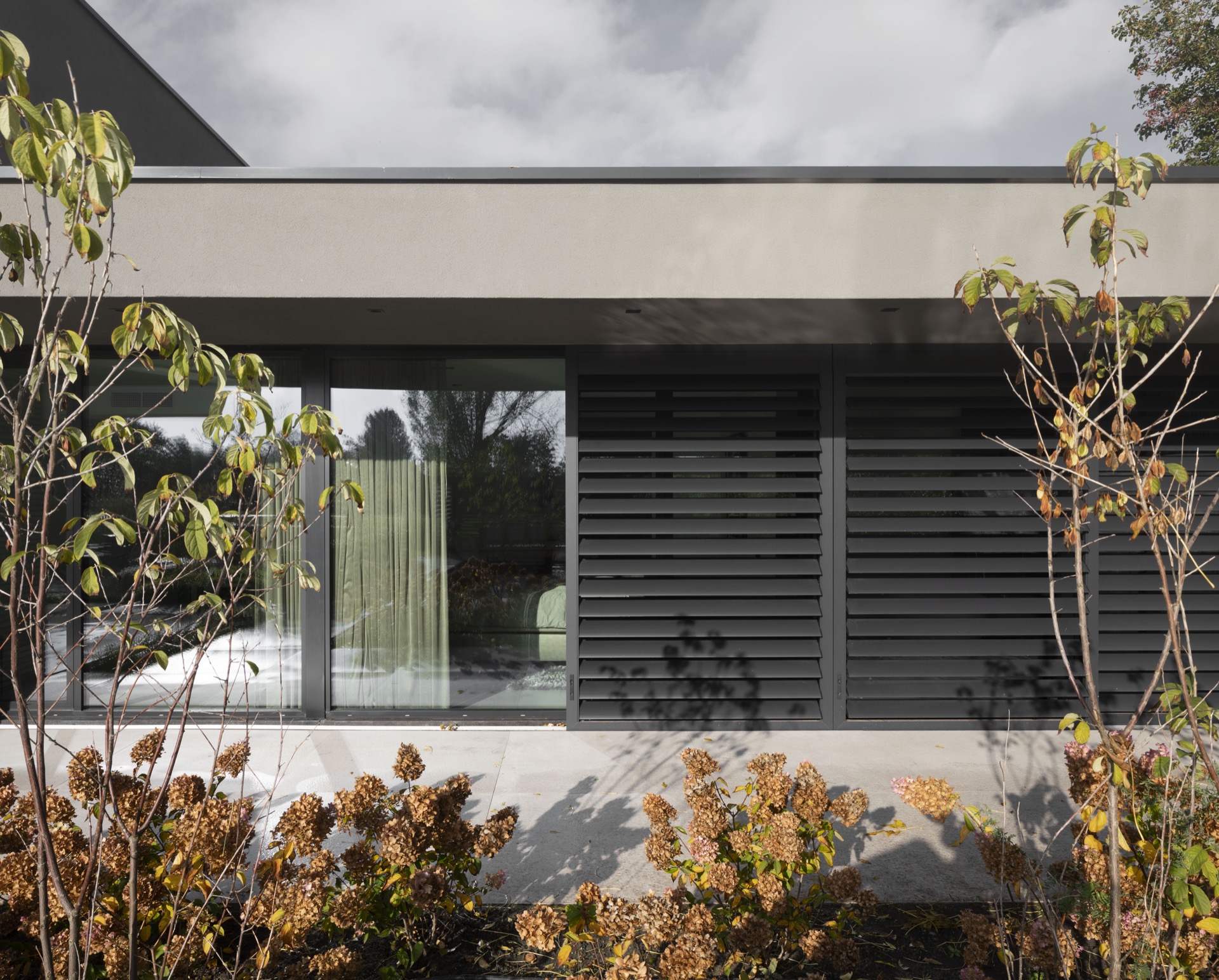
The Livium louver system integrates into the design with restrained finesse. Precisely aligned, the slats modulate natural light, casting patterned shadows that shift through the day. This mechanism filters sunlight without detracting from the openness, enhancing the connection with the surrounding greenery while supporting comfort.
Minimalism Expressed in Every Frame and Surface
Minimalism governs the entire composition, from the building envelope to the smallest interior detail. Window frames are streamlined and almost flush with the floors, ceilings, and walls, minimizing visual clutter. Surfaces proceed unbroken, with choices of black wood, stone tiles, white plaster, and glass articulating spaces with material clarity. This restrained palette ensures focus remains on form and light instead of decorative excess. That makes the modern house design part of the architectural character rather than a loose finish.
Interior Design Anchored in Material Texture and Light
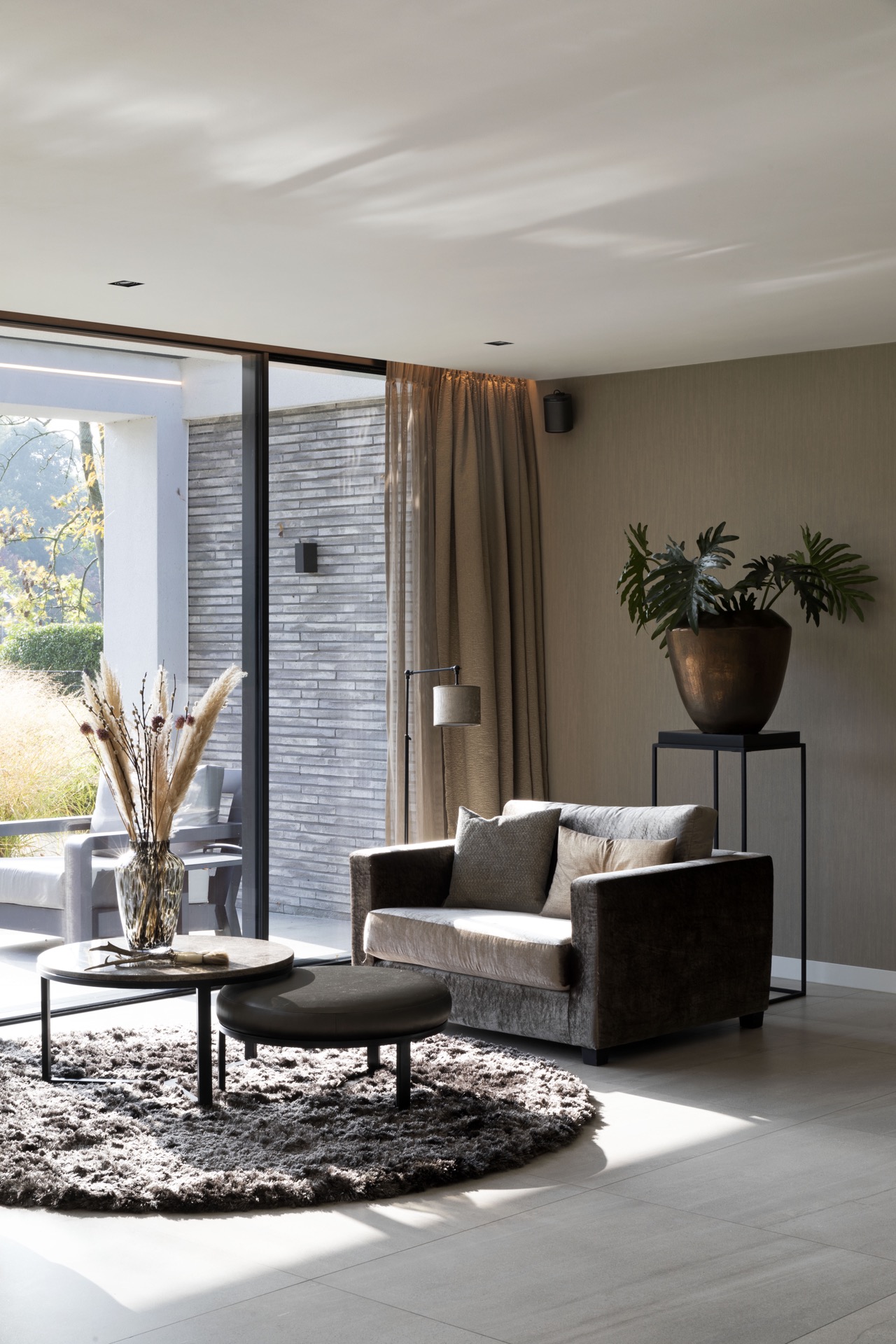
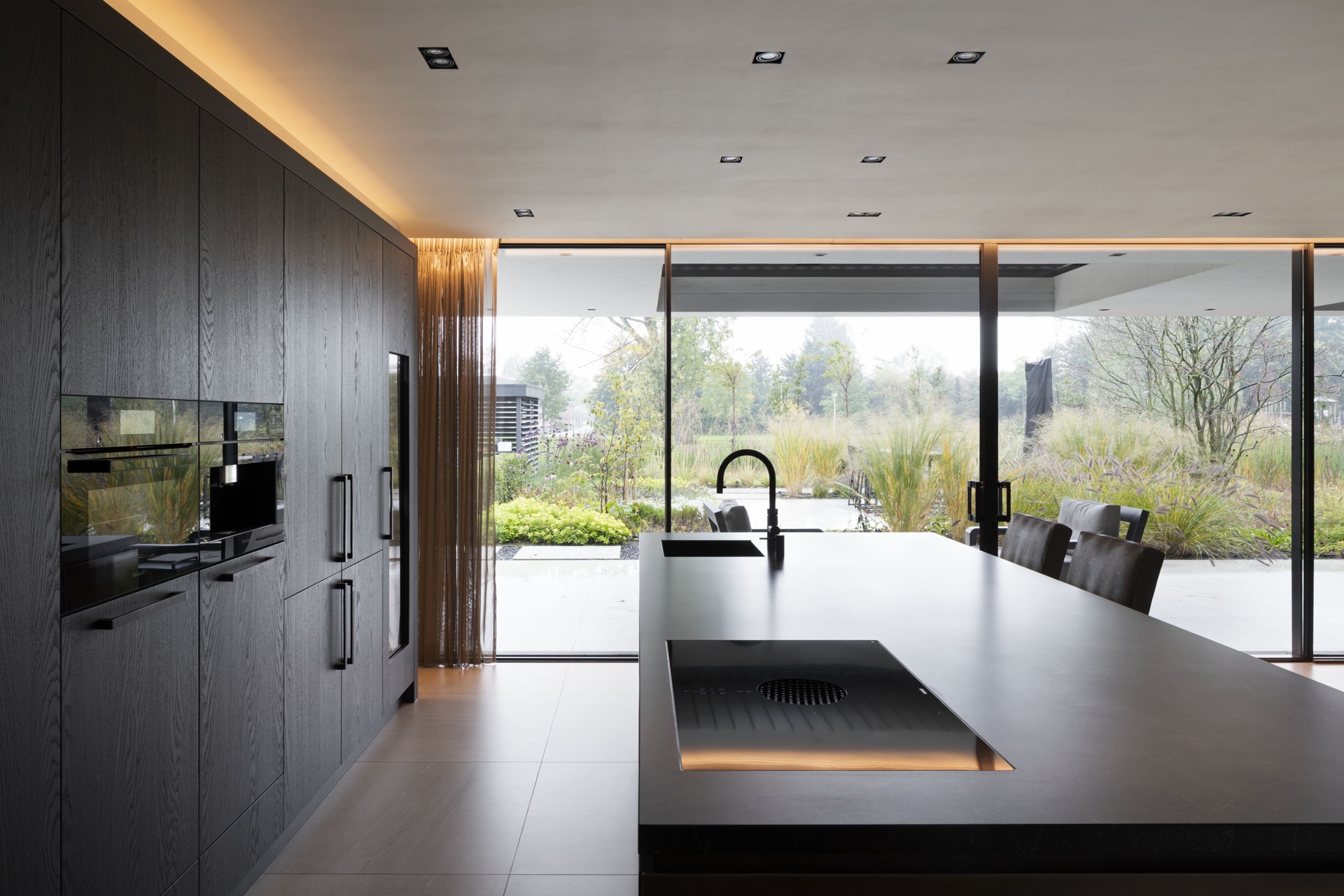
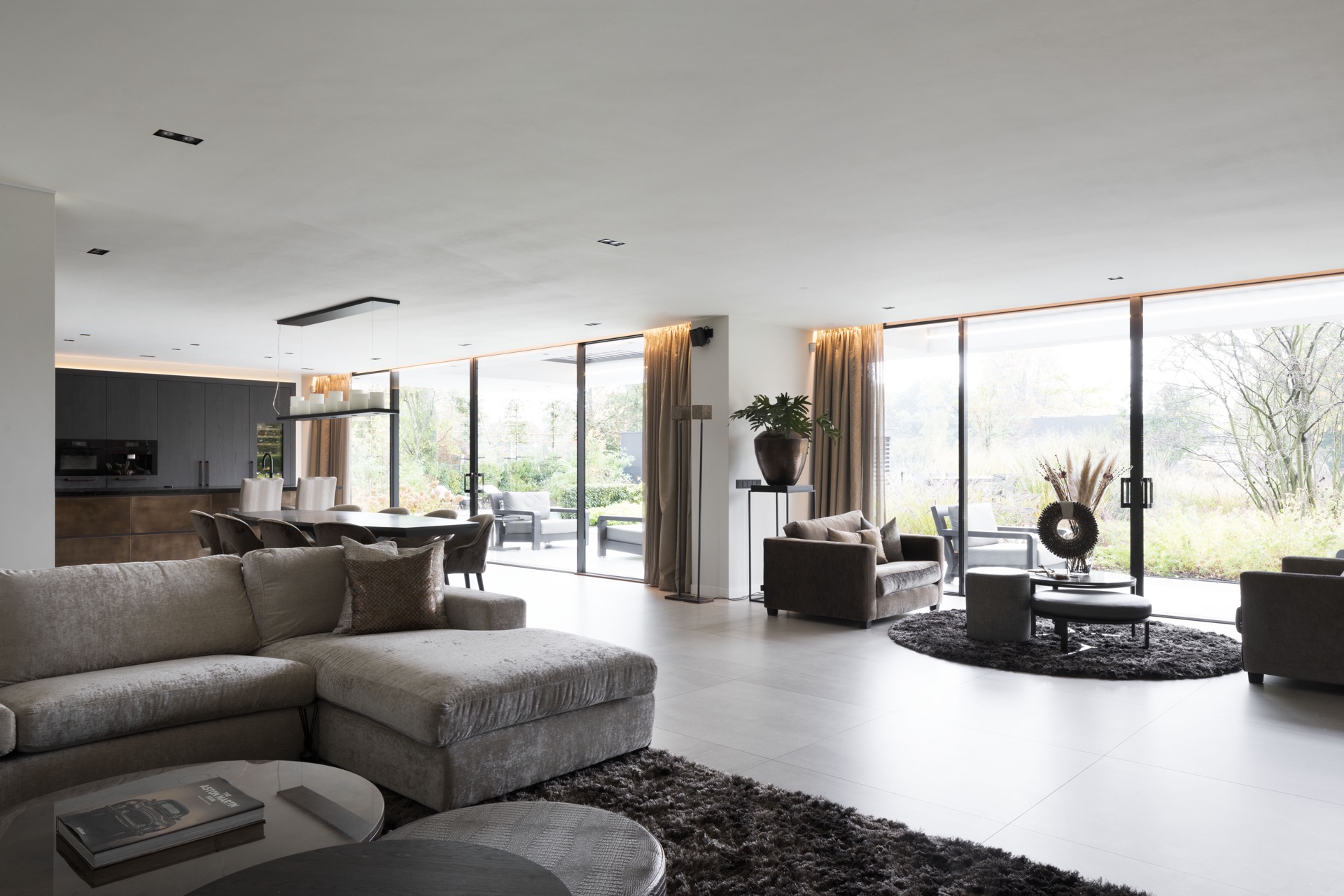
Inside, a considered palette of four primary materials outlines the spatial experience: stone floors ground the rooms, black wood introduces warmth and texture, plastered walls offer crisp brightness, and glass connects with the exterior landscape. Lighting design further elevates these elements, with indirect and direct sources sculpting volumes and accentuating architectural details.
Integrated Kitchen and Living Spaces Reflecting Architectural Intent
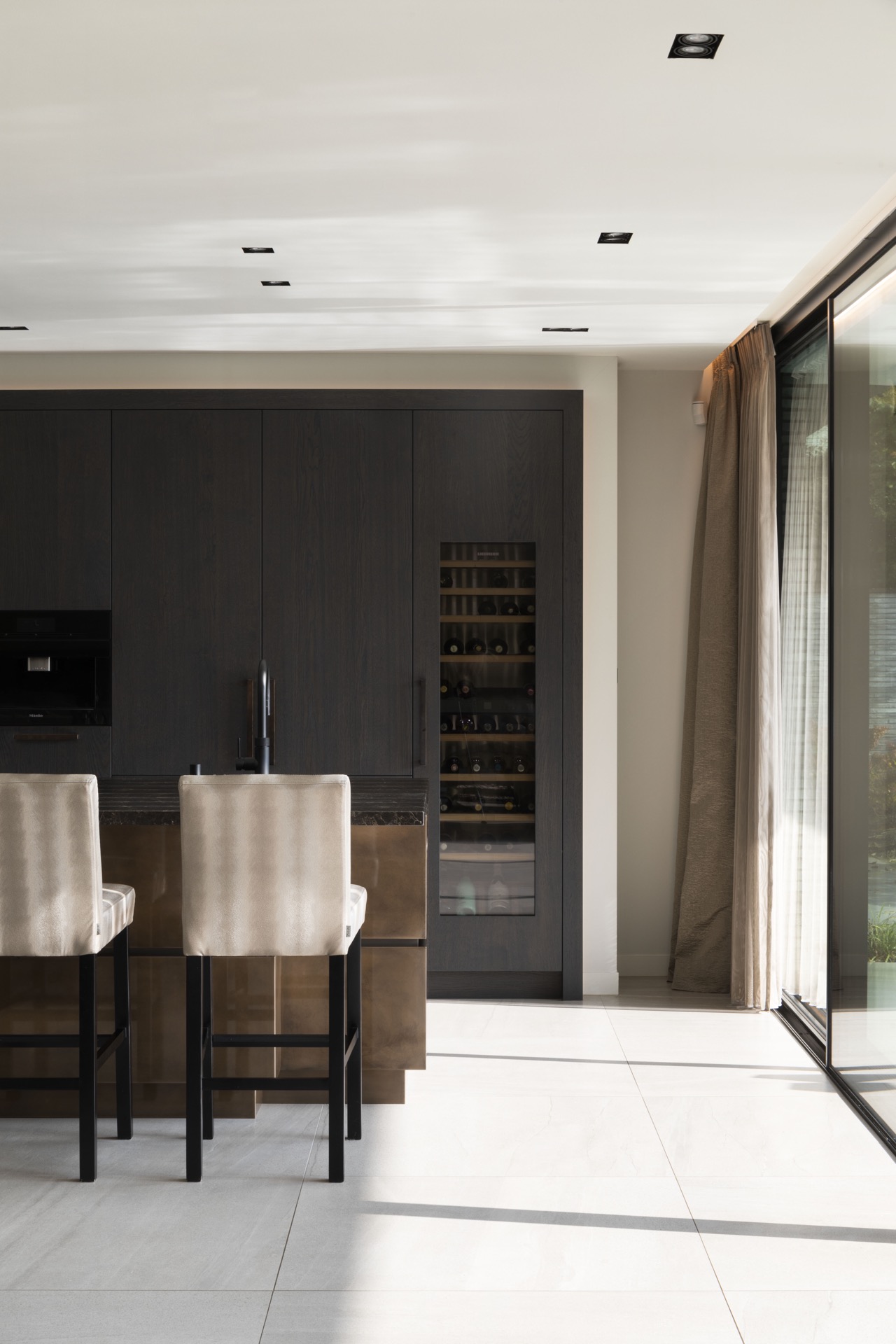
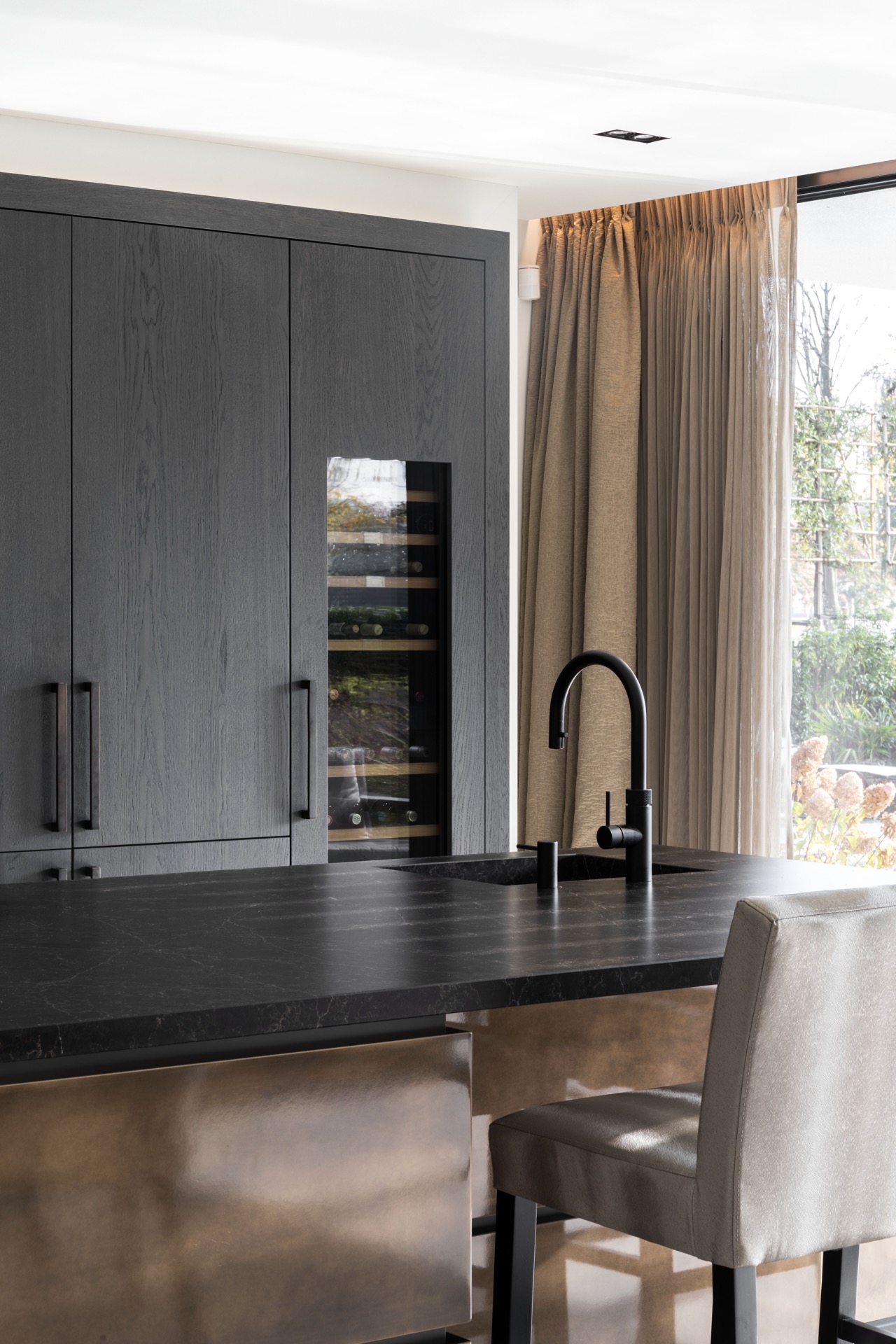
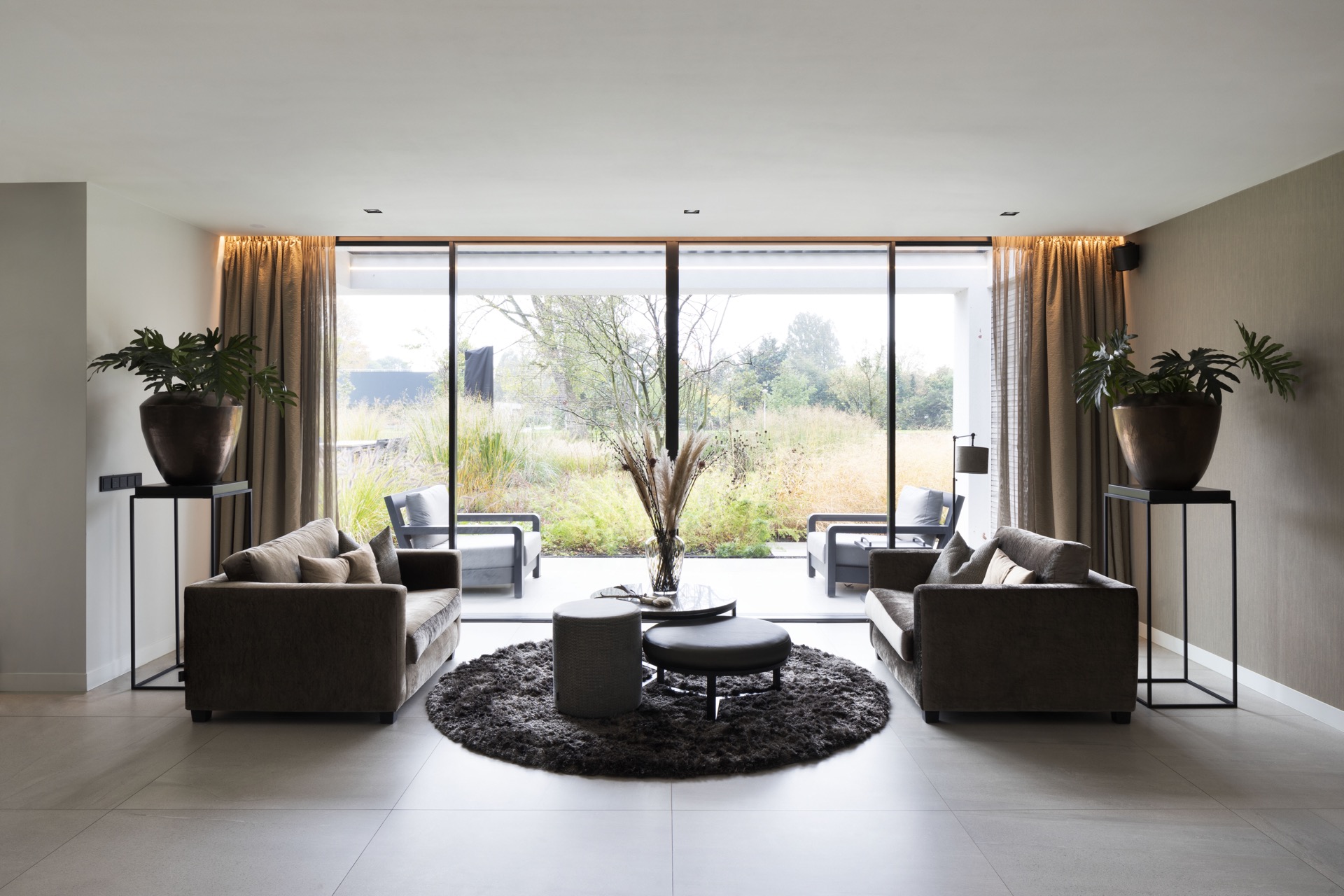
The kitchen exemplifies the minimalist ethos through a smooth, monolithic wall unit and central island. Surfaces are devoid of ornamentation, emphasizing clean lines and functional clarity. Appliances nestled within black metal cabinetry blend into the backdrop, maintaining visual calm. Nearby living areas feature furniture arranged to maximize views through the large sliding doors, reinforcing the continuity between inside and out.
Visual Dynamics of Dark Tones Balanced by Light and Transparency
The interior balances dark hues of black and deep brown with expansive glazing that infuses spaces with daylight. Architectural proportions and furniture placement encourage circulation around large artworks and sculptural elements, which introduce texture and narrative without overwhelming the atmosphere. Refined details, such as copper accents and textured fabrics, add tactile dimension to the serene palette.
Bathrooms That Combine Minimalism with Distinctive Finishes
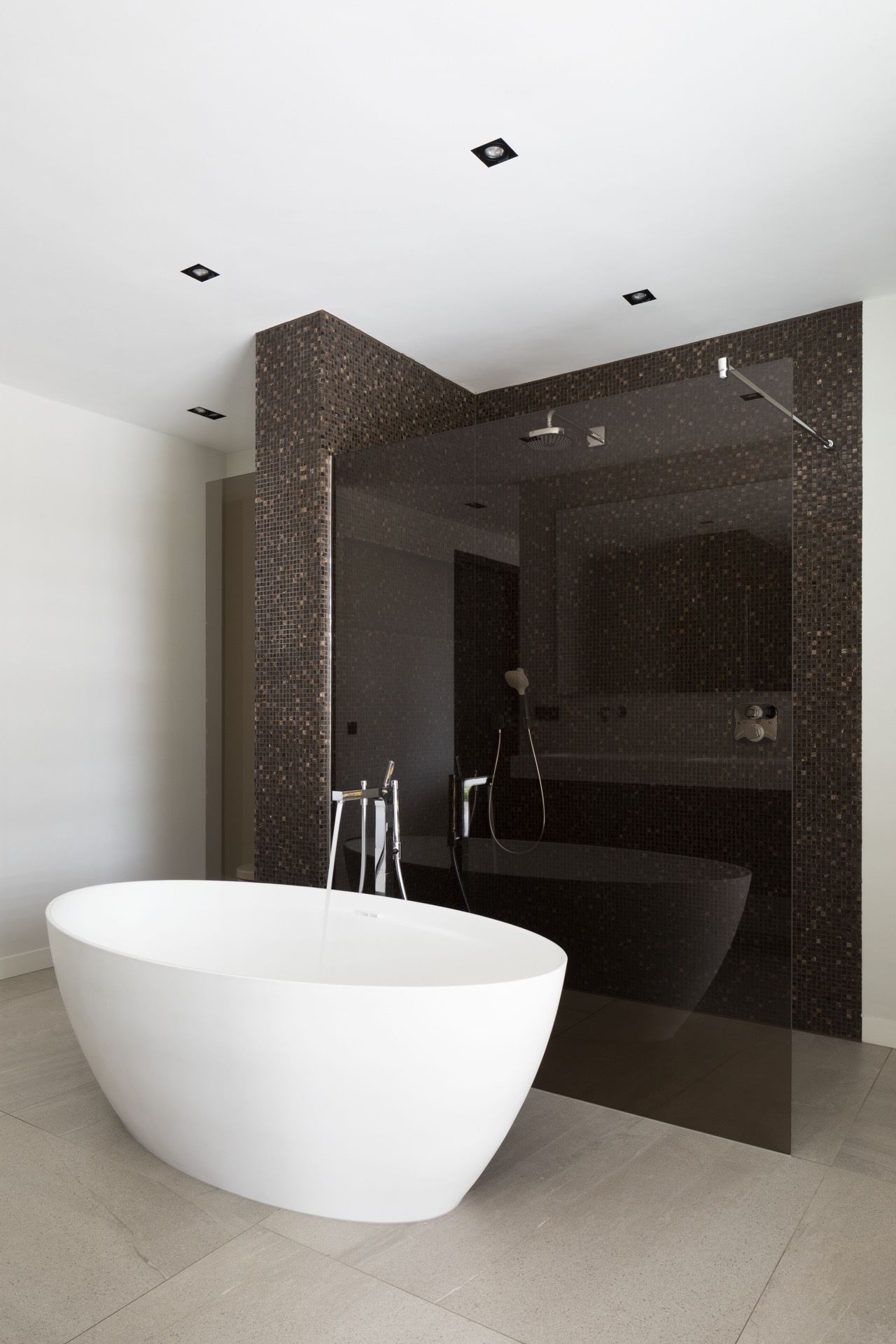
Bathrooms maintain the restrained aesthetic but introduce contrast through dark mosaic tiles paired with a freestanding white bathtub. The sleek, unadorned fixtures and flat surface planes mirror the architectural vocabulary, while subtle shifts in texture and color mark these spaces as distinct but cohesive within the overall design. That makes the modern house design part of the architectural character rather than a loose finish.
Want to see more of STATE of Architecture? View the page of STATE of Architecture for even more great projects and company information.


.png)
NEW 2026 Jubileum Edition The Best Interior Designers Benelux
Order Now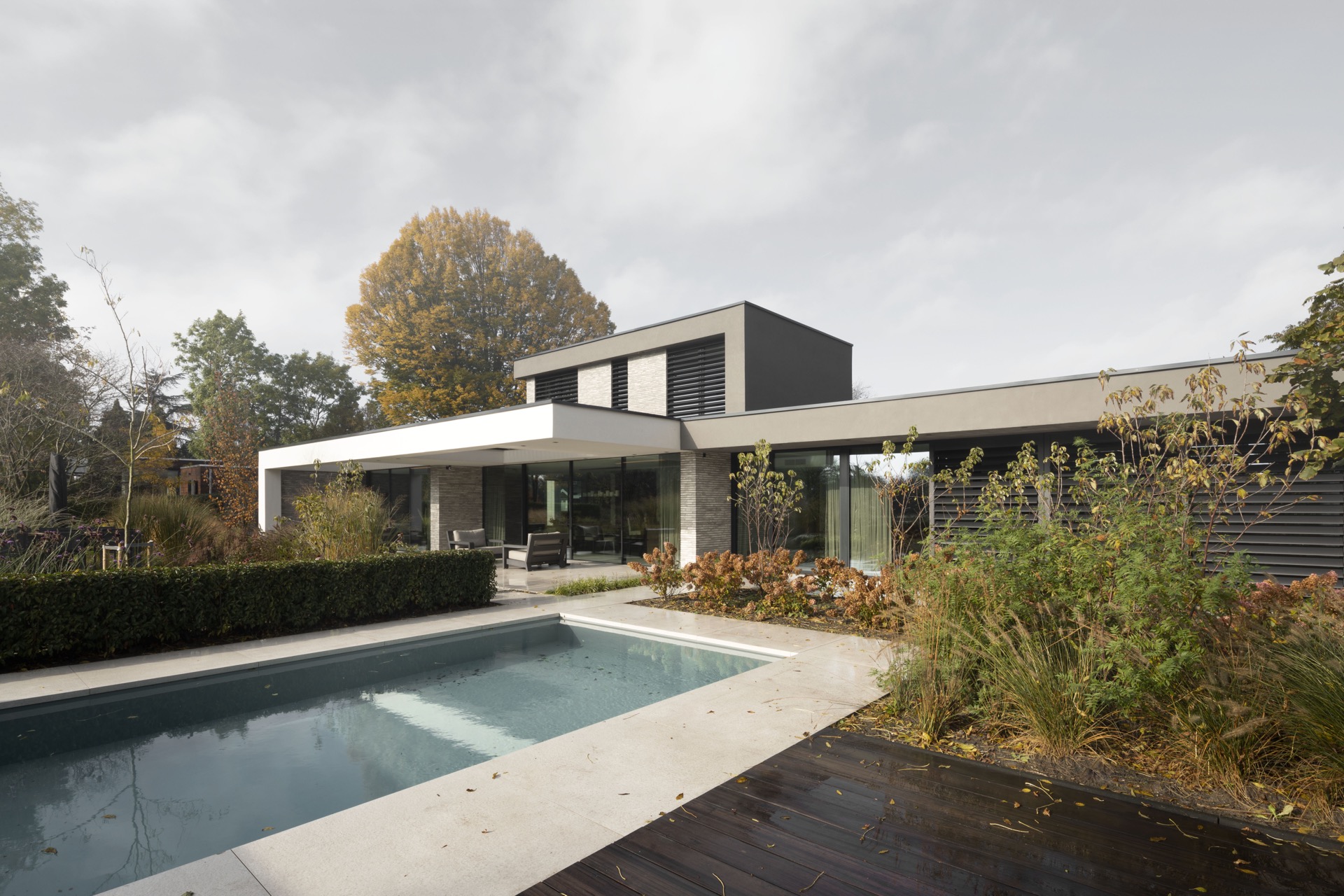
NEW 2026 Jubileum Edition The Best Interior Designers Benelux
Order Now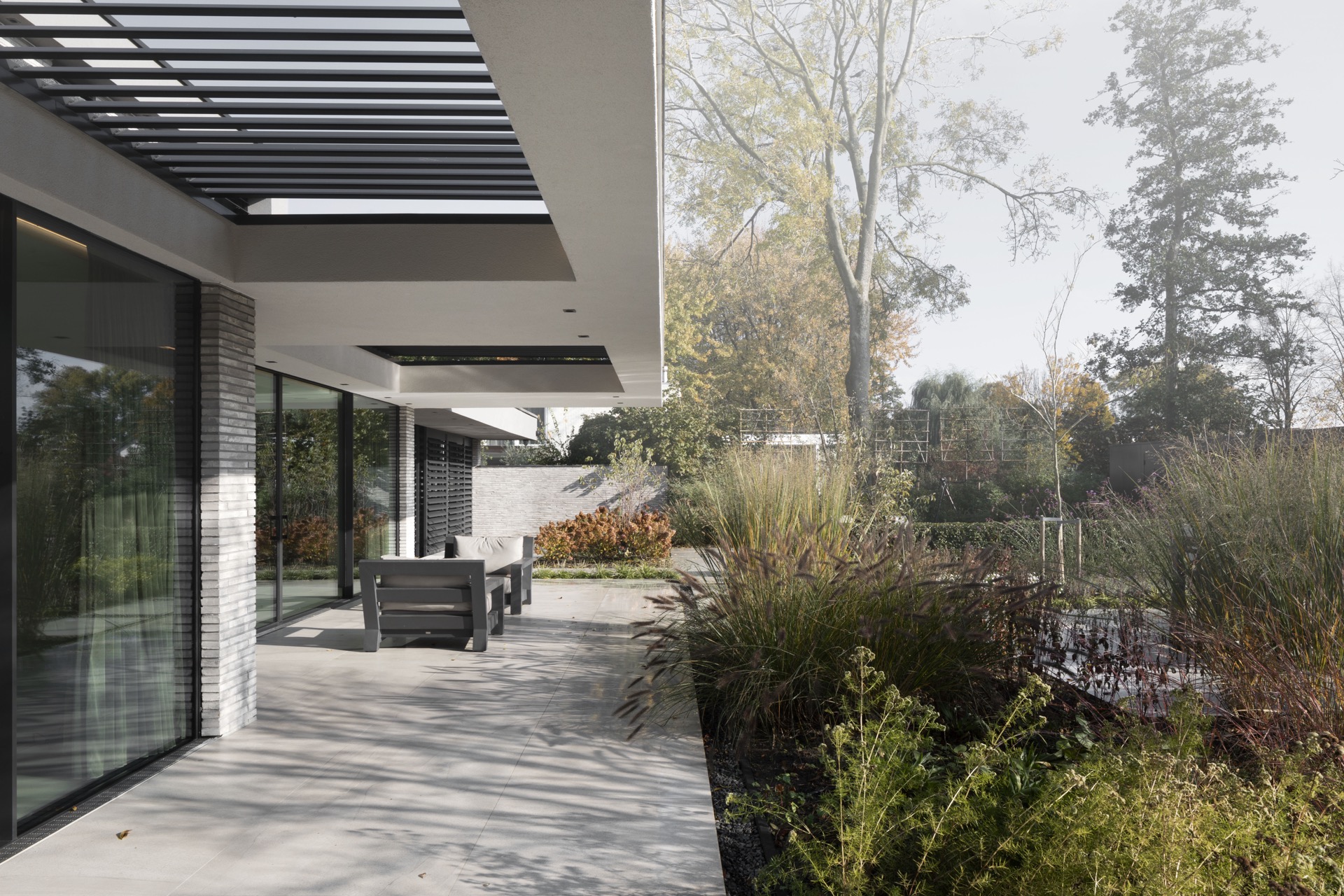
NEW 2026 Jubileum Edition The Best Interior Designers Benelux
Order Now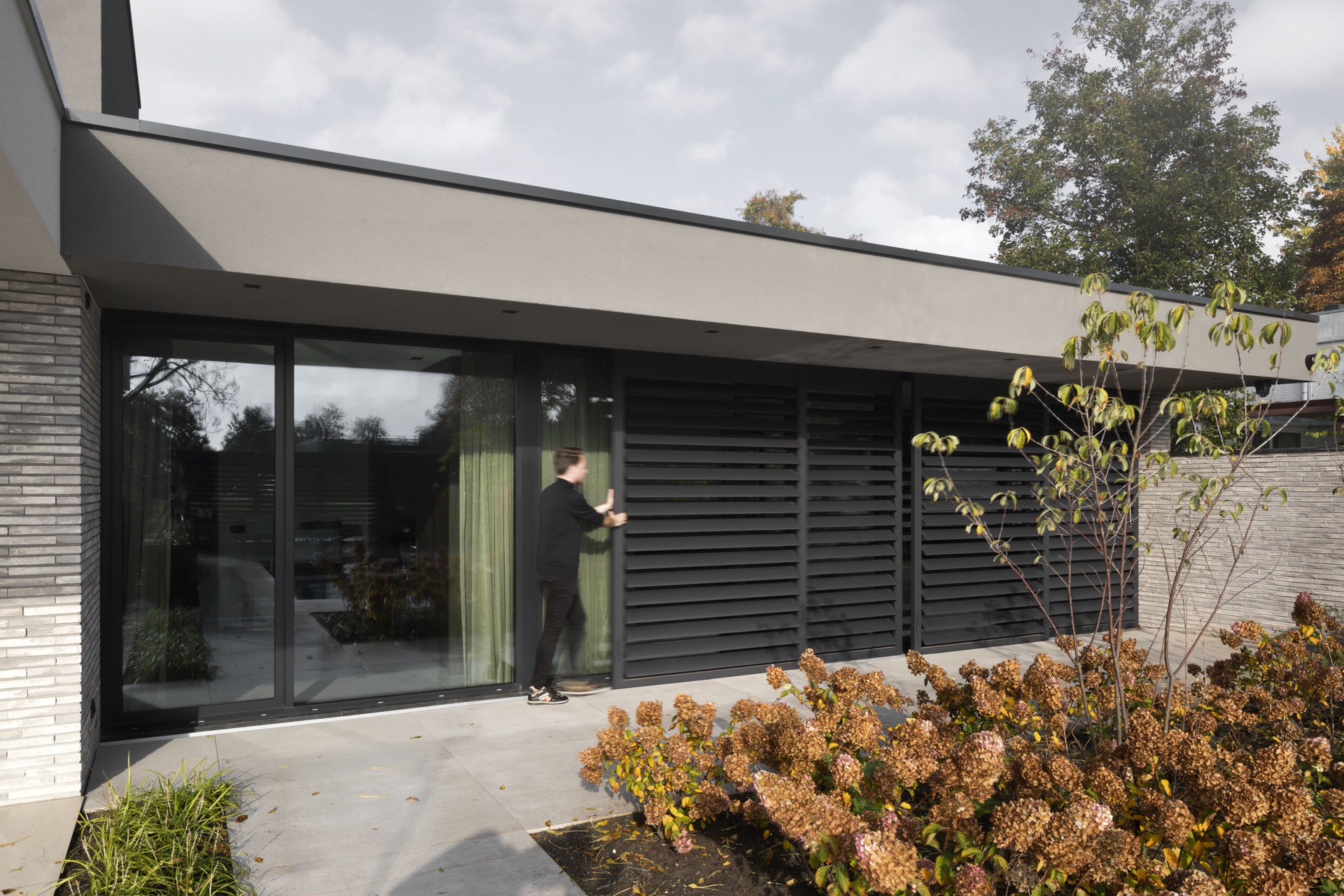
NEW 2026 Jubileum Edition The Best Interior Designers Benelux
Order Now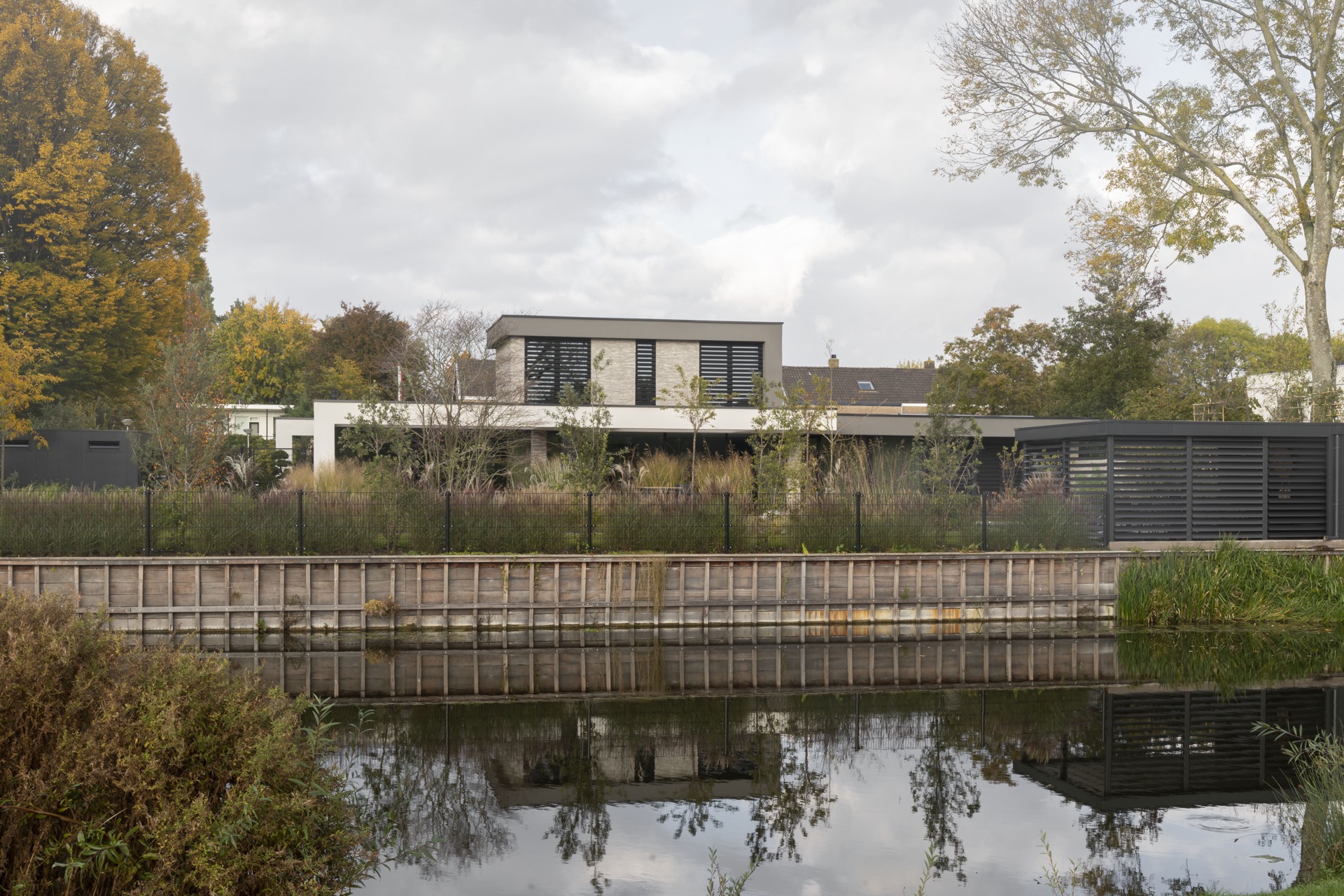
NEW 2026 Jubileum Edition The Best Interior Designers Benelux
Order Now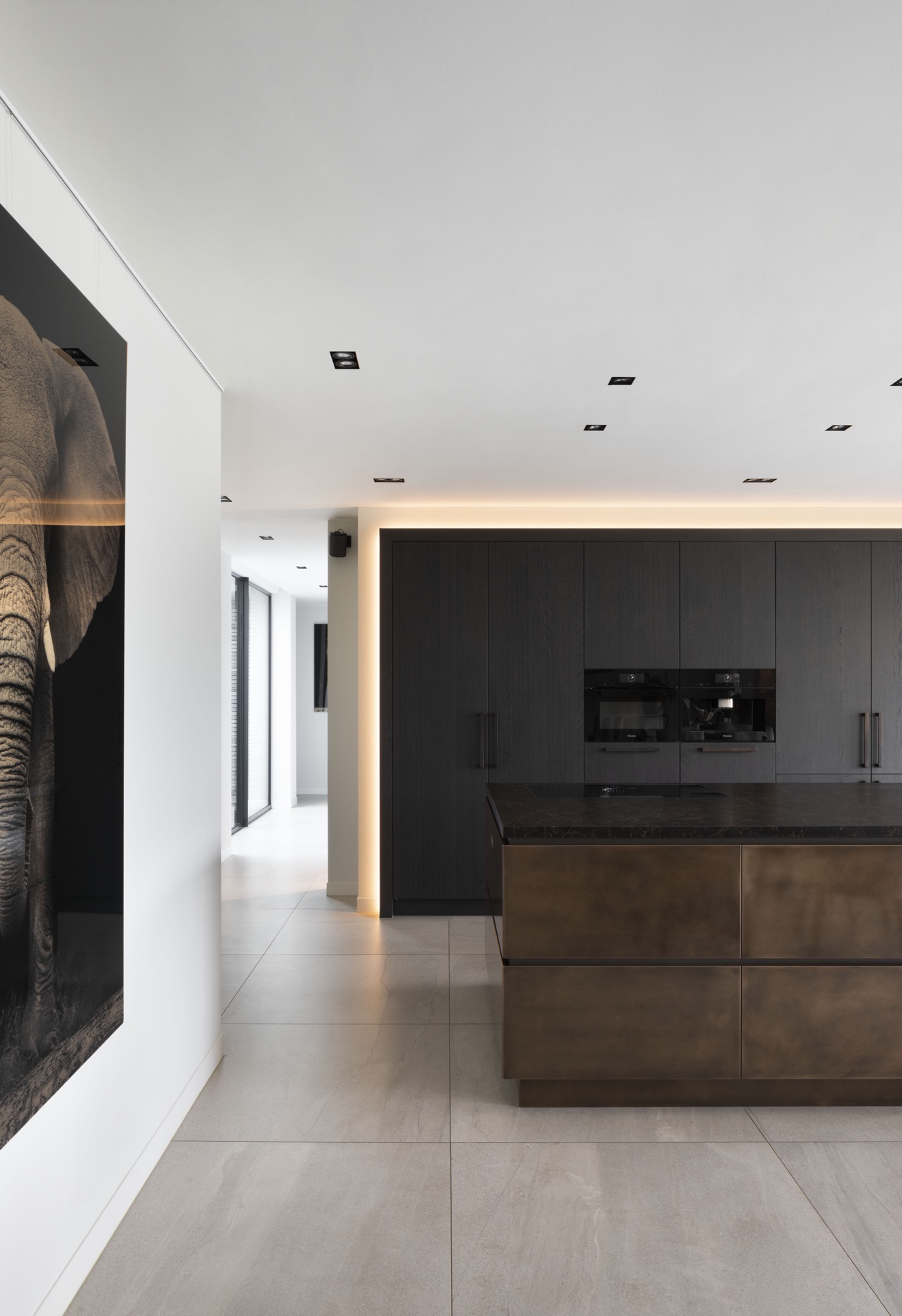
NEW 2026 Jubileum Edition The Best Interior Designers Benelux
Order Now