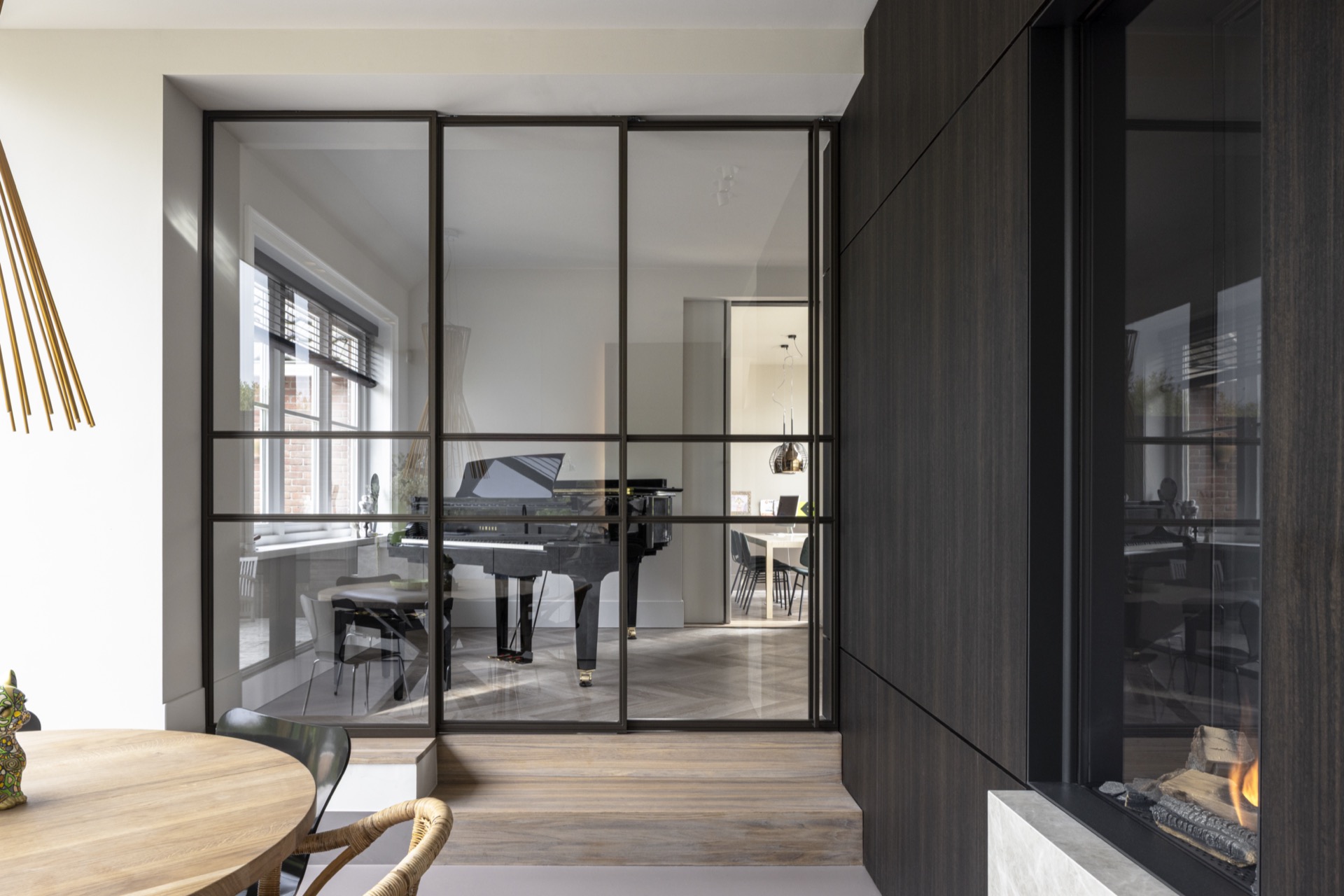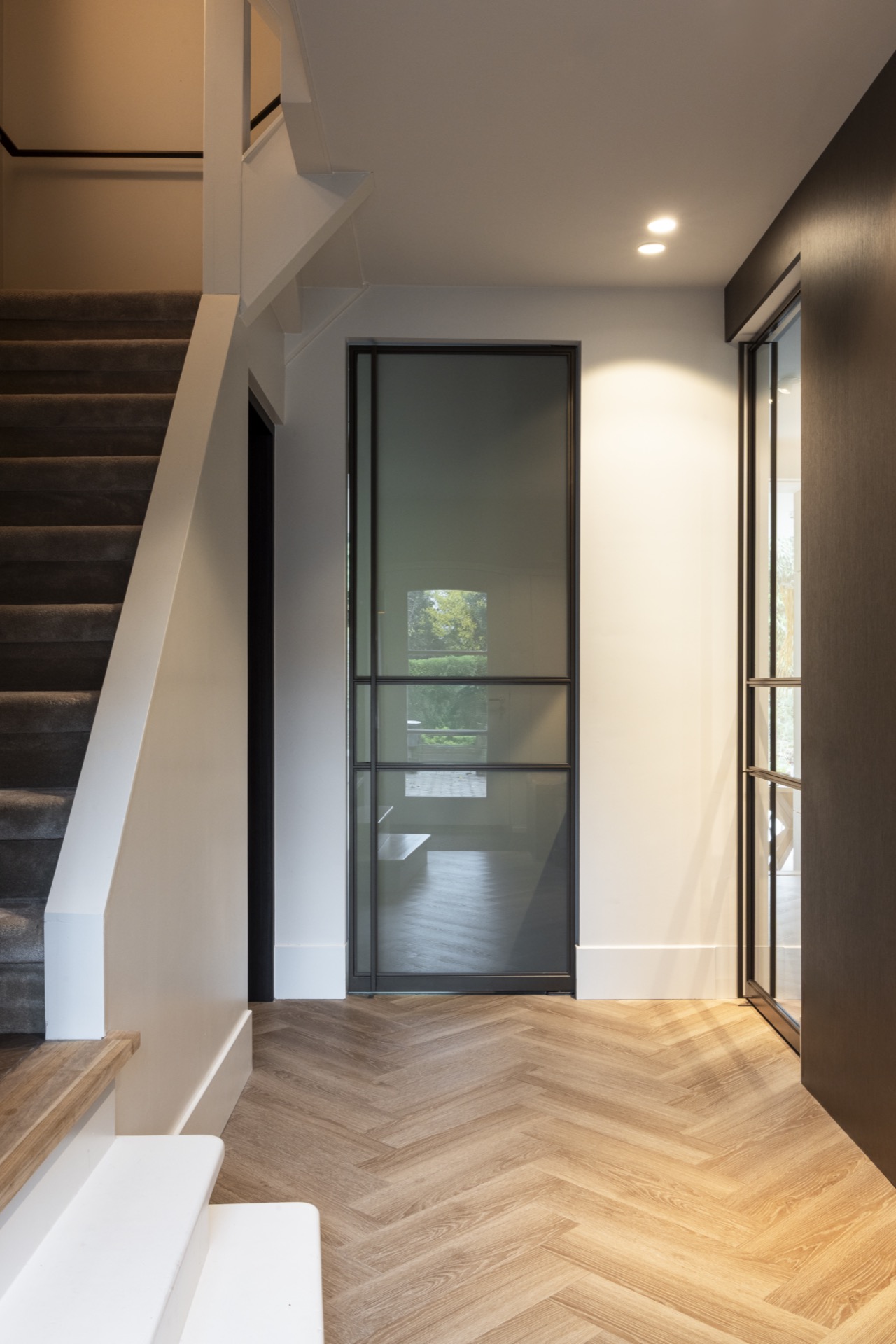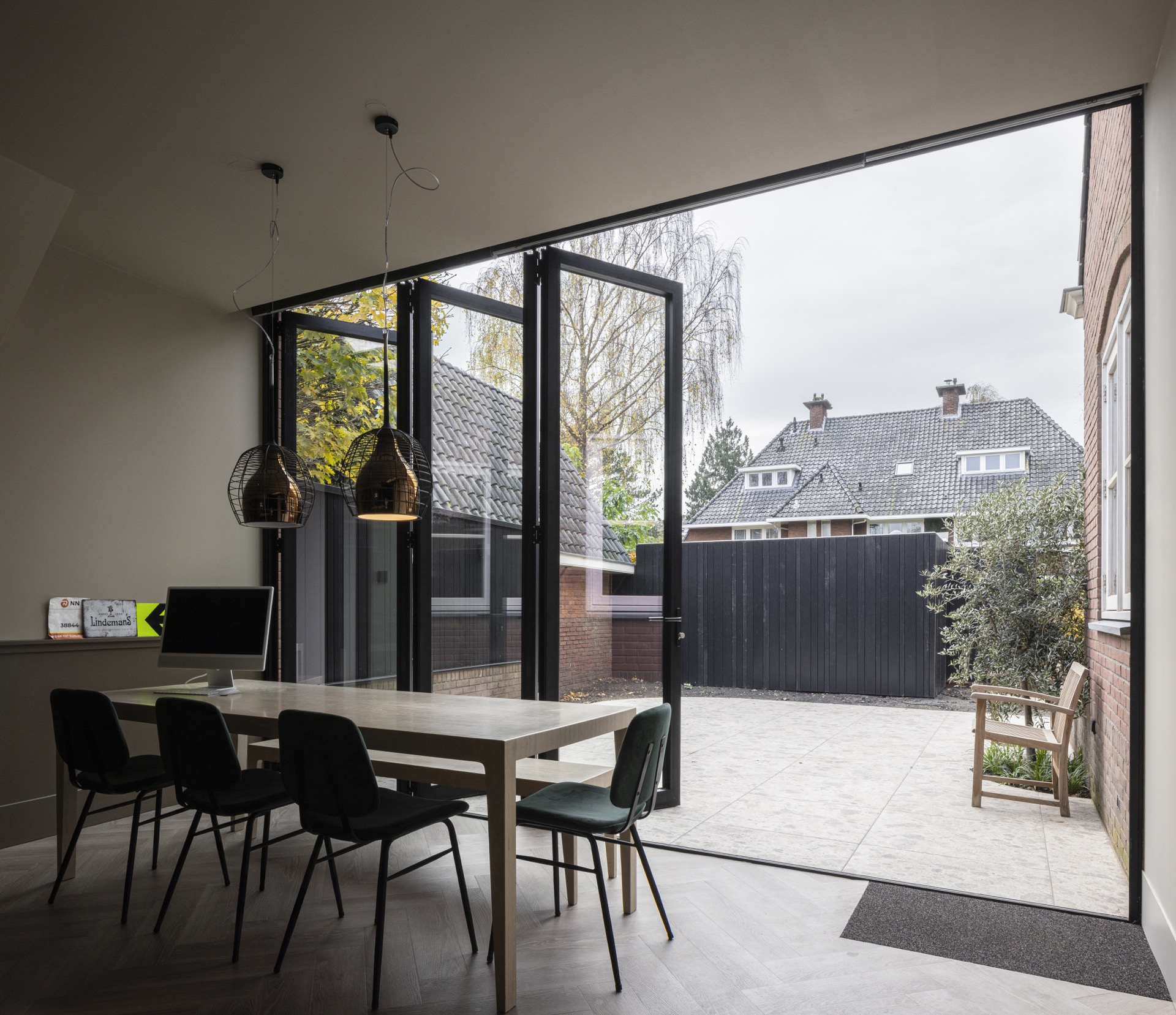






The industrial doors is immediately visible in the way the project is framed. Sunlight filters through expansive glass panes, casting sharp shadows on black steel frames that define the interior space. A three-panel steel sliding door anchors the layout, its slender mullions tracing geometrical patterns against smooth walls and warm wooden floors. The door’s track is flush with the floor, emphasizing the threshold’s sleek continuity as it parts to link rooms.
industrial doors as the architectural starting point
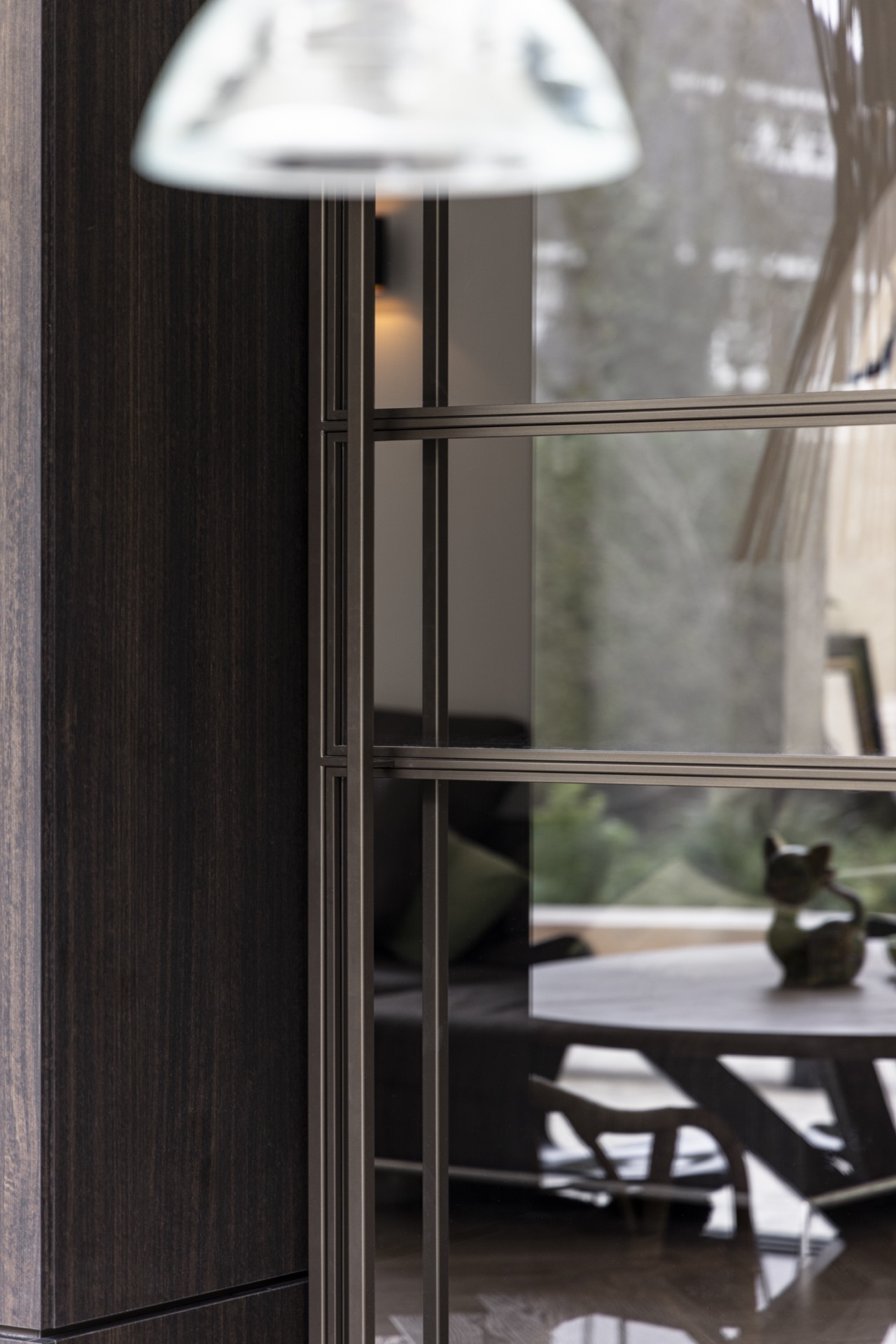
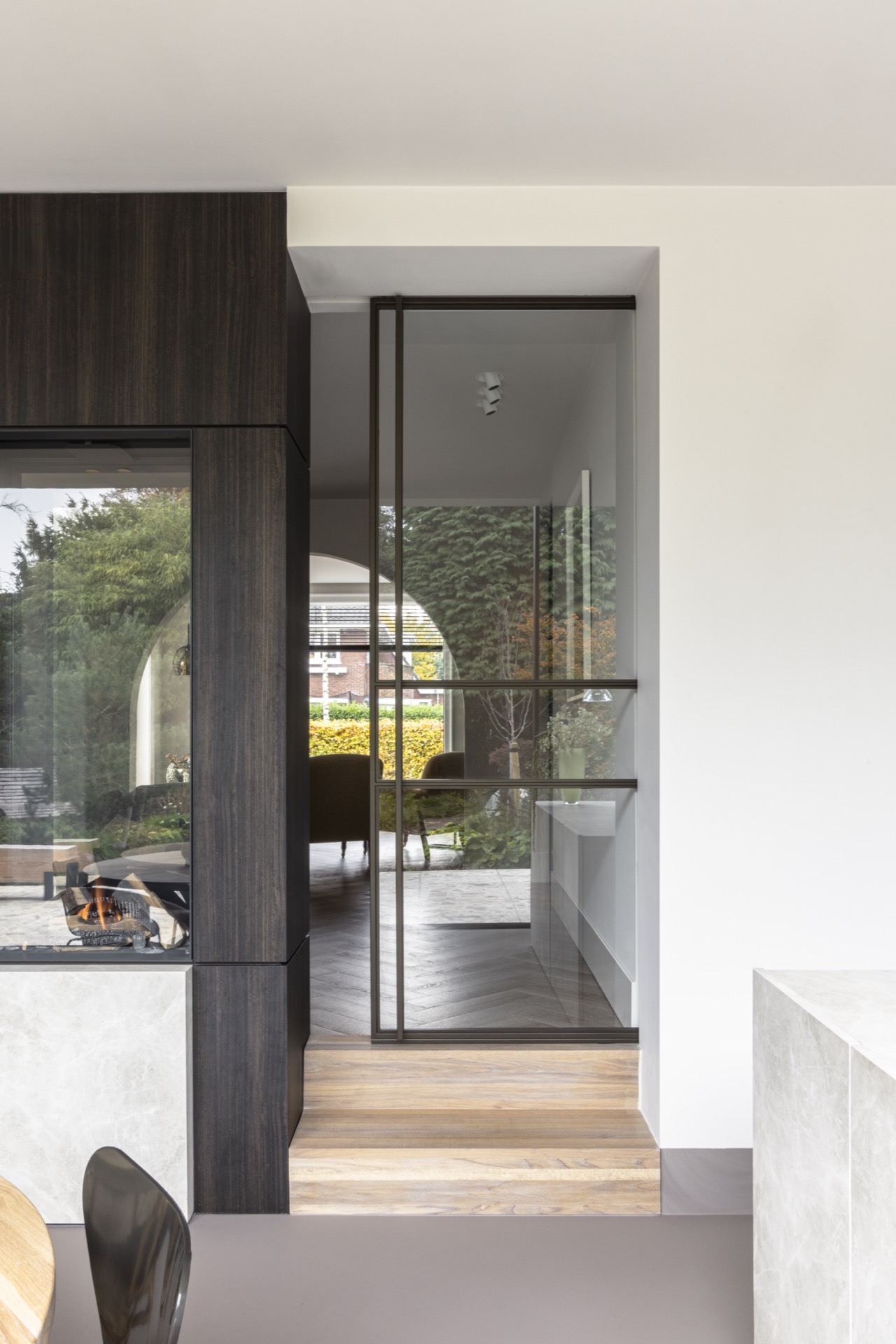
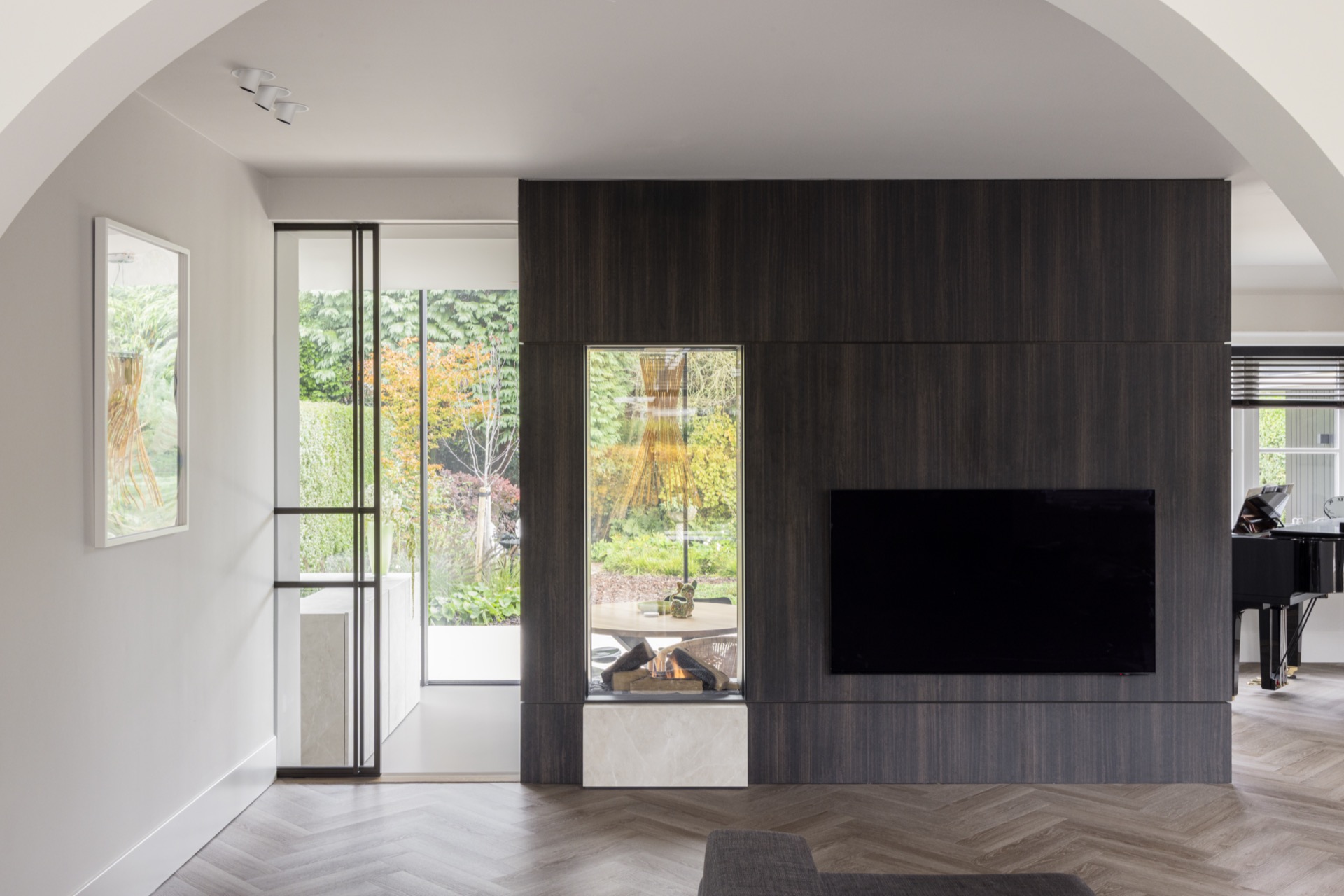
This three-part sliding door distinguishes itself with precision-engineered frames and oversized glass panels. Its integration into the room maintains clean sightlines while articulating room divisions without closing off light or space. The steel’s matte finish contrasts quietly with the polished glass, outlining passages that feel both solid and transparent.
Hidden Sliding Features and Minimal Profiles
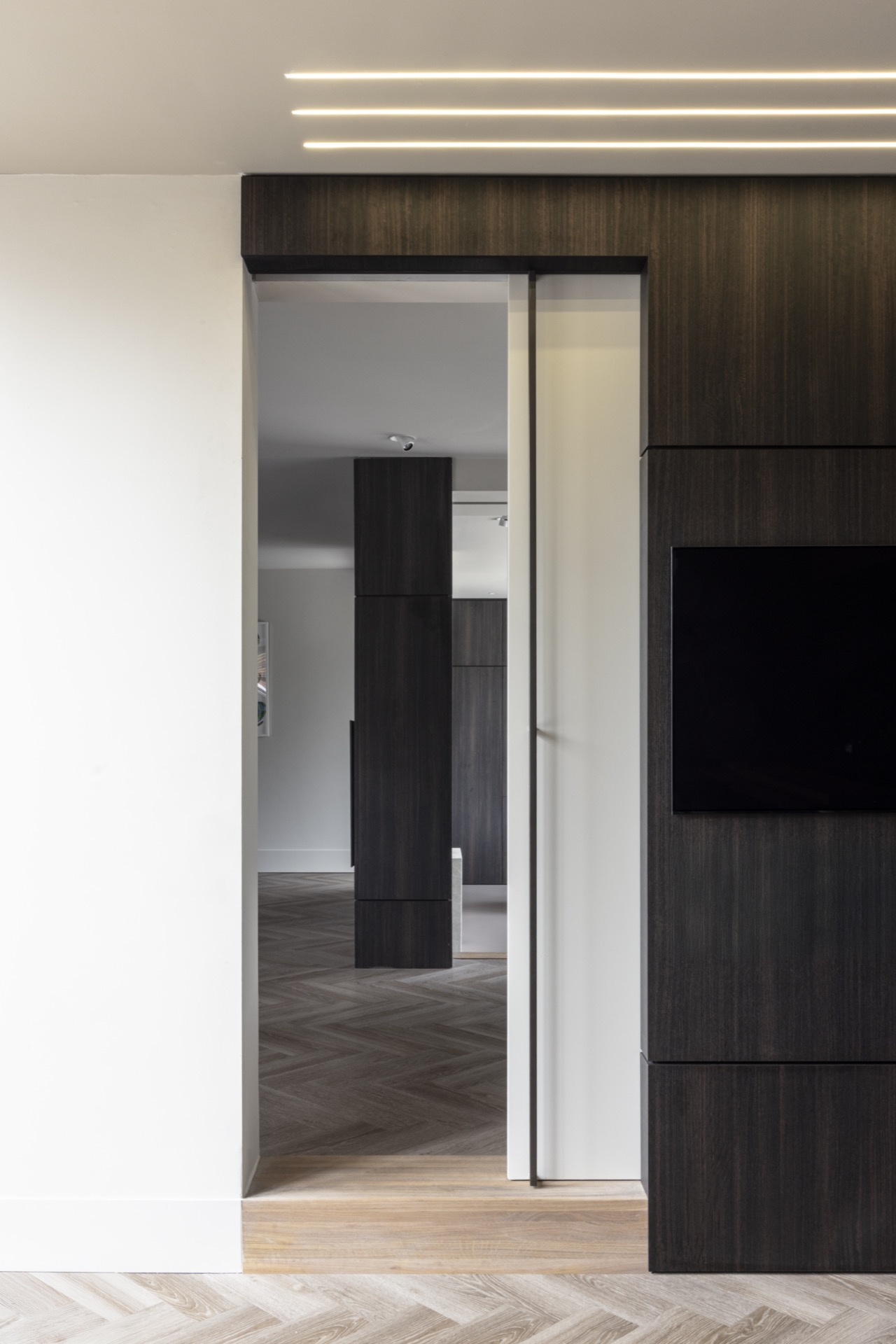
Adjacent to the three-panel door, a single steel sliding door disappears completely into its surrounding wall when open. The concealed pocket mechanism enables an unbroken wall surface, reducing visual clutter. This subtlety supports a minimalist interior, where materials and proportions command attention.
Pivot Doors Enhancing Circulation and Presence
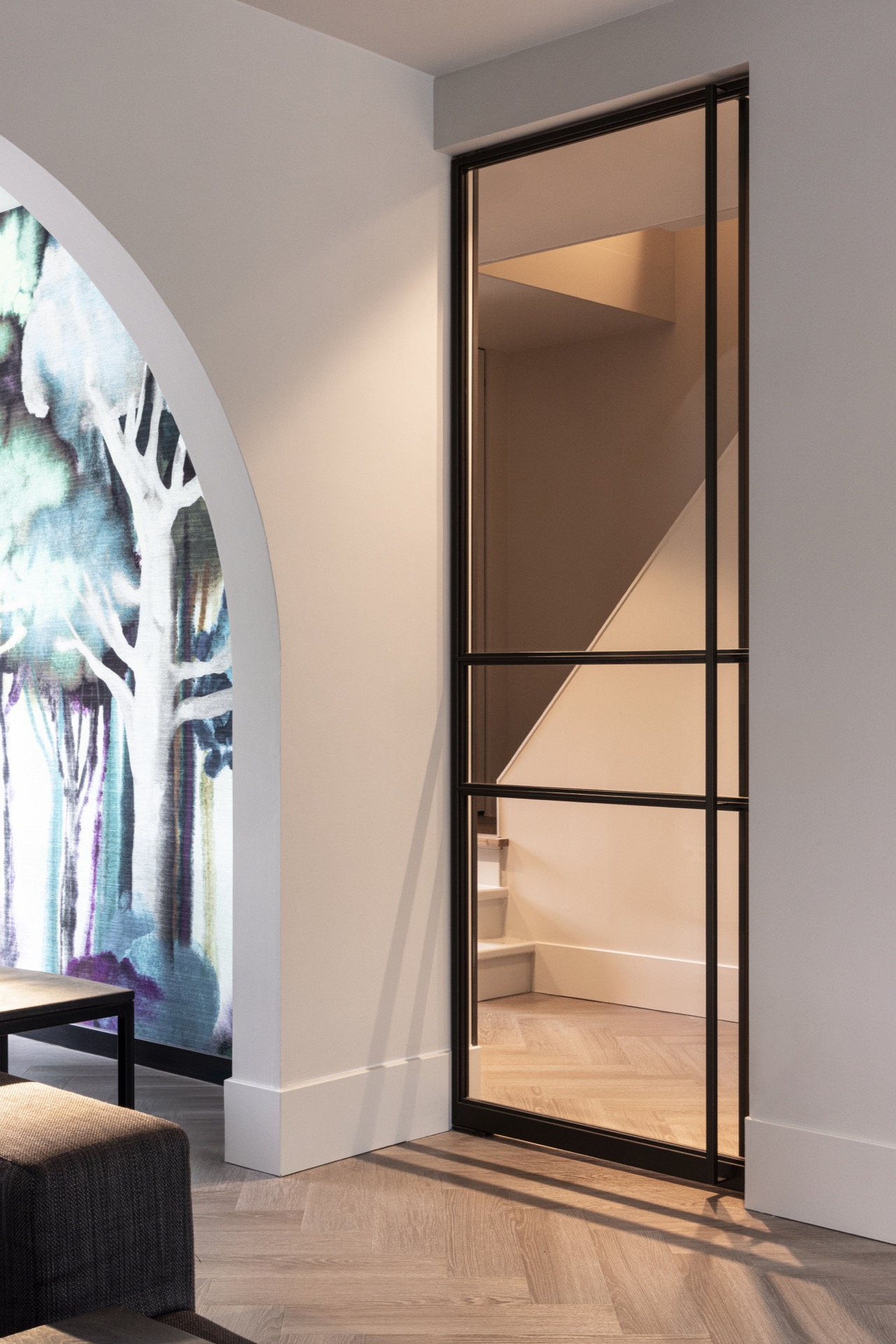
Another interior door opens on a pivot mechanism, presenting a floating silhouette when in motion. Its steel construction is matched with large glass inserts, offering a sense of lightness uncommon in heavy metal elements. The pivot allows smooth transitions underlined by the door’s balanced movement, fostering dynamic spatial relationships.
Curved Steel Railings: Shape and Material in Dialogue
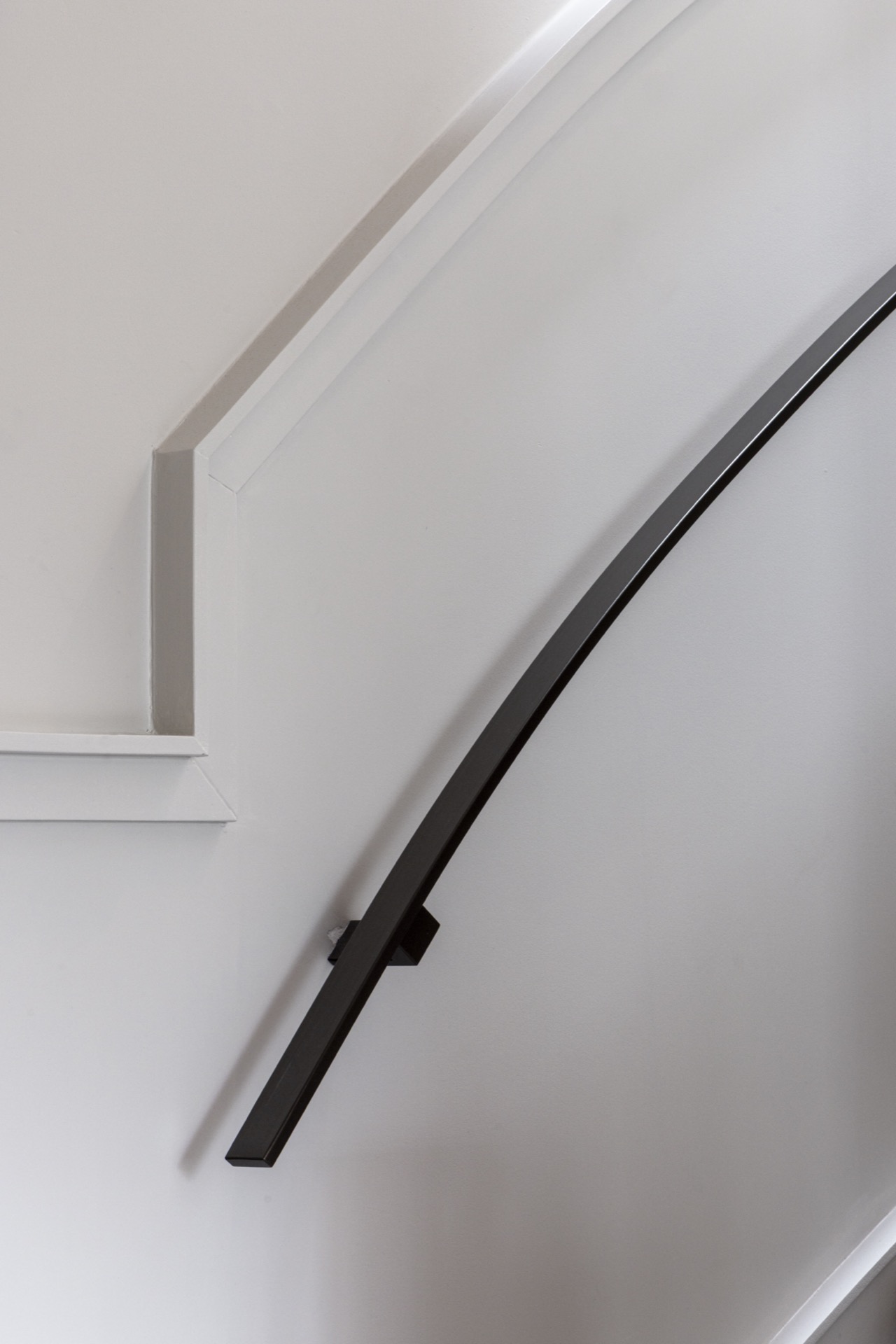
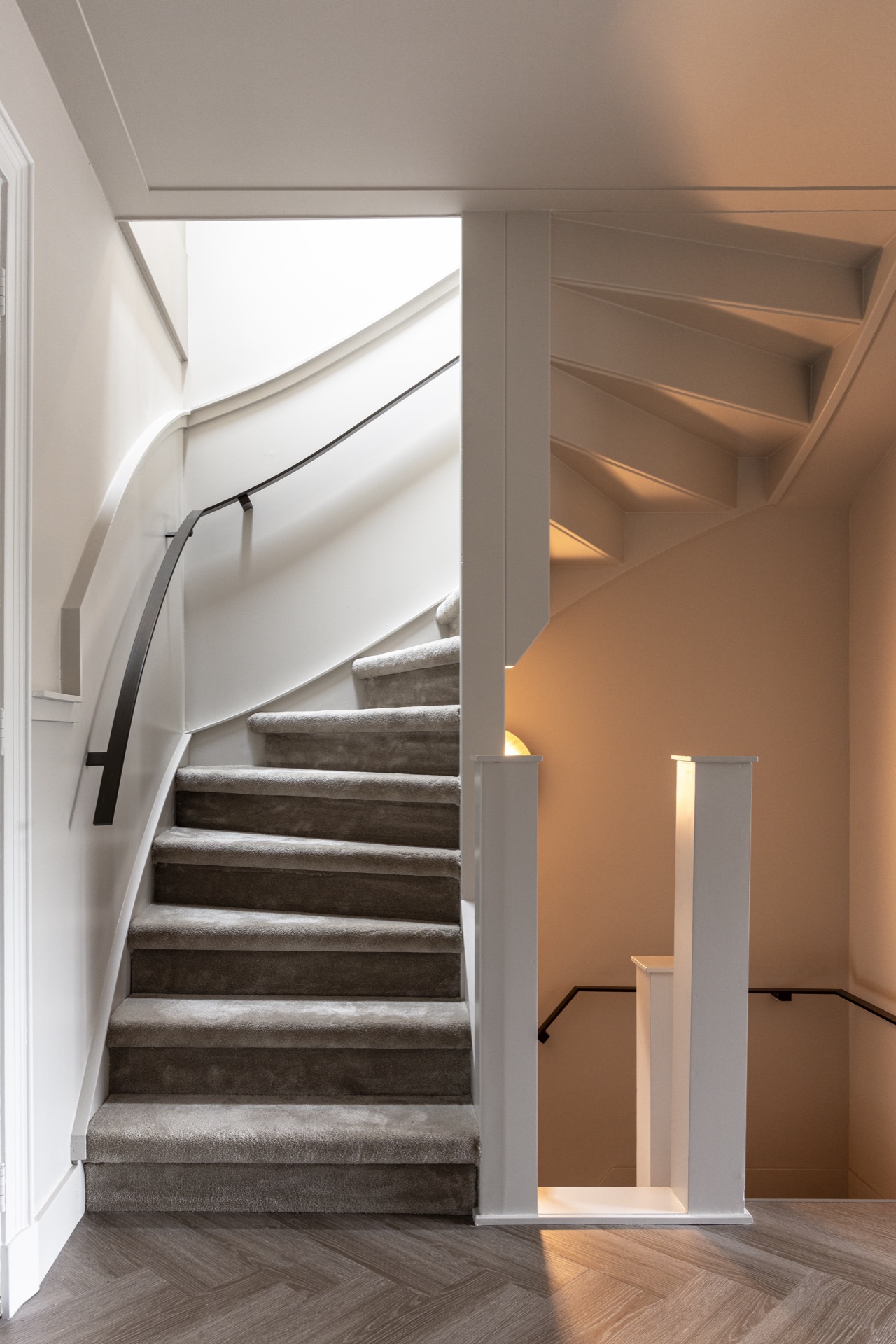
Completing this ensemble are custom curved steel railings along the staircase, echoing the industrial edge of the doors. Their hand-forged lines wrap around steps coated in natural wood, generating an interplay of textures and forms. The contrast of warm timber and cool metal accentuates the stairwell’s vertical rhythm.
Personalized Hardware Detailing
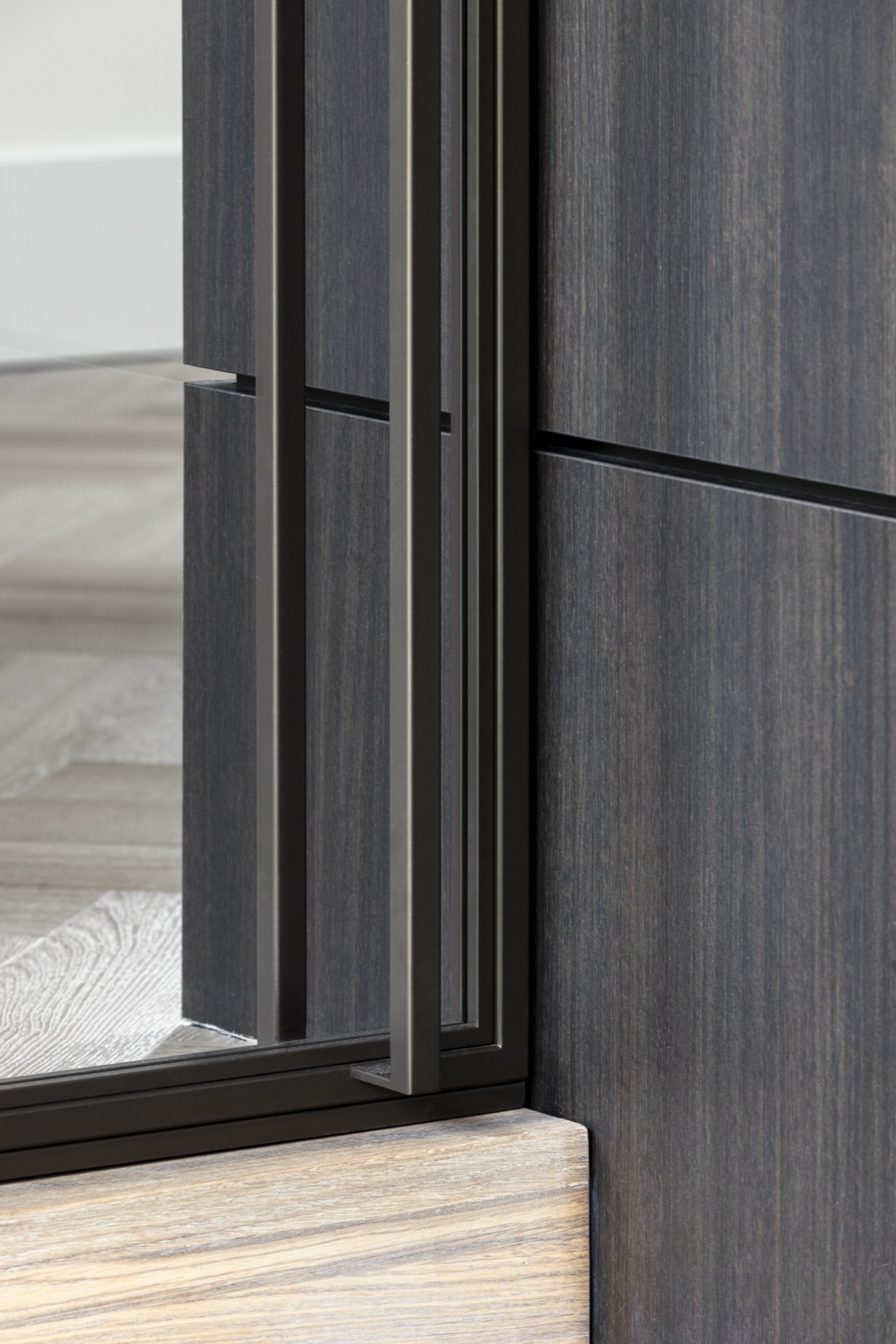
Each door features bespoke handles crafted to complement the steel’s raw surface and geometric lines. These details provide tactile engagement points that enrich the design without disrupting the overall restraint. The hardware’s simple shapes emphasize the industrial character embedded in the interior.
Aluminium Folding Walls for Indoor-Outdoor Transitions
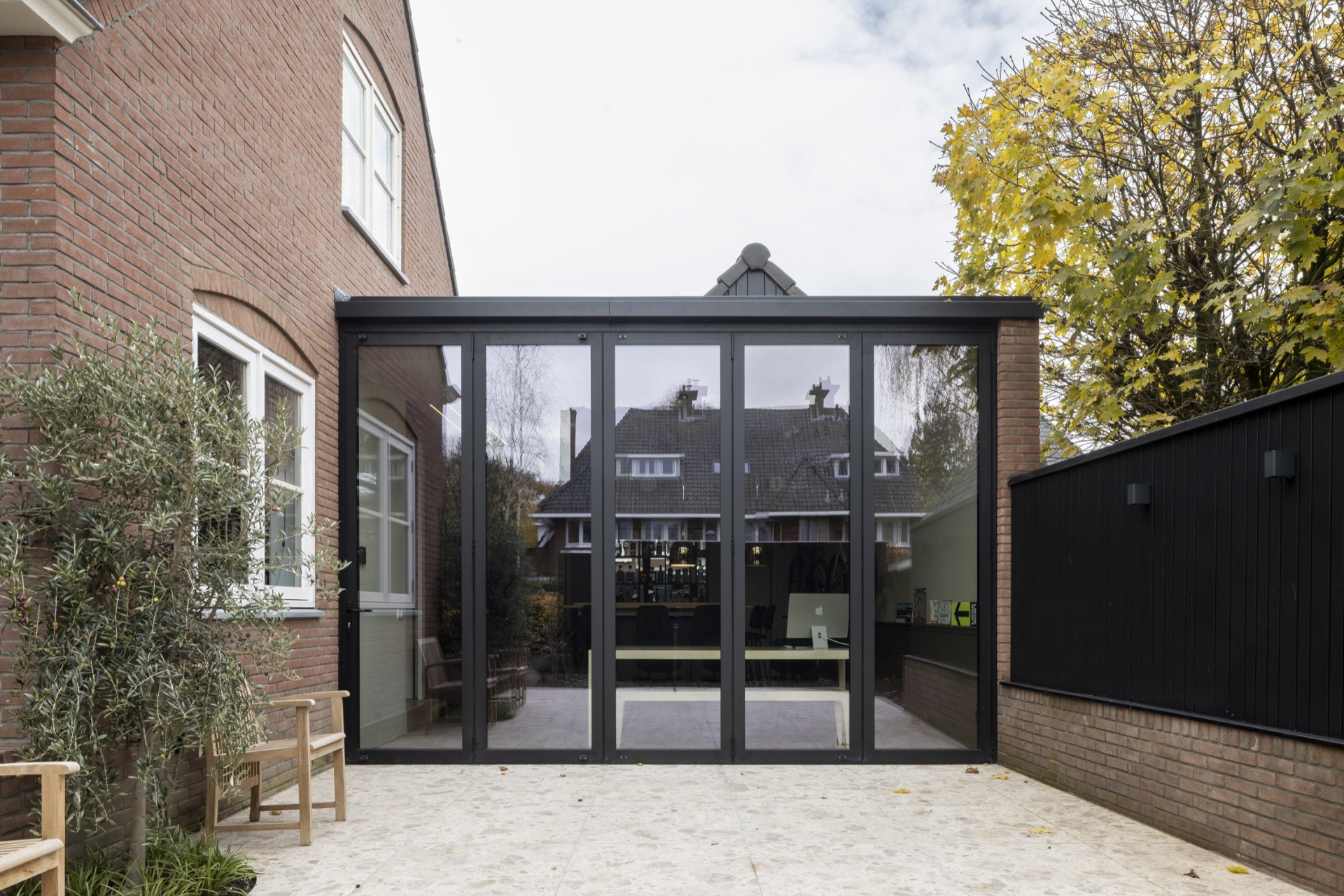
Bridging interior and exterior spaces, a large aluminium folding wall unfolds to extend the living area. Its profiles are slender yet sturdy, supporting expansive glass that opens wide to the outside environment. This installation moderates the boundary between inside and out, permitting natural light to flood the interior. That makes the industrial doors part of the architectural character rather than a loose finish.
Spatial Effects of Aluminium and Glass
The folding wall’s smooth operation and transparency modify the room’s flow and atmosphere. In the closed position, it frames views of the outdoor surroundings; when open, it dissolves the wall entirely, inviting fresh air and daylight deep inside. The aluminium profiles’ subtle sheen interacts with changing light, underscoring the design’s material dialogue.
Contextual Materials and Lighting Contrast
Black steel, brushed aluminium, and light-toned timber form a restrained palette throughout the space. Shadows cast by structural elements define volumes clearly, while reflective surfaces and natural textures balance cool and warm sensations. The interior spaces benefit from this tension, where light modulates a structural clarity.
Visual Continuity and Defined Boundaries
The installation of steel and aluminium elements organizes the interior into zones without heavy separations. The doors and folding walls function as both connectors and dividers, their transparency preserving openness yet marking distinct areas. This balance shapes a rhythm in the daily experience of the rooms.
Integration of Staircase and Door Elements
The relationship between the staircase’s metal railings and the door frames extends the industrial vocabulary upward. The staircase acts as a vertical spine, its metal detailing consistent with door hardware and framing, creating a material narrative throughout multiple floors and spaces.
Natural Light’s Role in Defining Space
Daylight through large glass doors and folding walls activates surfaces and textures, emphasizing the crisp outlines of steel and aluminium. Light passage shifts the perception of depth and materiality over the course of the day, lending variety and definition to the minimalist forms.
Architectural Dialogue Between Transparency and Solidity
Each steel and aluminium door introduces different levels of transparency and opacity, crafting a nuanced architectural language. While some passages are fully visible through glass panels, others close completely, inviting varied sensory and spatial experiences within the industrial framework.
Detailed Craftsmanship in Metalwork
Close inspection reveals precise welds, careful finishes, and the balance of handwork with machine-cut edges in every metal component. These details contribute to an understated authenticity that complements the clean, straightforward geometry of the rooms. That makes the industrial doors part of the architectural character rather than a loose finish.
Want to see more of ? View the page of for even more great projects and company information.
.png)