




Modern interiors characterized by natural materials
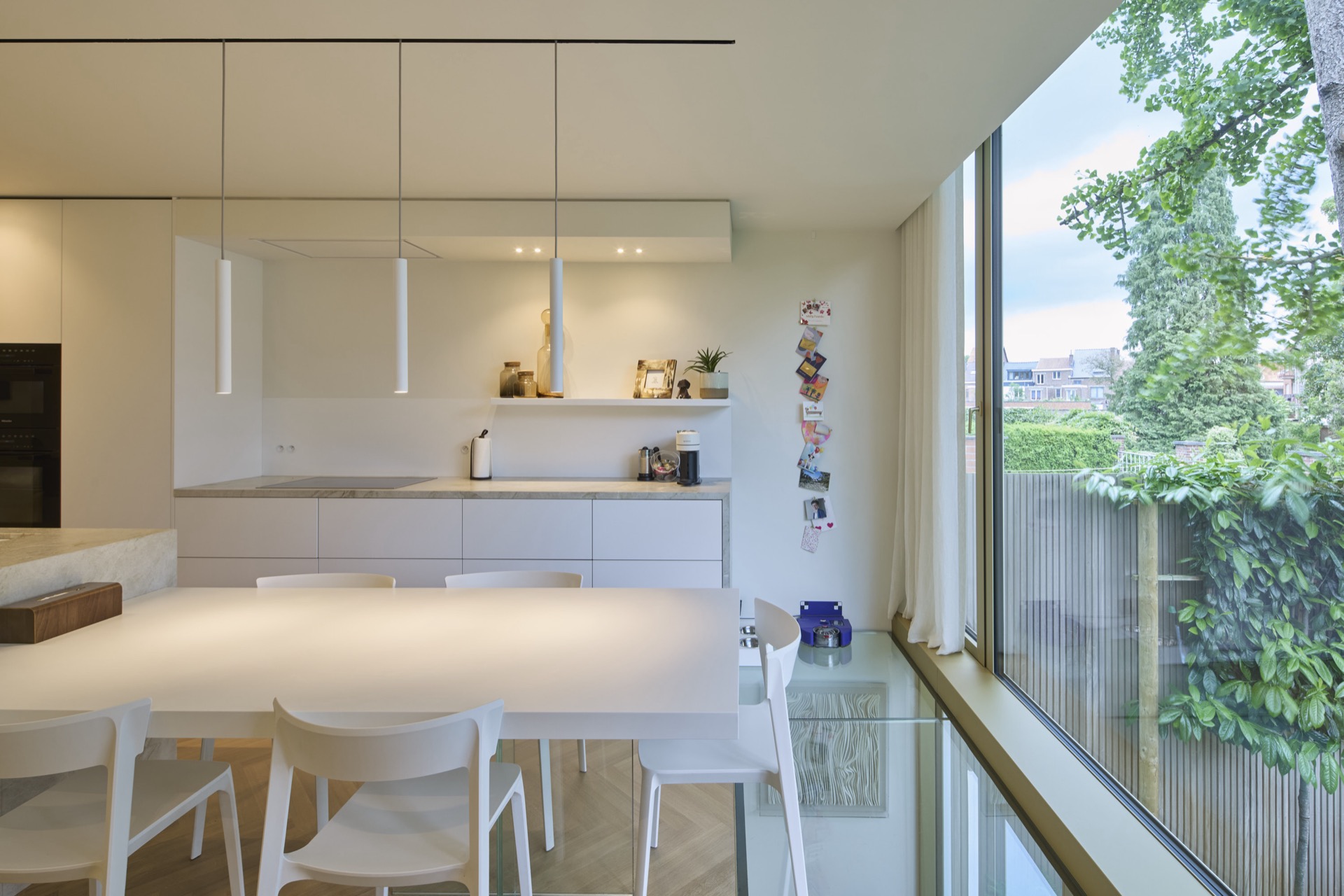
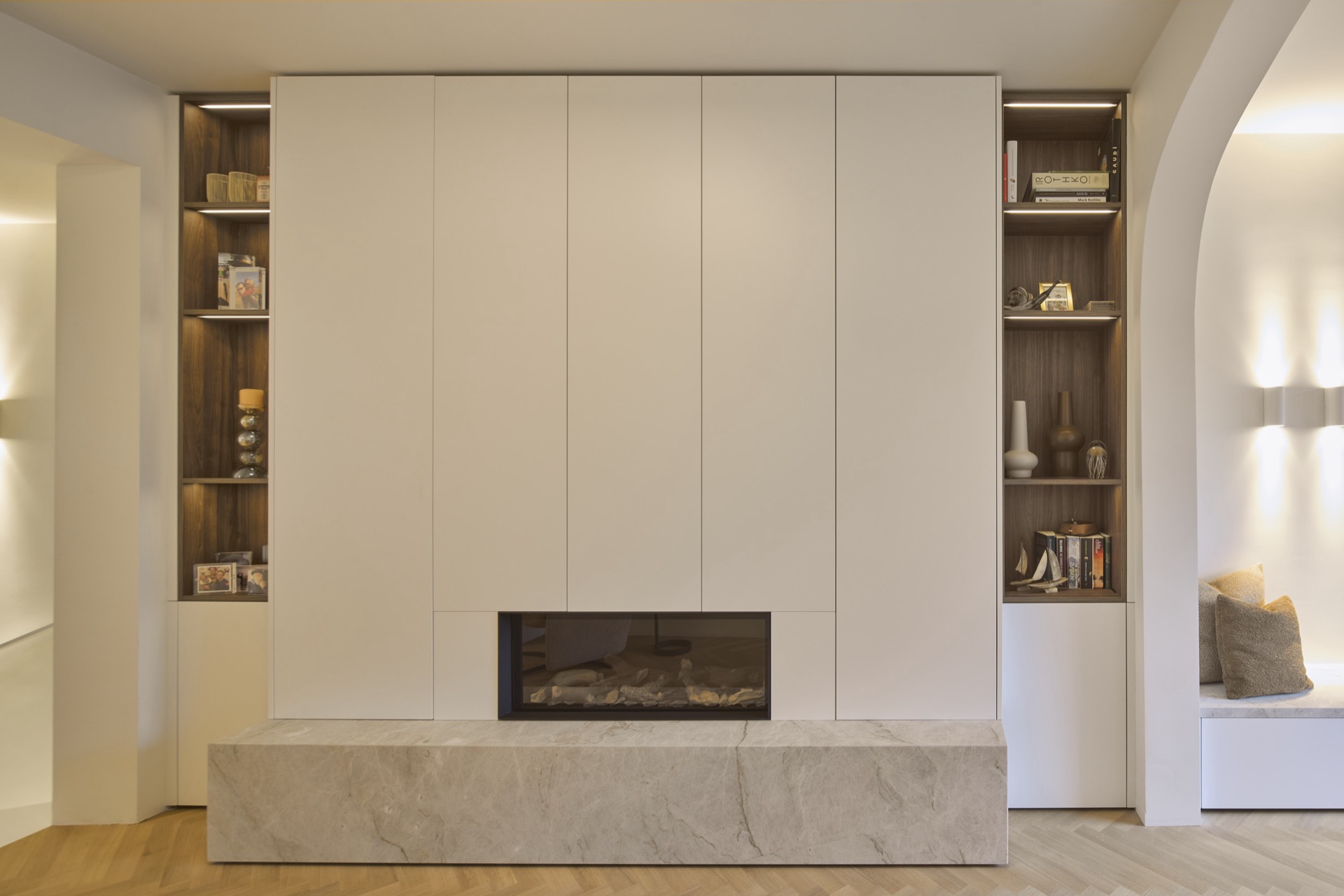
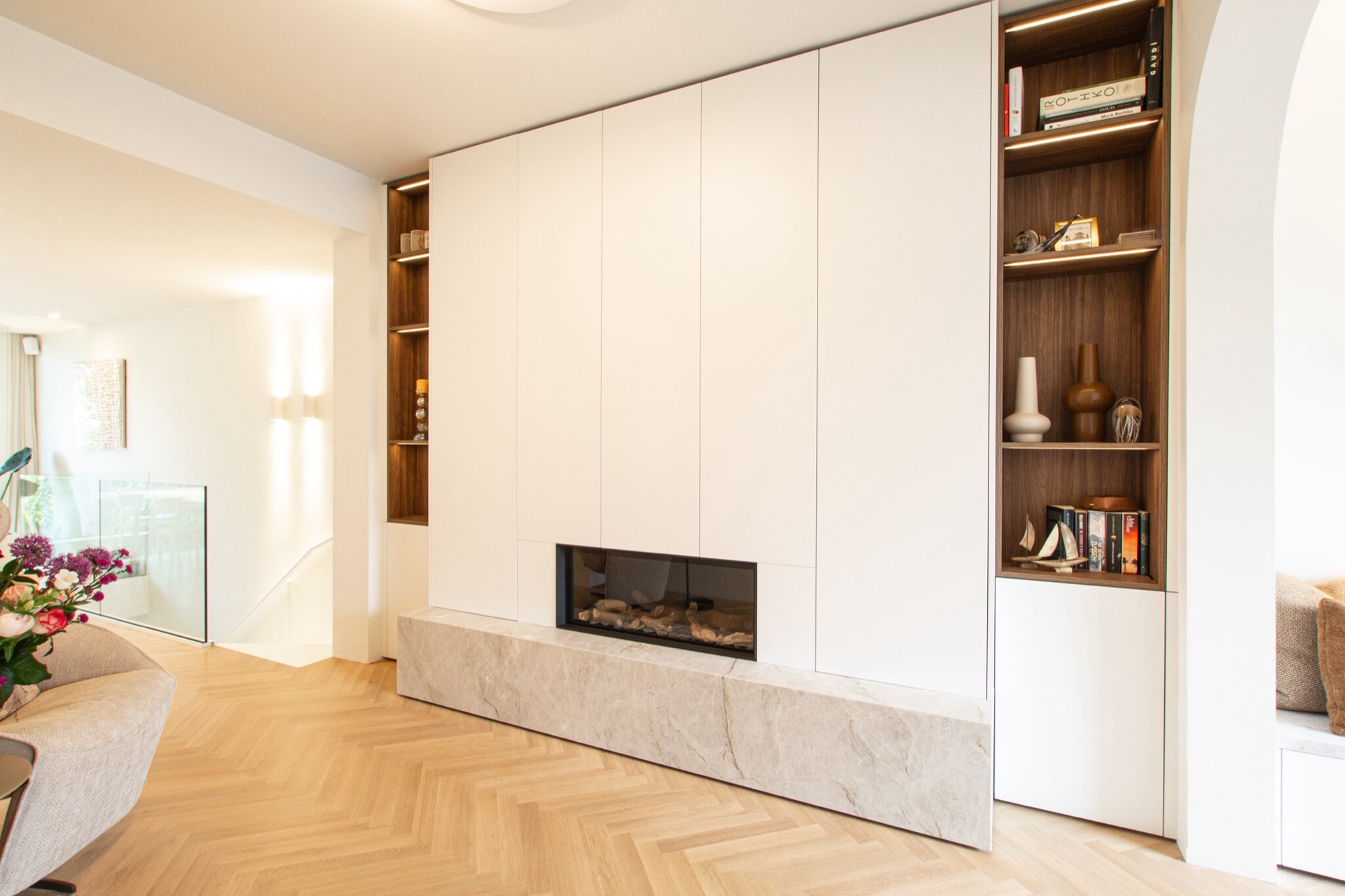
The modern home design natural materials is immediately visible in the way the project is framed. Sunlight streams through expansive windows, casting a soft glow across the surfaces of a minimalist home. The combination of natural materials like marble, wood, and glass creates an uncluttered space where light and texture shape the mood.
modern home design natural materials as the architectural starting point
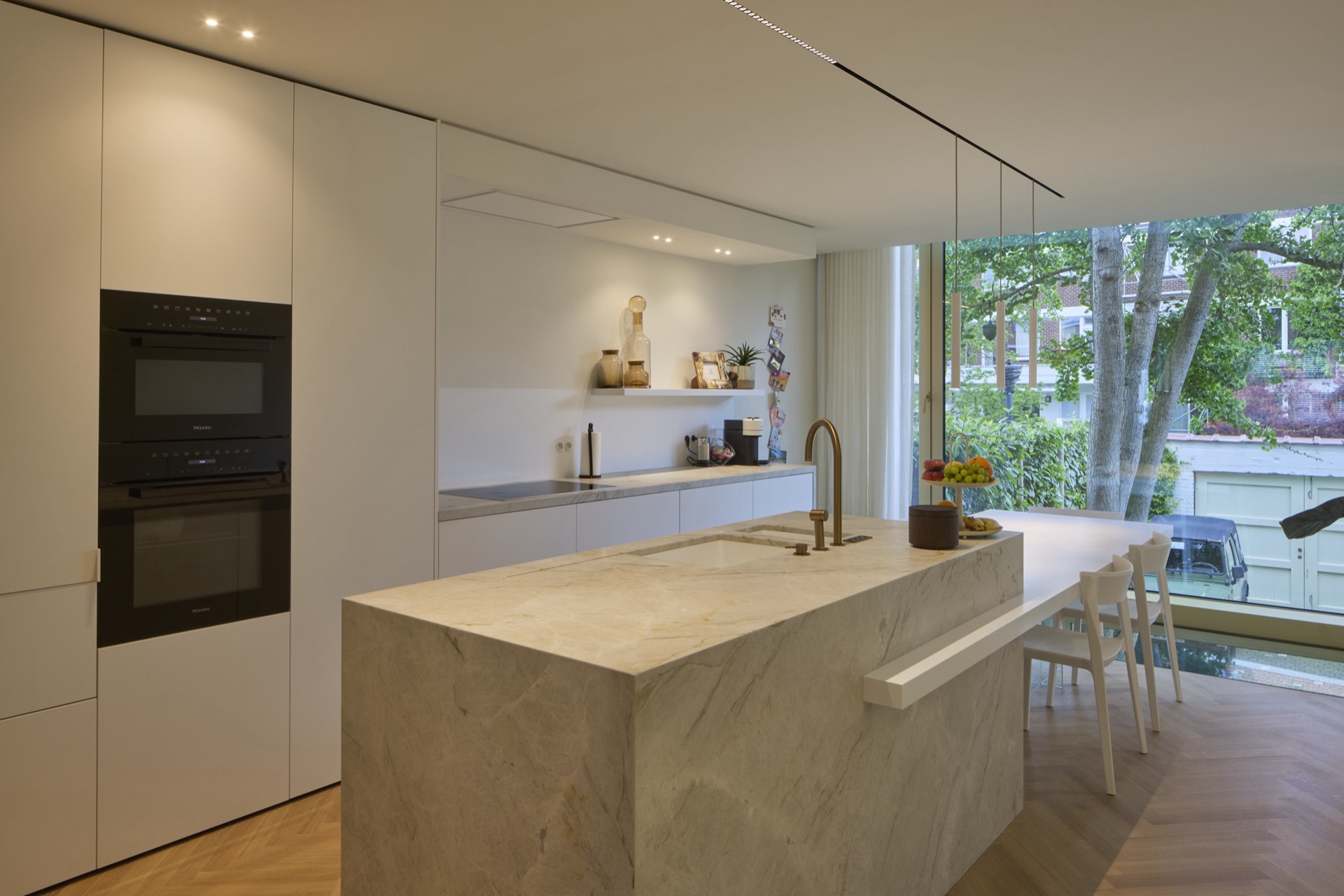
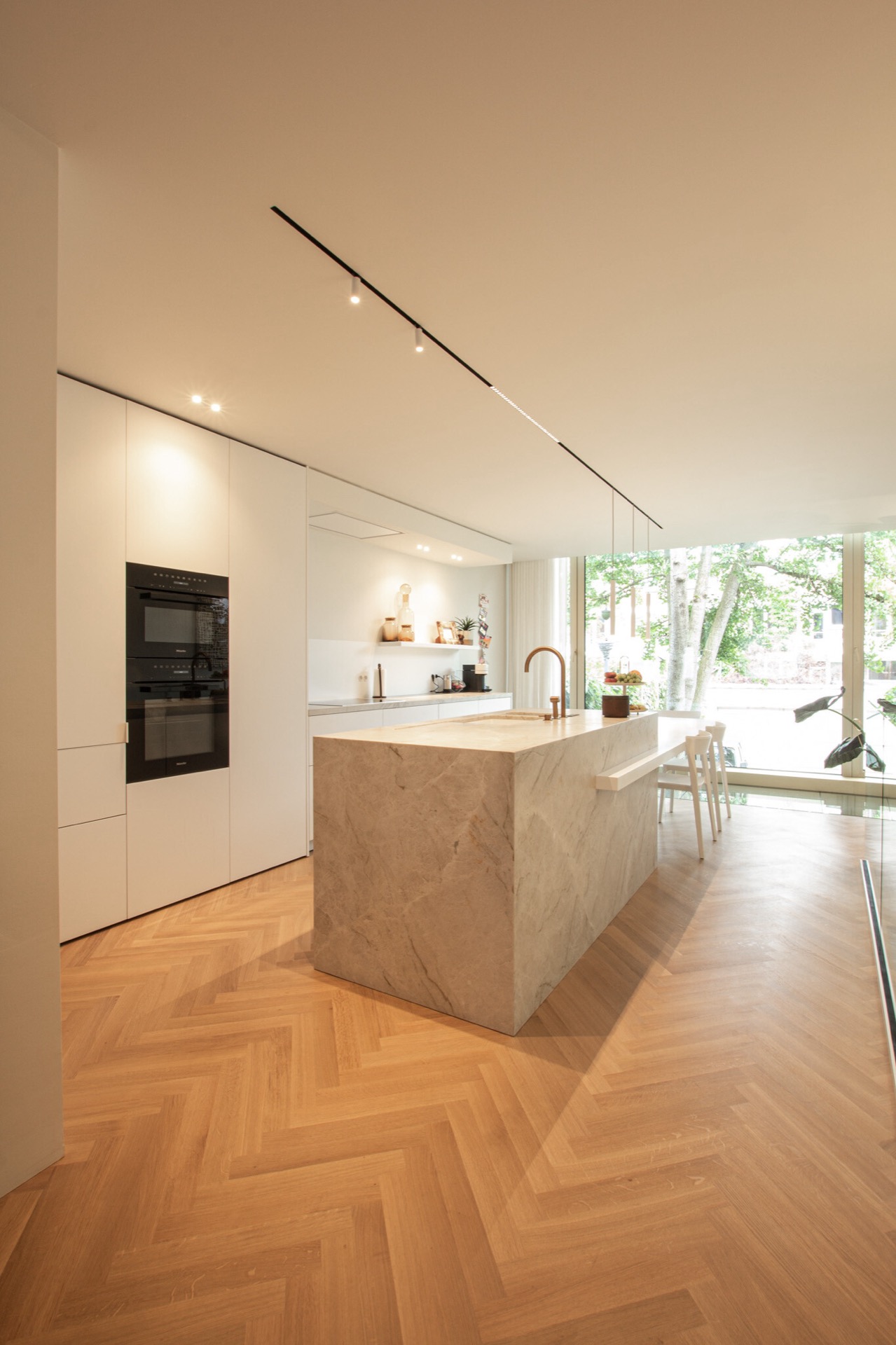
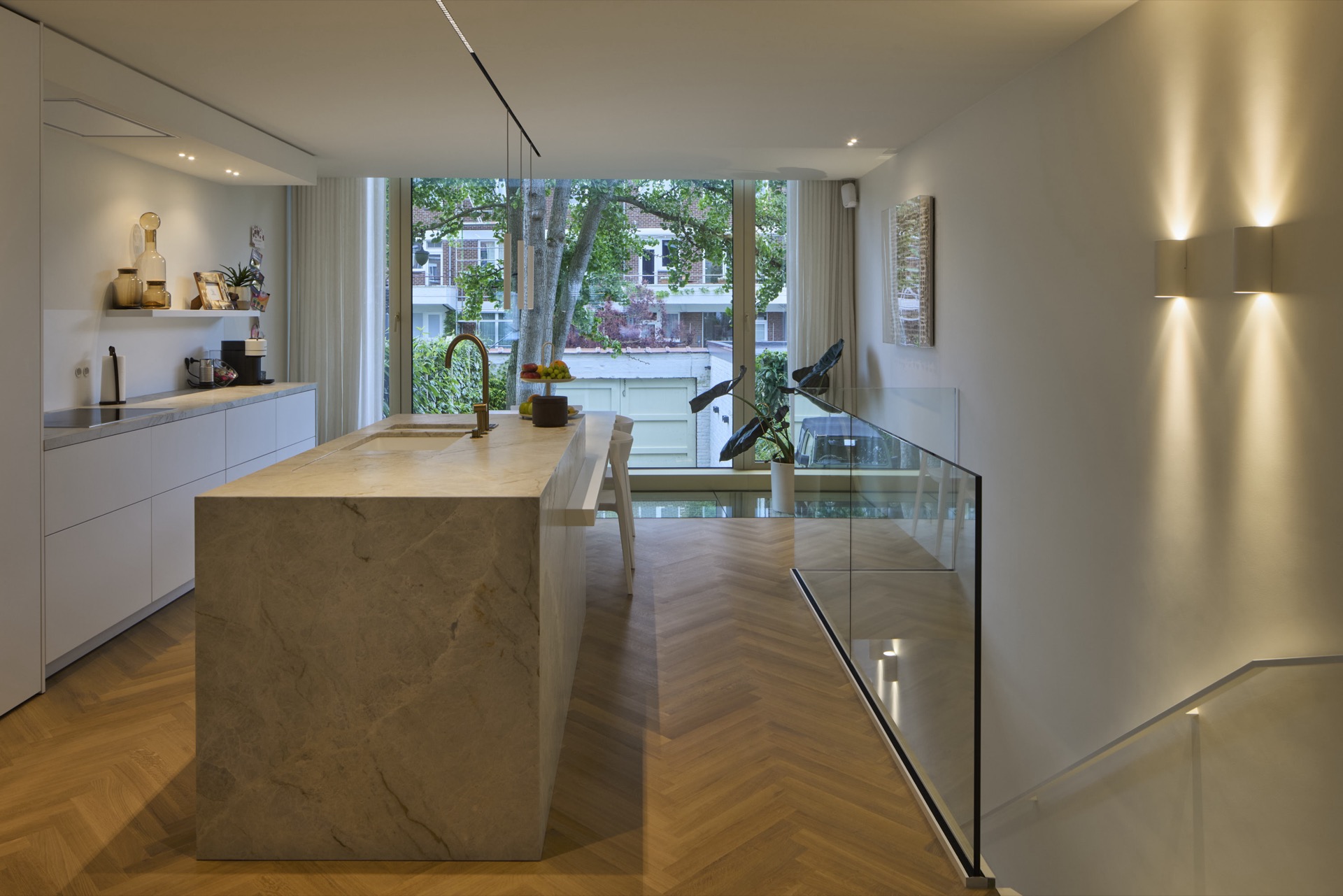
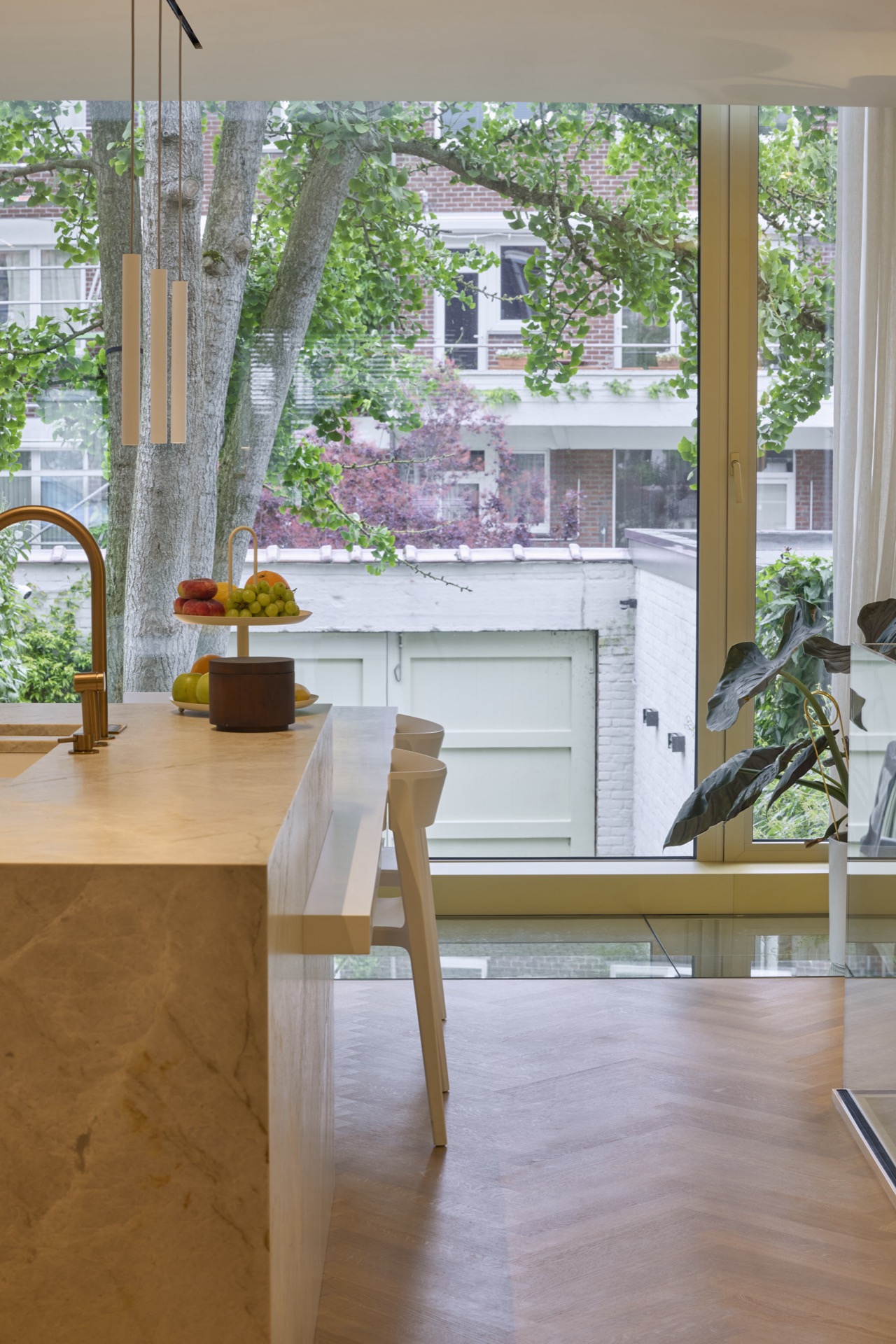
In the kitchen, broad marble countertops serve as both work surfaces and visual focal points. Their smooth, cool texture contrasts with warm wood cabinetry beneath, where clean lines define storage hidden behind handleless doors. The kitchen island, illuminated by streamlined overhead lighting, invites casual dining and food preparation in a setting stripped of excess.
Expansive windows bring light into the living room
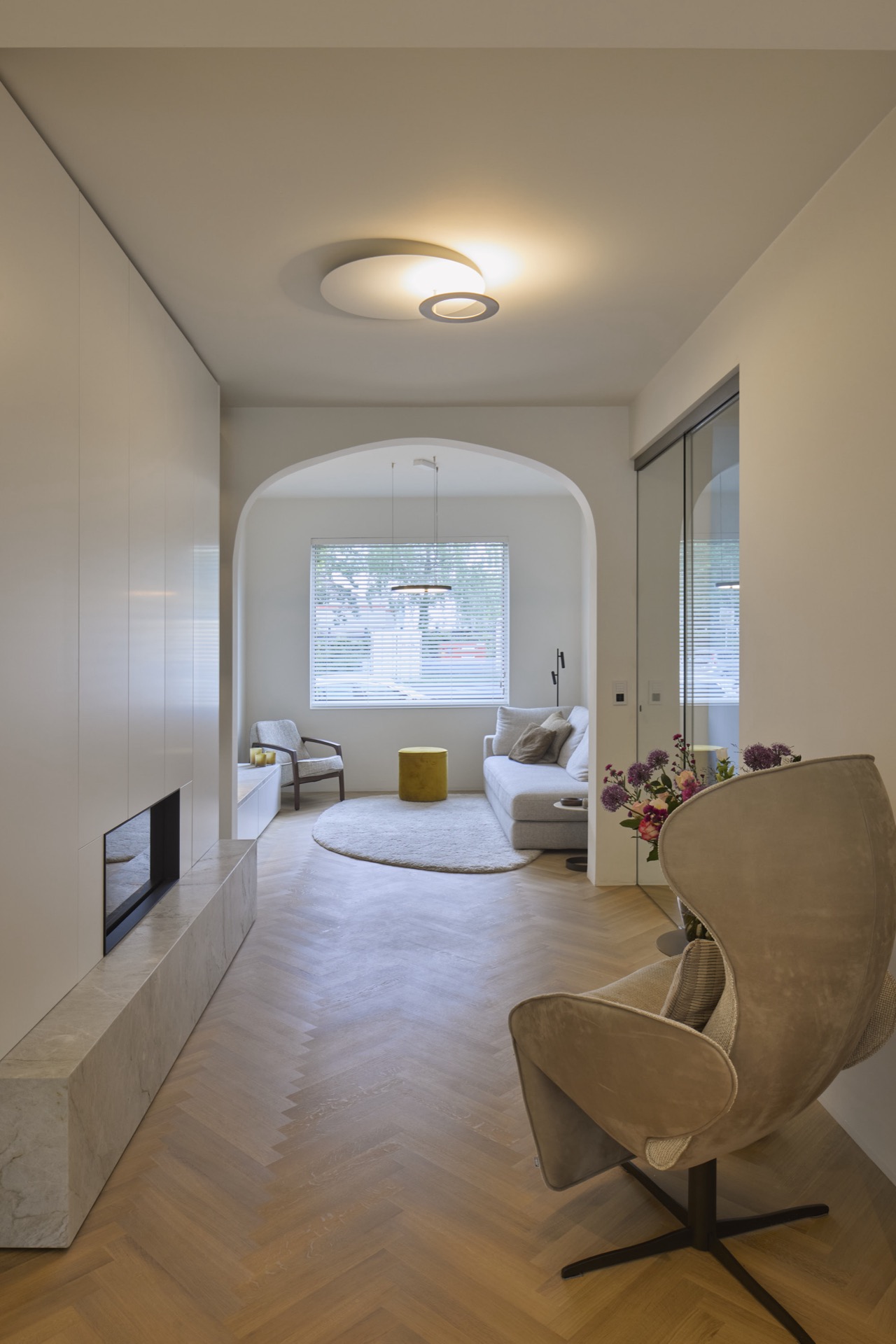
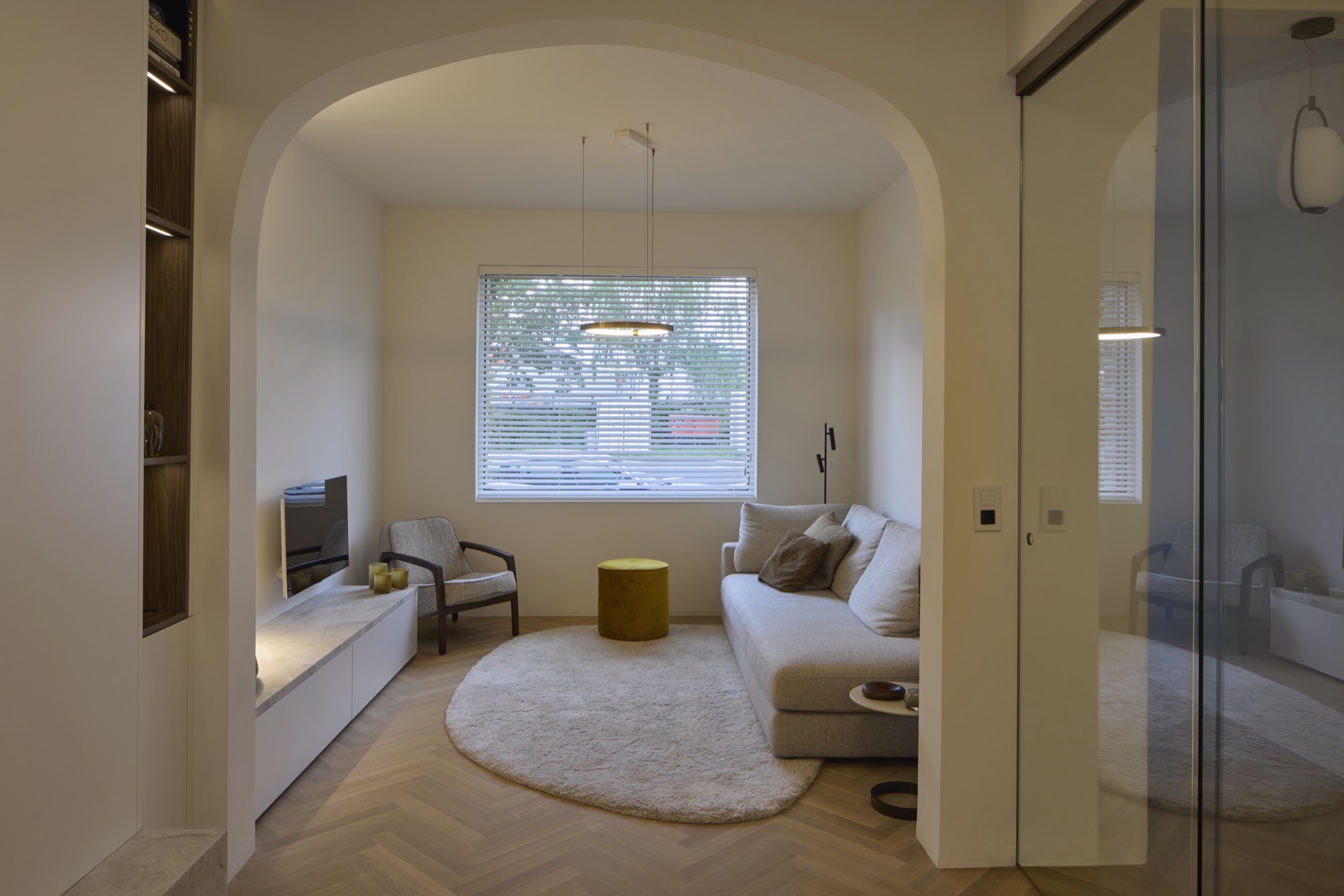
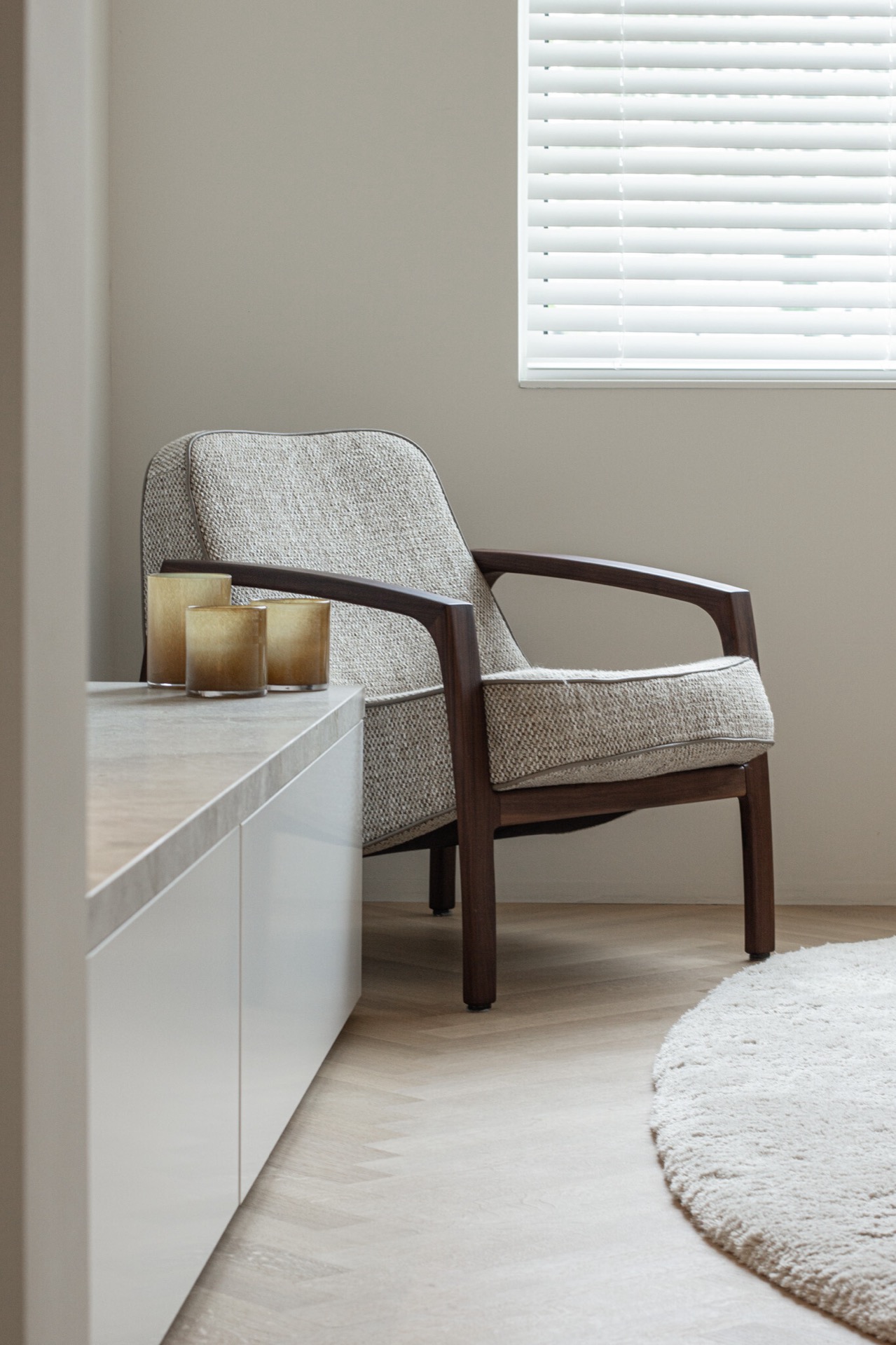
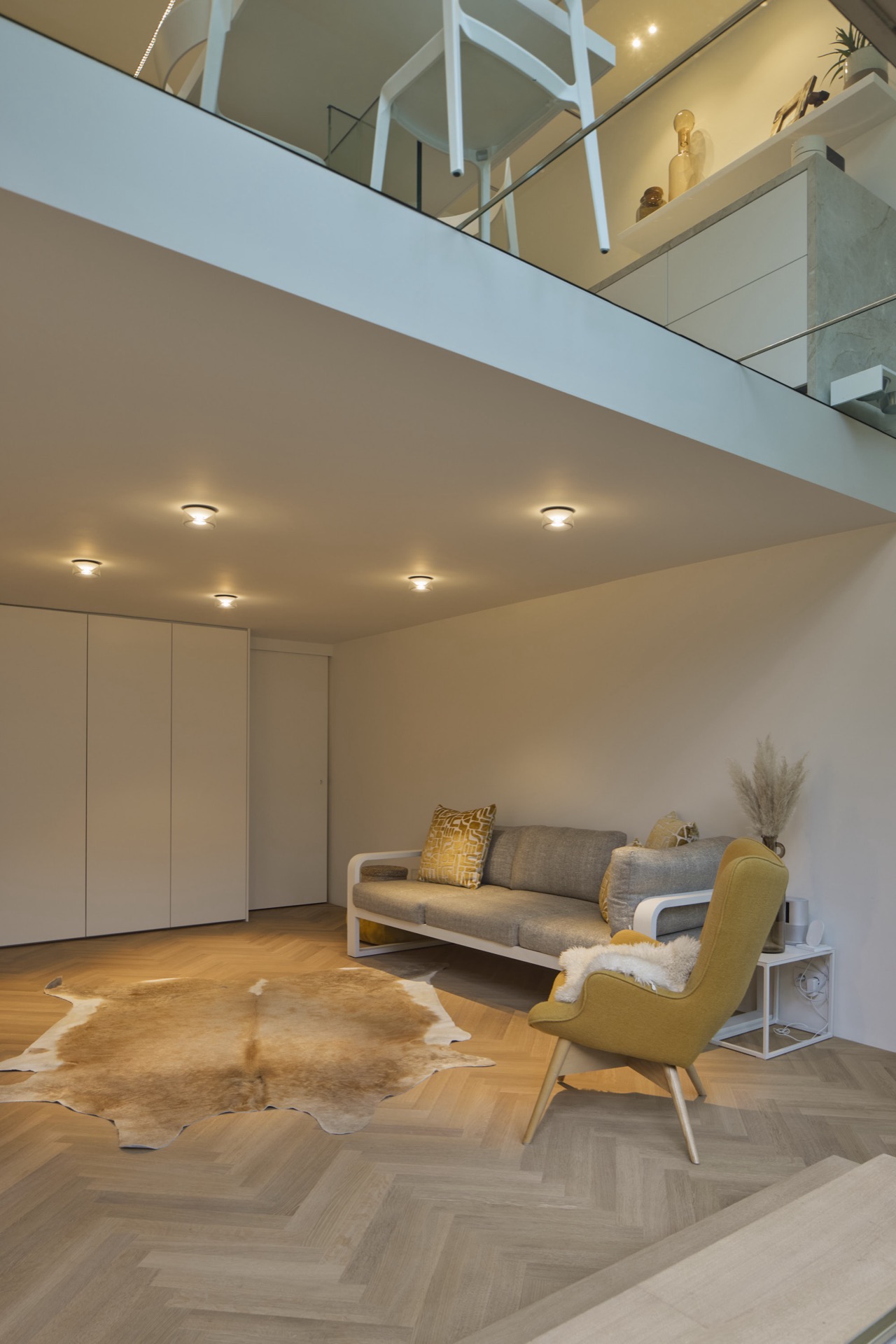
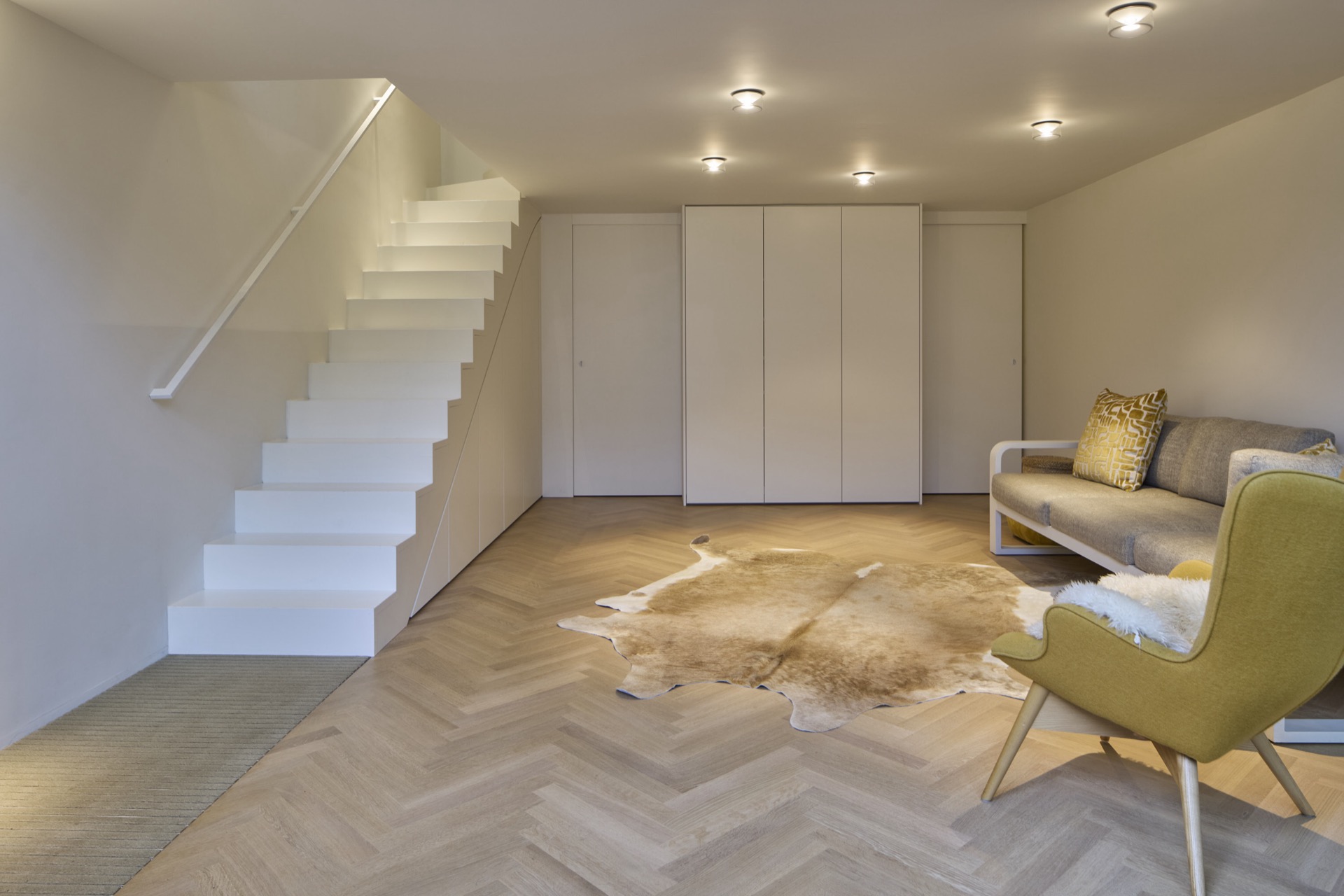
The living room benefits from the same generous fenestration, framing views while filtering daylight that highlights the subtle grain of wooden floors. Natural hues dominate the palette—muted beiges, soft whites, and touches of green appear through carefully placed plants and textiles. Furnishings remain purposeful, leaving room for movement and interaction.
Details in design enhance spatial clarity
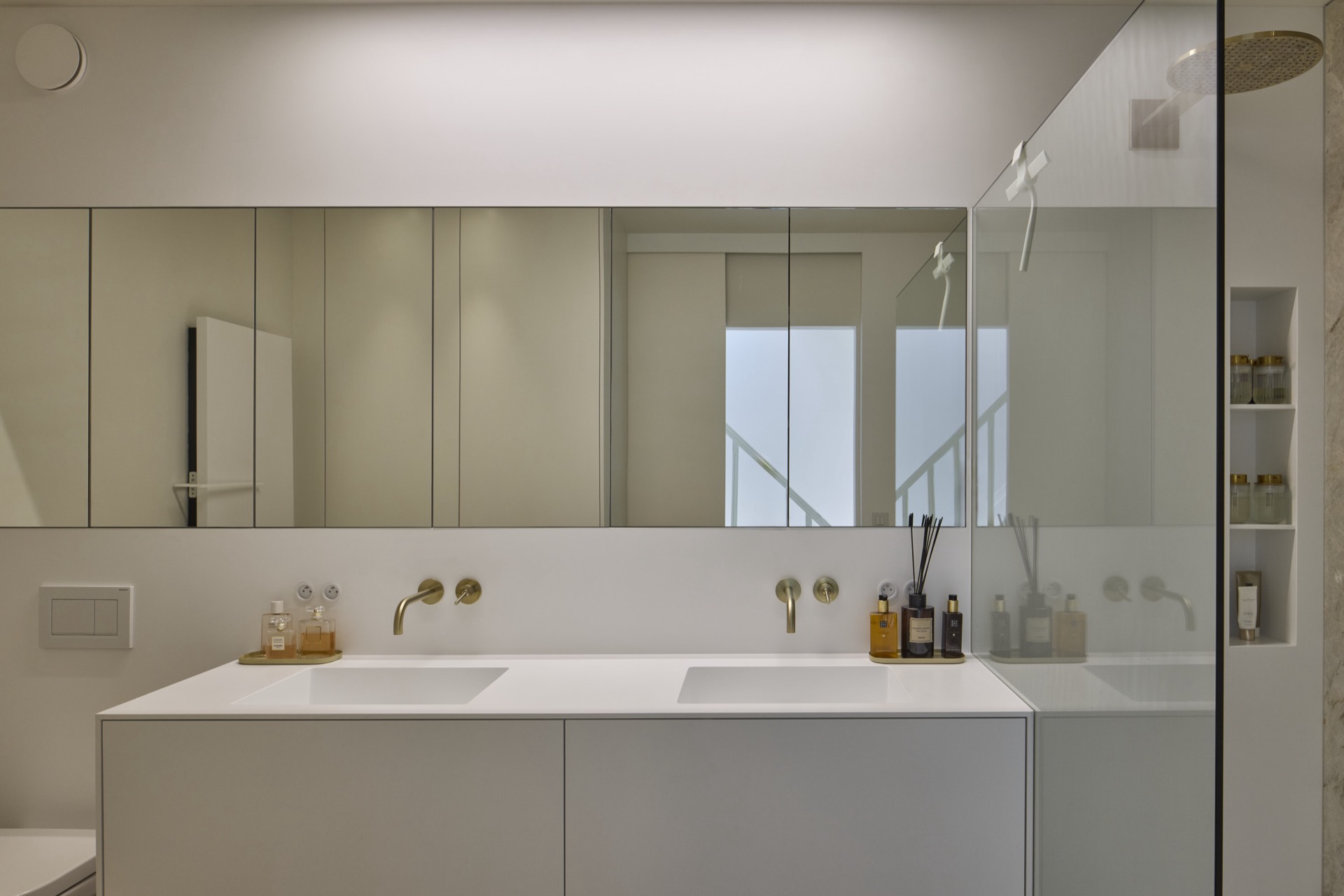
Throughout the interiors, built-in mirrors and glass panels extend sightlines and reflect light. These elements emphasize the spatial openness while also adding texture contrasts that prevent the minimalist arrangement from feeling sterile. Recessed lighting fixtures emerge elegantly from ceilings, supporting an atmosphere free from visual clutter.
Bathroom decor aligns with the natural material theme
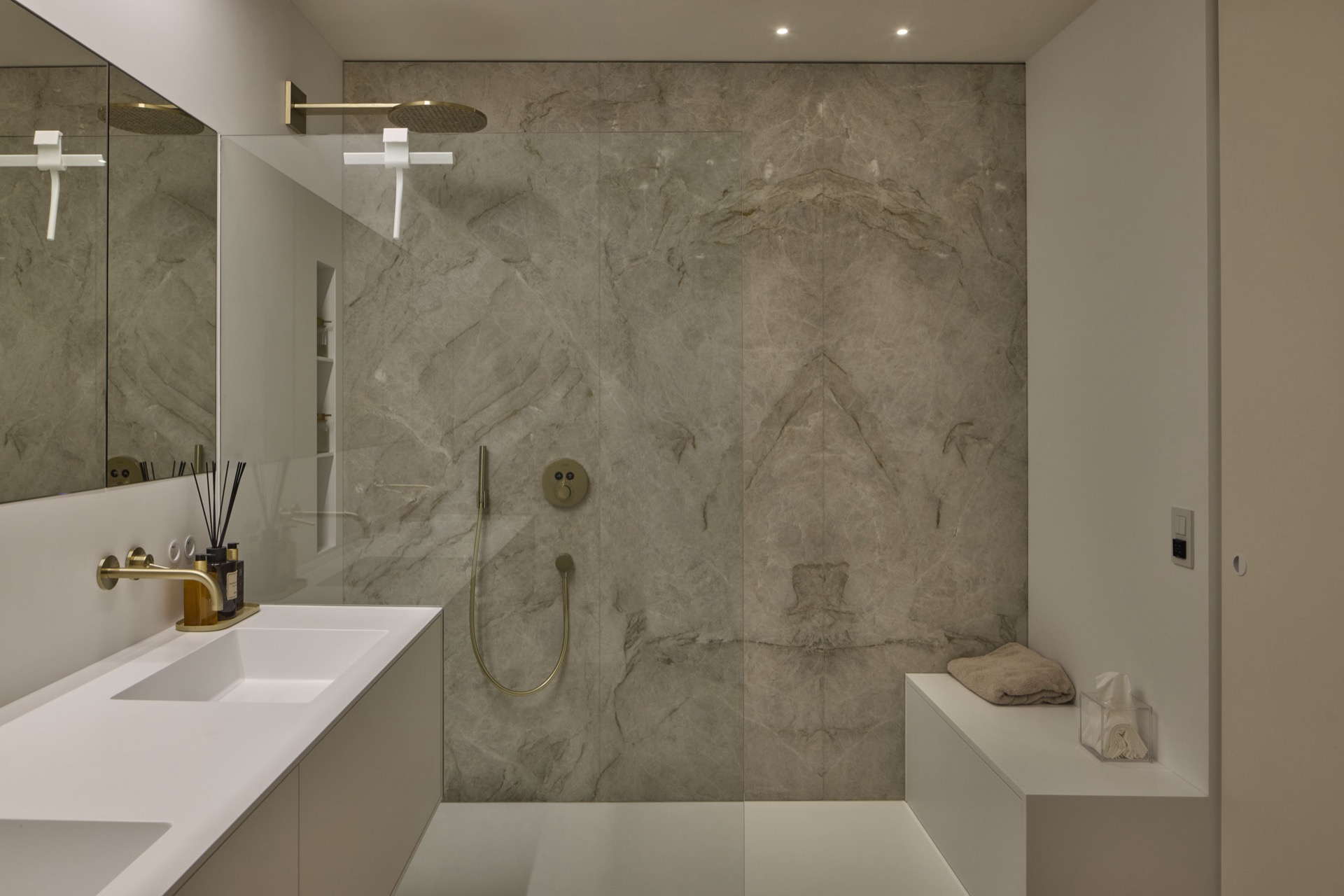
The bathrooms maintain consistency in material choices; marble covers floors and shower walls with minimal grout lines, reinforcing the sense of continuity. Fixtures exhibit slender profiles, and cabinetry integrates mirrors, amplifying daylight through reflections. The shower features a wide rain-style head, complementing the serene, natural environment.
Bedrooms balance natural light and soft materials
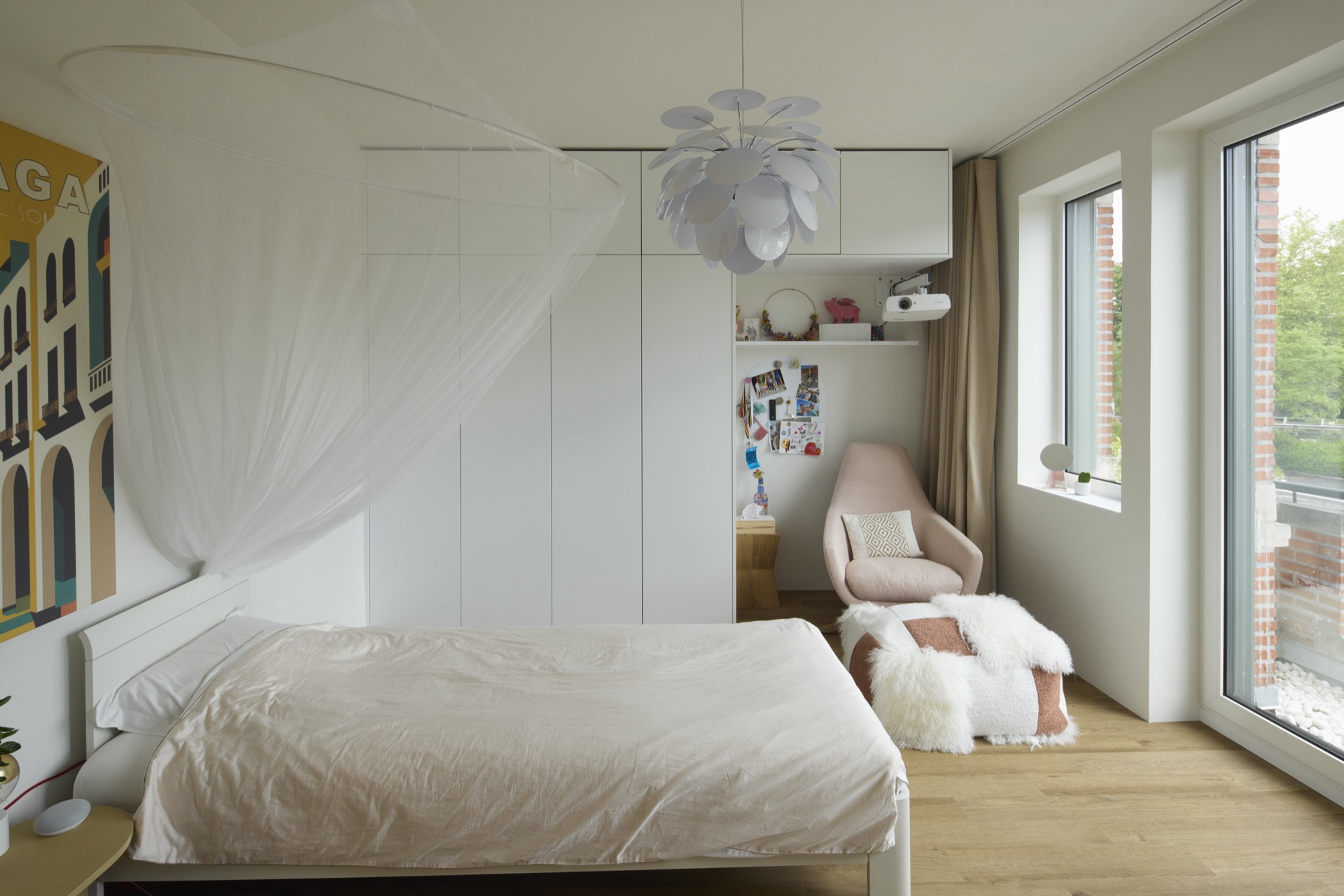
Bedrooms employ sheer curtains that soften daylight, which bathes pale wood furniture and simple bedding in a gentle radiance. Large beds receive natural light across textured throws and pillows, while untouched surfaces maintain a quiet, uncluttered aesthetic. The calming tones facilitate restful spaces within the overall minimalist framework.
Wooden floors connect rooms with warmth
Matte wood flooring covers key areas, anchoring the rooms with a tactile warmth against the marble and glass. Its subtle texture adds depth without overwhelming, uniting various spaces along a consistent material thread. In combination with natural color schemes, it invites quiet familiarity while maintaining contemporary restraint. That makes the modern home design natural materials part of the architectural character rather than a loose finish.
Open layouts allow spatial flexibility
Minimal walls and open transitions provide uninterrupted views across living, dining, and kitchen zones. This openness enhances the perception of light and space, facilitating adaptable use of the areas. The deliberate sparseness highlights materials and natural colors rather than furniture or accessories.
Natural color palette supports understated elegance
The interplay between white, beige, and wood tones softens the interiors. Subtle greens from plants introduce color without distraction. This restrained palette supports the material focus while fostering an atmosphere subtly enlivened by natural elements.
Lighting accents architectural and material qualities
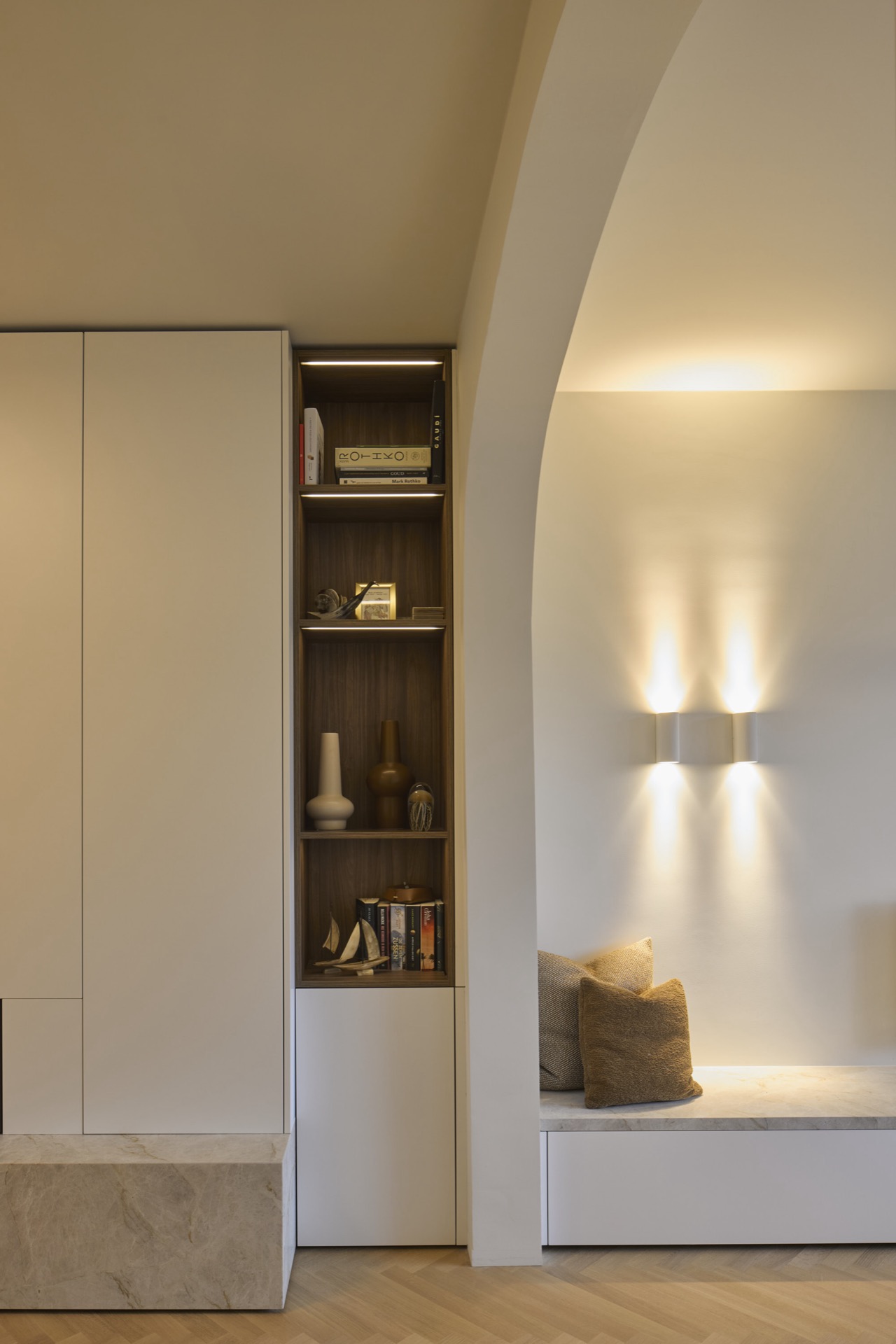
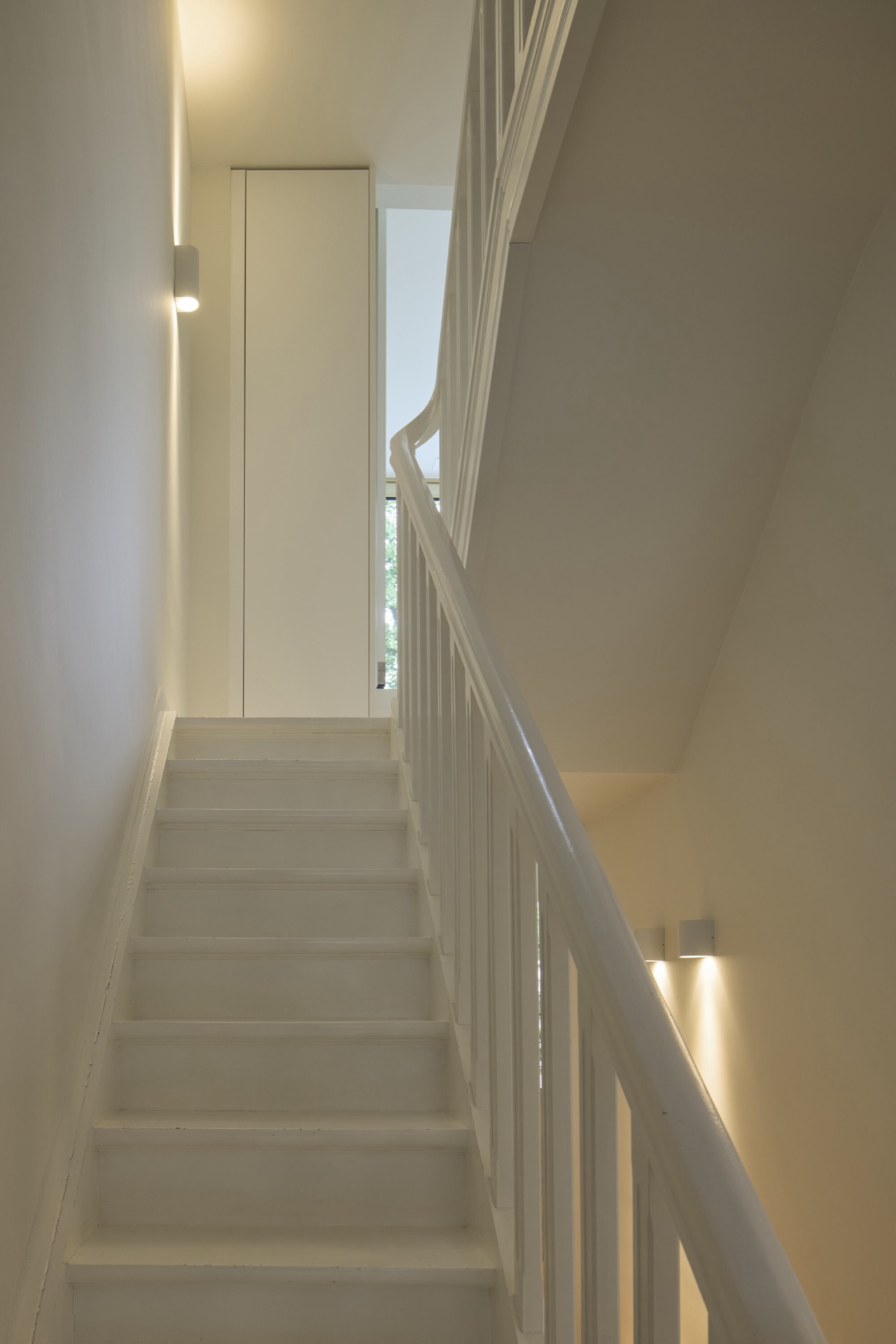
Strategically positioned lighting fixtures underscore textured surfaces and define space edges without intrusion. The combination of natural daylight and artificial lighting reveals nuances in marble veining and wood grains, crafting a quiet sensory experience that evolves through the day.
Minimalist interiors reflect a natural design ethos
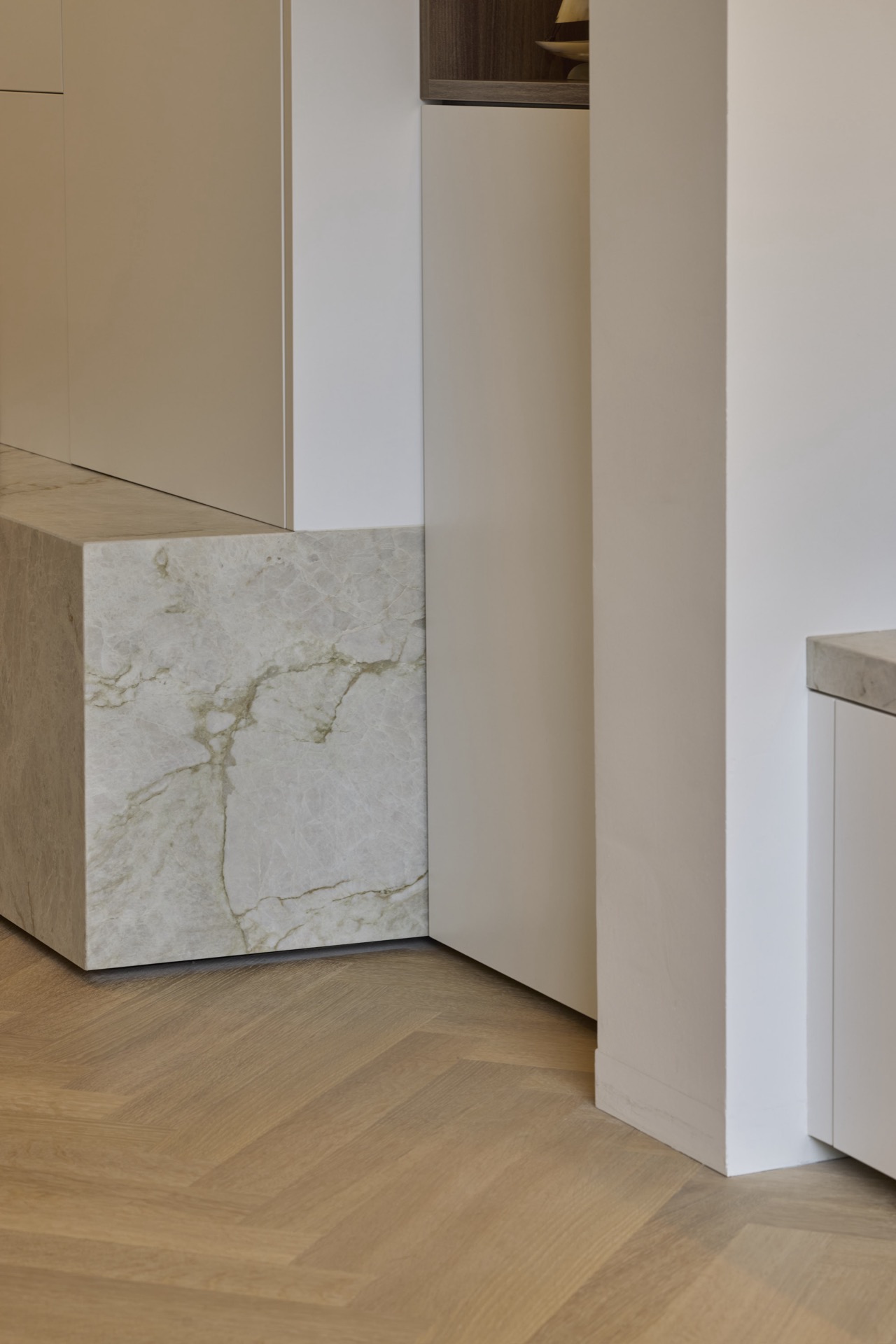
The overall approach eschews ornamentation, instead letting finishes and spatial qualities convey refinement. Each piece—marble worktops, handcrafted wood, expansive glass—contributes tactile and visual interest. The restrained arrangement underscores material authenticity and the passage of natural light.
Natural materials foster a tactile connection
Close observation reveals textured grains on wooden surfaces and the subtle veining within marble slabs. These tactile variations invite touch and enrich the spatial experience. Glass elements introduce reflection and transparency, expanding visual boundaries while maintaining material honesty.
In-built storage integrates with reflective surfaces
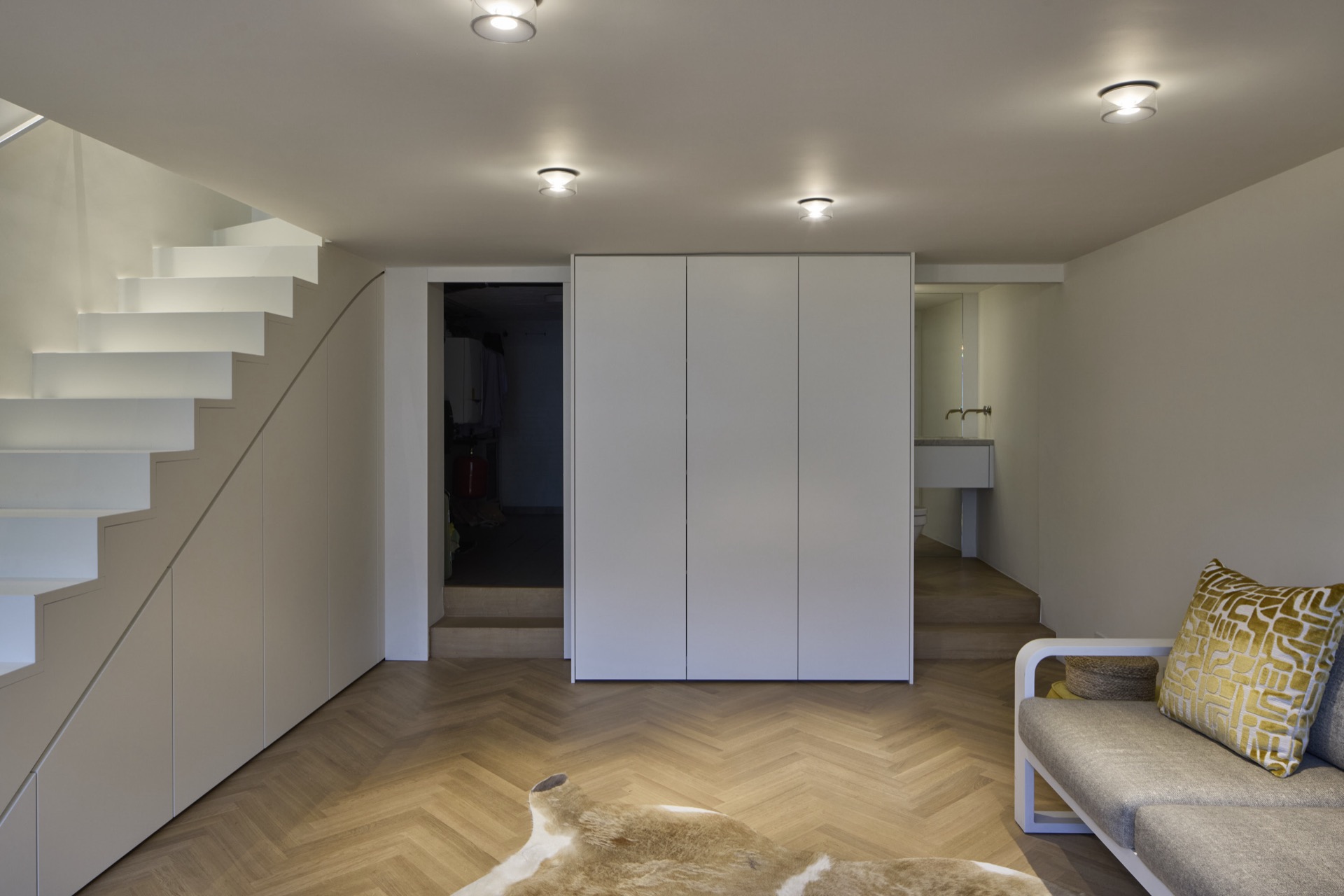
Closets with mirror fronts serve multiple roles: concealment, light reflection, and space extension. Their placement optimizes room dimensions, while reflective planes break up visual mass and avoid confinement typically associated with storage. That makes the modern home design natural materials part of the architectural character rather than a loose finish.
Want to see more of Eggersmann Hasselt? View the page of Eggersmann Hasselt for even more great projects and company information.


.png)
NEW 2026 Jubileum Edition The Best Interior Designers Benelux
Order Now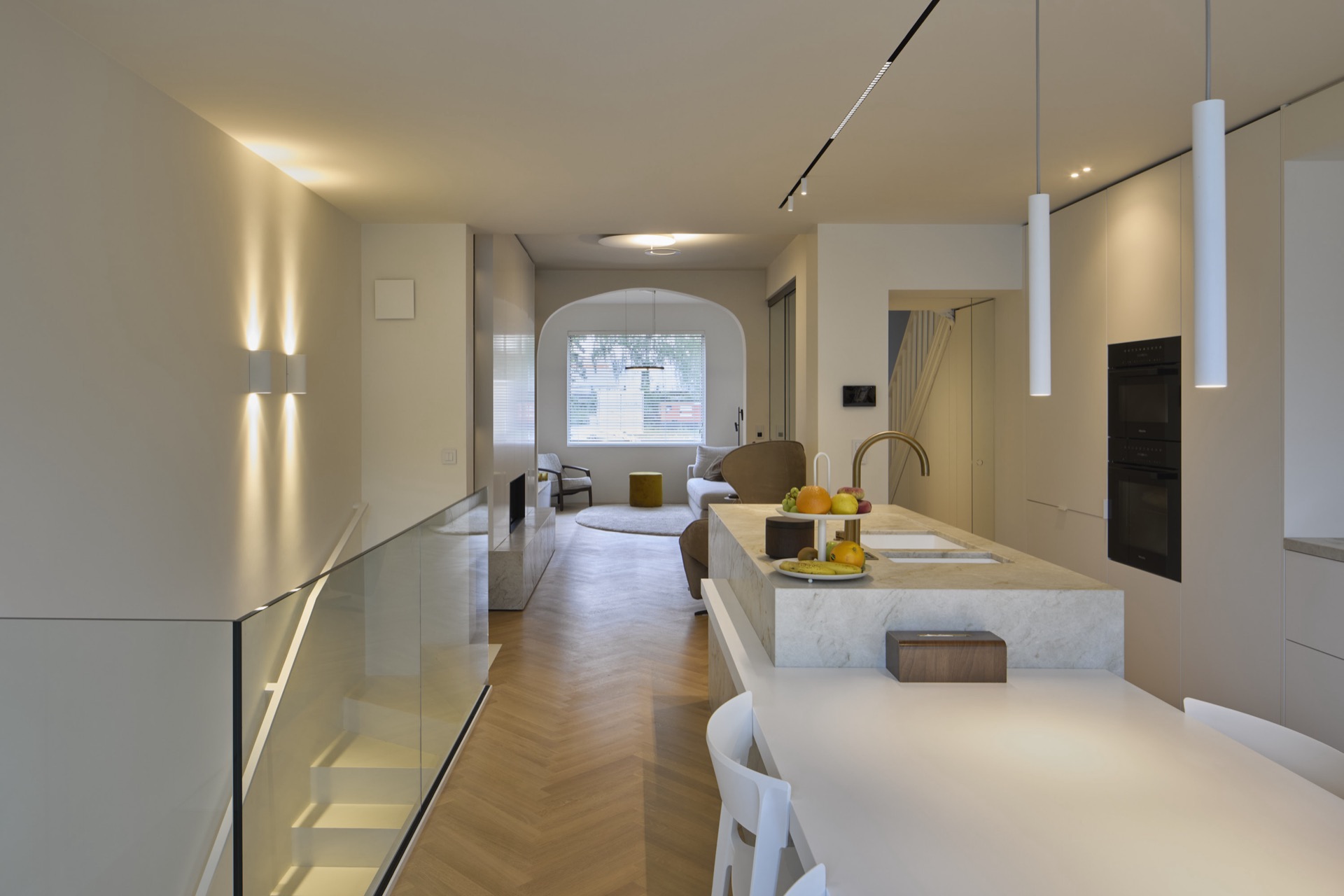
NEW 2026 Jubileum Edition The Best Interior Designers Benelux
Order Now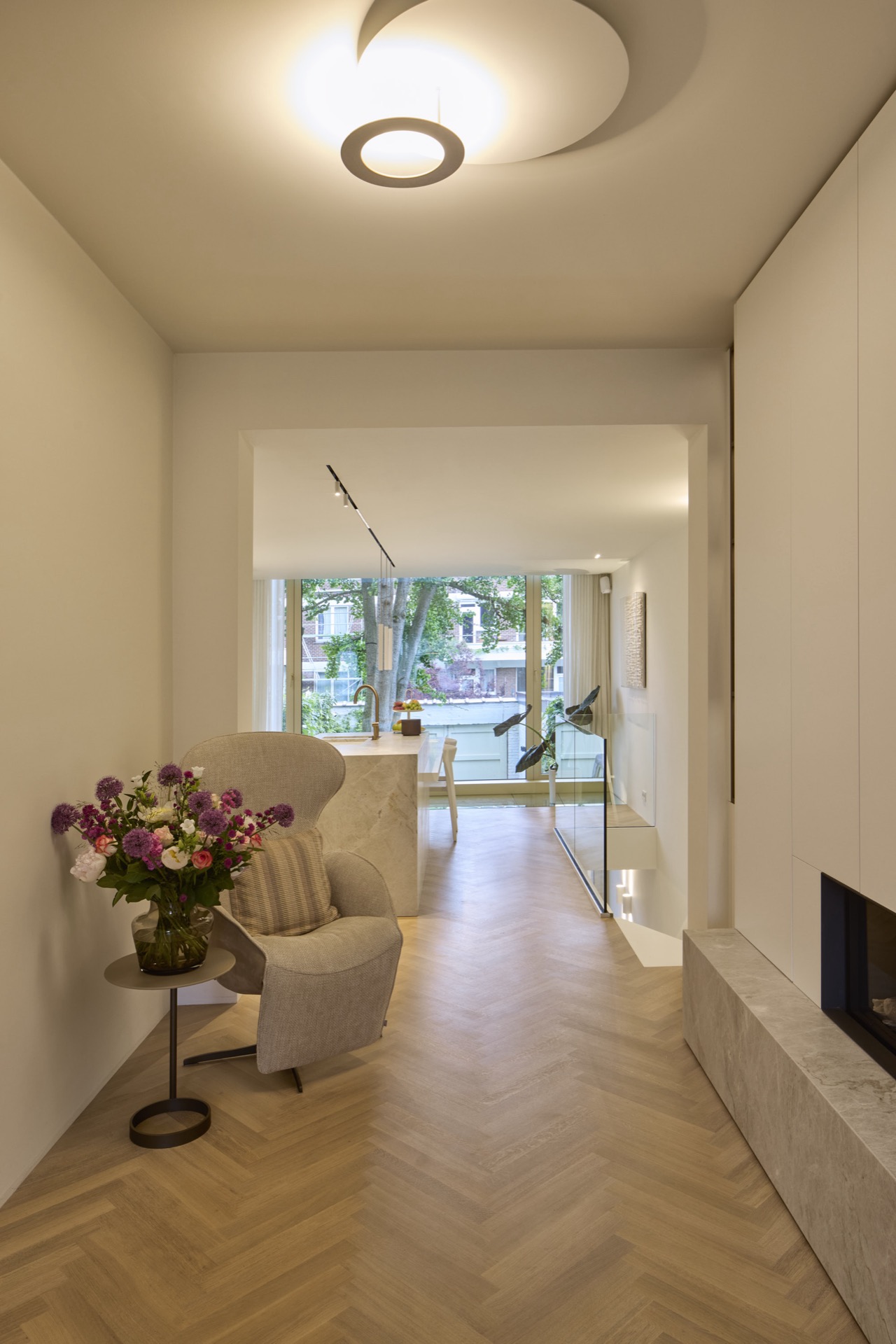
NEW 2026 Jubileum Edition The Best Interior Designers Benelux
Order Now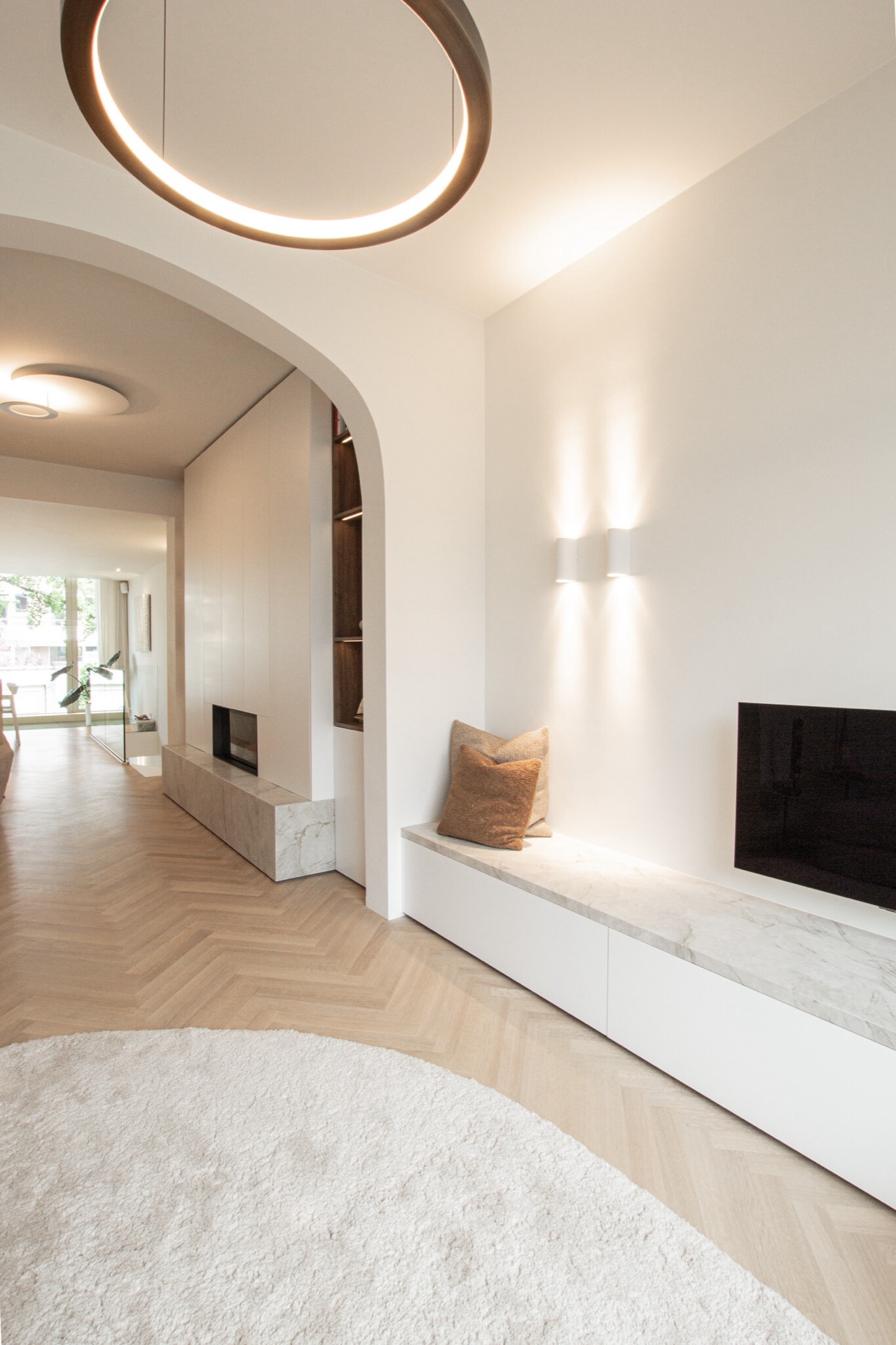
NEW 2026 Jubileum Edition The Best Interior Designers Benelux
Order Now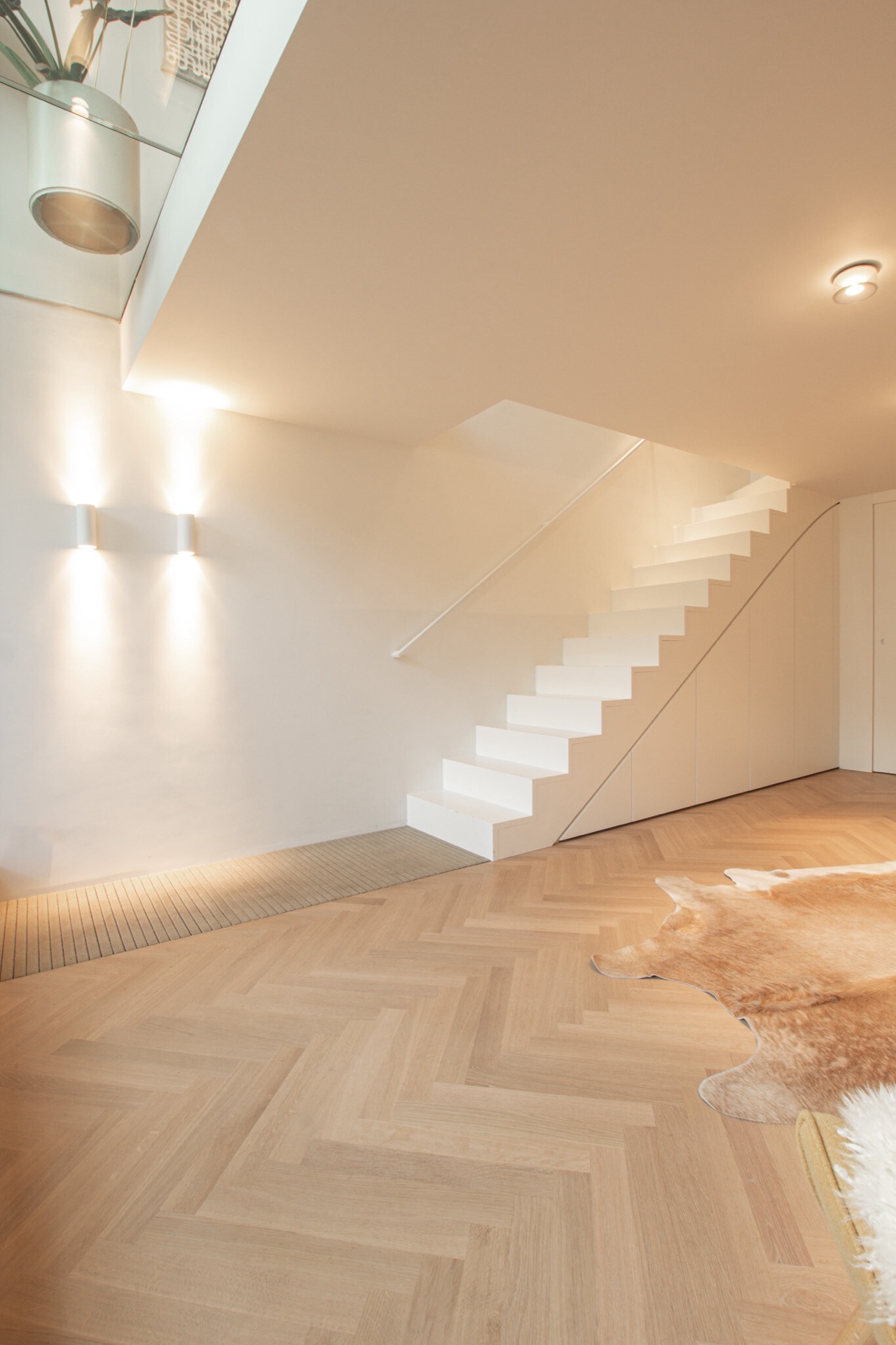
NEW 2026 Jubileum Edition The Best Interior Designers Benelux
Order Now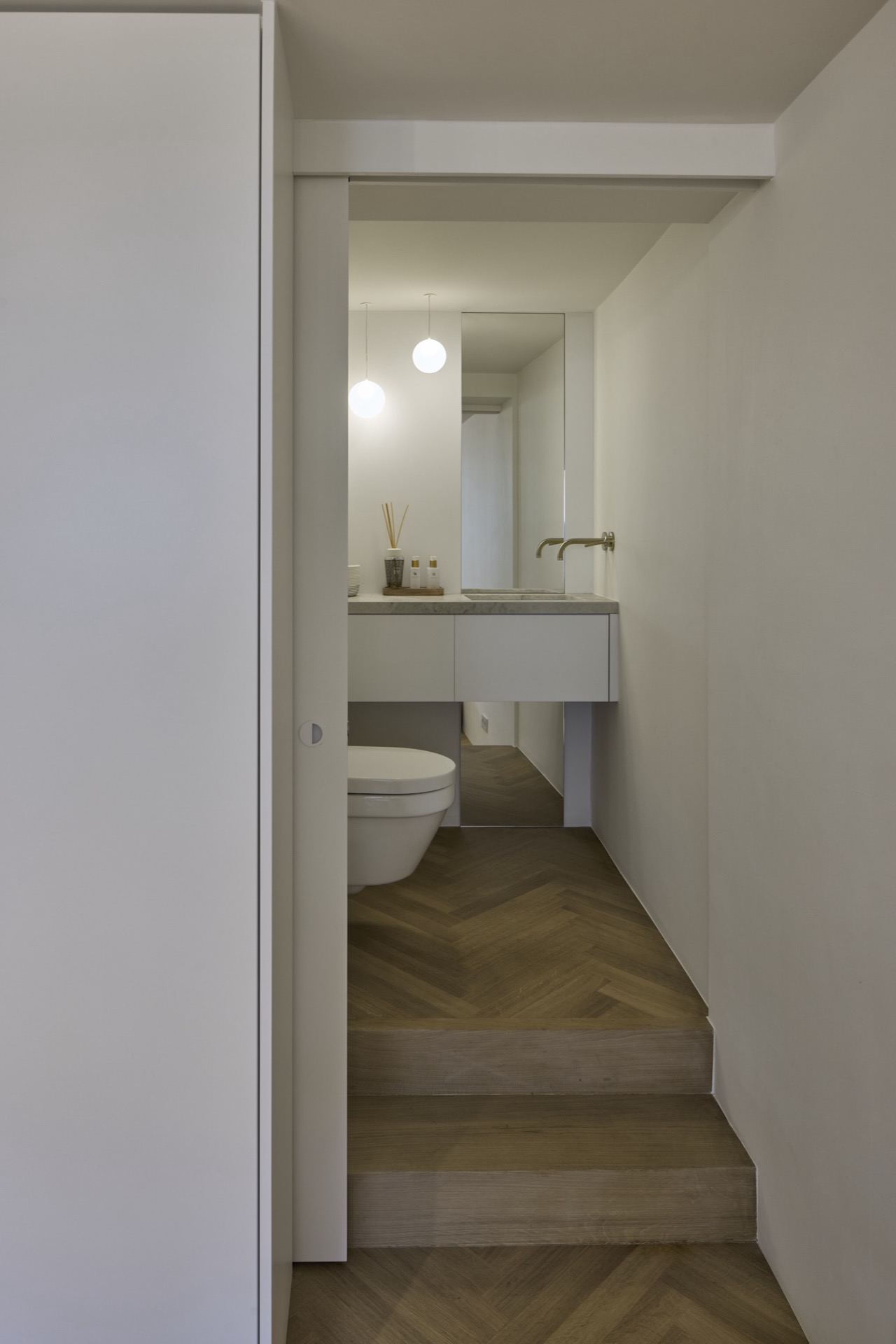
NEW 2026 Jubileum Edition The Best Interior Designers Benelux
Order Now