






Garden with natural swimming pond
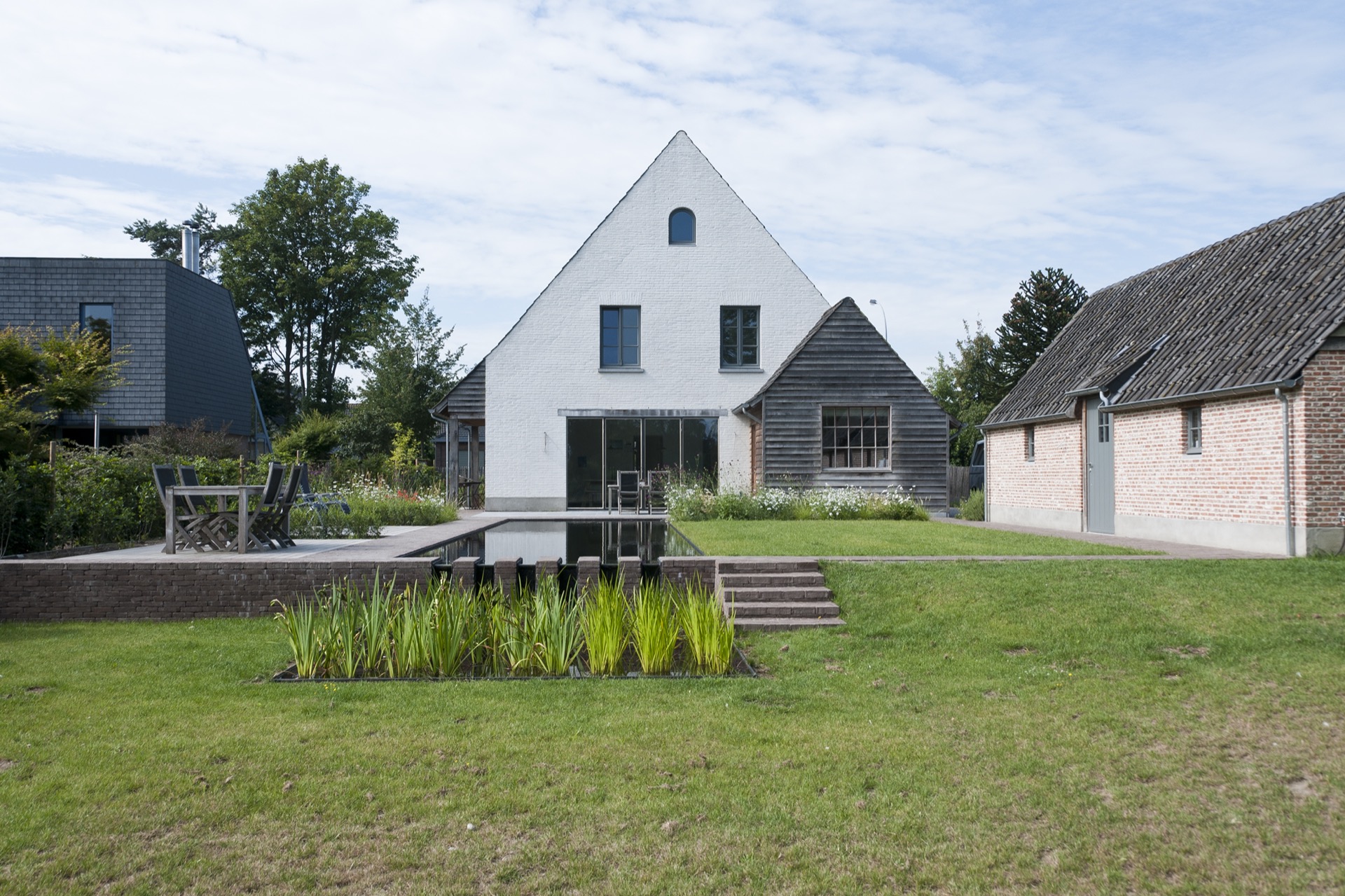
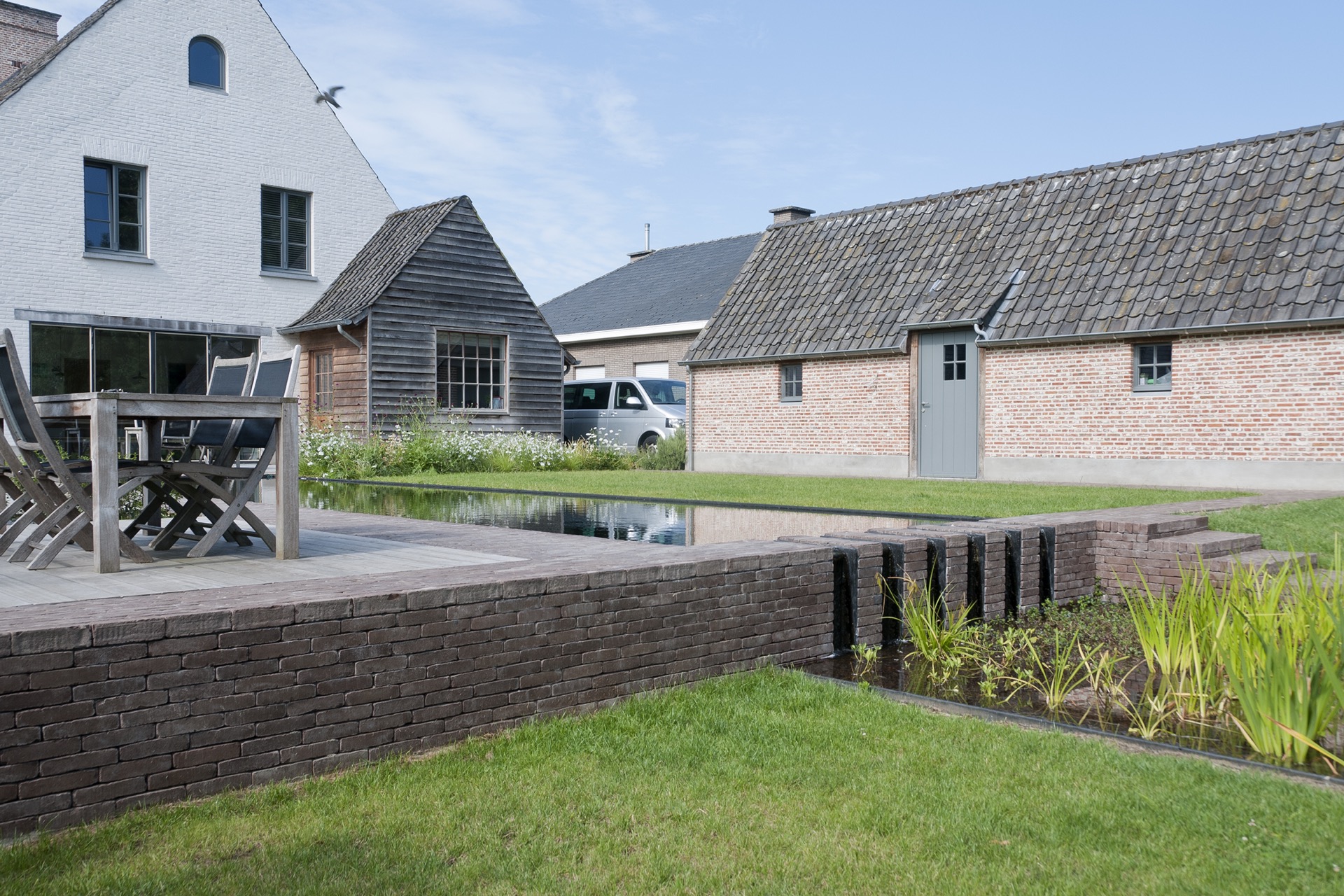
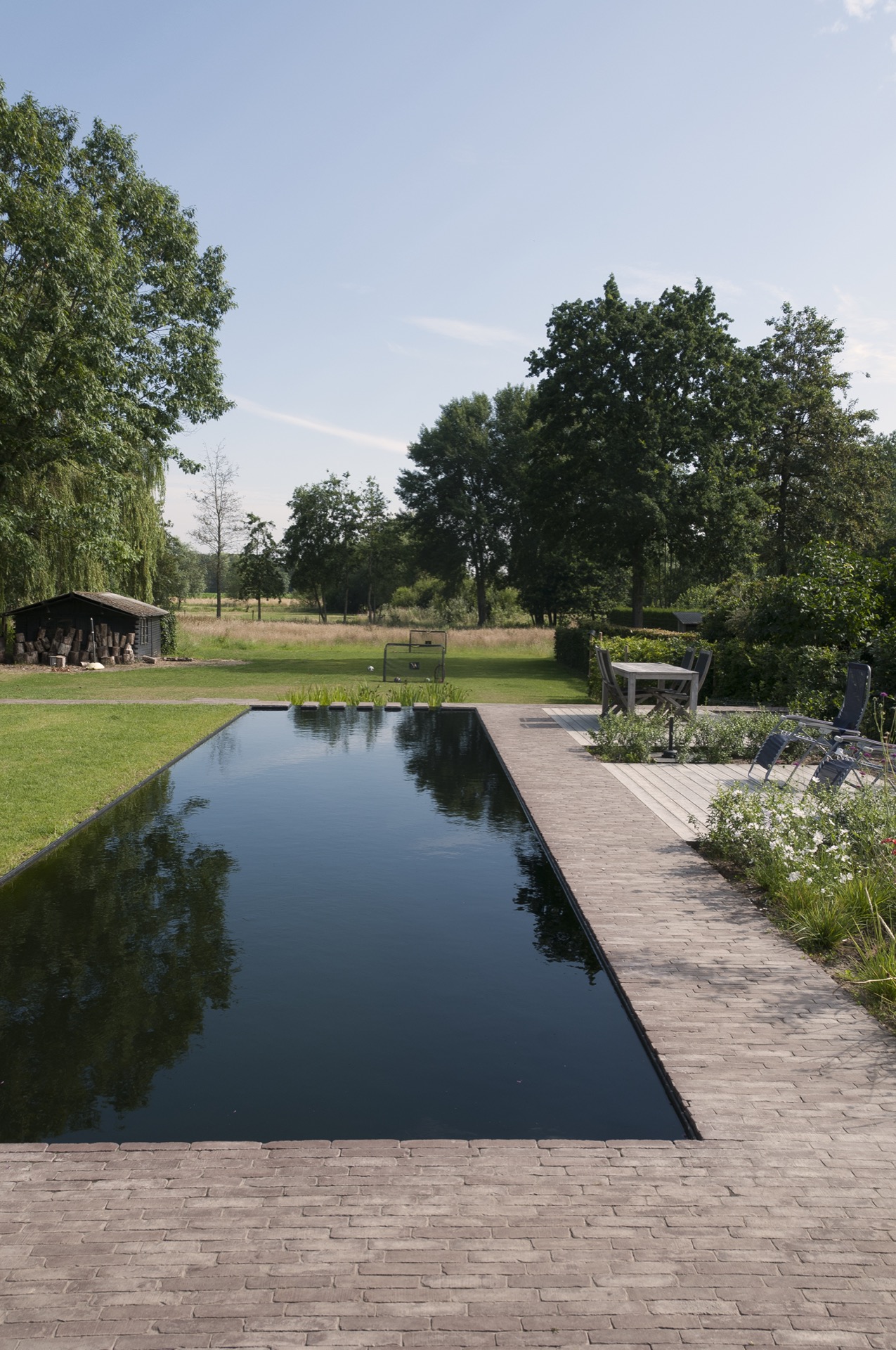
The rectangular natural swimming pond sits low in the garden, framed by a clear stone edge and planting that softens the waterline. From the terrace, the view moves straight across reflective water to the lawn and the layered border around the pond. The setting feels measured rather than decorated: masonry, paving and planting each hold their own place, and that makes the water the quiet center of the composition.
Water set into the garden, not placed beside it
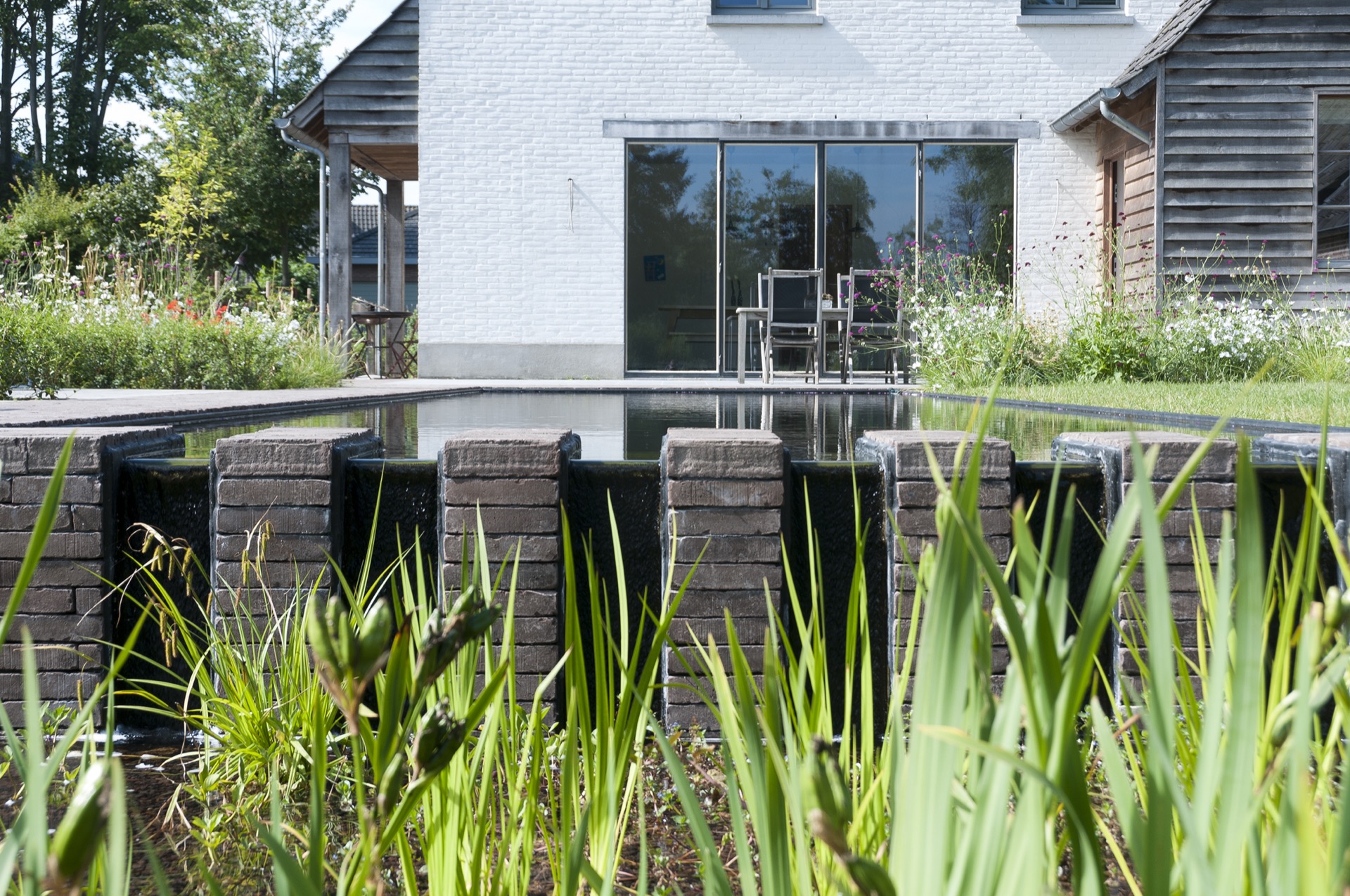
The garden swimming pond is integrated into a landscape that keeps the lines simple. A terrace runs along one side, then gives way to the pond edge and a strip of planting. The shift is visible in the materials: stone paving near the house, a darker pond wall below, and a planted margin that breaks the straight geometry. Because the water is rectangular, the surrounding greenery reads even more strongly. It trims the shape instead of dissolving it.
What stands out first is the way the swimming pond uses contrast without becoming hard. The surface reflects the sky and nearby planting, while the edge remains defined by masonry and stone. That combination gives the project its rhythm. The pond does not sit as an isolated object in the lawn; it is pulled into the outdoor route, with paths and terrace surfaces lining up against the water and guiding the eye from one side to the other.
Planting that works against the straight edge
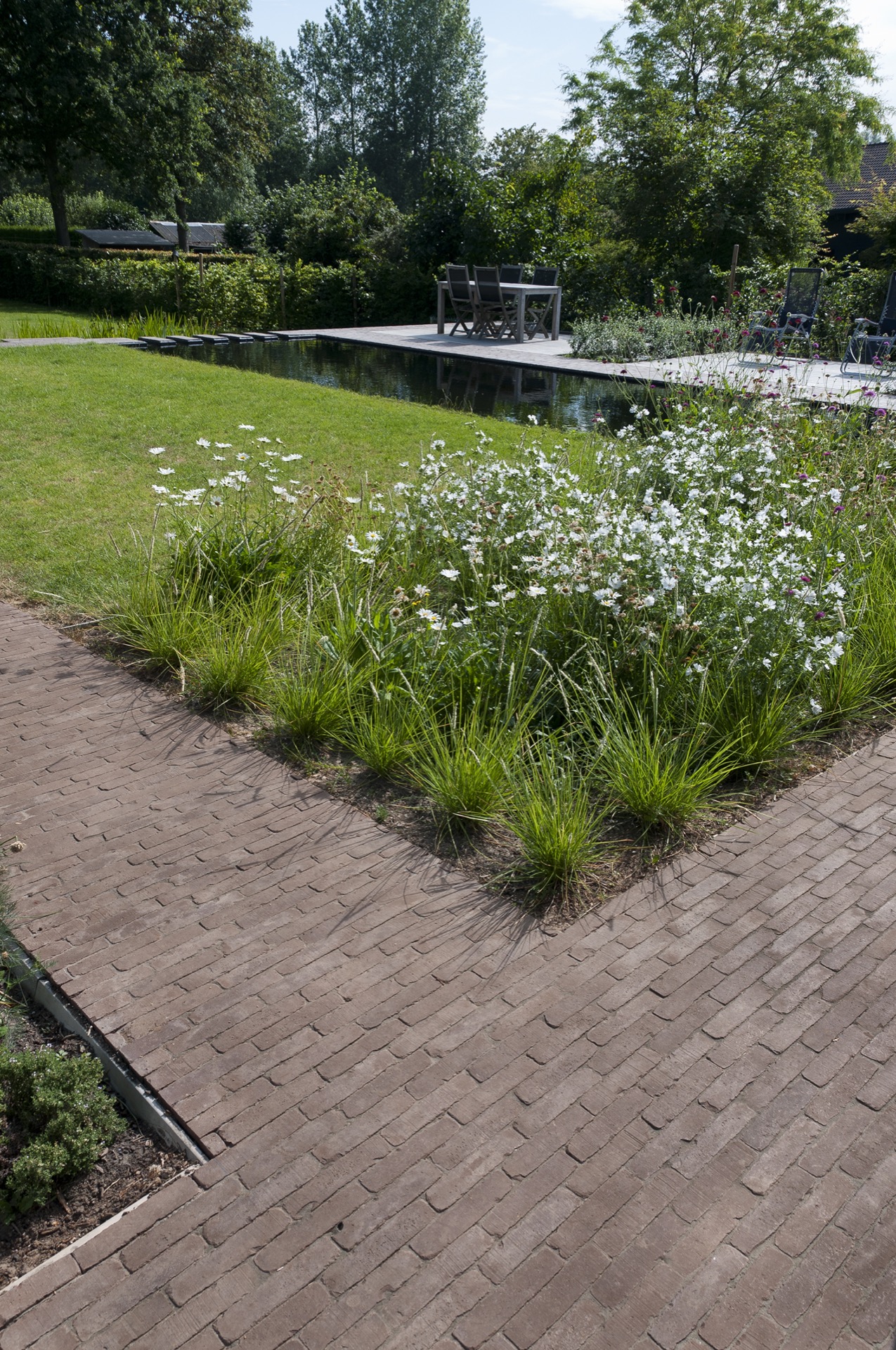
Along the perimeter, the natural planting keeps the pond from feeling overly formal. Grasses, low flowering plants and loose border planting sit close to the water, so the transition from garden to pond is gradual. In the wider views, the planting bands read as a soft frame around the rectangular basin. In the closer details, stems and leaf texture break the clean line of the edge and make the waterline feel less severe.
This biological swimming pond is described as part of an ecological balance and as a biotope for flora and fauna, and that idea is visible in the planting zones around it. The garden does not try to hide the pond’s structure; instead, it lets the edge and the vegetation work together. The result is a landscape where the pond remains legible, but the planted margins prevent it from looking too engineered.
A terrace by the swimming pond with a direct line to the water
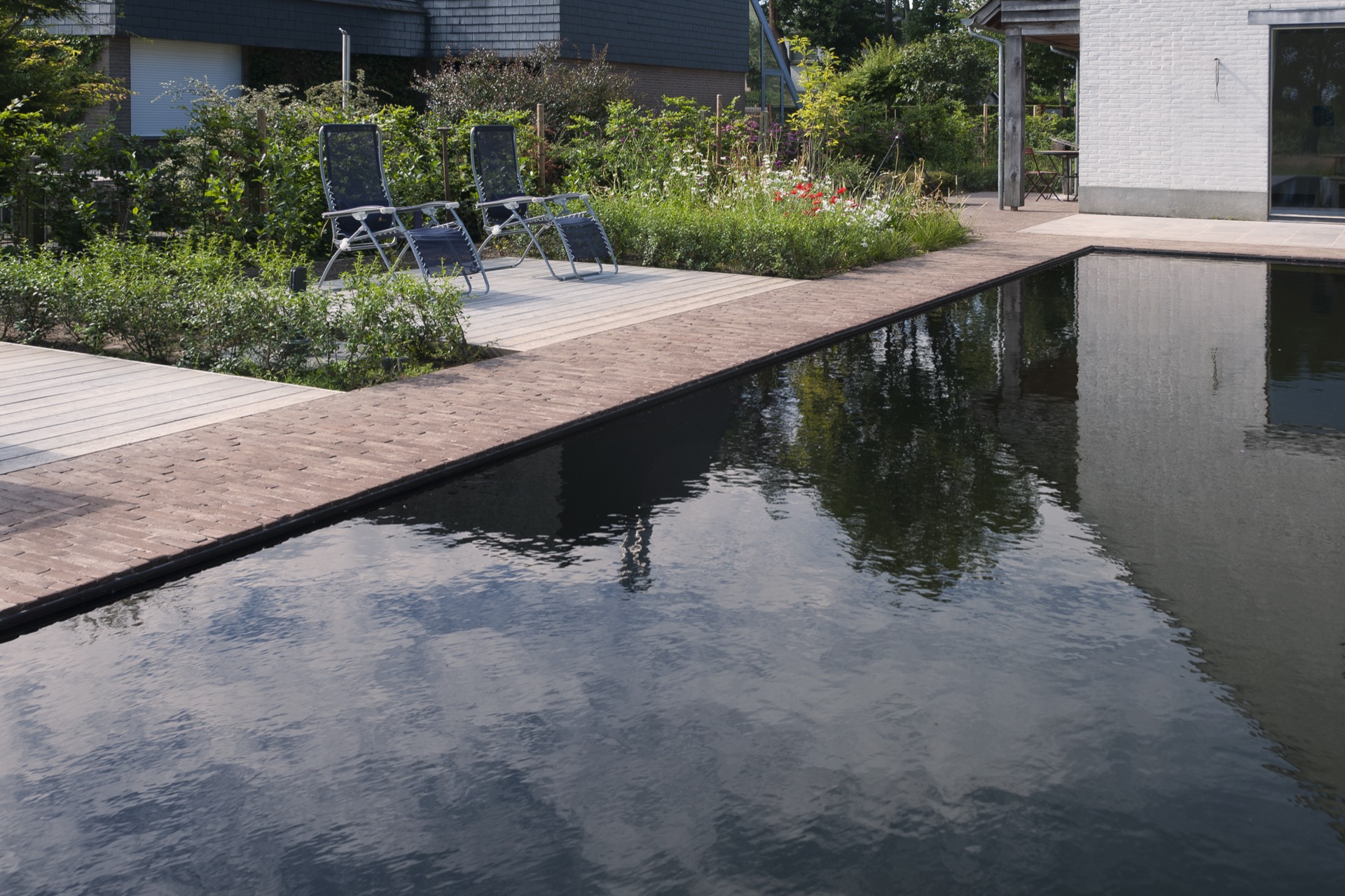
The terrace by the swimming pond is not treated as a separate lounge zone. It comes right up to the waterline, using stone paving and crisp borders to create a place to pause beside the pond. From this level, the surface of the water mirrors the planting and the sky, which makes the terrace feel closely tied to the pond rather than simply adjacent to it. The hard surface also sharpens the outline of the basin.
That terrace-to-water transition is one of the most readable parts of the project. The paving sits flush enough to make the pond feel accessible, while the change in material marks the boundary clearly. The stone edging pond detail gives the composition a steady line. It is practical in appearance, but it also has a visual role: it keeps the water plane clean against the planted garden.
Stone edging and the built edge at the waterline
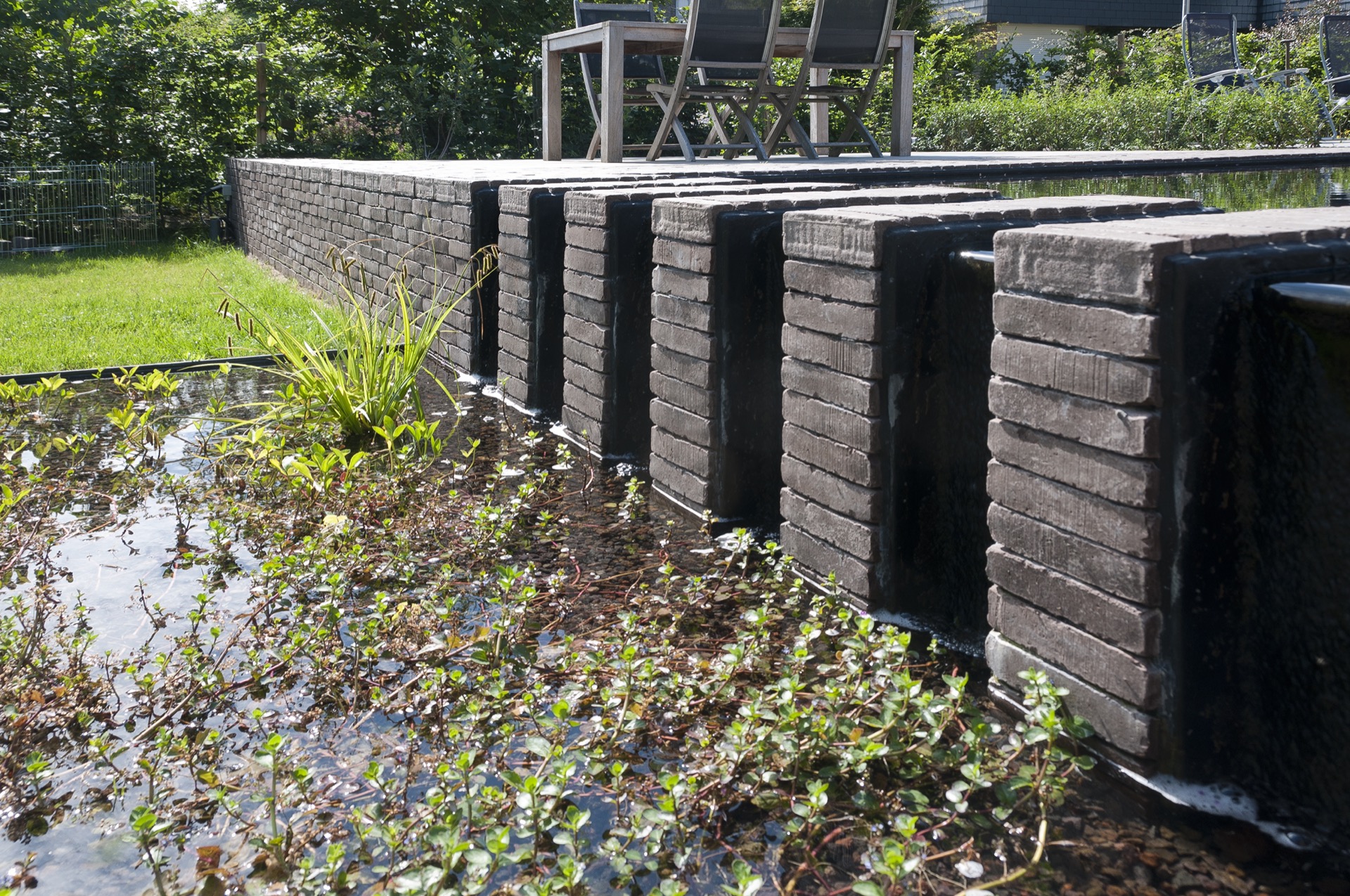
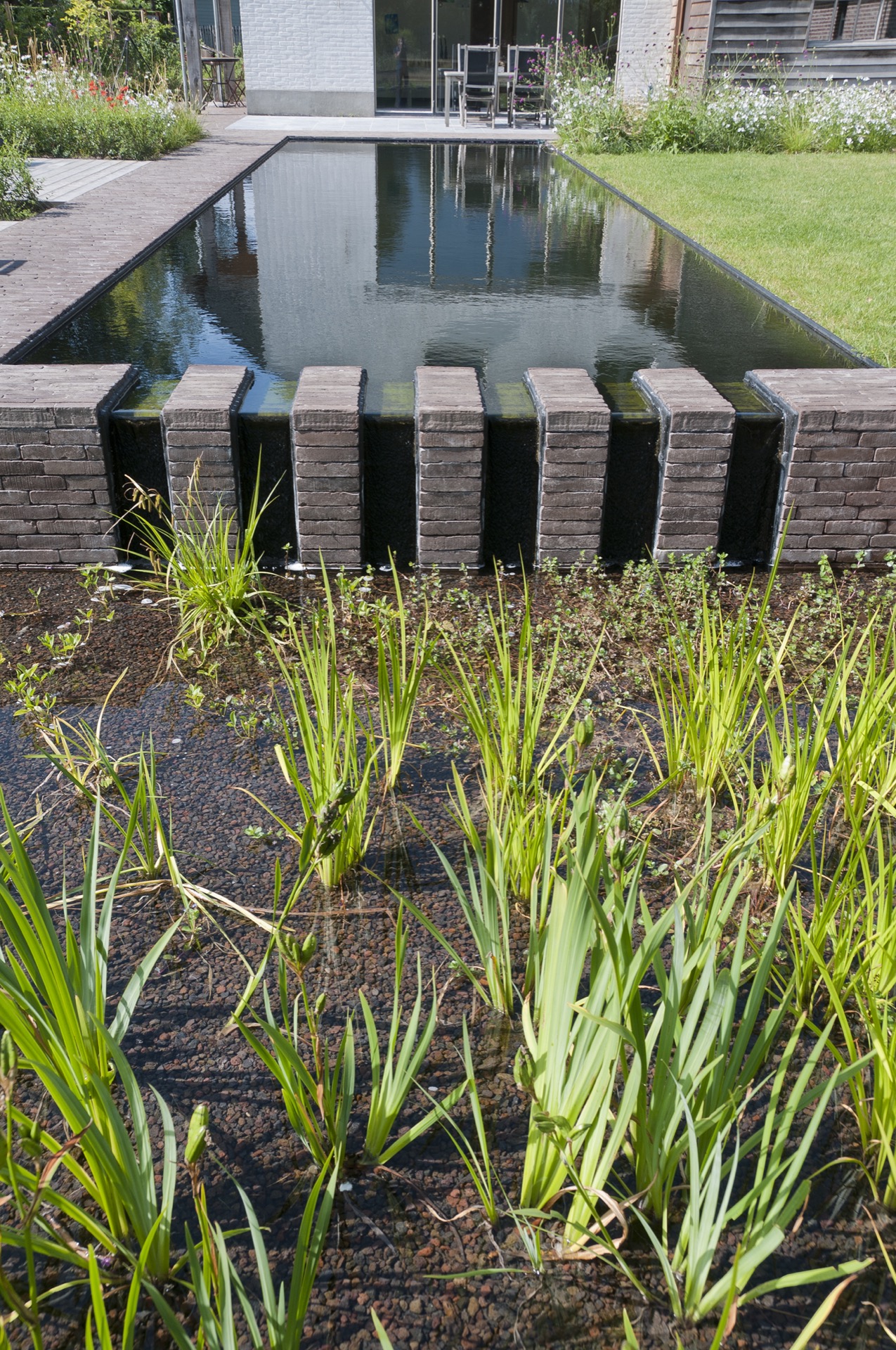
The stone edging pond detail appears in several views as a low retaining line that contains the water and marks the shift from terrace to planting. Dark lining is visible behind parts of the edge, which makes the masonry and the reflective surface stand out even more. In the overall image of the garden, these built elements hold the pond in place without drawing too much attention to themselves. They do their work through proportion and placement.
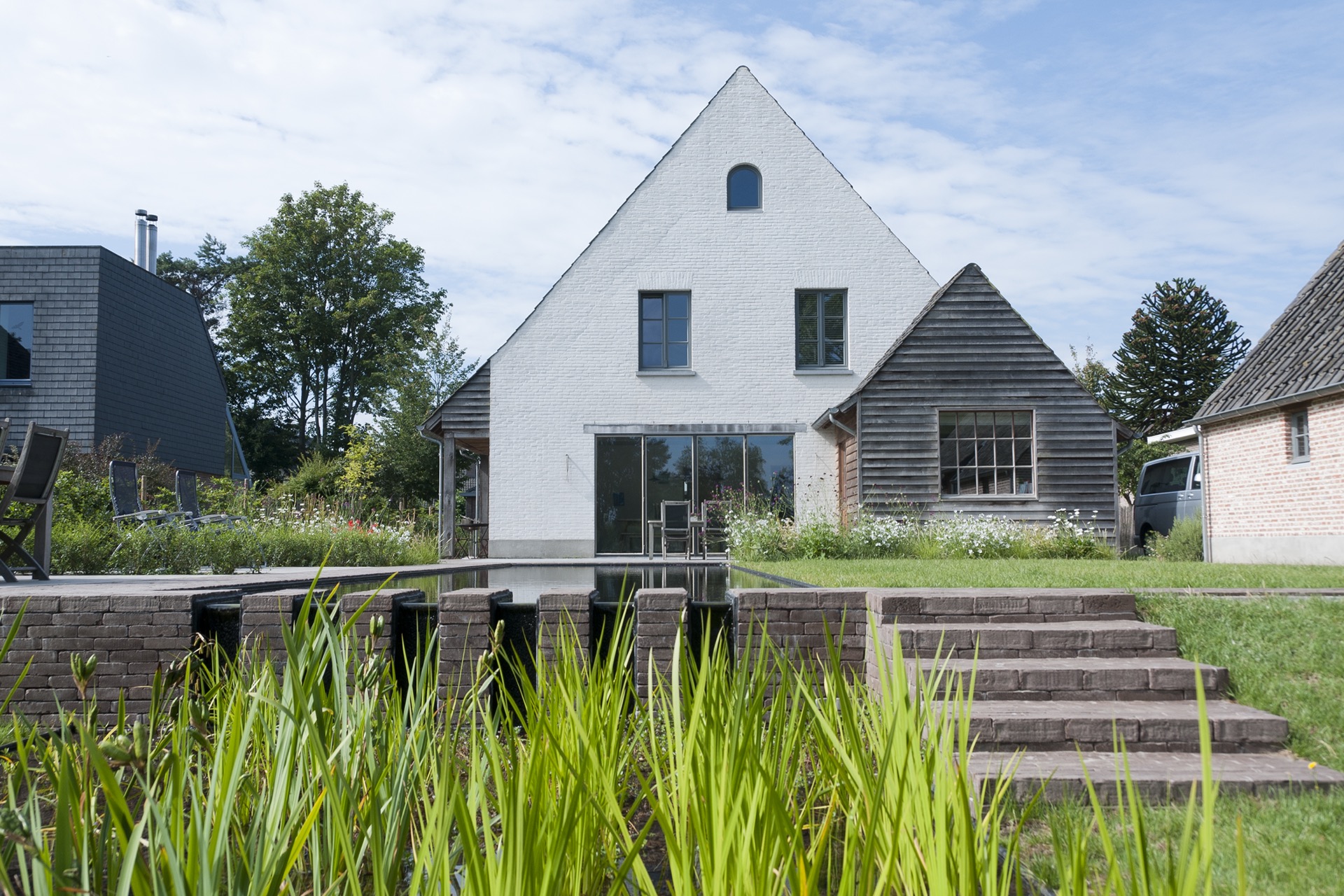
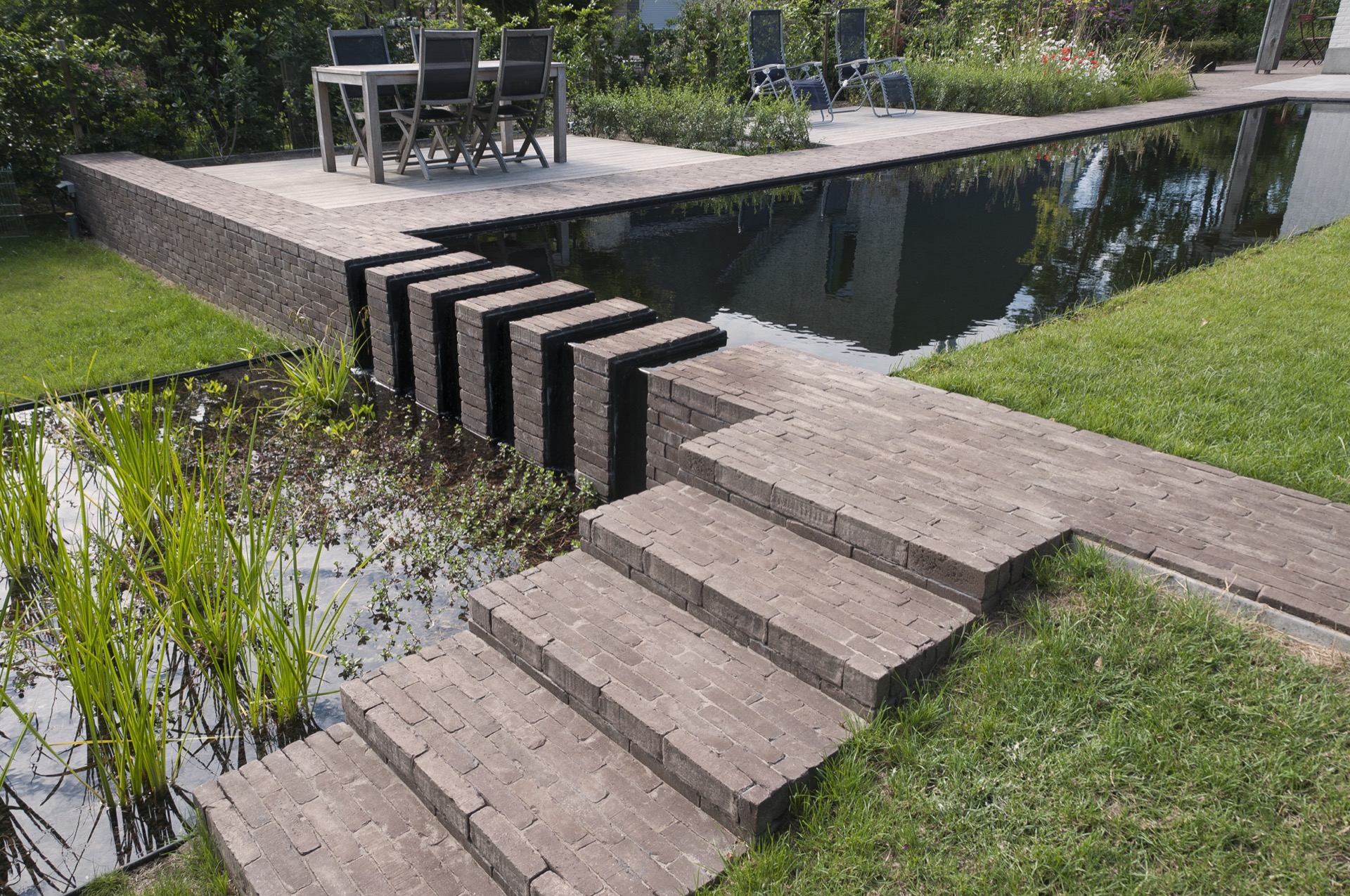
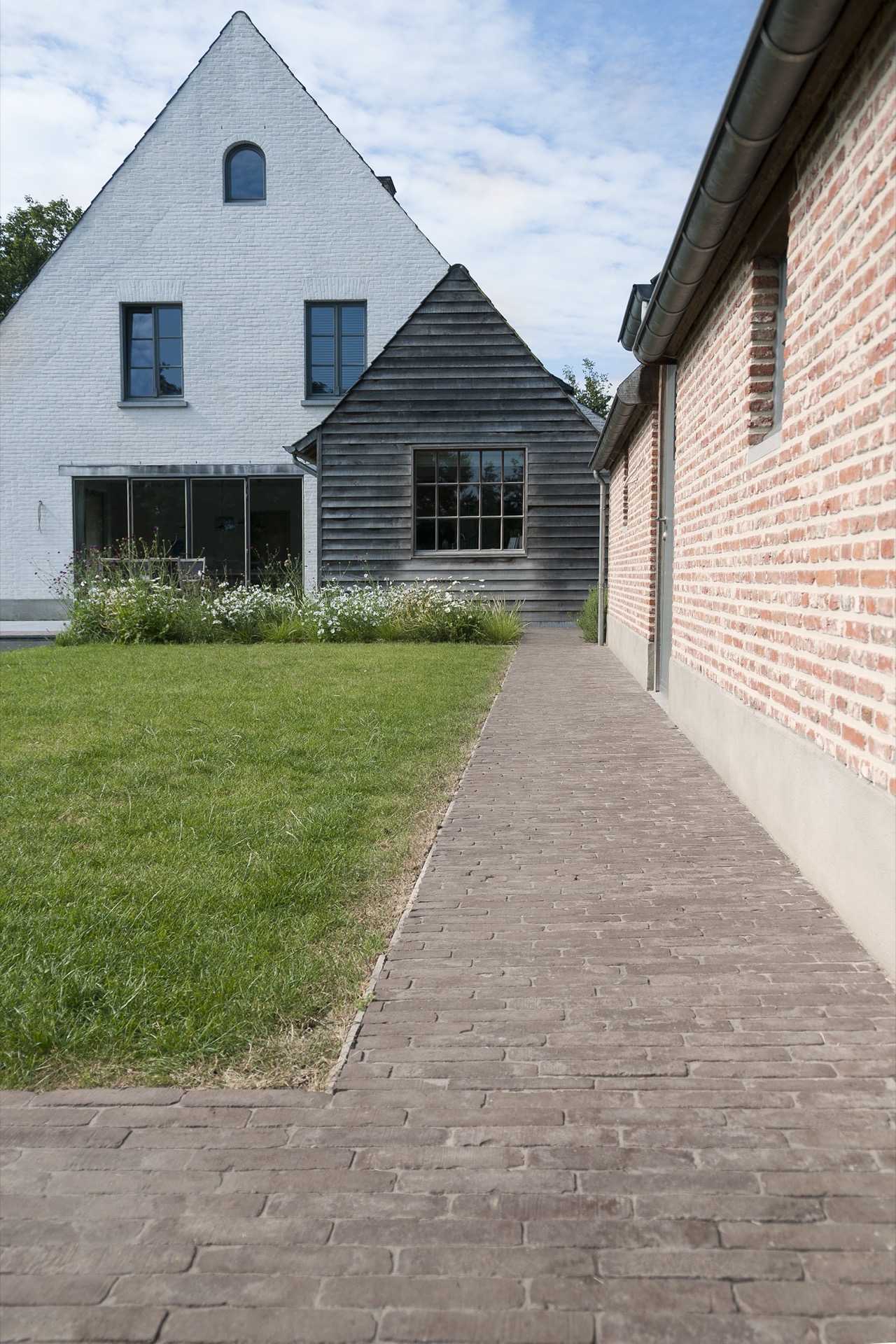
Brickwork shows up again at the entry and around the small built elements near the pond. It gives the project a grounded feel, especially where the steps descend toward the water. Rather than relying on ornament, the design uses the weight of the materials themselves. Brick, stone and the dark pond wall create a clear layered section from terrace to edge to water.
Swimming pond entry steps with a tactile finish
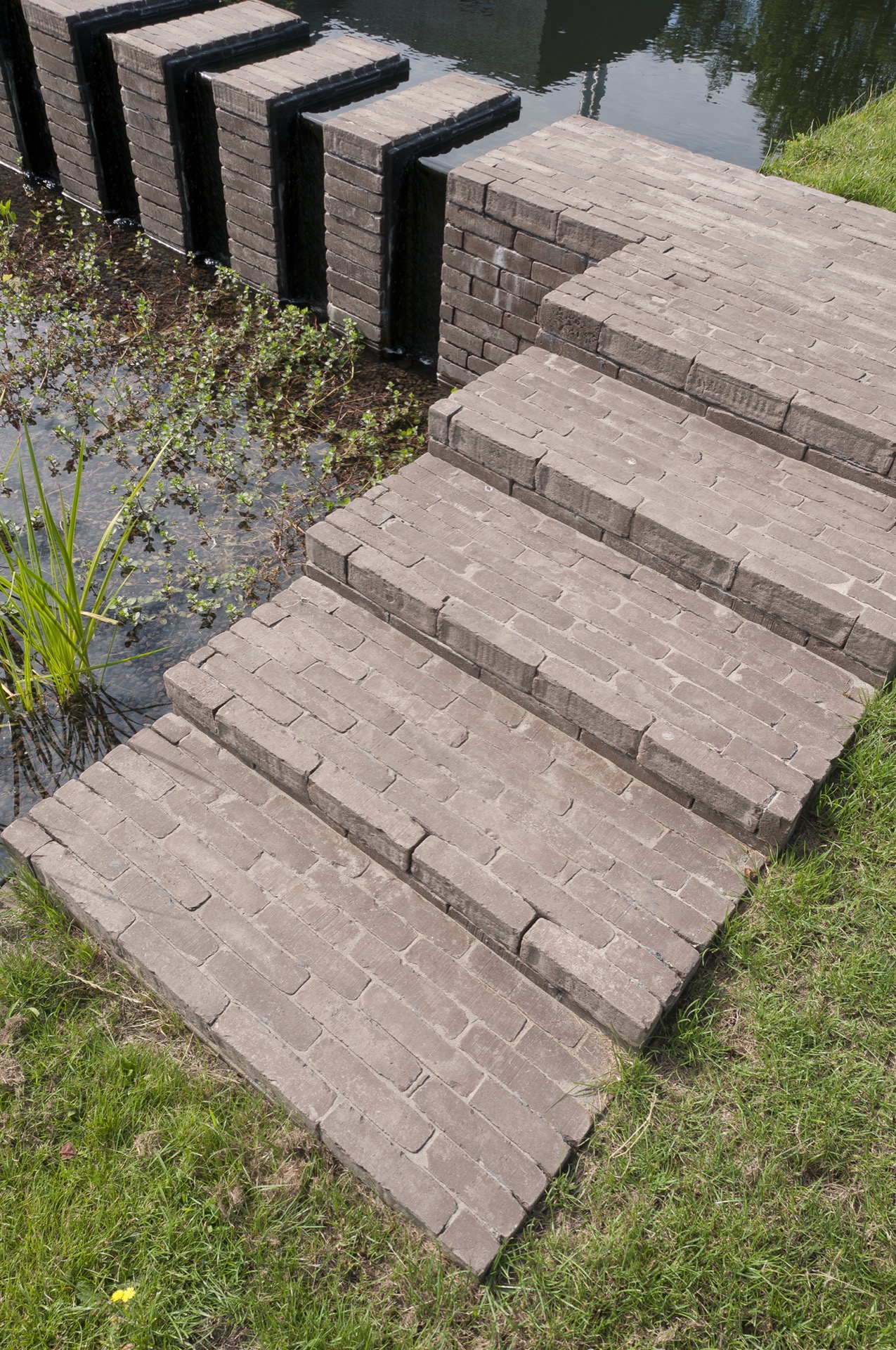
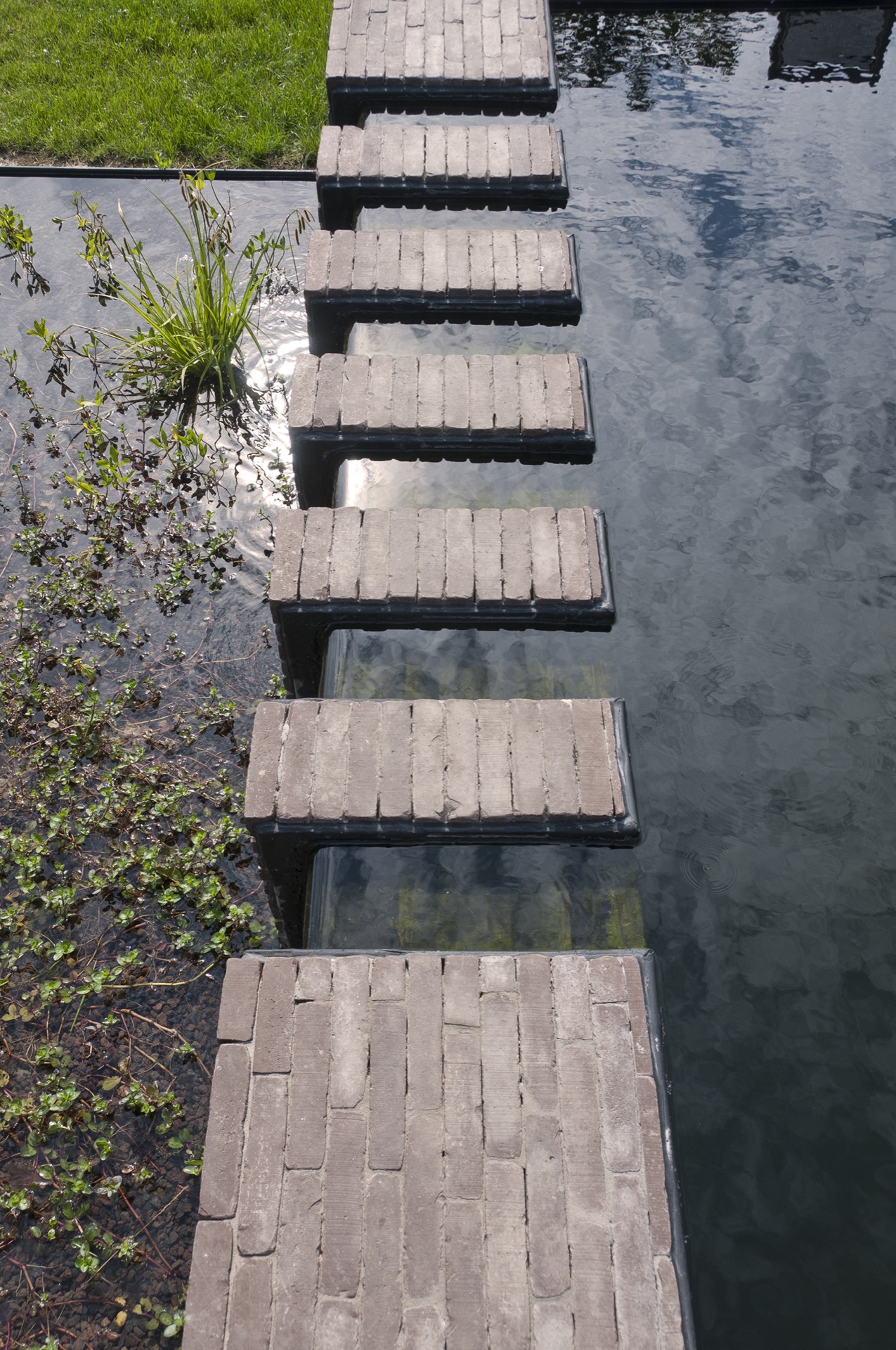
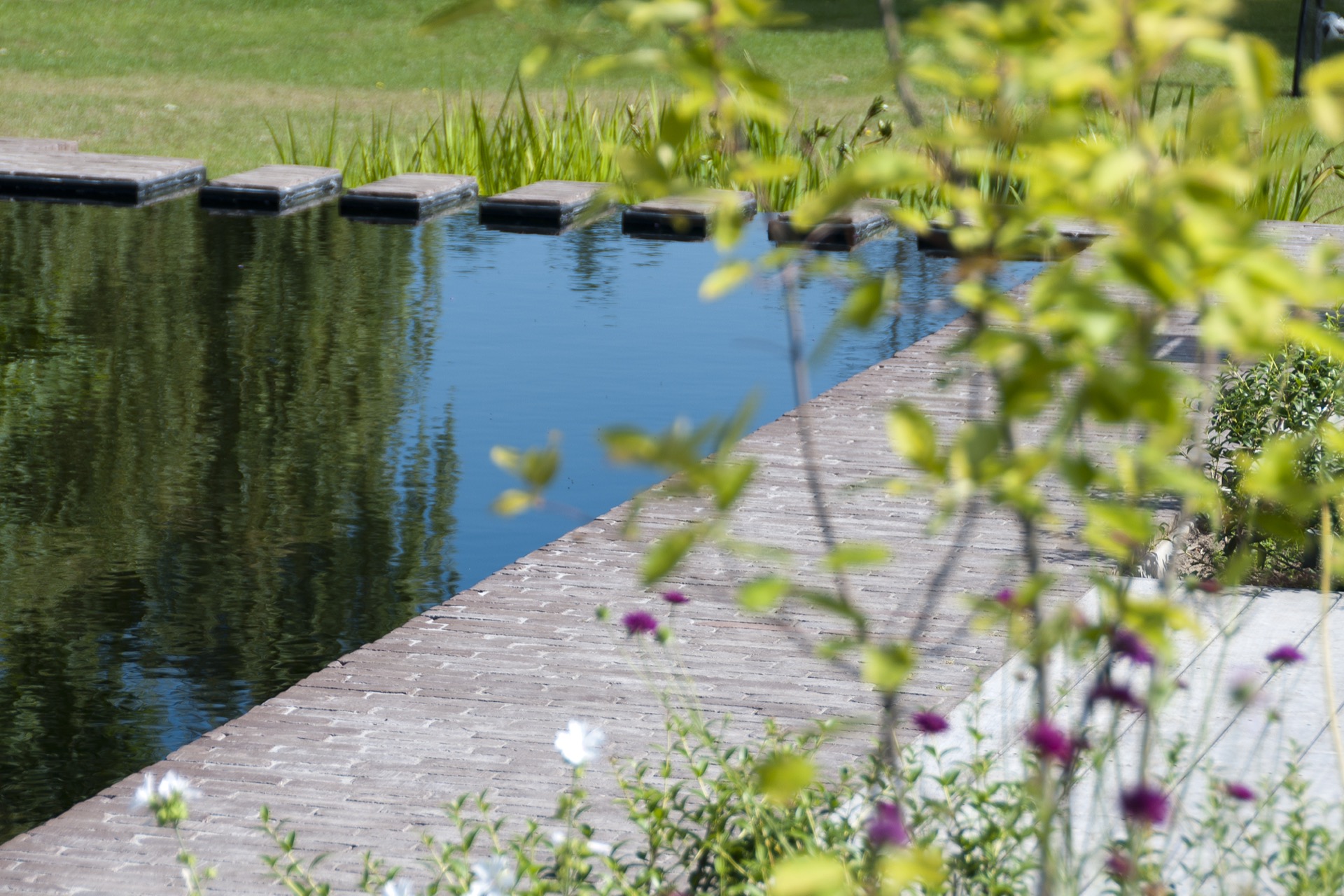
The swimming pond entry steps are one of the sharpest details in the project. Several views show a stepped construction in brick, with dark sides and a direct route down toward the water. These steps are not hidden. They become part of the composition, set against the reflective surface and the planting beyond. Their geometry adds another line to a garden that already relies on straight edges and measured transitions.
Seen up close, the steps give the pond a more tactile presence. The brick surface contrasts with the smooth water and the softer oeverbeplanting. In some images, the steps sit beside small water plants and a darker liner, which emphasizes the shift from built surface to living margin. The detail is modest, but it tells you how the whole garden is put together: with clear joints, visible materials and a deliberate connection to the pond.
Light, reflection and the quiet use of space
The strongest visual effect comes from the water itself. Its surface reflects the surrounding greenery and the pale sky, so the pond changes with the light instead of staying flat. In the wider garden views, that reflection stretches the space and gives the rectangular basin a softer presence. The lawn, terrace and planted borders stay calm in relation to it, which allows the water to carry the scene without drama.
As a project, this natural swimming pond shows how a garden can be structured around one clear element while still feeling open. The pond offers cooling, but it also anchors the route through the garden: terrace, edge, steps, planting, water. Each part is visible, and each part has a role. What stays with you is the precision of the transitions, from brick step to stone edge to the planted band at the rim.
Want to see more of Greenarchitects? View the page of Greenarchitects for even more great projects and company information.



NEW 2026 Jubileum Edition The Best Interior Designers Benelux
Order Now €125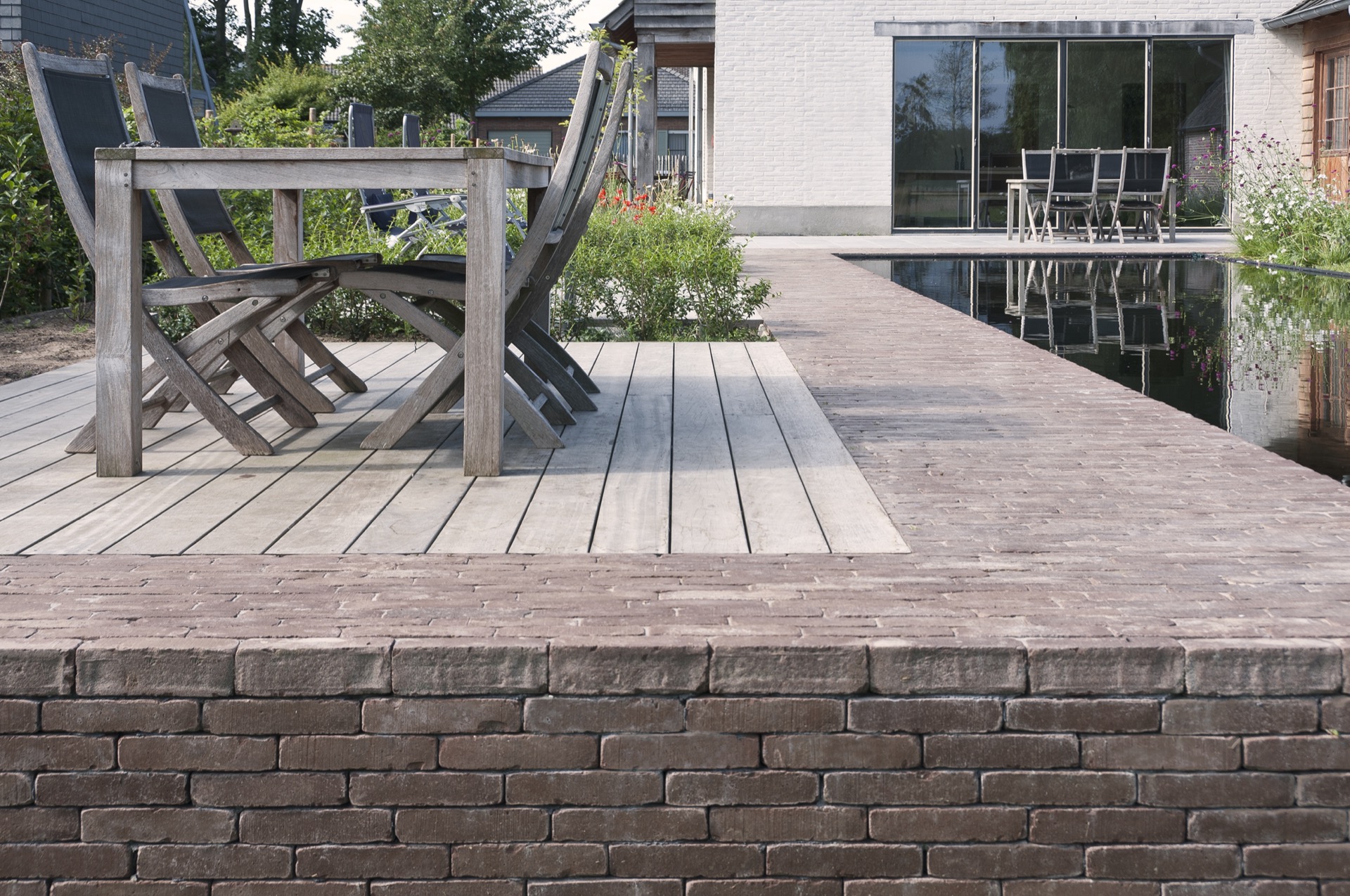
NEW 2026 Jubileum Edition The Best Interior Designers Benelux
Order Now €125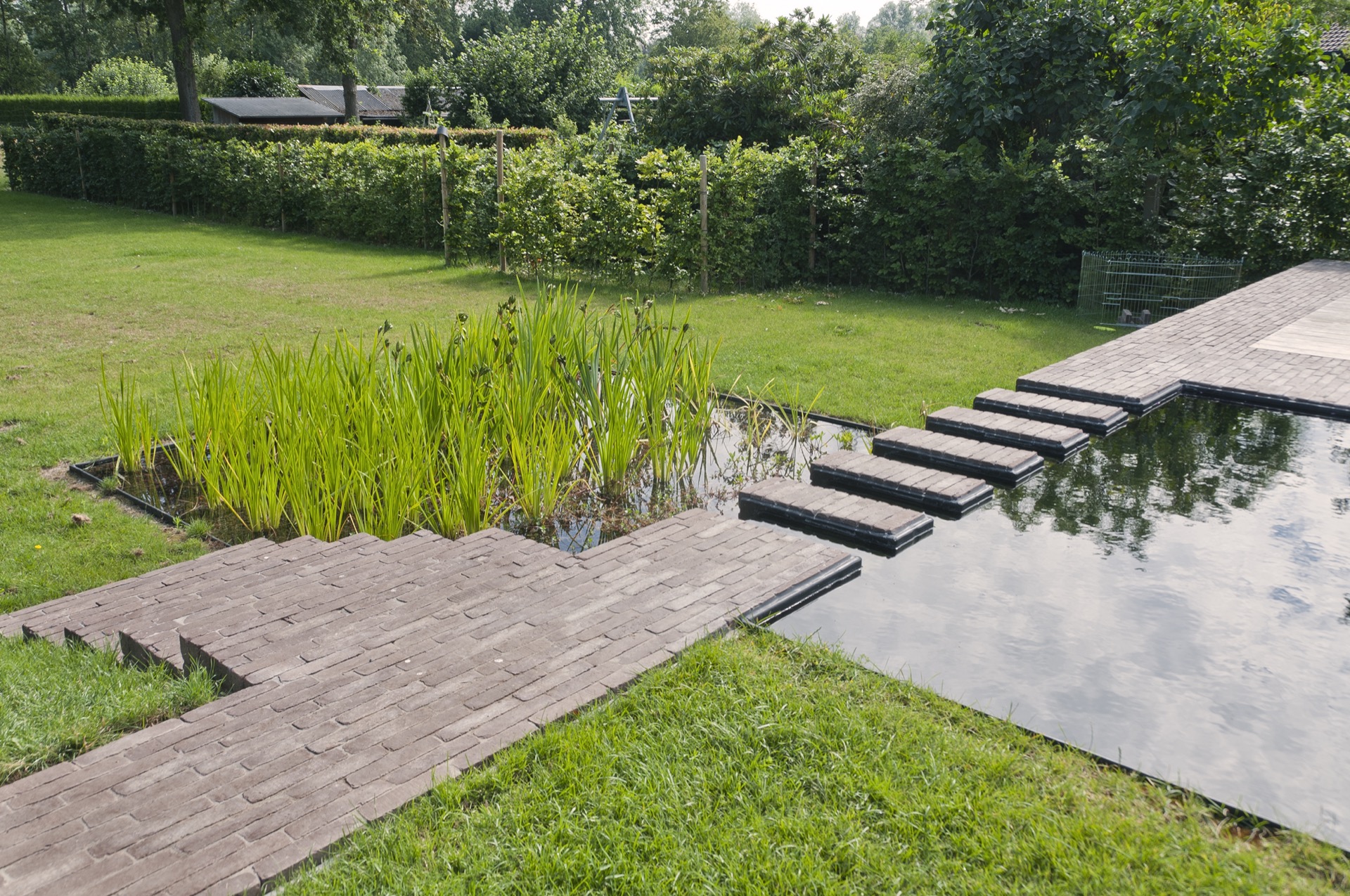
NEW 2026 Jubileum Edition The Best Interior Designers Benelux
Order Now €125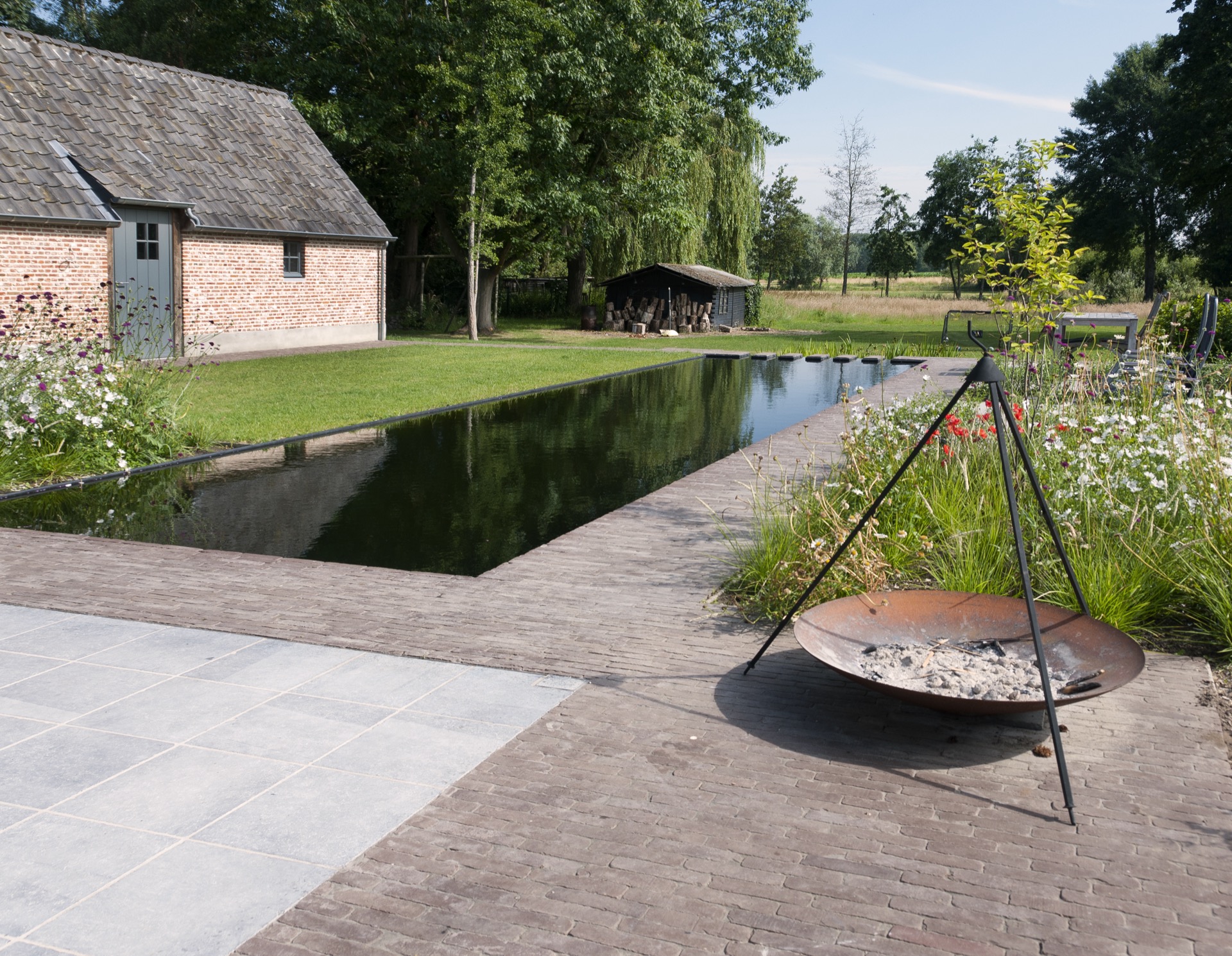
NEW 2026 Jubileum Edition The Best Interior Designers Benelux
Order Now €125