





Natuurlijk design en buitenruimte van ‘Le Dattier Villa’
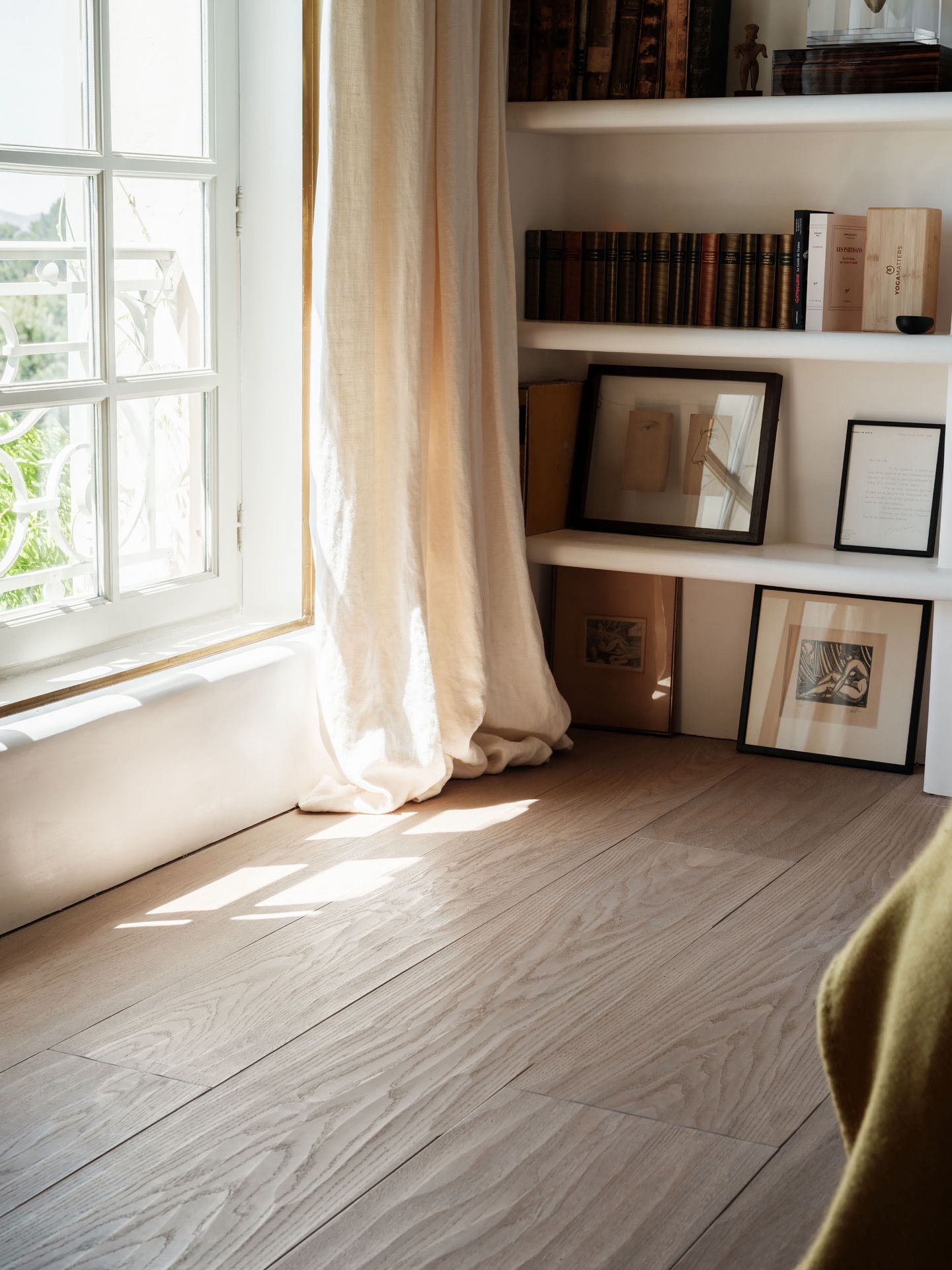
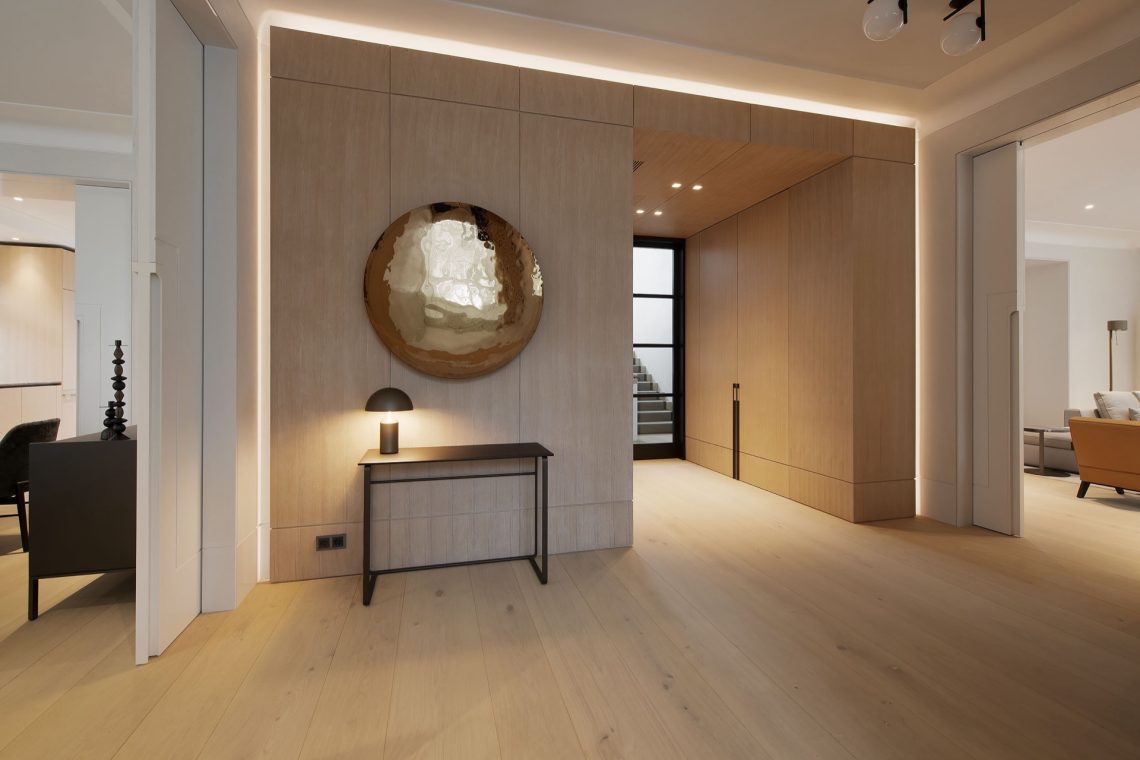
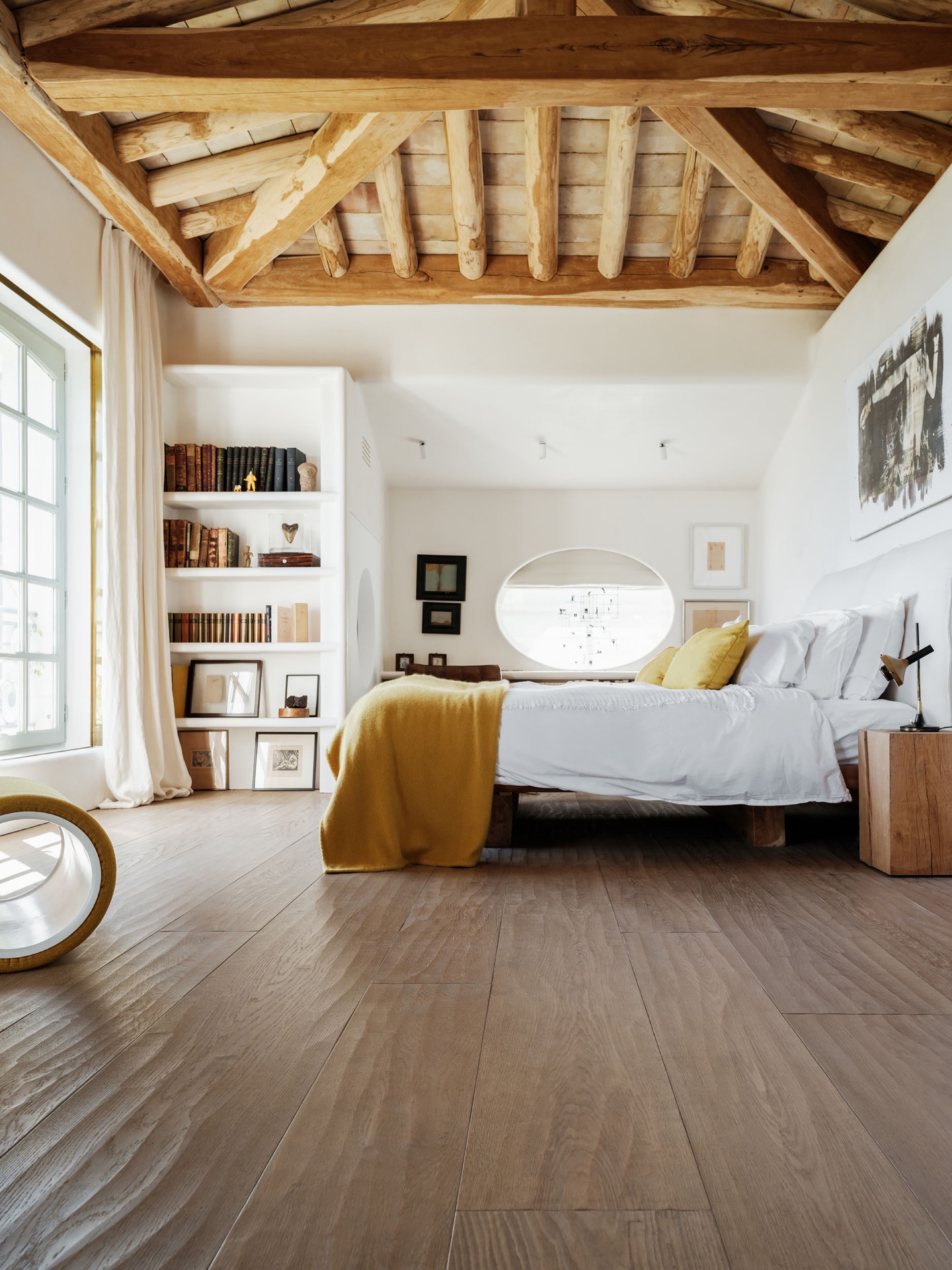
The natural materials home is immediately visible in the way the project is framed. Sunlight filters through expansive windows, tracing patterns on the hand-scraped Continental Oak floors finished in a greige tone named after the villa itself. This tactile surface anchors the main living spaces, revealing subtle variances in grain and shade that evolve with the light across the day. The flooring’s natural texture invites a connection to the materials underfoot, emphasizing an understated yet deliberate choice in the home’s palette.
natural materials home as the architectural starting point
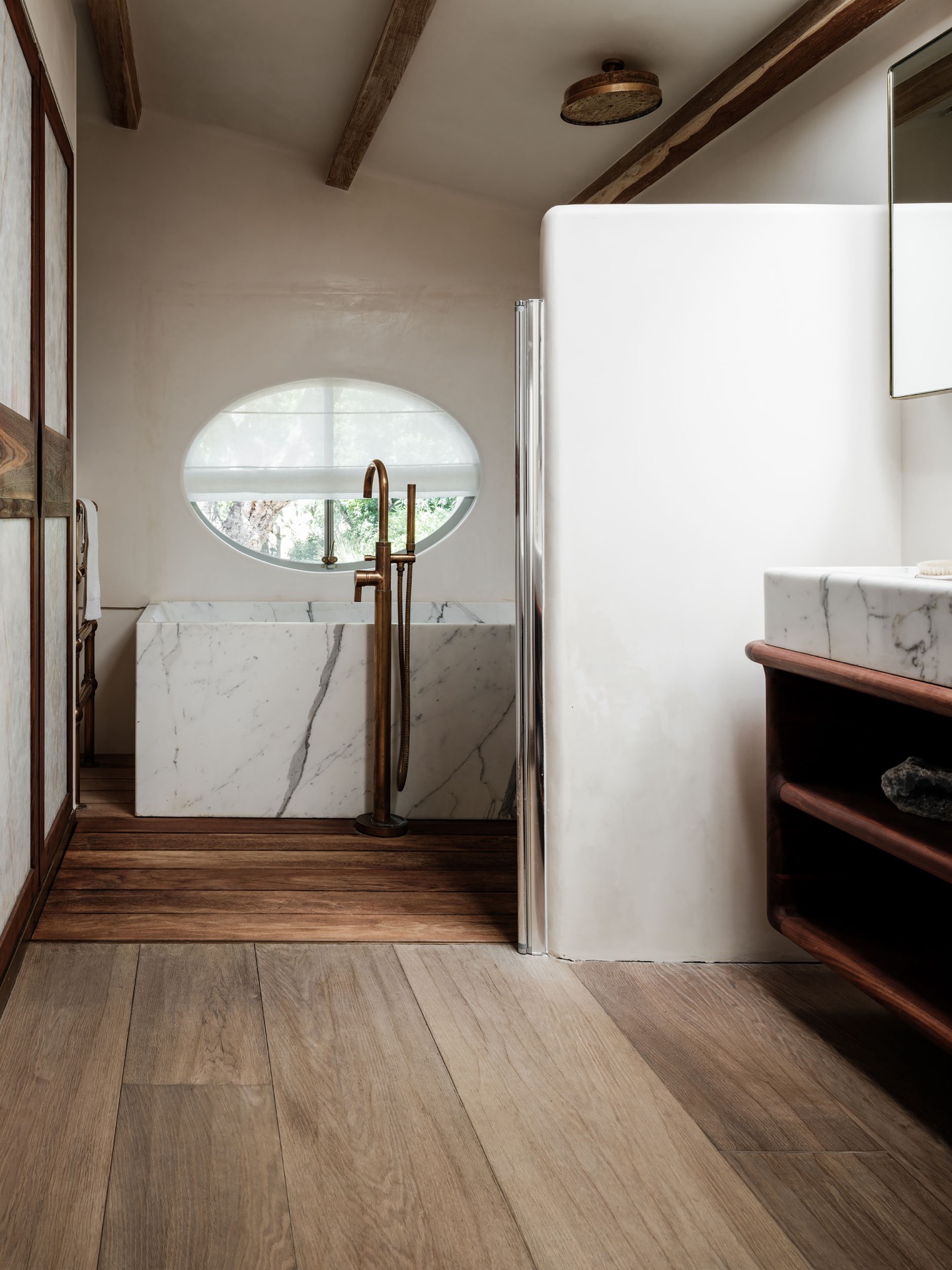
The master suite features wide planks of this oak, varying between 25 to 35 centimeters in width, with lengths stretching up to 3.5 meters, providing an expansive, continuous feel to the room. Complementing the oak is the warmth of Burmese Teak in the bathrooms, where boards receive a custom treatment involving sanding and a bleached soap finish that softens both color and surface feel. These elements resist moisture while maintaining an organic presence that blurs traditional boundaries between interior finishes.
Seamless Transition to Outdoor Spaces
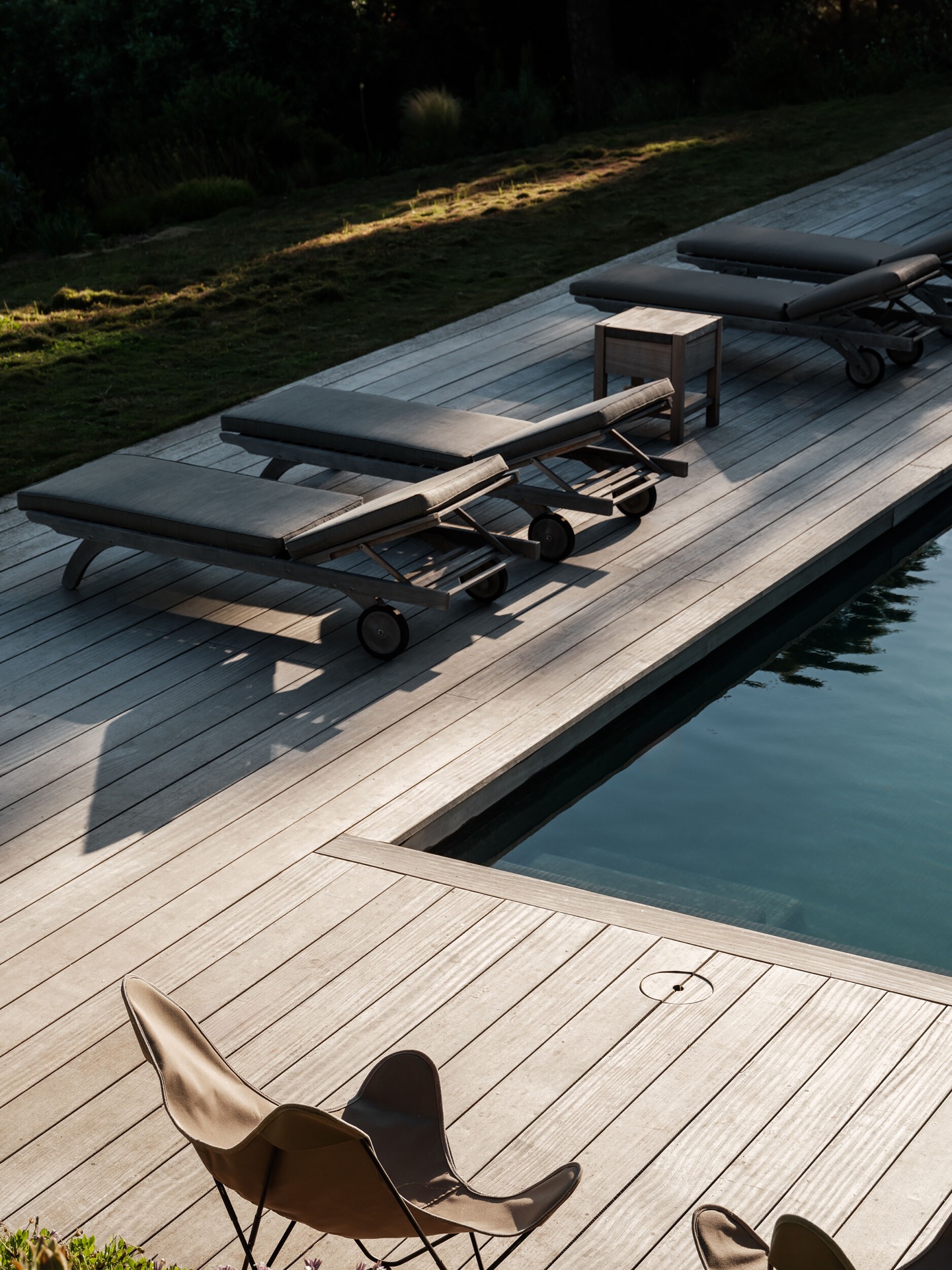
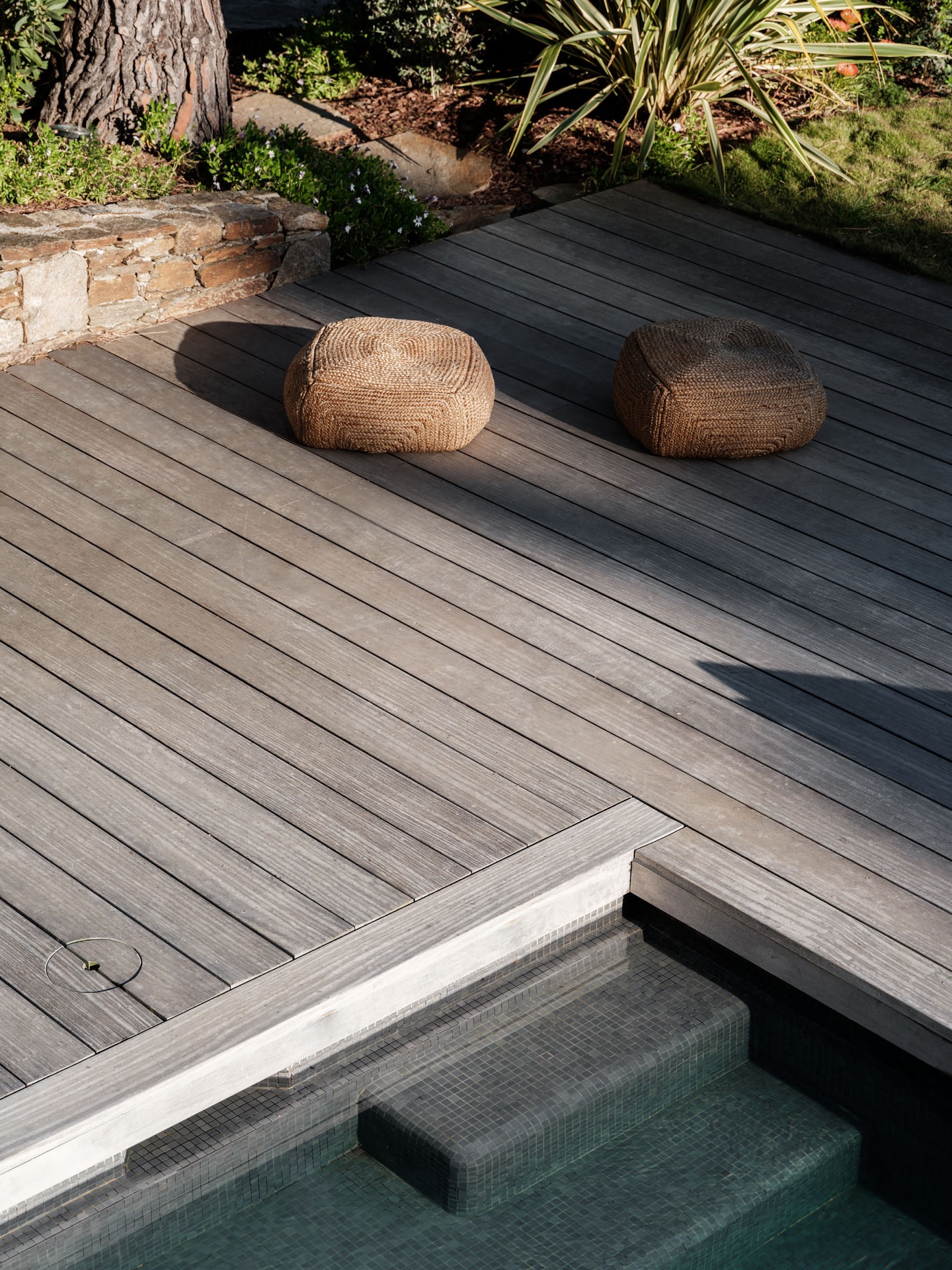
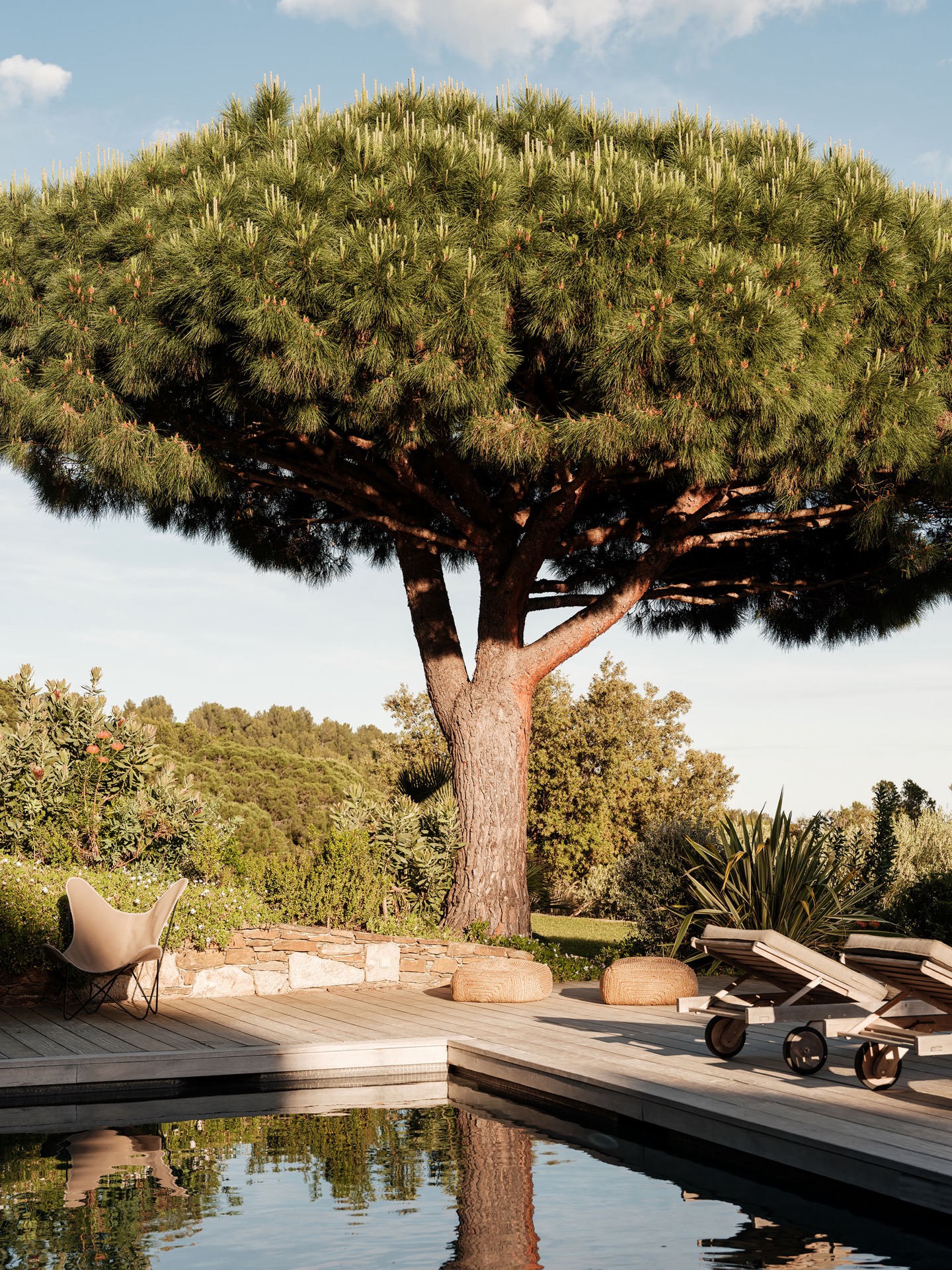
Outside, weathered African mahogany decks extend towards Mediterranean planting, their silver-grey patina a natural response to sunlight and sea air. These 17-centimeter wide boards, some reaching 4.5 meters long, form ledges for lounge chairs and intimate seating areas. The deck’s horizontal flow unites the gardens with interior zones, creating open-air rooms defined by wood’s gradual aging and textural contrast against surrounding vegetation.
Light and Material Interplay
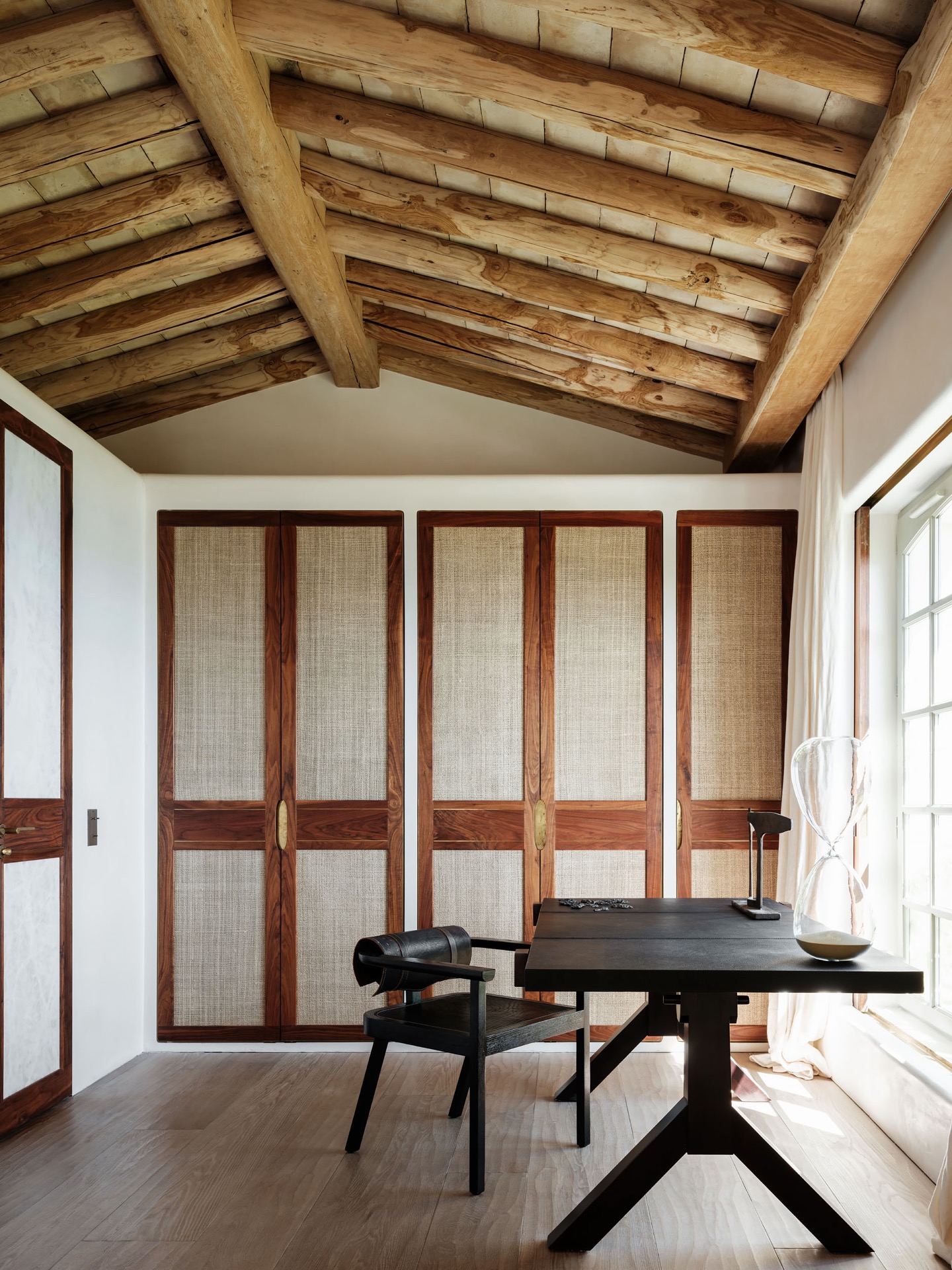
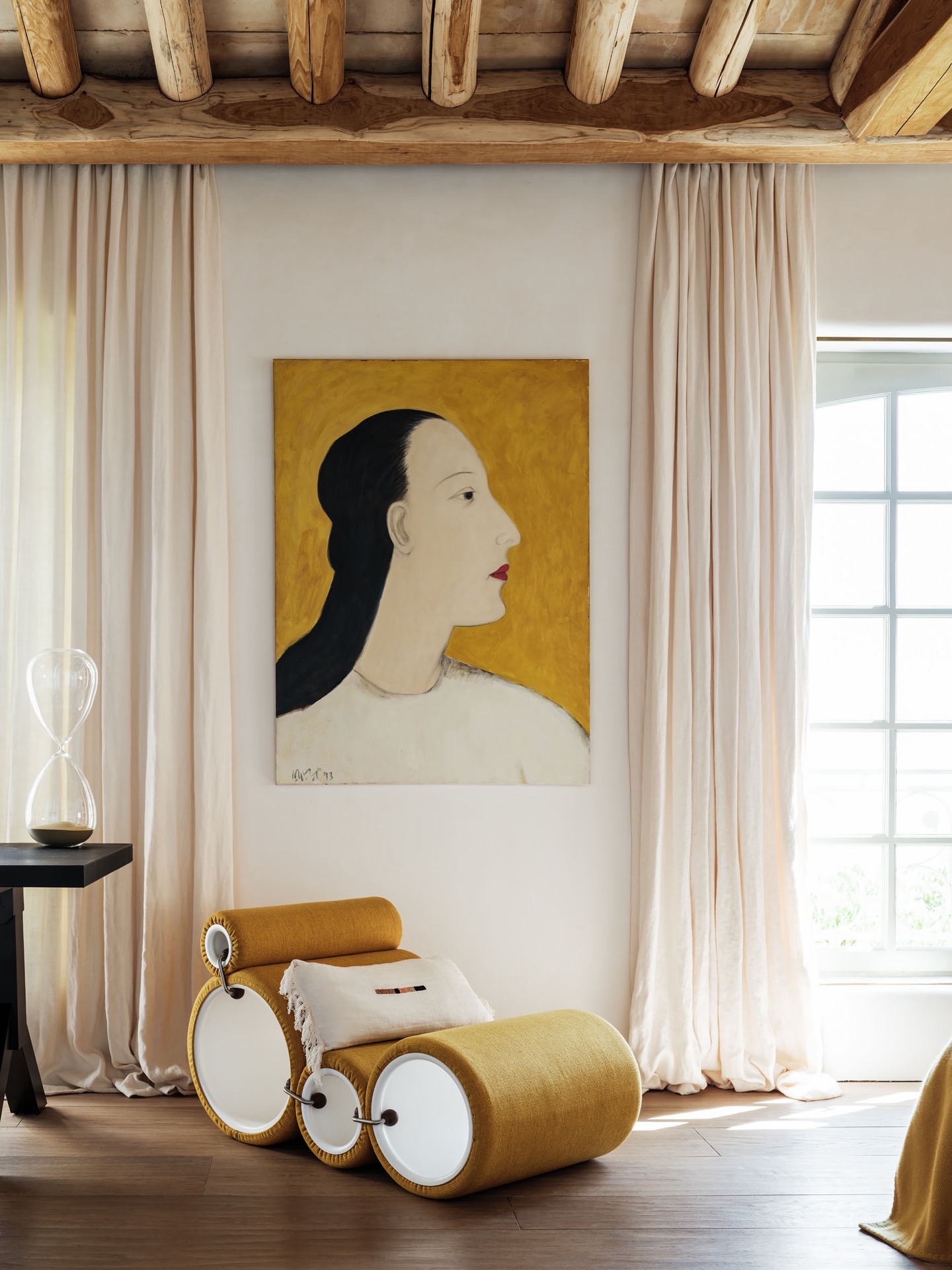
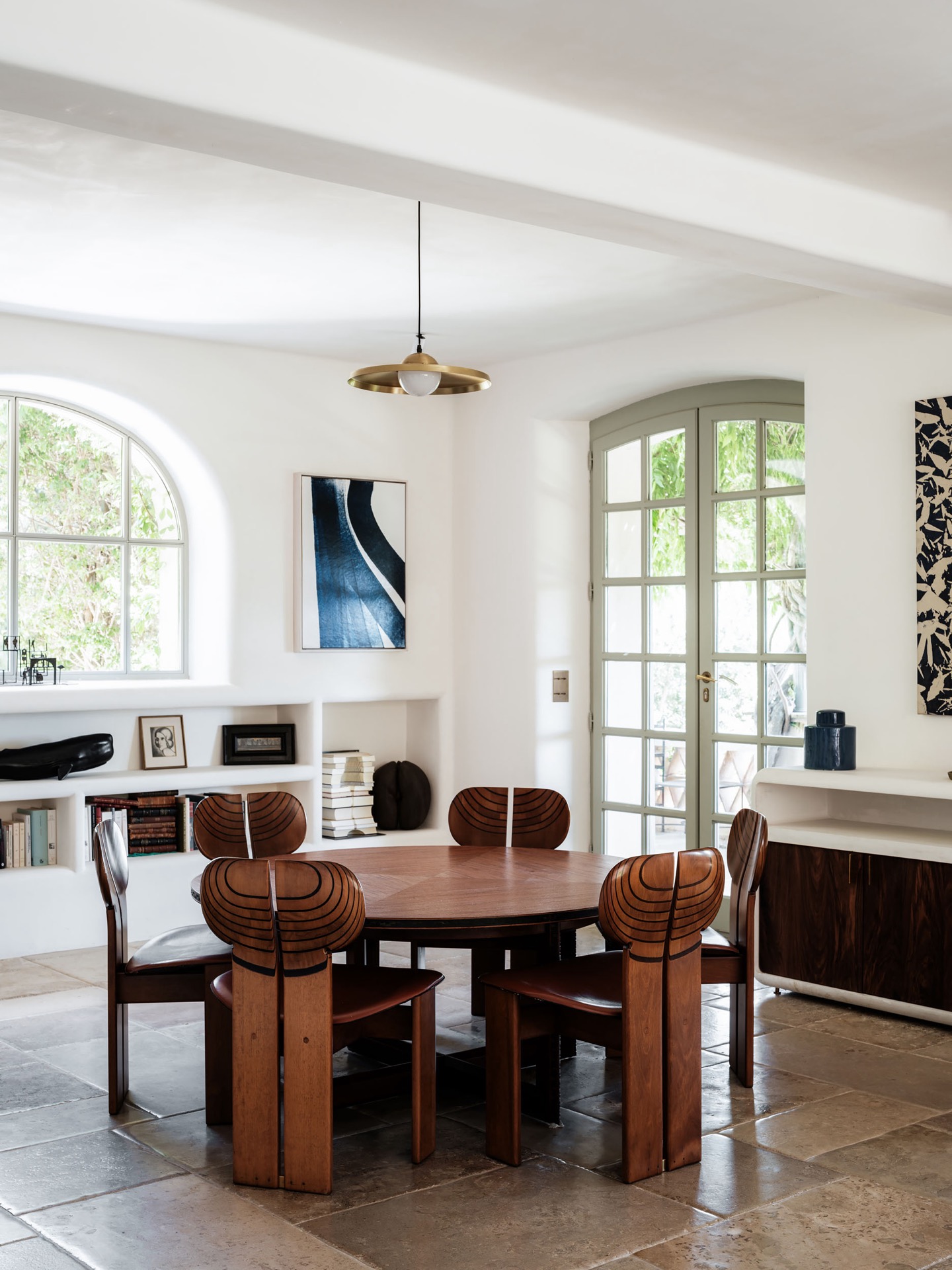
Throughout the villa, daylight sculpts volumes framed by oak beams and large glass panels. The rougher texture of the oak contrasts softly with smooth white marbles and muted linen textiles found on furniture and décor, echoing natural phenomena without imposing on the eye. This subtle dialogue between varied surfaces shapes tactile experiences and spatial rhythms, resulting in a living environment that balances permanence with change.
Living with Natural Materials
Each material brings its own narrative: the burned-in grain lines and creases of hand-scraped oak signal craftsmanship; the bleached teak surfaces recall river-washed driftwood; the silvered mahogany decking hints at decades of sun exposure. Together, these materials create an environment where sustainable design is implicit—spaces that show wear as character rather than neglect, and that respond gracefully to ongoing use and seasonal cycles.
Curated Minimalism in Furnishings and Layout
The interior embraces a minimalist approach that accentuates space and materiality. Clean lines in furnishings and restrained color choices underlie circulation routes, emphasizing natural light and views rather than ornament. Carefully selected wooden lounge furniture, paired with stone side tables, form outdoor sitting options designed for relaxation while maintaining the organic themes introduced inside.
Blending Wood and Stone Decor
The villa’s design translates wood’s warmth into balanced contrasts with stone elements inside and out. Stone surfaces serve as counterpoints to timber flooring and walls, whether through marble bath fixtures or natural rock garden accents. This alternating sensibility highlights texture and solidity, providing visual and physical weight without interrupting the overall serenity of spaces. That makes the natural materials home part of the architectural character rather than a loose finish.
natural materials home as the architectural starting point
Plantings frame terraces with native Mediterranean shrubs and tall pines, whose rough barks echo the rugged qualities of mahogany decks. Outdoor lounge areas integrate with natural surroundings through raw-edge wood tables and fabric-covered loungers that resist the elements while offering tactile softness. The garden’s layout respects sight lines from interiors, extending the living areas seamlessly into nature.
Architectural Craftsmanship and Organic Design Principles
The combination of traditionally finished planks and contemporary space planning expresses an appreciation for craft in a modern setting. Visible joinery in wood and stonework reveals construction processes while preserving simplicity. This treatment celebrates material origins and aging processes rather than masking them beneath artificial surfaces.
Sustainable Design Considerations in Material Selection
Materials were chosen not only for aesthetic qualities but also for durability and sustainability. The hand-scraped oak floor, the water-resistant teak in wet areas, and the naturally weathering mahogany decking offer lasting performance with minimal maintenance, reducing the need for replacement or treatment over time. Their patinas develop naturally, marking the passage of time with subtle changes.
Interiors Illuminated by Natural Light
Rooms open generously to soft daylight, which interacts with wooden beams and furniture casting elongated shadows through the day. Large windows and openings dissolve boundaries between inside and outside, reinforcing the theme of inviting the landscape indoors. This openness enhances the tactile quality of materials, enriching textures and color perceptions with changing light conditions.
Integration of Artworks and Shelving
Bookshelves built into timber walls frame art objects and provide vertical textured layers that break linearity. This integration serves both visual and functional roles, adding depth to blank surfaces while maintaining the home’s natural materials focus. Curated collections complement rather than compete with surrounding finishes.
Outdoor Lounge Areas with Wood and Fabric
Decking hosts lounge furniture in muted textiles and natural woods, designed to weather gracefully. Stone stools and low tables populate the outdoor room, their rough-hewn surfaces offering contrast to the soft lounging cushions. This arrangement forms comfortable niches for relaxation while reinforcing the material narrative that flows from interior spaces.
Spatial Sequence and Material Flows
Movement through the house follows a sequence accentuated by alternating wood textures and transitions into softer fabrics or stone surfaces. Variations in plank width and length create rhythmic patterns underfoot. Thresholds between inside and outside are marked by changes in finish and scale, guiding attention to shifting uses and light qualities. That makes the natural materials home part of the architectural character rather than a loose finish.
Want to see more of Ebony and Co? View the page of Ebony and Co for even more great projects and company information.

.png)