




Modern Scandinavian interior with natural textures
The wooden staircase with black railing is immediately visible in the way the project is framed. Sunlight filtering through generous windows draws attention to a wooden staircase featuring a black metal railing. The oak steps, alive with visible grain and occasional knots, shift subtly as daylight plays across their surface. This staircase forms a central spine, connecting the living and dining areas while offering a tactile presence rooted in natural materials.
wooden staircase with black railing as the architectural starting point
The raw warmth of oak stands in deliberate contrast to the matte black steel of the railing. Vertical metal bars rise simply, without embellishment, defining the staircase’s edges and maintaining structural transparency. Open risers allow light to pass freely, softening transitions between levels and reinforcing the interplay between solid and void.
Material Continuity in Dining Furnishings
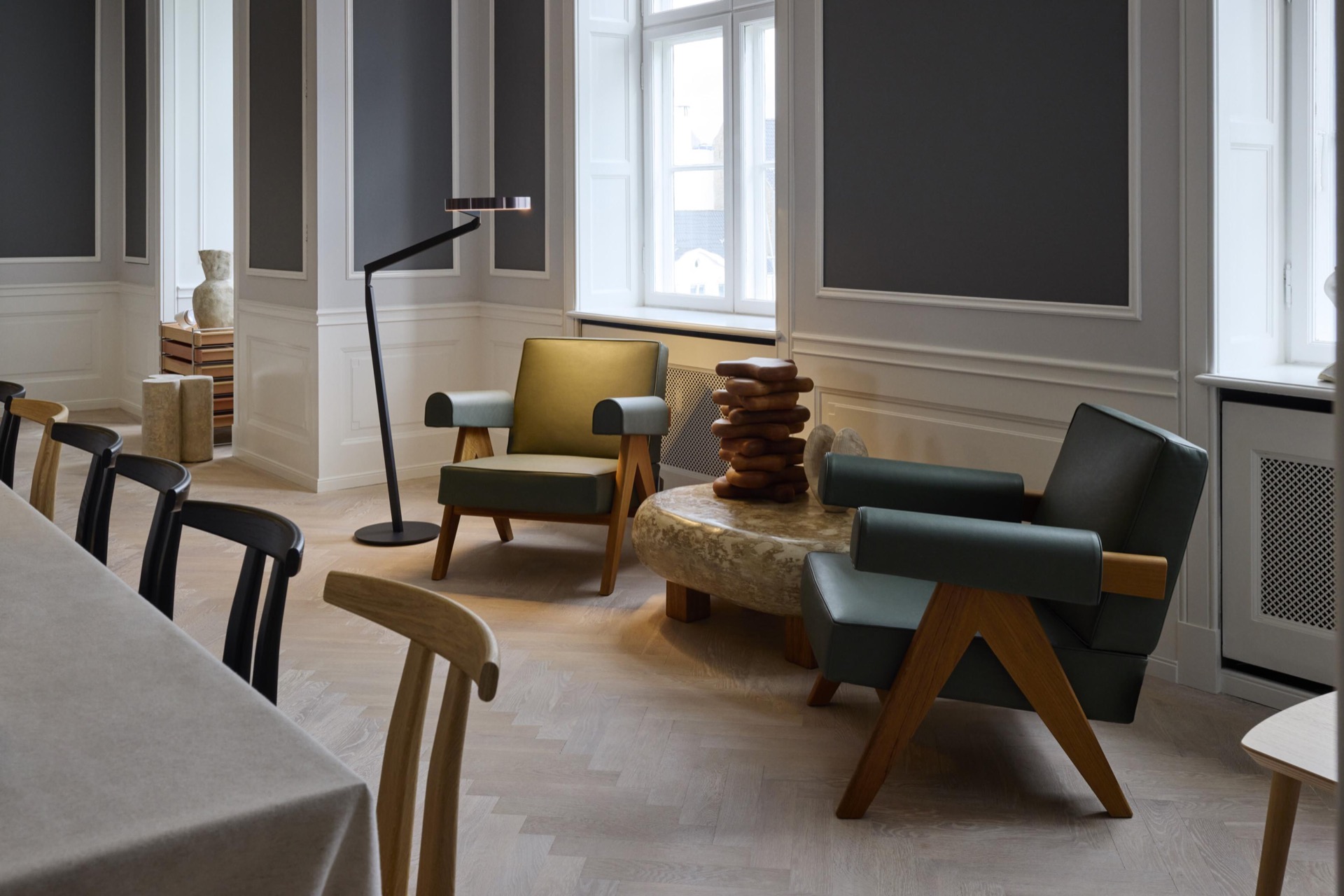
In the dining zone, a table assembled from thick oak planks displays a textured surface shaped by irregular edges and natural wood variations. Surrounding chairs share the wooden foundation but introduce varied surface treatments—some polished to a smooth sheen, others left rougher—inviting tactile exploration and reinforcing the room’s layered material narrative.
Neutral Walls Emphasize Texture Over Color
Walls painted in muted beiges and soft grays recede quietly, creating a visual canvas that allows wood and metal surfaces to dominate. This backdrop highlights joinery details and the flowing contours of furniture, avoiding distractions from the interior’s subtle material contrasts.
Sculptural Light Soften Angular Orthogonals
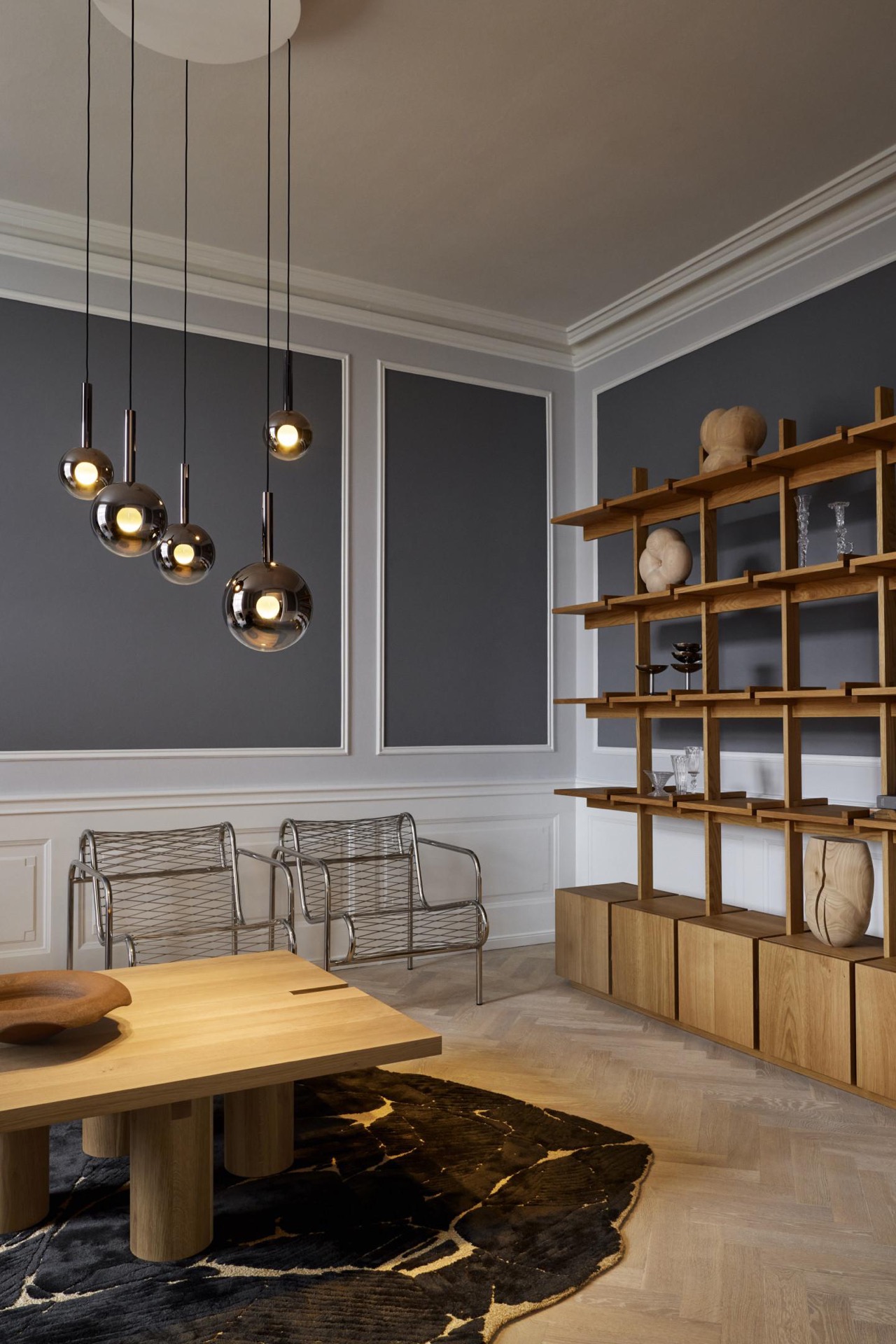
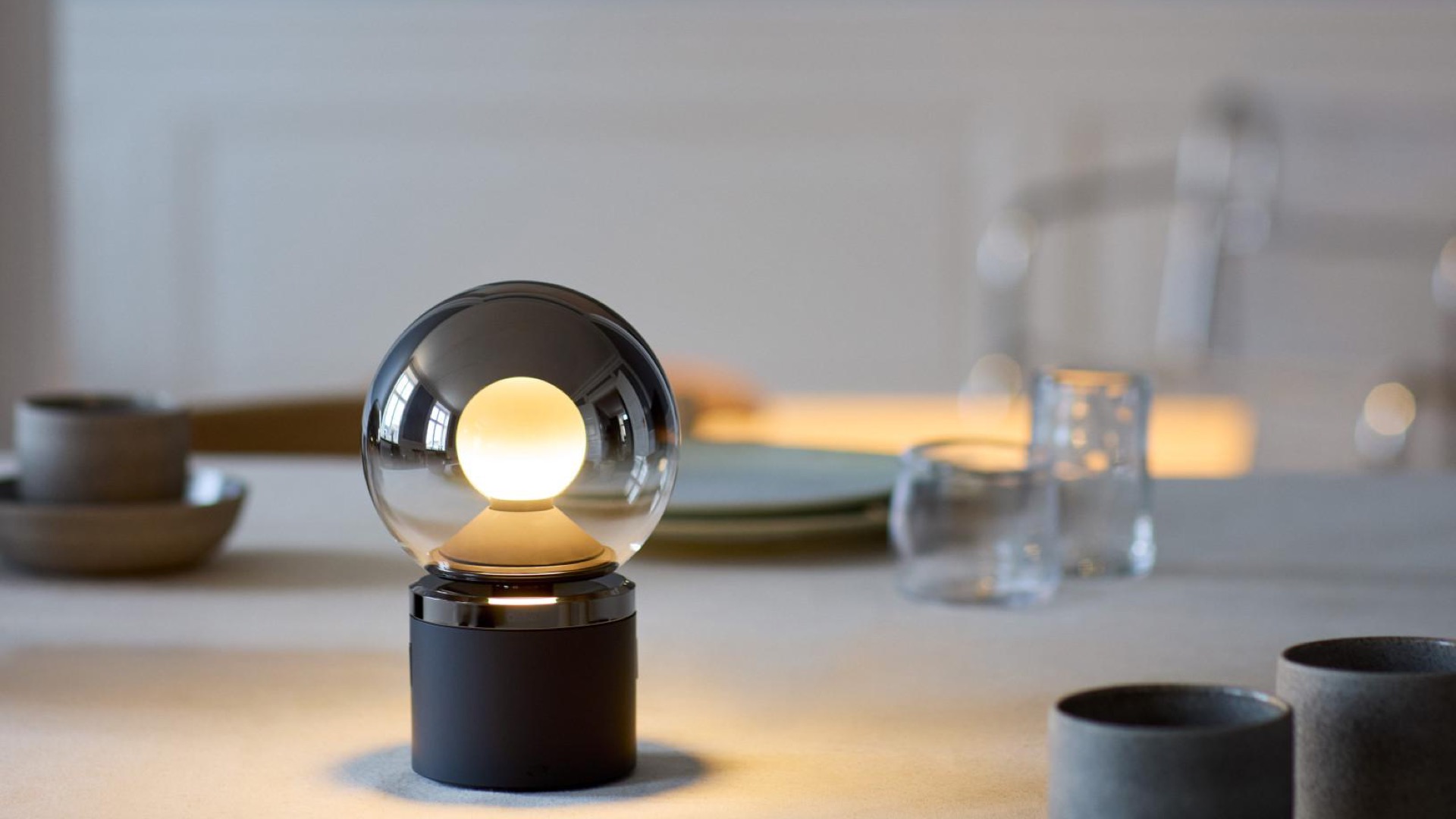
The Luna sospeso cloud 5 pendant introduces rounded, overlapping forms into spaces defined by clean lines. Its layered diffusers scatter warm light broadly, softening edges and enriching the tactile qualities of wood and textiles below. These organic shapes counterbalance the interior’s rectilinear geometry.
Focused Task Lighting with Minimal Presence
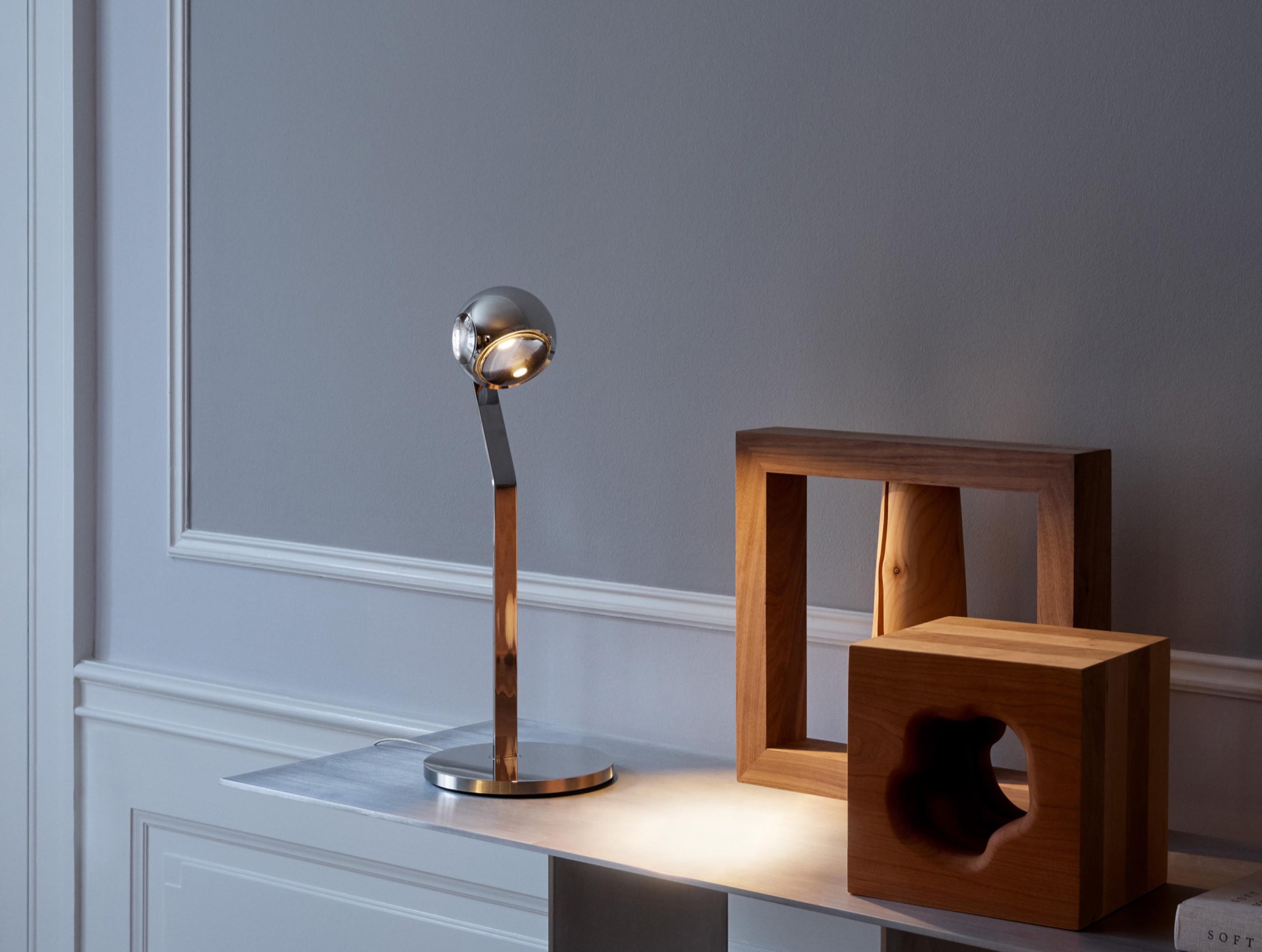
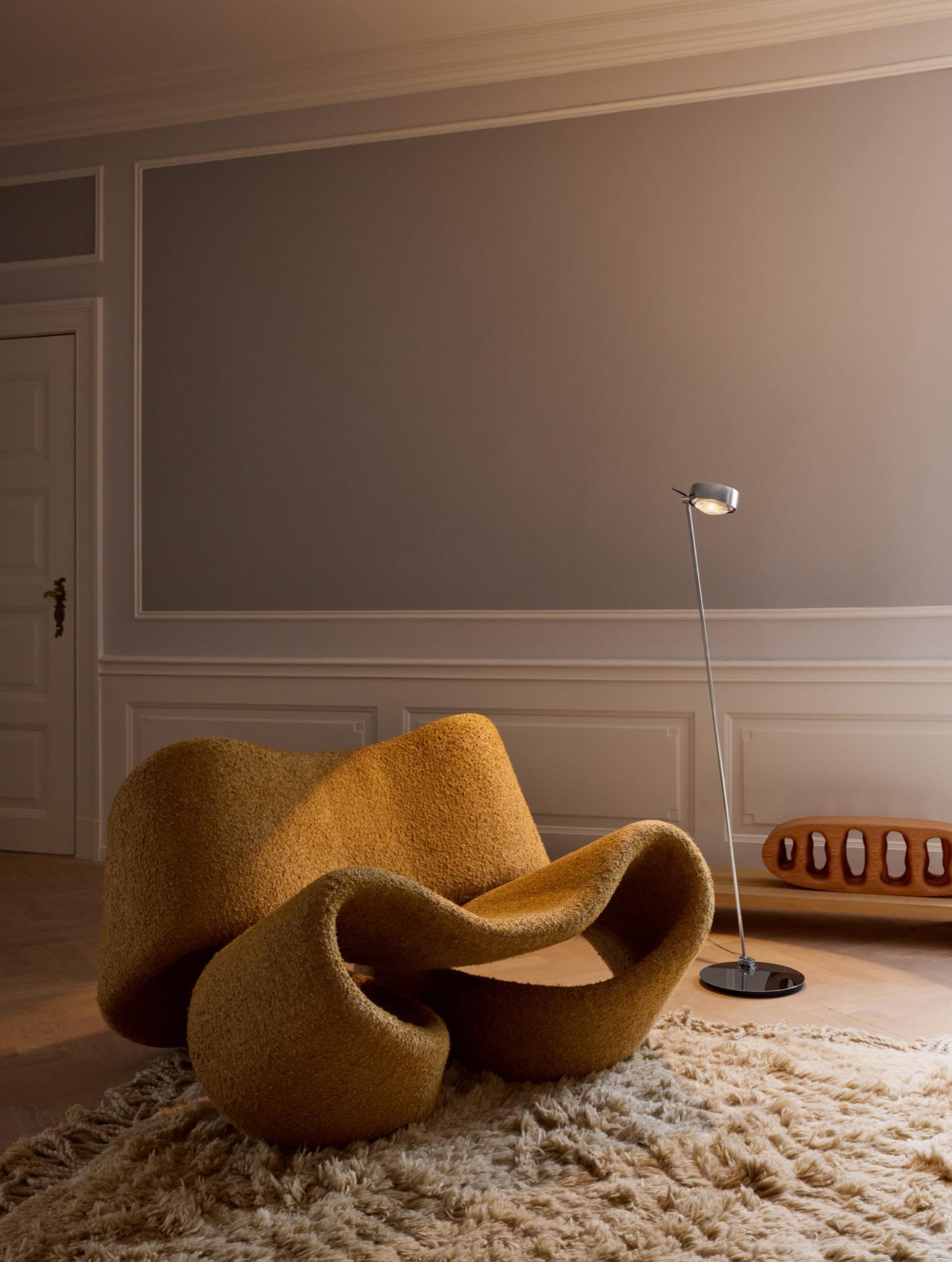
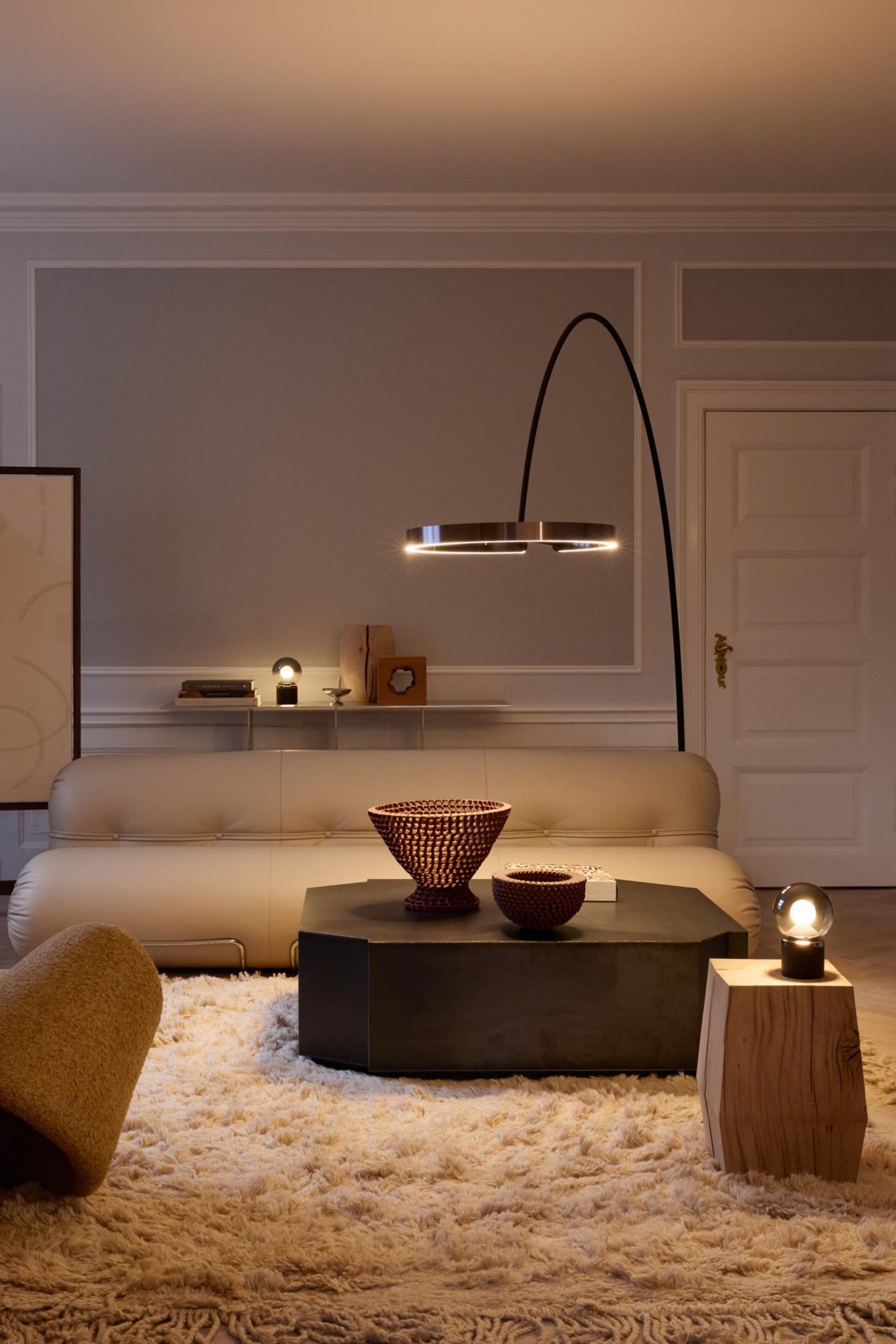
Arc-shaped lamps employ slender metal arms arching over seating areas, directing light purposefully without intruding visually. Their subdued bases and carefully controlled illumination integrate discreetly, complementing rather than competing with surrounding materials.
Small Sculptural Objects Add Textural Nuance
Hand-carved wooden sculptures rest alongside smooth ceramic vessels on shelves and counters. Their differing textures introduce subtle interplay between roughness and polish, adding tactile variation that enhances the sensory experience without dominating the room.
Open Spatial Flow Framed by Material Choices
A continuous oak floor visually links living and dining spaces, while consistent tones in wall finishes maintain cohesion. Furniture arrangements delineate zones without physical barriers. Repeated black metal elements in door frames and shelving hardware echo the stair railing, creating quiet visual rhythms throughout the interior.
Layered Lighting Breaks Spatial Uniformity
Diverse lamps, including the Luna pura and Gioia models, occupy varying ceiling heights and forms. Their warm glows enrich atmosphere and emphasize surface textures, introducing subtle shifts in light quality that animate the interior over the course of the day.
Light and Shadow Reveal Oak’s Character
Daylight highlights the oak’s grain nuances—from clustered knots to lighter sapwood streaks—while artificial lighting casts delicate shadows. The black metal railing occasionally produces shifting linear patterns that mark the space dynamically as natural light moves. That makes the wooden staircase with black railing part of the architectural character rather than a loose finish.
Black Metal Details Offer Visual Anchors
Beyond the staircase, black steel reappears in hardware, lighting stands, and shelving supports. These accents offer crisp edges against pale backgrounds, framing functional zones and reinforcing the material dialogue without overpowering softer wood surfaces.
Minimal Finishes Preserve Material Honesty
Surfaces retain natural textures and colors with little intervention. Visible grain, subtle metal patinas, and raw edge details maintain a candid spatial character, favoring authenticity over decorative enhancements.
Curved Forms Interject Softness
Rounded backs on chairs and the sweeping arcs of lamp arms disrupt strict angularity. These gentle curves draw attention to irregularities in wood and surface finish, offering a visual and tactile counterpoint that enriches the spatial experience.
Subdued Colors Highlight Material Layers
The palette rests on beige, gray, and warm wood tones, creating a quiet foundation where variations in texture and form become apparent. This restrained color approach avoids bold hues, allowing material qualities and light effects to take center stage.
Glass Surfaces Contribute Transparency and Depth
Shelving and lighting features incorporate glass, introducing reflections and translucency. These transparent elements expand spatial perception while helping bounce light to enhance depth and maintain open boundaries between zones.
Deliberate Restraint in Decorative Choices
Selected wooden sculptures and ceramics punctuate the interior with subtle tactile interest. Their distribution respects the principle of material clarity, offering nuanced accents that complement rather than overshadow primary surfaces and furnishings.
Lighting Design Shapes Ambiance Subtly
Design lamps contribute organic shapes and warm tones, layering atmospheres across spaces. Fixtures like Luna sospeso cloud 5 and Gioia introduce sculptural elements that contrast geometric lines, providing textured interplay of light and shadow without dominating the composition.
Transitions Defined by Wood and Glass
Natural wood finishes meet glass elements to softly delineate spatial zones without enclosing them. Clear glass partitions and tabletops allow daylight to flow uninterrupted and accentuate wood grain details, supporting an open yet articulated layout.
Decorative Textures Grounded in Nature
Carved wooden figures and handcrafted ceramics insert irregular surfaces and muted color contrasts throughout the interior. These objects emerge as quiet focal points, enriching the sensory experience and reinforcing the natural material focus. That makes the wooden staircase with black railing part of the architectural character rather than a loose finish.
Want to see more of Occhio GmbH? View the page of Occhio GmbH for even more great projects and company information.

.png)