





Stylish outdoor spaces with aluminum canopies
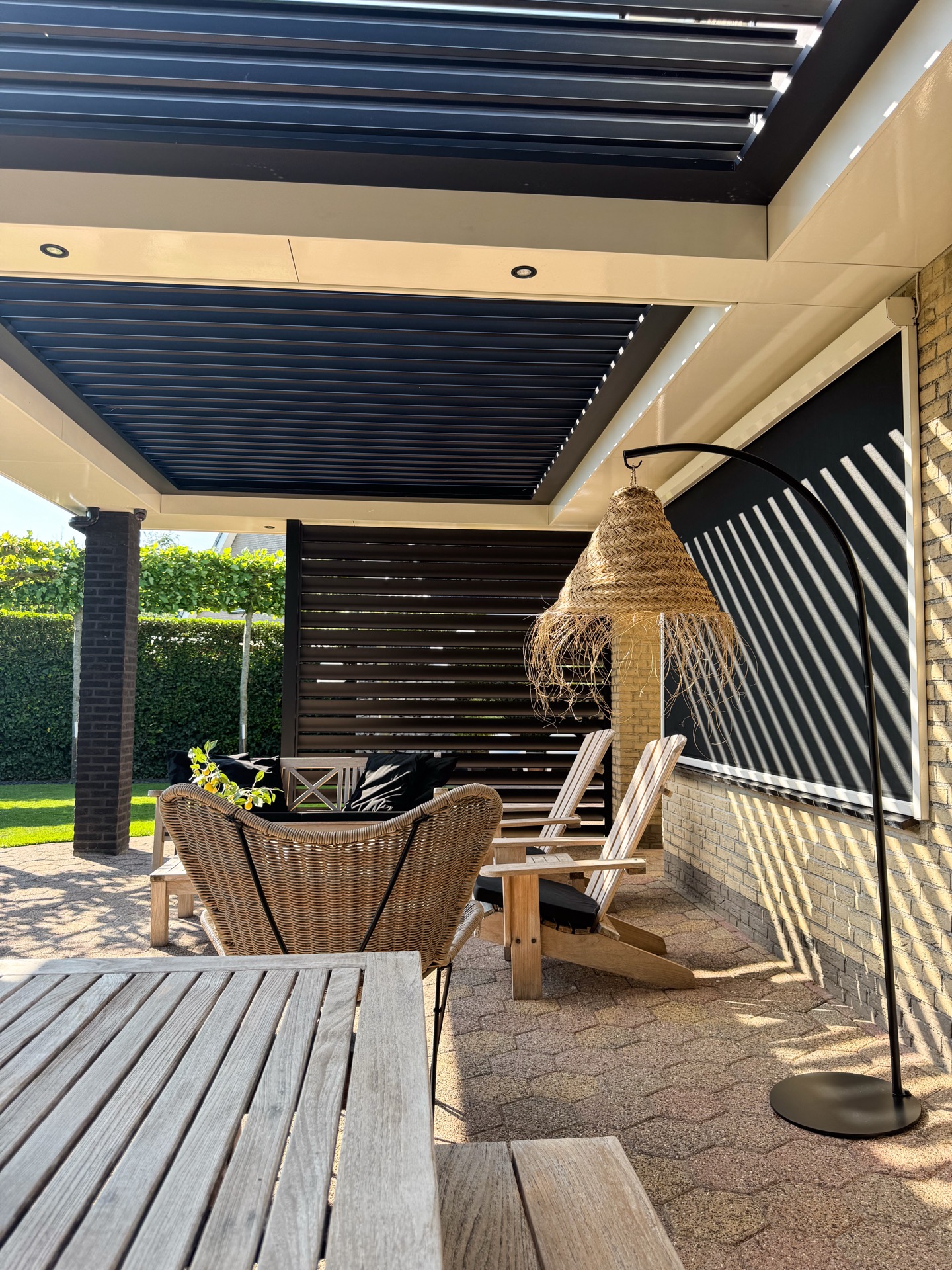
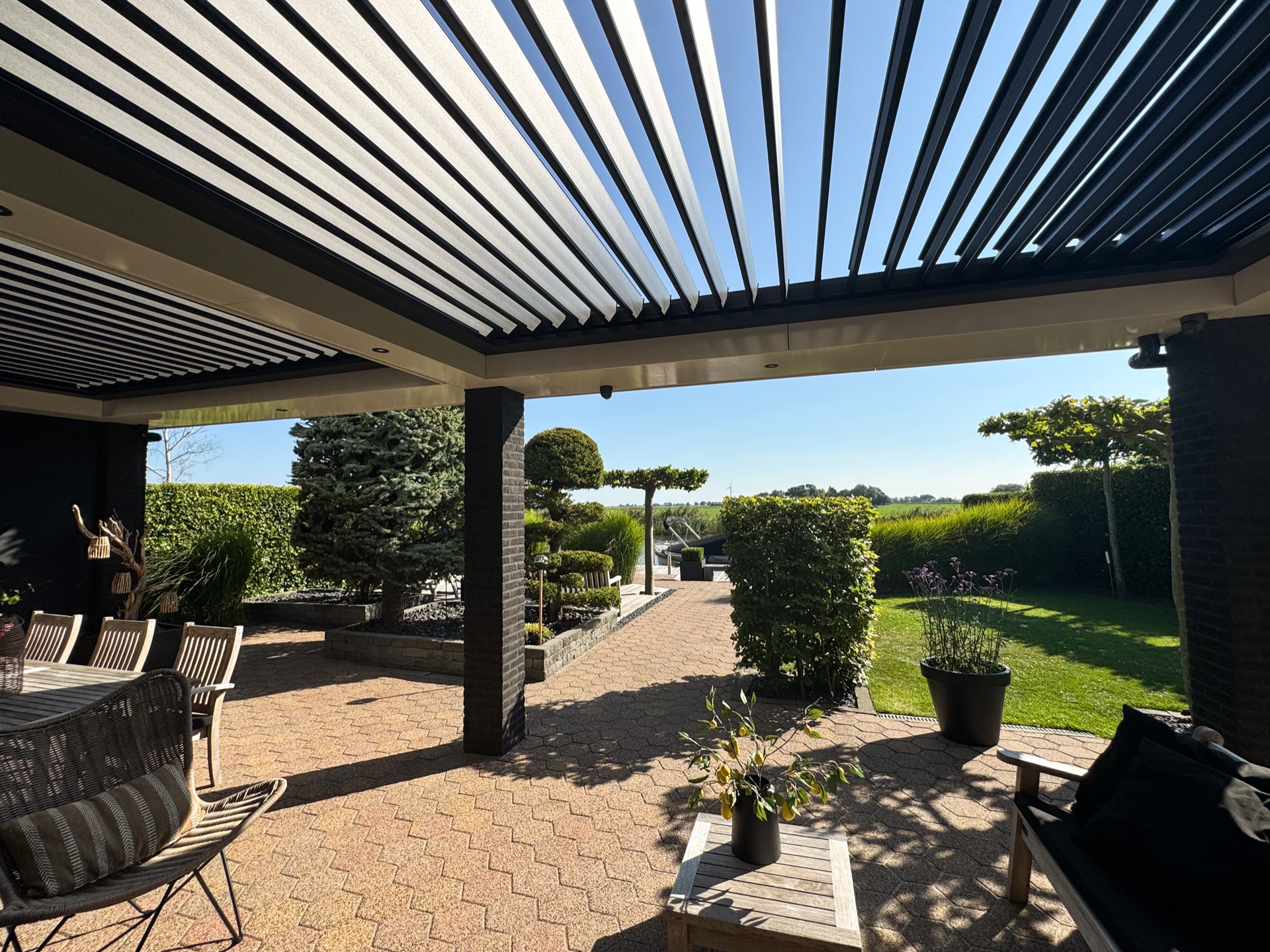
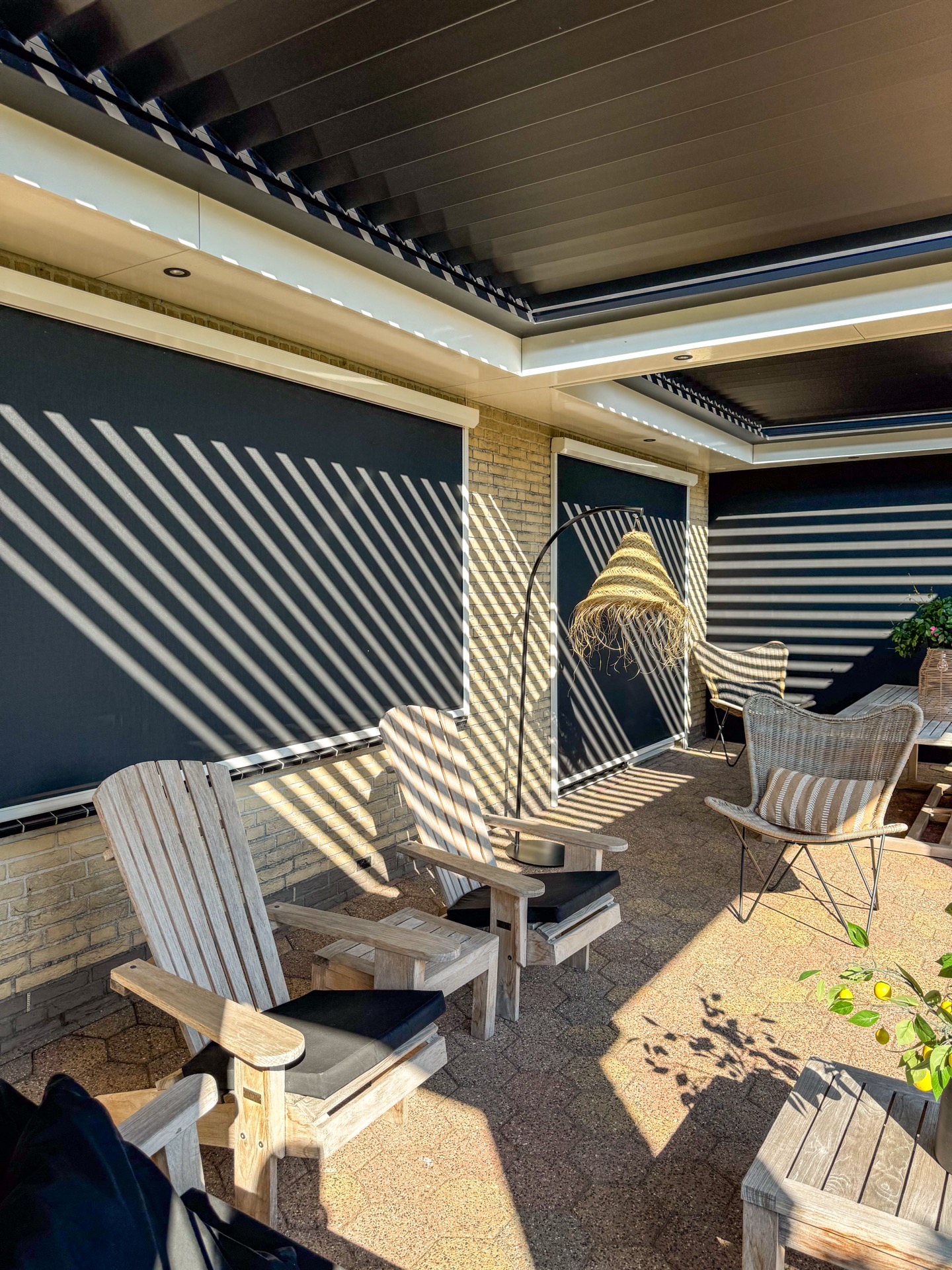
The thatched roof is immediately visible in the way the project is framed. Across the wooden decking, shifting slivers of light trace narrow bands, cast by the aluminum slats that top this outdoor structure. The angled louvers tilt gently throughout the day, modulating sunlight and breezes, and defining an outdoor room that adapts to changing conditions. Metal framing meets textured wood underfoot, anchoring this extended living area into its green setting.
thatched roof as the architectural starting point
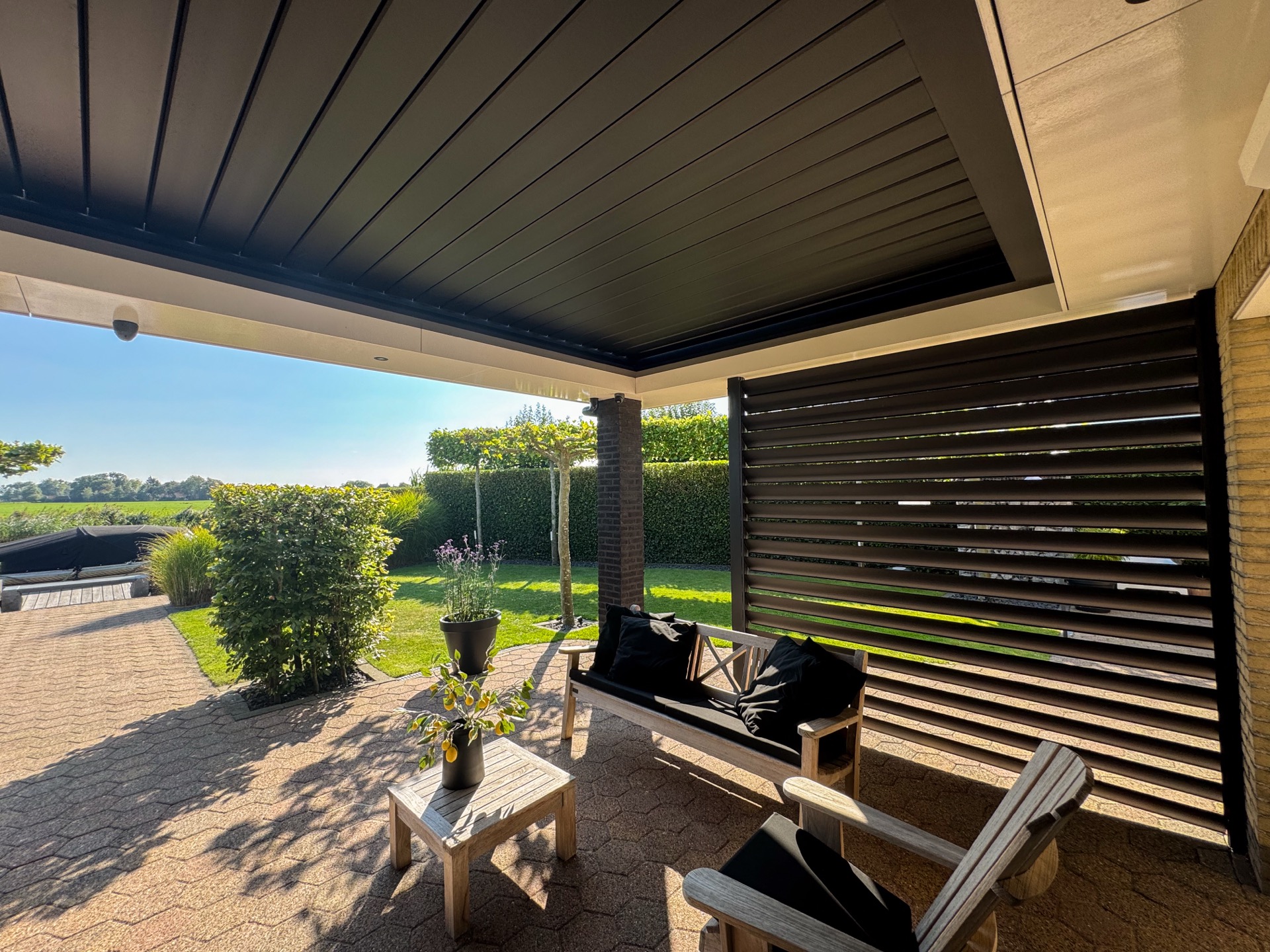
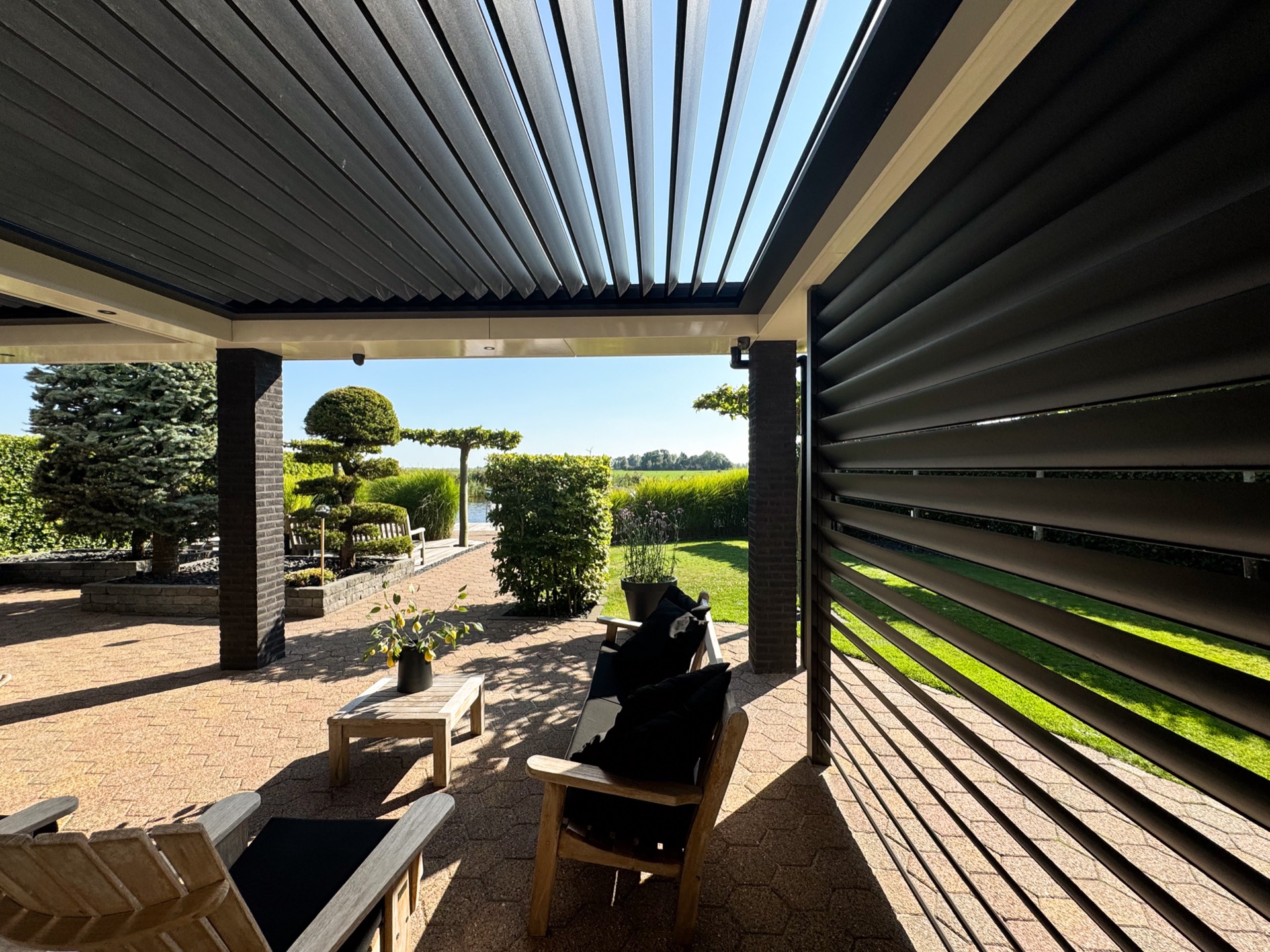
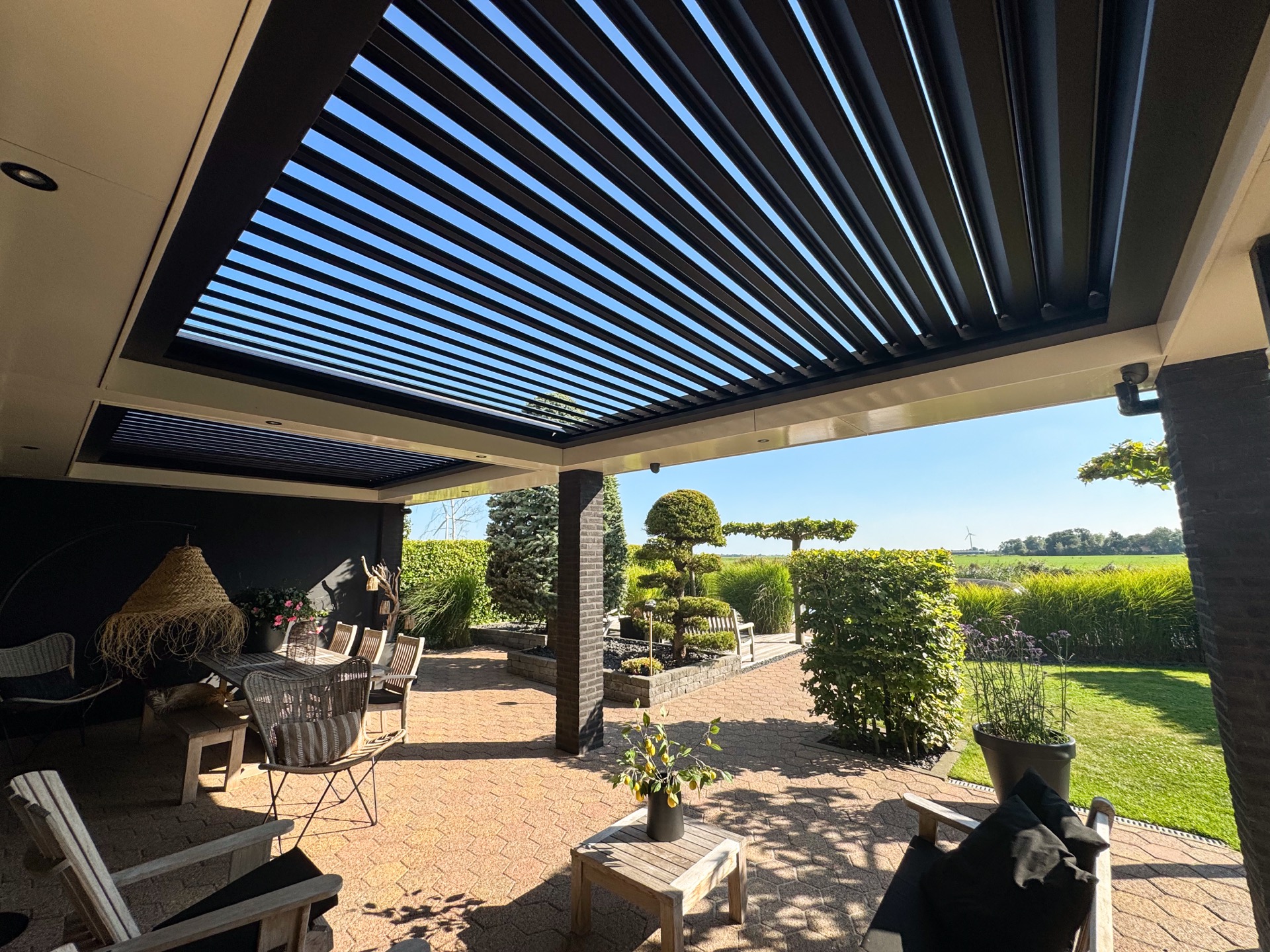
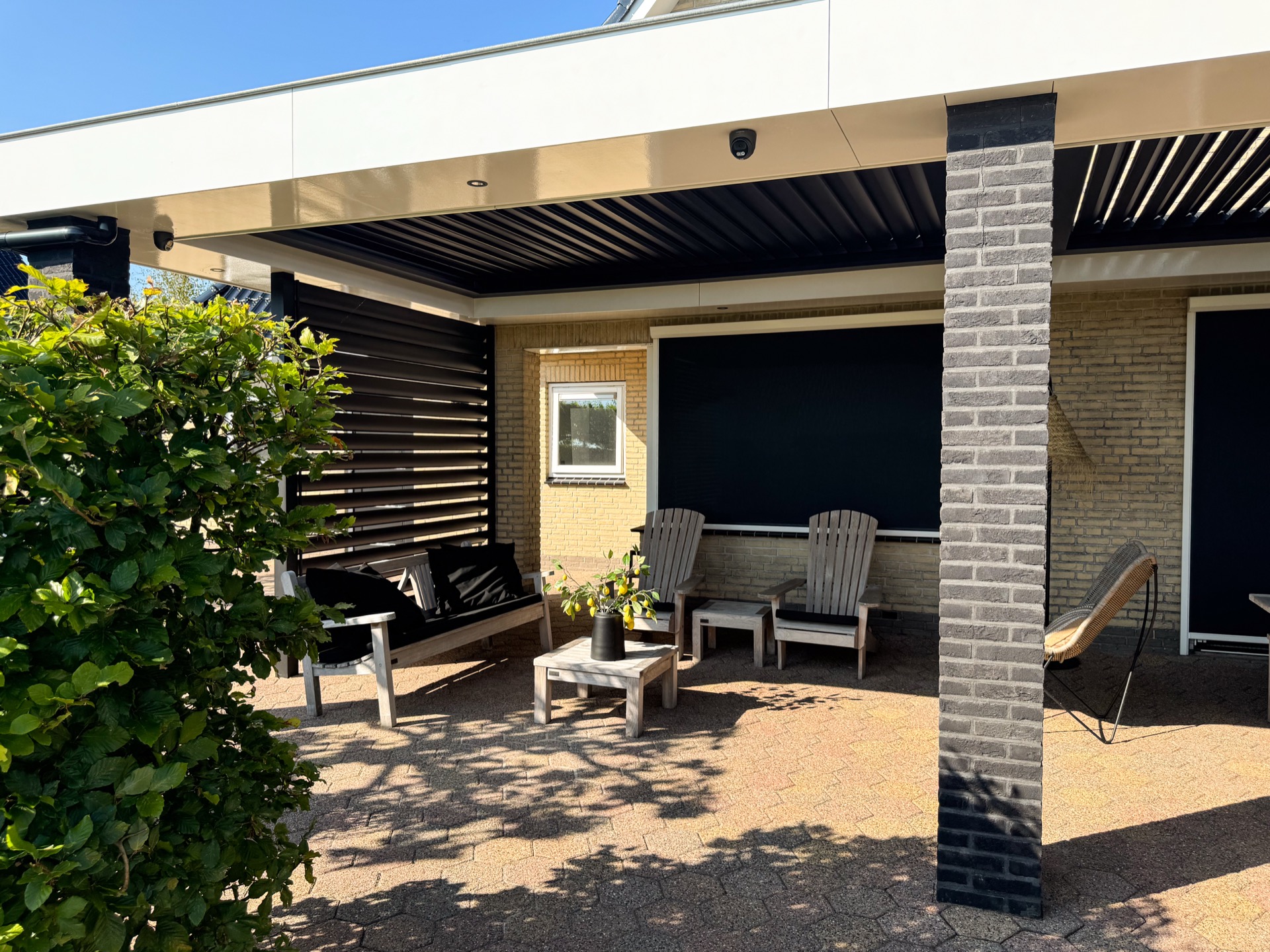
The roof’s slats pivot individually, creating a ceiling that responds to sun and weather. Fully opened, they welcome airflow and dappled sunshine; when partially closed, they filter intense light and soften shadows; closed, they shield the seating below from rain while allowing air circulation. This flexibility transforms the patio from sun-drenched to sheltered without enclosing the space.
Adjusting for Seasonal Comforts
The ability to tilt the louvres allows users to fine-tune sunlight and ventilation. On hot summer days, angled slats bring shade and airflow; cooler days see them closed to provide shelter while maintaining a connection to the outdoors. The cool gray tones of the aluminum contrast with the surrounding greenery, giving the canopy architectural clarity without dominating the view.
Vertical Shutter Panels Define Outdoor Boundaries
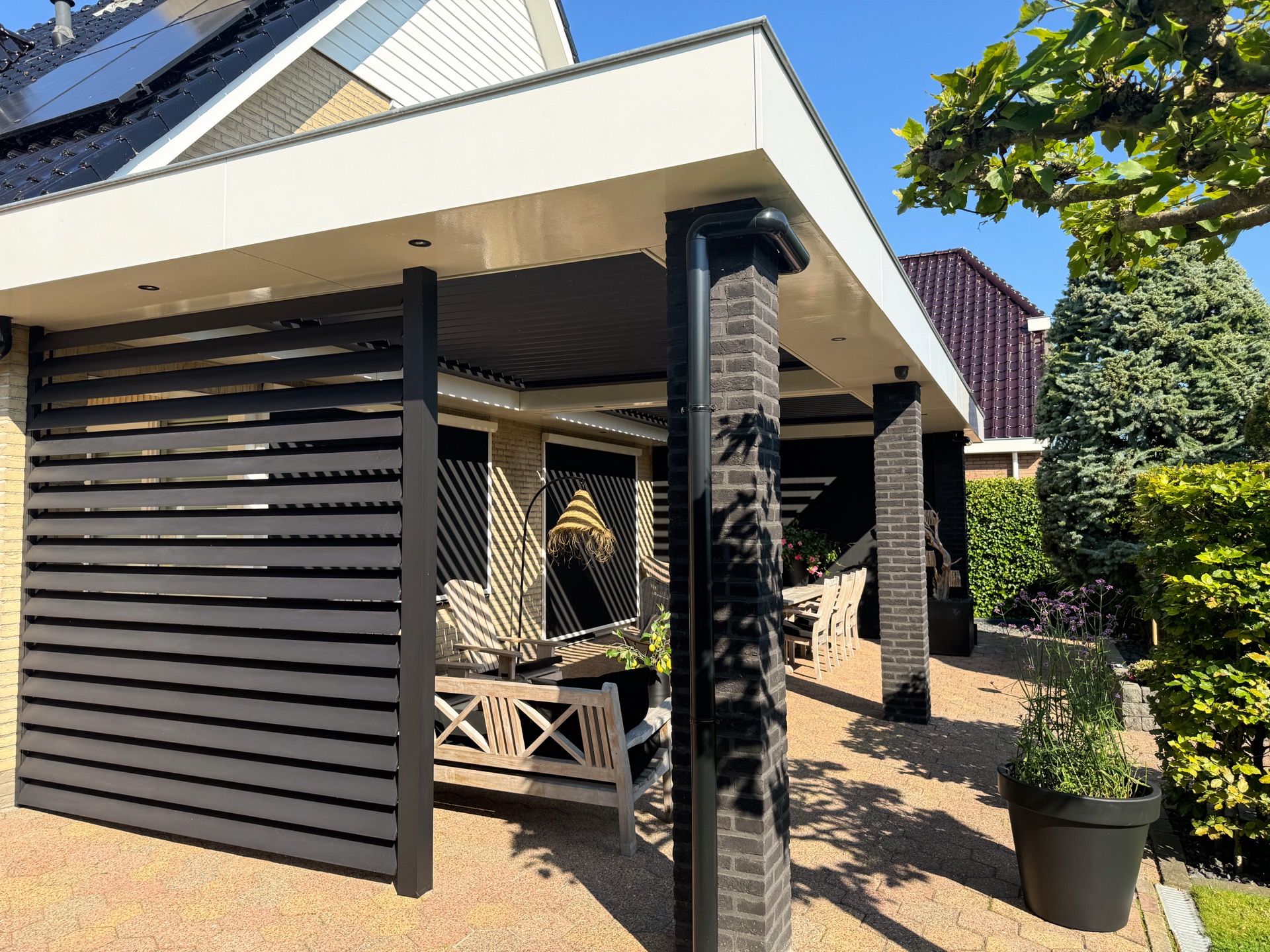
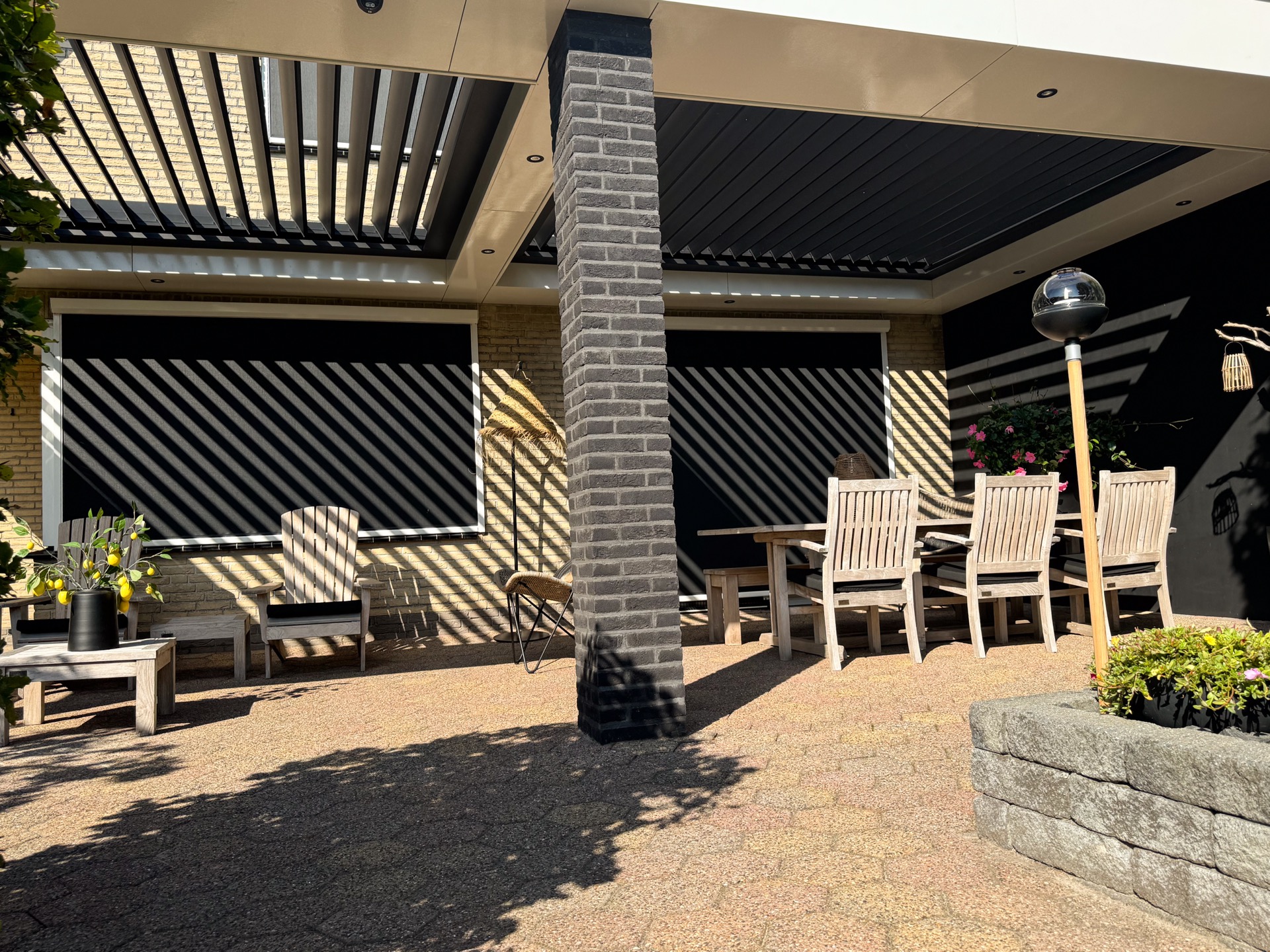
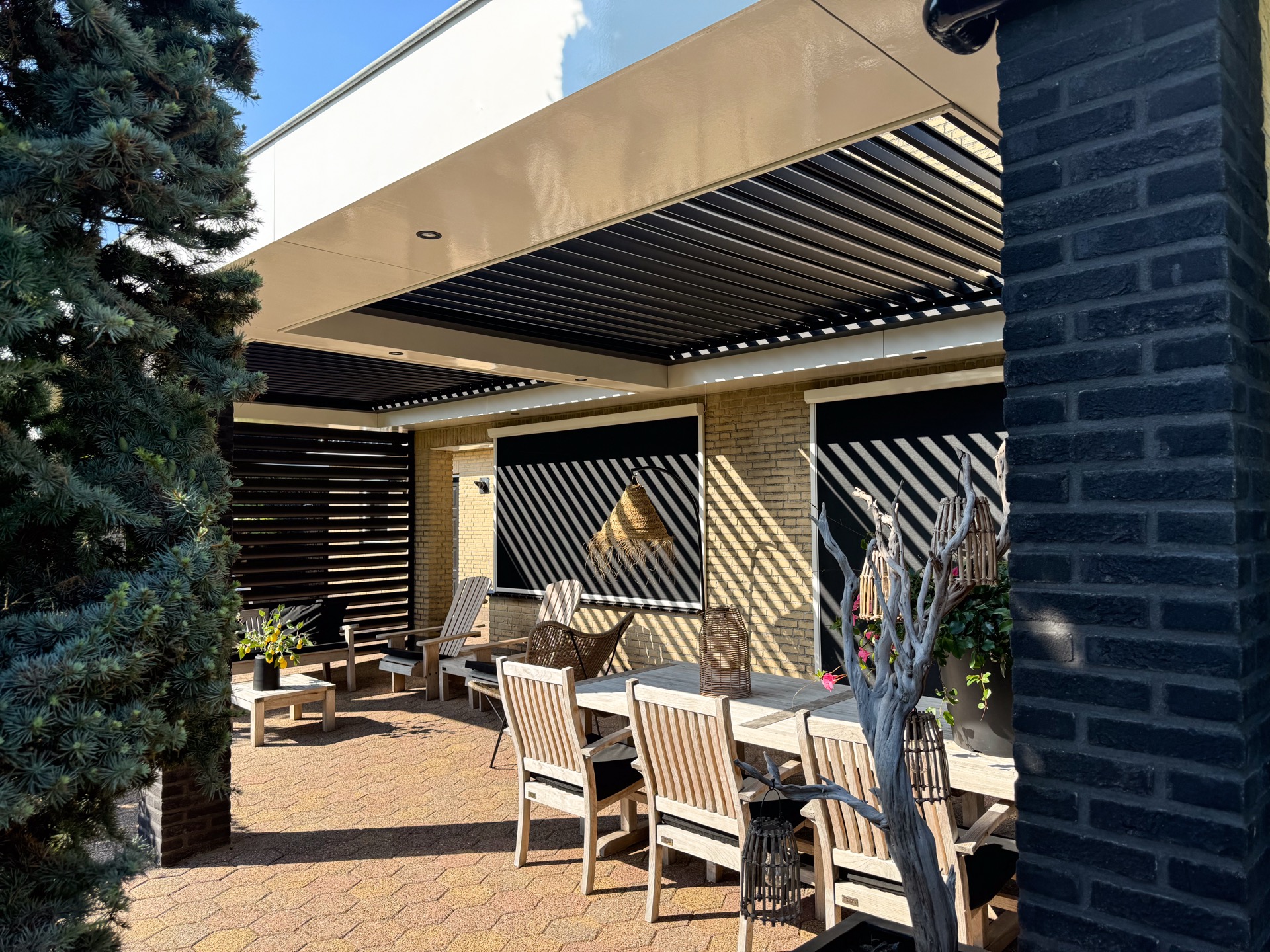
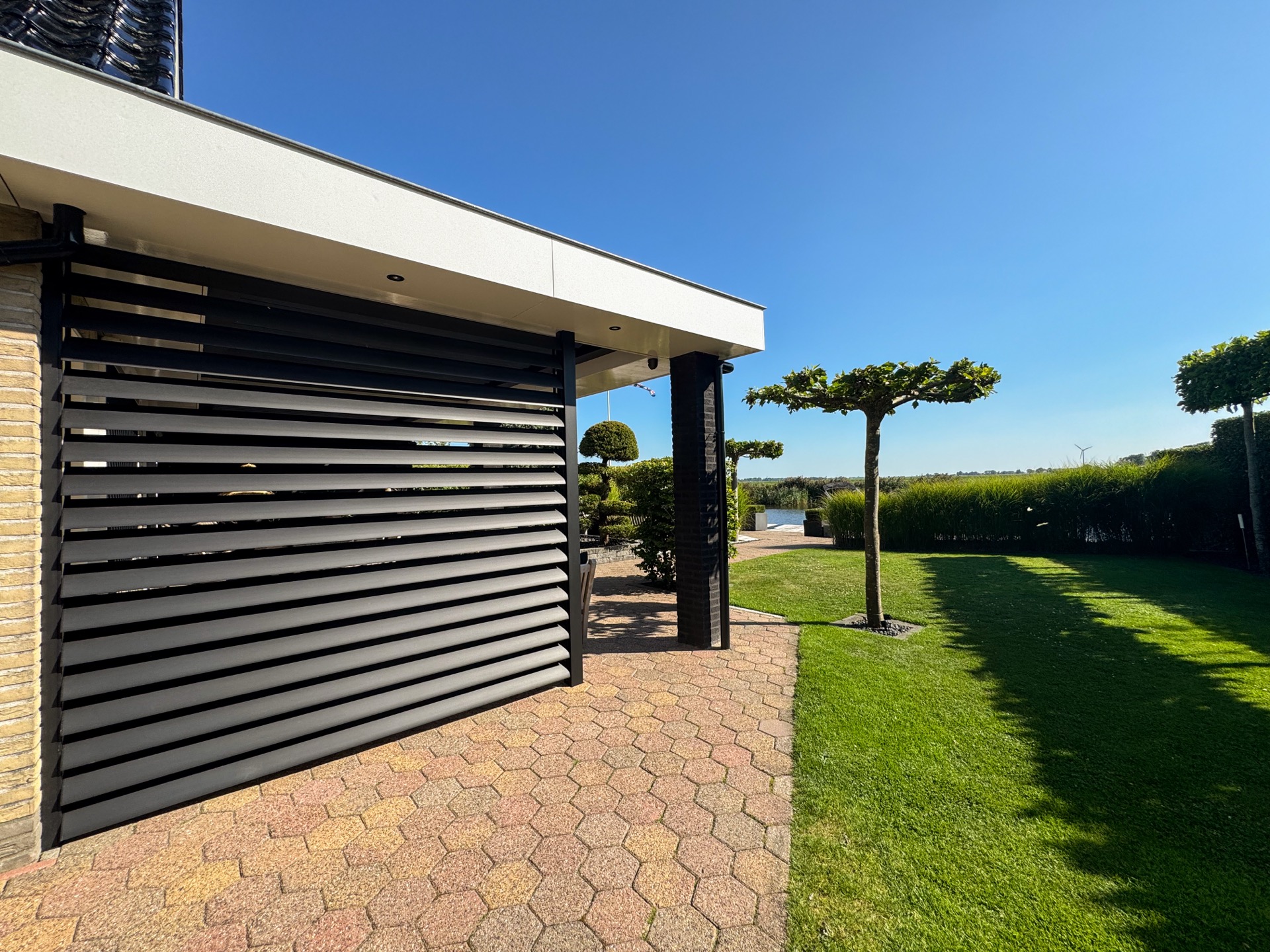
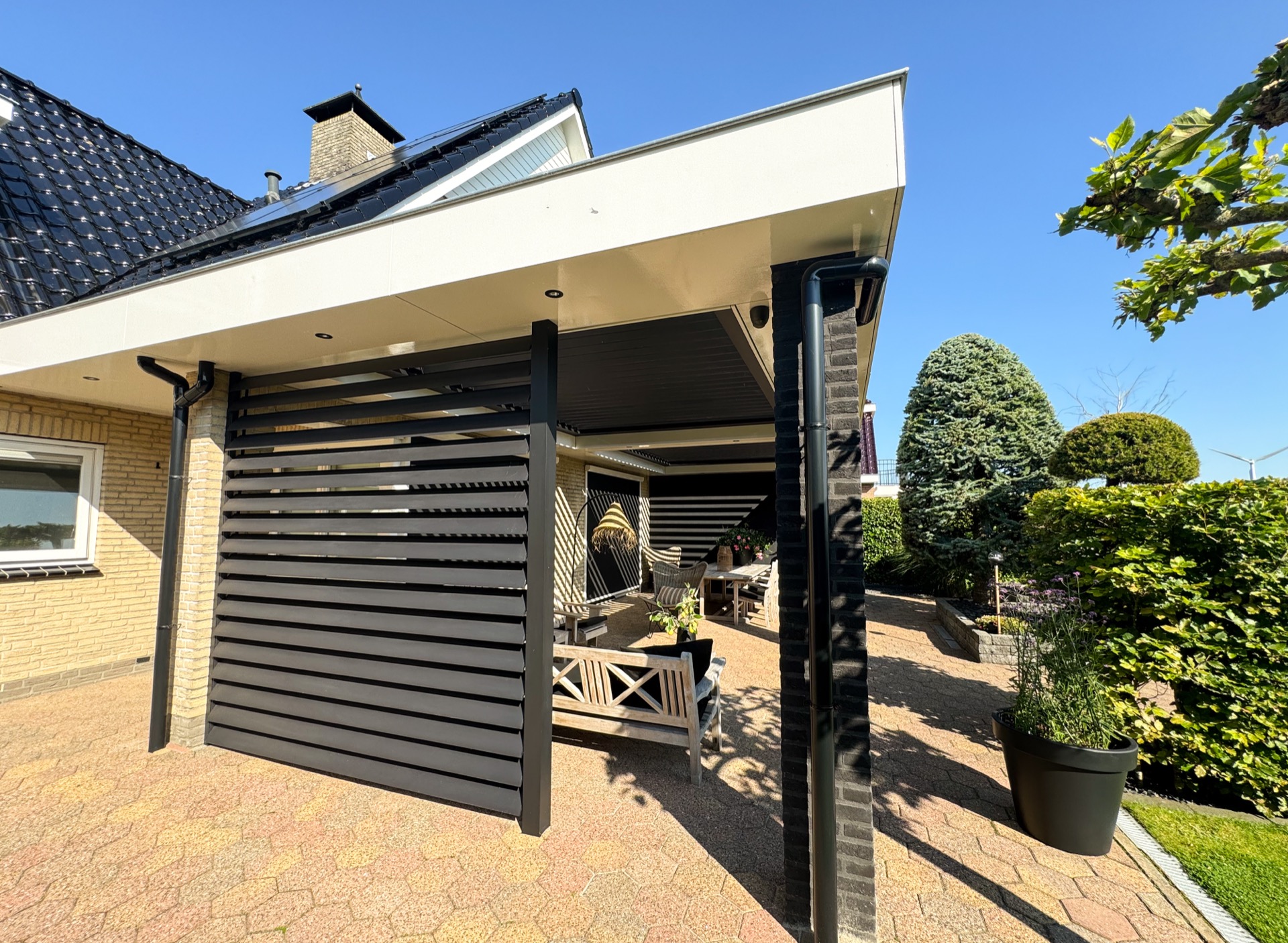
Narrow aluminum shutters frame the sides of the canopy, serving as adjustable screens. Opening them broadens views and enables cross-breezes, while closing them acts as a windbreak and adds a layer of privacy. This subtle enclosure marks the edge of the outdoor room, gently balancing openness with protection and integrating visual lines between the garden and patio.
Softening Views, Enhancing Privacy
Rather than obstructing sightlines completely, the shutters filter views with slatted spacing. This maintains daylight on the terrace and blurs neighbors’ perspectives without feeling closed-off. The panels provide a nuanced boundary, blending transparency and shelter through their slender, vertical rhythm.
Natural Wood Decking Grounds the Design
Underfoot, timber decking introduces warmth and tactile variation against the sleek metal canopy. The surface’s grain and tone echo the garden’s planting beds and wooden garden furniture, linking built and natural elements. Together, these materials form a layered texture palette that invites visitors to explore the space through touch as well as sight.
thatched roof as the architectural starting point
Seating choices mirror the canopy’s composition, pairing woven surfaces with metal frames in muted hues to harmonize with the structure above. Cushions in subdued shades offer understated softness. The arrangement respects open pathways and garden views, placing conversational clusters and dining areas to maximize canopy shade and natural light. That makes the thatched roof part of the architectural character rather than a loose finish.
Modular Design Adapts to the Site
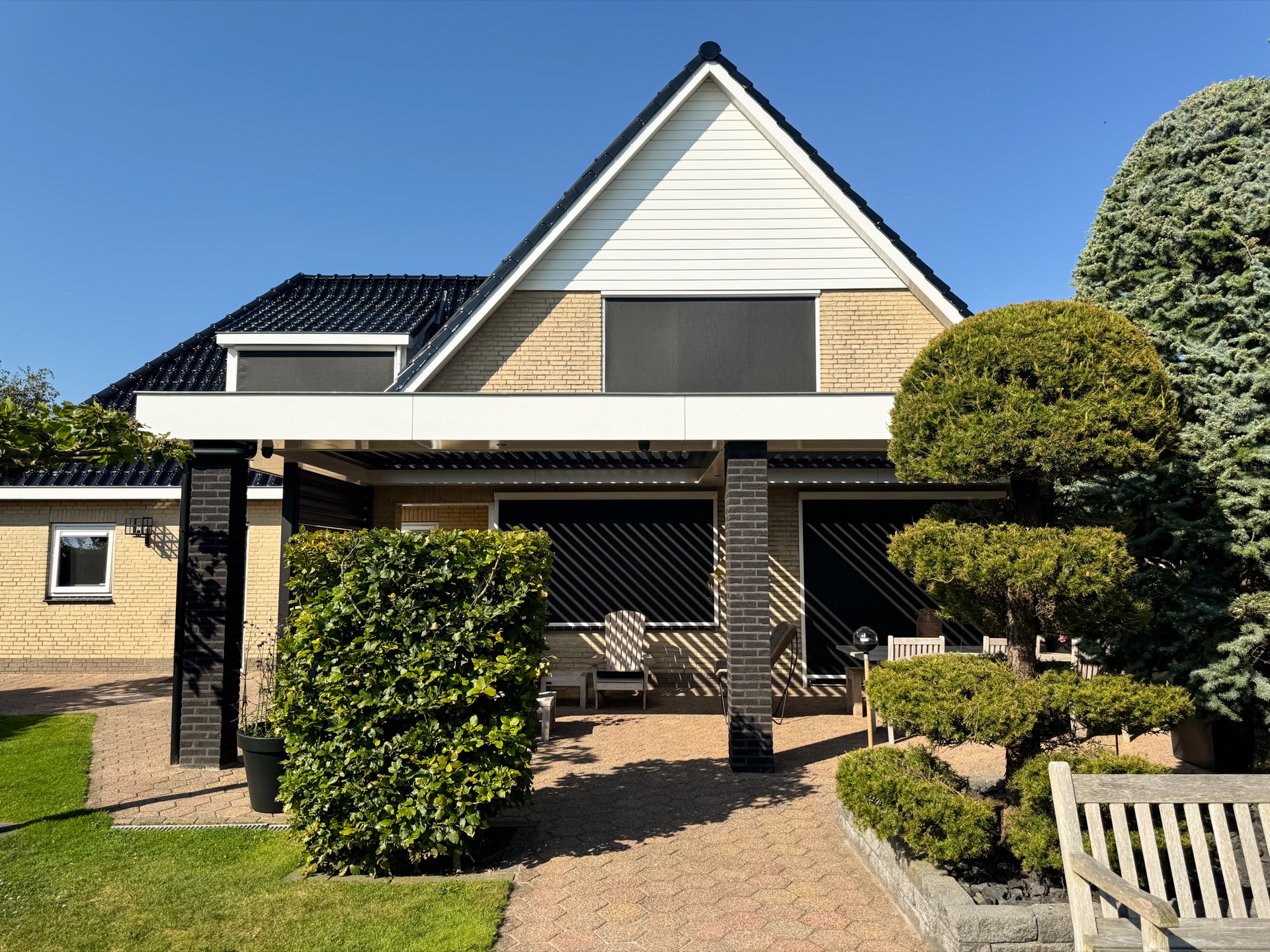
The aluminum canopy is constructed from modules, enabling size and configuration customization. This adaptability allows the installation to fit varied patios and gardens, meeting different spatial needs. Choices in shutter setup and finishes further tailor the overhead structure’s relationship with its specific environment.
Long-Term Durability Through Thoughtful Materials
Using corrosion-resistant aluminum ensures the canopy withstands exposure to rain and sun with low maintenance. The wood decking is treated to resist weathering, preserving color and texture over time. Garden furniture fabrics and finishes are selected for resilience, supporting extended outdoor use without rapid wear.
Shadows Add Movement and Texture
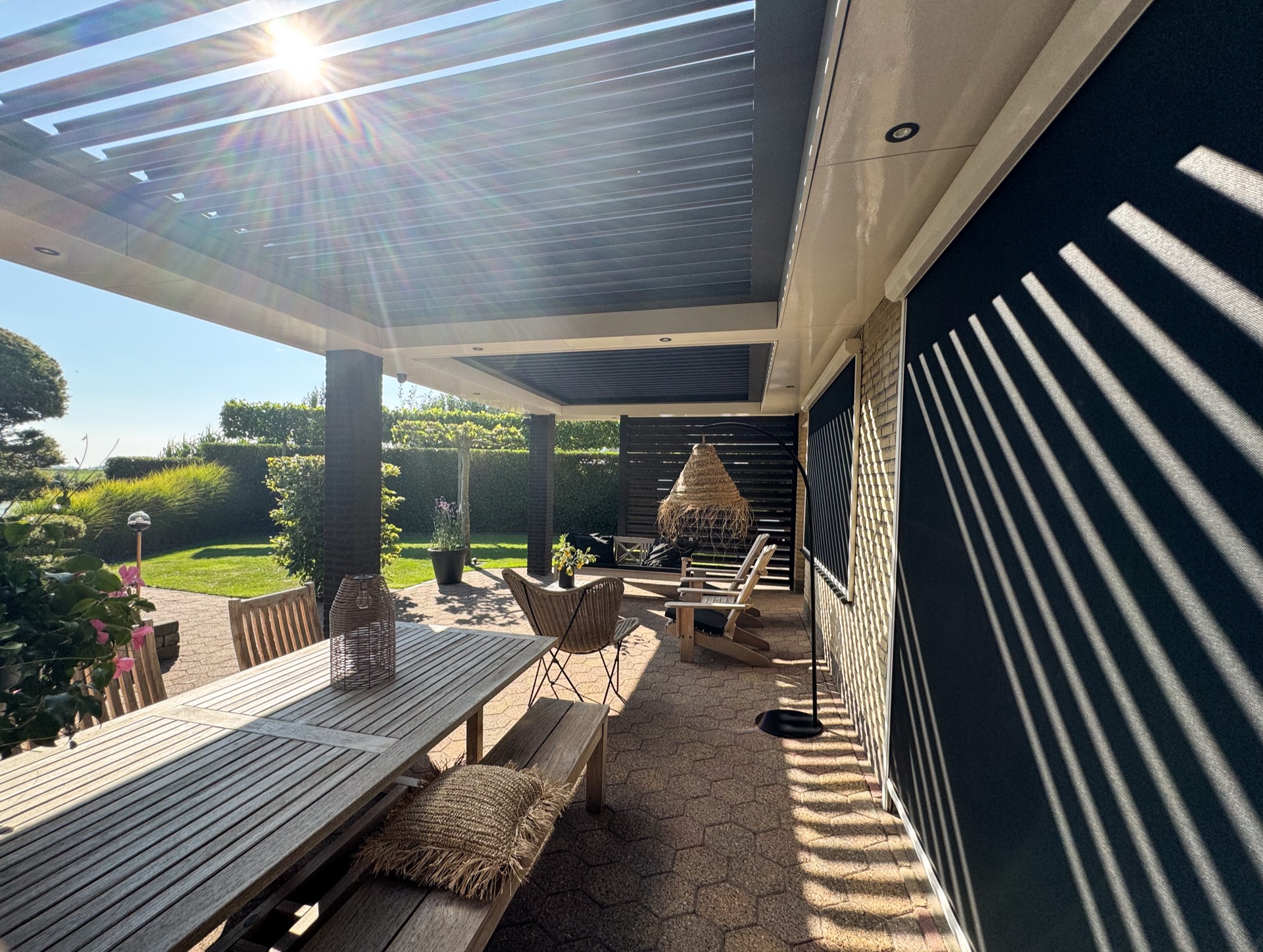
Sunlight filtering through the adjustable slats casts intricate shadows that shift with the day’s progression. These patterns ripple across the wooden floor and seating, introducing a kinetic visual element. This play of light brings vitality to the outdoor space, linking architecture closely with natural cycles.
Clean Lines and Subtle Details
Minimal metal profiles and precise fittings contribute to the canopy’s light appearance. Slim framing members and nearly flush fixings reduce visual bulk, allowing the structure to blend into the garden context. Attention to small details shifts focus to the interaction of surfaces and light rather than hardware.
Outdoor Living Tailored to Weather and Use
The moveable roof and shutters provide practical responses to changing weather. Rain prompts closure of louvers to protect occupants, while summer heat invites opening for airflow. The design balances enclosure and openness, creating a sheltered outdoor space that retains connection to air and light.
Color Palette Supports Integration
The subdued gray metal and natural wood tones harmonize with garden greens and floral colors. Avoiding bright hues ensures the construction does not dominate, allowing textures, shadows, and form to create the space’s character. This careful palette aids in linking the canopy visually with decking and garden furnishings.
Scale Calibrated to Site Proportions
Dimensions respond to the patio layout and adjacent plantings, neither overwhelming nor under-scaled. Roof spans and shutter heights relate proportionally to walkways and beds, anchoring the structure within its outdoor setting. This measured approach preserves openness while defining a coherent outdoor room. That makes the thatched roof part of the architectural character rather than a loose finish.
Want to see more of Livium? View the page of Livium for even more great projects and company information.


.png)
NEW 2026 Jubileum Edition The Best Interior Designers Benelux
Order Now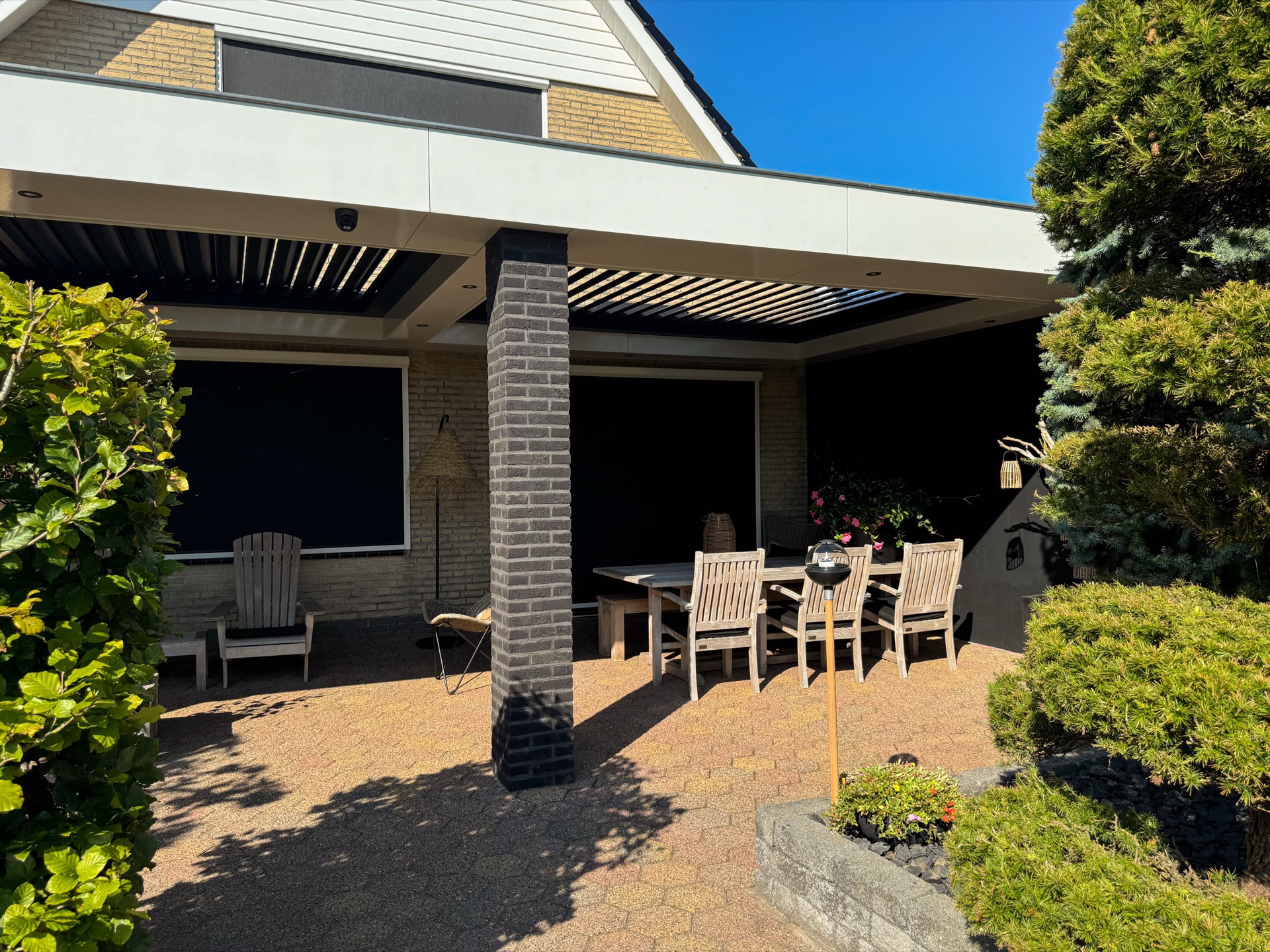
NEW 2026 Jubileum Edition The Best Interior Designers Benelux
Order Now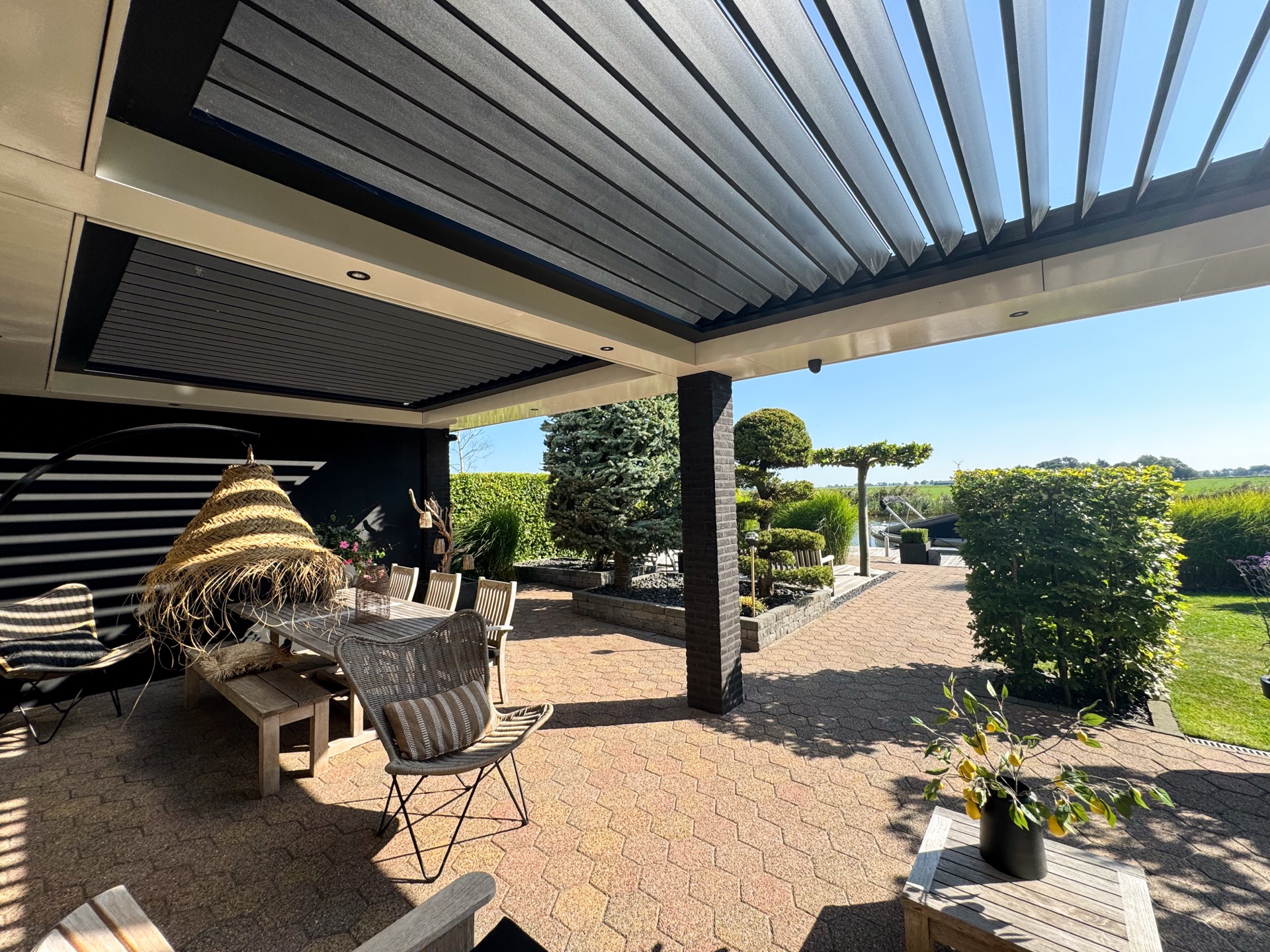
NEW 2026 Jubileum Edition The Best Interior Designers Benelux
Order Now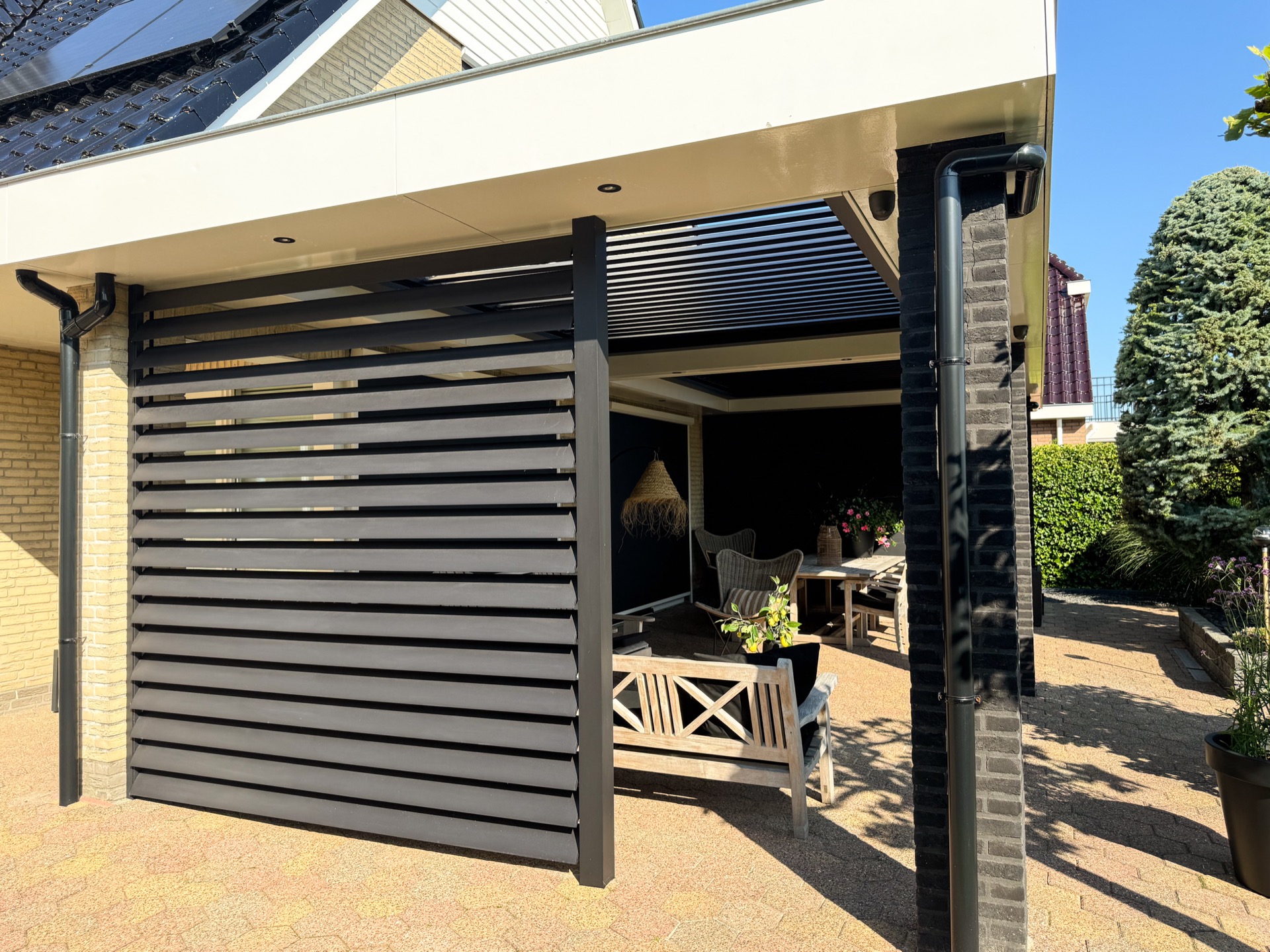
NEW 2026 Jubileum Edition The Best Interior Designers Benelux
Order Now