






Interior project with microtopping and kalkpleister
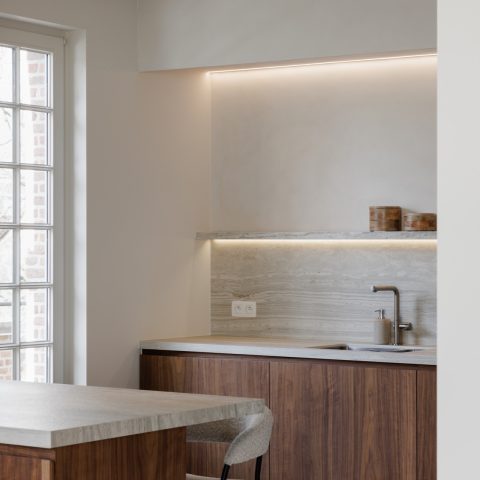
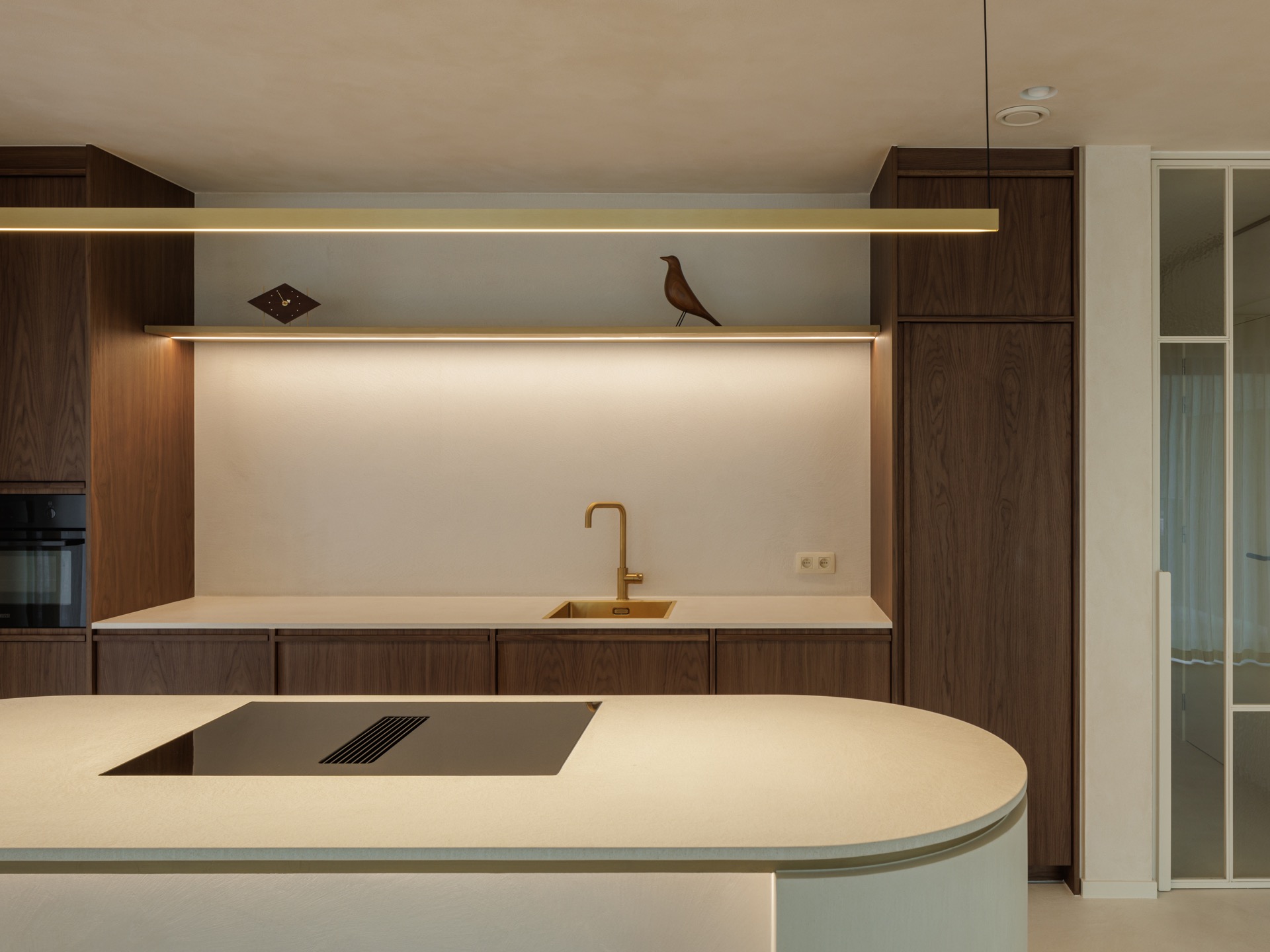
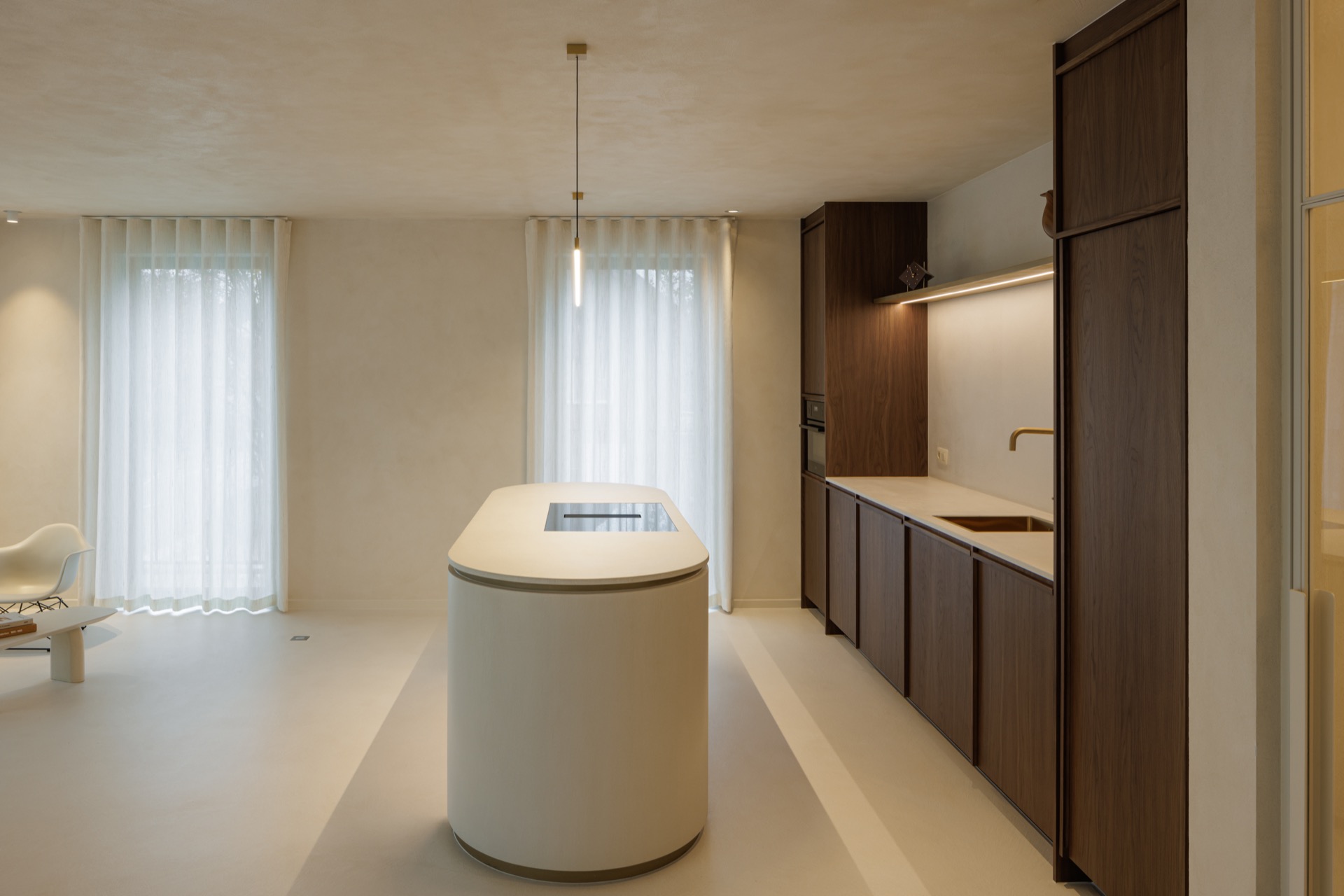
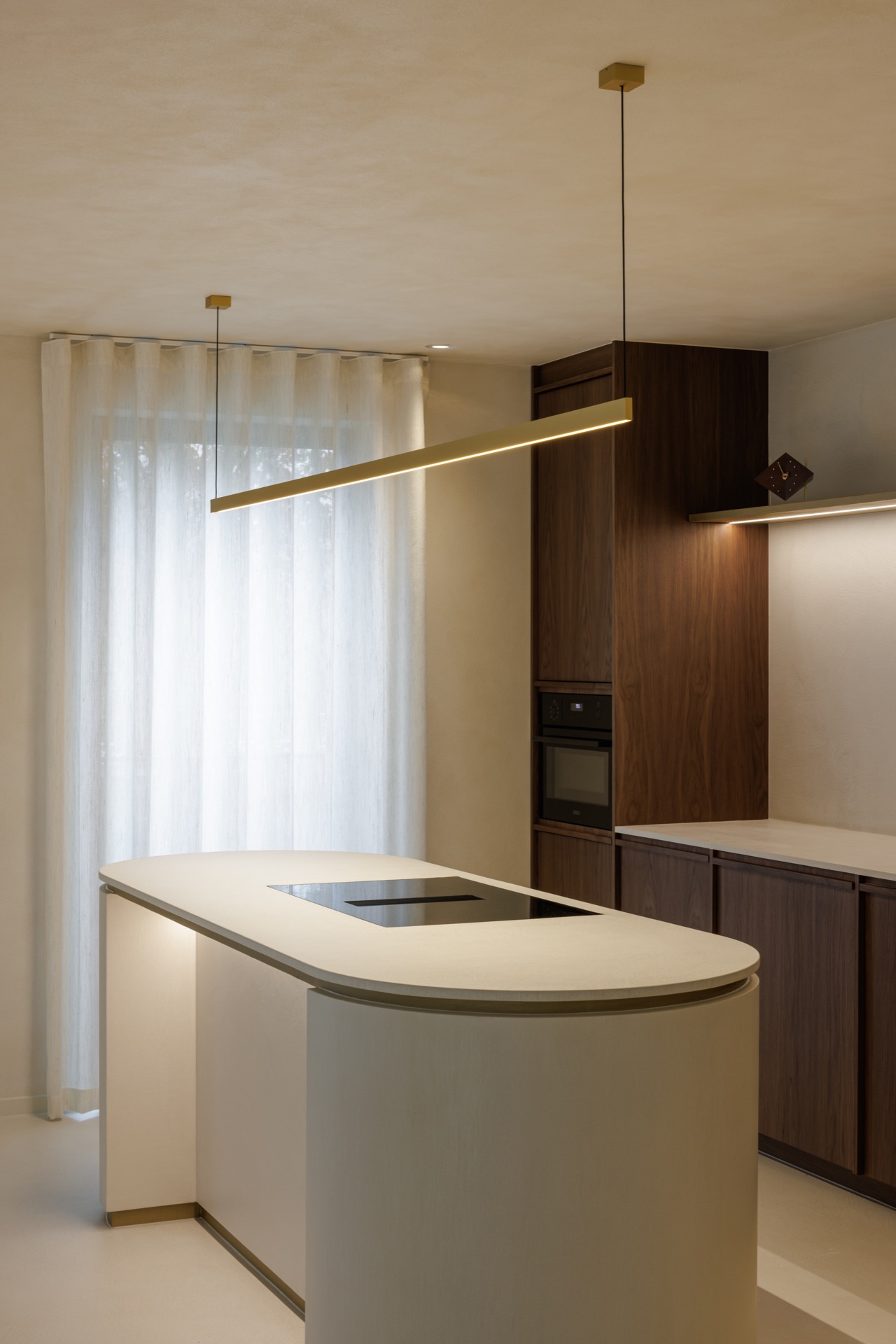
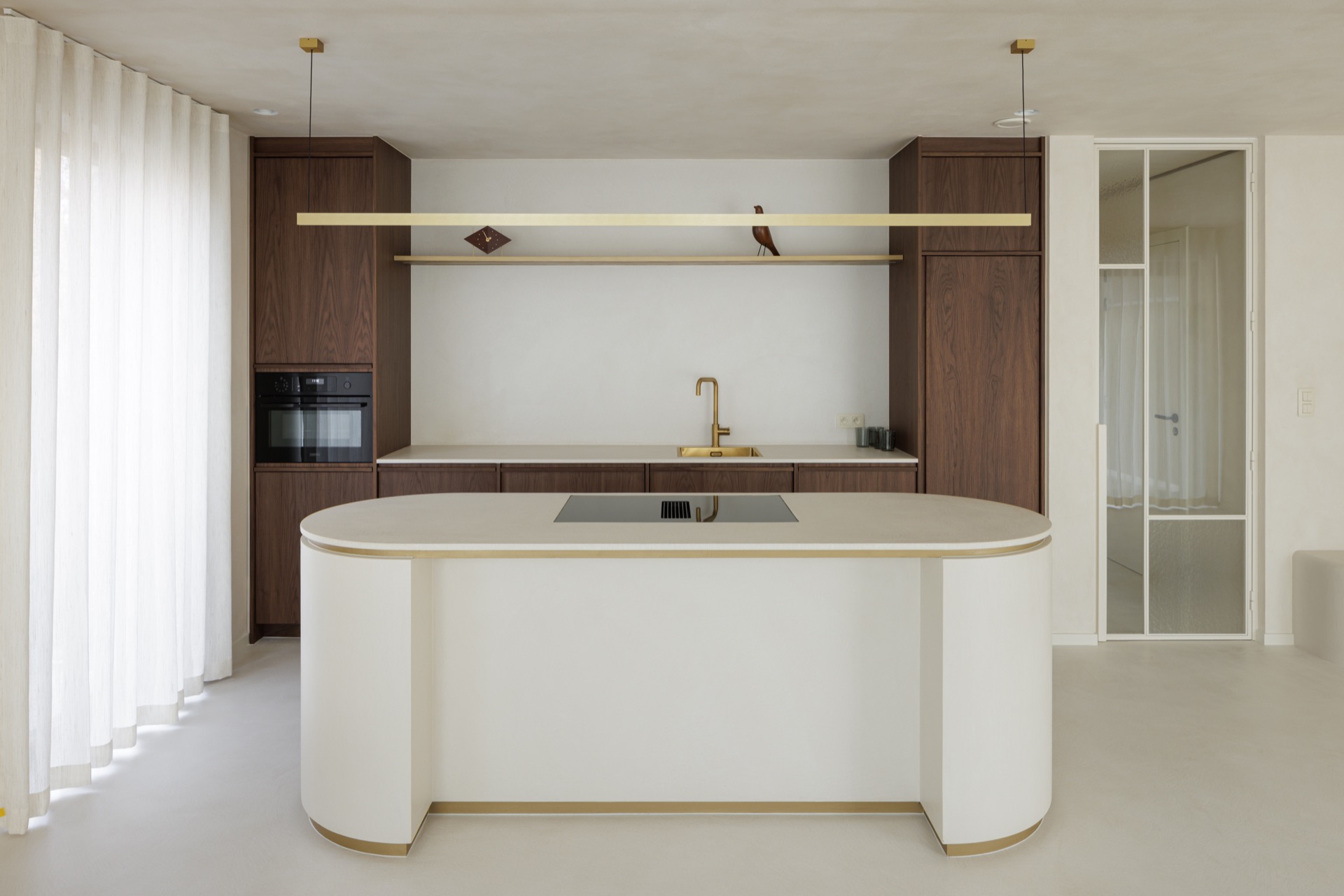
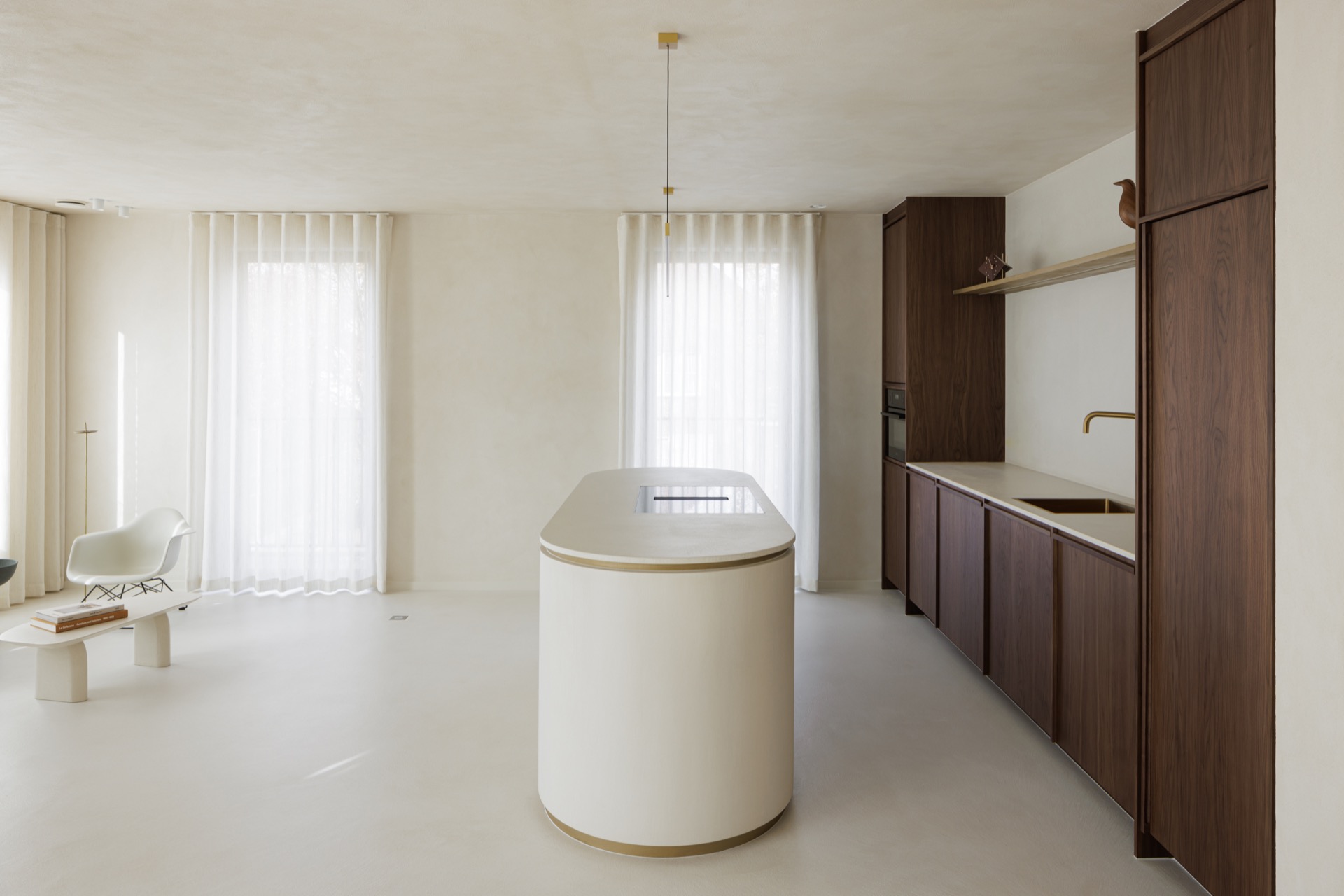
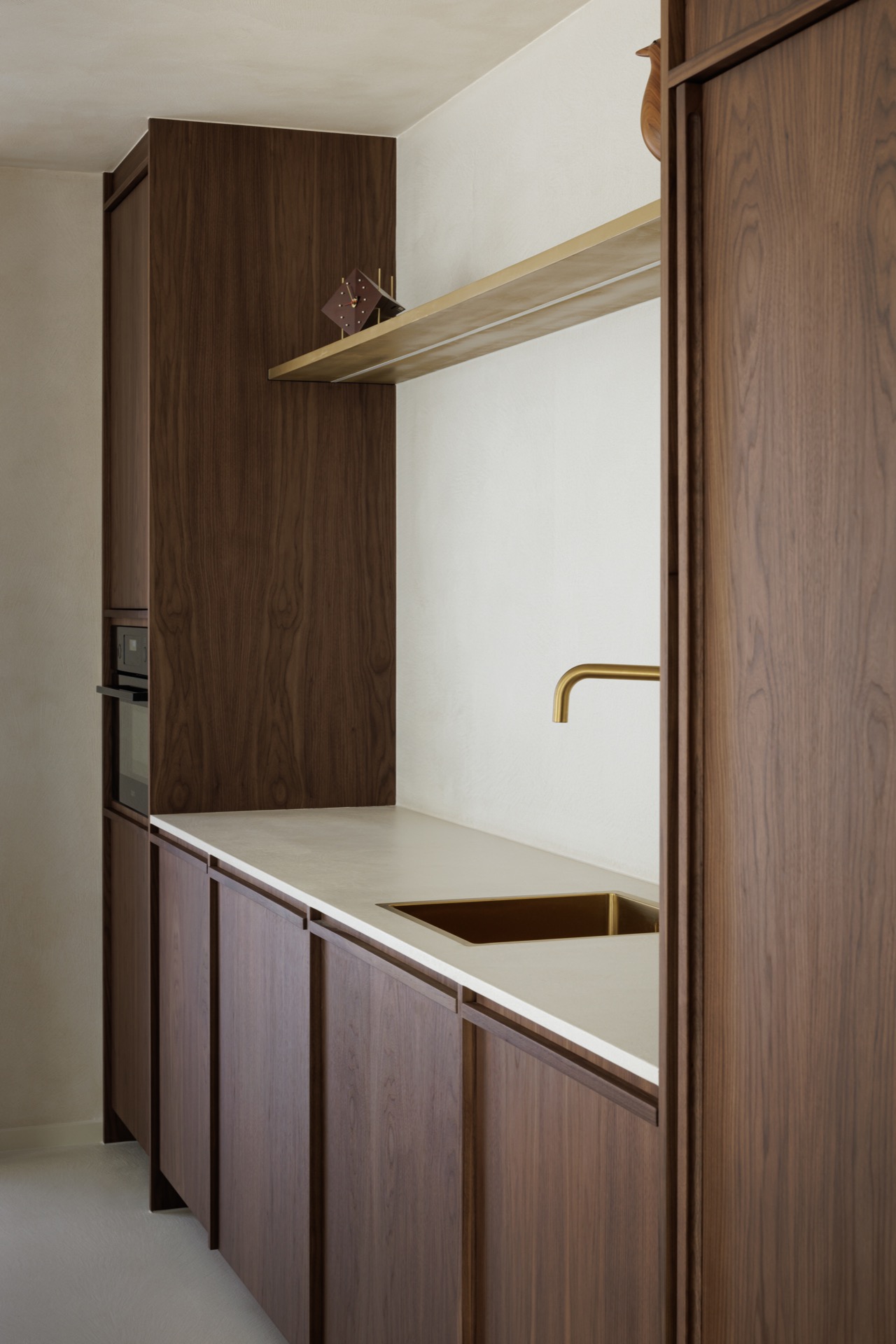
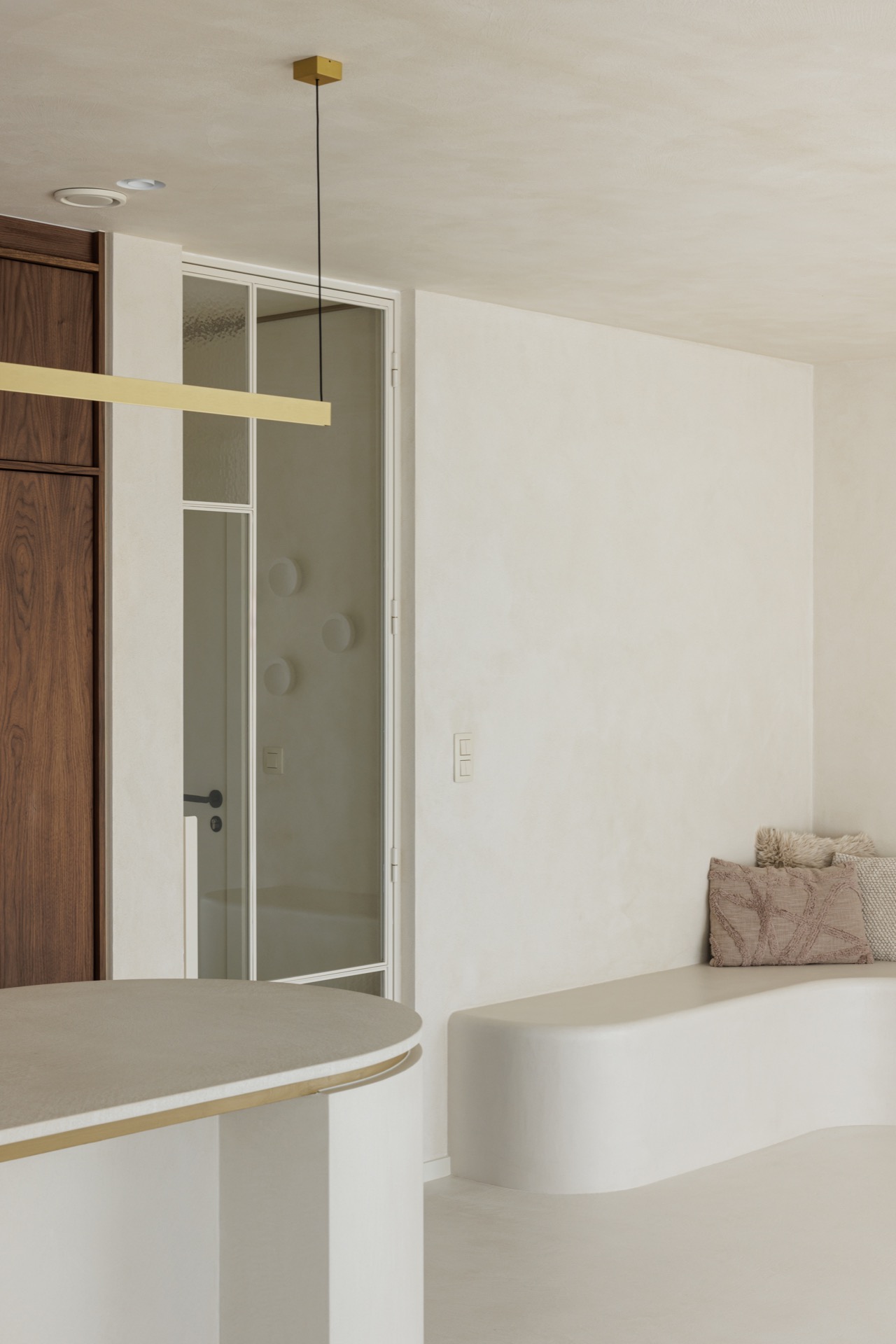
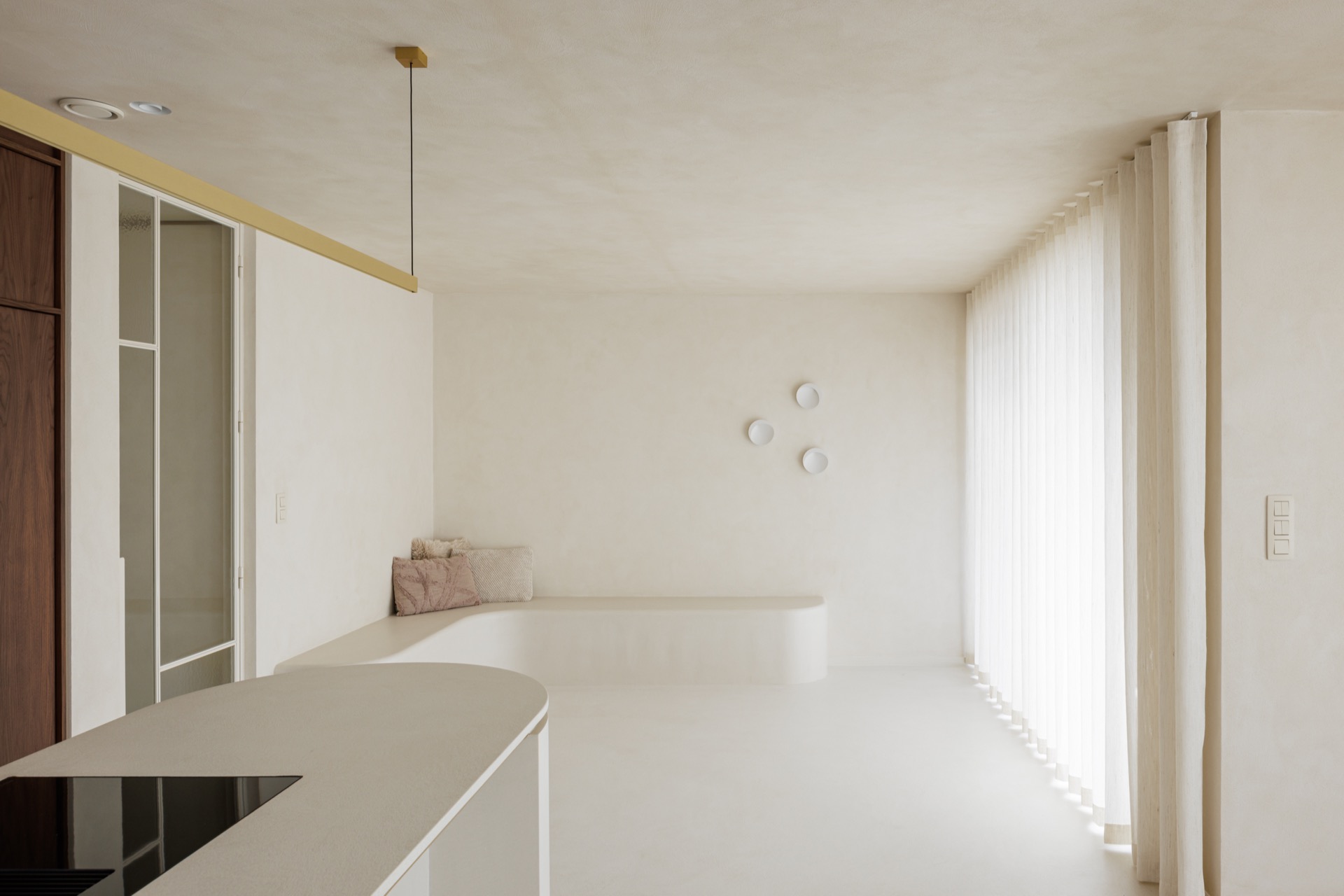
The interior decoration techniques is immediately visible in the way the project is framed. The floors flow uninterrupted into kitchen surfaces, where microtopping forms a smooth, fine-textured layer that evokes concrete without its coarseness. Its muted gray shades provide a neutral foundation beneath the warm tones of wooden panels framing the kitchen island. Brass accents trace edges subtly, offering a restrained contrast that punctuates the ensemble without overwhelming it.
interior decoration techniques as the architectural starting point
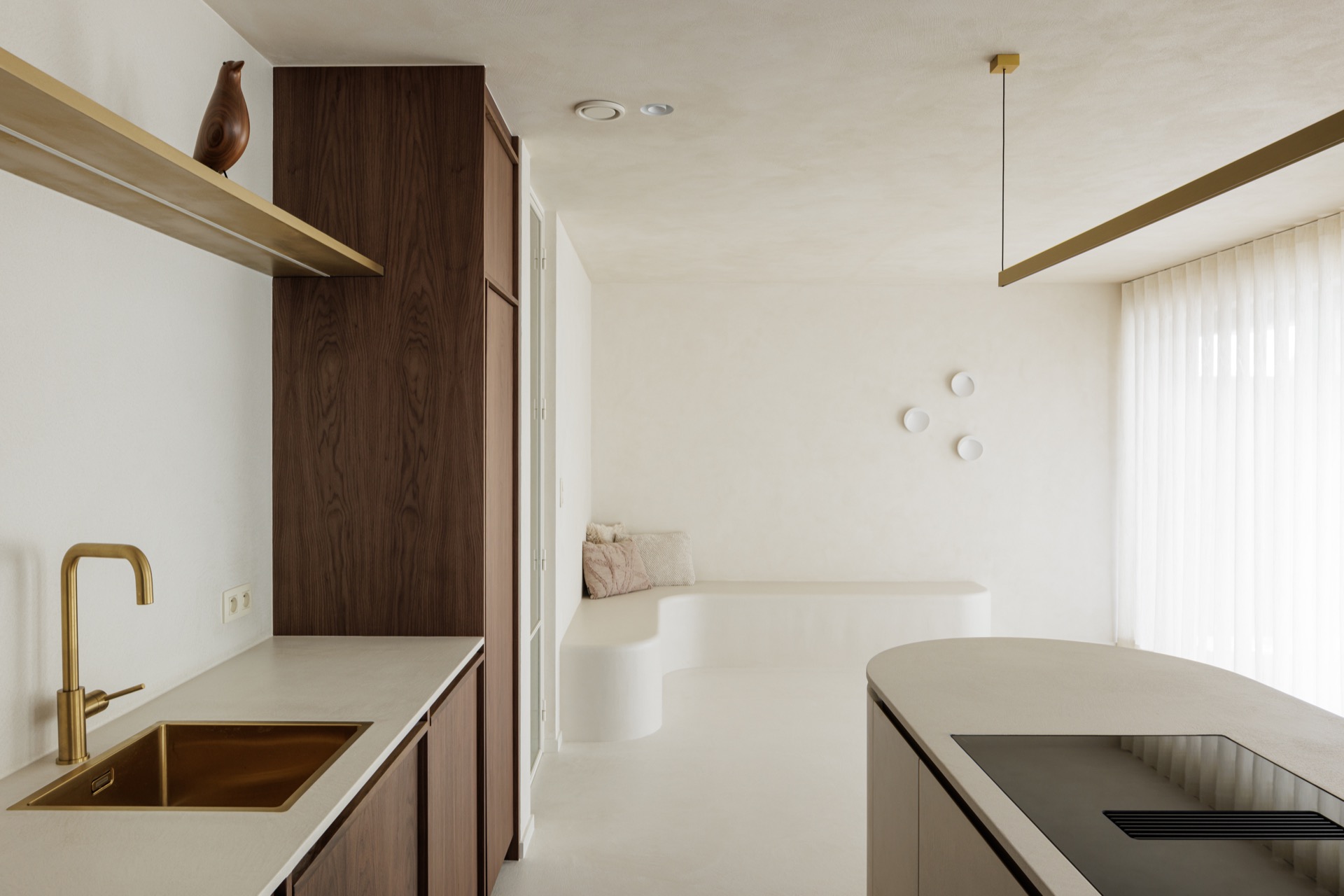
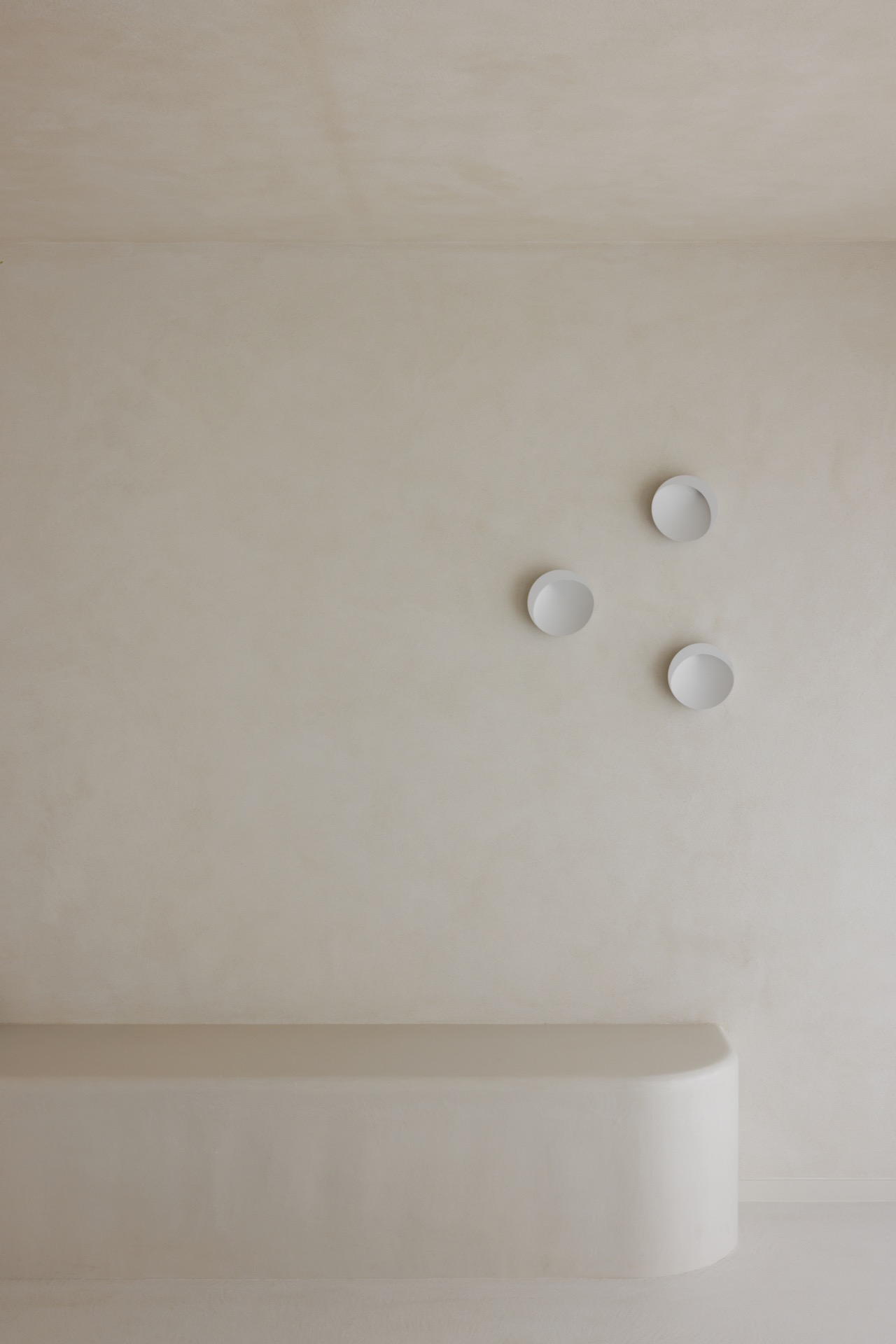
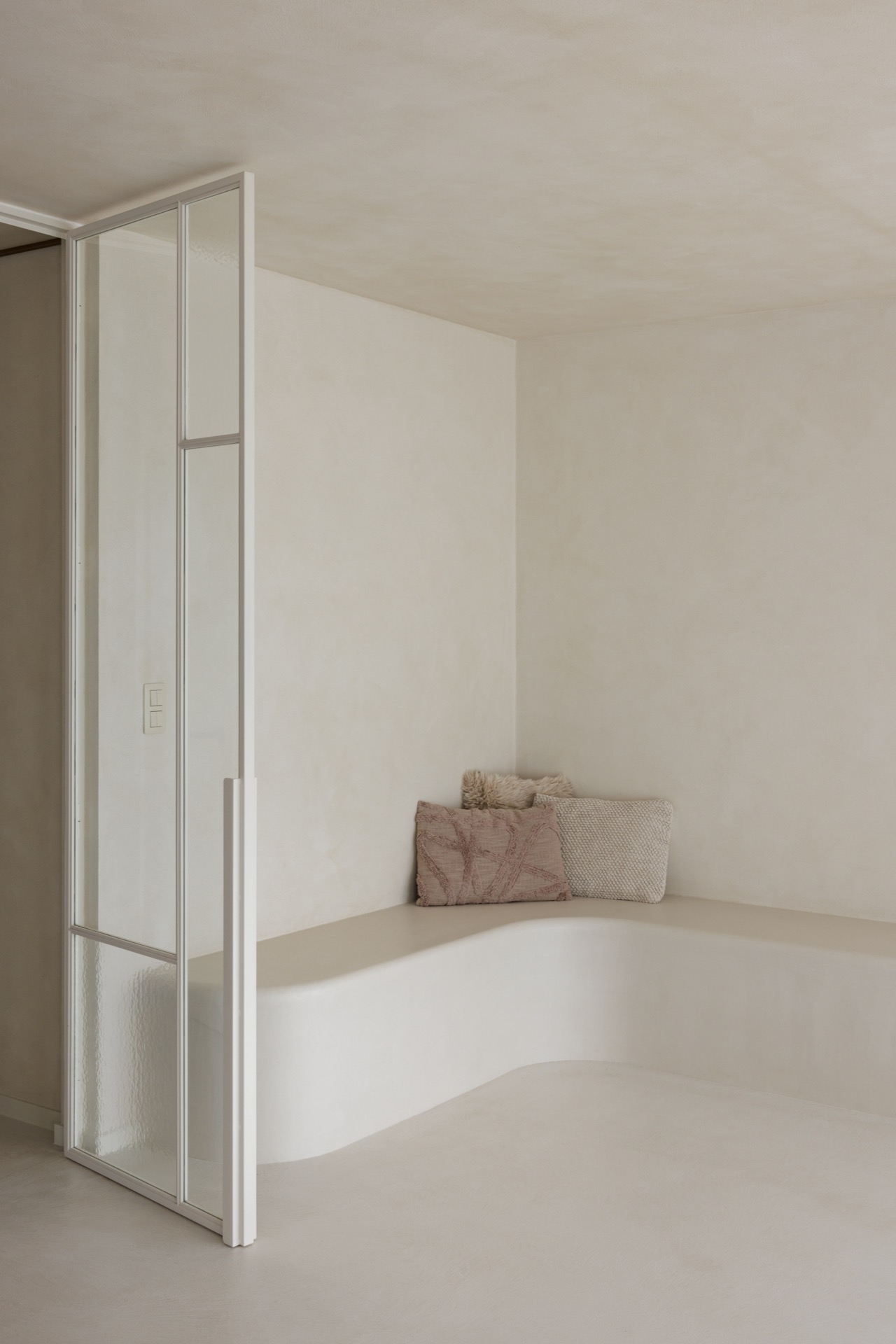
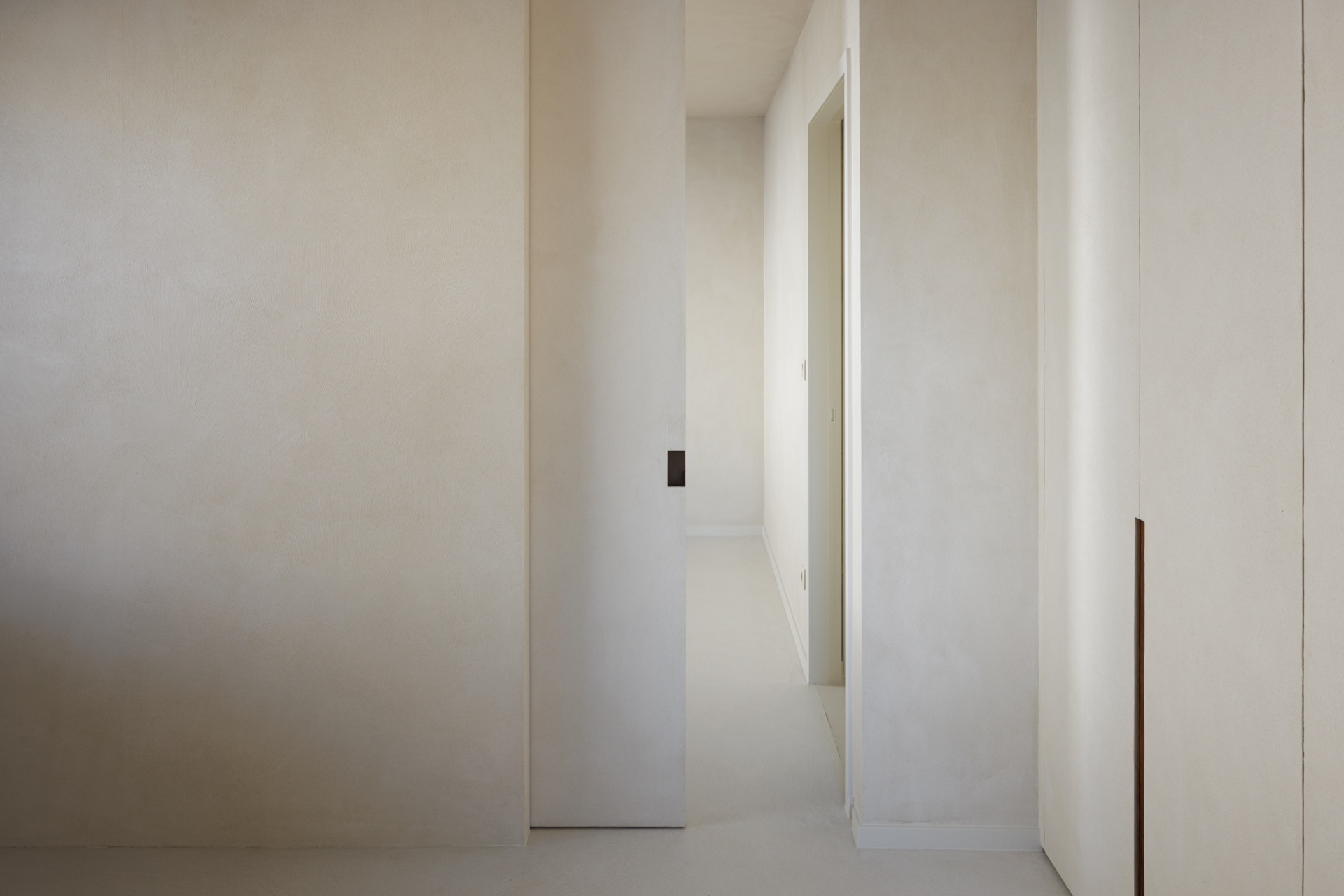
Microtopping continues seamlessly from the kitchen into adjoining living and workspace areas, softening transitions and creating spatial continuity. Its application diminishes visual interruptions, enabling an unbroken surface that guides circulation naturally. Vertical planes receive kalkpleister, a lime-based plaster with a matte, grainy finish; this offers a tactile counterpoint to microtopping’s smoother feel and clarifies the distinction between floors and walls without disrupting the material palette.
Bathroom Surfaces Integrate Texture and Durability
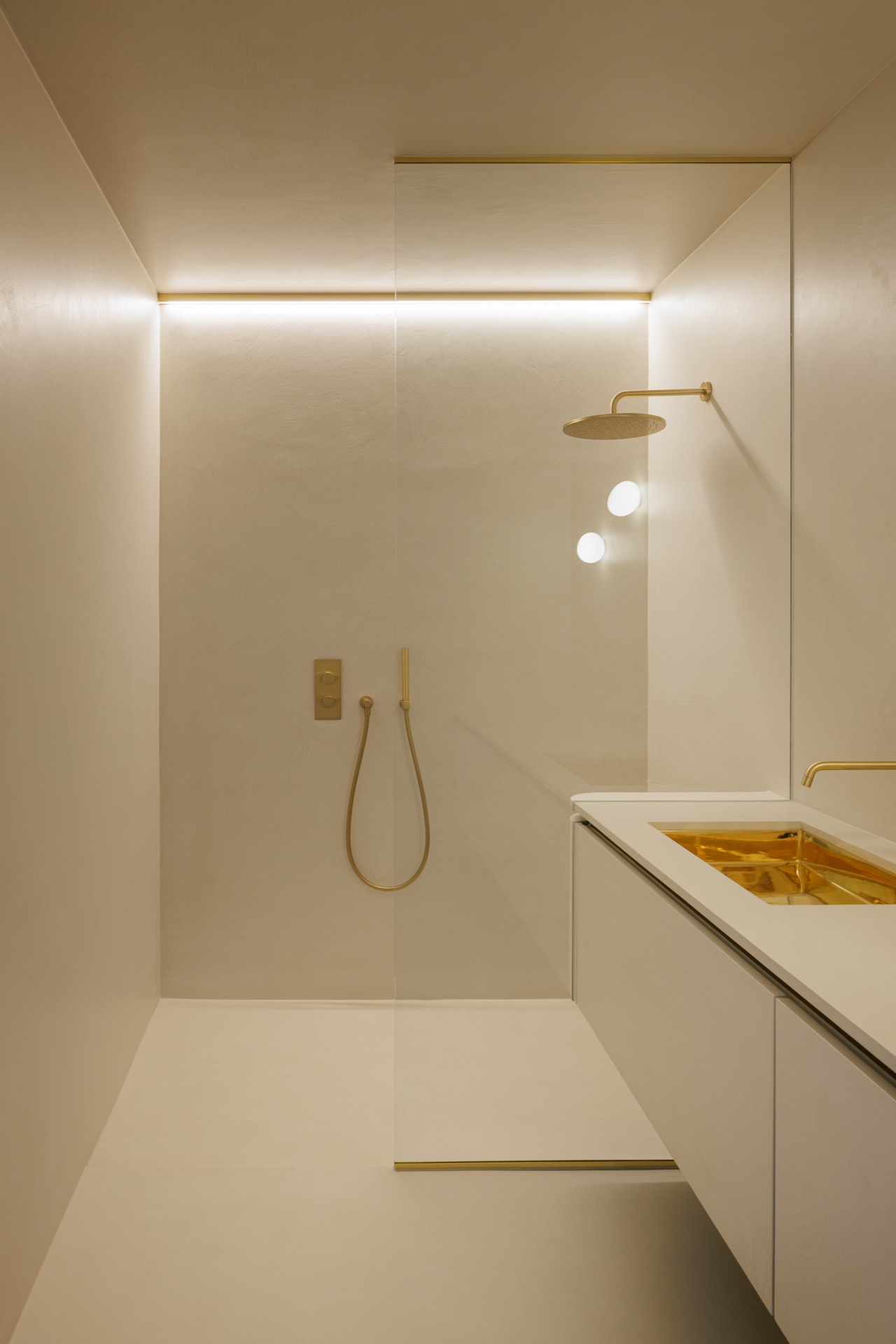
In bathrooms and toilets, microtopping envelops floors, walls, ceilings, and built-in furniture alike, delivering a consistent finish resistant to moisture and wear. Its subtle shifts in tone between horizontal and vertical sections add depth, while maintaining a cohesive look that simplifies these compact spaces. The continuous surface reduces seams, helping to neutralize the typically fragmented appearance of these rooms.
Fixture Details Reflect Material Choices
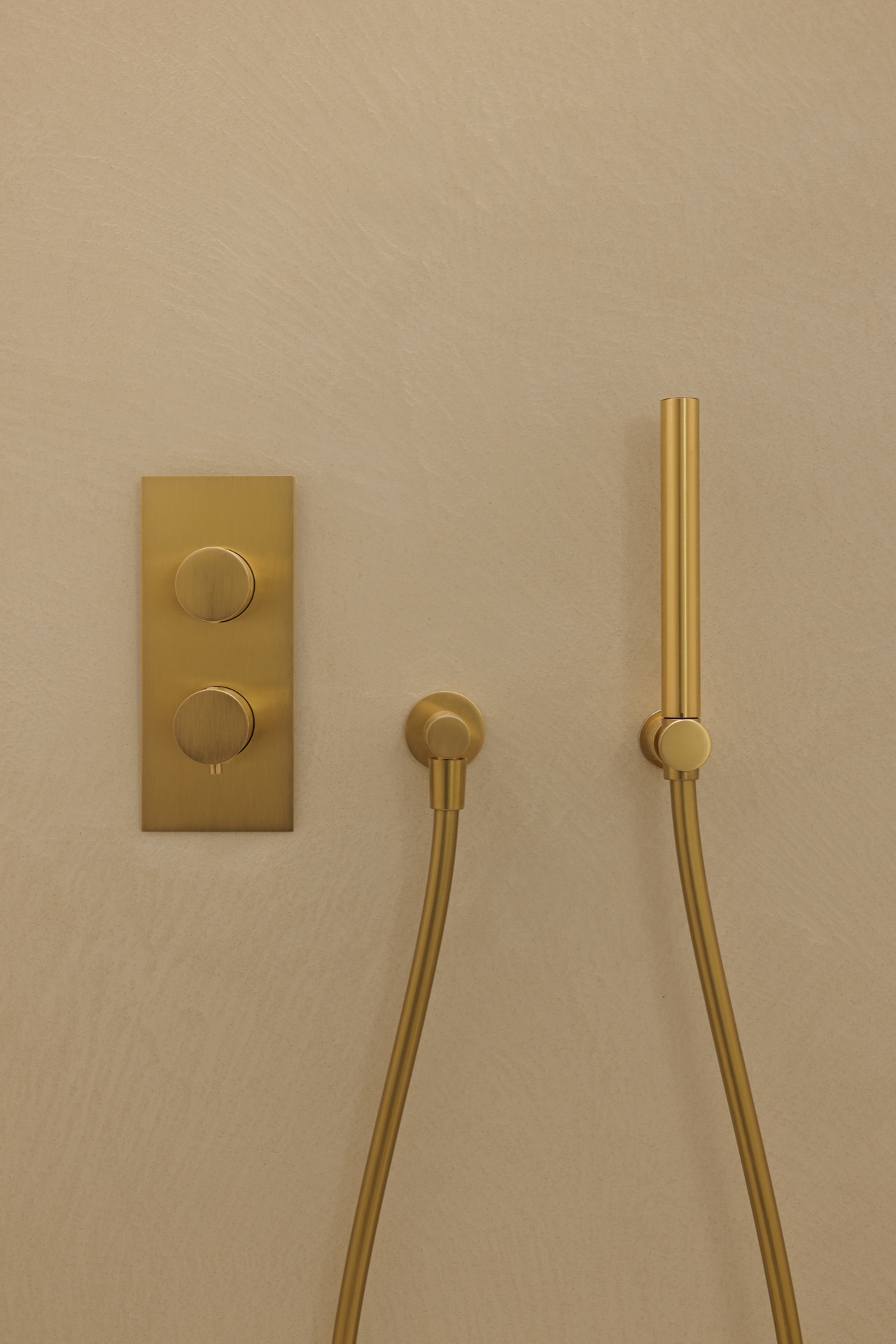
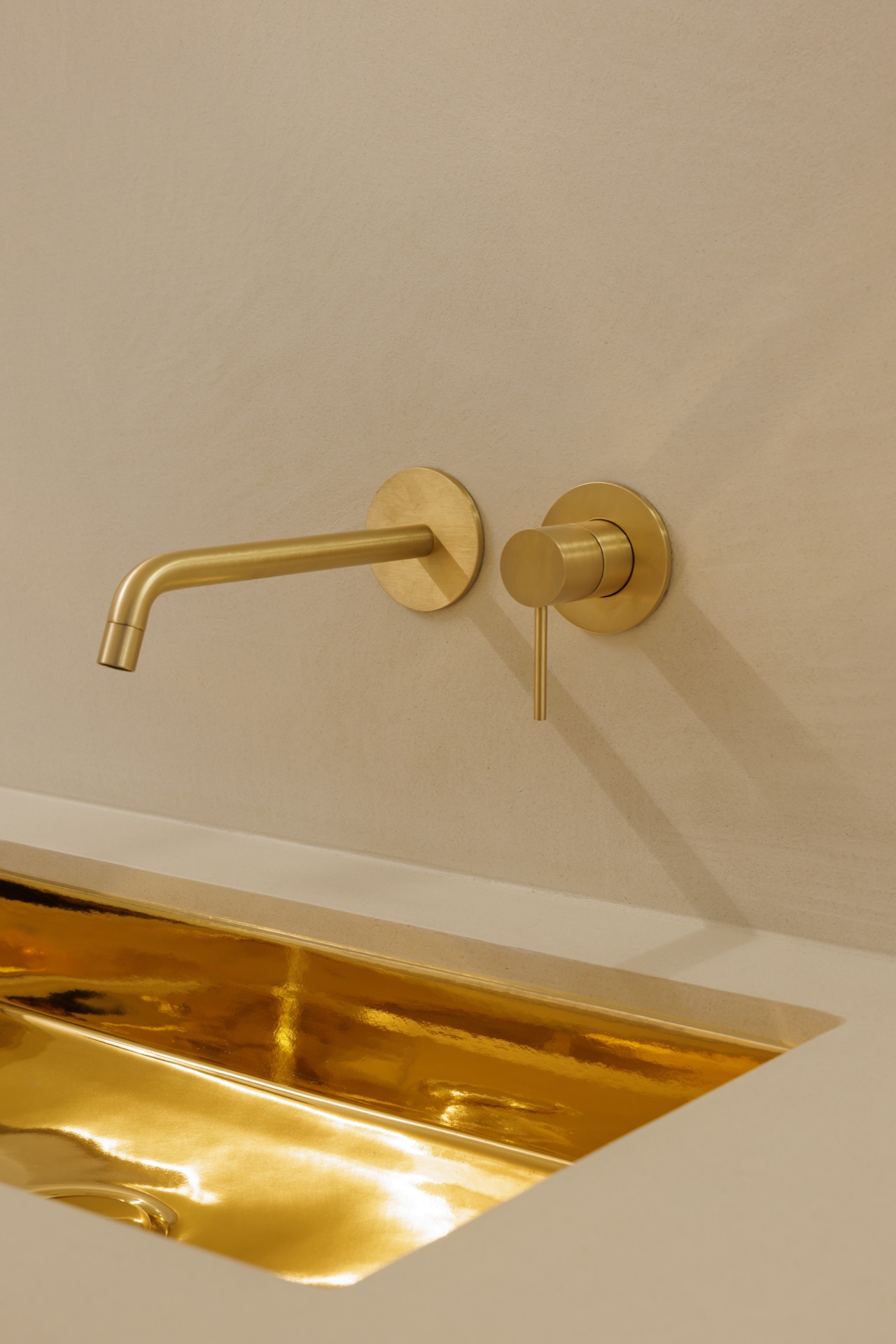
Sanitary installations adopt clean, uncomplicated profiles, their finishes echoing the brass touches found elsewhere in the interior. This restraint allows textures and materials to take precedence, enhancing the overall mood without introducing competing visual elements. Simplicity in fixtures supports the layered surface treatments and underscores practical use.
Natural Tones and Contrasts in Texture
The color scheme relies on cool gray microtopping surfaces balanced by kalkpleister’s soft beige. Wooden components in cabinetry and shelving interrupt these finishes with grain and warmth, adding subtle variation to the interior without shifting focus. Rather than contrasting colors, the design explores tactile difference and tonal modulation to define space.
Light Plays Across Materials
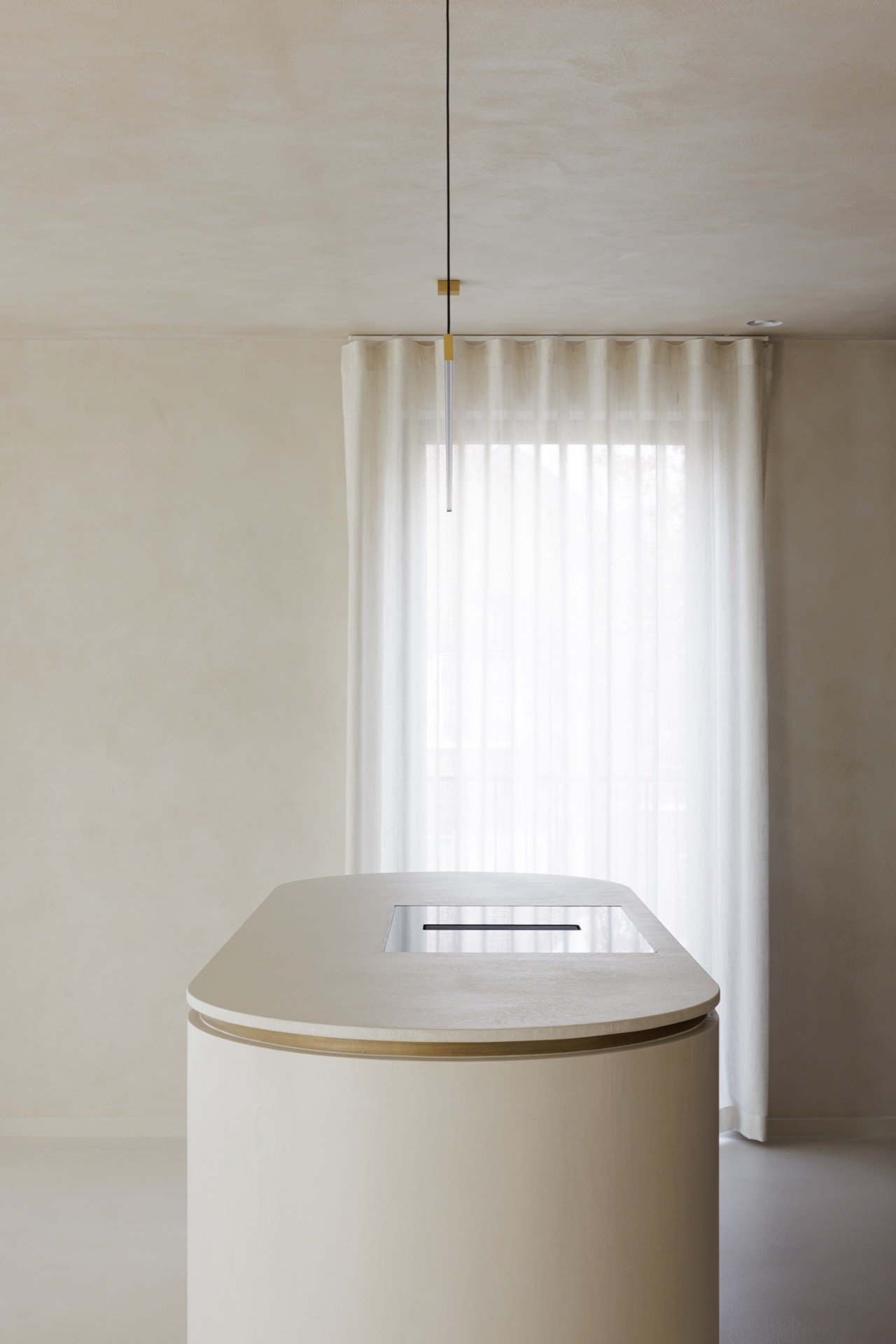
Filtered natural light creates soft shadows on the textured microtopping floors and kalkpleister walls, revealing their relief and granularity. Artificial lighting emphasizes these qualities further through strategic placement that highlights surface undulations and material transitions. This approach makes texture integral to both perception and experience within the rooms.
Material Boundaries Mark Functional Changes
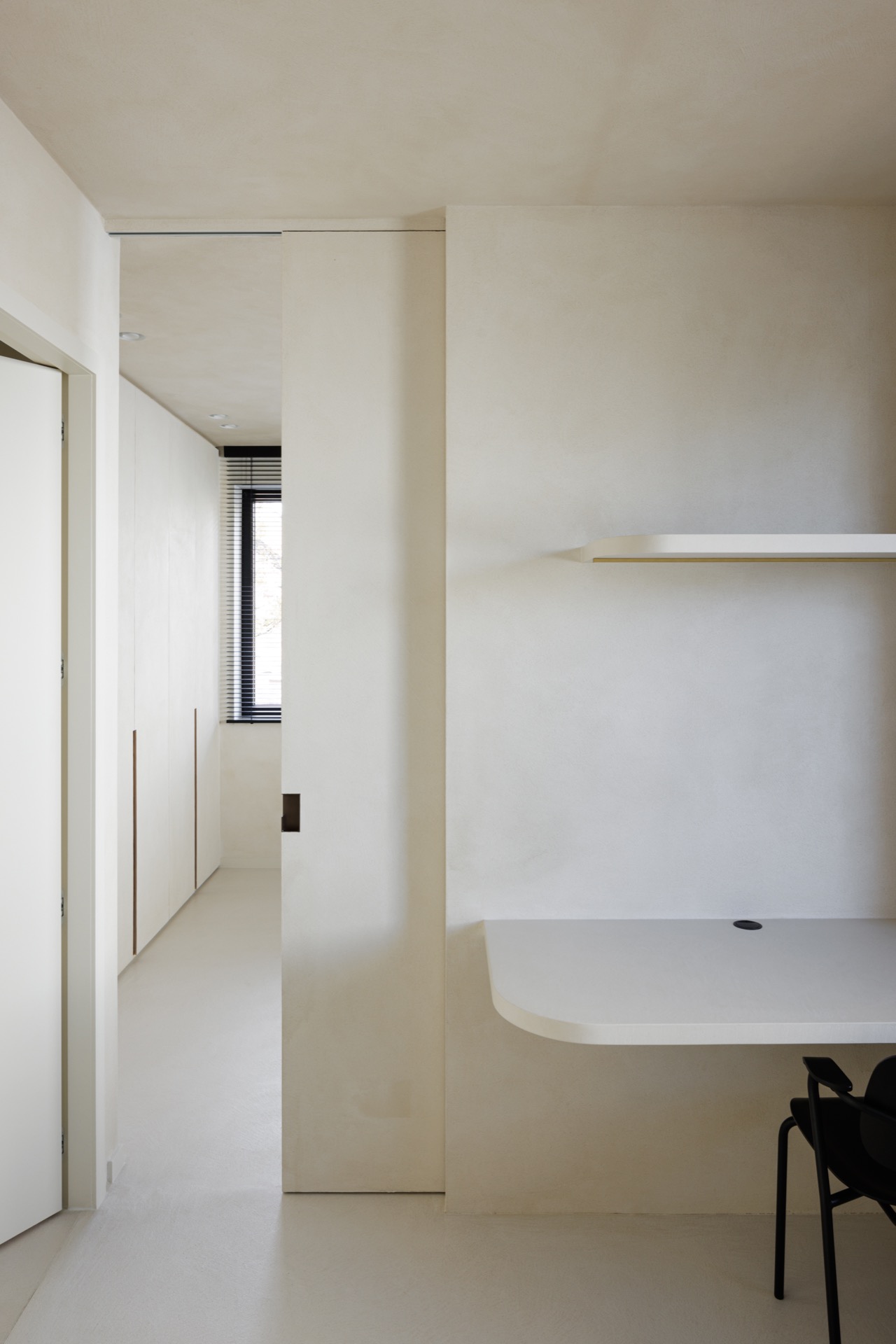
Where microtopping meets wooden staircases and furniture edges, the transition signals shifts in use and ambiance. Wood introduces warmth through visible grain, contrasting gently with the matte firmness of microtopping. Brass fittings define these junctures discreetly, accentuating edges without drawing undue attention.
Resilience Suited to Everyday Use
Microtopping’s durability shows in areas of frequent contact such as kitchen counters and bathroom units, where its resistance to abrasion and moisture helps maintain appearance over time. Kalkpleister contributes breathability to wall surfaces, enhancing air circulation and simplifying upkeep while complementing microtopping’s robustness on horizontal planes.
Repeated Application Supports Spatial Flow
The consistent use of microtopping and kalkpleister across rooms establishes a rhythm that guides movement and reduces abrupt visual changes. This repetition forges a subtle narrative of texture and tone throughout the interior, enabling individual spaces to maintain identity while remaining part of an overall composition. That makes the interior decoration techniques part of the architectural character rather than a loose finish.
Wood Elements Introduce Texture and Variation
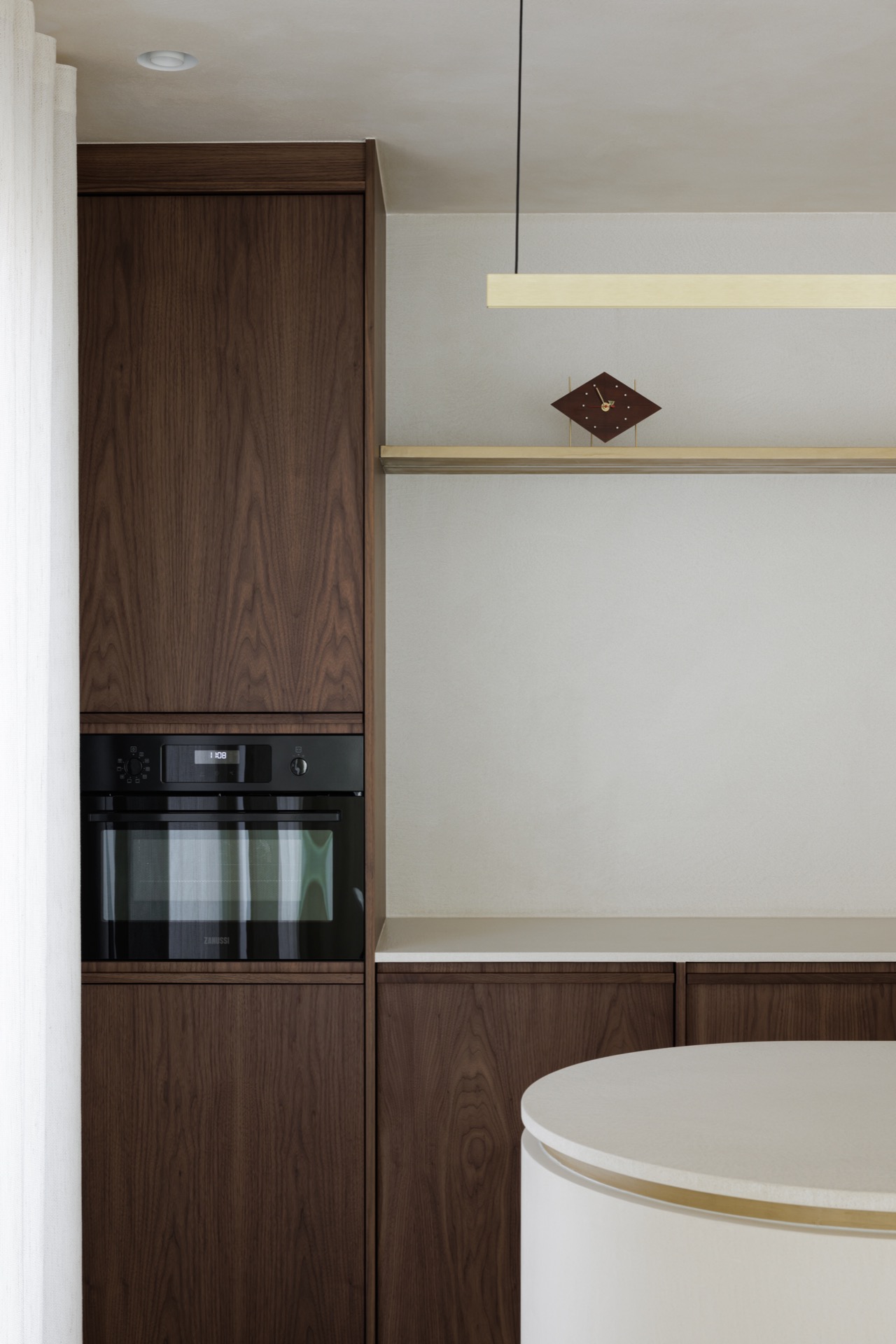
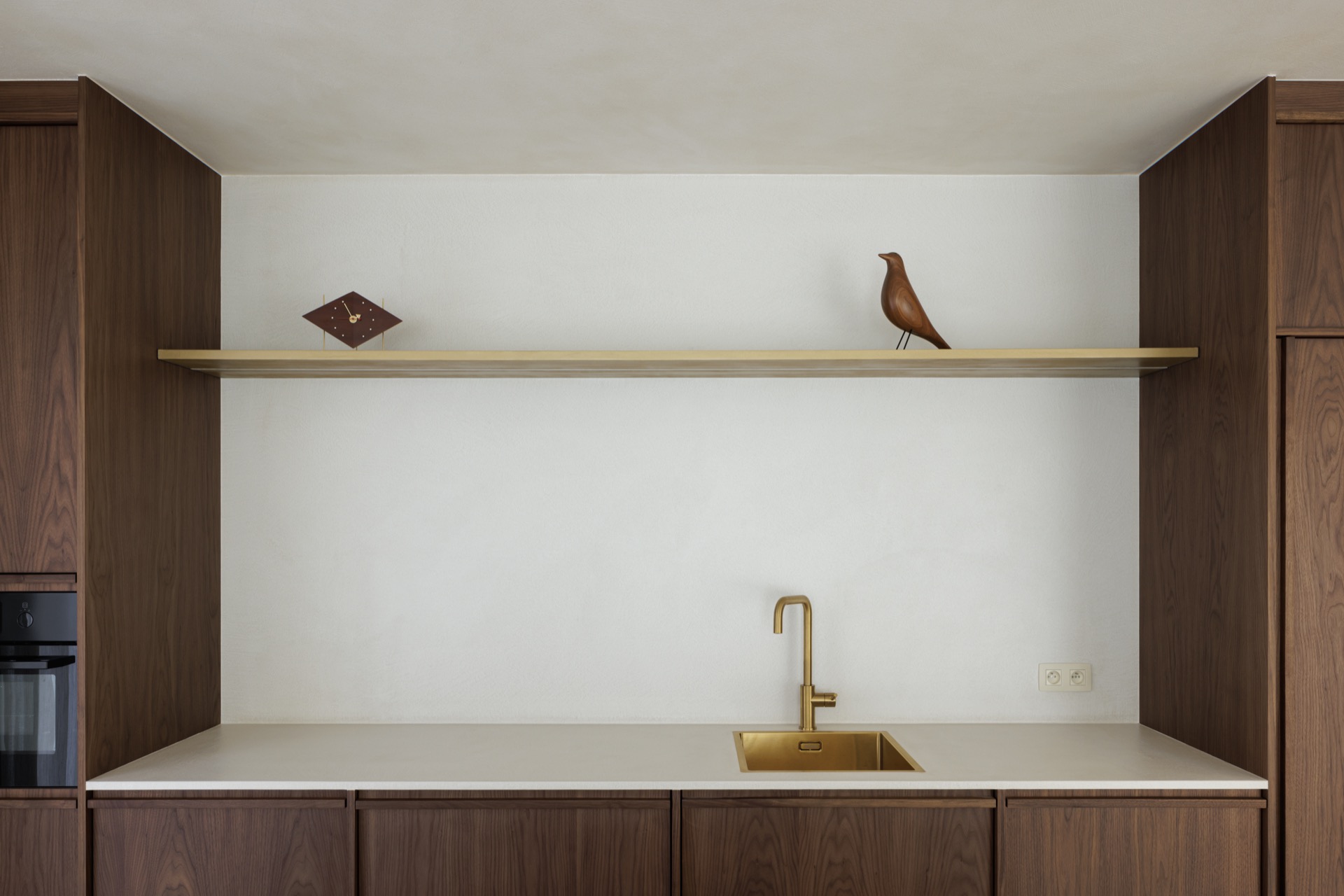
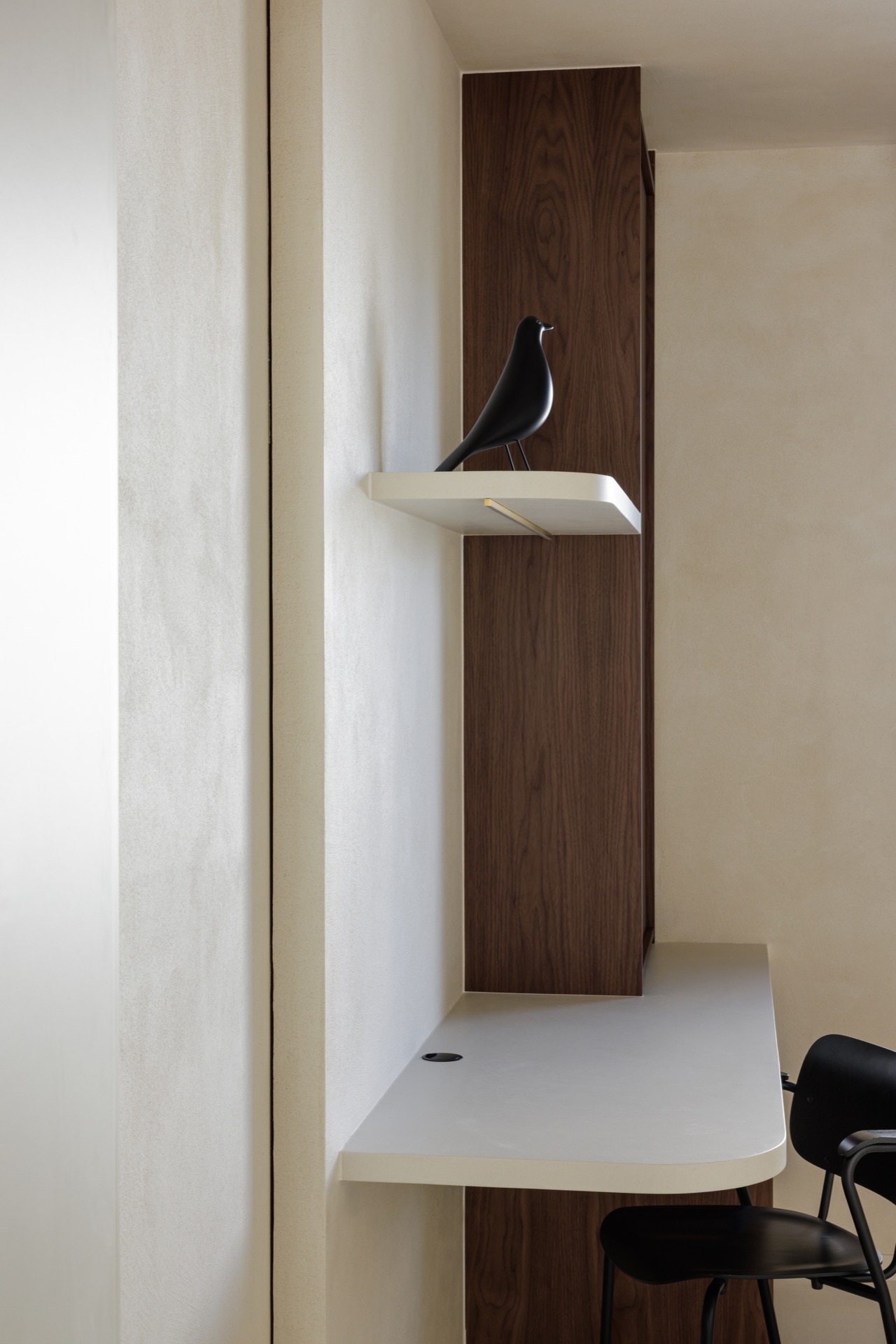
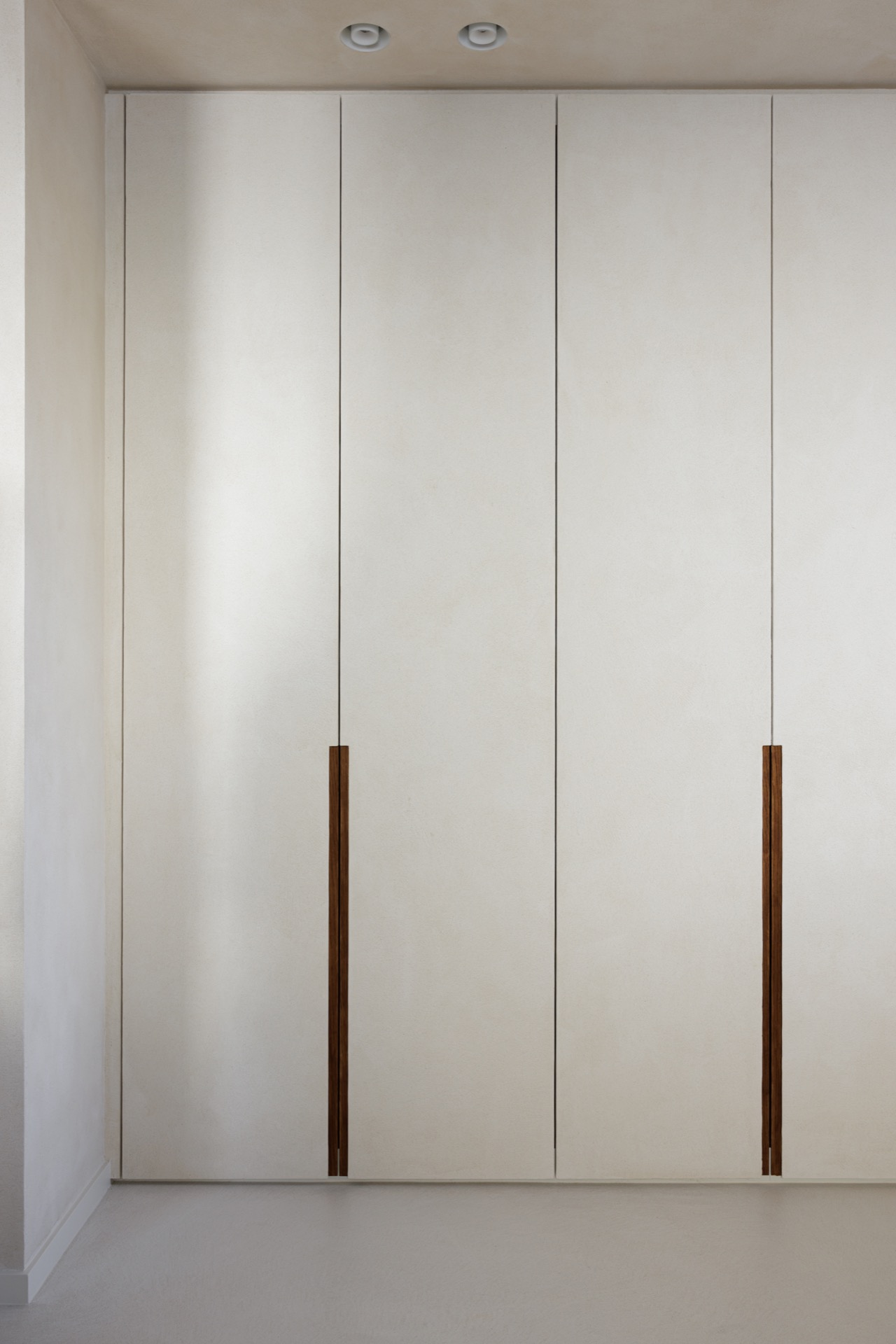
Wood surfaces appear in cabinetry and shelving, their grain and joints providing tactile contrast to smooth microtopping. Minimalist design with flush fronts and concealed hardware reinforces material focus, while the natural variations in wood contribute depth without interrupting spatial clarity.
Subtle Metal Highlights Integrate Details
Brass fittings appear sparingly as hardware and edge details, their muted shine offering gentle visual punctuation. These accents provide definition where materials meet, harmonizing with the interior’s restrained palate and complementing the texture-rich surfaces without imposing visually.
Material Interaction Captured in Imagery
Photographs reveal the interplay of light and texture, emphasizing microtopping’s fine relief alongside kalkpleister’s grainy softness. Shadows articulate spatial volume and surface transitions, imparting a sense of tactility and depth that reinforces the interior’s material emphasis without ornamental distractions.
Material Strategy Shapes Atmosphere
The project demonstrates how combining microtopping and kalkpleister creates a durable, breathable enclosure that adapts to functional needs across kitchen, bathroom, and living spaces. Layering these surfaces with natural wood and select metal details forms a textured, measured environment defined by subtle color shifts and tactile richness.
Uniform Surface Treatment Enhances Spatial Cohesion
Extending microtopping beyond wet areas to living and sleeping spaces produces a continuous, simplified surface that clarifies spatial relations. This approach reduces visual breaks and reinforces the layout by balancing texture and tone uniformly.
Microtopping’s Role in Moisture Management
Applied over various substrates in the bathroom, microtopping serves both aesthetic and protective purposes. Its thin, consistent layer preserves detailed forms while resisting humidity, making it suitable for walls, ceilings, floors, and fixtures alike without disrupting the ambient coherence.
Complementary Plaster and Natural Materials
Kalkpleister’s matte plaster finish on walls and ceilings adds a grainy dimension that contrasts with microtopping’s smoother planes. Together with wooden elements, these materials create a tactile interplay that grounds the overall design. Metallic accents provide refined detailing without overpowering the material narrative.
Lighting Designed to Reveal Material Qualities
The placement of lighting fixtures emphasizes differences among materials and highlights spatial scale. Direct lighting accentuates microtopping’s texture on both horizontal and vertical surfaces, while softer ambient sources enhance the subtle matte of kalkpleister. This layered lighting approach clarifies texture and space, supporting the minimalist architectural language present throughout. That makes the interior decoration techniques part of the architectural character rather than a loose finish.
Want to see more of Tint Decoratie? View the page of Tint Decoratie for even more great projects and company information.

.png)
NEW 2026 Jubileum Edition The Best Interior Designers Benelux
Order Now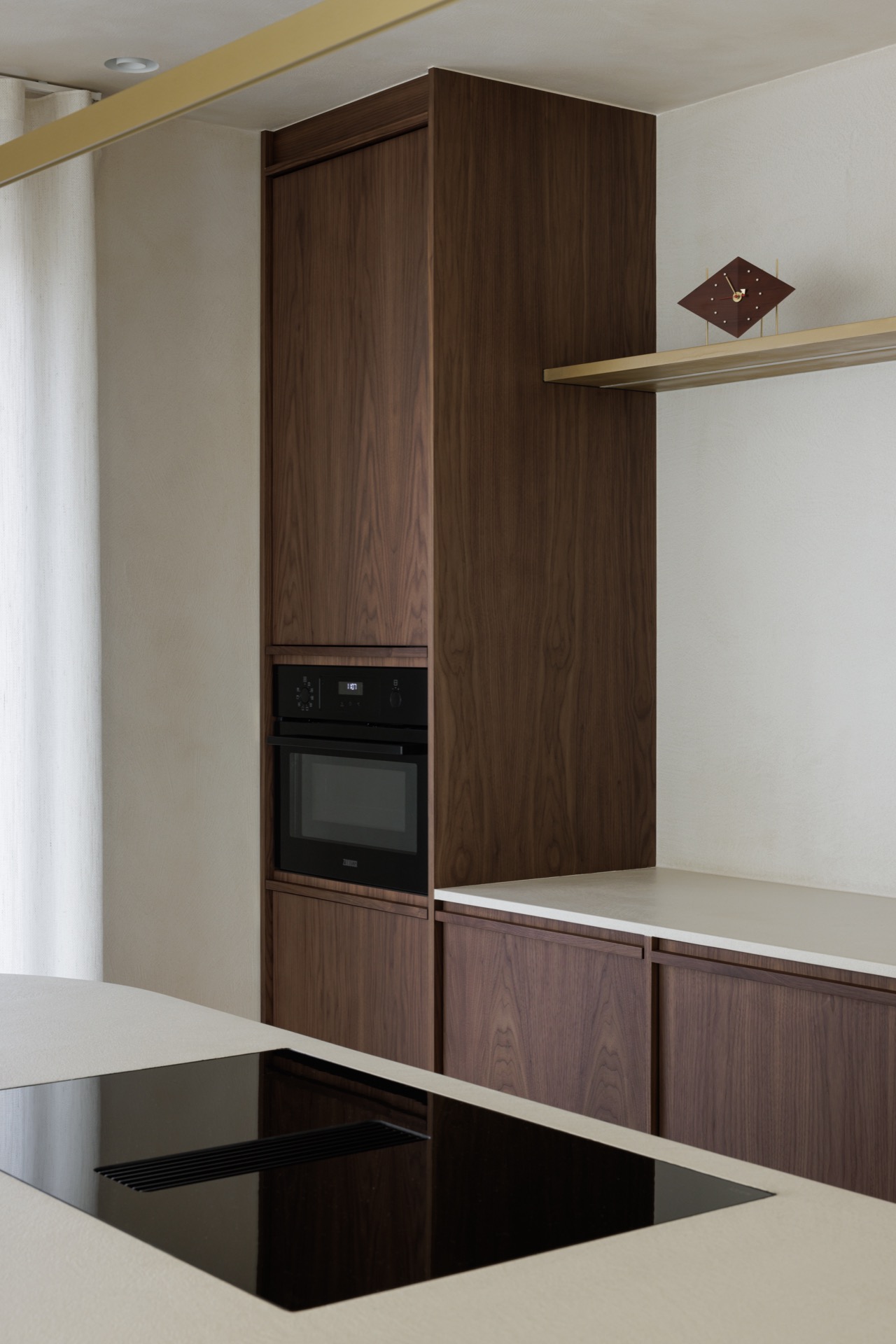
NEW 2026 Jubileum Edition The Best Interior Designers Benelux
Order Now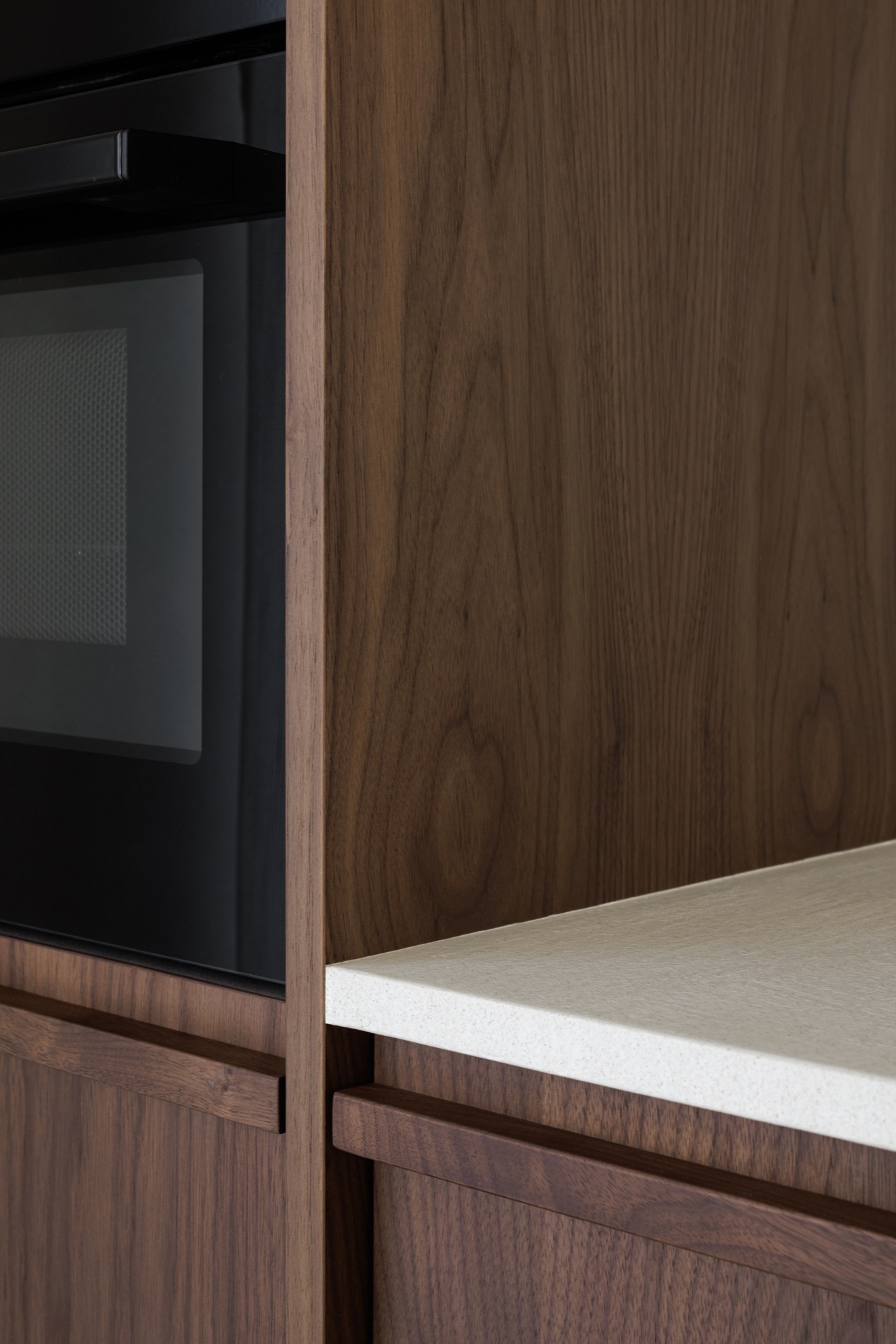
NEW 2026 Jubileum Edition The Best Interior Designers Benelux
Order Now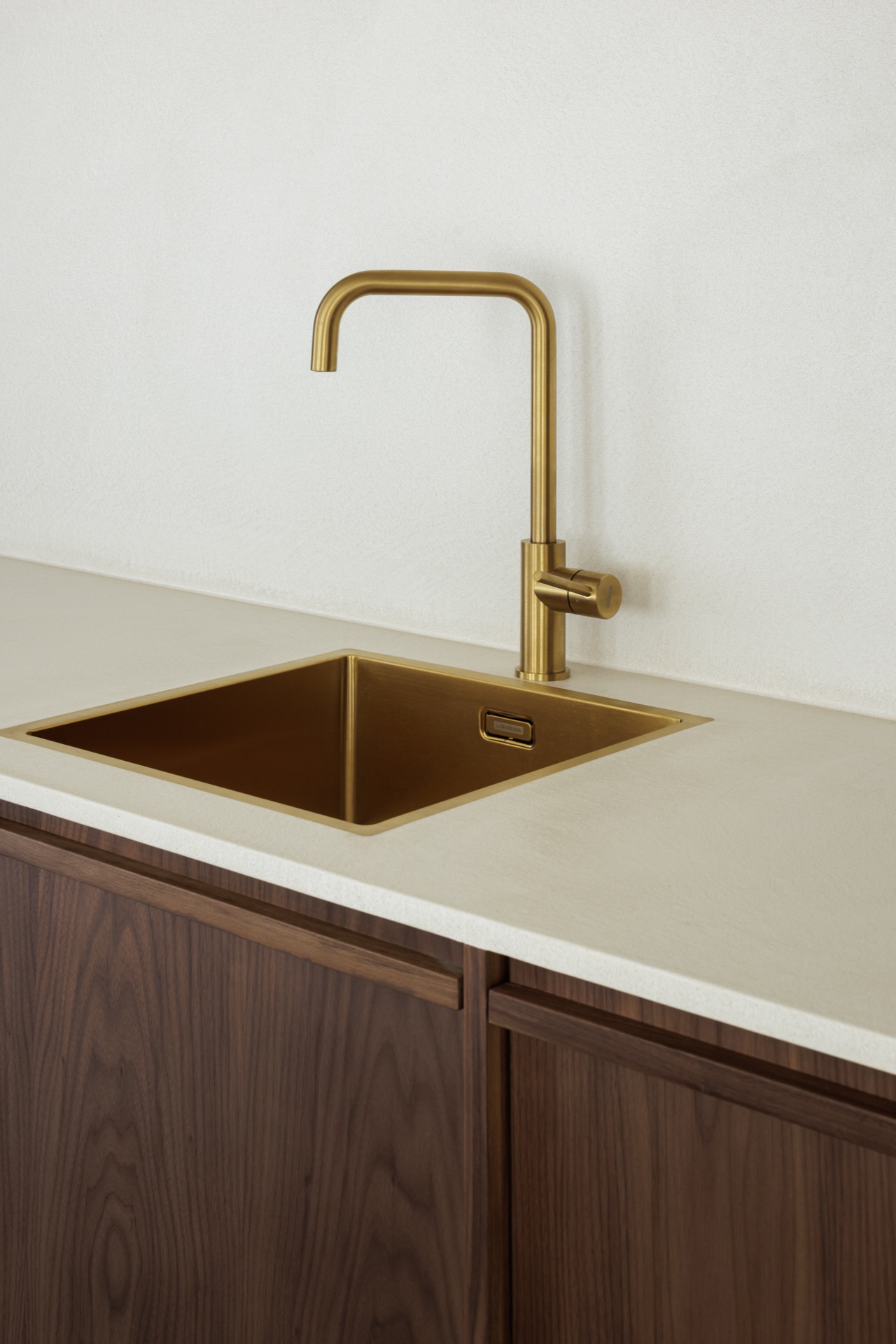
NEW 2026 Jubileum Edition The Best Interior Designers Benelux
Order Now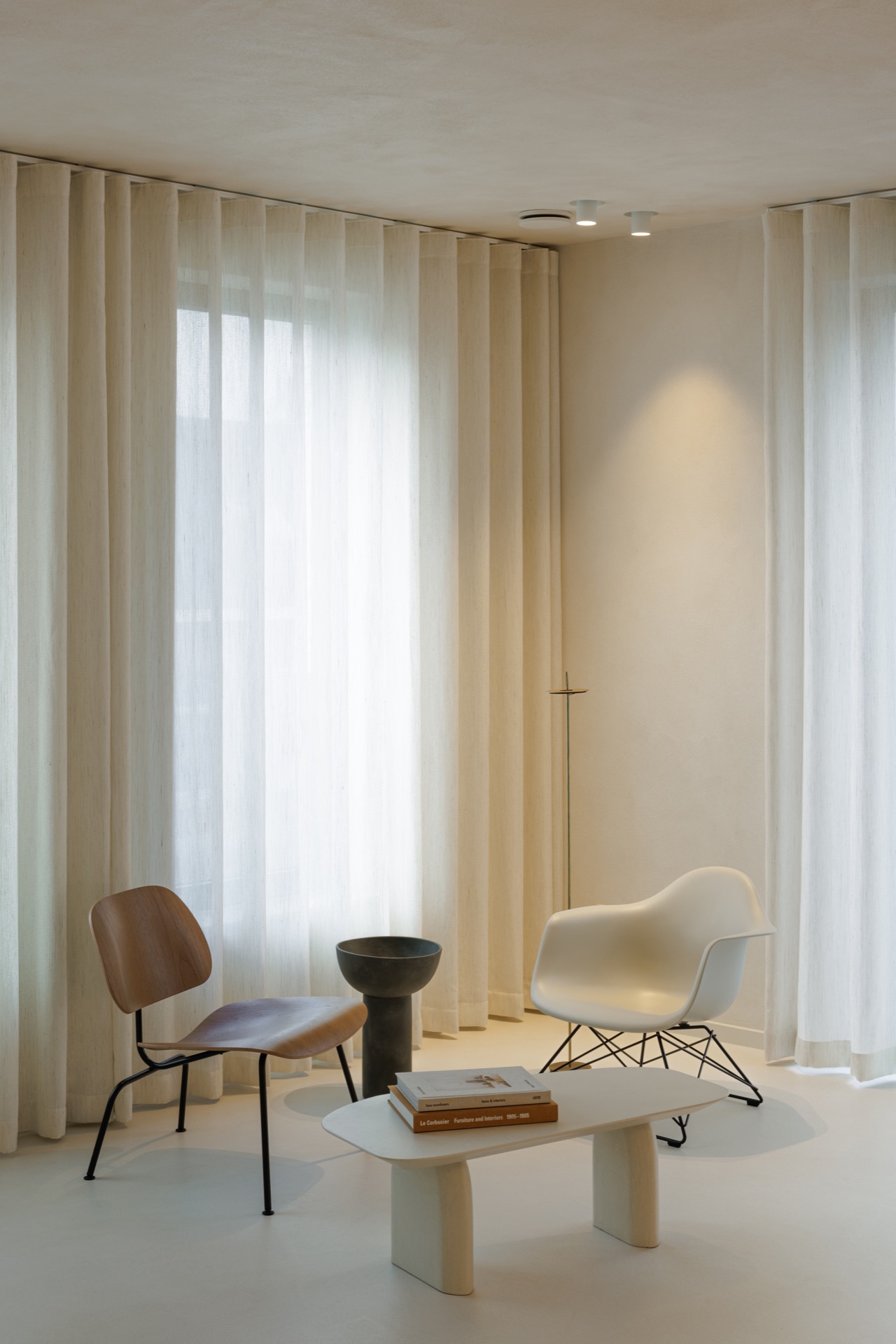
NEW 2026 Jubileum Edition The Best Interior Designers Benelux
Order Now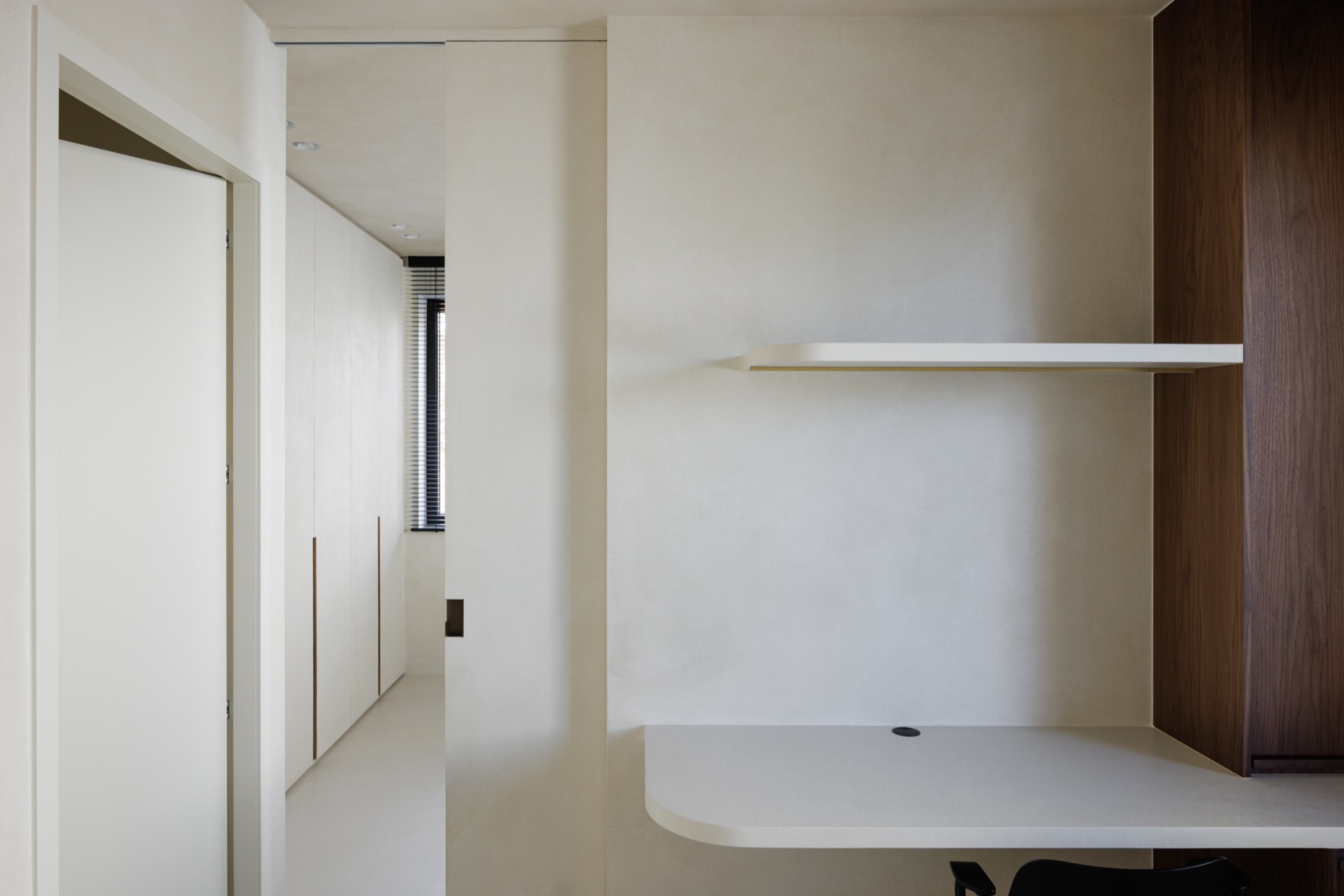
NEW 2026 Jubileum Edition The Best Interior Designers Benelux
Order Now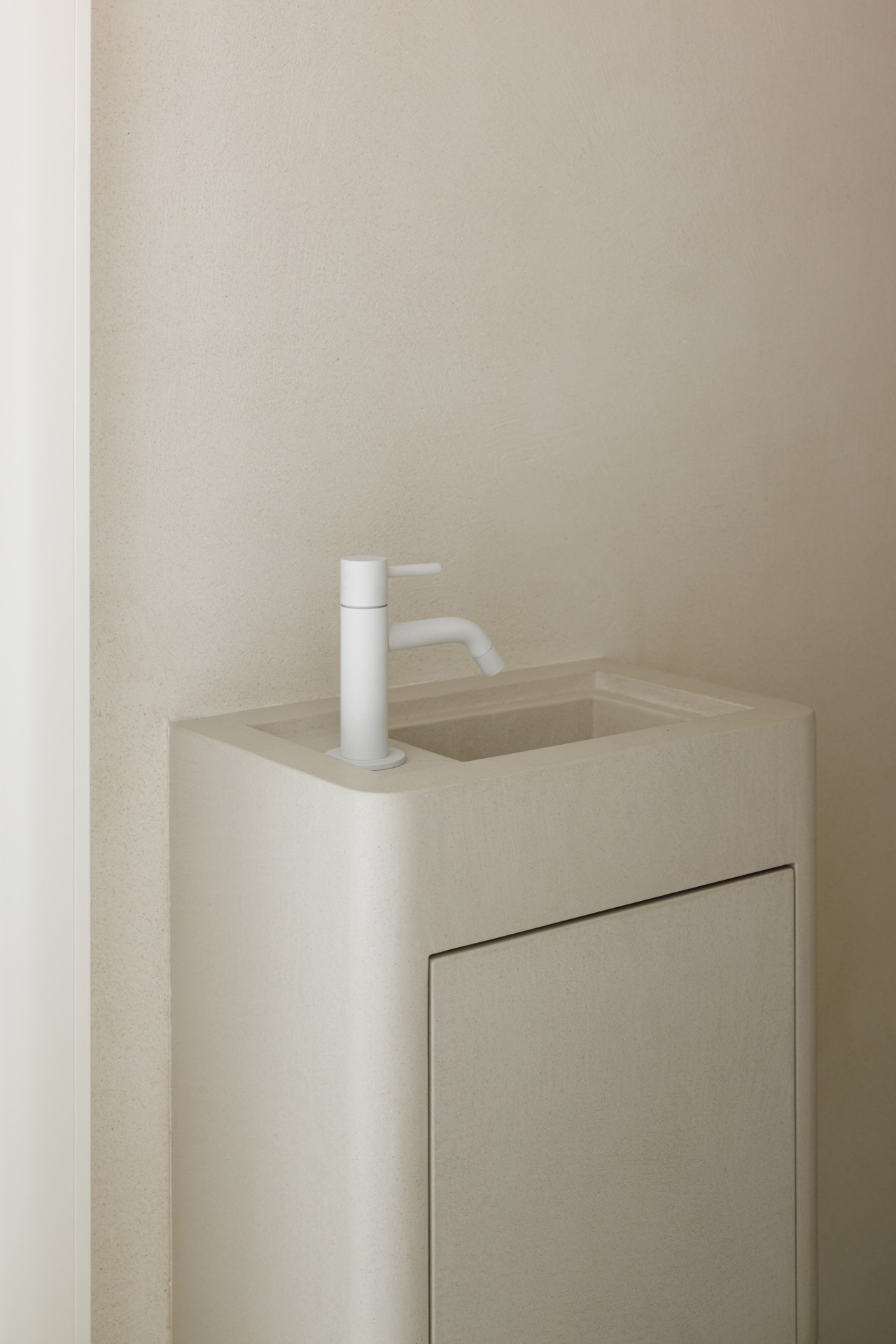
NEW 2026 Jubileum Edition The Best Interior Designers Benelux
Order Now