





Modern interieur met traditionele materiaalelementen
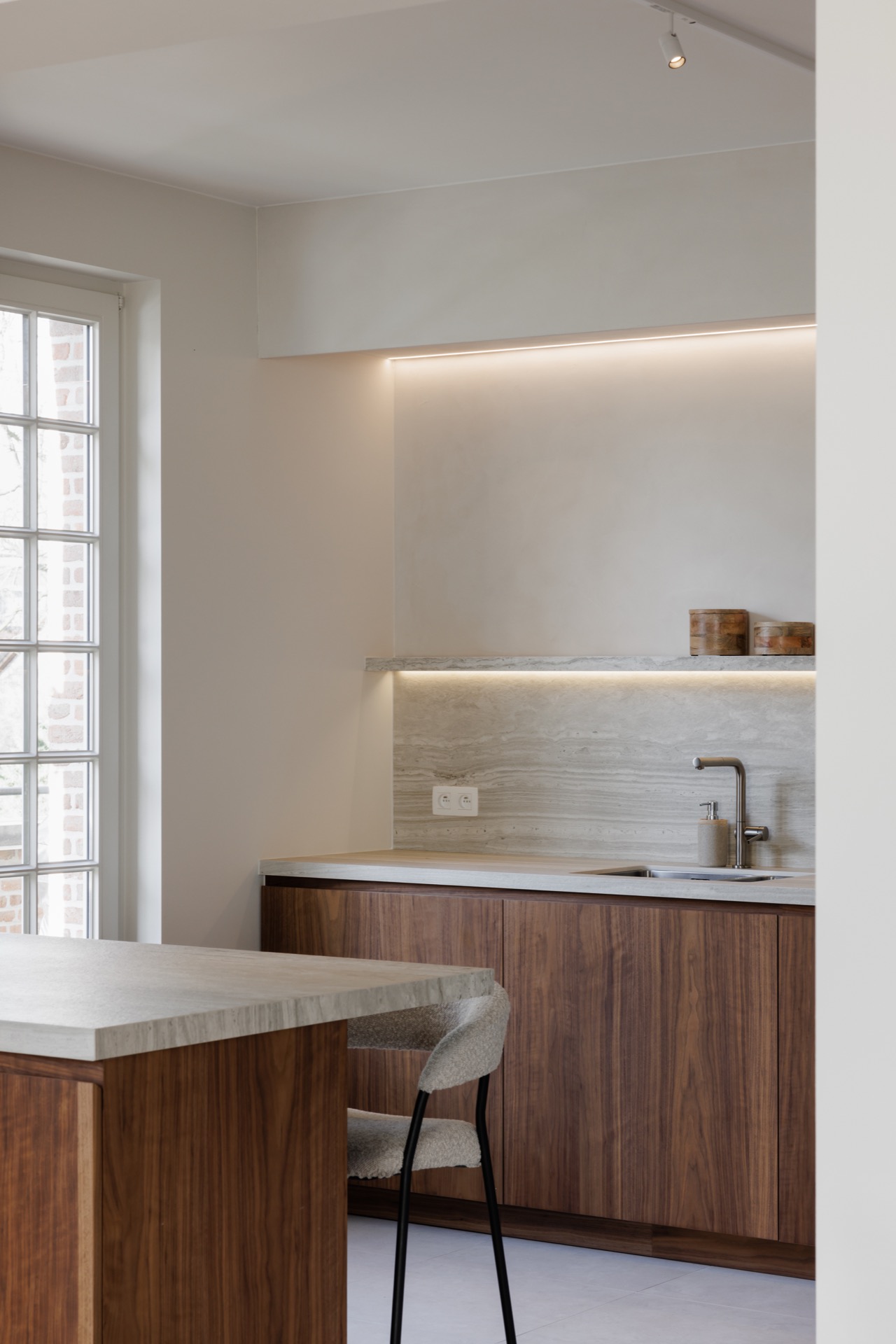
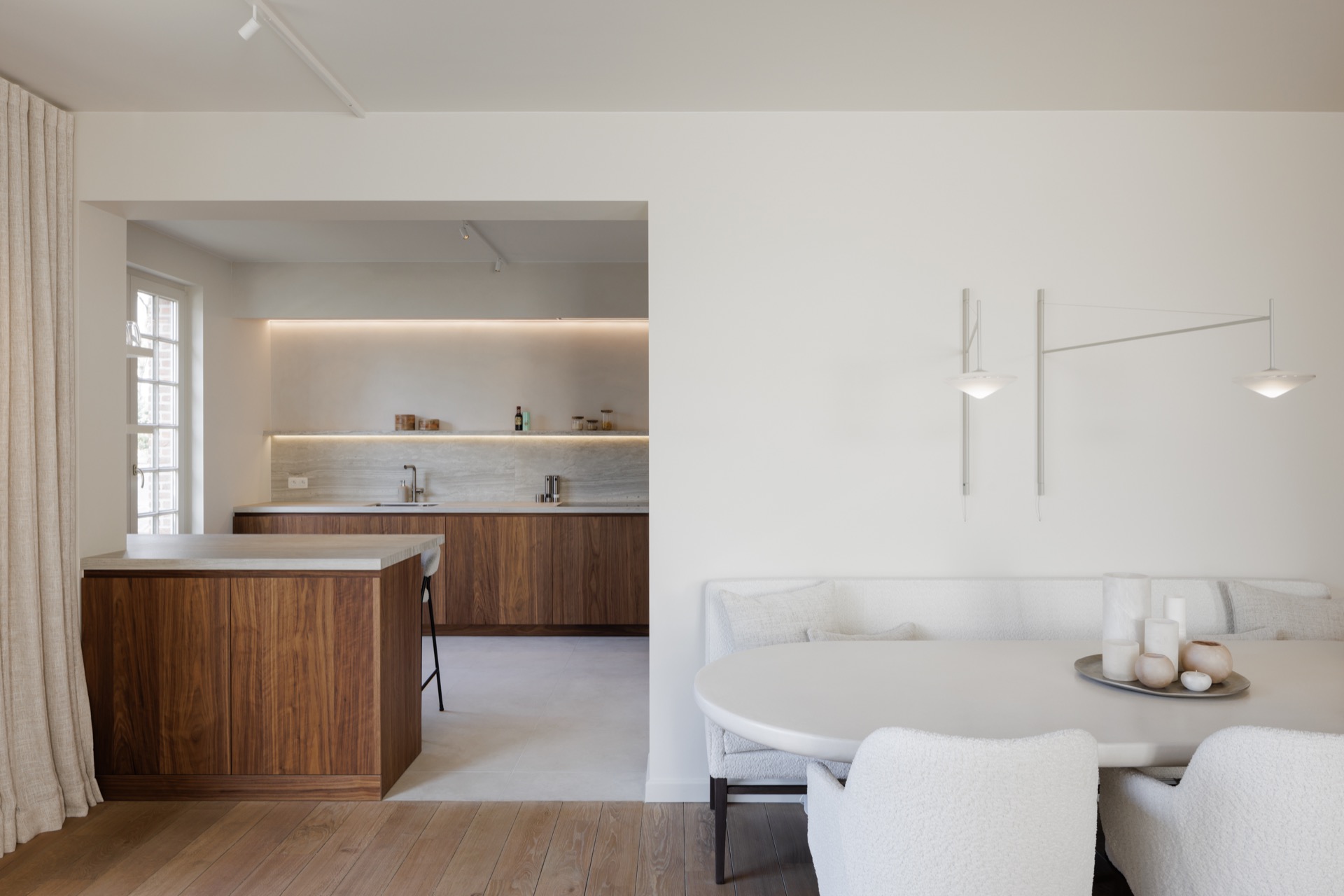
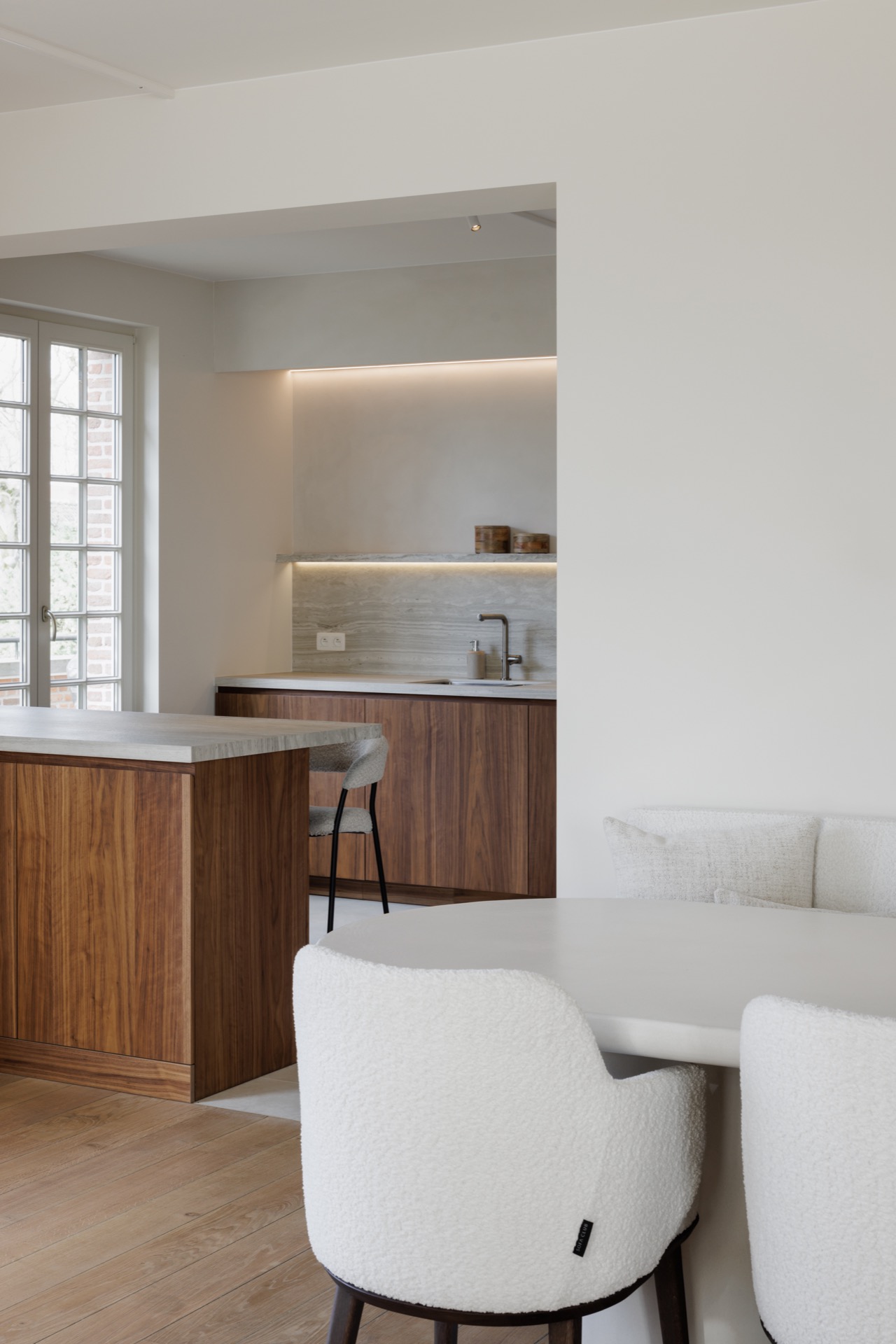
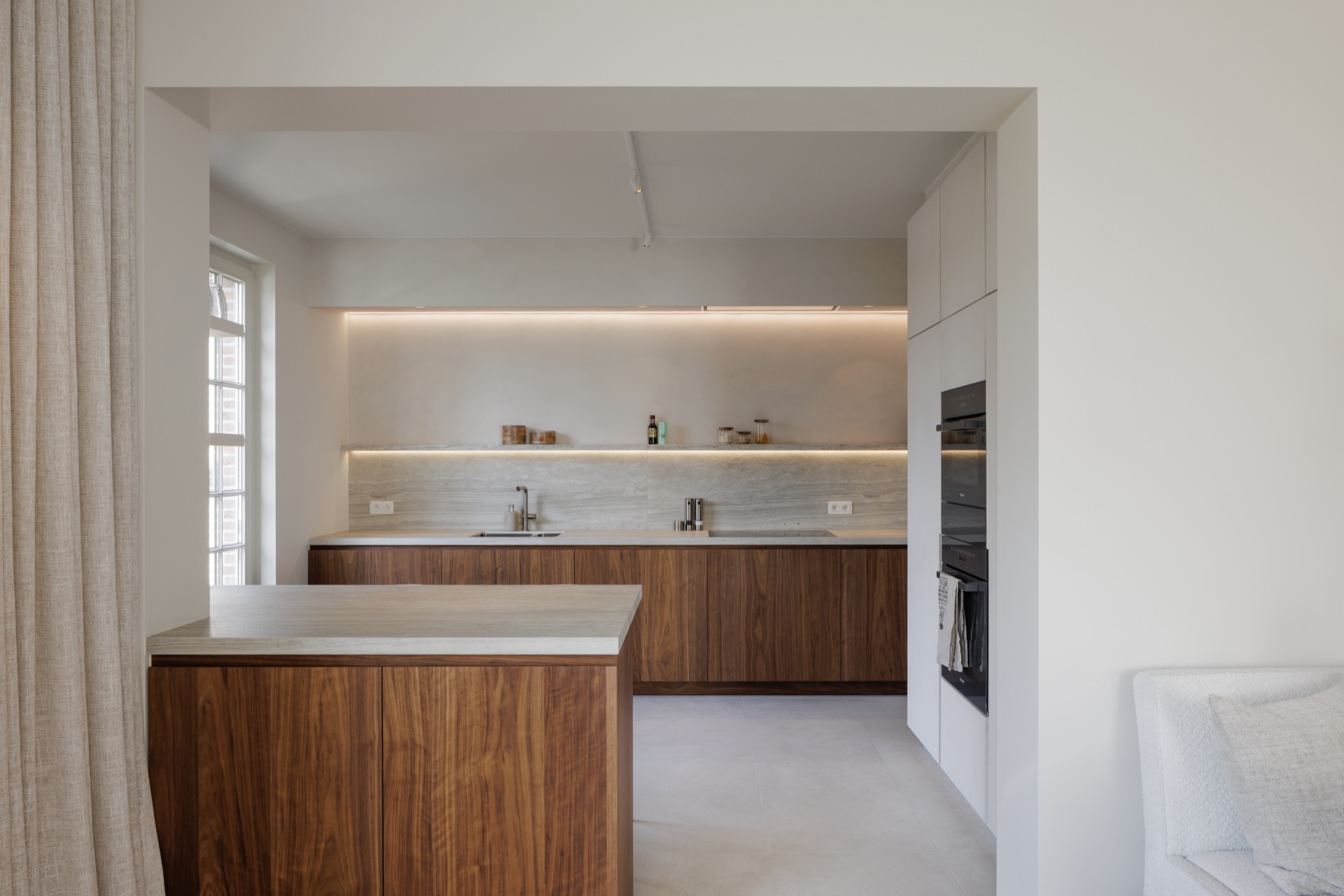
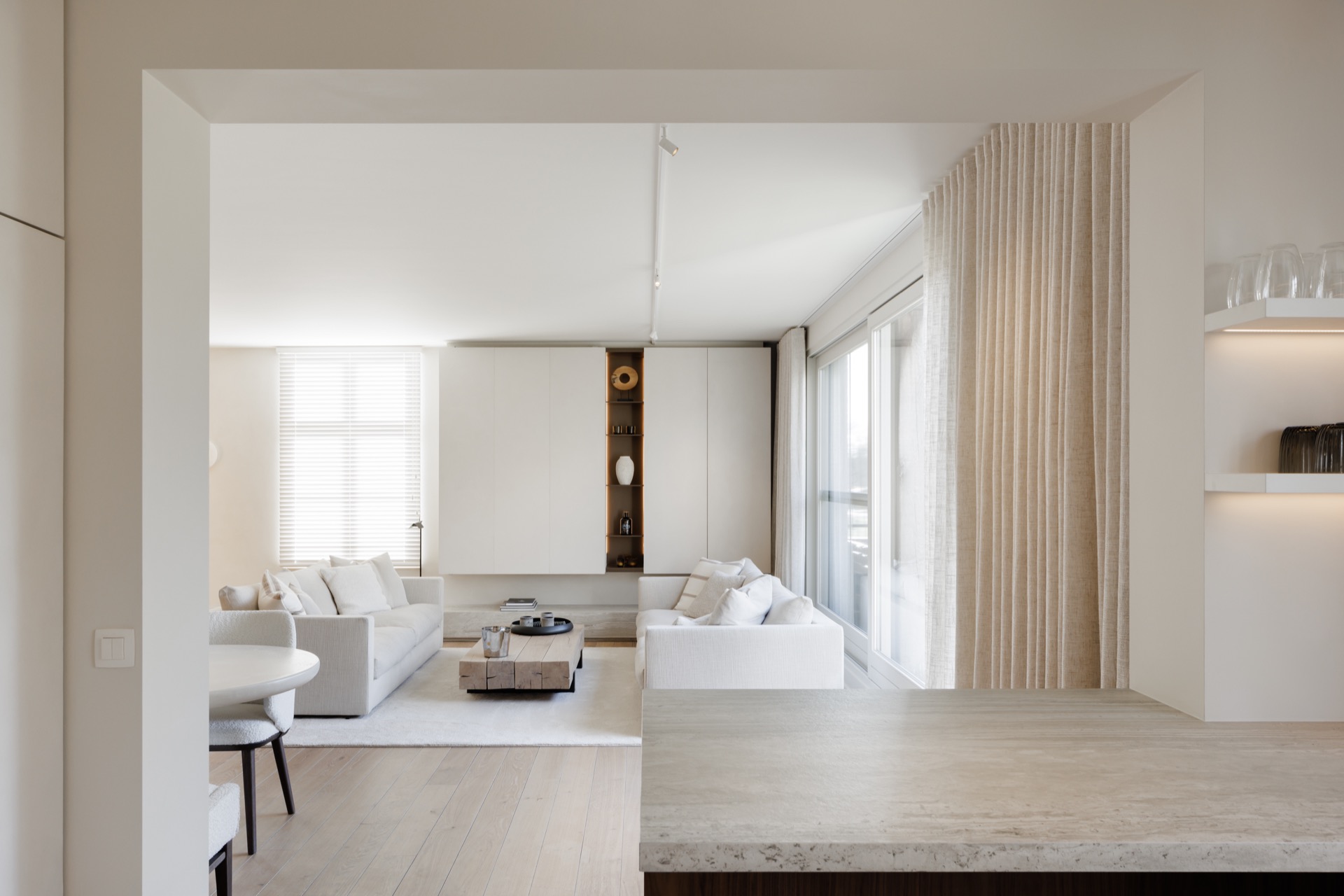
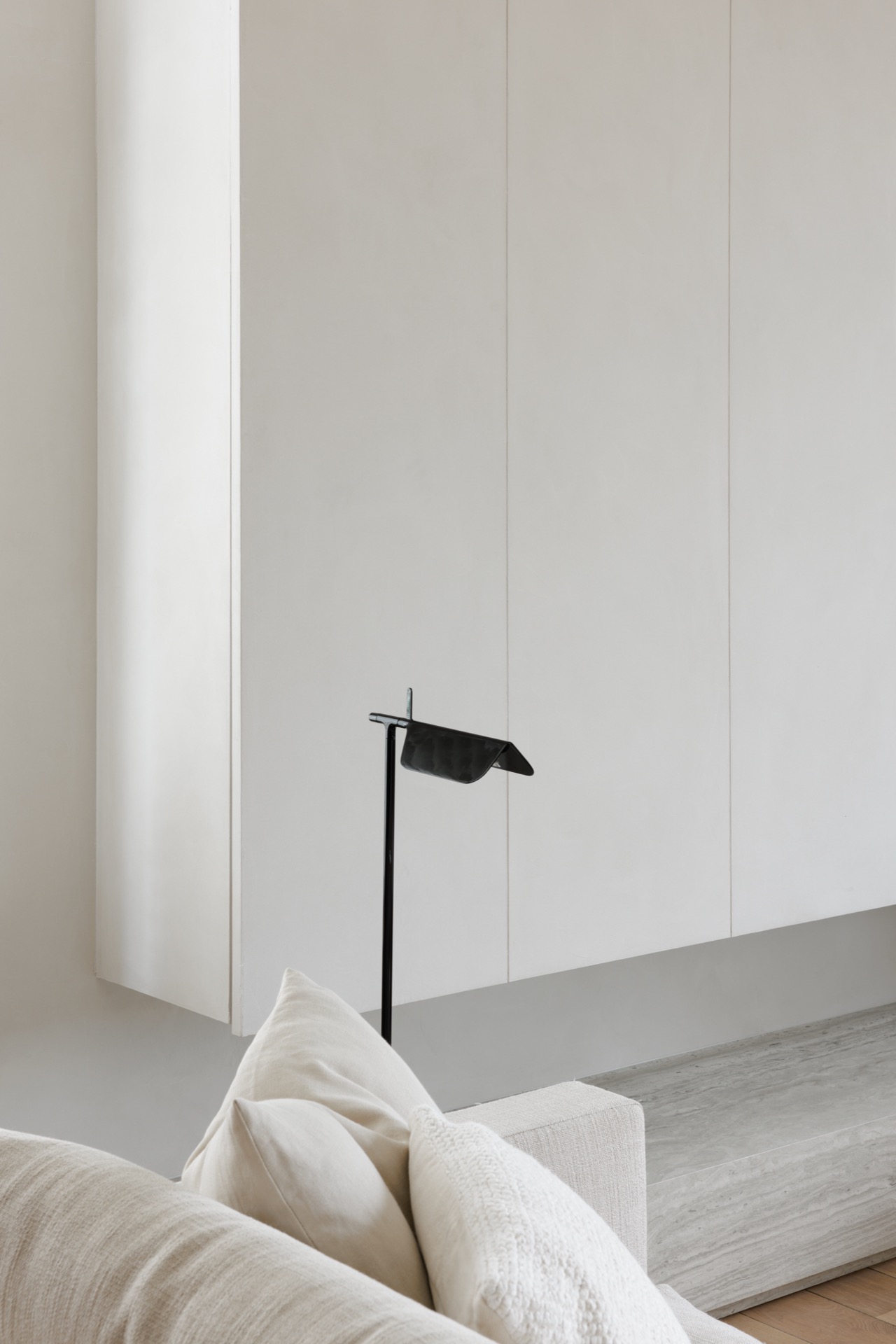
The thatched roof is immediately visible in the way the project is framed. The soft texture of StucGranito defines the walls and cabinetry throughout this space, offering subtle shifts in nuance and structure tailored to the client’s vision. The kitchen sets the tone with a blend of polished plaster and paint; light falls on pale surfaces where wooden accents ground the room, balancing the tactile finish with warm natural hues. This subtle interplay between textures creates a backdrop that sustains both visual interest and easy maintenance.
thatched roof as the architectural starting point
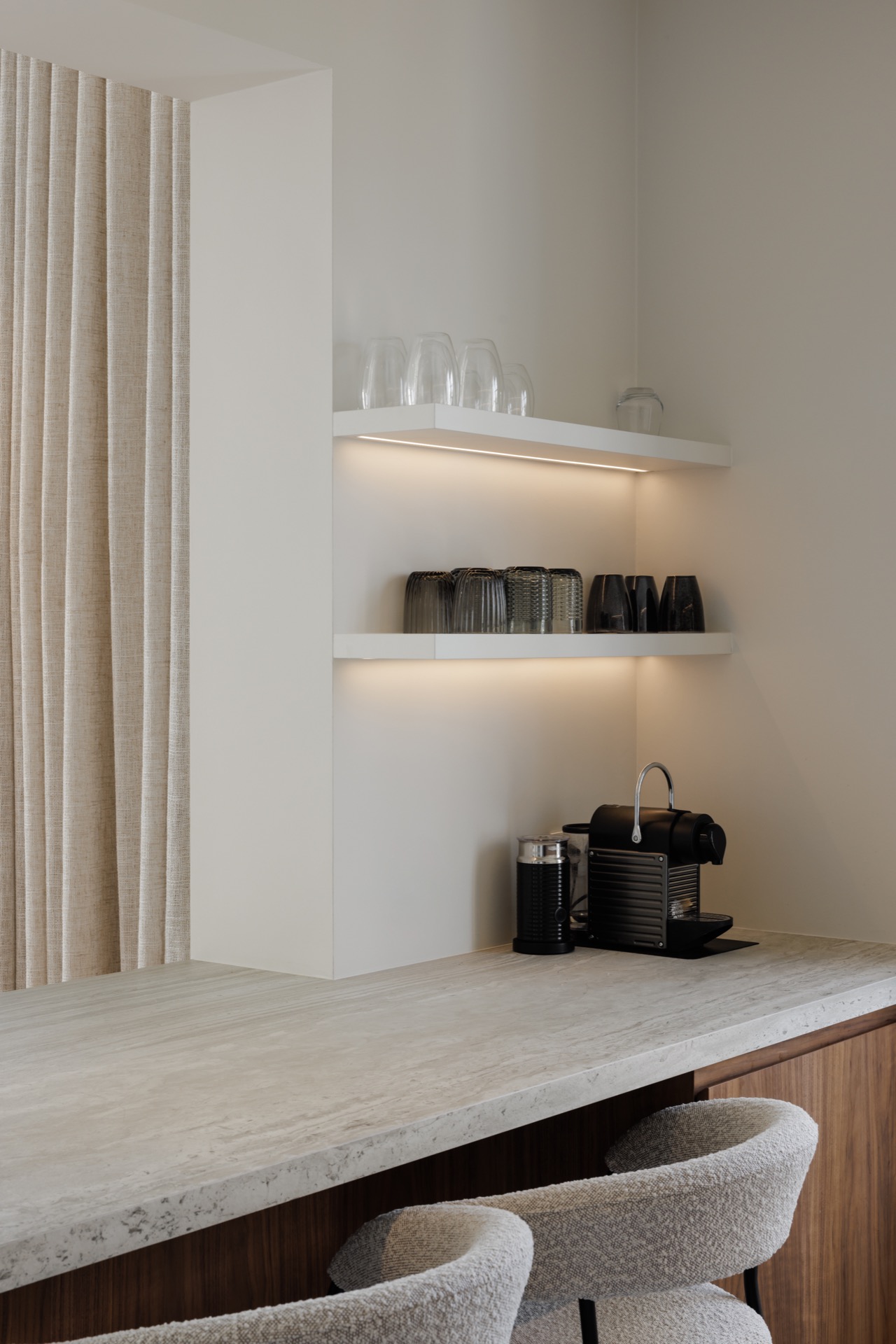
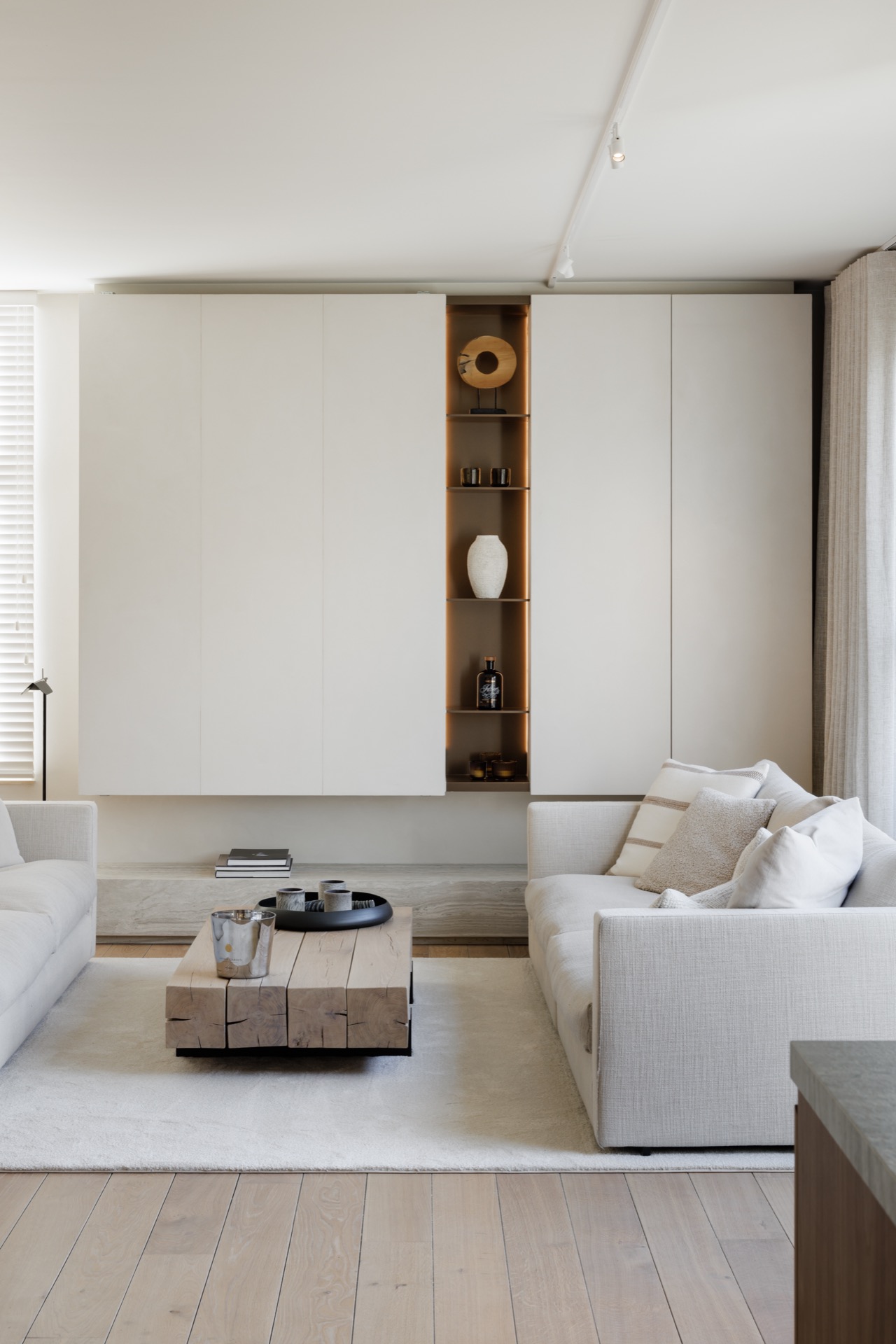
Here, StucGranito’s finish melds into painted sections, each surface carefully aligned in tone and feel. Cabinets with a muted woodgrain become part of a quiet palette dominated by off-white and beige, while the countertop offers a clean contrast. The materials invite close inspection: microscopic variations in the plaster’s surface catch and diffuse daylight differently as the sun moves, transforming the room’s atmosphere throughout the day.
Continuity Through Living Spaces
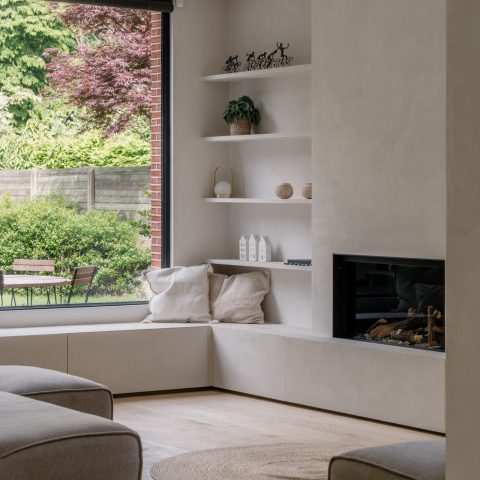
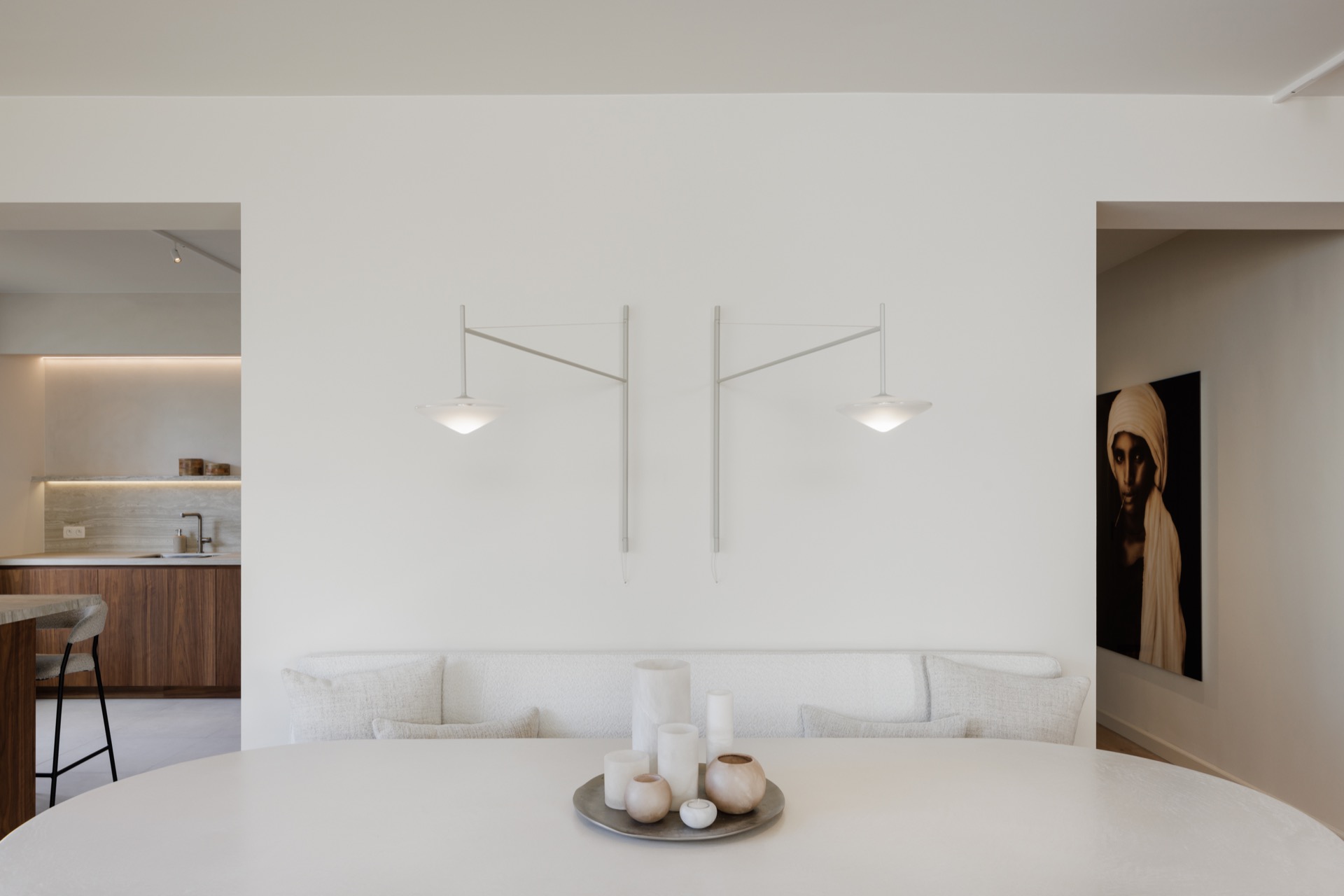
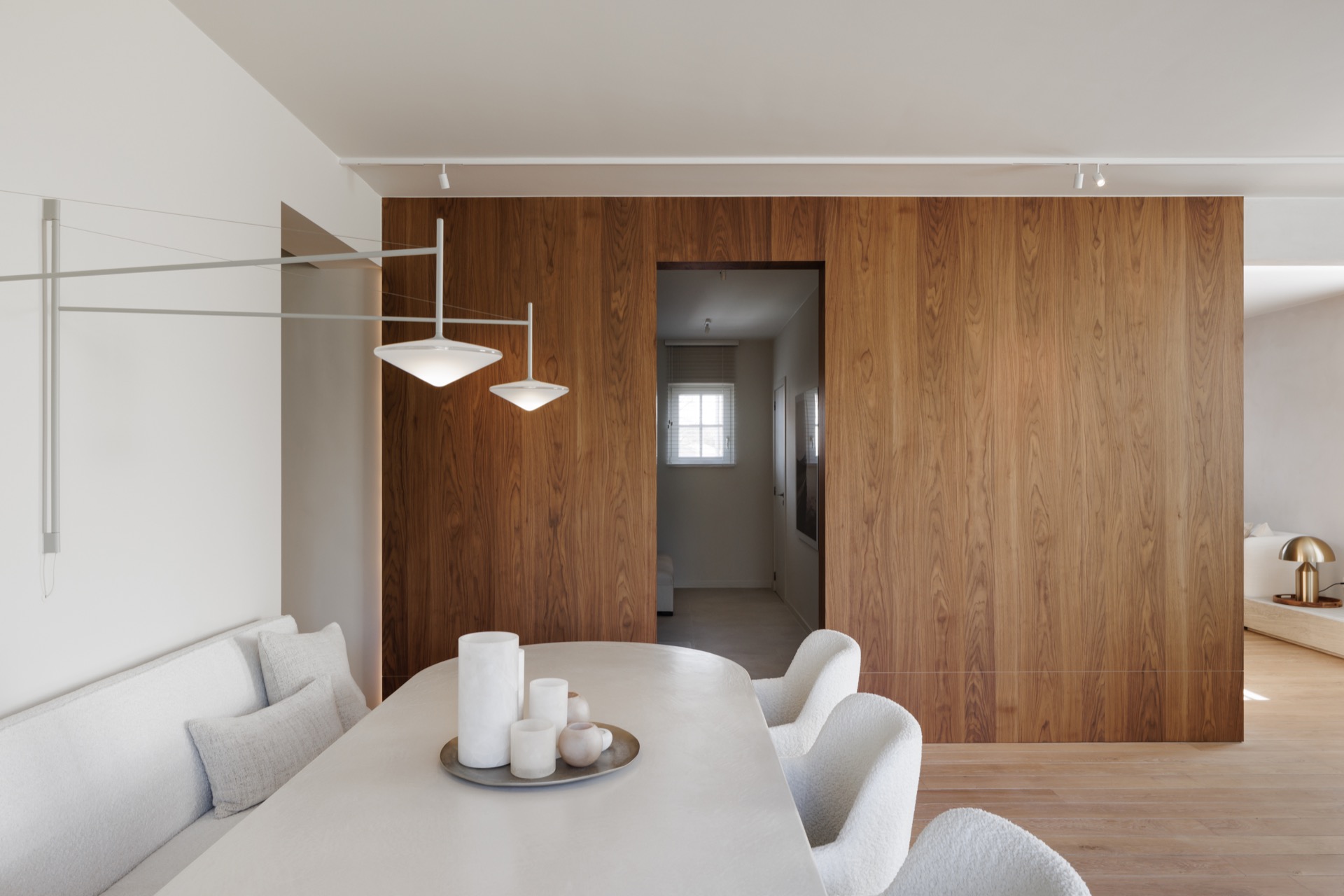
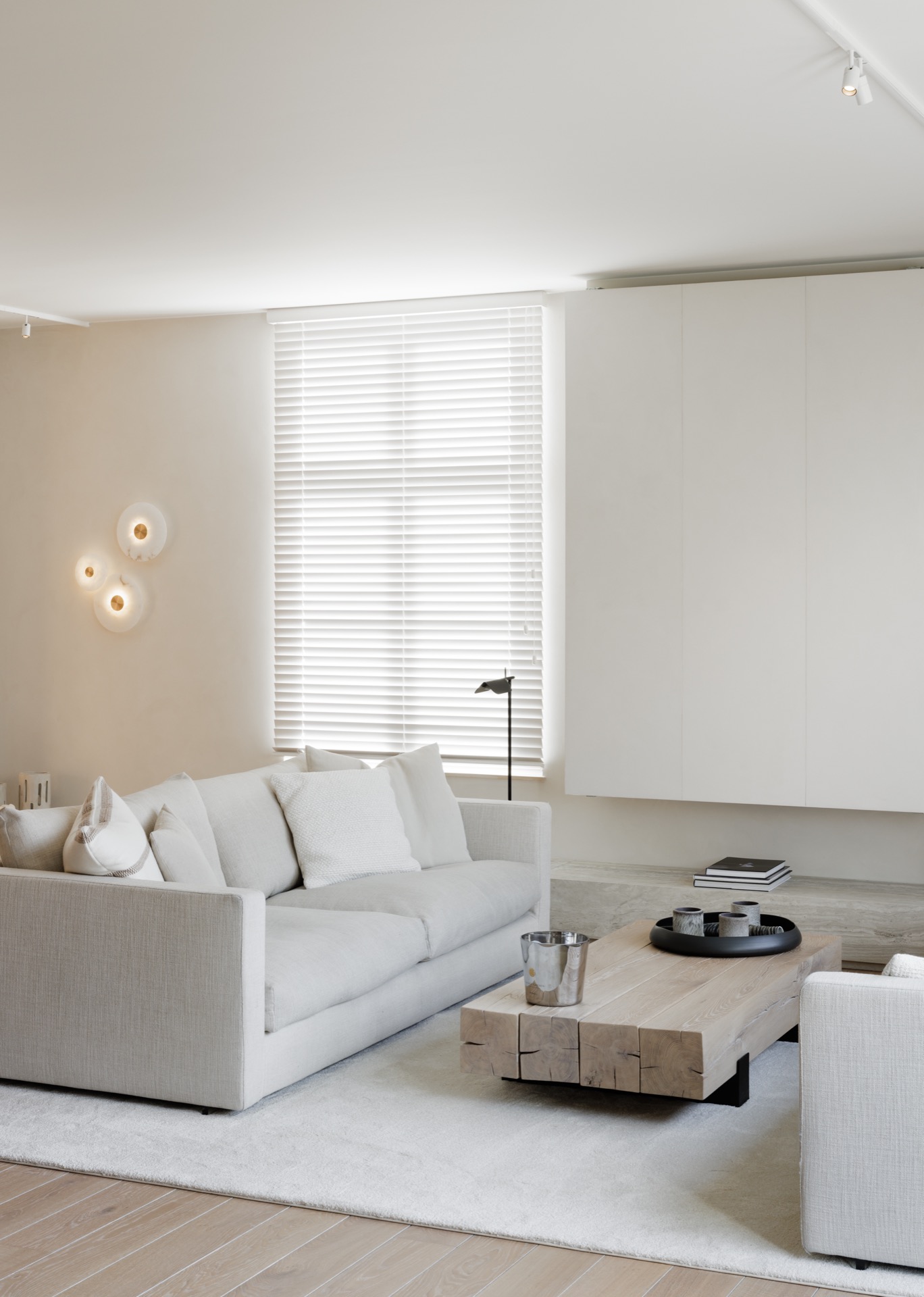
Extending beyond the kitchen, the living area continues with the same wall finishes, maintaining cohesion. The ceilings receive a flat, uniform coat of paint, accentuating the subtle relief of the StucGranito walls. A dining table topped with microtopping introduces a refined, resolute surface that contrasts with the soft folds of textile upholstery nearby. This juxtaposition introduces an understated elegance without drawing attention away from the architectural form.
Material Choice for Durability and Ambiance
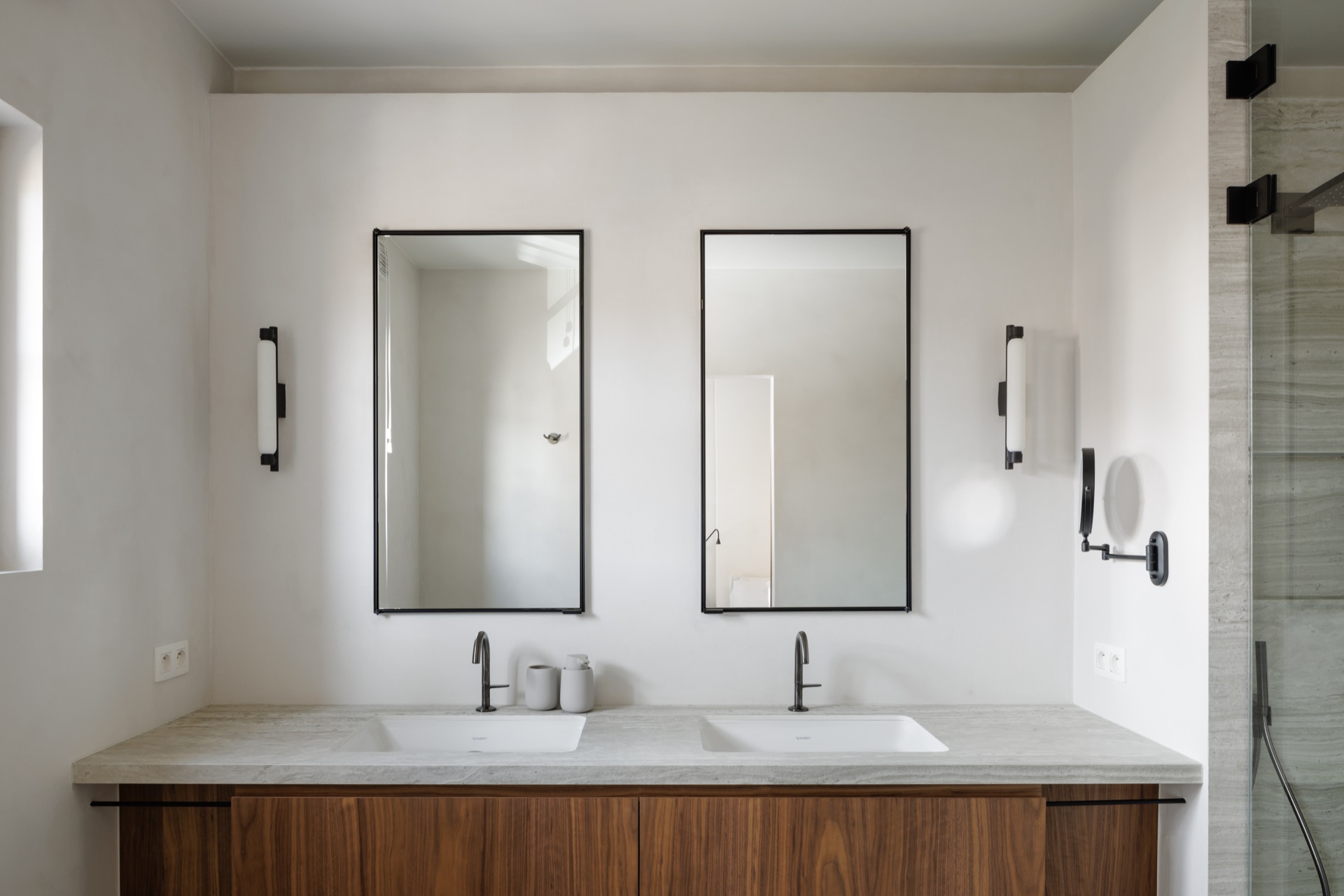
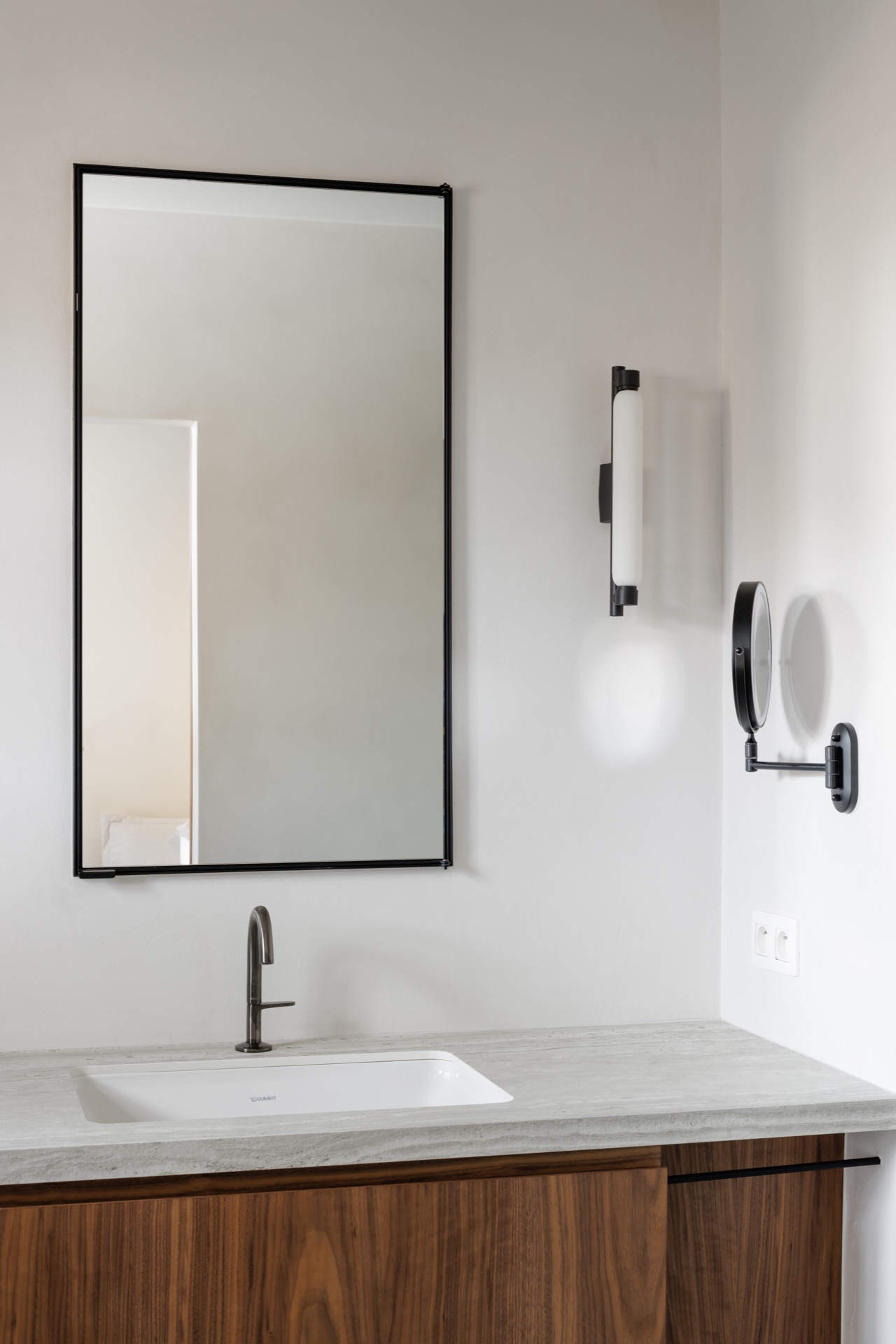
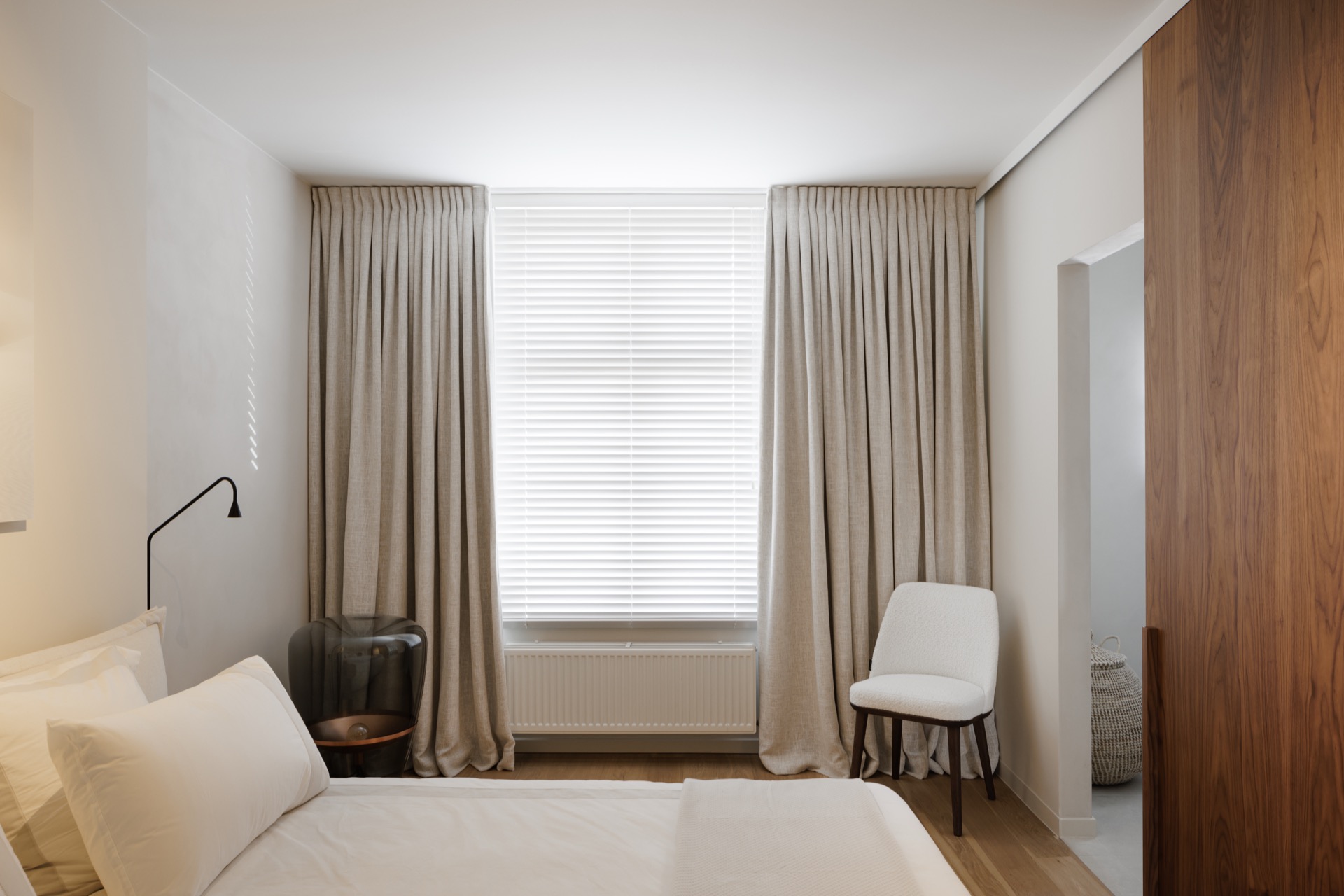
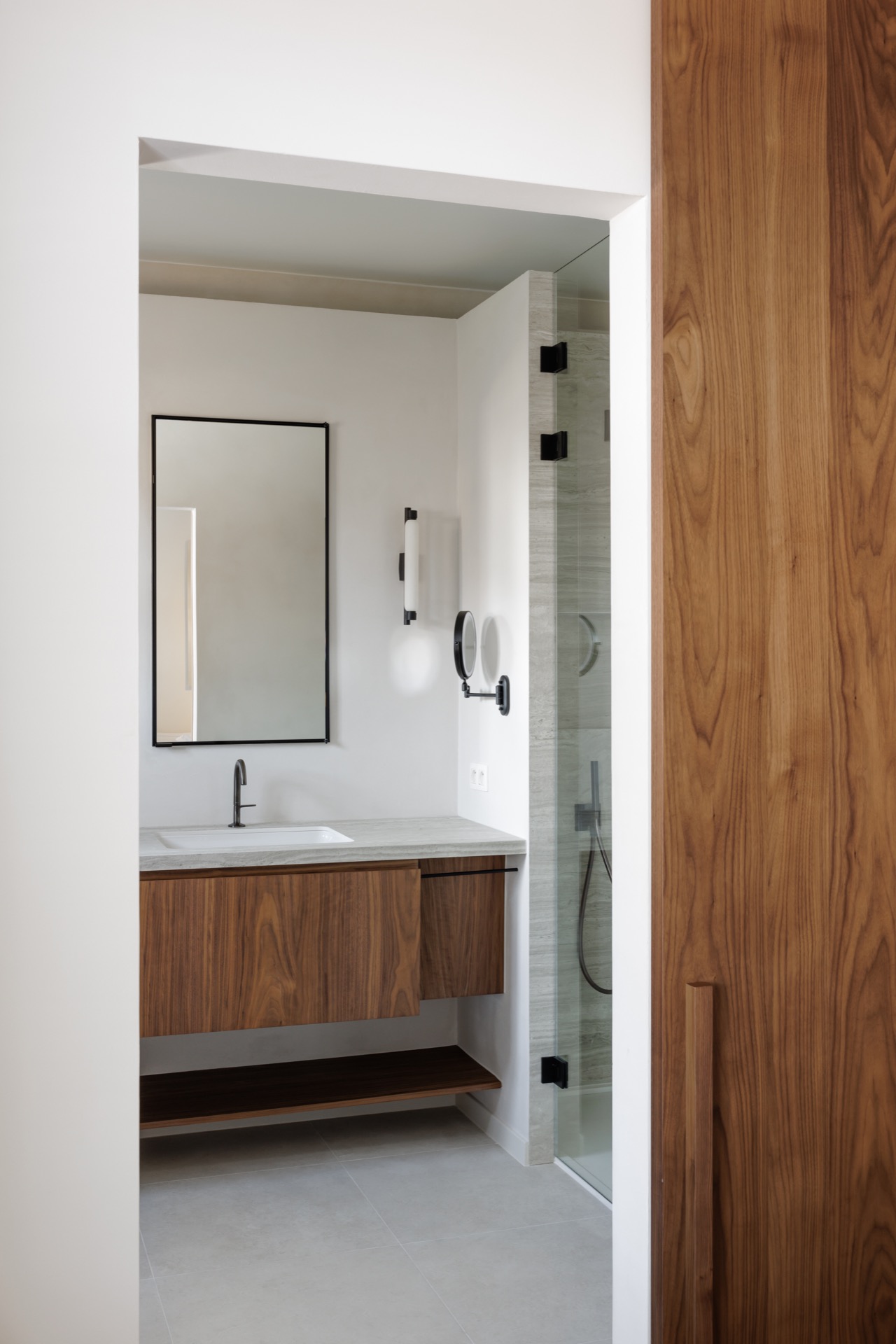
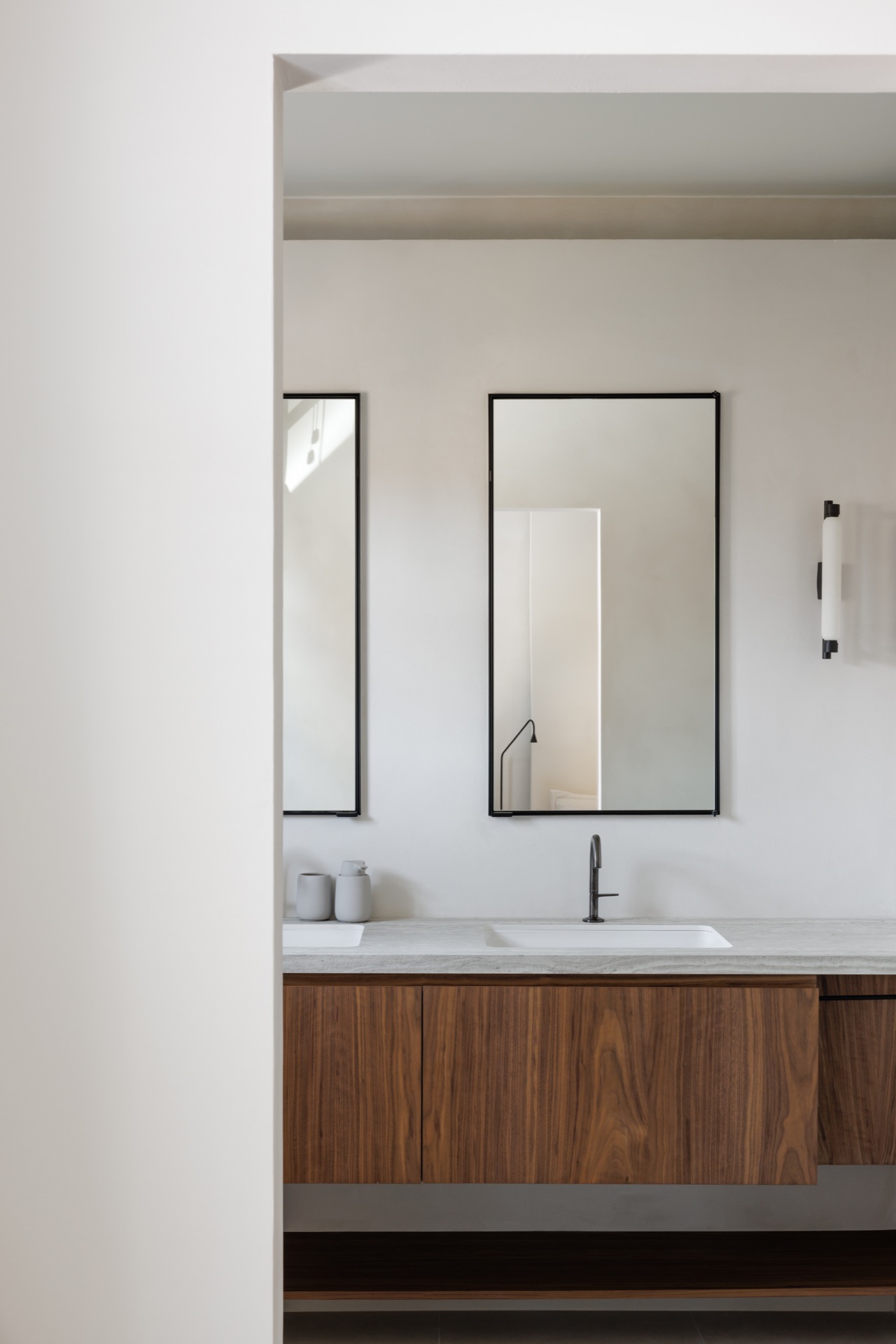
StucGranito’s water-resistant properties come into play in humid zones like the bathroom and bedroom. Walls benefit from these coatings, which resist moisture yet preserve a natural, matte surface. Painted ceilings here uphold the gentle color scheme, promoting a restful atmosphere that resonates with minimalistic restraint. Large mirrors in metal frames reflect daylight, expanding the perceived space and amplifying the pared-back material palette.
Subdued Palette and Natural Elements
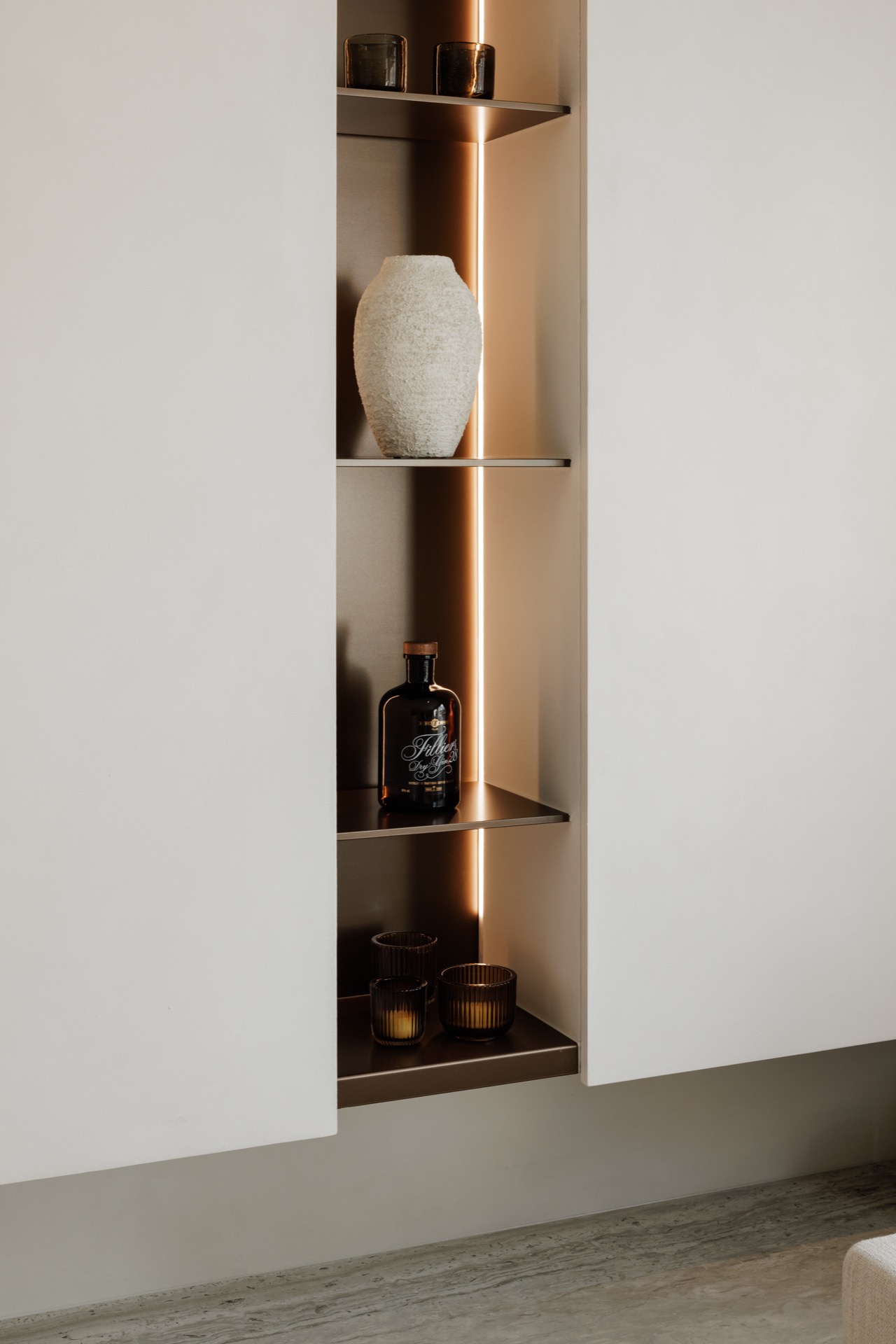
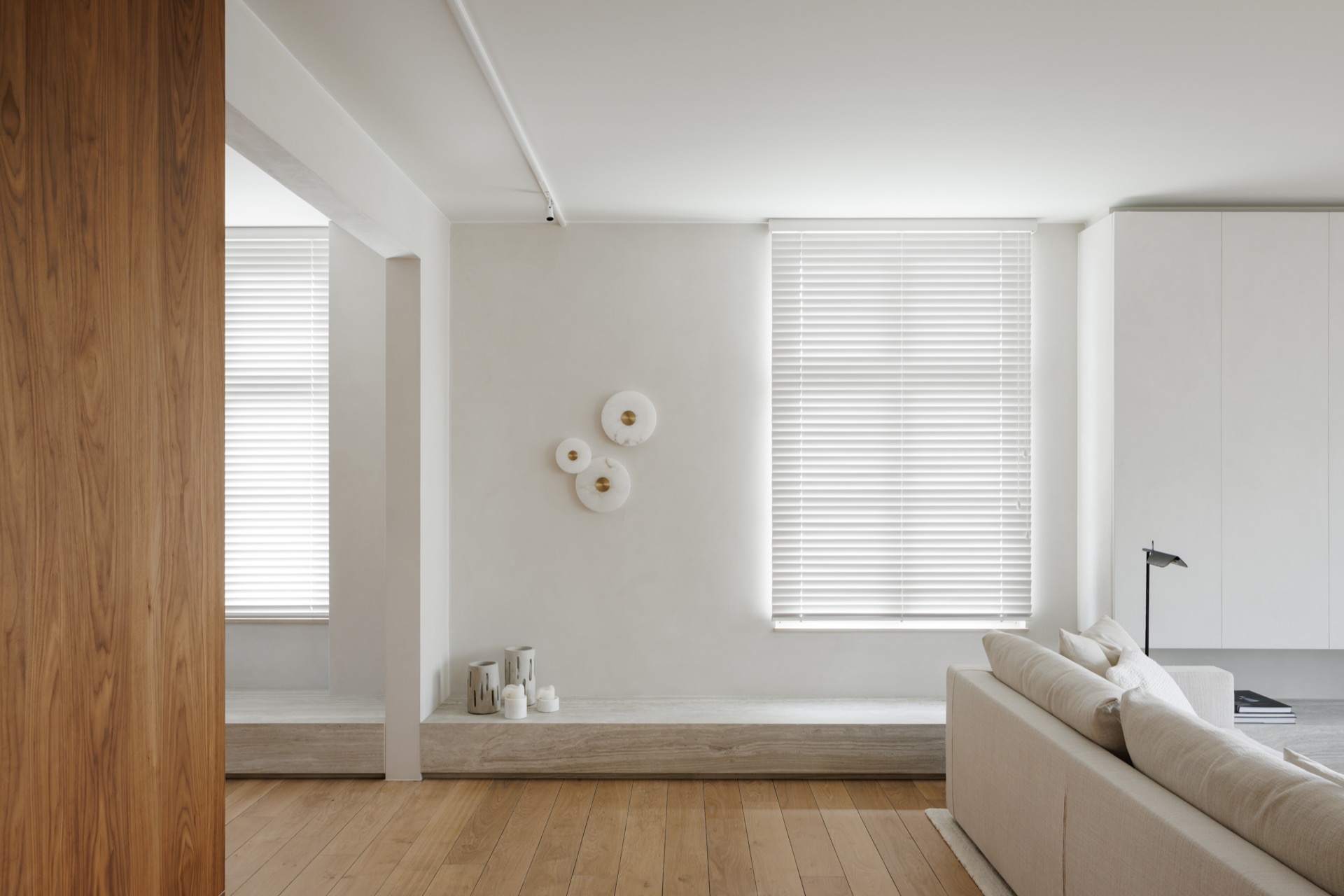
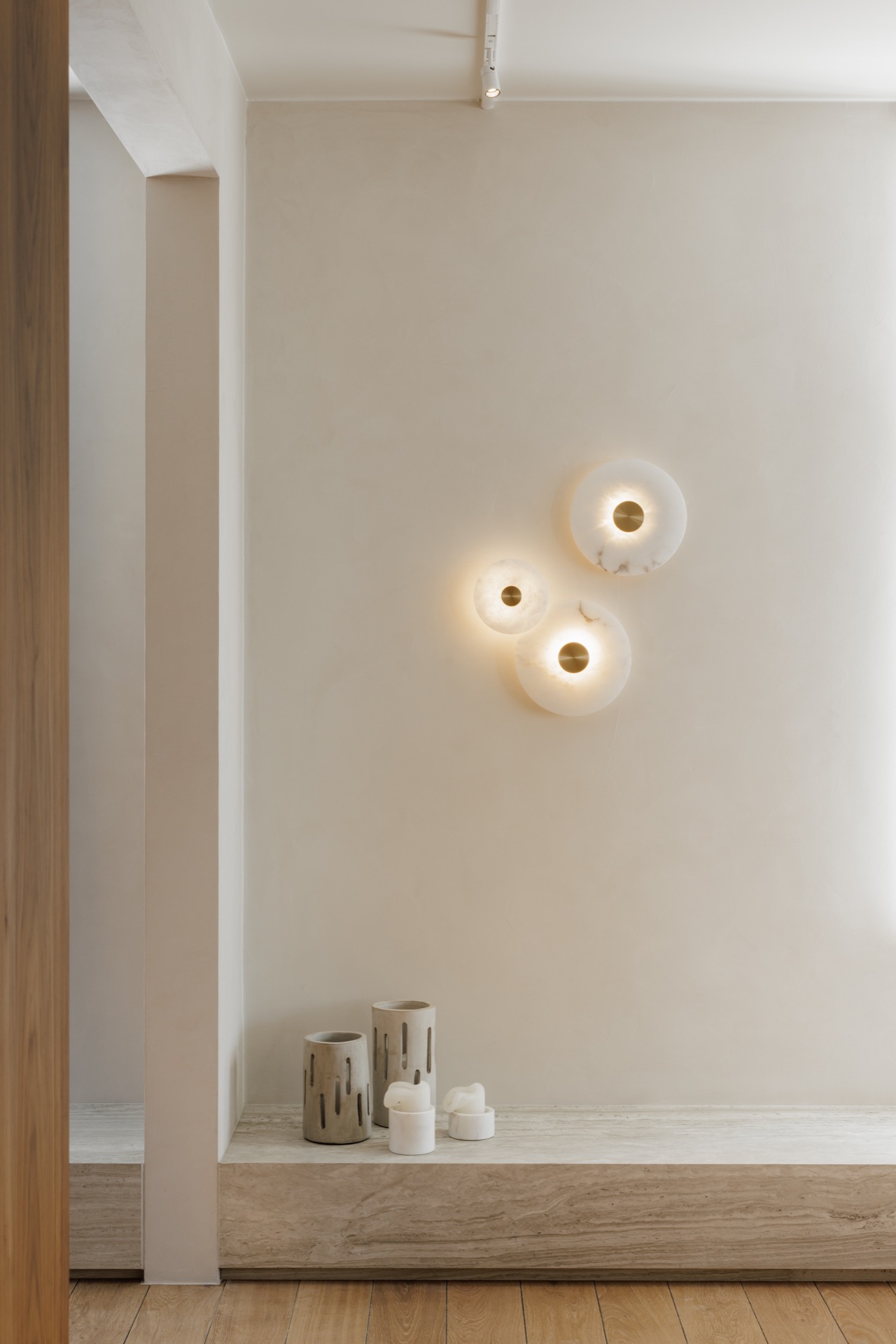
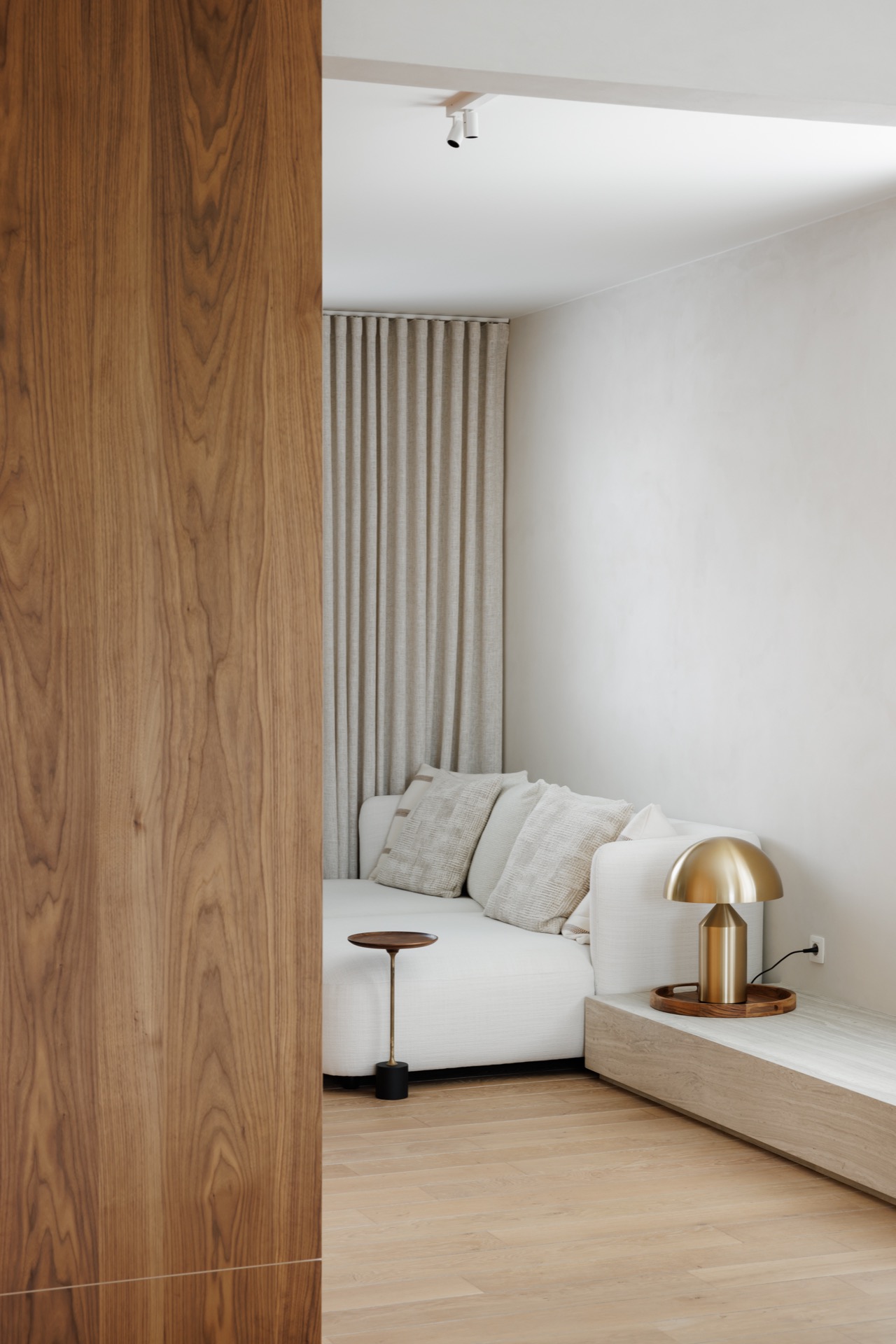
Across rooms, shades of white, beige, and pale wood underpin the minimalist mood. Furniture pieces and surfaces echo this restrained color story, featuring wooden accents that punctuate the calm scheme without overwhelming it. The visible grain of lightly stained wood on cabinetry and modest furnishings provides tactility and a direct link to natural materials, integrating with ceramic and marble elements encountered in key spaces.
Spatial Flow and Light
The arrangement of unobtrusive window coverings allows soft, diffused sunlight to permeate interiors, accentuating the fine textures on walls and furnishings. In the bedroom, wide openings with white blinds frame the view while filtering harsh light. This deliberate translucency supports the minimalist style, emphasizing simplicity and function over ornamentation. That makes the thatched roof part of the architectural character rather than a loose finish.
Integrating Traditional Techniques into Modern Design
Bridging heritage and contemporary aesthetics, the consistent use of plaster techniques like StucGranito creates an environment that respects materials’ inherent qualities. The carefully applied finishes adapt traditional craft to suit a minimalist lifestyle, emphasizing clean lines and muted tones. This approach showcases how classical methods can enhance modern interior design without overwhelming it.
Practical Elegance in Bathroom Finishes
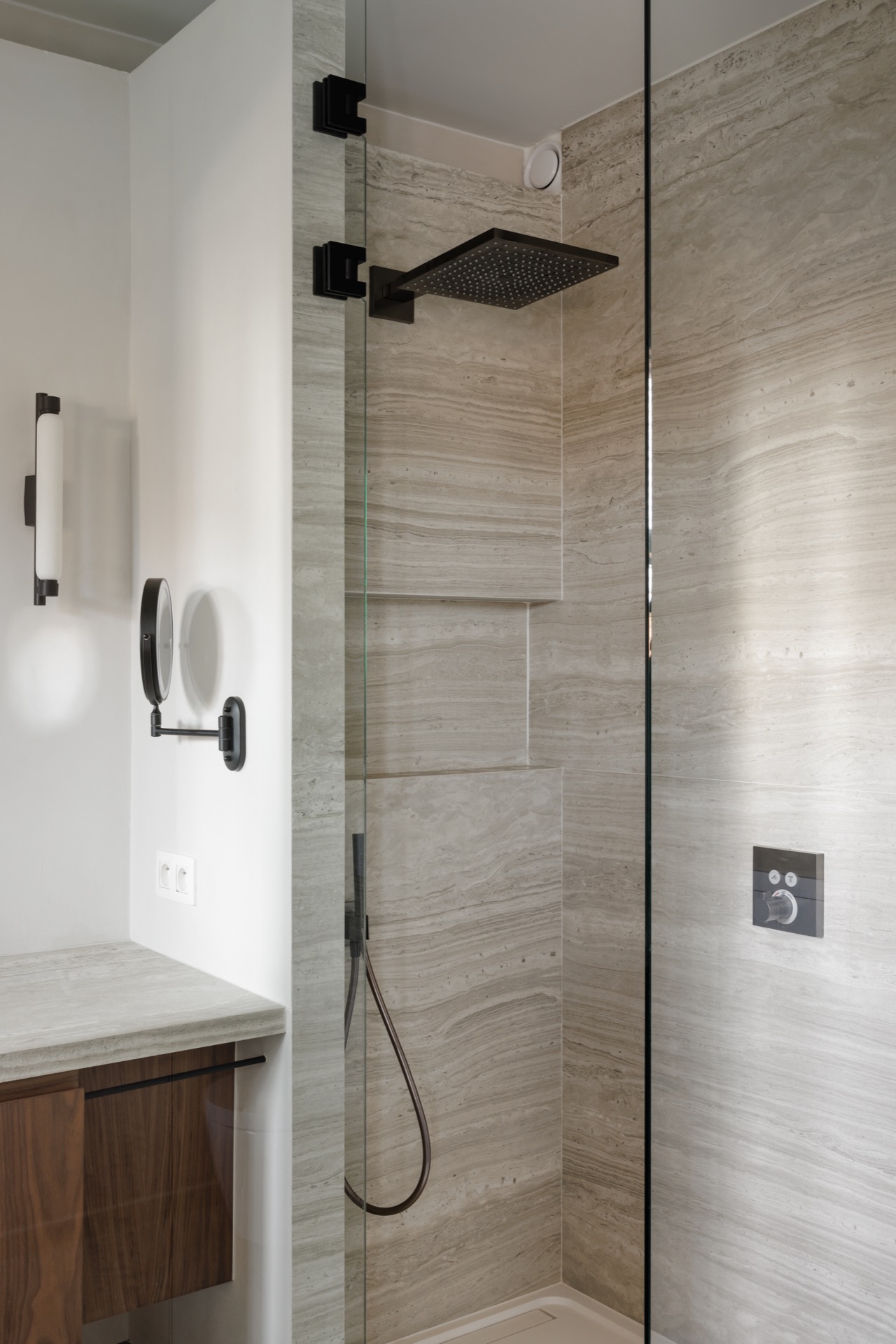
The bathroom’s surfaces further demonstrate StucGranito’s versatility, presenting a matte wall finish that complements the gloss of marble sinks without sacrificing durability. Large black-framed mirrors stand against these neutral walls, reflecting fixtures and amplifying natural light. This spatial strategy emphasizes subtle texture contrasts and fosters a sense of quiet refinement.
Deliberate Textural Contrast in Furnishings
Throughout the home, furnishings subtly contrast with the walls and floors. White fabric-clad seating and softly rounded tables play against the harder edges of marble and wet plaster. These contrasts support a nuanced visual rhythm, keeping spaces from becoming static while adhering to minimalist principles.
Water-Resistant Finishes as Design Foundations
Applying water-resistant plaster not only meets practical needs in humid areas but also defines the character of surfaces throughout the home. The technique allows for seamless visual transitions between rooms, evidencing a thoughtful choice of materials for both functional and aesthetic purposes.
Reflection and Material Synergy
Incorporating mirrors, glass, wood, and ceramic in tandem with plaster finishes creates a layered materiality. Each element interacts with light and texture symbiotically, contributing to an interior that remains grounded despite its restrained color scheme. Visual depth arises through this network of subtle materials rather than overt decoration.
The project exemplifies how traditional plaster techniques can support a modern interior design ethos grounded in simplicity and tactility, yielding a home that feels intentional yet unforced. That makes the thatched roof part of the architectural character rather than a loose finish.
Want to see more of Tint Decoratie? View the page of Tint Decoratie for even more great projects and company information.

.png)
NEW 2026 Jubileum Edition The Best Interior Designers Benelux
Order Now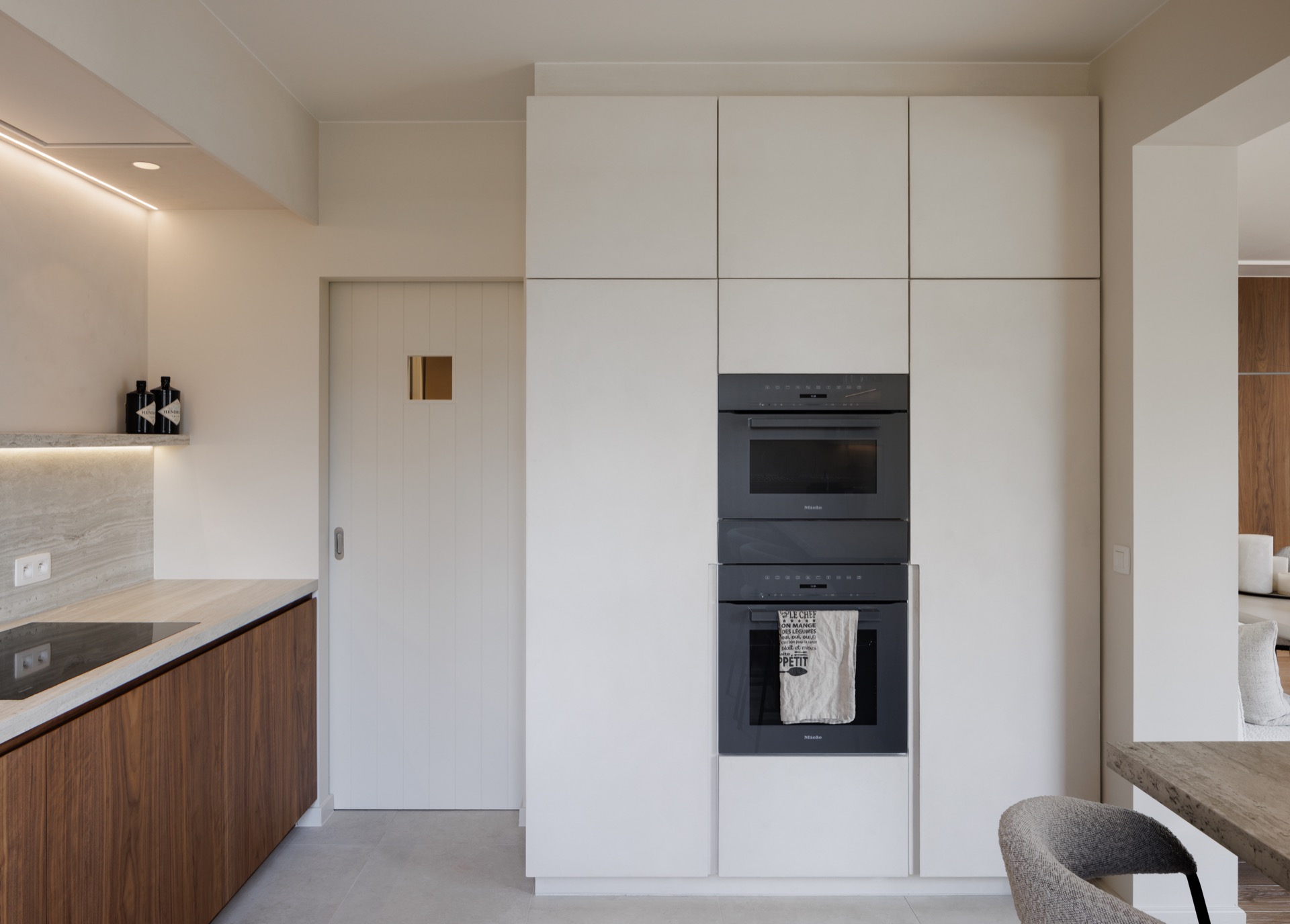
NEW 2026 Jubileum Edition The Best Interior Designers Benelux
Order Now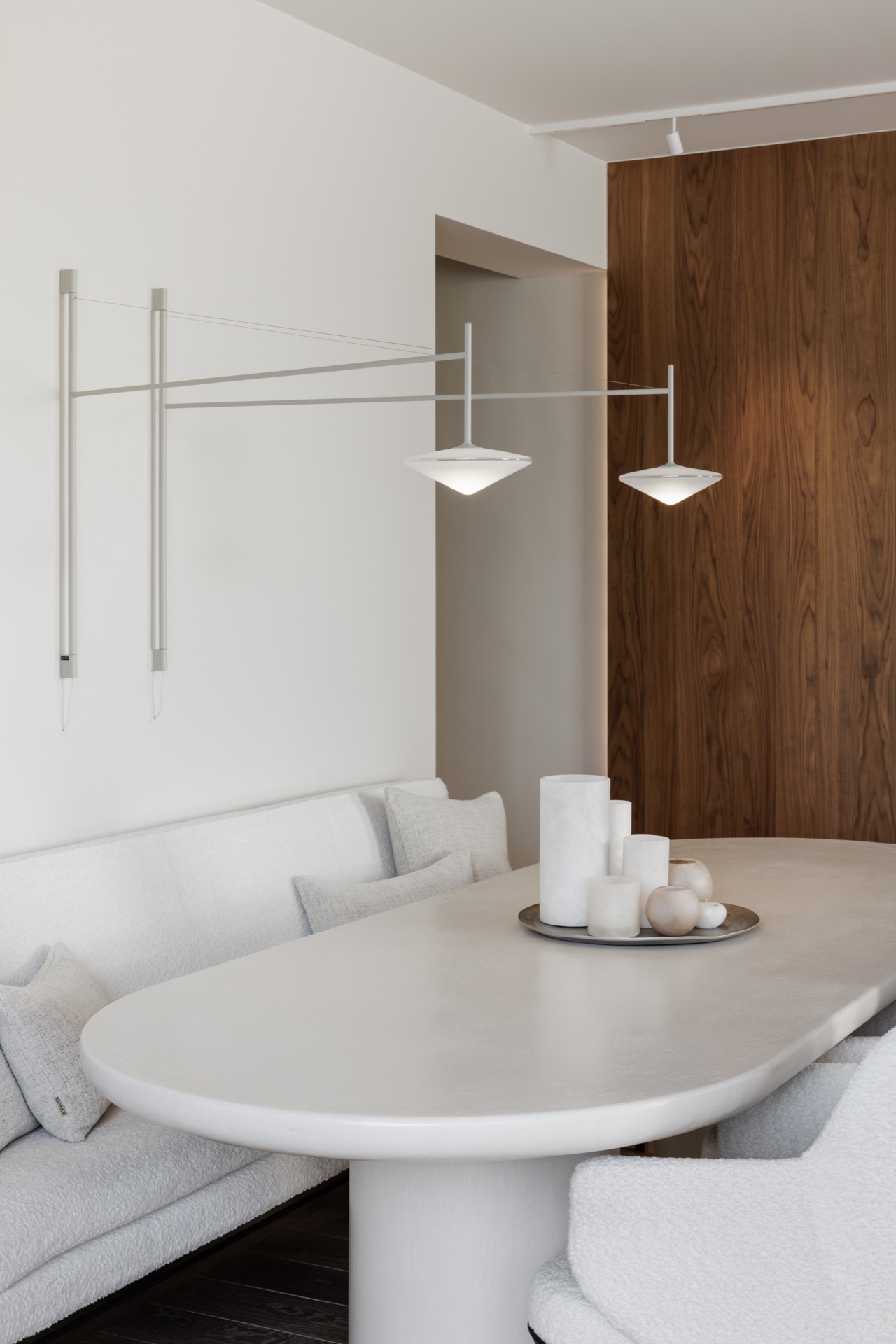
NEW 2026 Jubileum Edition The Best Interior Designers Benelux
Order Now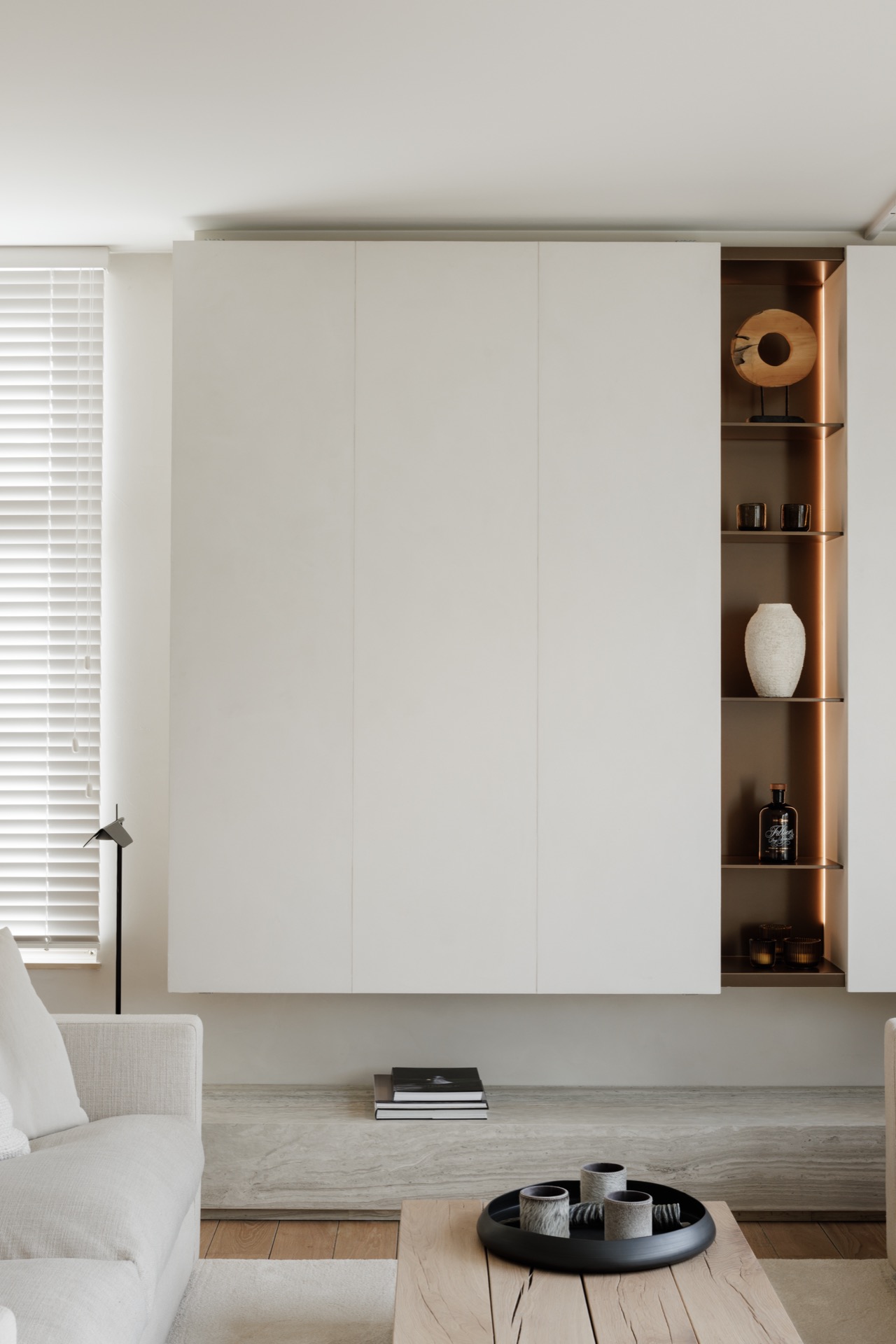
NEW 2026 Jubileum Edition The Best Interior Designers Benelux
Order Now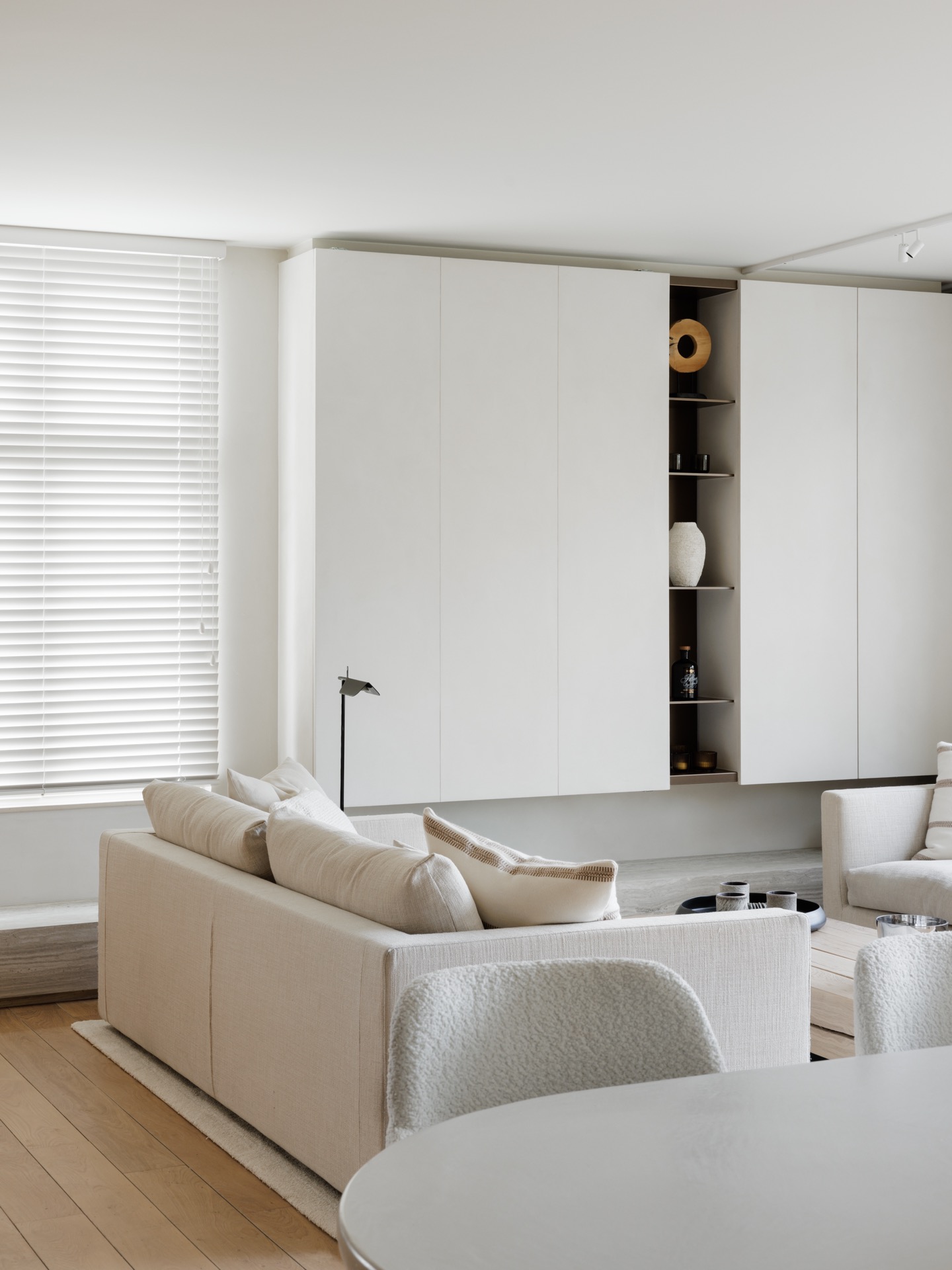
NEW 2026 Jubileum Edition The Best Interior Designers Benelux
Order Now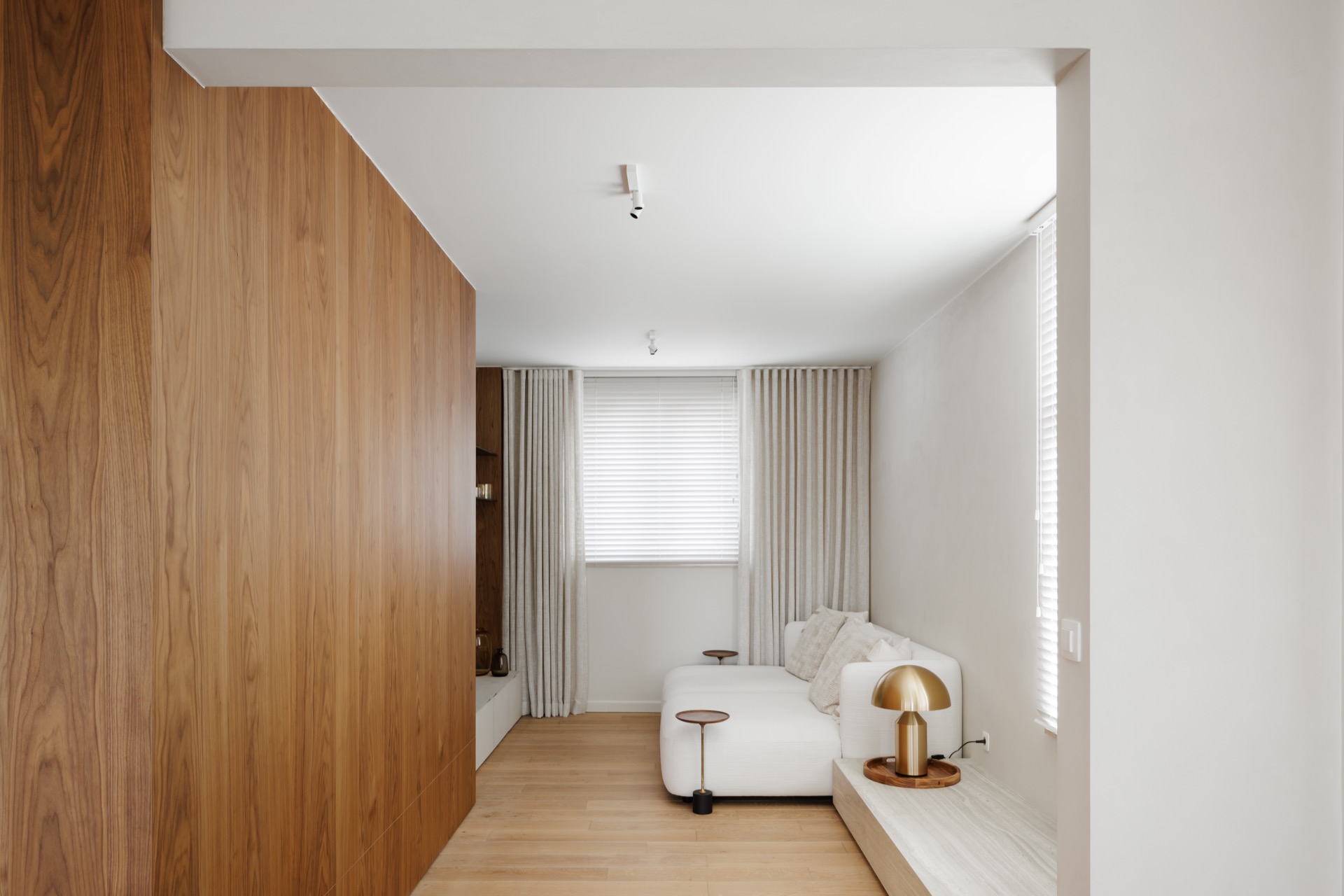
NEW 2026 Jubileum Edition The Best Interior Designers Benelux
Order Now