




Elegant architecture featuring a thatched roof and natural design details
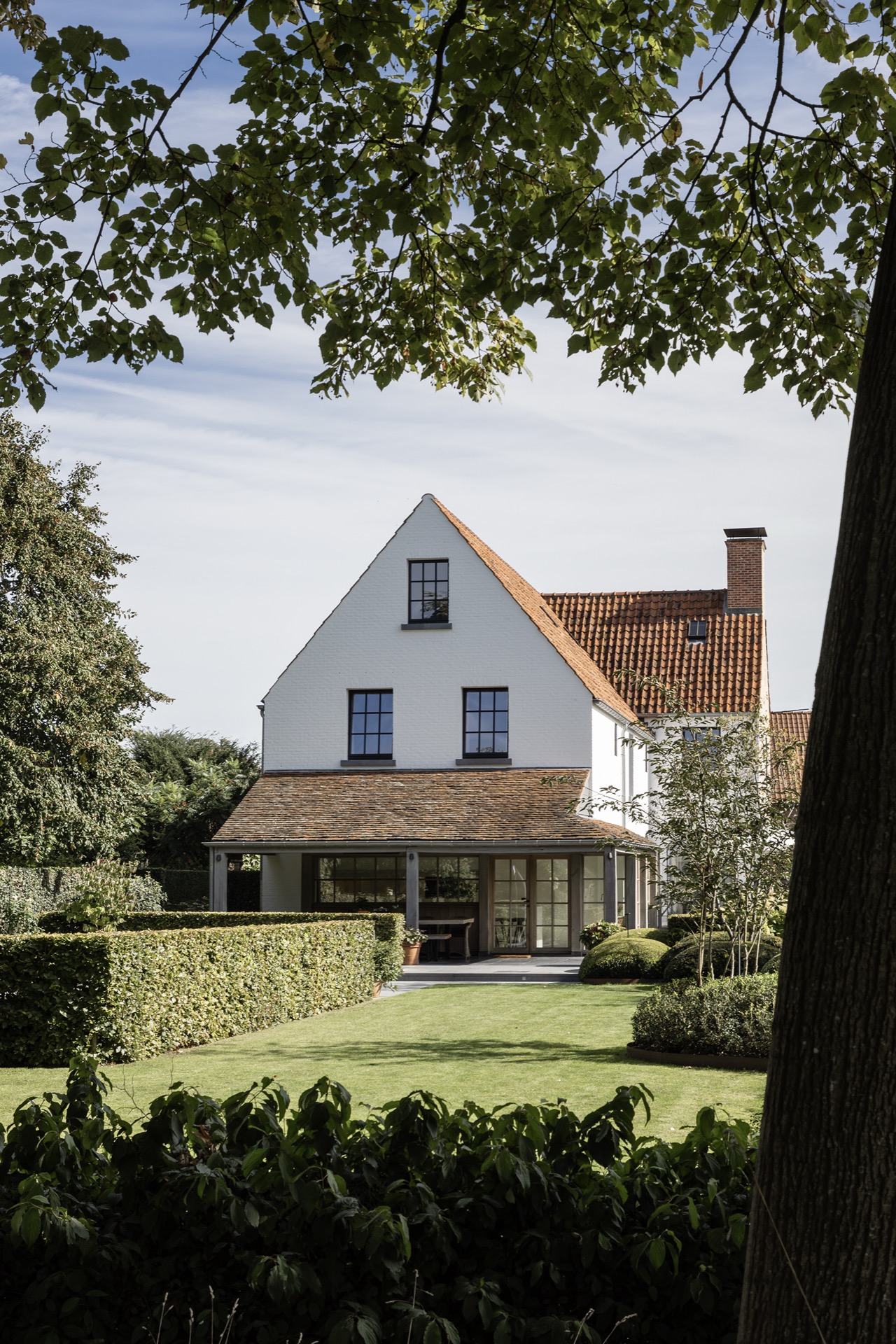
The tactile surface of the thatched roof caps the building with layered textures that soften the otherwise sharp, geometric shapes beneath it. Its rounded contours and patterned assembly contrast with the vertical timber boards that clad the facade, the wood’s subtle grain and muted color bringing a steady rhythm to the exterior walls. Black steel window frames introduce precise lines that punctuate the facade, allowing daylight to illuminate interiors and offer framed glimpses of the outdoor environment.
thatched roof as the architectural starting point
The building’s exterior tells a story of material contrasts: the organic roughness of the layered thatch meets the smooth vertical cedar cladding. The thatch reveals craft through visible texture, its undulating surface responding to the building’s form, while the timber boards absorb and reflect light differently as the sun moves, creating shifting patterns of shadow. Black steel joins and frames provide architectural definition without overpowering the natural palette.
Windows Channeling Natural Light into Interiors
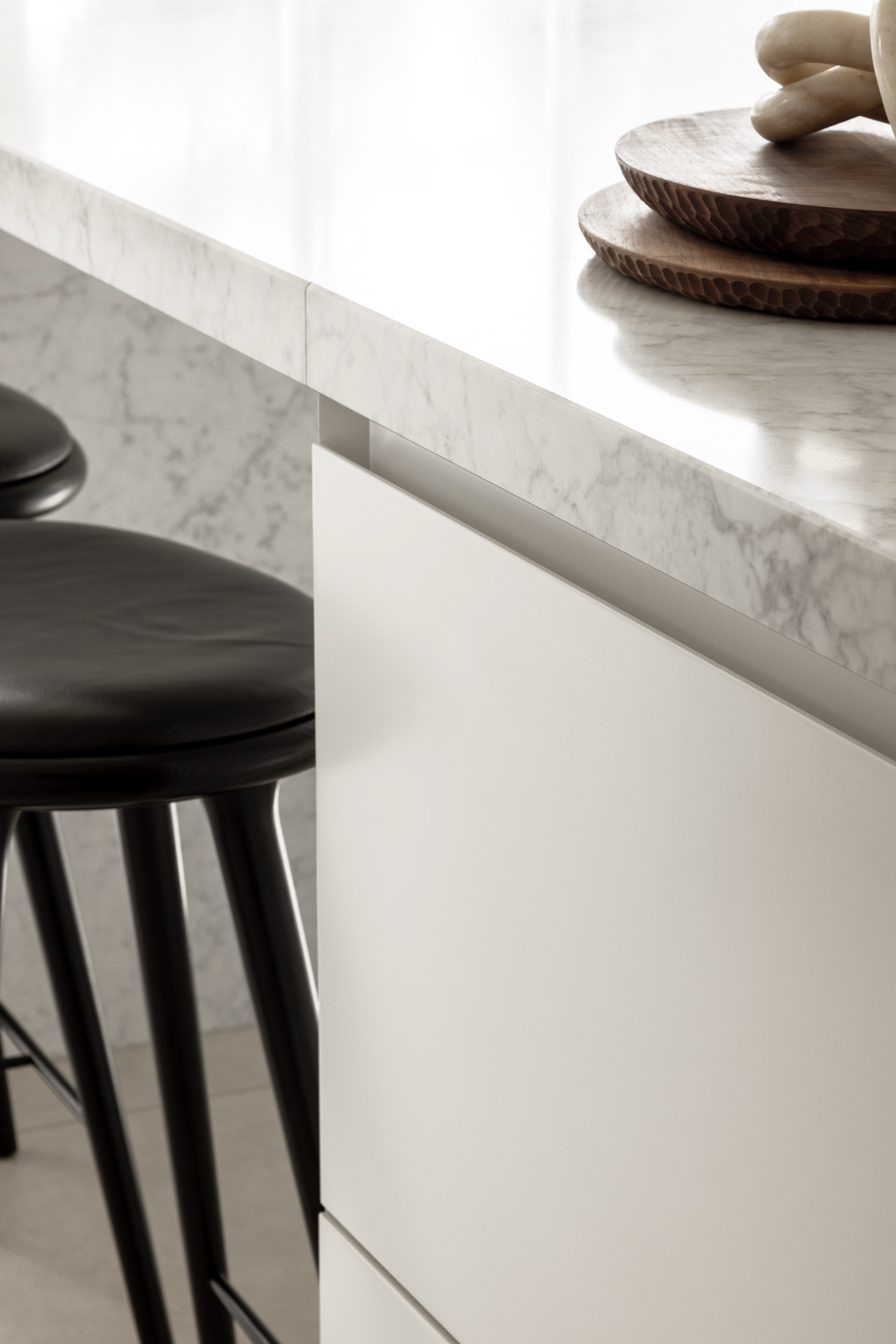
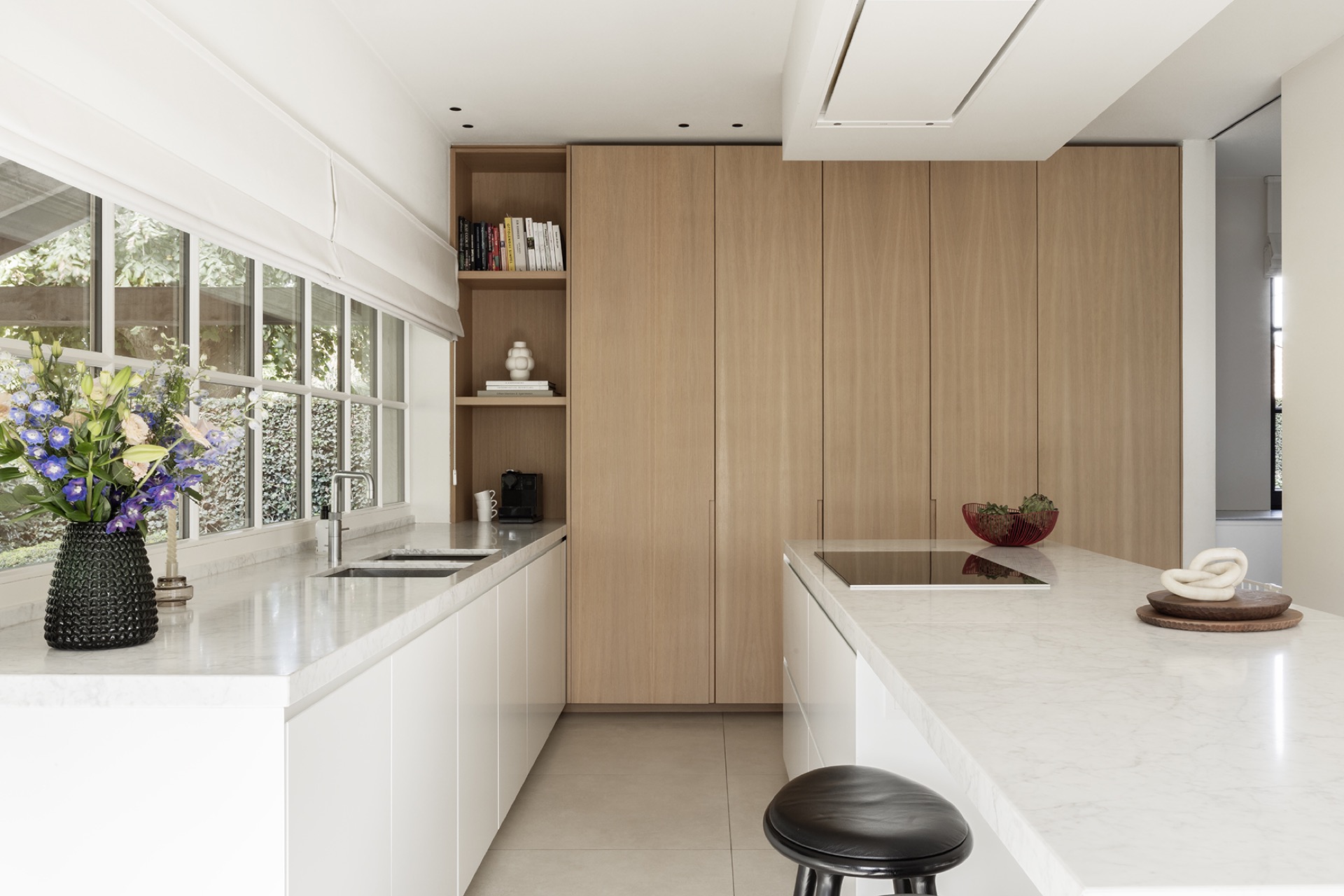
Wide steel-framed windows open the facade, inviting abundant daylight inside. The kitchen counters, finished in pale marble, respond to this, reflecting soft light to expand the sense of openness. Ceramic surfaces carry a delicate sheen, blending with walls painted in quiet whites and beiges, so light modulates the mood throughout the day while emphasizing textures within the minimalist layout.
Seamless Open Plan Defines Living Spaces
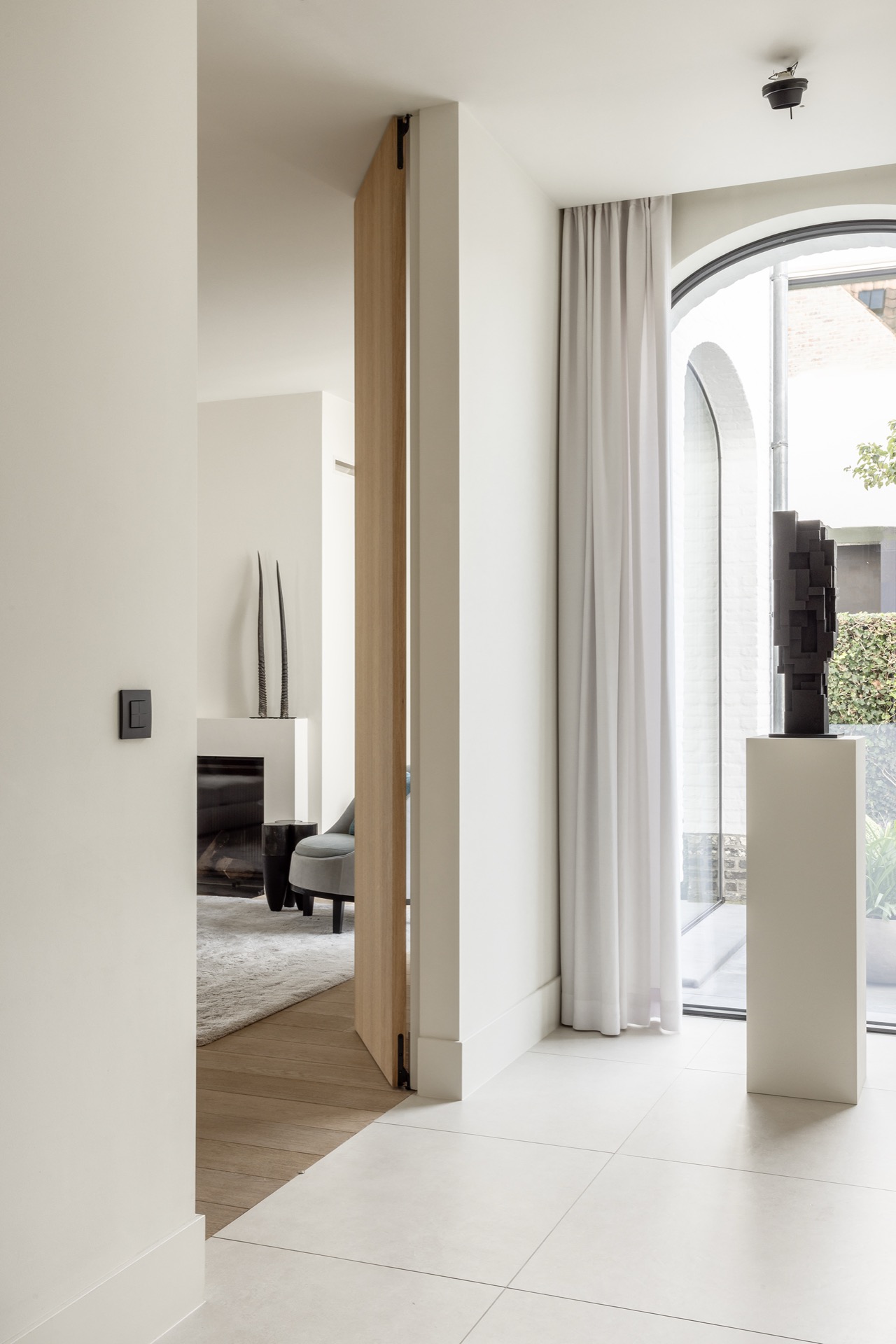
The kitchen and living room share an open layout where polished marble surfaces catch the light while wooden cupboards and floors add tactile contrast. Rather than walls, variations in texture and finish direct circulation and function, encouraging a sense of flow. This layering introduces depth and dimensionality that negate the need for physical barriers.
Scandinavian Influence in Furnishings
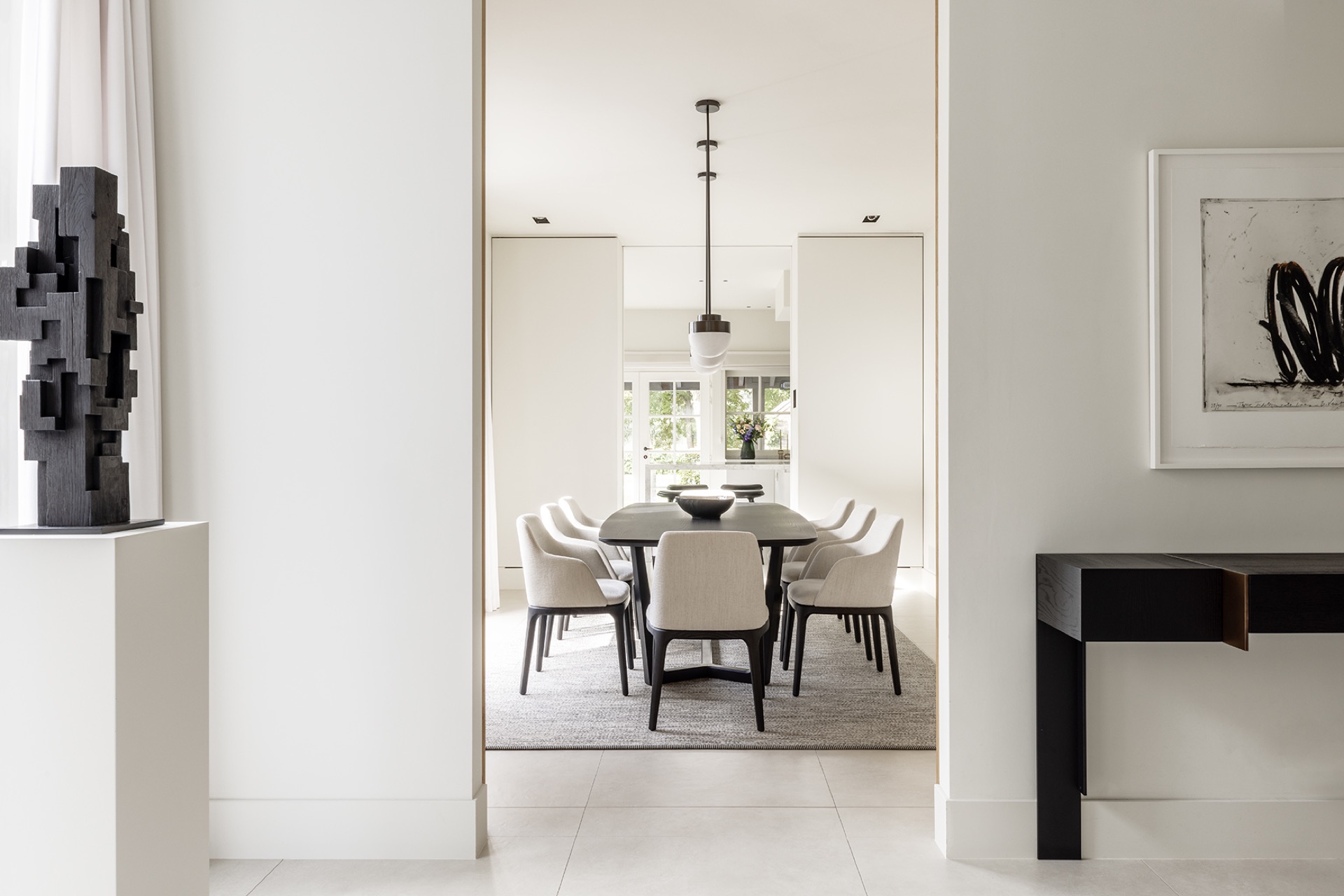
Furniture selections reflect Scandinavian restraint: sculptural yet simple pieces in muted tones support easy movement through the spaces without clutter. Textiles echo the natural materials visible in structural elements, reinforcing the material story that ties interior to exterior. Upholstery colors resonate with timber and neutral walls, enhancing cohesion within the open plan.
Transitioning to the Outdoors with a Timber Terrace
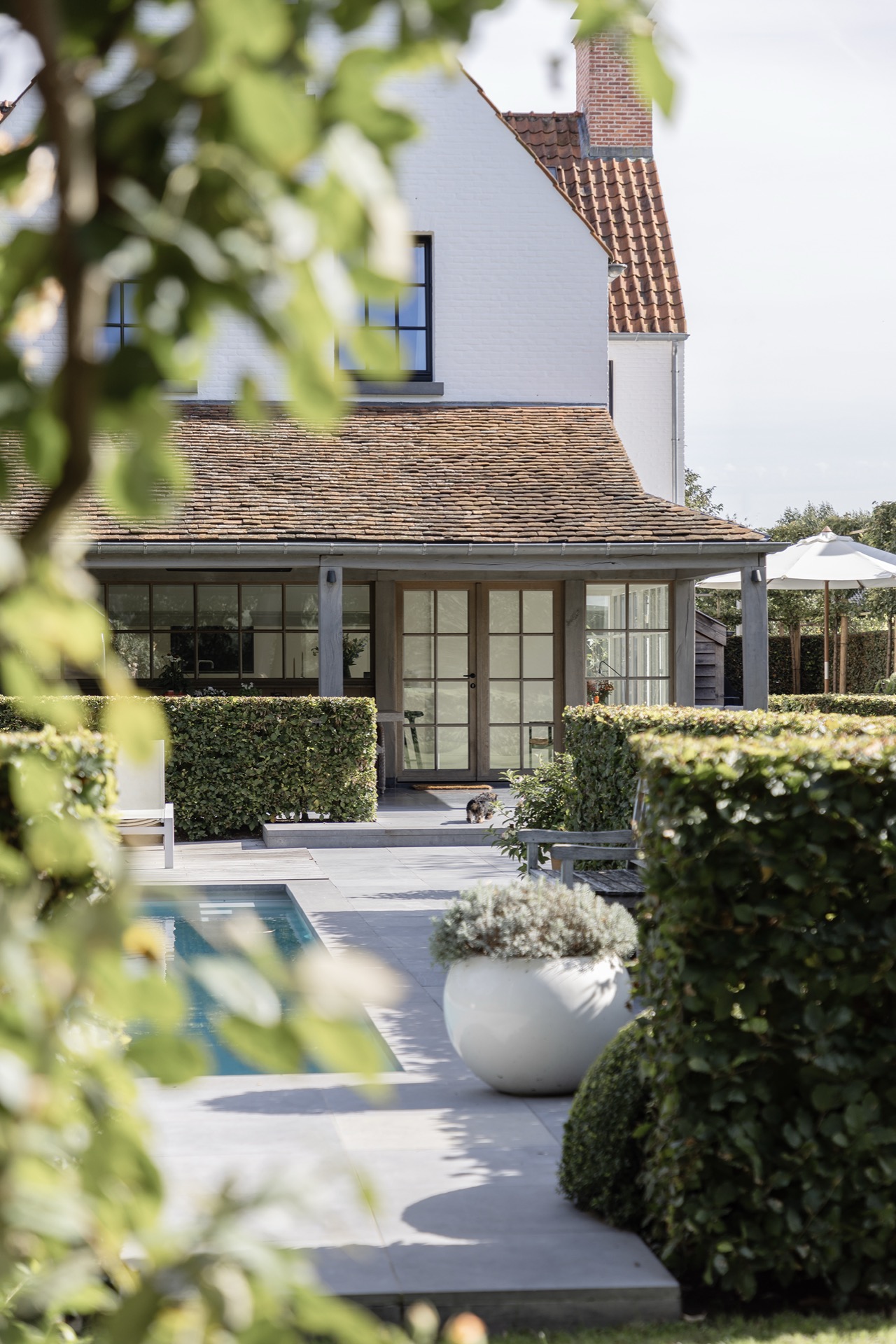
Sliding glass doors open beyond the living area to a terrace laid in sustainably sourced timber boards, continuing the interior’s natural material palette outdoors. Planter boxes integrated along the edge bring greenery close to the structure, softening the contrast between built form and landscape. The flooring shift from indoor surfaces to timber planks subtly marks the boundary while sustaining spatial continuity.
The Thatched Roof as an Architectural and Craft Element
The intricate layering of the thatch follows the geometry of the building yet softens its edges, shaping a three-dimensional profile. Its textured surface stands in contrast to the smooth vertical timber and broad glazing, creating a layered material narrative that balances artisanal technique with contemporary construction. That makes the thatched roof part of the architectural character rather than a loose finish.
Light and Shadow Enliven Interior Atmosphere
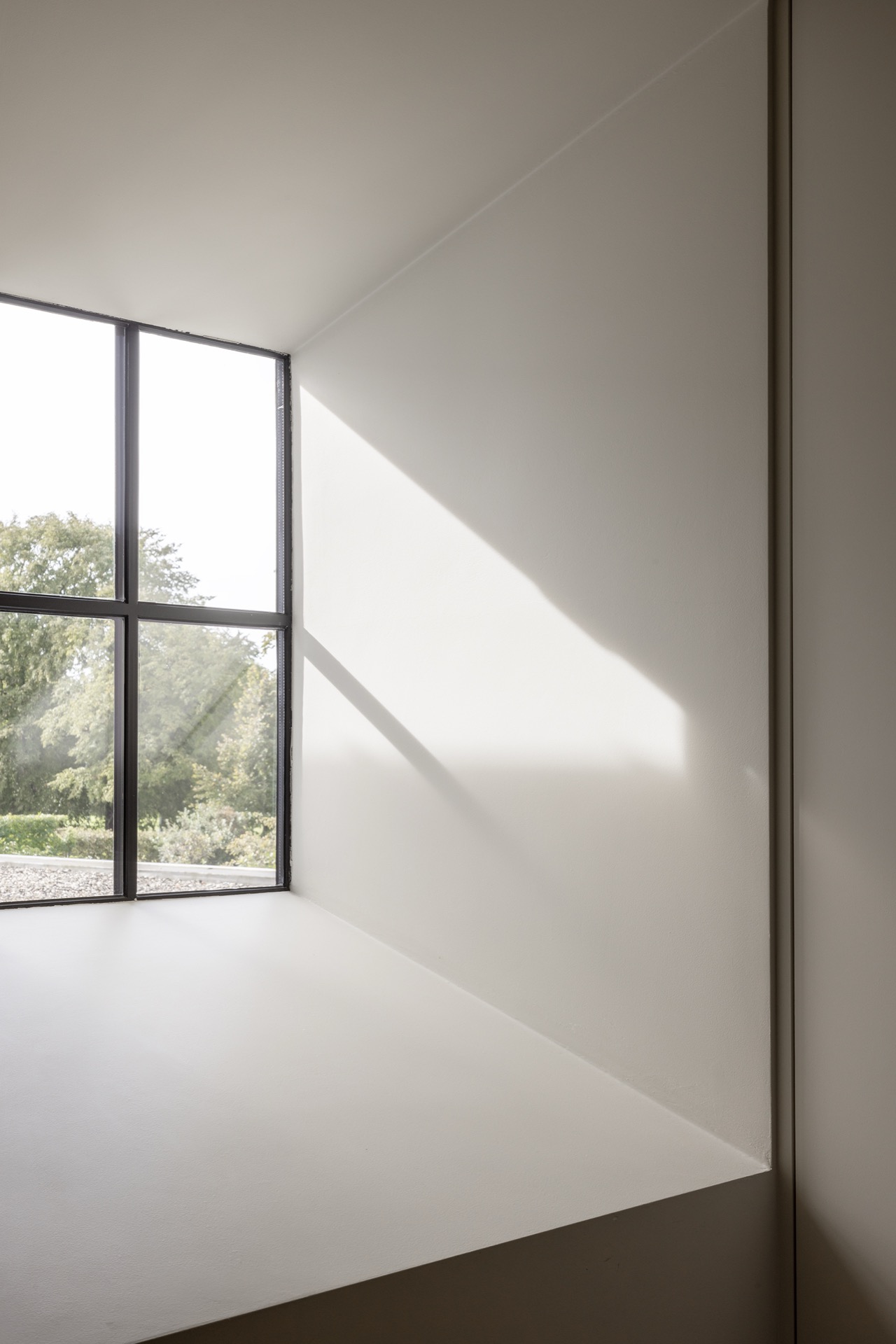
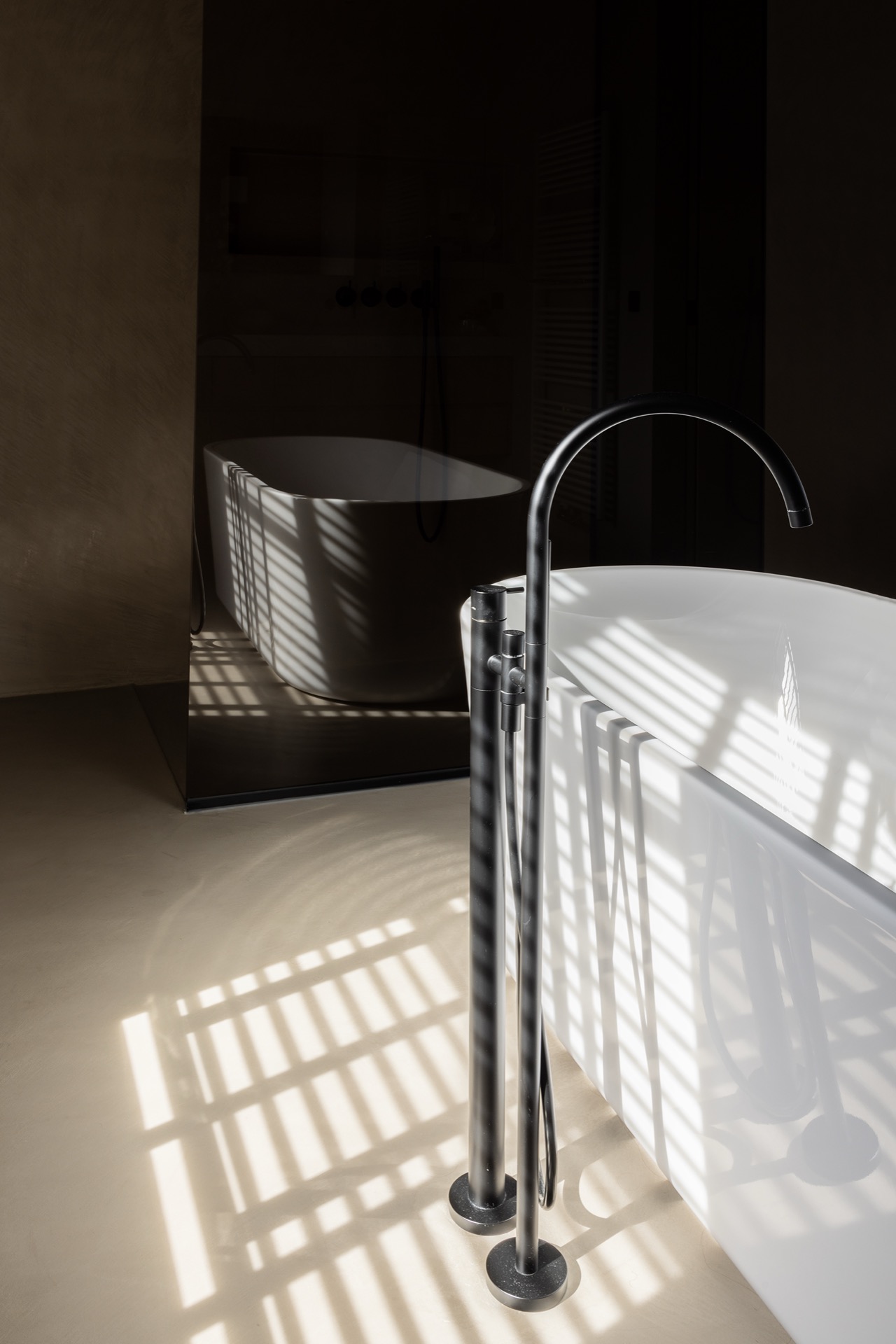
Sunlight moves across interior surfaces, highlighting grain in timber, the sheen of ceramics, and polished marble counters, casting dynamic patterns that animate the restrained color palette. This natural illumination shifts throughout the day, enhancing the perception of space and material tactility within the minimalist volumes.
Steel Details Introduce Precision
Black steel elements, from window frames to structural junctions, punctuate the design with sharpness that contrasts with organic materials. These details frame views and establish structural clarity, drawing attention to the assembly logic without distracting from the warmth of timber and character of thatching.
Color Palette Derived from Material Qualities
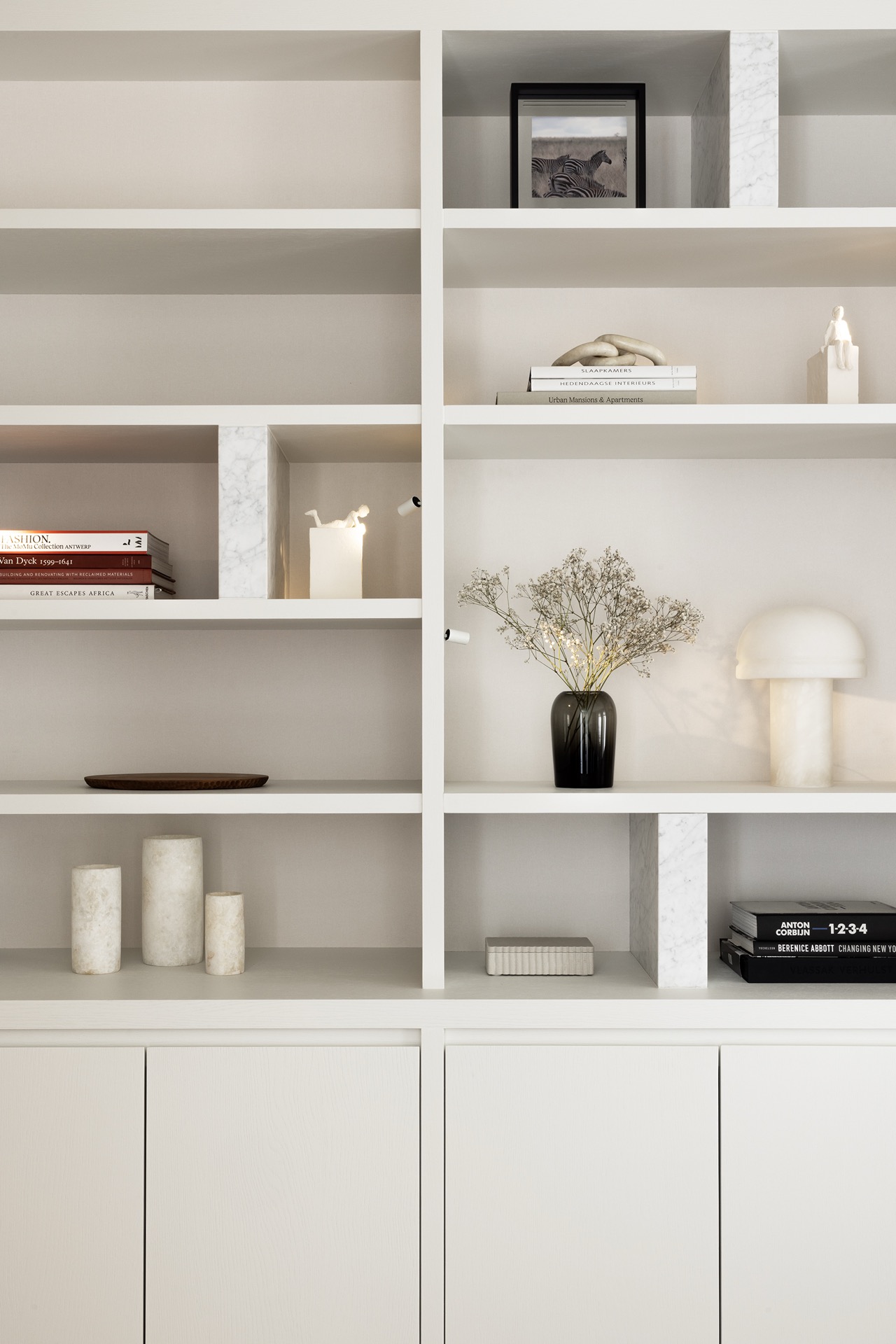
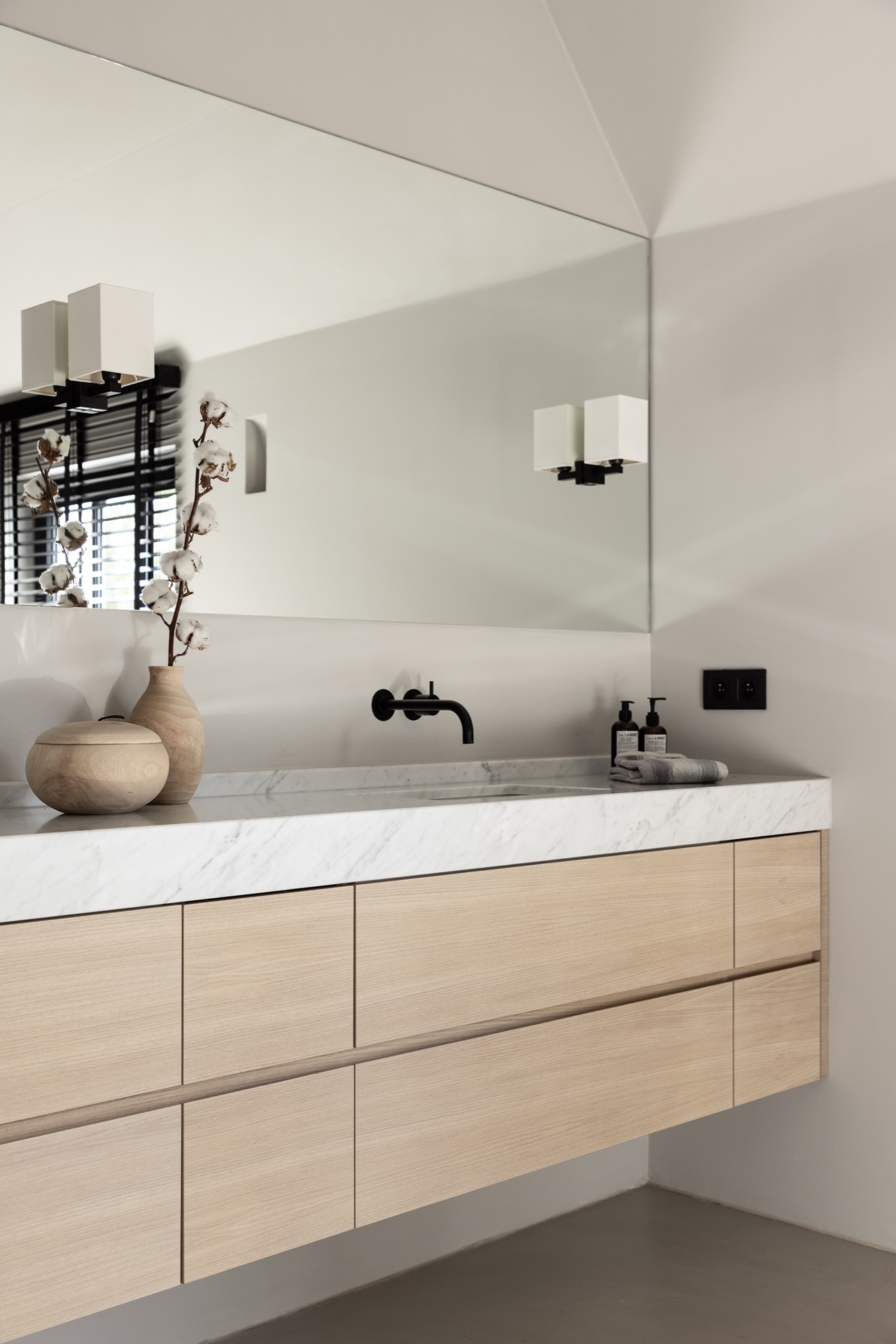
The interiors rely on soft earth tones: white walls set a neutral canvas, natural timber adds subtle warmth, and black steel accents provide contrast. Marble surfaces reflect light softly, injecting tonal variation without resorting to decorative overlays, allowing material qualities to guide the space’s character.
Spatial Organization through Material and Furniture
Within the open plan, texture and finish indicate functions and guide movement. Marble bench tops contrast with wood cabinetry, while furniture arrangement reinforces spatial flow without compartmentalization. The design maintains openness while clearly defining areas through material nuance.
Windows Frame Views and Manage Light
Carefully placed windows vary in size and orientation to capture views of greenery and sky while controlling sunlight and shade. These openings compose an architectural rhythm along the facade, connecting interior spaces to the landscape while balancing comfort and illumination.
Terrace Details Foster Connection to Nature
The terrace flooring closely matches interior wood tones, making the shift from inside to outside visually gentle. Integrated planter boxes contribute texture and splash of green, softening architectural edges and inviting movement between environments. This enhances the outdoor area’s role as part of the living experience.
Defining Architectural Language through Materials
The combination of thatch, timber siding, and black steel reveals a layered material hierarchy. Thatch embodies traditional craftsmanship; timber provides tactility and warmth; steel lends structure and precision. Together, they articulate the building’s design logic through the inherent qualities of each element. That makes the thatched roof part of the architectural character rather than a loose finish.
Want to see more of Vlassak-Verhulst? View the page of Vlassak-Verhulst for even more great projects and company information.


.png)