





Restoration with traditional thatched roofing in rural style
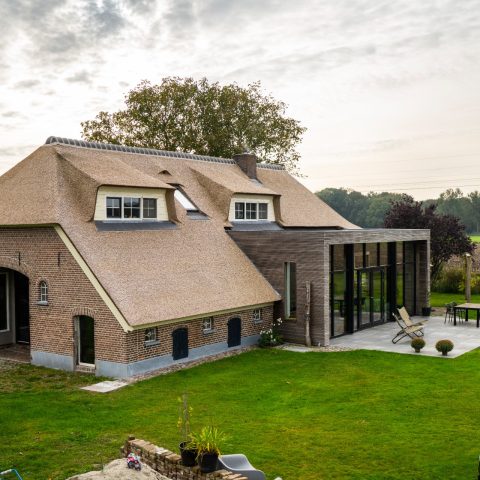
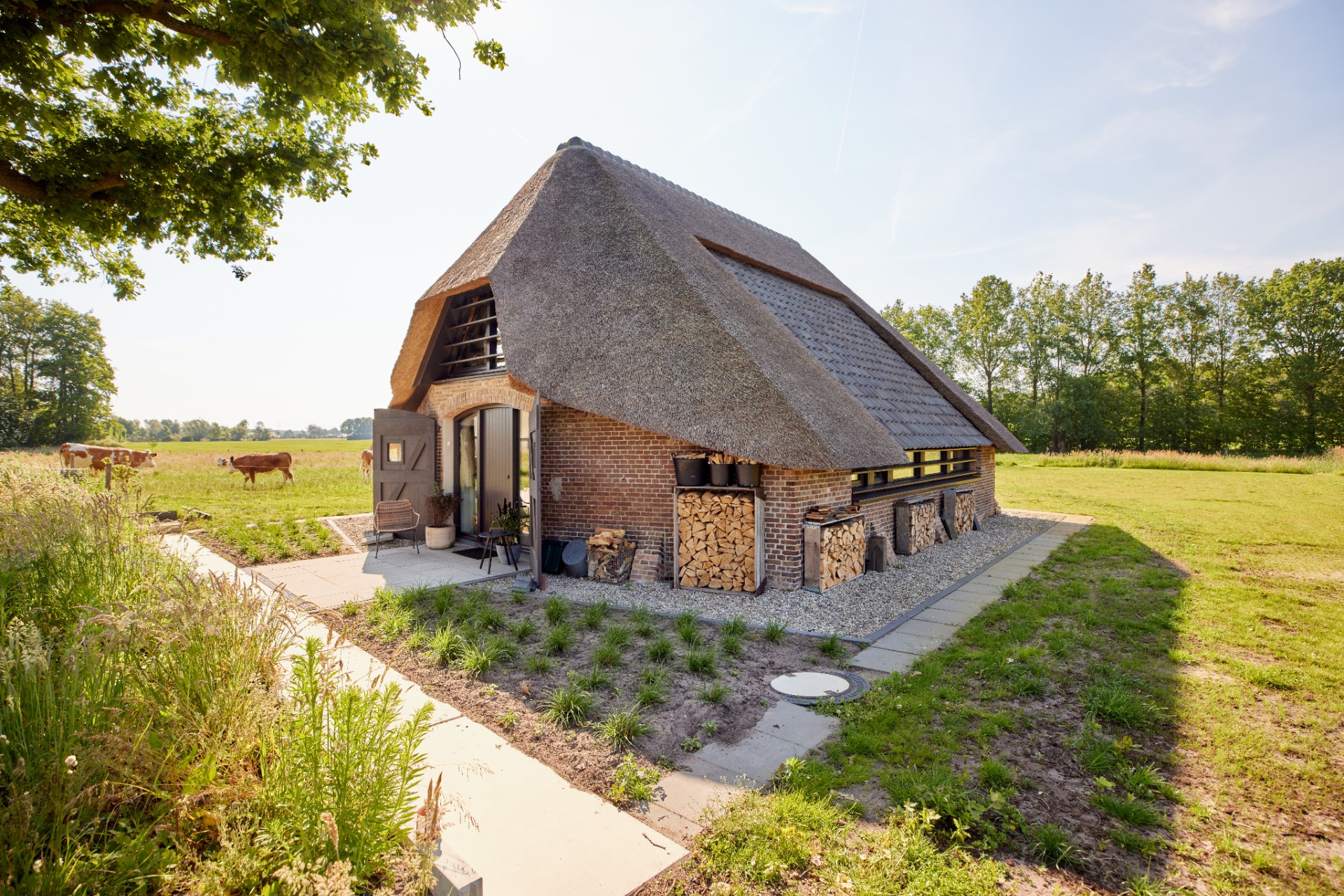
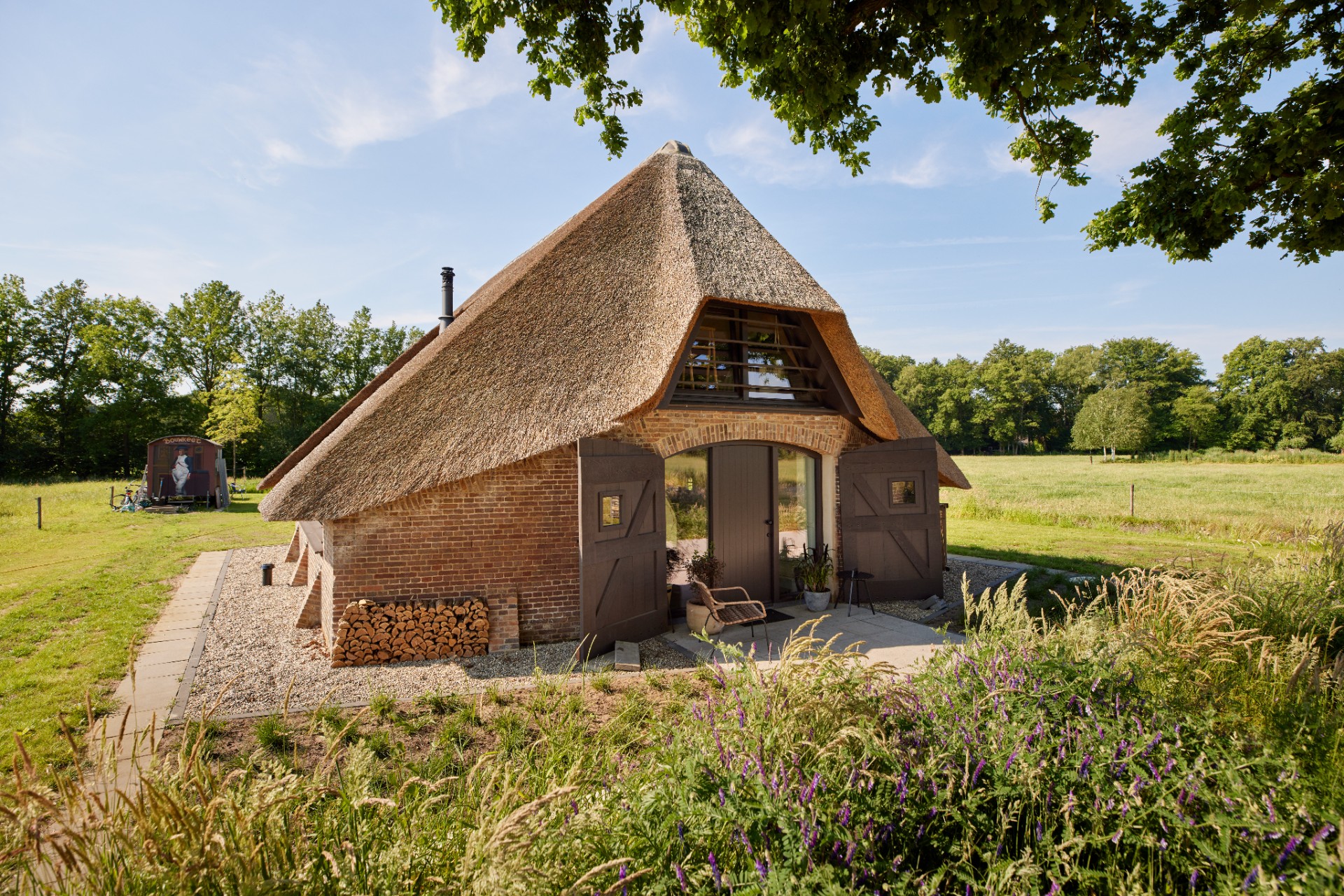
The delicate weave of the thatched roof softens the silhouette of a sturdy rural building, its texture catching the light in a way that hints at generations of craftsmanship. Beneath this roof, timber beams span deliberately, their proportions echoing techniques preserved through time. The setting is quiet, an expanse of open fields embracing the structure with gentle greenery and muted earth tones.
thatched roof as the architectural starting point
At the heart of this project lies a timber construction meticulously renewed to mirror traditional forms. The new wooden framework traces the original lines closely, respecting the massing and silhouette characteristic of historic rural architecture. Beams and supports align to create spacious, clear spans inside, while outside the timber’s natural grain offers subtle contrast to the brick surfaces it shores.
The Role of the Thatched Roof in Defining Character
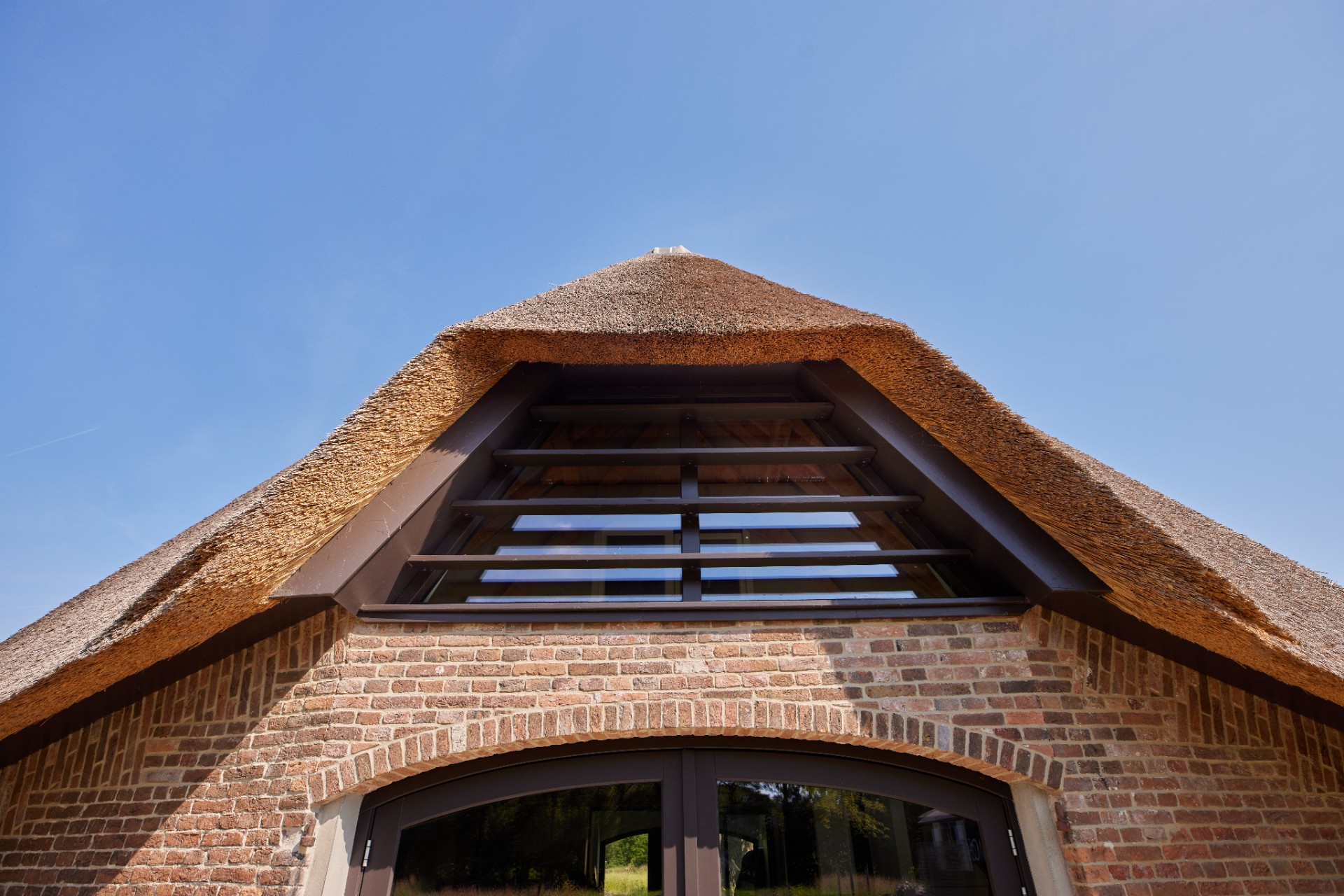
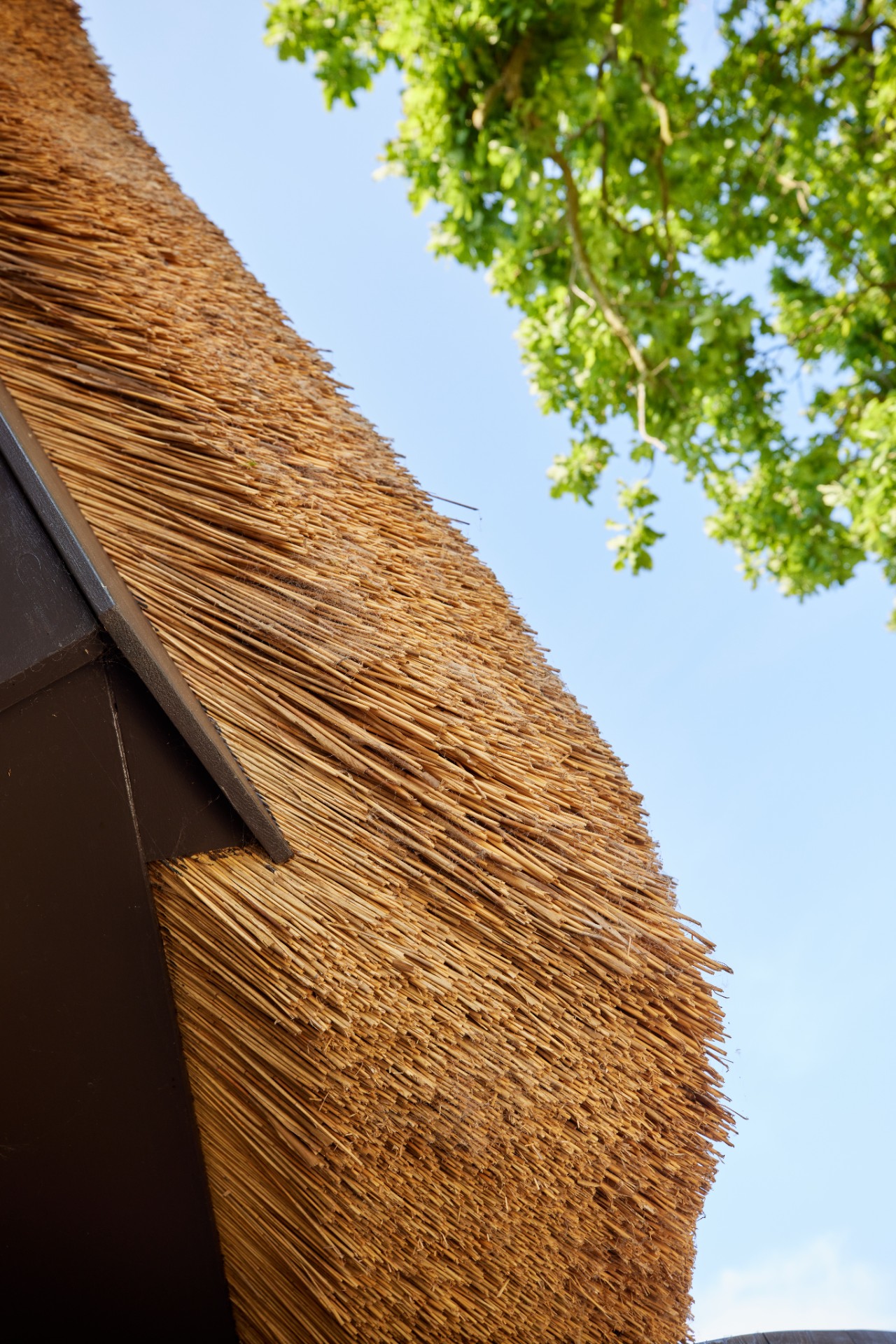
This thatched roof is more than a covering; it shapes the building’s identity within the landscape. Its textured surface and organic contours modulate light and shadow unevenly, breaking up the building’s edges. Constructed using natural materials, the roof blends almost imperceptibly into the peaceful natural setting, its muted golden straw reflecting seasonal shifts in color and atmosphere.
Exterior Finishes That Reflect Traditional Craftsmanship
The façades combine carefully selected brickwork with wooden elements that feature natural stains and muted colors. These finishes coordinate with the hues of the thatching, creating a cohesive palette that bridges the structure and its rural surroundings. Openings are framed without ornate detail, offering practical ventilation and unobstructed views through timber shutters designed for simple operation.
Ventilation Through Wooden Lamellas
Wooden lamellas placed strategically allow air circulation crucial beneath the eaves and within interior volumes, enhancing the building’s livability without detracting from its authentic appearance. These elements, subtle in their positioning and finish, enable a dialogue between traditional form and environmental responsiveness.
Transition Zones and Outdoor Connection
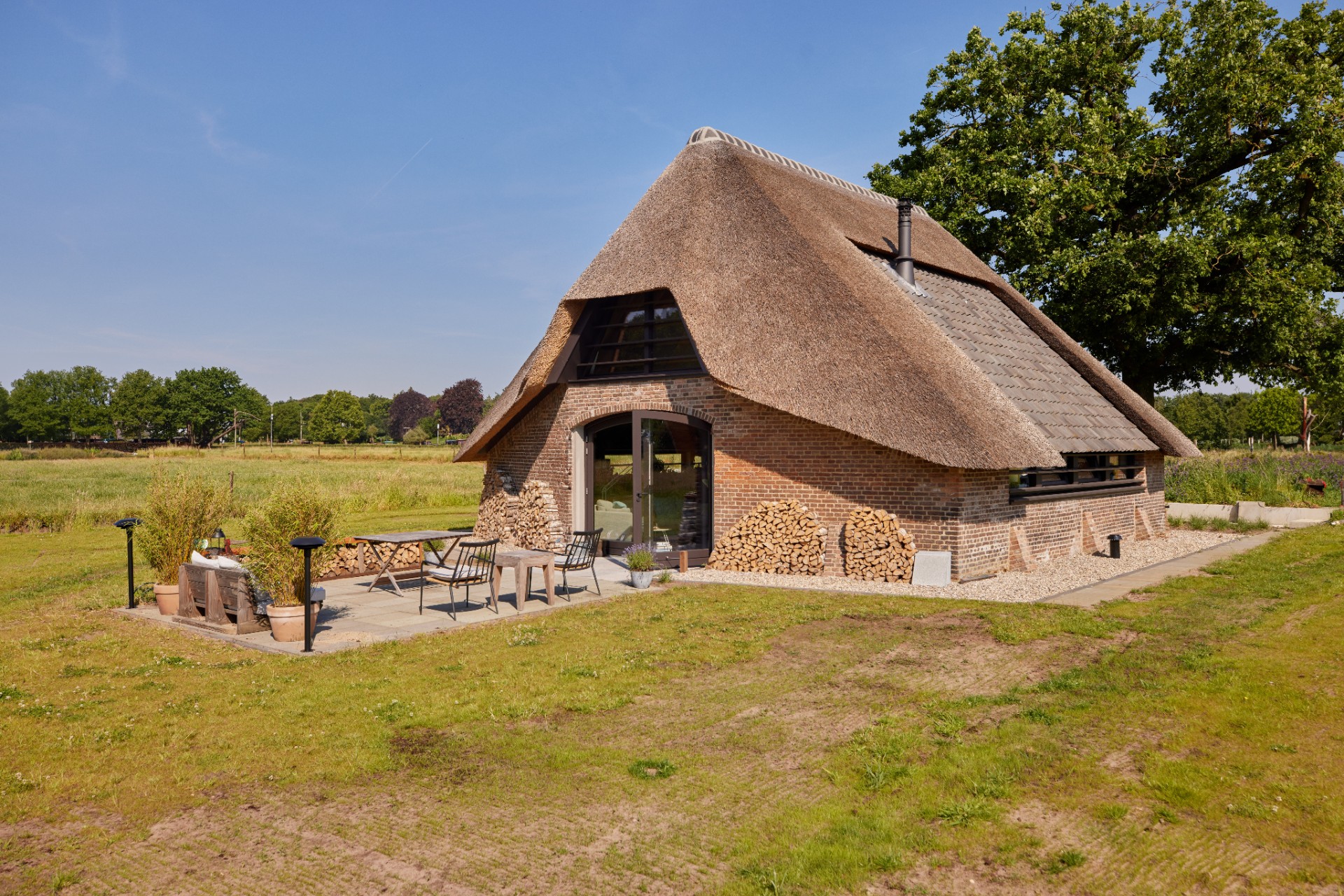
A terrace crafted from local timber sits directly adjacent to the house, its horizontal planks arranged to echo the lines of the roof and walls. This outdoor area affords seamless views over open fields, inviting quiet moments of reflection around the property while extending living spaces naturally into the landscape.
The Sensory Experience of Natural Materials
Touches of rough timber and pliant straw intersect beneath the fingertips, a tactile reminder of the hand-built character of this restoration. The contrast between the solidity of brick and the softness of natural thatching introduces subtle dynamism, observing light changes across the day and seasons. That makes the thatched roof part of the architectural character rather than a loose finish.
Spatial Qualities Within a Restored Rural Envelope
Interior volumes benefit from the steep pitch of the roof, offering lofted spaces framed by exposed timber. This height enhances the sense of openness while preserving a grounded feeling through the warm materials. Large openings establish visual connections outward, integrating the quiet landscape with interior settings.
Collaborative Craftsmanship in Historic Restoration
The collaboration embedded within the project combines experienced builders with knowledge of historic methods. The care taken to align with original construction rhythms and material palettes supports the architecture’s enduring presence in its natural surroundings while assuring structural clarity.
Landscape Integration Rooted in Tradition
The building sits comfortably on its site, its volume scaled to the surrounding open fields and punctuated by scattered trees. Garden spaces maintain native plant species, offering gentle transitions from constructed environment to wild nature and supporting the calm atmosphere this setting provides.
Detailing That Honors Historical Precision
Details such as window framing, door hinges, and roof intersections are executed with attention to traditional fitting and proportion rather than decoration. These elements convey precision and respect for the original design, allowing the building to tell its story quietly from element to element.
Material Harmony Through Natural Tones
Each material—be it the warm brick tones, honeyed timber, or golden thatch—contributes to a coherent sensory environment that anchors the house within the peaceful natural setting. The careful balance avoids abrupt transitions, instead favoring gradual shifts in texture and color that echo the rhythms of the surrounding countryside.
Views and Light Within a Restored Framework
The orientation and size of openings harness natural light to animate interior surfaces through the day. Changing shadows from timber frameworks and thatched roof elements fall over walls and floors, producing a quiet choreography of light intrinsic to a building shaped by rural traditions.
Want to see more of De Rietdekker? View the page of De Rietdekker for even more great projects and company information.


.png)