










Textured wall finish with warm matte micro-texture (video explanation)
A textured wall finish changes first in the light. From one angle the surface reads as soft and matte; from another, the small irregularities catch a trace of shadow and make the wall feel deeper. That is the point of this video explanation: a decorative painting technique that builds a warm matte texture instead of a flat plane. The result is closer to a material surface than a simple coat of paint.
A surface that holds shadow
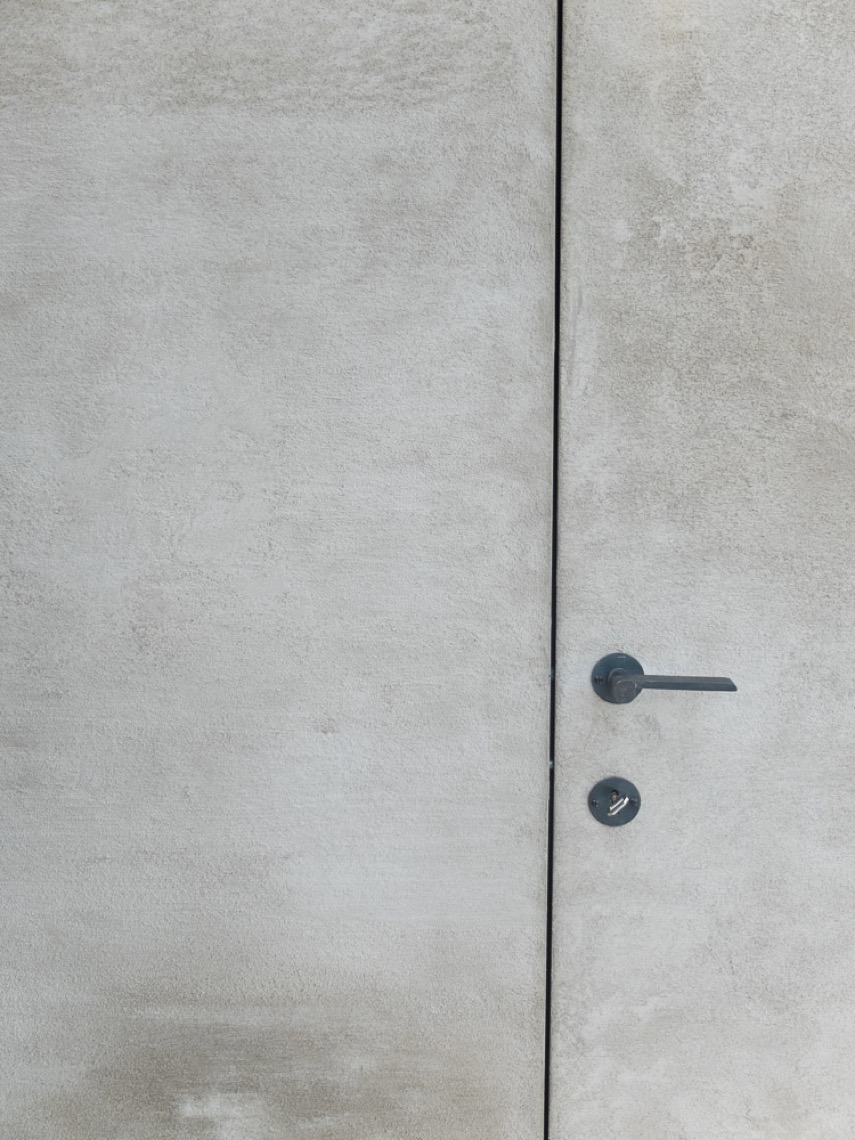
The wall does not try to look even. Fine ridges, slight depressions, and subtle marks give the finish a micro-texture coating that remains visible even at a distance. The effect is understated, but never blank. In the close-up, the surface sits somewhere between plaster and paint, with a tactile quality that changes when the light shifts across it.
This is where the decorative painting technique becomes legible. Rather than hiding the wall, it gives it a skin with depth. The finish feels considered without turning glossy or overworked. Warm beige and coffee-brown tones help the texture settle into the room, while the matte surface keeps the focus on line, grain, and the small variations that appear along each pass.
Two wall planes, one visible seam
A vertical joint splits the composition into two wall planes, and that line matters. It sets up a quiet contrast between surfaces that are related but not identical. One panel shows the textured wall finish more clearly, while the adjacent plane appears smoother and darker. Together they create a narrow shift in tone that gives the niche-like setting more depth.
The seam also makes the wall read as built space rather than decoration alone. Edges, transitions, and the meeting of materials become part of the picture. In a project like this, the wall finish is not applied to disappear; it is meant to be seen close up, where the change from one plane to the next reveals how the texture settles across corners and flat areas.
Recessed switches in the wall niche
Along the same wall line, recessed switches sit inside the niche and keep the surface orderly. Their square format and metallic trim introduce a small reflective note against the matte coating. The contrast is modest but clear: brushed-looking metal, deep wall tone, and a textured field that absorbs most of the light.
Because the controls sit flush with the wall, they do not interrupt the finish. Instead, they follow the rhythm of the niche and reinforce the sense that the wall has been planned as one continuous composition. The switches are not hidden, but they are contained, which lets the textured wall finish remain the main visual element in the frame.
Warm matte texture as a room signal
What makes the surface memorable is not decoration for its own sake. It is the way the finish changes the room’s reading through material alone. The warm matte texture gives the wall more presence than a plain painted plane would have, yet it stays quiet enough to work beside minimal details. That balance comes from the surface itself: dry-looking, uneven in the right places, and rich in shadow without becoming heavy.
The image shows how a textured wall finish can sit within a contemporary interior language without losing its handmade character. The tone is restrained, the geometry is clean, and the material finish carries the atmosphere. Every edge matters, especially where the wall turns, where one surface meets another, and where the recessed controls cut into the plane.
What the video adds
The video explanation gives a voice to the process behind the finish. It frames the surface as an intentional decorative painting technique, not a generic backdrop. That matters when the texture is this subtle. In motion, the variations in the coating become easier to read: a faint drag in one section, a denser patch in another, a change in sheen that stays within the matte range.
Seen this way, the project is less about calling attention to a single effect and more about showing how a micro-texture coating can shape the mood of a wall. The finish works through detail. It gives the surface enough relief to catch light, enough restraint to stay architectural, and enough variation to keep the eye moving across the plane without distraction.
Material cues that shape the whole wall
The close-up makes several material cues easy to read at once: the irregular texture, the straight joint, the recessed fittings, and the warm tonal field. None of them dominates by itself. Together they describe a wall that has been treated as a surface with depth, not just a colored partition. The metallic outline of the switches adds a small hard edge, which keeps the matte coating from feeling flat.
In that sense, the textured wall finish is also about restraint. The texture is visible, but it does not break the wall into fragments. It supports the line of the niche, the square geometry of the controls, and the calm of the color range. The finish feels specific because it is built from small decisions that remain readable in the photograph and in the video alike.
That is what the project makes clear: a decorative painting technique can do more than add surface interest. It can define how a wall receives light, how a seam is understood, and how a recessed detail sits inside the composition. Here, the textured wall finish holds all of those roles at once, with a warm matte texture that stays close to the material and leaves the rest of the room to the architecture around it.
Want to see more of Texture Painting? View the page of Texture Painting for even more great projects and company information.





%20-%20)